Seuwichi
Seuwichi occupies a ground-floor address in Gaesin-dong, Cheongju's Seowon district, where Heungdeok's bar culture sits at a quieter remove from Seoul's more saturated cocktail circuit. The programme draws from the wave of technique-forward drinking that has reshaped provincial South Korean bar culture over the past decade. It earns a place on any considered itinerary through that city.
 Discover on Pearl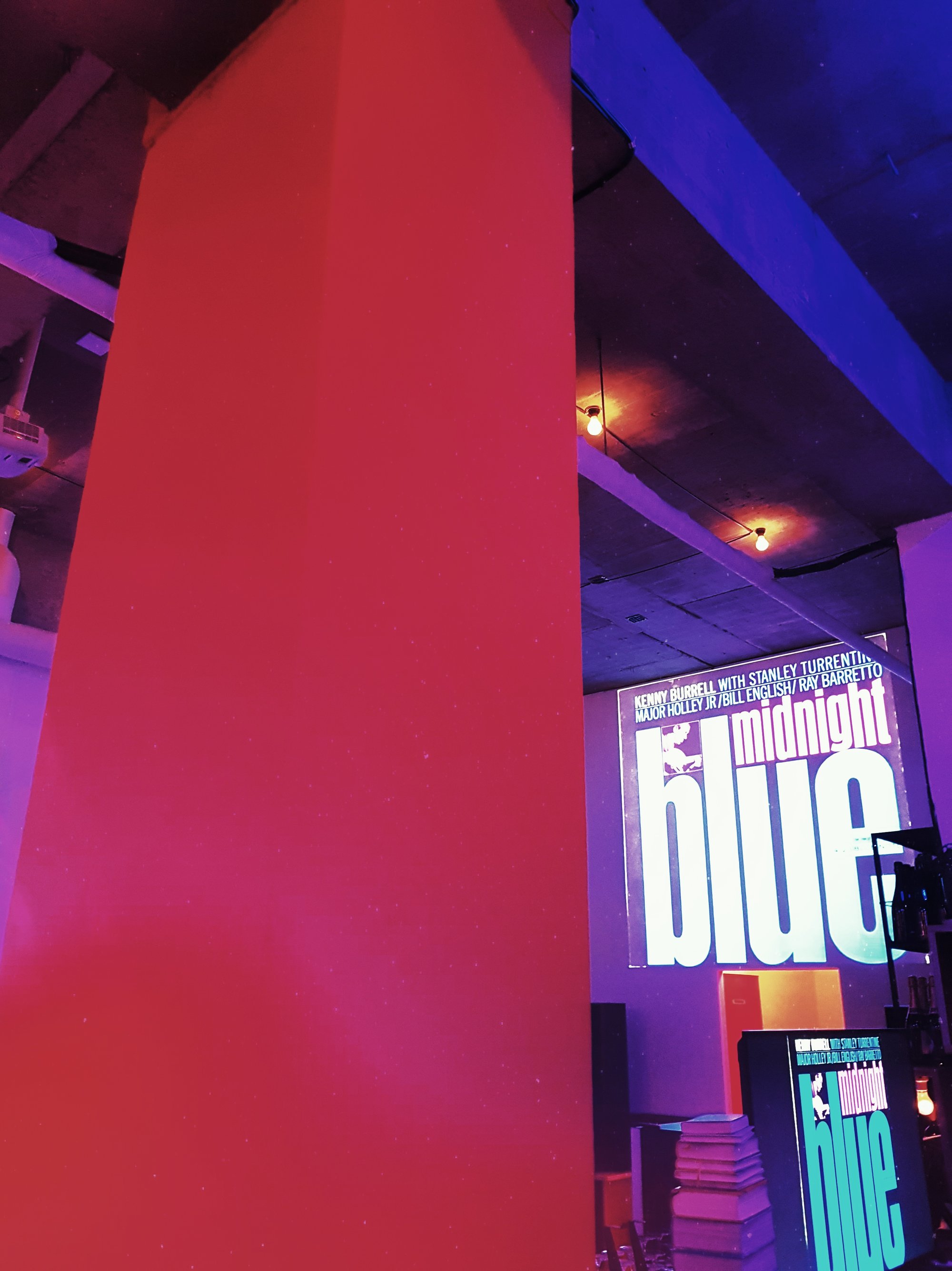
Heungdeok's Cocktail Scene and Where Seuwichi Fits
Provincial South Korean bar culture has undergone a quiet but measurable shift over the past decade. Seoul's most ambitious cocktail programmes, places like Alice Cheongdam in Seoul, set a technical benchmark in the early 2010s that gradually pulled talent and ambition toward the regions. Cheongju, the capital of Chungcheongbuk-do and the urban core that Heungdeok district sits within, now hosts a generation of bars operating well outside the capital's gravity. Seuwichi, on the ground floor of a low-rise block in Gaesin-dong, belongs to that outward movement.
The broader context matters here. South Korea's mid-tier cities have developed drinking cultures that are distinct from Seoul rather than derivative of it. The pace is different, the price pressure is lower, and the audience tends to be more locally rooted, which gives bartenders room to develop longer arcs of programming rather than chasing rapid trend cycles. That environment has produced bars across the country with genuine craft depth, even when national recognition lags behind the quality on offer.
The shortlist, unlocked.
Hard-to-book tables, cellar releases, and concierge-planned trips.
Get Exclusive Access →The Cocktail Programme: Technique at a Regional Register
The framework of serious Korean cocktail bars has increasingly borrowed from two directions: the Japanese influence on discipline, mise en place, and ingredient sourcing, and the European tradition of spirit-forward, low-intervention builds. The most interesting programmes sit in the overlap, working Korean fermentation ingredients, seasonal botanicals, and local spirits alongside classical techniques. Muyongdam in Jeju Si and Anjuga in Ansan Si represent how that synthesis can work at a regional level, and Seuwichi operates within the same category logic.
For bars in this tier across South Korea, the cocktail menu tends to do the clearest editorial work. It signals whether a programme is rooted in a genuine point of view or simply replicating a metropolitan template. In Cheongju's context, a bar that builds its identity around local ingredient sourcing or Korean spirit categories carries a different weight than one that defaults to imported-spirit classics alone. The address in Gaesin-dong, a residential-commercial mix rather than a dining district, suggests a bar that draws on neighbourhood loyalty as much as destination traffic.
Comparisons to bars at the more recognised end of Korean cocktail culture are instructive. Climat in Busan and Regency Club in Incheon show how regional programmes can achieve critical weight by committing to a specific technical identity rather than broad appeal. The bars that have lasted and developed reputations in Korean provincial cities share a discipline around format: a focused menu, a consistent approach to ice and temperature, and an emphasis on the drink over the theatre surrounding it.
Reading the Room: Atmosphere and Setting
A ground-floor address in a predominantly residential quarter of Gaesin-dong creates a particular kind of bar atmosphere. The physical approach is low-key by design, the kind of entrance that signals to the right audience without advertising itself broadly. This format is familiar across serious cocktail culture in East Asia, where discretion in signage and setting has long been read as a marker of programme confidence rather than inaccessibility.
The international comparison is useful for calibrating expectations. Bars like Bar Leather Apron in Honolulu and Kumiko in Chicago have built reputations around precisely this combination of unassuming settings and technically serious programmes. The atmosphere in these spaces is shaped more by what is in the glass than by the design vocabulary of the room. Provincial Korean bars with serious programmes tend to follow the same logic: the space recedes so the drink is the primary experience.
For anyone arriving from Seoul or from further afield, Cheongju is accessible by KTX high-speed rail from Seoul Station, with journey times under an hour to Osong station, which serves the broader city. The Gaesin-dong address sits in Seowon-gu, and local taxis or ride-hailing apps cover the distance from central Cheongju without difficulty. Given that specific booking details and hours for Seuwichi are not publicly confirmed, checking the venue's current status through local platforms before visiting is the practical approach.
Positioning Against the International Bar Scene
The international cocktail bar scene has moved through several phases in the past fifteen years, from speakeasy theatrics to the transparency-led technical programmes that now define the credible upper tier. Bars like Jewel of the South in New Orleans, Julep in Houston, Superbueno in New York City, and The Parlour in Frankfurt on the Main each represent a version of that transparency: a legible programme, a defined identity, and a drink that justifies the visit independent of the room's atmospherics.
Korean provincial bars entering that conversation face a specific challenge: the international recognition infrastructure, awards circuits, and critical attention, still concentrates heavily on Seoul. A bar in Heungdeok district is operating outside that infrastructure by default, which means that quality-to-recognition ratios can run in the drinker's favour. The experience of finding a technically serious programme in a city that the broader cocktail press has not yet mapped is not uncommon in South Korea's secondary cities, and Cheongju sits in that position.
Planning a Visit
Seuwichi is one of the more considered stops on any itinerary that treats Cheongju as a drinking destination rather than a transit point. For a fuller map of what the area offers, the EP Club Heungdeok restaurants guide covers the broader dining and drinking picture across the district. Given the limited public information on hours and booking, treating a visit as part of a wider Cheongju evening, rather than a sole destination, is the most practical approach until operational details are confirmed through local sources.
Frequently Asked Questions
- What's the general vibe of Seuwichi?
- Seuwichi sits in Gaesin-dong, a residential-commercial neighbourhood in Cheongju's Seowon district, which gives it a quieter register than Seoul's more prominent cocktail venues. The setting and address suggest a programme built for a local audience with genuine craft interest rather than a destination bar chasing out-of-town traffic. Without confirmed awards or price data, the clearest read comes from its place in Heungdeok's emerging bar scene, a category that rewards visiting with lower crowds and often higher drink-to-price ratios than the capital.
- What's the leading thing to order at Seuwichi?
- Specific menu details are not publicly confirmed for Seuwichi, so directing you to a particular dish or drink would mean speculating beyond the available record. As a general principle, bars operating in this tier of Korean provincial cocktail culture tend to anchor their programmes around a small number of signature builds, often incorporating local or Korean-origin spirits. Asking the bartender for the current programme's leading drink is the most reliable approach, and in this format of bar it is typically the most useful conversation you can start.
- Is Seuwichi the kind of bar worth travelling to Cheongju specifically to visit?
- Cheongju's position on the KTX network makes it reachable from Seoul in under an hour via Osong station, which lowers the commitment compared to more distant regional destinations. Seuwichi's Gaesin-dong address fits a pattern of serious provincial Korean bars that operate outside the Seoul awards and press circuit, which typically means less competition for seats and a more local atmosphere. For travellers already routing through Chungcheongbuk-do, it sits at the considered end of the local bar options; as a sole purpose for travel, pairing it with Cheongju's wider dining scene makes the visit more complete.
How It Stacks Up
These are the closest comparables we have in our database for quick context.
| Venue | Cuisine | Price | Awards | Notes |
|---|---|---|---|---|
| Seuwichi | This venue | |||
| Alice Cheongdam | World's 50 Best | |||
| Bar Cham | World's 50 Best | |||
| Southside Parlor | World's 50 Best | |||
| Zest | World's 50 Best | |||
| Bar D.Still | World's 50 Best |
Need a Table?
Our members enjoy priority alerts and concierge-led booking support for the world's most difficult bars and lounges.
Get Exclusive AccessThe shortlist, unlocked.
Hard-to-book tables, cellar releases, and concierge-planned trips.
Get Exclusive Access →