Finka Table & Tap
Finka Table & Tap sits in Miami-Dade's western suburbs, where Cuban-American and Latin influences converge in a dining and drinking format that takes the cocktail programme seriously. The bar anchors a broader table-and-tap concept that reflects Miami's increasingly hybridised food culture, drawing a local crowd that stretches well beyond the usual tourist circuit.
 Discover on Pearl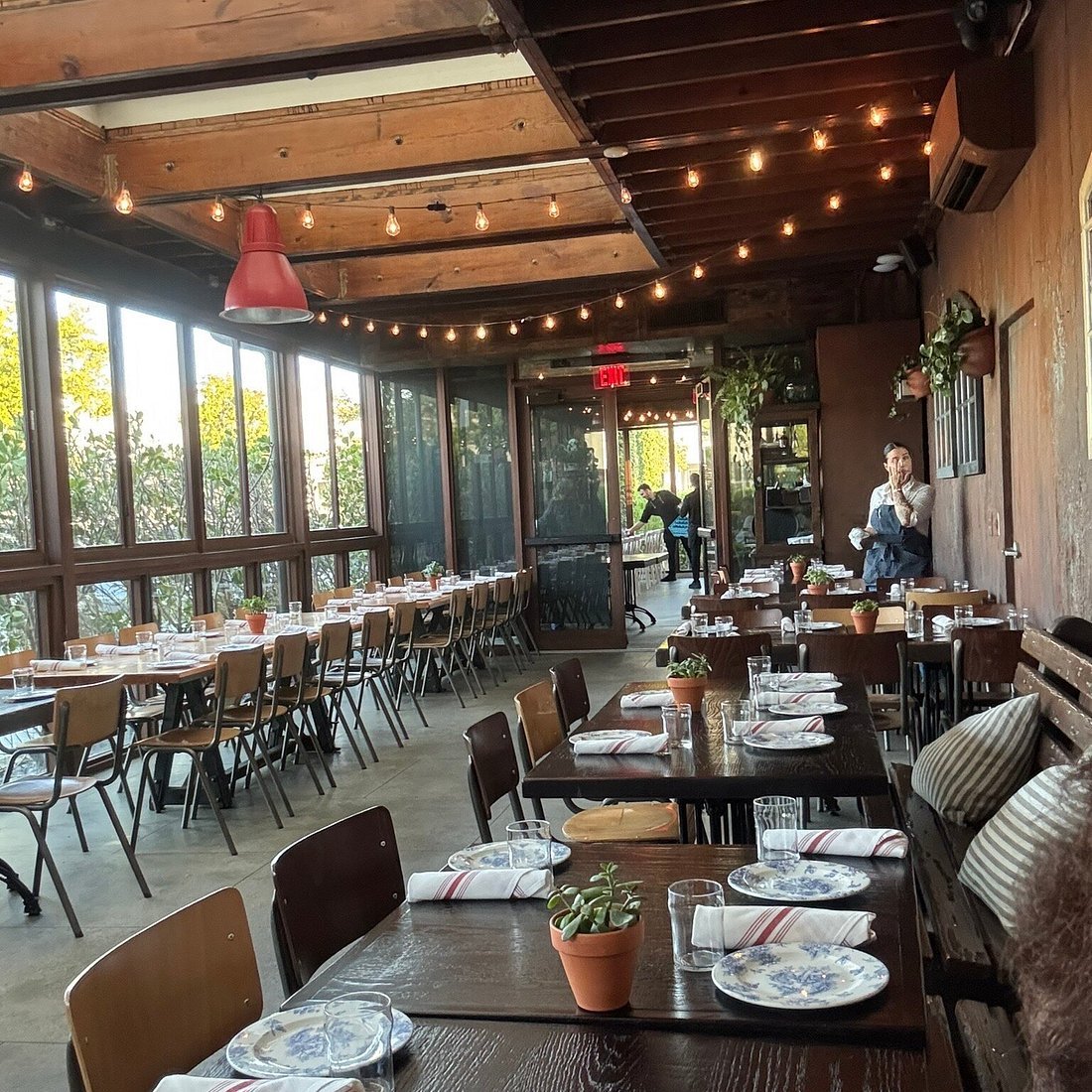
Where West Miami Drinks
Miami's cocktail conversation tends to concentrate along Brickell and Wynwood, where visibility and tourism density reward the loudest programmes. The western suburbs tell a quieter story. Along SW 26th Street in the 33175 zip code, the demographic is predominantly Cuban-American and working-class Latin, and the bars that thrive here do so on neighbourhood loyalty rather than media attention. Finka Table & Tap operates in that context, at 14690 SW 26th St, and its durability in a market that rarely courts outside reviewers says something about how it reads on a local level. For a deeper orientation to what Miami-Dade's dining circuit looks like across its many nodes, the our full Miami Dade County restaurants guide maps the broader picture.
The Table-and-Tap Format
The "table and tap" model occupies a particular middle register in American dining: food-forward enough to require a kitchen with range, drink-forward enough that the bar carries equal narrative weight. It is a format that has spread across mid-size American cities as operators sought to escape the binary of fine dining versus casual bar. At its weakest, the format produces neither strong food nor serious drinks. At its leading, it creates a room where staying through multiple courses and several rounds feels natural rather than contrived. Finka positions itself in that second category, drawing a crowd that arrives for dinner and often stays through the bar programme without the transition feeling like a gear change.
The shortlist, unlocked.
Hard-to-book tables, cellar releases, and concierge-planned trips.
Get Exclusive Access →Latin Miami has its own specific demands on this format. The table-and-tap concept here sits inside a cultural tradition where hospitality is measured in generosity of portion and length of evening rather than refinement of plating. Cocktails in this context compete with rum-and-coke simplicity on one end and the premium craft bar on the other. The programmes that survive in west Miami tend to find a tone that respects both ends without condescending to either. Bar Kaiju in Miami operates in a different register, leaning into fantasy and theatrics, but the underlying challenge of building a loyal local crowd in a non-tourist Miami zip code is shared.
Reading the Cocktail Programme
Across American craft cocktail programmes, the clearest differentiators are sourcing transparency, technique signals, and the degree to which the menu reflects the surrounding culture rather than importing a generic bar identity. Kumiko in Chicago built its reputation on Japanese precision applied to spirit selection; Jewel of the South in New Orleans leans into historical cocktail research; Julep in Houston centred its identity on Southern whiskey traditions. The better regional programmes are legible: you understand what the bar believes in within the first round.
In Miami's western corridor, the ingredient logic that makes most sense involves Latin spirits, tropical citrus, and the kind of rum-adjacent builds that reflect the neighbourhood's drinking culture without reducing to pastiche. A cocktail programme anchored in aguardiente, cana, or Cuban-style rum preparations speaks a local language; one that imports the same Aperol-spritz-and-whiskey-sour playbook found in every American airport hotel says nothing about where it is. The distinction matters because drinks menus in food-led concepts often exist to support margin rather than to express a point of view. The tap component adds another layer: craft beer selections in this part of Miami exist alongside local producers like Miami Brewing Company, and a thoughtful tap list reflects awareness of that local production ecosystem. Schnebly Redland's Winery & Brewery represents the hyper-local end of Miami-Dade production, pressing tropical fruit into wine and beer formats that are specific to South Florida's agricultural belt.
For comparison purposes, bars like ABV in San Francisco and Allegory in Washington, D.C. have built programmes where every drink carries a declared conceptual thread, and that deliberateness is now the benchmark against which food-led bar programmes are measured. Superbueno in New York City offers perhaps the closest analogue to Finka's cultural position: a Latin-rooted identity expressed through the bar as much as the kitchen, in a city where that combination had been underserved. Bar Leather Apron in Honolulu and The Parlour in Frankfurt on the Main extend the map of programmes that take their local identity seriously without defaulting to folk-art cosplay.
The Suburban Dining Factor
One structural truth about Miami-Dade is that its centre of gravity is not geographic. The county spans a vast and fragmented area, with dining cultures that vary dramatically between Coral Gables, Little Havana, Doral, and the southwestern suburbs where Finka operates. Venues outside the tourist zones face a specific set of pressures: no walk-in overflow from hotel guests, no Yelp-tourist traffic, and a local audience with strong existing loyalties to family-run spots that have operated for decades. Survival in that environment requires genuine neighbourhood utility, not just a good opening week.
The table-and-tap model offers something these communities often lack: a room that works equally well for a Tuesday dinner, a Friday night out, and a Sunday afternoon that extends longer than intended. That versatility is what gives food-and-drink hybrids longevity in suburban Miami rather than the single-use concept that works in high-footfall corridors but fades when novelty wears off.
Planning Your Visit
Finka Table & Tap sits at 14690 SW 26th St, Miami, FL 33175, in the western reaches of Miami-Dade county. The location is car-dependent in the way that most of this part of the county is; public transit connections to this corridor are limited, and the surrounding area rewards a self-directed approach rather than a walk-in impulse. Booking options, current hours, and contact details are leading confirmed directly with the venue before visiting, as published information in the public domain has not been independently verified for this listing. For readers building a broader Miami-Dade itinerary across dining, drinking, and local producers, the our full Miami Dade County restaurants guide provides the wider context.
The shortlist, unlocked.
Hard-to-book tables, cellar releases, and concierge-planned trips.
Get Exclusive Access →Frequently Asked Questions
In Context: Similar Options
A compact peer snapshot based on similar venues we track.
Need a Table?
Our members enjoy priority alerts and concierge-led booking support for the world's most difficult bars and lounges.
Get Exclusive AccessThe shortlist, unlocked.
Hard-to-book tables, cellar releases, and concierge-planned trips.
Get Exclusive Access →