Rost occupies a corner of Södermalm's residential grid on Wollmar Yxkullsgatan, operating in the register Stockholm does particularly well: focused, neighbourhood-scaled dining where the kitchen's ambition is legible in the plate rather than the room. The address places it among Södermalm's more considered casual-to-serious restaurants, the tier that defines much of the city's everyday dining culture.
Pearl is the En Primeur Club membership app — saves, bookings, and concierge access live there. Same editors, same standards.
- Address
- Wollmar Yxkullsgatan 52, 118 50 Stockholm, Sweden
- Phone
- +46 72 303 32 98
- Website
- roststockholm.se
- Directions
- Get directions
 Saves & bookings on Pearl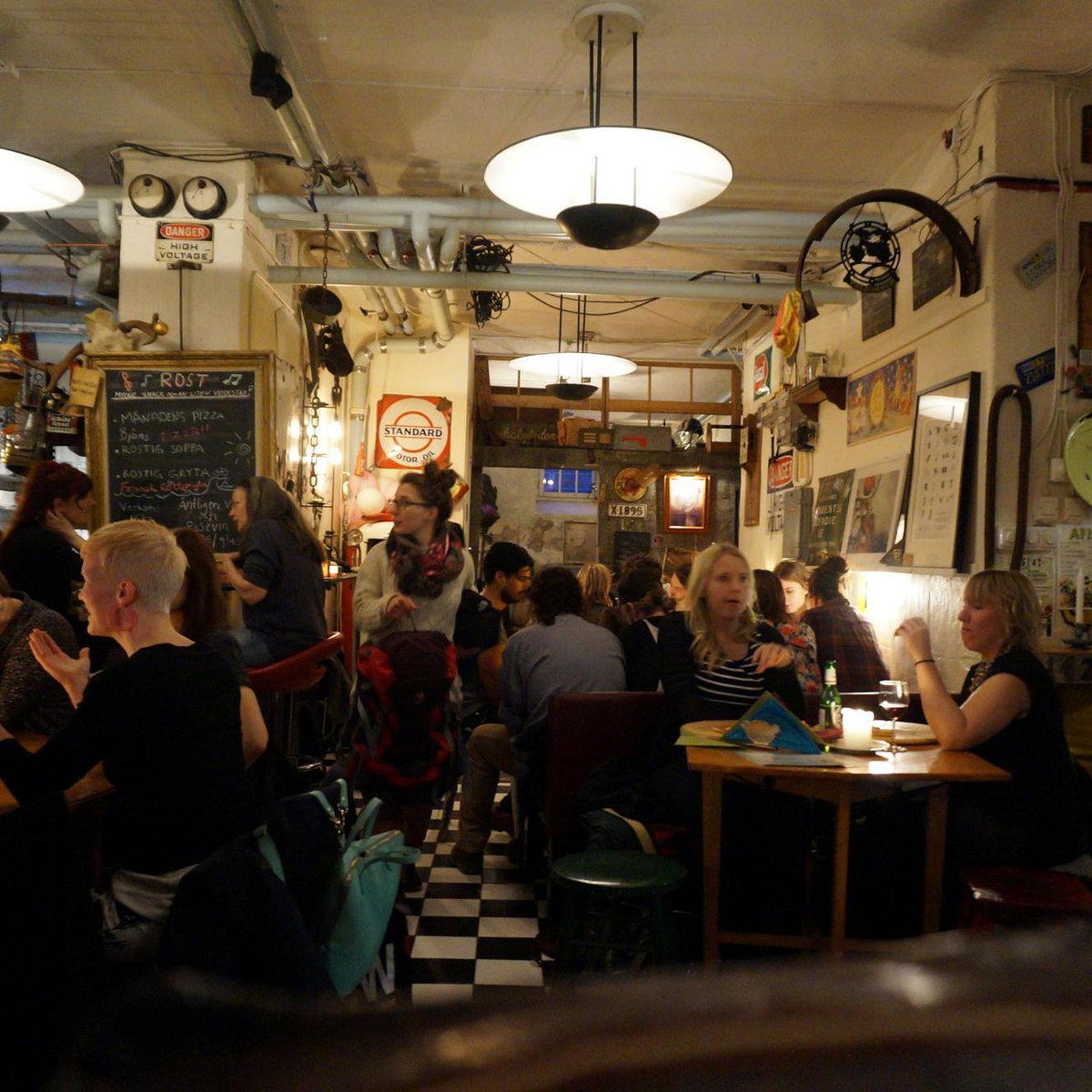
Södermalm's Dining Register
Stockholm's most interesting restaurant addresses have never clustered around a single prestige corridor the way Paris organises itself around arrondissements or London around postcodes. Södermalm, the island borough south of Gamla Stan, has developed its own gravitational pull for neighbourhood-serious kitchens: places that operate with genuine culinary intention without the formality of the city's tasting-menu tier. Wollmar Yxkullsgatan sits inside that network, a residential street where the buildings are solid 19th-century brick and the restaurants tend to earn their reputation through repeat local custom rather than tourist traffic. Rost is at number 52 on that street, which already says something about its coordinates in the Stockholm dining map.
The broader Södermalm scene splits, roughly, between high-volume casual venues and smaller rooms that price and programme closer to the serious end without committing to the full omakase-style formality. That middle register is where Stockholm often does its most interesting work, and it is where Rost operates.
Approaching the Room
Södermalm addresses like this one tend to reward a certain kind of arrival: on foot, from the direction of Mariatorget or down from Hornstull, through streets that are genuinely residential rather than retail-facing. The building stock in this part of the island gives the area a density and quietness that distinguishes it from the more activated blocks around Götgatan. Walking towards Rost, the expectation is set by the neighbourhood itself: this is not a destination engineered for spectacle. The room, the address, the street all signal something more inward-facing, the kind of place that assumes its guests already know where they are going.
That spatial register matters when thinking about how a meal at Rost is likely to unfold. Stockholm kitchens in this tier typically build around a short, considered menu rather than extensive à la carte choice, a format that reflects both the sourcing logic common to Swedish seasonal cooking and the operational reality of smaller teams. The progression of a meal here follows the pattern the city has normalised at this level: the kitchen controls the arc, the diner moves through it.
The Progression of the Meal
The tasting-progression format, even in its looser neighbourhood-restaurant incarnation, has become one of Stockholm's defining contributions to how northern European cities eat at the serious-casual level. Rather than the grand ceremonial of a Michelin-starred progression, the rhythm is more conversational: a series of plates that build in weight and intensity, often anchored in Swedish seasonal logic, where what grows or is caught within a defined northern geography shapes what arrives at the table.
At venues operating in this part of Södermalm, the early plates in a meal typically function as calibration: lighter, often raw or briefly cured preparations that establish the kitchen's sourcing and technique before committing to more substantial work. The middle section is where most of the culinary argument is made. By the time the meal reaches its final stages, the kitchen has usually shifted register toward something rooted and warming, the kind of cooking that reflects the Scandinavian instinct to move toward comfort as a meal closes rather than toward sweetness alone.
The address, the neighbourhood, and the format signals all position it within that established Stockholm progression logic. The kitchen's identity will be readable in the plates themselves, and the meal's structure is likely to follow the arc that Södermalm's more considered rooms have made their working standard.
Where Rost Sits in the Stockholm comparable set
The Stockholm bar and restaurant scene that surrounds addresses like this one is worth understanding as context. Södermalm supports a dense cluster of credible independent operations. On the bar side, Tjoget has established itself as one of the city's reference points for serious cocktail work, while Lucy's Flower Shop and Röda Huset represent different points on the neighbourhood's drinking spectrum. A Bar Called Gemma adds another register to the area's evening options. The density of this comparable set is itself a signal: Södermalm sustains serious independent hospitality because its resident and visitor base supports it.
Zooming out to the Swedish context, the country's hospitality range runs from neighbourhood rooms like this one through to destination-scale properties. Vyn Restaurant in Östra Nöbbelöv and Koster Islands in Tjärnö represent the coastal and rural Swedish dining tradition, while Dorsia Hotel and Restaurant in Gothenburg anchors the west coast's hotel-restaurant format. Regional Swedish brewing culture gets its own expression through venues like Ångbryggeriet in Piteå and Ölkaféet in Malmö. For a different geography entirely, Bageriet Mat and Bar in Visby represents Gotland's increasingly serious food scene, and for those tracking international bar programmes, Bar Leather Apron in Honolulu offers a useful comparison point for what rigorous cocktail-forward hospitality looks like at the other end of the spectrum.
Rost's position within this wider Swedish context is as a Södermalm neighbourhood room: not a destination venue in the travel-magazine sense, but precisely the kind of address that defines how Stockholm's residential dining culture actually functions at its most considered level.
Planning a Visit
Wollmar Yxkullsgatan 52 is walkable from Mariatorget metro station, which puts it inside a few minutes of the island's central transport node. The street itself is quiet enough that arrival is direct, with no particular navigation challenge once you are in the neighbourhood. Walk-in availability at rooms of this size in Stockholm varies by day and service: weekday lunches tend to be more accessible than weekend evenings, but no firm policy can be stated without current venue confirmation.
The address, the neighbourhood tier, and the Stockholm dining context together make this a sensible target for visitors who want to eat where the city's residential culture actually eats, rather than at the postcard-facing addresses that dominate most recommendations.
Cuisine Context
Comparable venues nearby, for context on price, style, and recognition.
| Venue | Cuisine | Price | Notes |
|---|---|---|---|
| RostThis venue — the venue you are viewing | lounge | $$ | Not listed |
| Mälarpaviljongen | rooftop_bar | $$ | Kungsholmen |
| Schmaltz | wine_bar | $$ | Östermalm |
| Teddys | wine_bar | $$ | Östermalm |
| Bar Europa | wine_bar | $$ | Riddarholmen |
| Sturehof | lounge | $$$ | Östermalm |
Continue exploring
More in Stockholm
Bars in Stockholm
Browse all →
Restaurants in Stockholm
Browse all →
At a Glance
- Cozy
- Retro
- Casual Hangout
- After Work
- Live Music
- Lounge Seating
- Outdoor Terrace
- Craft Cocktails
Current opening hours
- Monday
- Closed
- Tuesday
- 5–10 PM
- Wednesday
- 5–10 PM
- Thursday
- 5–10 PM
- Friday
- 4–11 PM
- Saturday
- 4–11 PM
- Sunday
- Closed
Hours can change for holidays and private events. Last verified .
Cozy atmosphere with retro decor, 80's rock music, and occasional live bands.