A waterfront pavilion on Norr Mälarstrand, Mälarpaviljongen occupies one of Stockholm's most architecturally distinctive positions, where the city's relationship with Lake Mälaren becomes a physical experience rather than a backdrop. Compared to the enclosed bar programs at Tjoget or A Bar Called Gemma, this is a seasonal, open-structure venue where the design is the argument. The draw is spatial and atmospheric before it is culinary.
Pearl is the En Primeur Club membership app — saves, bookings, and concierge access live there. Same editors, same standards.
- Address
- Norr Mälarstrand 64, 112 35 Stockholm, Sweden
- Phone
- +46 8 650 87 01
- Website
- malarpaviljongen.se
- Directions
- Get directions
 Saves & bookings on Pearl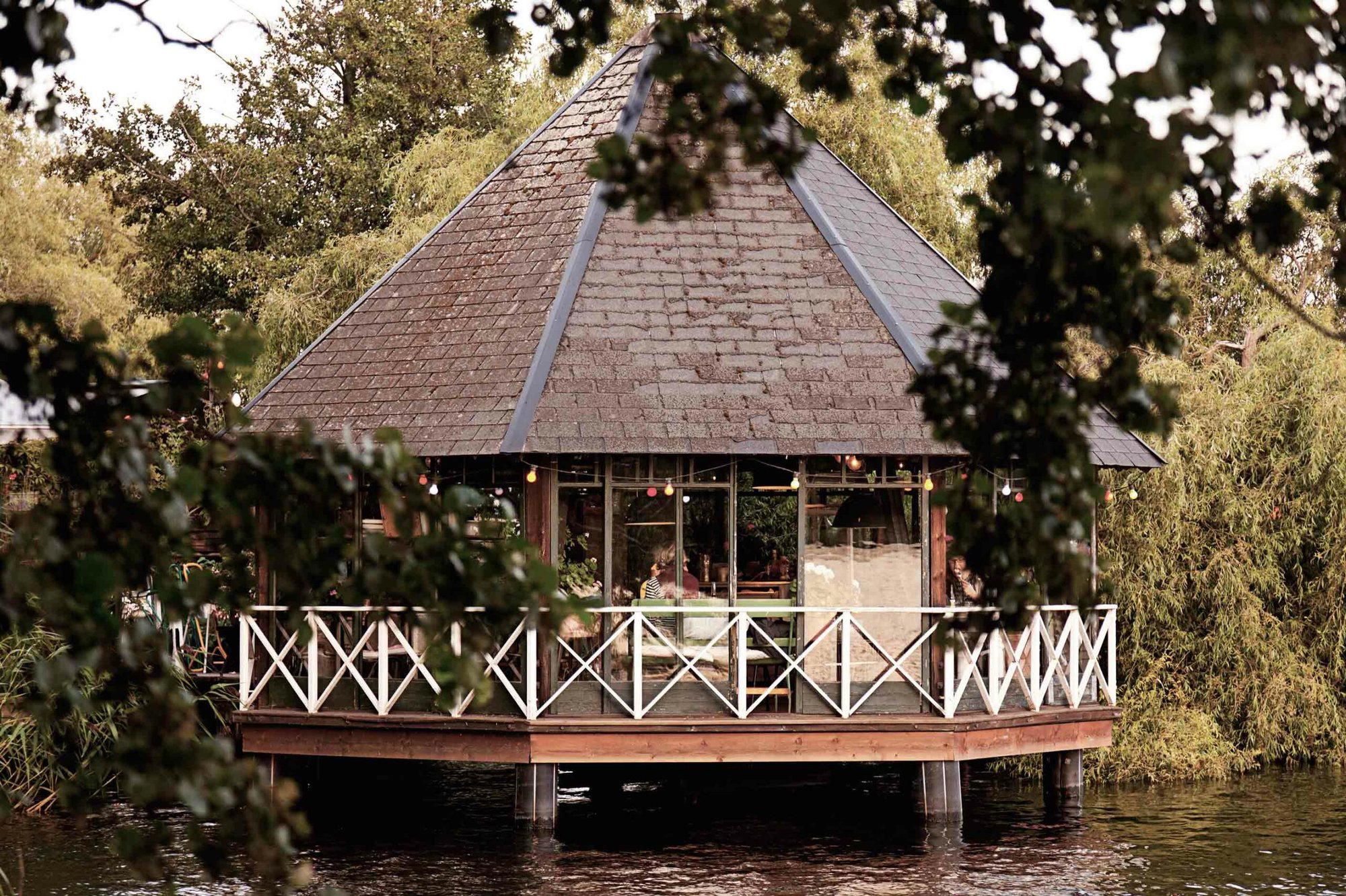
Where the City Meets the Water
There is a particular quality of light on Stockholm's Norr Mälarstrand in the early evening, when the surface of Lake Mälaren catches the last hour of Scandinavian summer sun and the waterfront promenade fills with the particular mix of residents and visitors that characterises Kungsholmen at its most relaxed. Mälarpaviljongen sits in this setting not as a building that turns its back on the street, but as a structure that is almost entirely porous to its environment. Approaching from the water side, the pavilion reads less like a restaurant and more like a series of platforms and canopied decks that have been assembled around the idea of being outside, even when technically inside. The architecture here is the programme.
A Space Defined by Openness
Stockholm has a well-documented tradition of waterfront dining, but the city's relationship with the form has changed considerably over the past decade. The oldest model was the fixed restaurant with a terrace bolted on as an afterthought, a glass-and-steel interior with an apologetic row of outdoor tables. What followed was a more considered integration of inside and outside space, partly in response to how Stockholmers actually prefer to eat during the warmer months, which is to say: as close to outdoors as conditions allow, for as long as the season permits.
Mälarpaviljongen belongs to the more evolved end of that trajectory. The structure itself is low-slung and horizontally oriented, extending toward the water rather than rising above it. The decking, the lightweight canopy work, and the open sides mean that on a clear evening, the boundary between sitting at a table and sitting on the waterfront is largely conceptual. This is not accidental. The pavilion format, as an architectural type, is historically associated with pleasure gardens and temporary structures built for seasonal enjoyment rather than year-round permanence, and Mälarpaviljongen draws on that lineage in its proportions and its materials.
Compared to Stockholm's more enclosed venues, including the basement bars and the compact dining rooms that define much of Södermalm's offering, this is a radically different spatial proposition. Where Tjoget operates a tightly controlled indoor programme with serious cocktail credentials, and where A Bar Called Gemma leans into a warm, contained atmosphere, Mälarpaviljongen asks the question in the opposite direction: what happens when the container is almost entirely absent?
The Seasonal Logic of the Pavilion
Pavilion venues in Nordic cities operate within a compressed seasonal window. Stockholm's summer is genuine but short, and the waterfront dining format that feels entirely natural in July requires a different calculus in April or September. Venues of this type tend to extend their seasons through portable heating, tactical canopy placement, and the cultural resilience of Stockholmers who will sit outside in conditions that would empty a terrace in Paris. The pavilion's design reflects this, with enough coverage to make a cool evening workable while retaining the openness that is the whole point of coming here rather than to a conventional indoor venue.
This seasonal compression also affects the social character of the place. Because the window is finite, the atmosphere on a busy summer evening carries a particular intensity that enclosed venues rarely generate. The sense that this specific configuration of light, water, and company is available only for a limited period produces its own kind of energy, separate from the food and drink programme entirely.
Kungsholmen as Context
Kungsholmen has a quieter reputation than Södermalm or Östermalm in terms of Stockholm's dining press, but the neighbourhood holds a distinctive position in how the city's residents actually use the waterfront. Norr Mälarstrand is a promenade that functions more as a local artery than a tourist circuit, and Mälarpaviljongen sits within that local logic rather than positioning itself as a destination venue drawing from across the city.
Other waterfront formats across Scandinavia approach the same question of space and setting from different angles. The dining room at Vyn Restaurant in Östra Nöbbelöv integrates landscape into a more formal architectural envelope, while venues in archipelago settings like the Koster Islands in Tjärno dissolve the boundary between dining and nature in a different register entirely. Mälarpaviljongen's urban waterfront position places it in its own subcategory: accessible by foot from a major residential neighbourhood, embedded in a daily promenade, and operating at a scale that keeps it from feeling like an event venue.
For visitors building a broader Stockholm itinerary, the bar programmes at Lucy's Flower Shop and Röda Huset represent a different register of the city's drinking culture, one that is more interior-focused and cocktail-driven. Beyond Stockholm, Dorsia Hotel and Restaurant in Gothenburg offers a point of comparison for how Sweden's second city handles premium atmospheric dining, while Bageriet Mat and Bar in Visby shows how smaller Swedish cities build distinct venue characters within historic settings. Further afield, Ölkaféet in Malmö and Ångbryggeriet in Piteå illustrate the range of formats across the Swedish bar scene, from the southern cities to the far north. For international comparison, the deliberate spatial minimalism of Bar Leather Apron in Honolulu shows how a different climate produces a similarly considered approach to the relationship between space and programme.
Planning a Visit
Mälarpaviljongen is located at Norr Mälarstrand 64, on the southern waterfront of Kungsholmen, reachable on foot from Rådhuset metro station. As with most pavilion-format venues in Stockholm, the experience is most reliably delivered during the warmer months from late spring through early autumn, when the open structure operates as intended. Walk-ins during off-peak hours are generally feasible for venues of this type, though summer evenings on the waterfront draw consistent demand and arriving early in the evening typically produces a better outcome than arriving at peak dinner time. The venue is walk-in friendly, with regular hours of Mon: 12–9 PM; Tue: 12–9 PM; Wed: 12–9 PM; Thu: 12–9 PM; Fri: 12–10 PM; Sat: 11 AM–10 PM; Sun: 11 AM–9 PM.
At a Glance
Comparable venues nearby, for context on price, style, and recognition.
| Venue | Cuisine | Price | Notes |
|---|---|---|---|
| MälarpaviljongenThis venue — the venue you are viewing | Not listed | $$ | Not listed |
| Geronimo's FGT | Not listed | $$ | Riddarholmen, cocktail_bar |
| Ambar | Not listed | $$ | Karlberg, wine_bar |
| NOFO Vinbar | Södermalm, Bar | Not listed | Not listed |
| Kasten | Not listed | $$$ | Östermalm, wine_bar |
| Vinverket | Not listed | $$ | Vasastaden, wine_bar |
Continue exploring
More in Stockholm
Bars in Stockholm
Browse all →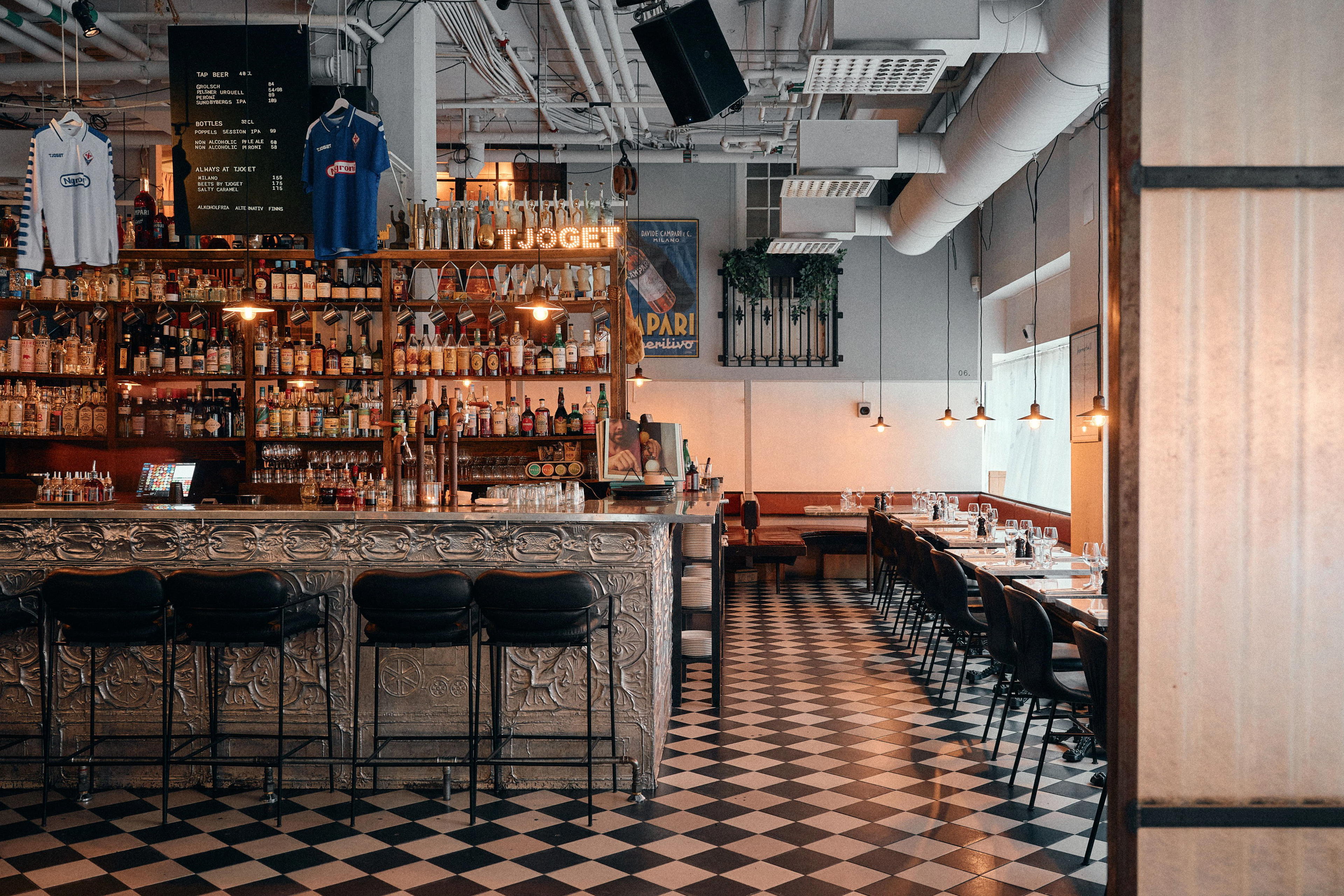
Restaurants in Stockholm
Browse all →
At a Glance
- Cozy
- Scenic
- Lively
- Trendy
- After Work
- Late Night
- Casual Hangout
- Waterfront
- Terrace
- Live Music
- Outdoor Terrace
- Lounge Seating
- Frozen
- Craft Cocktails
- Waterfront
Current opening hours
- Monday
- 12–9 PM
- Tuesday
- 12–9 PM
- Wednesday
- 12–9 PM
- Thursday
- 12–9 PM
- Friday
- 12–10 PM
- Saturday
- 11 AM–10 PM
- Sunday
- 11 AM–9 PM
Hours can change for holidays and private events. Last verified .
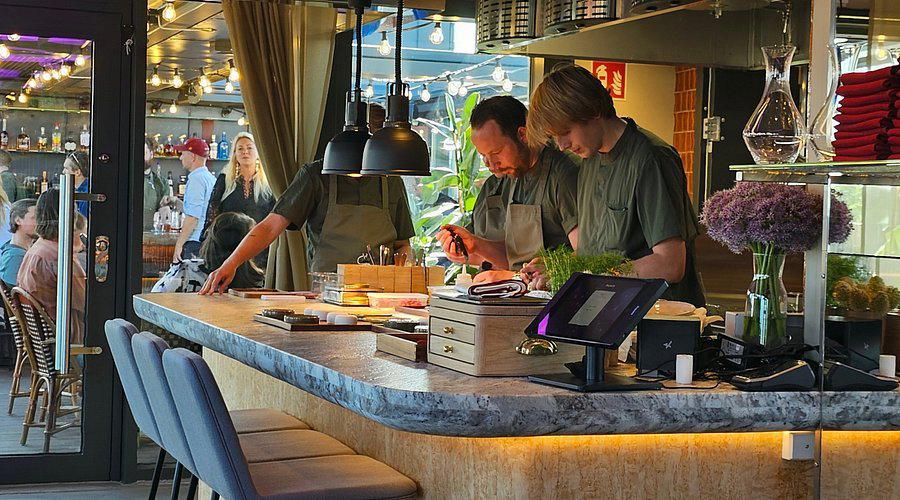
Atmospheric and cozy with blooming plants, colorful string lights, lush gardens, and a high-spirited vibe enhanced by great music and serene water views.