Rocking Chair occupies a quiet address in Kyoto's Shimogyo Ward, a neighbourhood where the city's older residential grain sits close to some of its more considered drinking destinations. The bar draws from the same low-key, craft-focused tradition that defines Kyoto's bar scene at its most thoughtful, less theatrical than Tokyo, more attentive to the glass in front of you.
 Discover on Pearl
Pearl is the En Primeur Club membership app — saves, bookings, and concierge access live there. Same editors, same standards.
- Address
- 434-2 Tachibanacho, Shimogyo Ward, Kyoto, 600-8044, Japan
- Phone
- +81754968679
- Website
- bar-rockingchair.jp
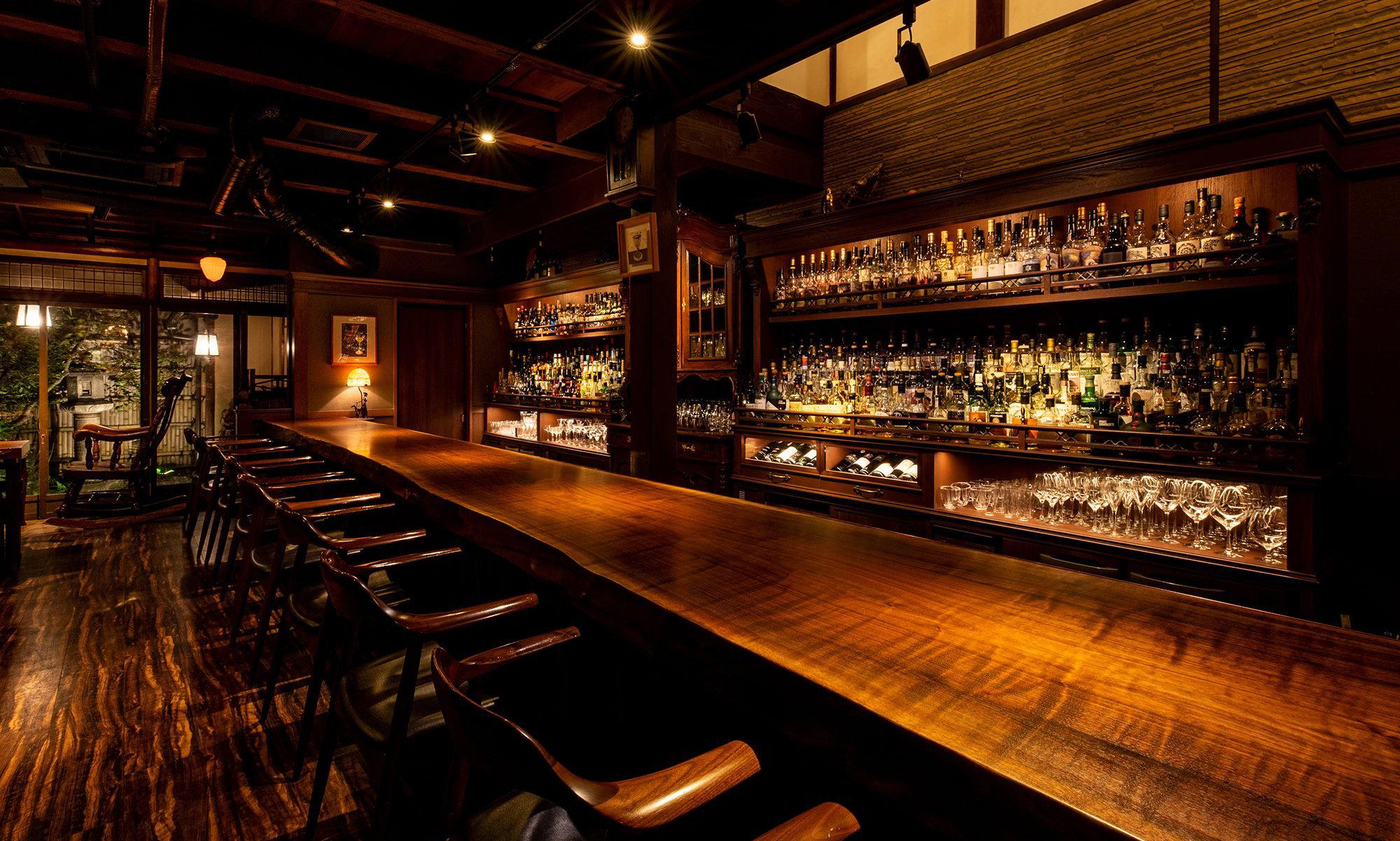
Shimogyo After Dark: Where Kyoto's Bar Culture Settles Into Itself
There is a particular register that Kyoto's better bars operate in, quieter than Osaka, less performative than Tokyo's high-concept cocktail rooms, and shaped by a city that has always been more interested in refinement than spectacle. The neighbourhood of Shimogyo Ward, where Rocking Chair sits at 434-2 Tachibanacho, belongs to that tradition. The streets here run between older low-rise buildings and local businesses that close before the drinking hours begin, which gives the area a specific after-dark quality: the foot traffic thins, the light sources narrow, and the venues that remain open tend to draw regulars who know exactly where they are going.
That physical context matters for understanding what Kyoto's craft bar scene has become. Across the city, a network of small, owner-operated bars has built a reputation not on visibility or volume but on consistency and focus. Rocking Chair belongs to this cohort. The address in Shimogyo places it away from the more trafficked tourist corridors of Gion or the covered arcades of Shijo, which means the clientele skews local and the atmosphere reflects that, conversations at a measured pace, service without rush, the kind of room where the ambient sound is part of the experience rather than competition with it.
The Sensory Register of a Kyoto Bar at Its Most Considered
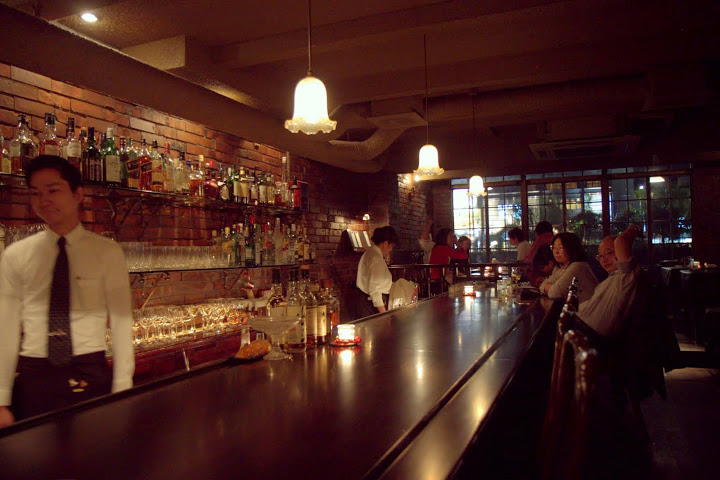
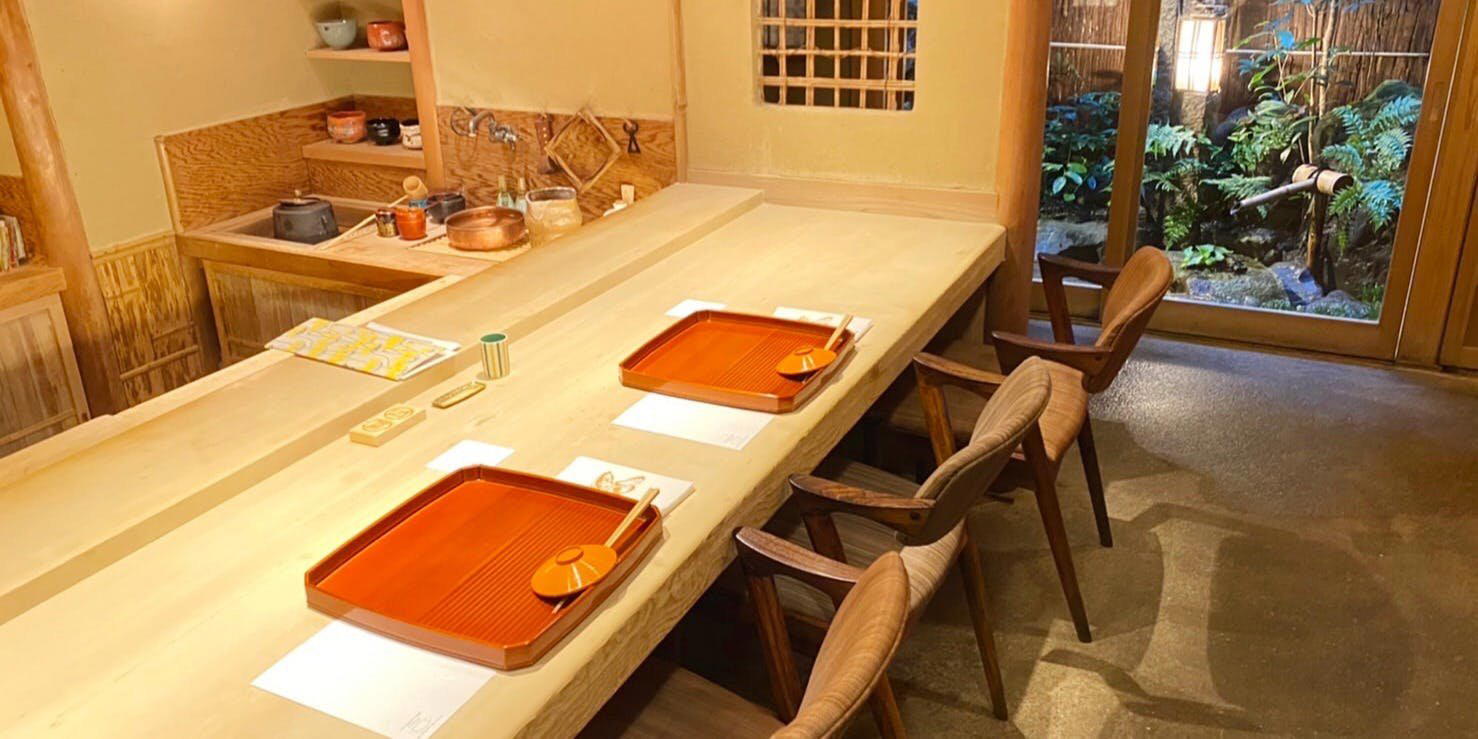
Kyoto's small bar interiors tend to follow a recognisable grammar: counter seating oriented toward the bartender, limited tables, materials that age well, and lighting calibrated to shift the room's mood from the outside world into something more contained. These are not accidental design choices. They reflect a hospitality philosophy rooted in the idea that a bar's atmosphere is itself a form of service, the visual and acoustic environment shapes how a drink is received before it arrives.
In that context, a name like Rocking Chair suggests something deliberate about pace and posture. The implication is ease without slackness, comfort without casualness. Kyoto's better small bars tend to prize exactly that balance: a room that invites you to stay longer without pressing you to drink faster. The physical environment, whatever its specific configuration, would be expected to echo that posture, materials with texture, light that does not intrude, sound levels that allow conversation at normal register.
This stands in contrast to the louder, higher-capacity cocktail venues that emerged in major Japanese cities over the past decade. Kyoto largely resisted that format. The bars that gained recognition here, including several in Shimogyo and the surrounding wards, built their reputations on the counter experience: the proximity to the bartender, the ability to ask questions about what is being made, the way a properly constructed drink lands when the room is not competing with it.
How Rocking Chair Sits in Kyoto's Bar comparable set
Kyoto's bar scene is smaller than Osaka's and considerably smaller than Tokyo's, but it has produced a cluster of venues with genuine technical ambition. Bee's Knees has operated as one of the city's better-known craft cocktail addresses, while ALKAA and APOTHECA represent different points on the spectrum from approachable to more specialist. Bar Cordon Noir occupies the more formal end of Kyoto's cocktail tier. Rocking Chair, in Shimogyo, operates in this company without the benefit of high visibility, which in Kyoto's bar culture is often read as a signal of confidence rather than obscurity.
The comparison set matters for context. Kyoto's bar scene rewards the kind of visitor who is willing to arrive at an address without advance theatre, no hidden-entrance mechanics, no reservation theatre, no social-media staging. What you find instead is a culture of quiet competence, and that is the register in which Rocking Chair should be understood.
For visitors calibrating their bar itinerary across the Kansai region, the broader context is useful. Bar Nayuta in Osaka and anchovy butter in Osaka Shi represent how the neighbouring city approaches the same craft-focused format with a different energy, louder, more layered, faster. Lamp Bar in Nara offers a point of comparison for how smaller Kansai cities handle the same ambition at an even smaller scale. Against these references, Kyoto's bars, including Rocking Chair, occupy a specific middle ground: technically serious, but with a room atmosphere that insists on its own pace.
For those travelling further, Bar Benfiddich in Tokyo illustrates how the capital's bar culture pursues a more maximalist version of craft specificity, while Yakoboku in Kumamoto and Bar Leather Apron in Honolulu show how the influence of Japanese bar discipline extends beyond the archipelago's main cities. Kyoto Tower Sando represents the more accessible, high-footfall end of Kyoto's drinking options, a useful contrast to the quieter operator model that Rocking Chair exemplifies.
When to Go and How to Approach It
Shimogyo is walkable from Kyoto Station, which makes it accessible without requiring the navigation of the city's narrower residential lanes. The area's bar culture tends to animate later in the evening, particularly on weekdays when the tourist density in more central districts makes quieter venues proportionally more appealing. Autumn and spring, the city's two most visited seasons, bring significant visitor numbers to Kyoto overall, but Shimogyo absorbs that pressure differently from Gion or Higashiyama. The neighbourhood is functional rather than scenic, which means its bars draw more consistently from a local and repeat-visitor base rather than a passing crowd.
Hours, booking requirements, and pricing are listed separately for visitors planning a stop. For broader context on Kyoto's drinking and dining options, our Kyoto restaurants and bars guide covers the city's key neighbourhoods and peer-set venues in depth.
The Broader Case for Shimogyo's Drinking Scene
Japan's mid-tier cities have, over the past decade, developed bar cultures that are increasingly independent of the Tokyo reference point. Kyoto's version of that shift has been characterised by restraint: smaller venues, more focused programmes, and a hospitality posture that prioritises the returning guest over the first-time visitor. Shimogyo Ward participates in that shift without being its showcase neighbourhood. There are no marquee venues here, no concentration of listed addresses that would draw a bar-touring crowd on their own. What it has instead is a density of operated-with-care small rooms, of which Rocking Chair is one, that collectively define what Kyoto bar culture looks like when it is not performing for an audience.
That is, in the end, the most accurate way to frame the case for visiting: not as a destination built around a single compelling reason, but as a neighbourhood bar that does what Kyoto's leading small bars do, holds the room steady, keeps the drinks honest, and lets the city's particular quality of evening do the rest of the work.
Peers in This Market
Comparable venues nearby, for context on price, style, and recognition.
| Venue | Cuisine | Price | Notes |
|---|---|---|---|
| Rocking chairThis venue — the venue you are viewing | cocktail_bar | $$$ | |
| 藝_ueru | wine_bar | $$$ | Nakagyō |
| BAR Liquor Museum | lounge | $$$ | Shimogyō |
| SCOTCH & BRANCH | speakeasy | $$$ | Nakagyō |
| ALKAA | wine_bar | $$ | Minami |
| Coupe de Champagne | champagne_bar | $$$ | Higashiyama |
Continue exploring
More in Kyoto
Bars in Kyoto
Browse all →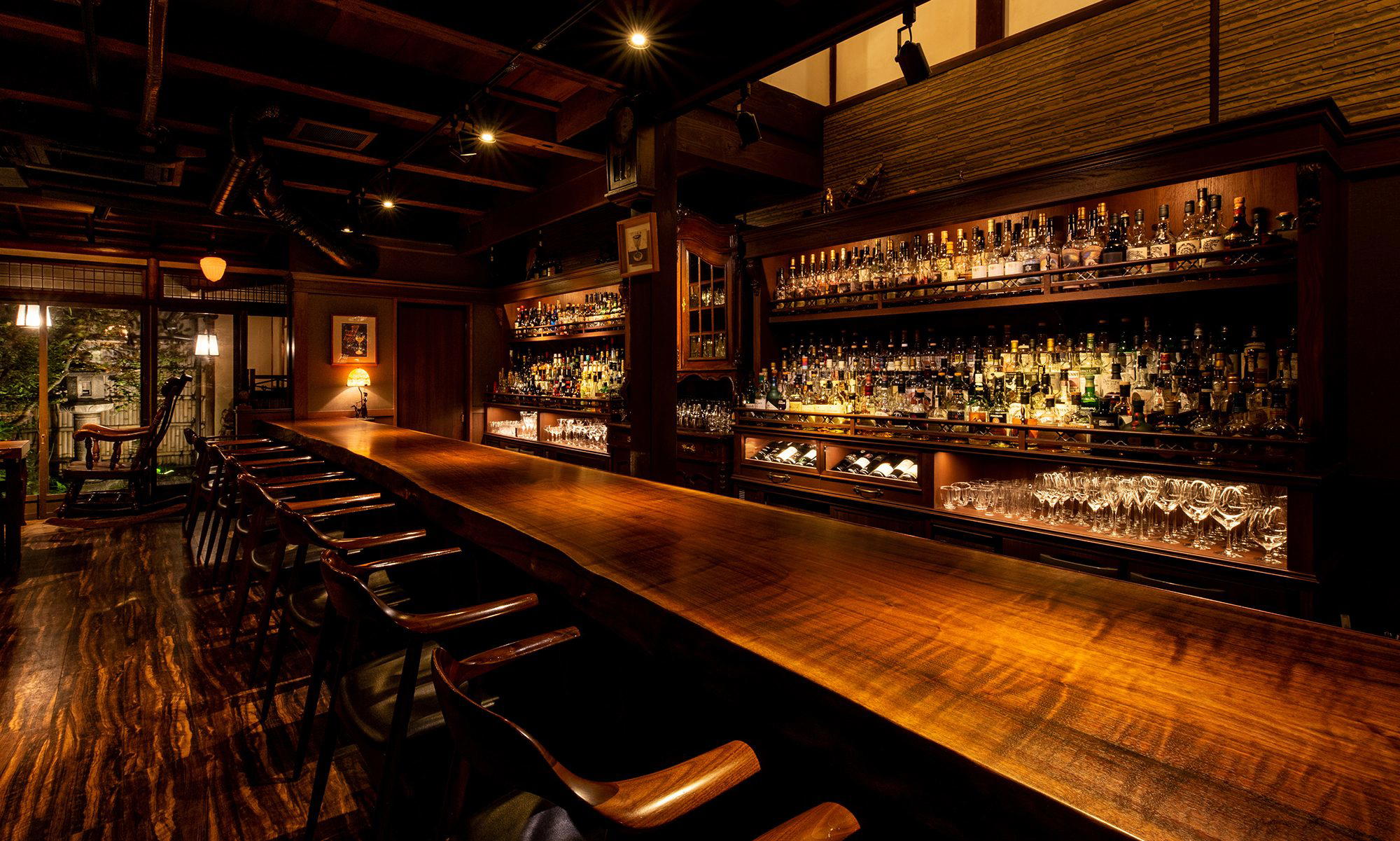
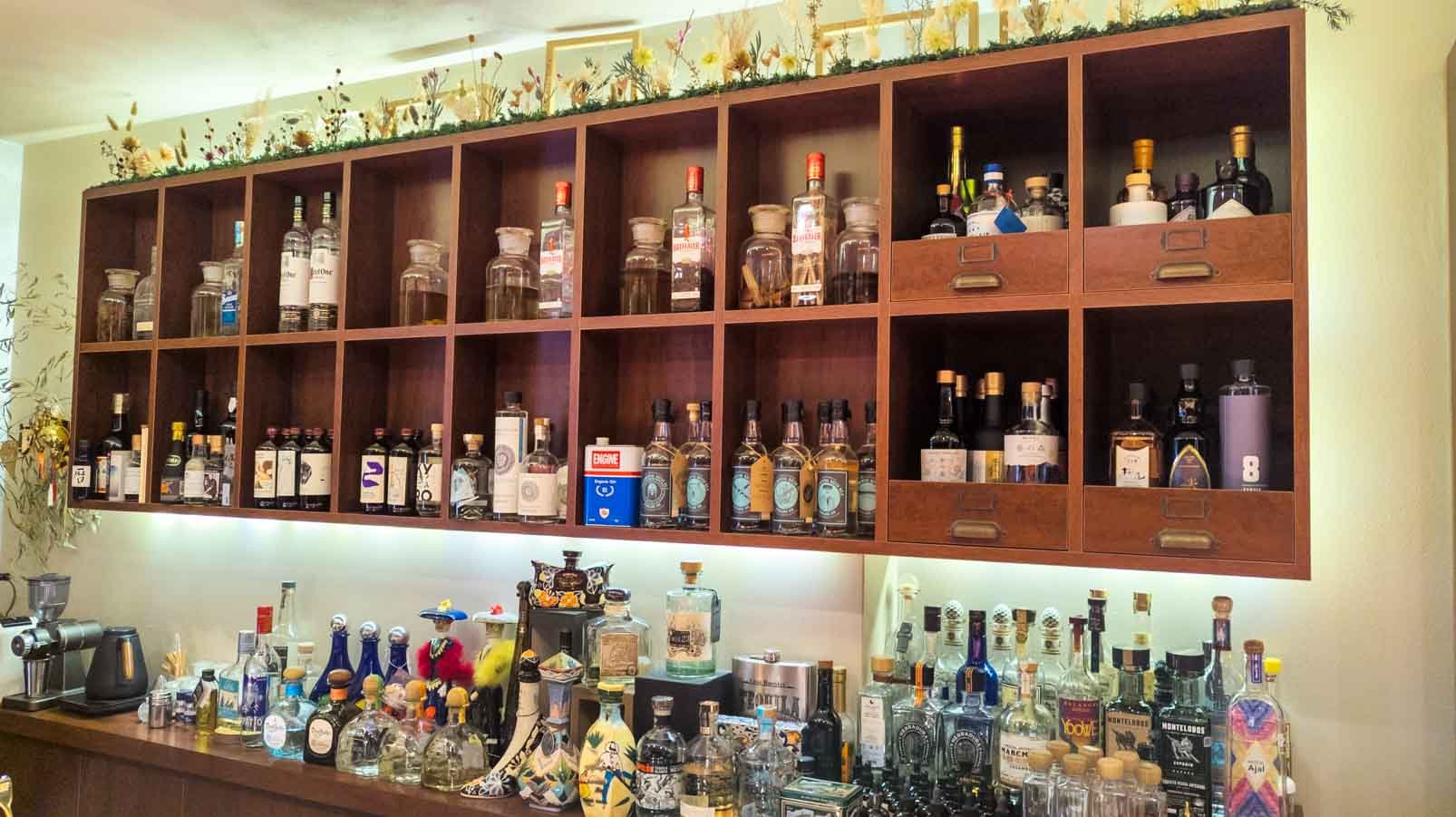
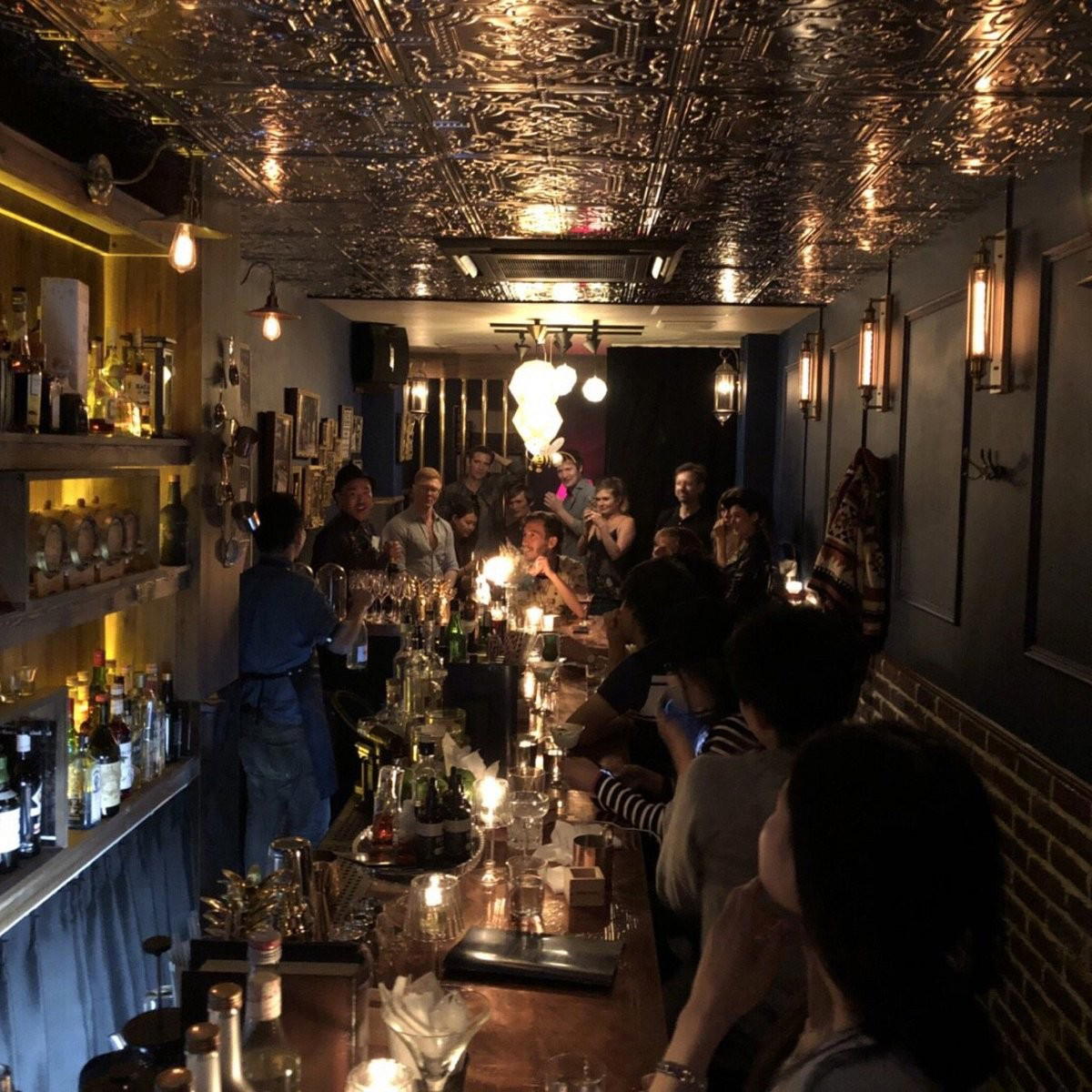
Restaurants in Kyoto
Browse all →
Hotels in Kyoto
Browse all →
Wineries in Kyoto
Browse all →
At a Glance
- Cozy
- Intimate
- Sophisticated
- Classic
- Hidden Gem
- Date Night
- Solo
- Historic Building
- Seated Bar
- Counter Only
- Craft Cocktails
- Garden
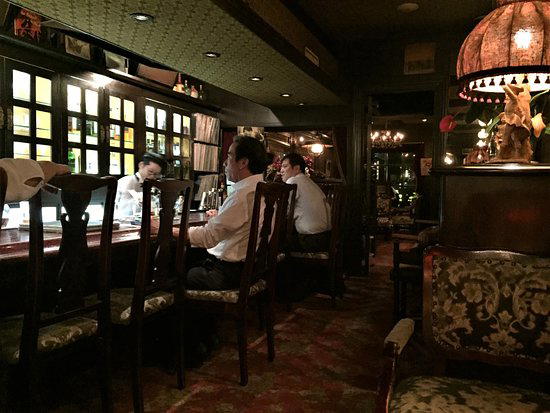
Dimly lit wood-panelled space with warm fireplace glow, soft lighting, and cozy rocking chairs creating an intimate, sophisticated atmosphere.