
Top 500 Bars Best Bars #247
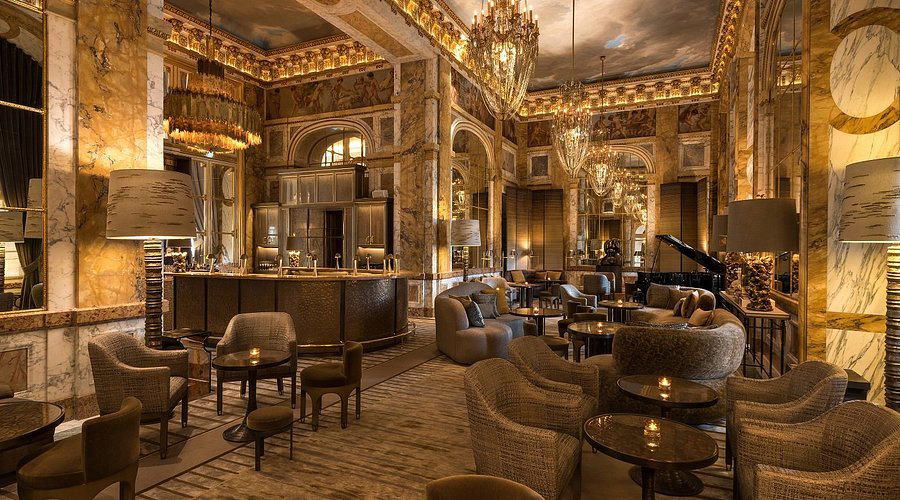
On the Rue Cambon side of the Hôtel Ritz Paris, the Ritz Bar occupies a quieter register than its more theatrical siblings, a place where Paris's hotel bar tradition runs deepest and where the room rewards those who return. Ranked #247 in the Top 500 Bars (2025), it holds a measured position in a city where cocktail culture has split sharply between technical newcomers and institutions with institutional memory.

Pearl is the En Primeur Club membership app, where members save venues, book tables and use the concierge.
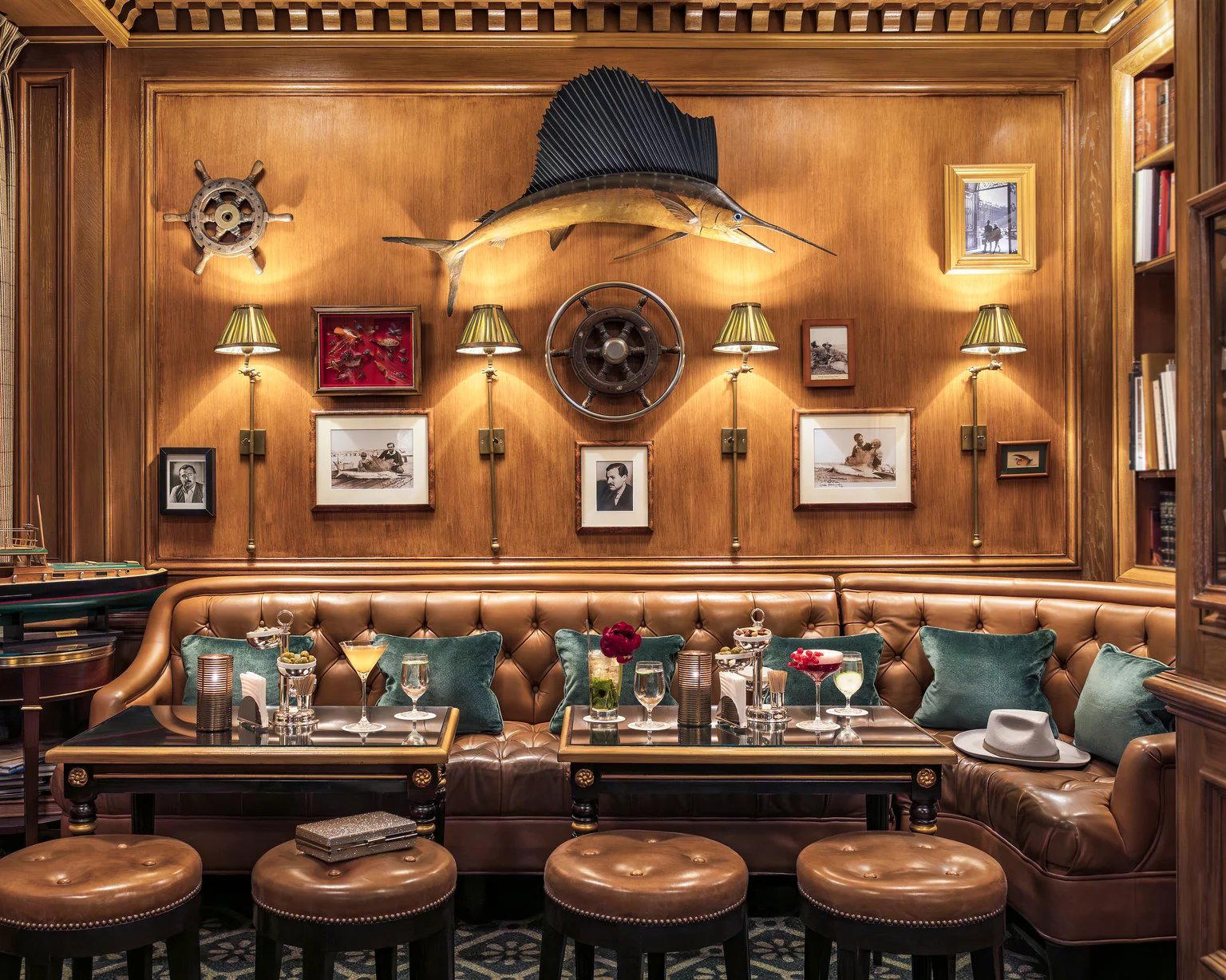
The Rue Cambon Side of Things
The geography matters here. The Ritz Bar sits on the Rue Cambon entrance of the Hôtel Ritz Paris, away from the Place Vendôme façade that draws first-time visitors and fashion-week crowds. This is a deliberate distinction. The Cambon side has long functioned as the hotel's working entrance, the one Coco Chanel reportedly used for decades, slipping between her apartment above number 31 and the hotel she essentially treated as a second residence. The bar on this side of the building inherited that sensibility: less ceremonial than the Hemingway Bar across the property, more suited to regulars who arrive without announcement and stay longer than they planned.
Paris's palace hotel bar circuit operates on a spectrum that runs from performance to habitation. At one end sit bars designed to be seen in; at the other, rooms that reward repeated visits, where the staff's memory for preferences becomes part of the value. The Ritz Bar sits at the habitation end. Its 2025 ranking at #247 in the Top 500 Bars places it as a recognised point in the global circuit, but the placement also signals something about its mode: it does not chase the kind of high-concept technical programming that has pushed Paris bars like Danico or Candelaria into the upper tiers of that same list.
What Keeps Regulars Returning
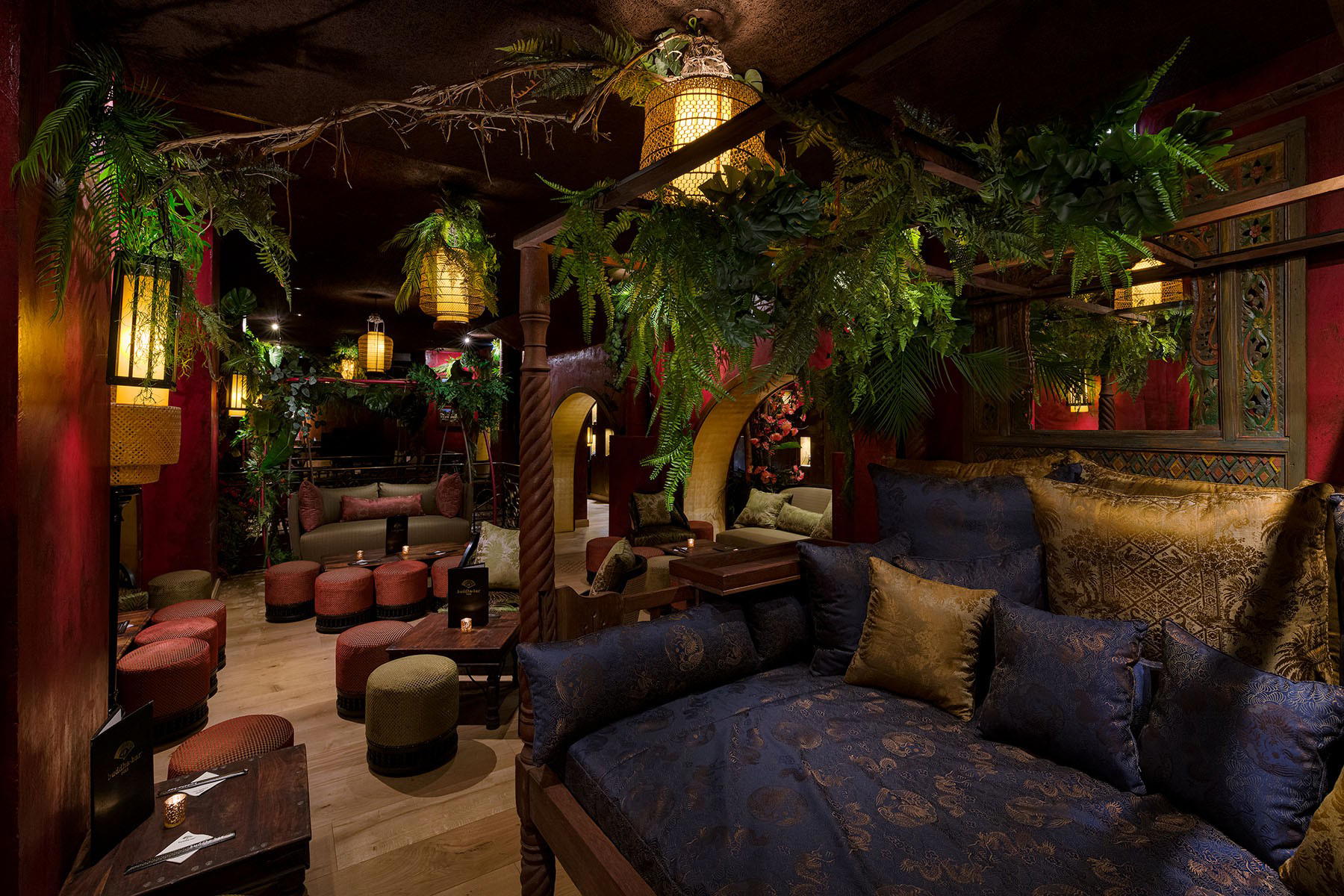
The logic of a hotel bar with this kind of history is different from the logic of a destination cocktail bar. At venues like Bar Nouveau or Buddha Bar, the draw is at least partly the room itself, the visual spectacle, the crowd composition on a given night. At the Ritz Bar, the draw compounds over visits. Regulars come back because the bar operates with a continuity that most of Paris's newer openings cannot replicate: the same staff across seasons, a drinks list calibrated to a clientele that knows what it wants rather than one that needs to be educated, and a physical room that has absorbed enough history to function as ambient company.
That accumulated familiarity shapes what regulars actually order. The bar's classic cocktail execution carries the weight here. In a city where the pendulum has swung hard toward clarified, technique-forward drinks, a movement Danico exemplifies in Paris, the Ritz Bar holds the opposite position: a place where a properly made Martini or a well-sourced Champagne pour is the point, not a starting position. The French bar tradition has always placed as much value on the intelligence of restraint as on innovation, and this room makes that argument in concrete terms.
The Paris Palace Bar Circuit in Context
Across France, bars operating at the intersection of hotel heritage and cocktail credibility occupy an interesting position in the broader ranking ecosystem. Compare the Ritz Bar's 2025 placement with the kind of neighbourhood bars that hold regional authority: La Maison M. in Lyon, Bar Casa Bordeaux in Bordeaux, or Coté Vin in Toulouse. Each of those operates within a specific local logic, serving a clientele embedded in those cities. The Ritz Bar operates in a different register: its clientele is partly local and partly transient, drawn from the hotel's guest list and from the city's established social circuits, not from a neighbourhood that has claimed it.
That transience brings its own discipline. A hotel bar that has held its position for this long learns to serve both the first-time visitor who arrives on the basis of reputation and the returning guest who expects to be recognised. The gap between those two modes of hospitality is where most hotel bars fail. The Ritz Bar's continued presence in the Top 500 suggests it manages that split with reasonable consistency.
For reference, Paris's cocktail bar scene in 2025 splits into at least three tiers: the technically progressive bars pursuing international recognition through innovation; the mid-tier neighbourhood establishments building loyal local followings; and the palace hotel bars operating on institutional credibility and a standard of service that takes years to establish. The Ritz Bar belongs to the third tier, not in competition with Candelaria's mezcal-forward program or the natural wine bar circuit, but in a separate conversation about what a Parisian hotel bar is actually for.
Planning Your Visit
The Ritz Bar sits inside one of Paris's most security-conscious properties, which means entry protocols differ from a standard bar walk-in. The Rue Cambon entrance is the more accessible point for bar-only visits, though the hotel reserves the right to manage access based on occupancy and reservation status. Booking ahead, or arriving early in the evening, is the practical approach for non-guests.
| Venue | Format | Top 500 Bars (2025) | Primary Draw |
|---|---|---|---|
| Ritz Bar | Palace hotel bar, Rue Cambon | #247 | Heritage, classic execution, hotel continuity |
| Danico | Standalone cocktail bar | Listed | Technical program, ingredient-led |
| Candelaria | Taqueria with back-bar | Listed | Mezcal and agave focus, walk-in culture |
| Bar Nouveau | Neighbourhood cocktail bar | Local regulars, accessible price point | |
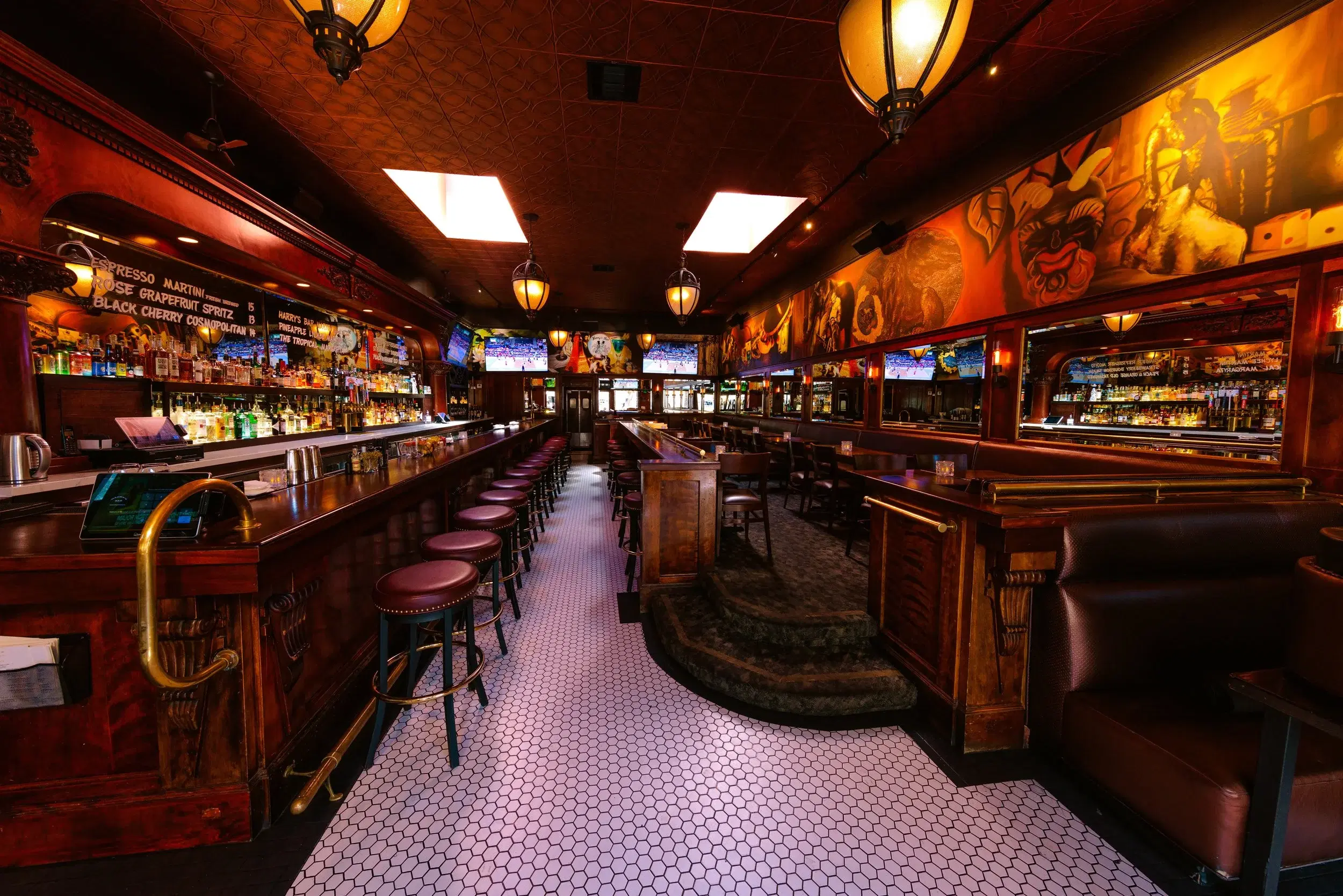
| Harry's Bar (Paris) | Historic American bar | Heritage and tourist circuit |
For a broader picture of where bars like this fit within Paris's eating and drinking geography, see our full Paris restaurants guide. And if this kind of heritage-bar logic interests you across France, the same pattern appears at different scales at Le Café de la Fontaine in La Turbie and, in a different register entirely, at Au Brasseur in Strasbourg. For a point of comparison outside France, Bar Leather Apron in Honolulu shows how the same regulars-first philosophy operates in a very different climate, and Papa Doble in Montpellier demonstrates what a smaller French city does with the classic cocktail tradition.
A Lean Comparison
| Venue | Cuisine | Price | Awards |
|---|---|---|---|
| Ritz BarThis venue (the venue you are viewing) | Not listed | Not listed | Top 500 Bars Best Bars #247 |
| Bar Nouveau | Not listed | $30–50 | World's 50 Best #5 · Top 500 Bars Best Bars #18 |
| Buddha Bar | Not listed | $100–150 | World's 50 Best #20 |
| Candelaria | Mexican-Cocktails | $20–30 | World's 50 Best #42 · Pinnacle Guide 1 Pin |
| Danico | Not listed | $20–30 | World's 50 Best #19 · Top 500 Bars Best Bars #17 |
| Harry's Bar | Not listed | $30–50 | World's 50 Best #27 · Top 500 Bars Best Bars #60 |
Recognition history
Dated appearances from independent guides and award organizations, with the underlying list record or original source where available.
Top 500 Bars Best Bars #247
Top 500 Bars
Continue exploring
More in Paris
Bars in Paris
All bars in Paris →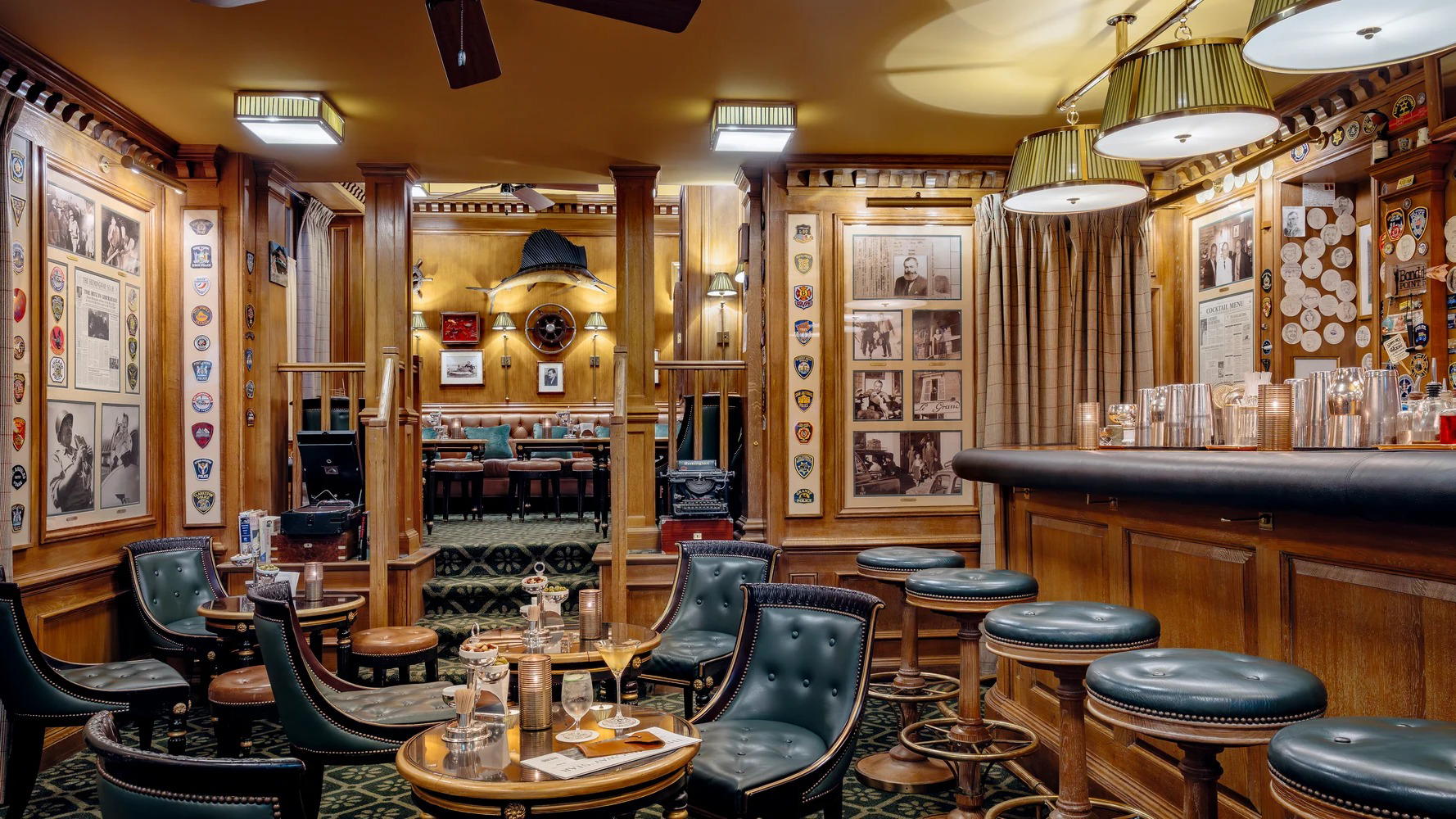
Restaurants in Paris
All restaurants in Paris →
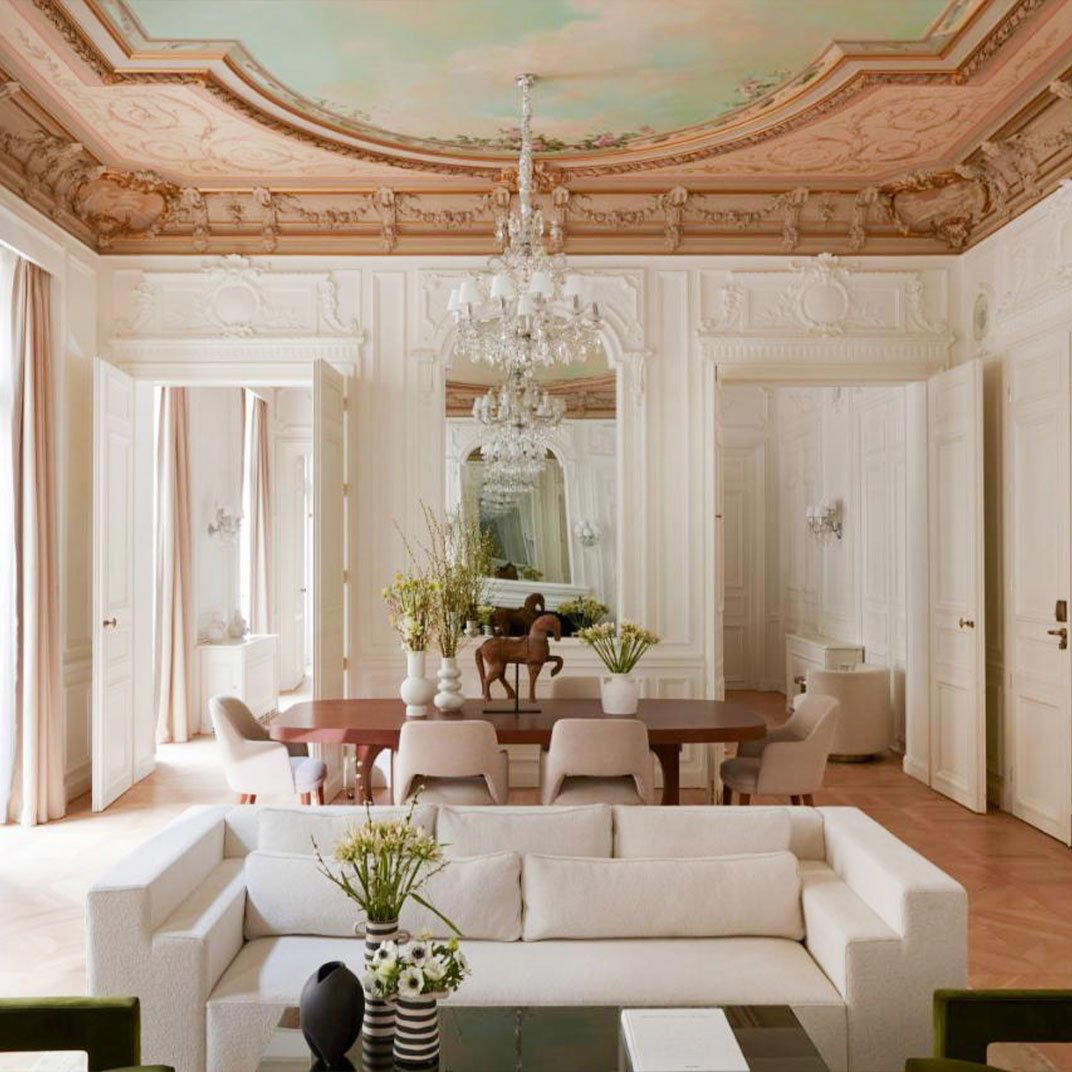
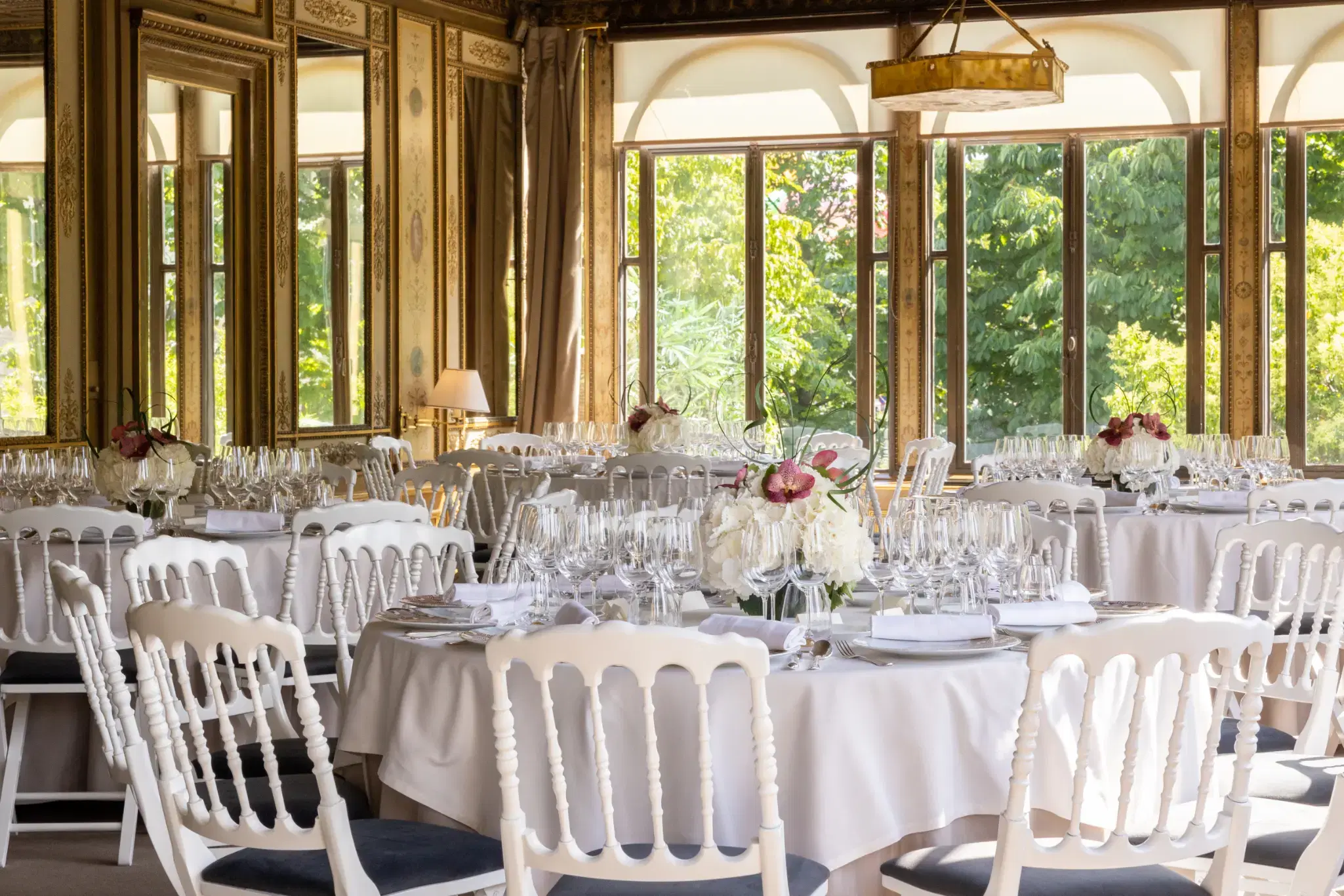
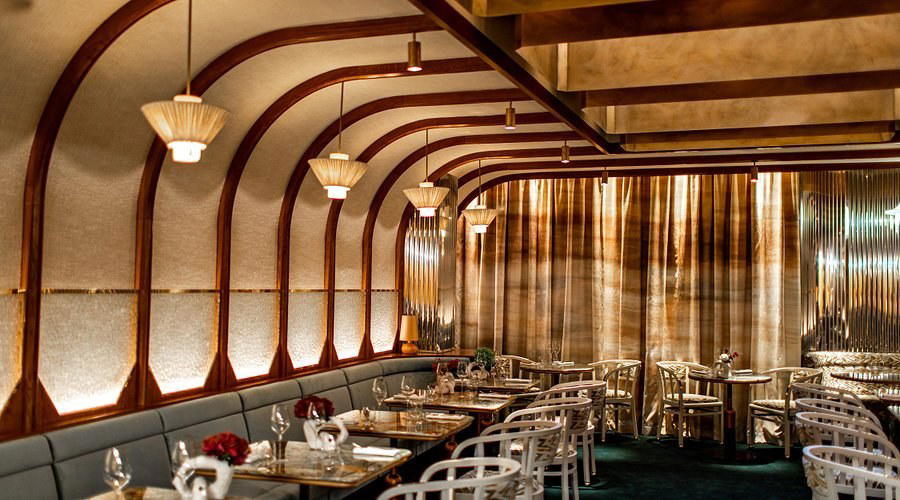
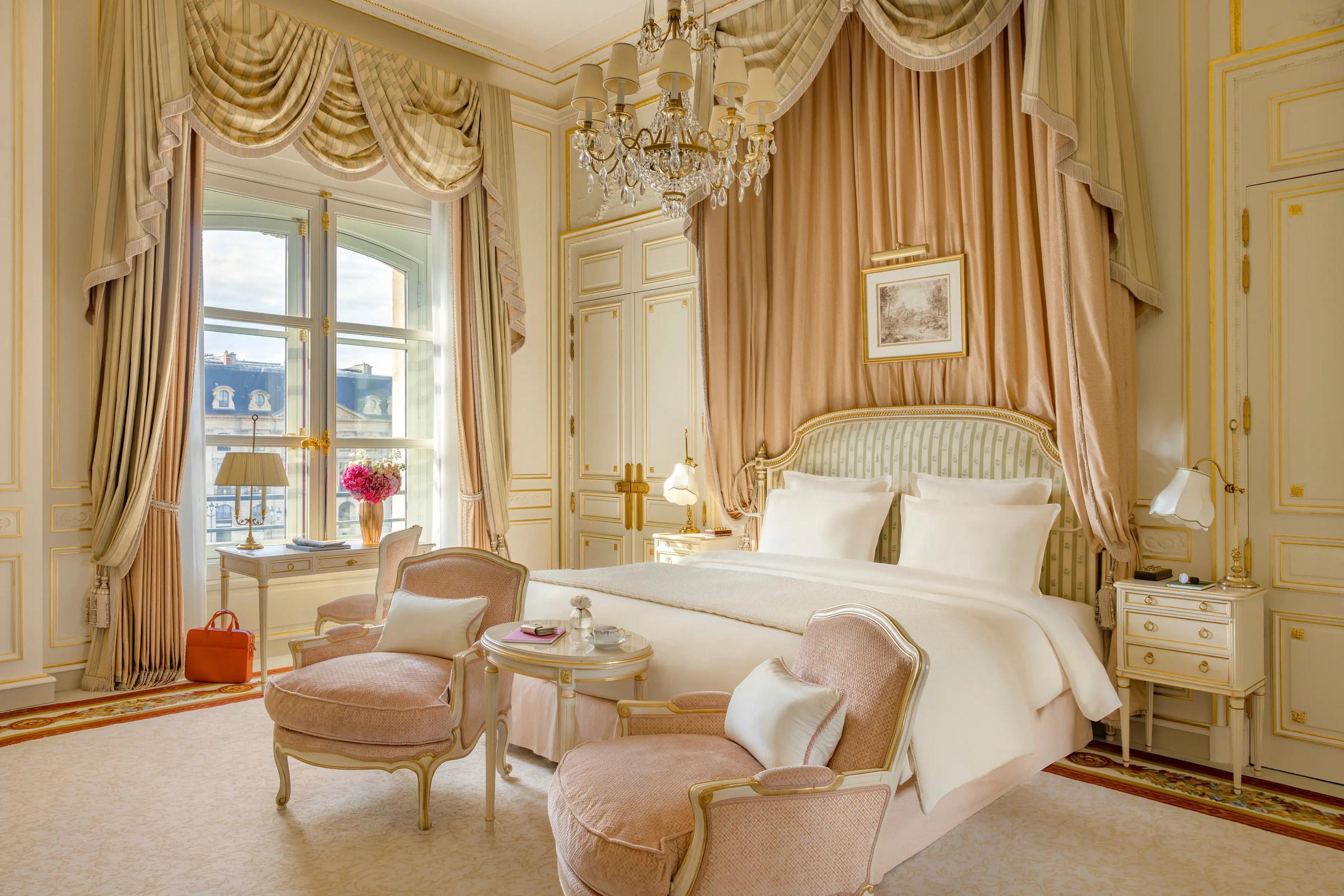
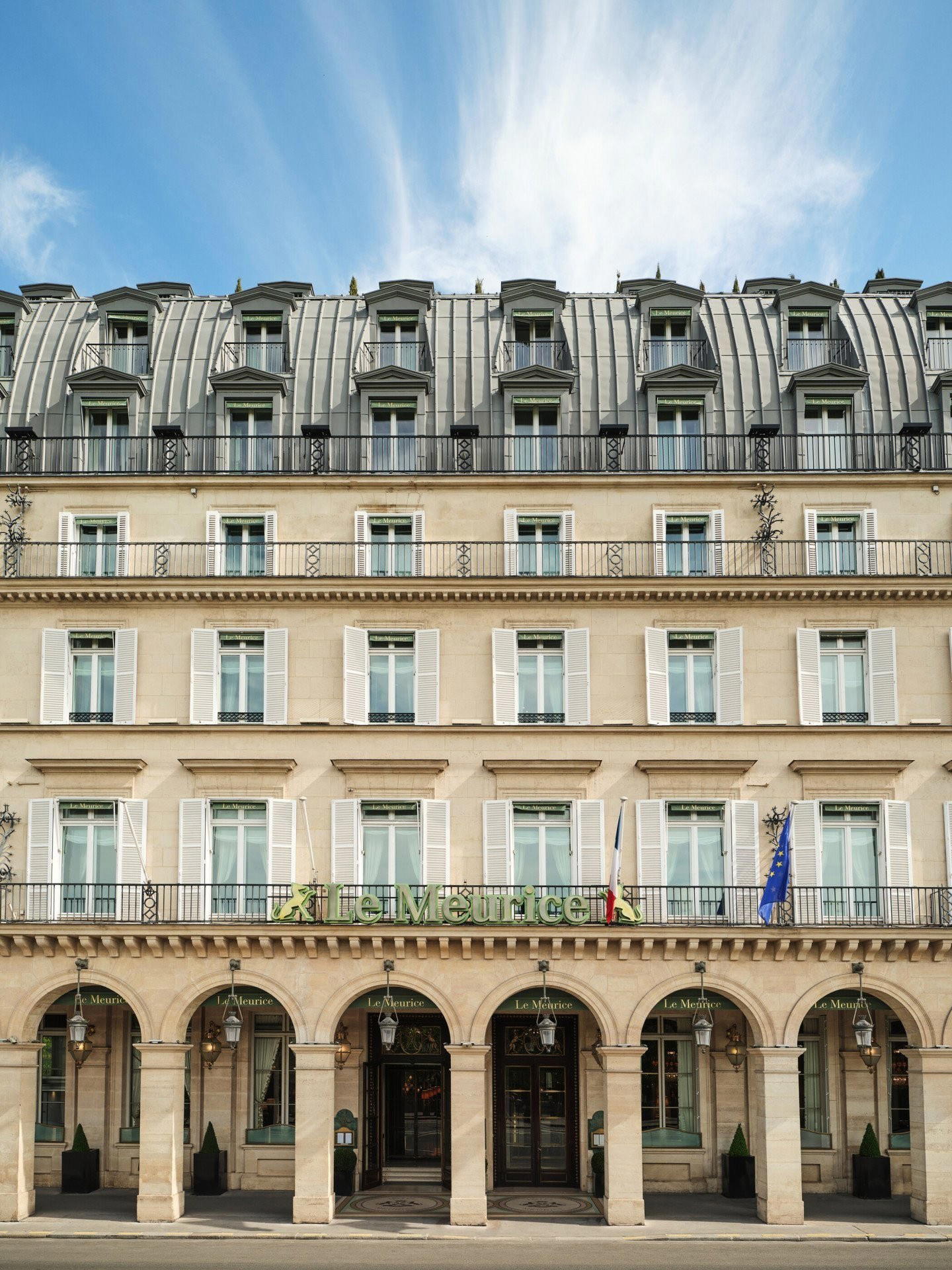
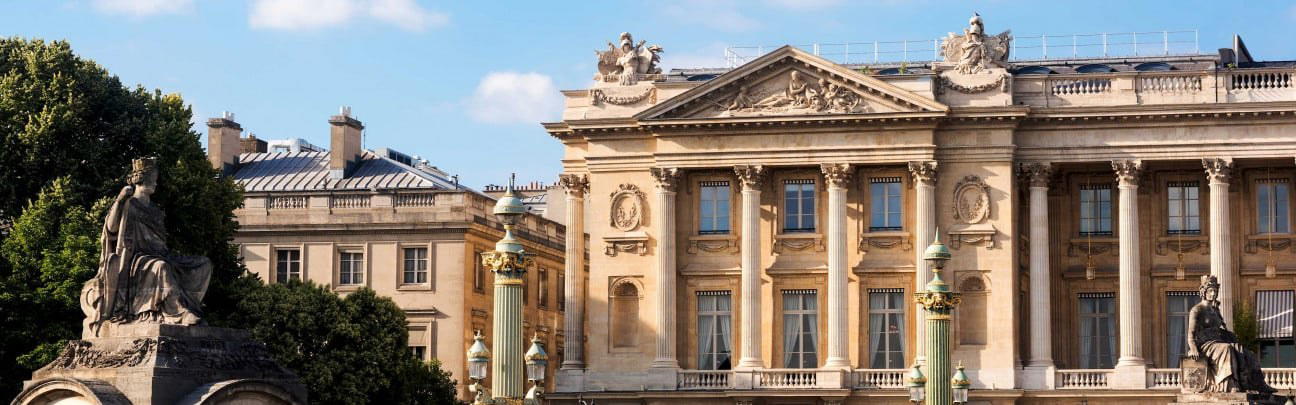
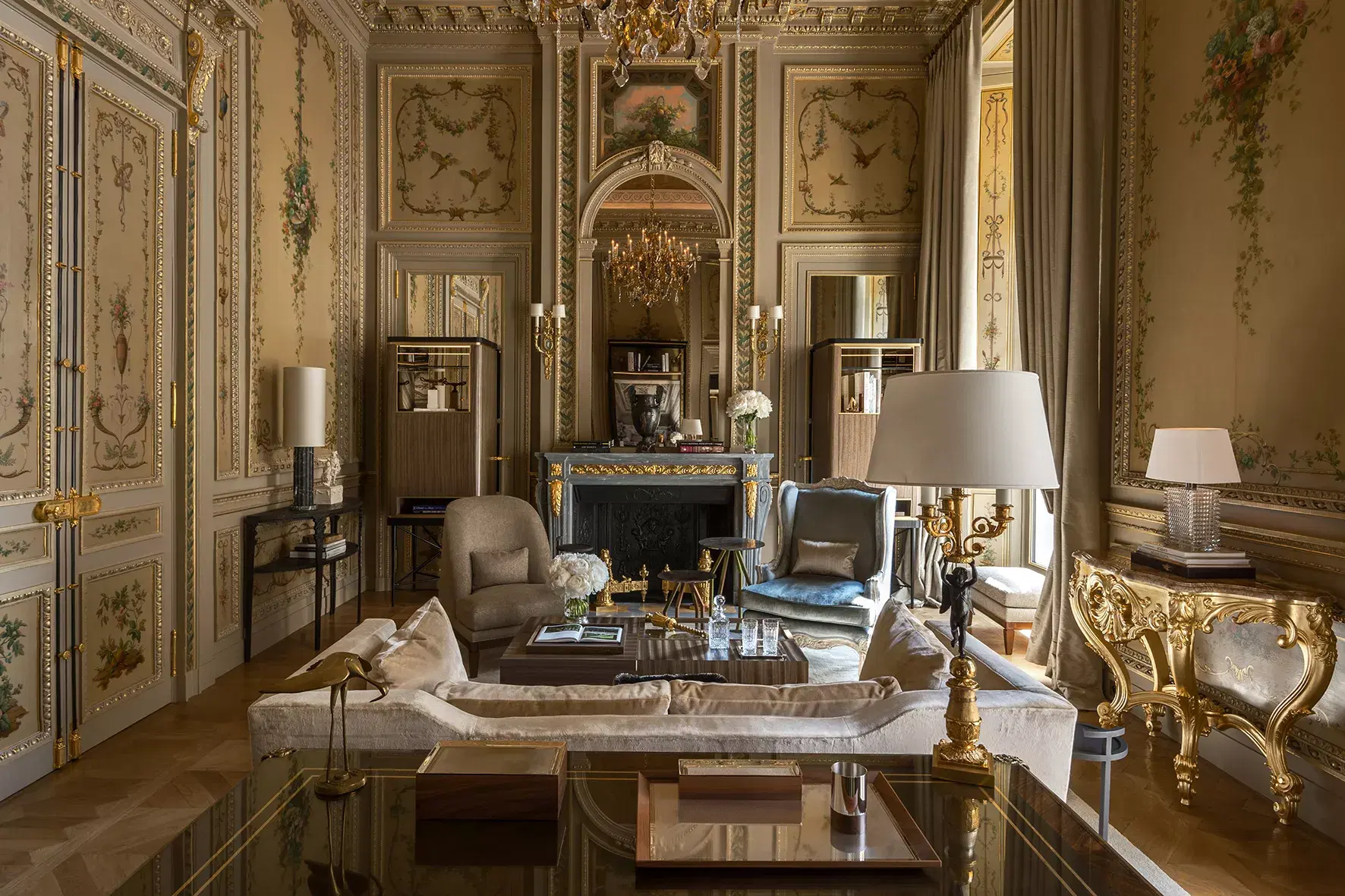
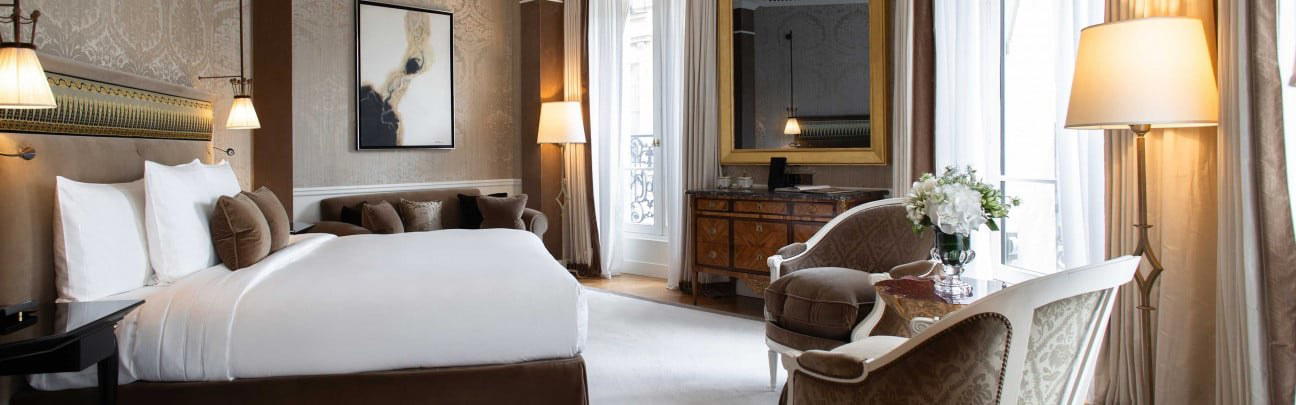
Ritz Bar
The drinks
- Natural wine
- Craft cocktails
- Zero-proof drinks
Signature drinks: A Garden at the Ritz, A Garden in Provence, A Garden on the Isle of Beauty.
Details
- Elegant
- Sophisticated
- Classic
- Ornate
- Intimate
- Date Night
- Celebration
- Special Occasion
- Group Outing
- Hotel Bar
- Design Destination
- Terrace
- Historic Building
- Seated Bar
- Lounge Seating
- Outdoor Terrace
- Craft Cocktails
- Zero Proof
- Natural Wine
- Conventional Wine
- Whiskey
- Gin
- Garden
Elegant, luxury hotel-bar atmosphere with a nature-led, fantasy-themed cocktail experience and an outdoor garden setting in summer.