Quartier Pigalle sits at the intersection of old Montmartre grit and a newer wave of Paris bar culture that has made the 9th arrondissement one of the city's most active drinking neighbourhoods. The area draws serious cocktail programs alongside natural wine bars and neighbourhood bistros, making it a practical anchor point for an evening that moves across formats and price points.
Pearl is the En Primeur Club membership app — saves, bookings, and concierge access live there. Same editors, same standards.
- Address
- 75009 Paris, France
- Directions
- Get directions
 Saves & bookings on Pearl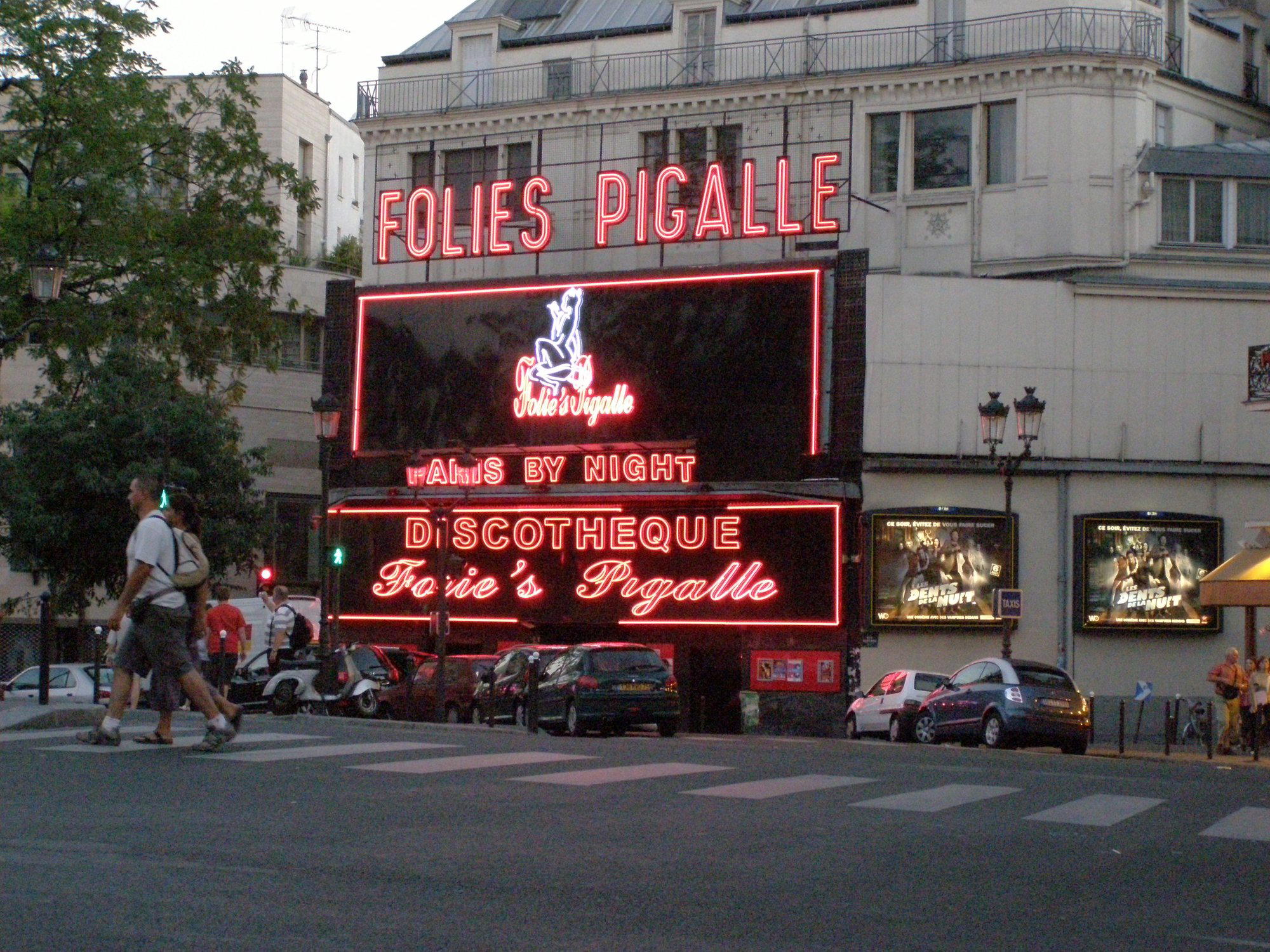
Where the 9th Arrondissement Finds Its After-Dark Character
Approach Pigalle from the south, climbing from the grands boulevards toward the base of the Butte, and the shift in atmosphere is gradual but decisive. The neon that once flagged cabarets and adult venues has largely given way to hand-lettered bar signs, reclaimed-wood storefronts, and the low rumble of a neighbourhood that has reorganised itself around a younger, more culinarily literate crowd without fully erasing what came before. That layering, old commerce and new drinking culture occupying the same narrow streets, is what gives Pigalle its particular atmospheric density.
Quartier Pigalle is a bar district in Paris's 9th arrondissement, where independent drinking rooms cluster within a compact, walkable area. Where once the neighbourhood's reputation rested on the Moulin Rouge tourist circuit and little else, a sustained wave of independent openings has shifted the critical conversation. Cocktail bars with serious technical programs, natural wine caves, and late-night bistros now operate within a few minutes of each other, creating the kind of walkable evening geography that Paris does better than almost any other European capital.
The Sensory Register of Pigalle
There is a specific quality of sound in the Pigalle streets on a Thursday or Friday evening: the overlap of multiple small rooms, each with its own music policy, each sending a slightly different signal out onto the pavement. A venue running low jazz at the back of a wine bar sits twenty metres from a cocktail room with a tighter, more contemporary program. Neither drowns the other out. The neighbourhood's scale, mostly low buildings, narrow facades, small interior footprints, keeps the overall volume at conversation level even when the rooms themselves are full.
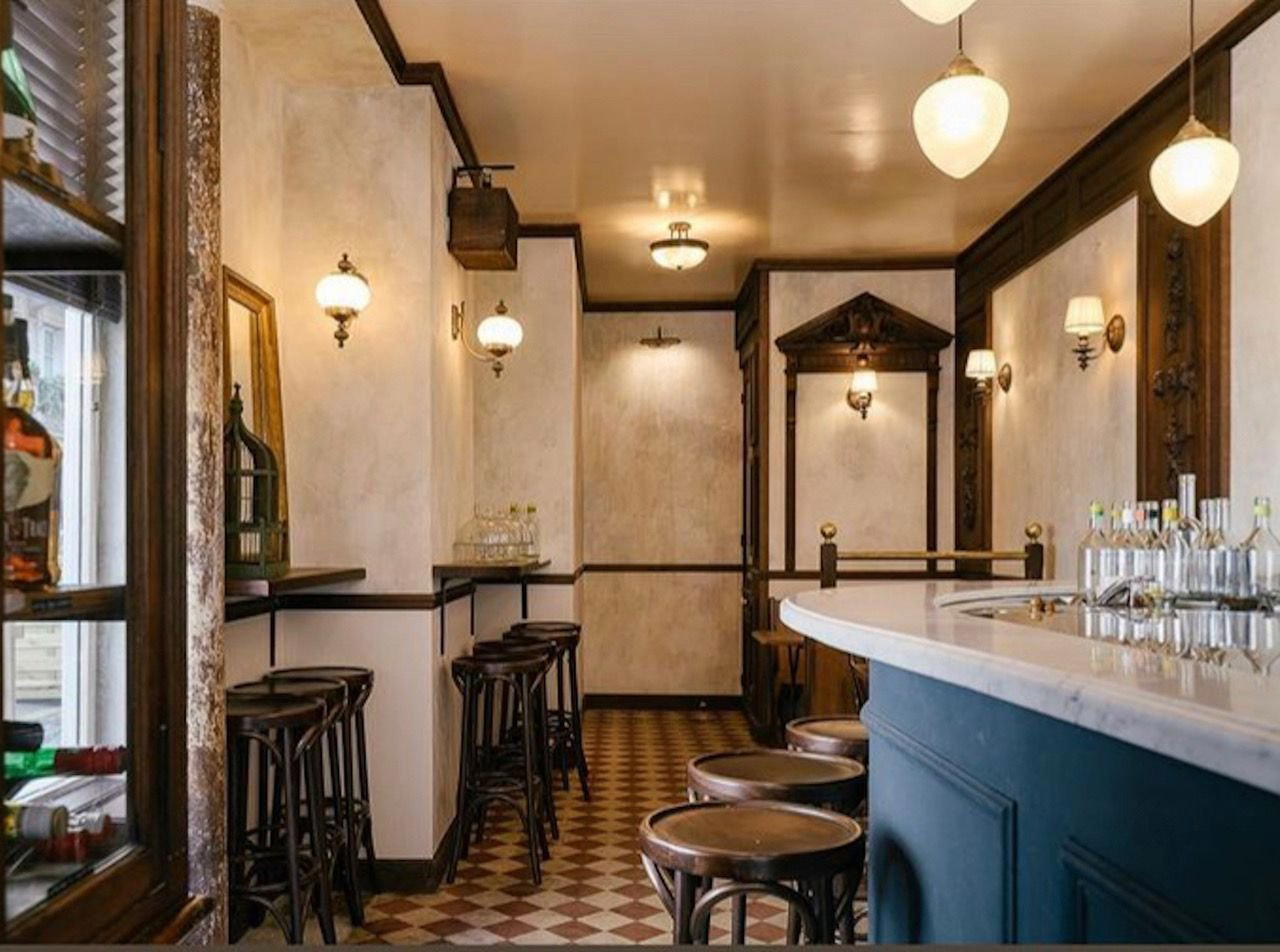
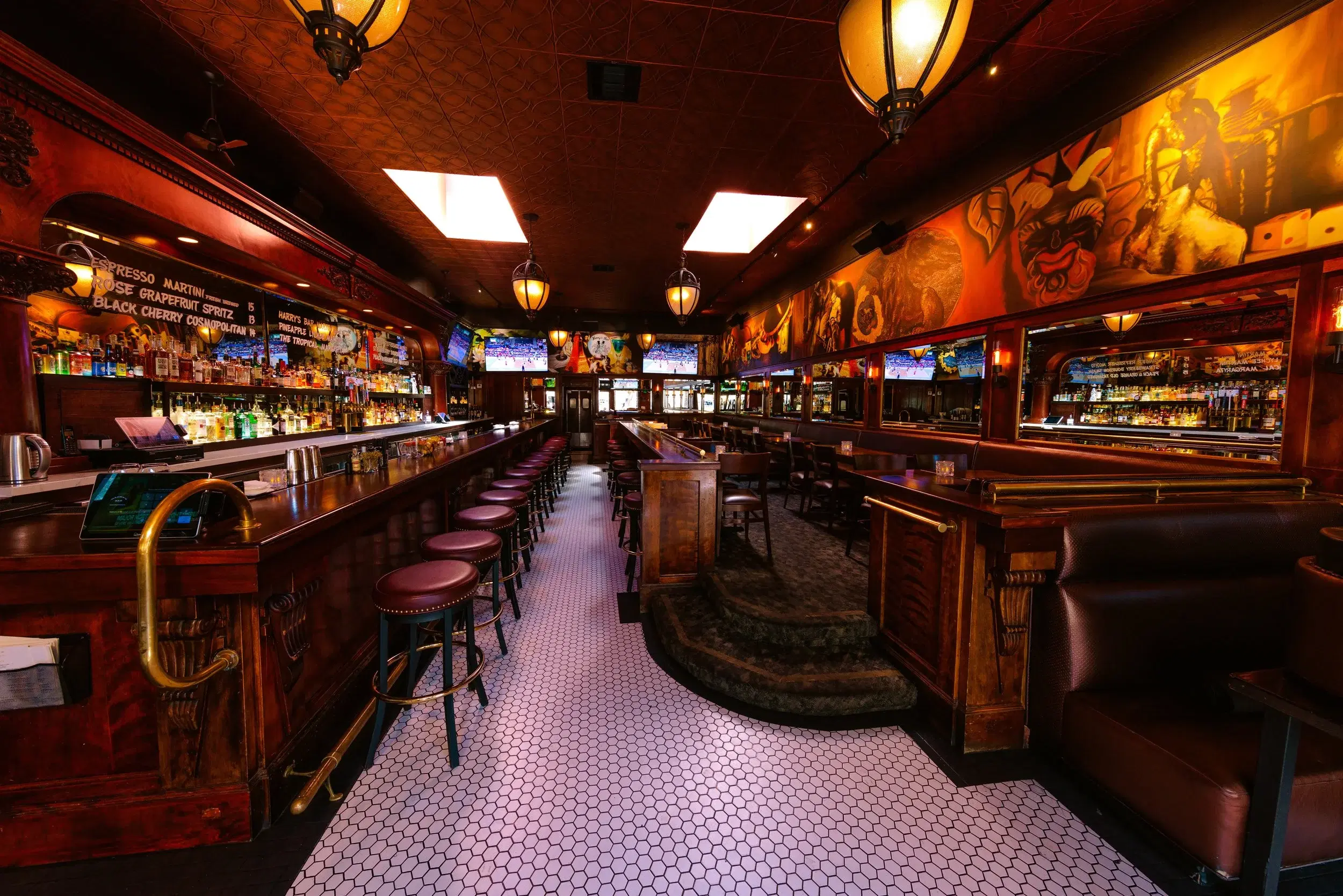
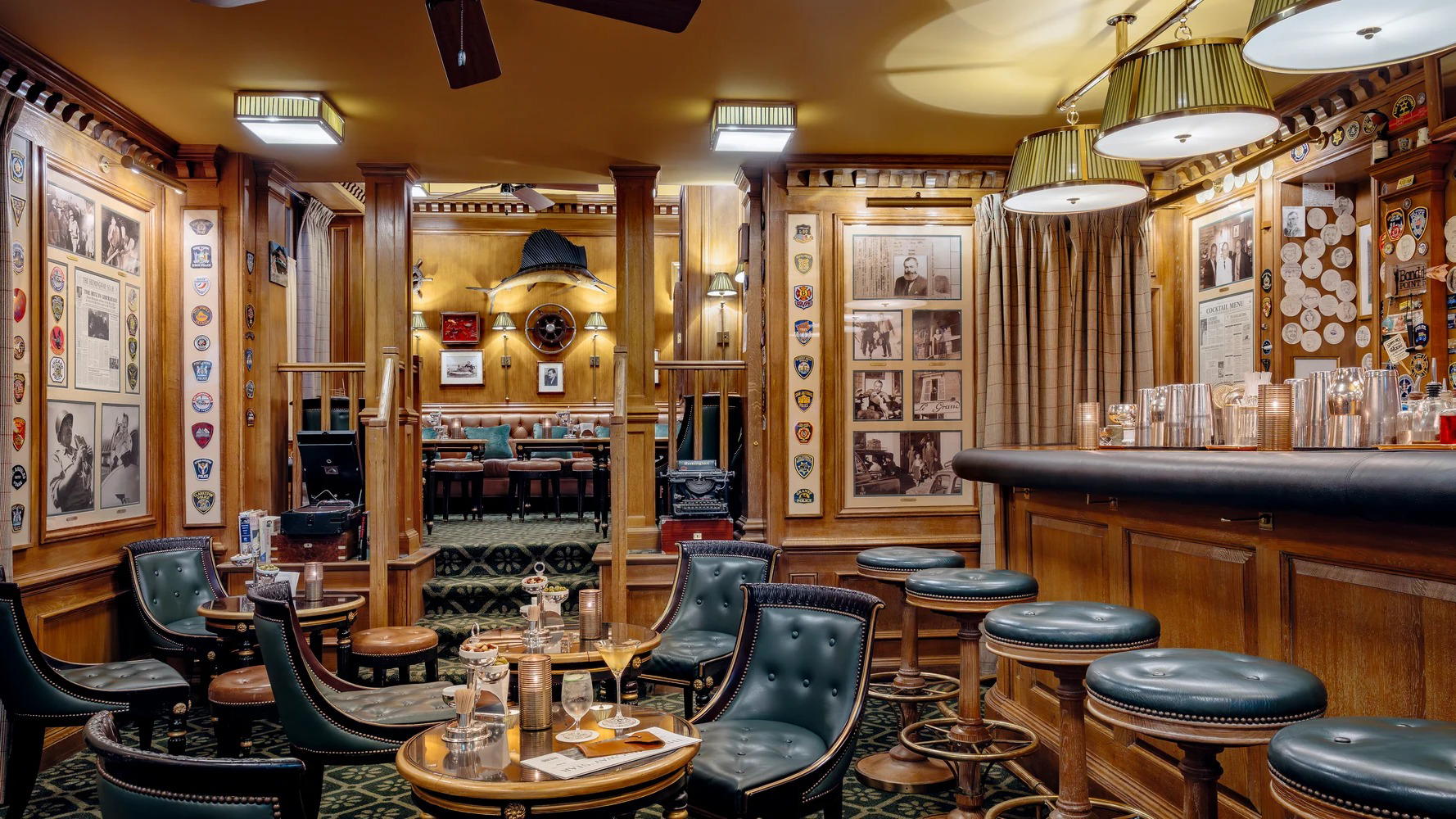
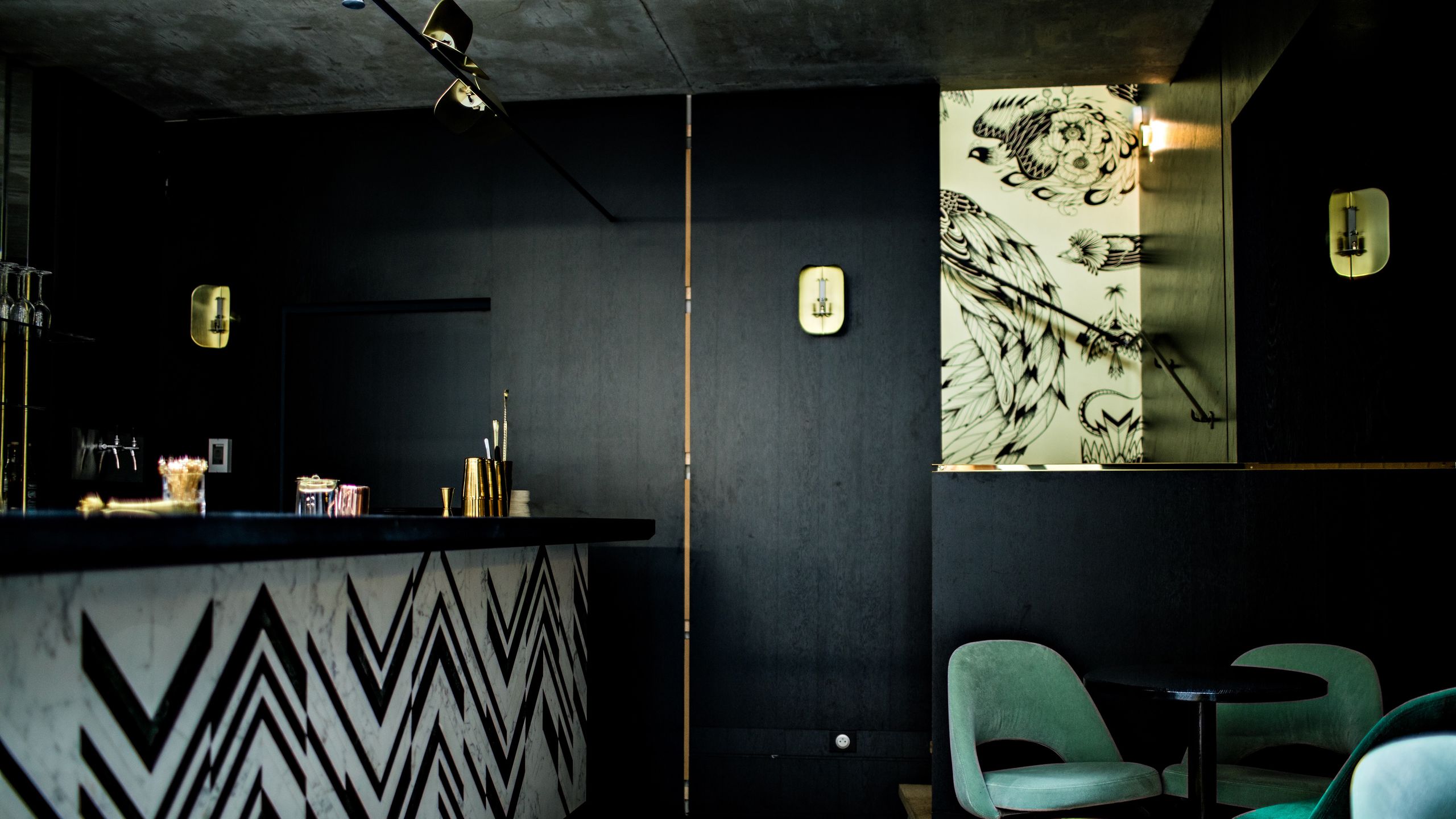
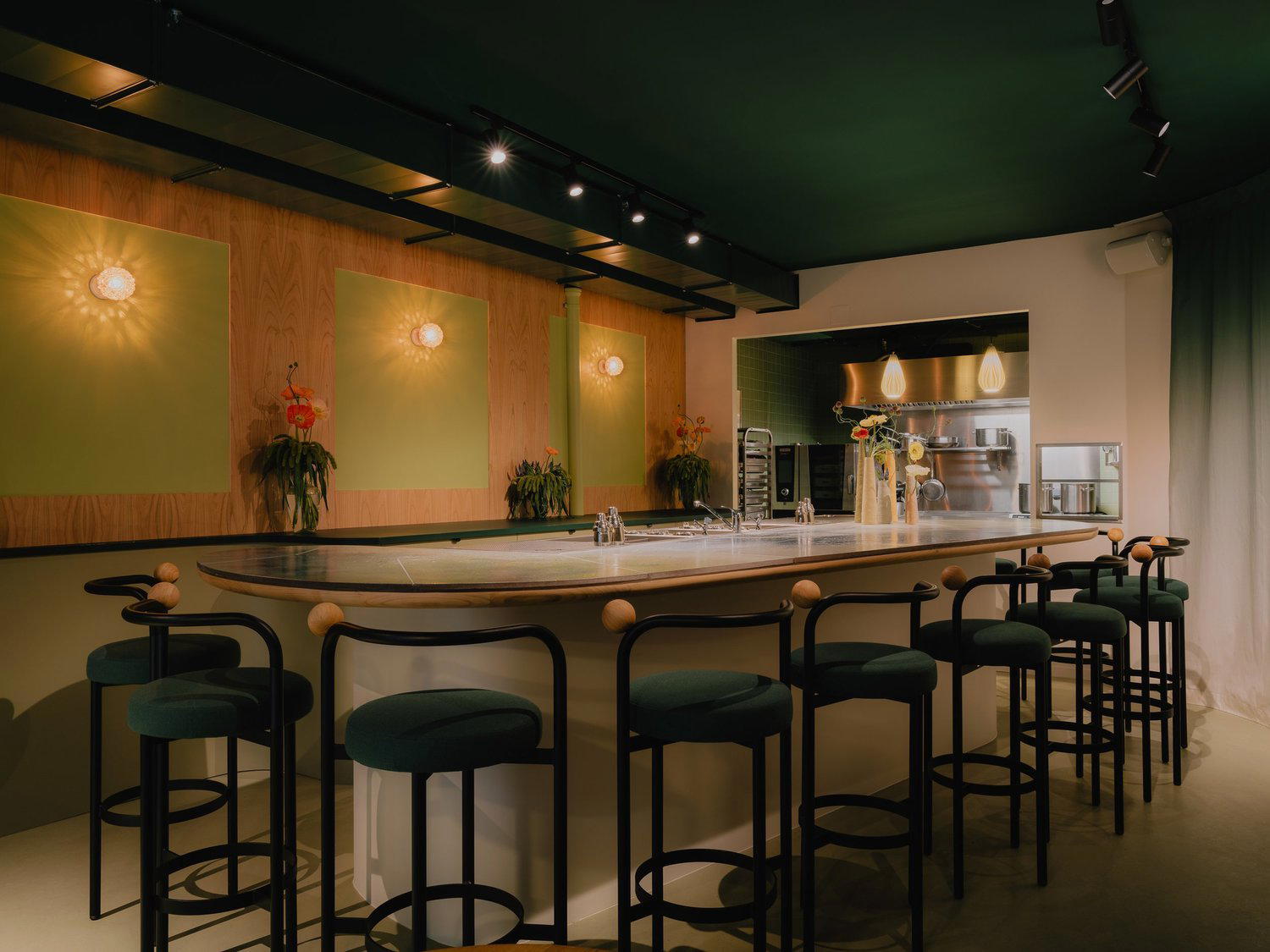
Lighting is another consistent character note. The bars that have opened here in the last several years tend to favour amber over white, candles over overhead fixtures, and a general dimness that makes the street outside feel even brighter by contrast. Walking into Pigalle from the boulevard in the early evening, eyes adjust twice: first to the street's own warm sodium glow, then to the further reduction inside the rooms themselves. It is a neighbourhood that has made a collective stylistic decision about what an evening should feel like.
How Pigalle Sits in the Paris Bar Scene
Paris cocktail culture has moved through recognisable phases over the past fifteen years. The speakeasy-influenced era, hidden doors, password-adjacent booking experiences, gave way to a more transparent technical period where the craft of the drink took precedence over the theatre of access. Pigalle's bar cluster sits comfortably in that second wave. Programs here tend toward clarity of ingredient and method rather than concealment or spectacle.
That places Pigalle in an interesting competitive position relative to other Paris bar districts. The Marais carries a different demographic weight, Saint-Germain tilts older and more expensive, and the areas around Oberkampf and Canal Saint-Martin have their own well-documented scenes. Pigalle's comparable set is closest to the South Pigalle micro-district sometimes called SoPi, though the distinction matters less to visiting drinkers than the practical reality that a single evening can move between several formats without requiring a taxi.
For reference points within Paris's documented cocktail scene, Candelaria in the Marais has built its reputation on a taqueria-fronted mezcal and tequila program that signals one version of Paris's approach to the spirits bar format. Danico represents the hotel-adjacent fine drinking tier, operating behind a restaurant in the 1st. Bar Nouveau and Buddha Bar occupy different positions on the scale and spectacle axis. Pigalle's character is distinct from all of these, defined more by neighbourhood density and format plurality than by any single program or signature concept.
Drinking in Context: Paris and Its French Counterparts
Understanding what Pigalle offers is easier with some comparative geography. French bar culture varies considerably by city. La Maison M. in Lyon operates within a bouchon-adjacent tradition where wine anchors the evening rather than spirits. Coté vin in Toulouse reflects the southwest's closer relationship to appellations and cellar-format drinking. Bar Casa Bordeaux in Bordeaux sits predictably in a wine-first city where cocktail culture remains secondary. Au Brasseur in Strasbourg draws on Alsatian brewing tradition in a way that has no real parallel in a Paris arrondissement. And further afield, Papa Doble in Montpellier brings a Mediterranean informality to spirits service that contrasts with Paris's more structured approach to the same format.
What Paris, and Pigalle in particular, does differently is concentrate format plurality at high density. A single street can contain a natural wine bar with forty covers, a cocktail counter with ten seats, and a standing-room cave à manger, all within the same block. That concentration is a function of Paris's urban structure, the small footprint of most street-level commercial spaces, combined with a licensing and late-hours culture that rewards small operators. Le Café de la Fontaine in La Turbie and Bar Leather Apron in Honolulu both demonstrate how seriously drinking culture is taken in their respective cities, but neither operates within a neighbourhood ecosystem quite like what Pigalle has assembled.
Planning an Evening in Pigalle
The neighbourhood rewards arrival before 20:00, when the rooms are still accessible and the street still has some of its workaday character visible. By 21:30 on weekends, the better-known bars are running at capacity and the queue dynamic changes the experience considerably. Midweek evenings, particularly Tuesday through Thursday, allow for a more considered engagement with the formats on offer. See our full Paris restaurants guide for broader context across arrondissements.
Know Before You Go
- Location: 75009 Paris, France (9th arrondissement, Pigalle district)
- Getting there: Métro Pigalle (lines 2 and 12) deposits you at the centre of the neighbourhood; Blanche (line 2) offers a slightly quieter entry point from the west
- Timing: Tuesday through Thursday evenings offer one accessible experience; Friday and Saturday crowds build sharply after 21:00
- Format: The neighbourhood operates across multiple venues and styles; budget for movement between rooms rather than a single sitting
- Booking: Venue-specific booking policies vary; smaller cocktail counters in the area often operate on a walk-in or limited-reservation basis
Comparable Spots, Quickly
Comparable venues nearby, for context on price, style, and recognition.
| Venue | Cuisine | Price | Notes |
|---|---|---|---|
| Quartier PigalleThis venue — the venue you are viewing | cocktail_bar | $$ | Not listed |
| Dirty Dick | tiki_bar | $$ | Pigalle |
| Le Nemours | lounge | $$ | Louvre/Palais-Royal |
| BaraNaan Street Food & Cocktail Bar | speakeasy | $$ | 10th arrondissement |
| The Bombardier | pub | $$ | Latin Quarter |
| Café les Deux Gares | wine_bar | $$ | 10th Arrondissement |
At a Glance
- Trendy
- Lively
- Intimate
- Date Night
- Late Night
- Speakeasy
- Seated Bar
- Lounge Seating
- Craft Cocktails
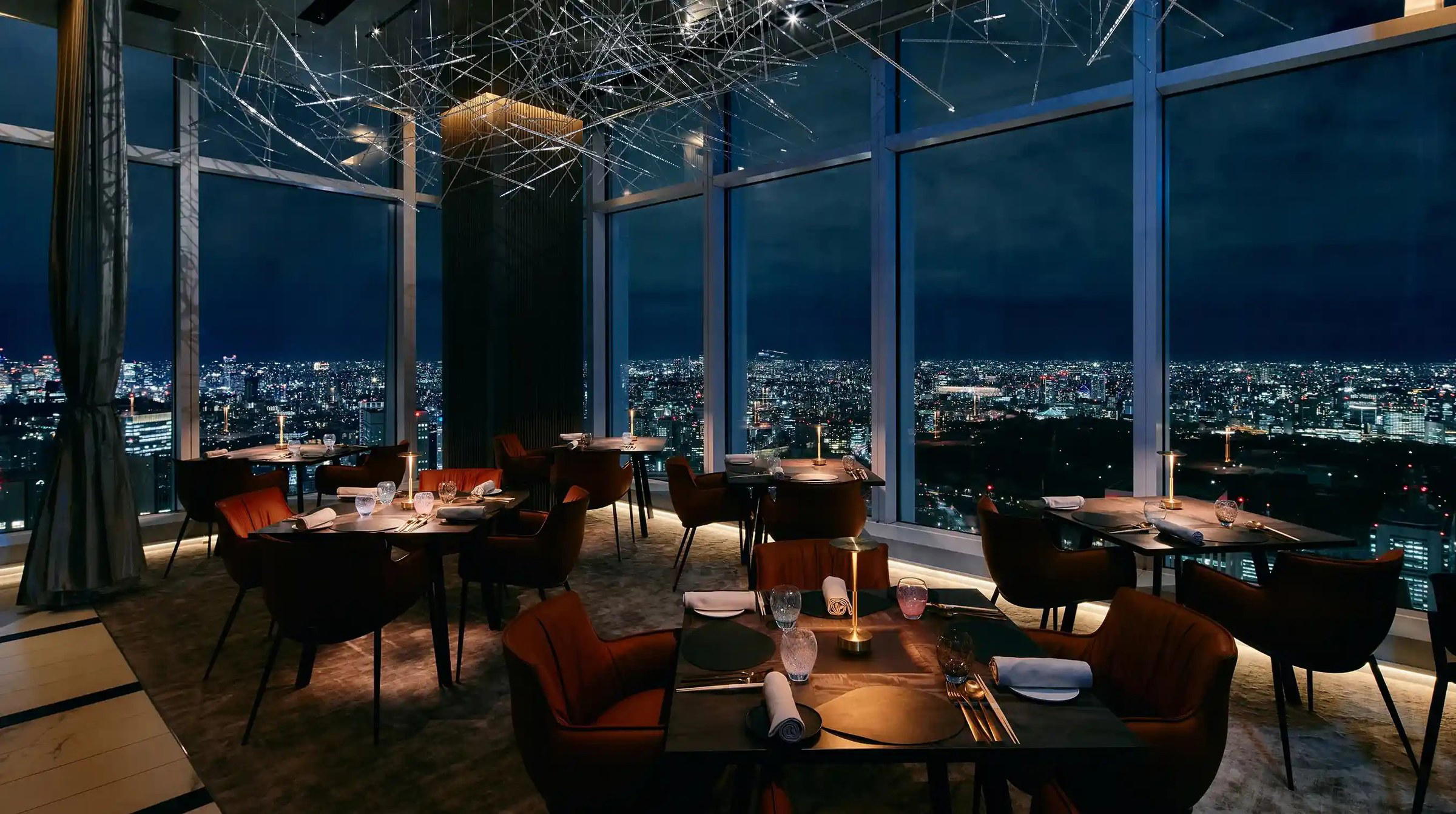
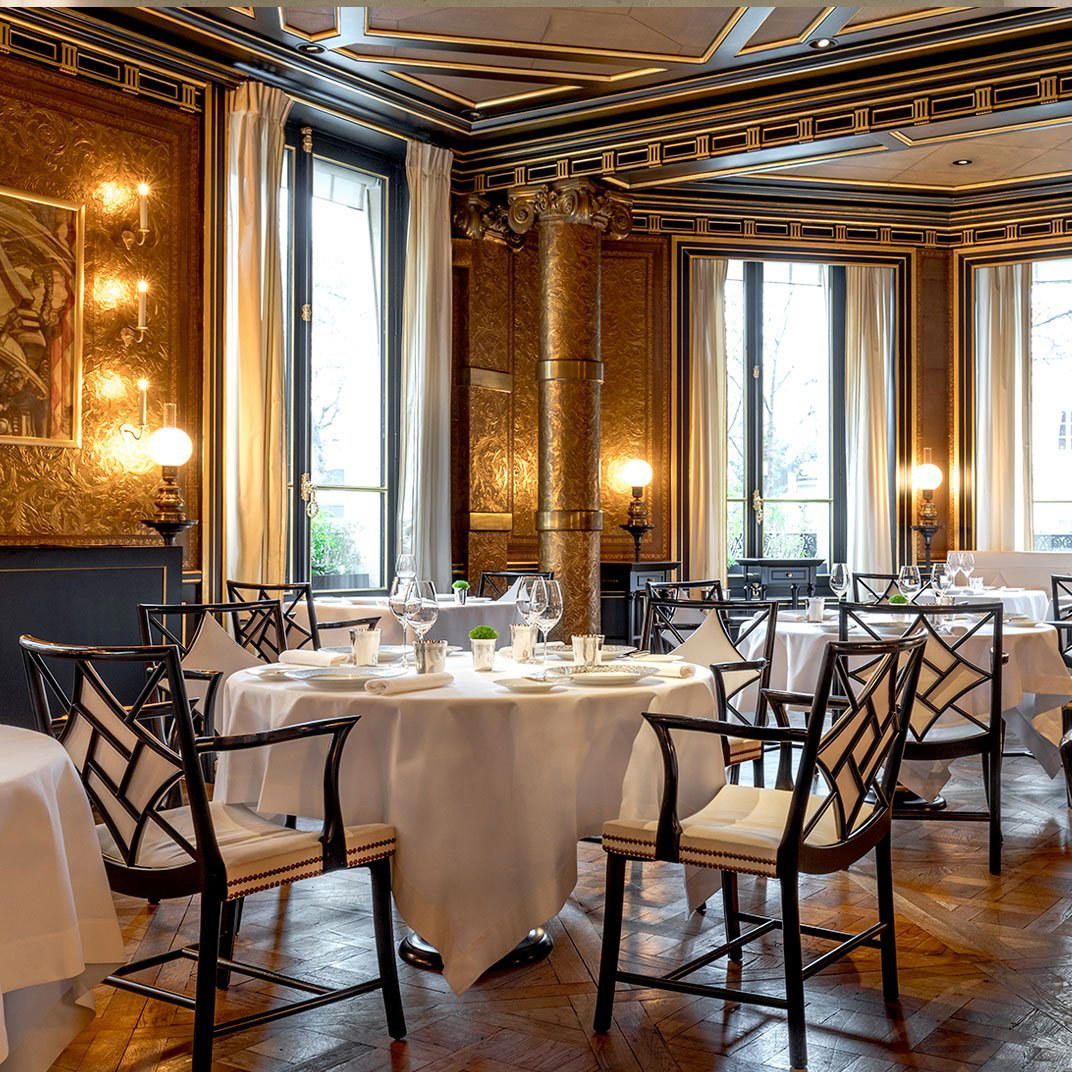
Laid-back stylish vibe with peacock blue walls, black lacquer, leopard print glam rock edge, and 1970s-inspired cabaret atmosphere.