On Rue Victor Massé in the 9th arrondissement, L'entrée des artistes occupies a street that has long straddled the creative and the convivial. The bar draws from the neighbourhood's deep artistic heritage, positioning itself within a Pigalle-adjacent scene that increasingly values considered programming over pure spectacle. For visitors who want more than a transactional drink, this address rewards the curious.
A Street That Still Has Something to Say
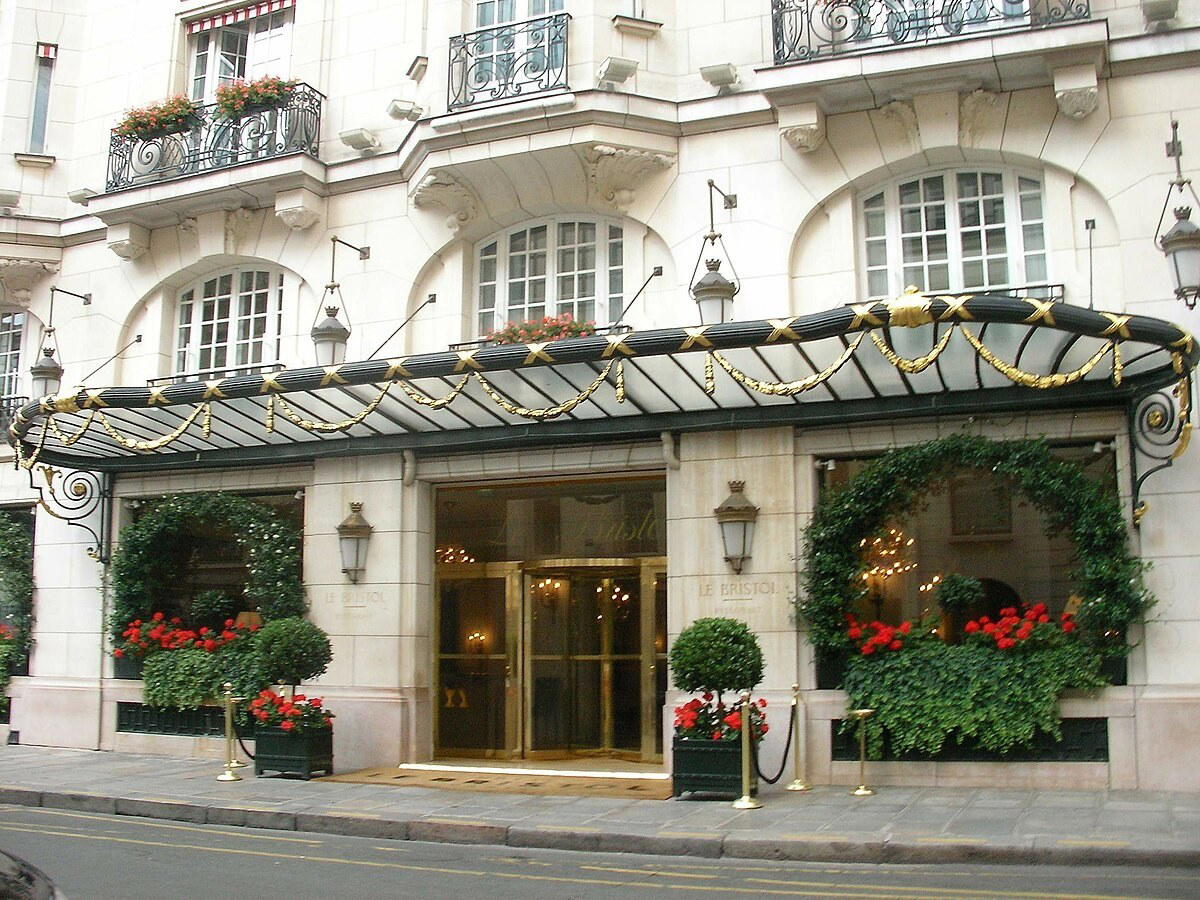
Rue Victor Massé sits in a particular fold of Paris's 9th arrondissement where the transition from Pigalle's neon-lit perimeter into the quieter, more residential upper stretch happens gradually and without fanfare. The buildings here carry the architectural weight of the Belle Époque, and the pavement-level businesses tend to reflect a clientele that knows the neighbourhood rather than passing through it. Arriving at L'entrée des artistes, you feel that specificity immediately: the address at number 30 positions it mid-street, away from the tourist-facing corners, and the name itself, the artist's entrance, the stage door, signals a deliberate relationship with the creative tradition that once made this quartier one of Paris's most animated.
The 9th has undergone a sustained reorientation over the past decade. Where South Pigalle (SoPi, as it became shorthand) was once defined by music venues and late-night bars with little editorial distinction between them, the area now contains a more layered drinking culture. Bars in this corridor increasingly compete on specificity: unusual spirit selections, cocktail programs with a discernible point of view, and a social atmosphere shaped by regulars rather than algorithm-driven foot traffic. L'entrée des artistes fits within that shift, occupying a tier of Paris bar-going where the room and what's served in it are expected to carry equal weight.
The 9th Arrondissement's Drinking Culture in Context
Understanding where L'entrée des artistes sits requires understanding the broader drinking culture of this part of Paris. The 9th and its immediate neighbours have produced some of the city's more influential bar addresses in recent years. Candelaria established the template for the taqueria-fronted cocktail bar in the Marais, while Danico operates from inside a restaurant space on Rue Richer, a few minutes' walk away, and has earned consistent recognition for its technical precision. Bar Nouveau and Buddha Bar represent different ends of the Paris spectrum: the former a newer, more considered addition to the scene, the latter a long-running large-format venue where spectacle has always been part of the offer.
The Rue Victor Massé address places L'entrée des artistes in a different register from all of these. It is neither a concept-forward destination bar nor a volume-driven night-out anchor. The name's theatrical reference connects it to the physical history of the street, which housed artists' studios and music-hall affiliates in the 19th and early 20th centuries. That context is not merely decorative: bars that use local heritage as framing tend to attract a clientele already disposed toward the neighbourhood rather than arriving from outside it, which changes the social atmosphere considerably.
Sourcing, Sustainability, and What the Paris Bar Scene Is Asking Of Itself
Across Paris's better independent bars, a visible shift toward ethical sourcing and reduced environmental impact has become less a marketing posture and more a baseline expectation. The movement is particularly pronounced in bars operating in neighbourhoods with politically and culturally engaged regulars, and the 9th fits that profile. Venues are increasingly selecting spirits from producers who can speak to organic farming, shorter supply chains, or distilling practices with lower energy inputs. The question of what goes into the glass is now routinely extended to how it was made and how far it travelled.
L'entrée des artistes operates in this context. A bar on a street associated with artistic and cultural life in Paris carries an implicit expectation that its choices reflect considered values, not just aesthetic ones. French bars at this tier increasingly source from domestic distillers and wine producers who can demonstrate provenance, and the cocktail menu in spaces like this tends to lean on seasonal French produce rather than imported exotica. Waste reduction, too, has entered the working vocabulary of serious Paris bartenders: citrus oleo-saccharums, fermented syrups, and spirit reuse programs are no longer experimental, they are standard practice in any bar that takes its program seriously.
For context on how this ethos plays out in other French cities, the pattern holds: La Maison M. in Lyon and Coté vin in Toulouse both reflect the same regional pull toward transparency in sourcing. Bar Casa Bordeaux operates within wine country's heightened scrutiny of provenance, and Au Brasseur in Strasbourg has long made its production process visible to guests. Even beyond France, bars that have built durable reputations, such as Papa Doble in Montpellier or Le Café de la Fontaine in La Turbie, tend to anchor their identity in something more specific than a generic cocktail list. Bar Leather Apron in Honolulu demonstrates that this commitment to craft and intentionality in sourcing extends far beyond European borders. L'entrée des artistes, given its neighbourhood positioning and its name's deliberate cultural reference, belongs to that same conversation.
Who Comes Here and Why It Matters
The clientele of bars on Rue Victor Massé skews toward the neighbourhood-literate: people who live in or regularly visit the 9th, who have opinions about where to drink and are not easily impressed by novelty for its own sake. This is not a destination address in the way that a bar in the 1st or the Marais might attract visitors specifically because of its fame. It is, instead, a local address that rewards those who are already moving through this part of the city with intention.
That social fact is editorially significant. Bars that serve regulars over tourists tend to maintain higher standards of consistency, because the people coming back on a Tuesday will remember the Thursday they were disappointed. The pressure to perform is quieter but more sustained. It is also a bar type that Paris's 9th has always supported: the arrondissement's history is full of addresses that served artists, musicians, and writers over long periods, not because of any single spectacular quality, but because they were reliable, honest, and good enough that leaving the neighbourhood for a drink felt unnecessary.
For our full guide to drinking and dining across the city, see our full Paris restaurants guide.
Should I book L'entrée des artistes in advance?
No booking information is currently available, and no phone number or website appears in the public record. For bars of this format and neighbourhood position in Paris, walk-in is the standard model. If you are planning a visit on a weekend evening, arriving earlier rather than later is the practical hedge, the 9th's bar scene becomes noticeably busier after 21h, particularly along the Rue Victor Massé and Rue des Martyrs corridors.
Who is L'entrée des artistes leading for?
This address suits visitors who are already oriented toward the 9th arrondissement and want a drink with neighbourhood character rather than a high-production destination experience. It is not a bar to build an evening around if you are coming from another part of the city specifically for it, there is no published accolade that would justify that journey on its own. For travellers staying near Pigalle or passing through SoPi, it is a natural and locally rooted choice.
Is a night at L'entrée des artistes worth it?
Without published pricing or formal recognition on record, the value calculation is contextual. If you are already in the neighbourhood, the address carries the weight of a considered, culturally situated bar rather than a generic option. For visitors cross-referencing against Paris's more decorated cocktail addresses, including bars that have received 50 Best Bars recognition or Michelin-adjacent attention, L'entrée des artistes competes on atmosphere and locality rather than on award credentials.
What makes L'entrée des artistes different from other bars in the Pigalle area?
Most bars along the Pigalle perimeter operate at high volume and high turnover, built for an audience that is passing through rather than settling in. Rue Victor Massé sits one street removed from that circuit, and bars here tend to draw a more locally rooted crowd. The name L'entrée des artistes is a specific cultural reference to the stage-door tradition of the neighbourhood's 19th-century artistic life, which signals an intention to connect with that history rather than ignore it. In a city where bar naming is rarely arbitrary, that choice places this address within a tradition of Parisian venues that treat their street's identity as part of the offer.
At-a-Glance Comparison
| Venue | Cuisine | Price | Awards |
|---|---|---|---|
| L'entrée des artistesThis venue (the venue you are viewing) | Not listed | Not listed | Not listed |
| Bar Nouveau | Not listed | $30–50 | World's 50 Best #15 · Top 500 Bars Best Bars #37 |
| Buddha Bar | Not listed | $100–150 | World's 50 Best #20 |
| Candelaria | Mexican-Cocktails | $20–30 | World's 50 Best #42 · Top 500 Bars Best Bars #136 |
| Danico | Not listed | $20–30 | World's 50 Best #26 · Top 500 Bars Best Bars #18 |
| Harry's Bar | Not listed | $30–50 | World's 50 Best #27 · Top 500 Bars Best Bars #45 |
Continue exploring
More in Paris
Bars in Paris
All bars in Paris →
Restaurants in Paris
All restaurants in Paris →
Hotels in Paris
All hotels in Paris →
L'entrée des artistes
The drinks
- Natural wine
- Craft cocktails
Signature drinks: Psilo, Chicharito.
Details
- Intimate
- Trendy
- Cozy
- Elegant
- Date Night
- After Work
- Late Night
- Speakeasy
- Lounge Seating
- Booth Seating
- Craft Cocktails
- Natural Wine
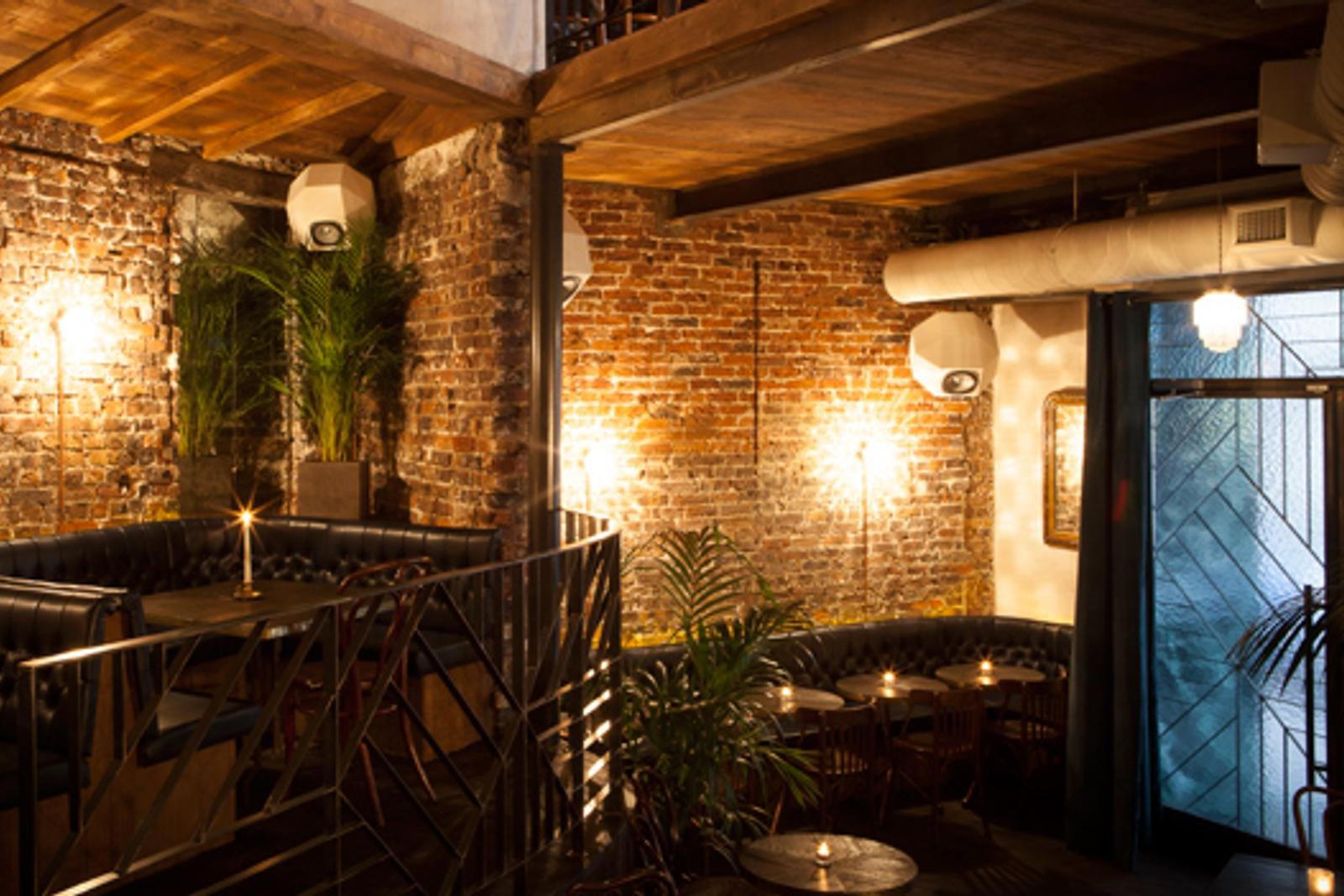
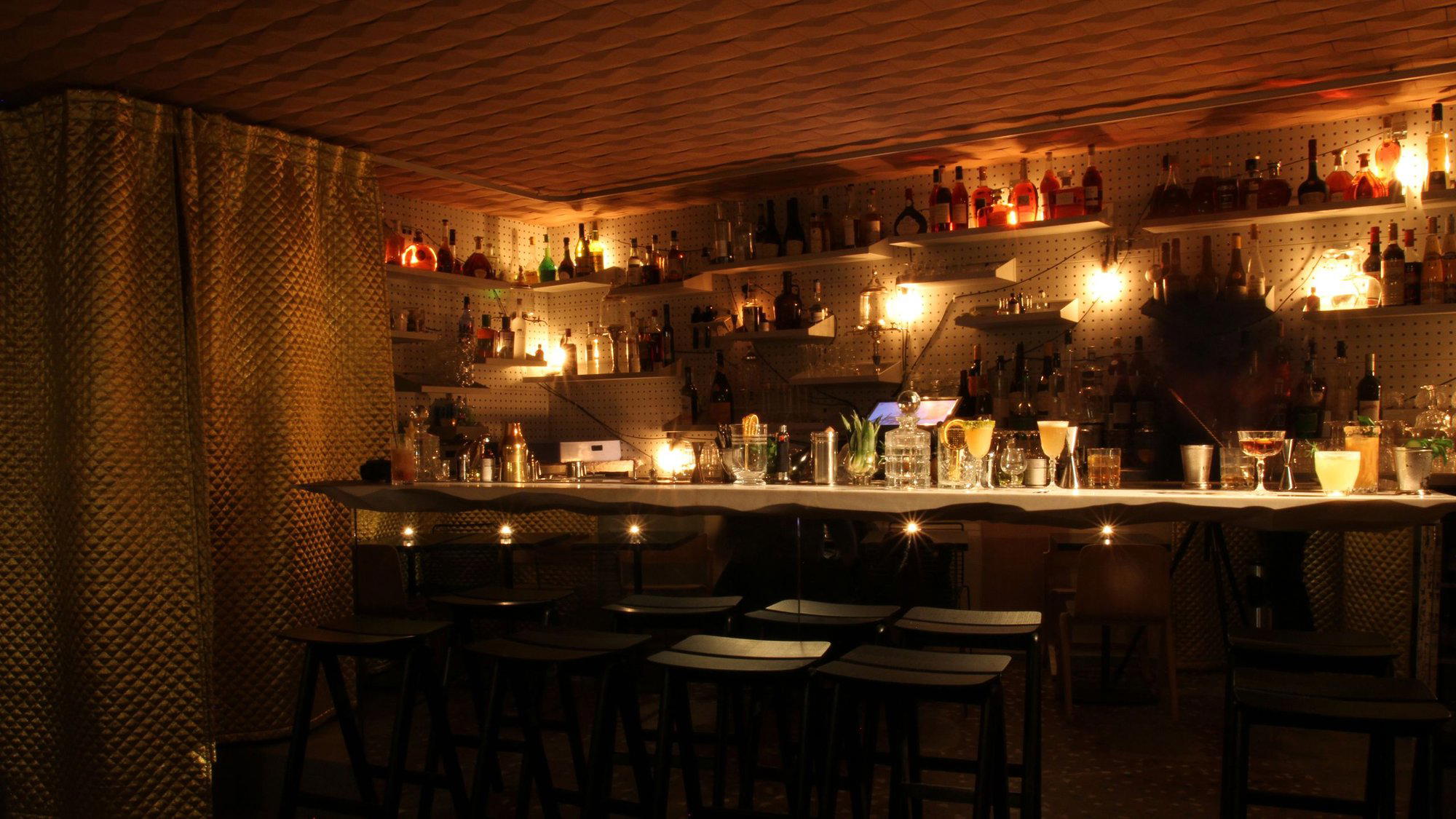
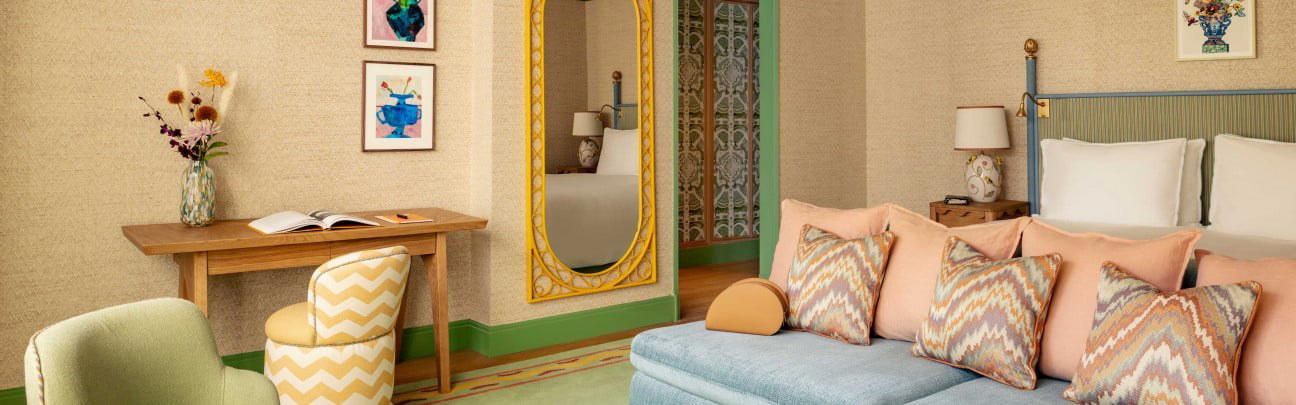
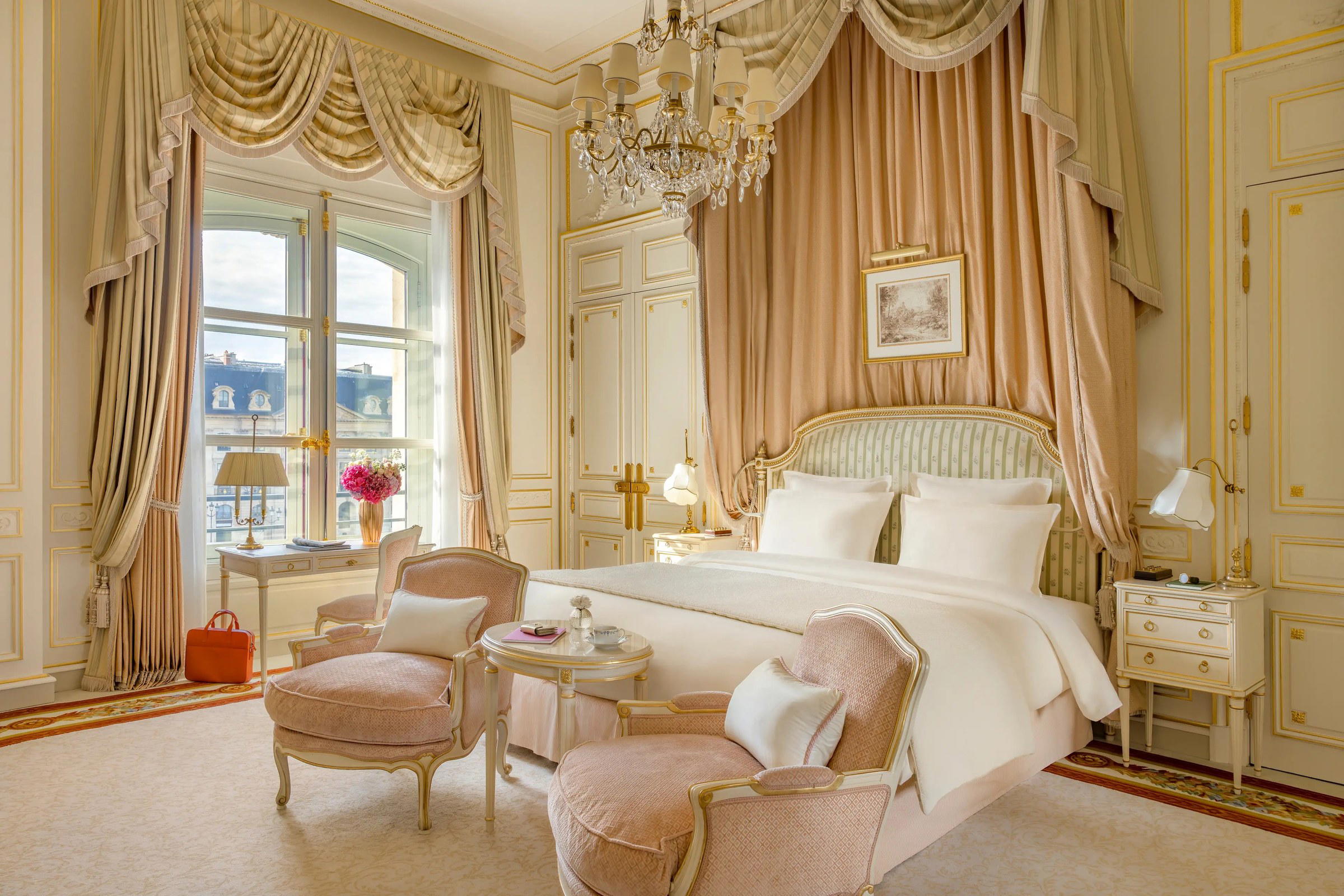
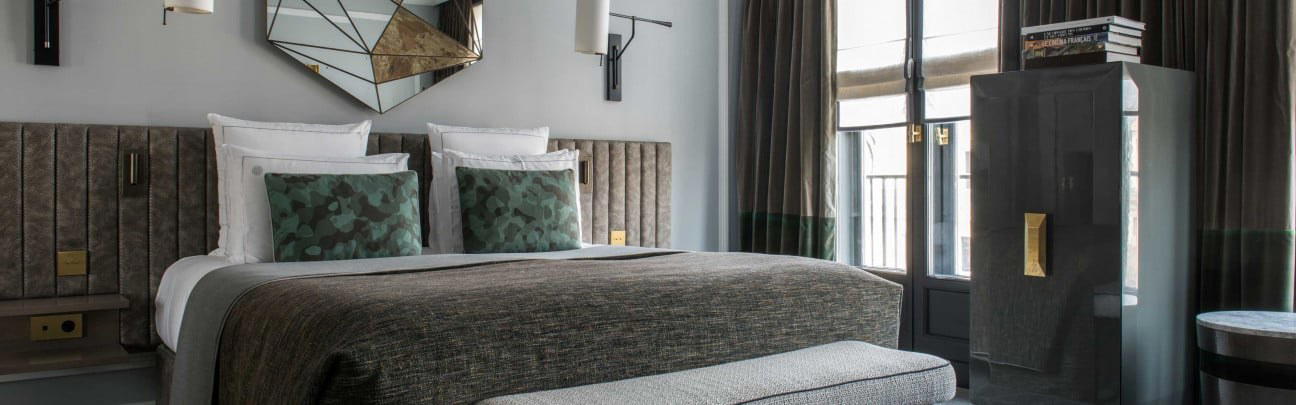
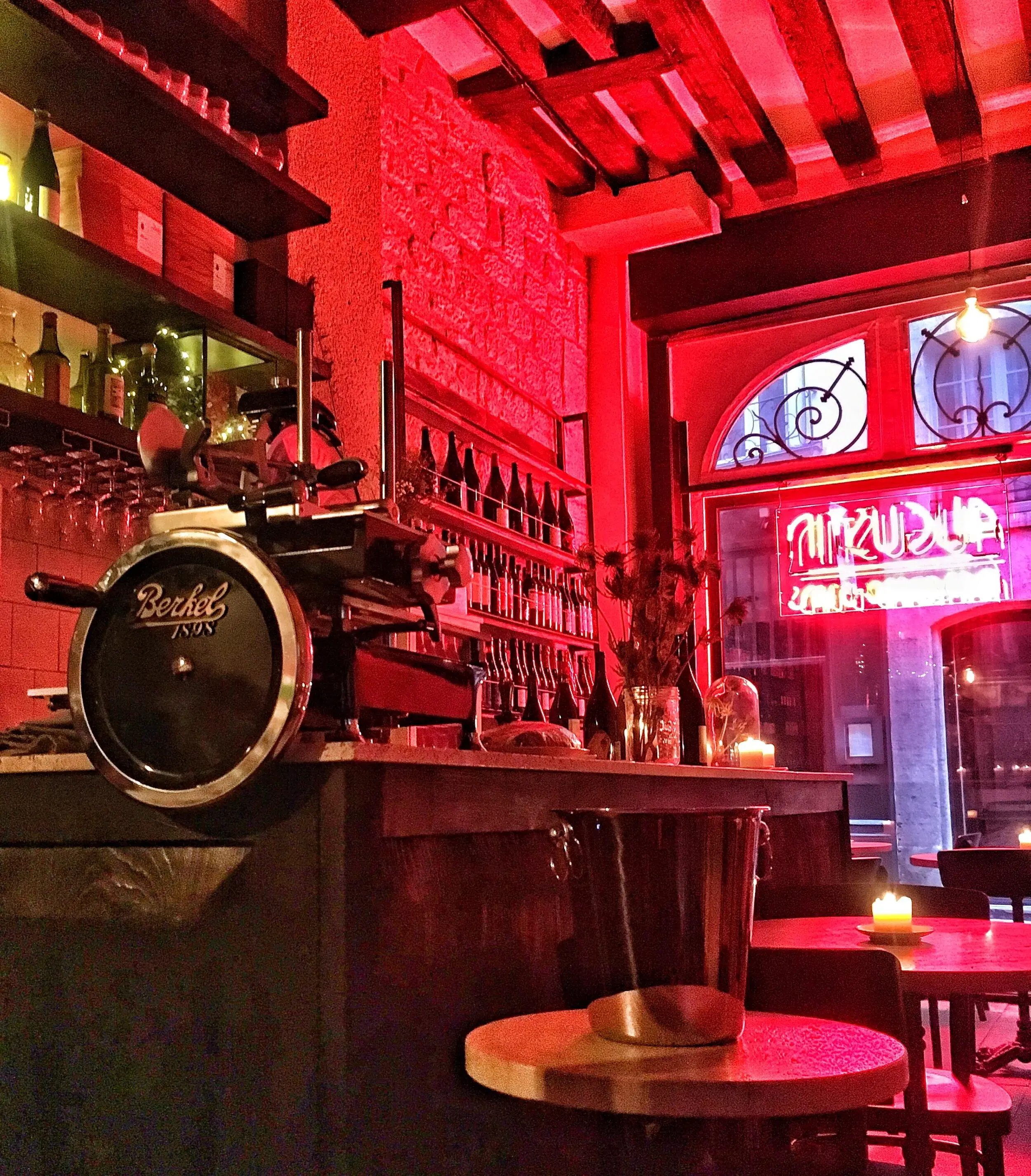
Dim lighting in cozy ground-level speakeasy corners transitioning to airy lofted dining room with art deco decor, hip vinyl music from Boogymann to James Brown.