Google: 4.5 · 1,201 reviews
Pyrenees Cafe
Pyrenees Cafe on Sumner Street is one of Bakersfield's most enduring dining institutions, rooted in the Basque boarding-house tradition that shaped California's Central Valley food culture. Long-table communal dining, passed family-style dishes, and a no-fuss approach to wine and picon punch define the format. It occupies a specific niche in the city's restaurant scene that few other venues replicate.
 Discover on Pearl
Pearl is the En Primeur Club membership app — saves, bookings, and concierge access live there. Same editors, same standards.
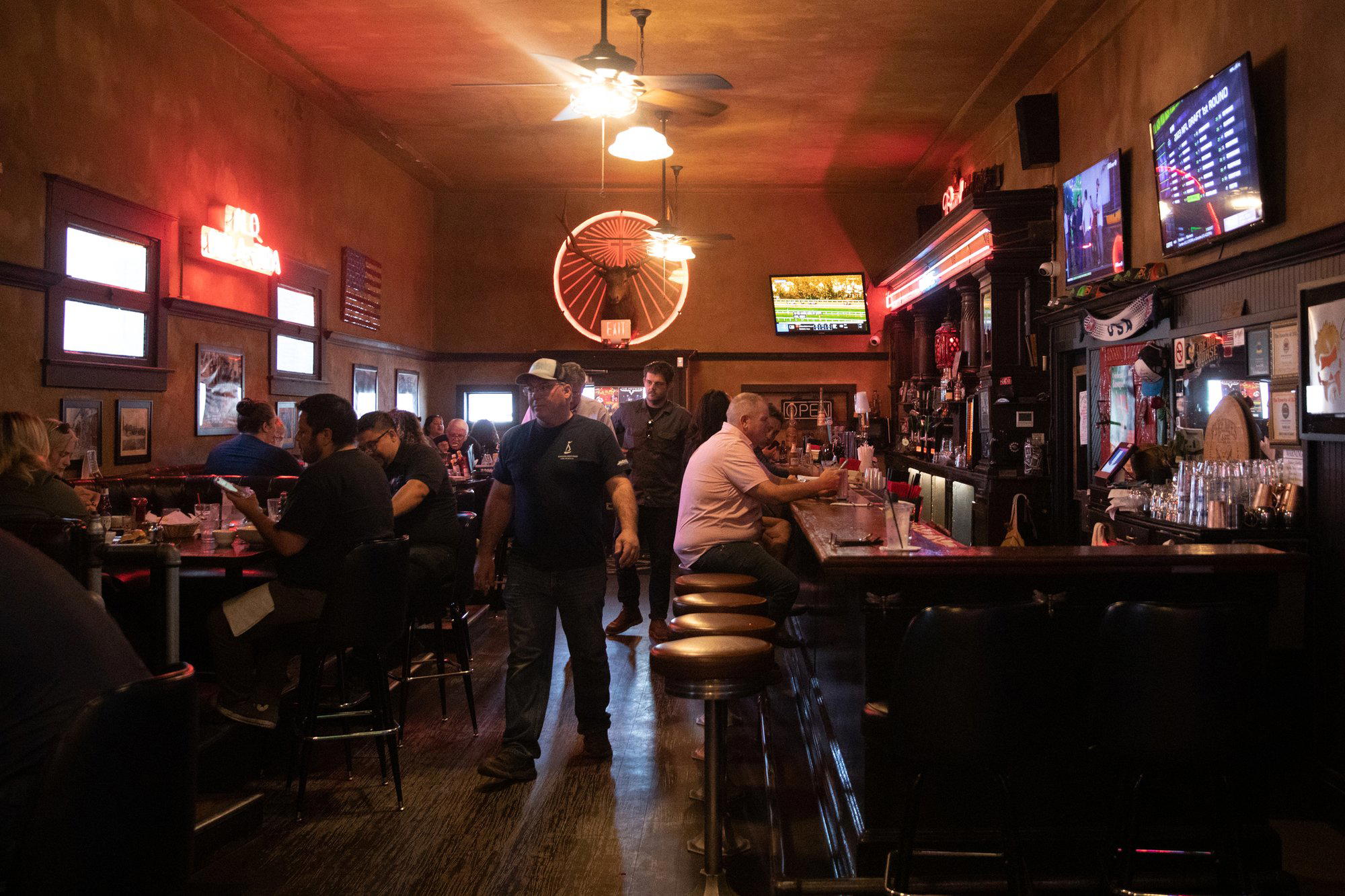
The Basque Boarding-House Tradition in California's Central Valley
Bakersfield sits at an unlikely crossroads in American food history. The Central Valley city, better known for oil fields and country music than for culinary heritage, carries one of the more specific and under-examined dining traditions in California: the Basque boarding house. In the late nineteenth and early twentieth centuries, Basque immigrants from the Pyrenean border region of Spain and France arrived in the American West to work as shepherds. They settled in tight clusters across Nevada, Idaho, and California's interior valleys, and they brought with them a communal eating culture that has survived, largely intact, into the present day. Pyrenees Cafe, at 601 Sumner St, is among the oldest surviving expressions of that culture in Bakersfield.
The boarding-house format is worth understanding as a dining category before considering any individual venue within it. These were working establishments, not restaurants in any conventional sense. Long tables, fixed menus, shared dishes, and wine served in tumblers rather than stemware were functional choices, not aesthetic ones. The food was designed for people returning from physical labour, and the communal structure reflected a community far from home. What has persisted into the present is less a museum piece than a living format: the communal table still anchors the room, the wine still arrives in pitchers, and the dishes still move around the table rather than to individual plates.
Where Pyrenees Cafe Sits in the Bakersfield Dining Scene
Bakersfield's restaurant scene has diversified considerably over the past two decades. The city now supports a range of formats, from family-run Italian operations like Mama Tosca's Italian Restaurant Fine Dining Est.1982 and Mamma Mia Italian Restaurant to pan-Asian options such as Bill Lee's Bamboo Chopsticks Restaurant and health-focused counters like Fit Pantry. Within that spread, Pyrenees Cafe occupies a category of its own. The Basque communal format has no direct local competitors: you are not choosing between two versions of the same experience, you are deciding whether to seek out a dining tradition that exists in only a handful of American cities.
That scarcity matters. Cities like Elko in Nevada and Boise in Idaho maintain their own Basque dining corridors, and Fresno has a documented Basque restaurant history. But the specific combination of agricultural Central Valley setting, decades of continuous operation, and the boarding-house room layout places Pyrenees Cafe in a peer set defined more by geography and cultural heritage than by cuisine category or price tier. For readers comparing it against other Bakersfield options, the more useful frame is: what does this format offer that no other local venue provides? The answer is a direct, largely unchanged connection to a specific immigrant food tradition, served in the physical environment where that tradition developed.
The Format and What It Means at the Table
The Basque communal table is not a trend borrowed from modern farm-to-table hospitality. It predates that movement by several decades and operates on different logic entirely. Dishes arrive family-style and in sequence: soup first, then beans, then a protein course, often lamb or oxtail, with wine available throughout at the table rather than ordered by the glass. The rhythm is slow and social, oriented toward the group rather than the individual diner. This creates a specific kind of meal that differs fundamentally from the conventional restaurant arc of ordering, receiving, and departing on a personal schedule.
Picon punch, the Basque aperitif made with Amer Picon, grenadine, and club soda, served with a brandy float, is the drink most associated with this tradition in the American West. Its presence on a menu functions as a cultural signal: the venue is operating within the Basque boarding-house format rather than simply offering Spanish or French regional cooking. At Pyrenees Cafe, the drink is part of the identity of the place, not an add-on. This kind of embedded cultural specificity is precisely what distinguishes Basque boarding houses from the broader category of European immigrant restaurants.
Approaching the Address on Sumner Street
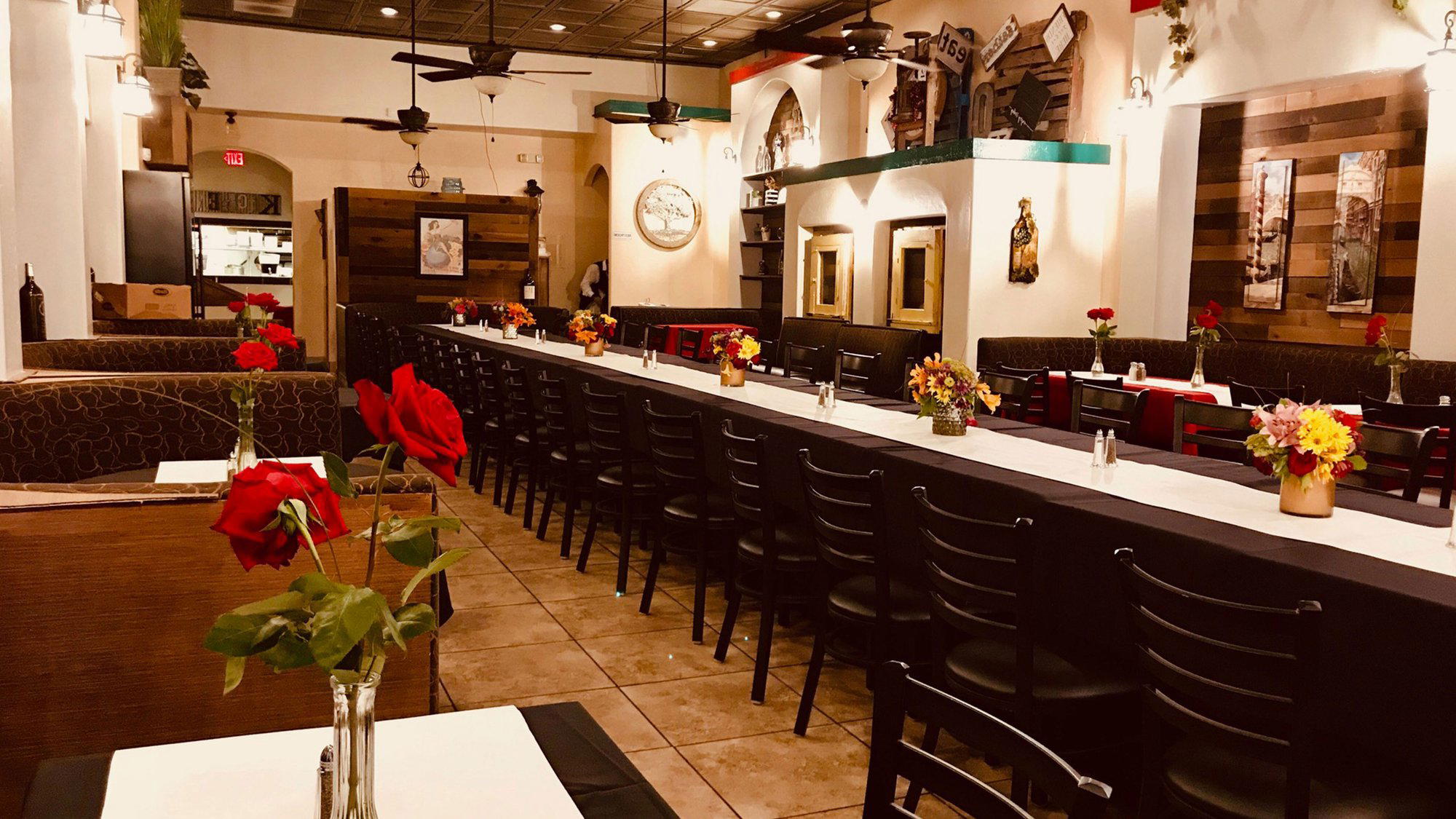
Pyrenees Cafe sits at 601 Sumner Street in a part of Bakersfield that reflects the city's working-class agricultural history rather than its newer commercial development. The building carries the low-key exterior characteristic of venues that have never needed to advertise to their core audience: those who know it find it, and those who don't are missing a specific piece of the city's cultural record. First-time visitors approaching from downtown will find a structure that signals continuity over renovation, which is consistent with the format's ethos. The dining room interior, with its long communal tables, is the architectural argument for the whole experience.
Logistics here are leading approached by contacting the venue directly, as confirmed hours and booking details are not available in current public records. Given the communal dining format, arriving without a reservation during peak service periods carries more risk than at a conventional restaurant where individual tables turn more flexibly. Planning ahead is advisable, particularly for groups of four or more where the communal table format works most naturally.
Basque Communal Dining Beyond Bakersfield
For readers who move between cities and track specific dining traditions, the Basque boarding-house format appears in a small number of American locations outside California. The tradition of long-table communal dining, fixed-price multi-course service, and house wine in pitchers has parallels in other immigrant-rooted formats, though the Basque version remains culturally distinct. Readers interested in other cities can find EP Club editorial on venues including Jewel of the South in New Orleans, Kumiko in Chicago, Julep in Houston, Superbueno in New York City, ABV in San Francisco, Bar Leather Apron in Honolulu, and The Parlour in Frankfurt on the Main. None of those venues replicate the Basque format, but they represent the same principle: dining rooted in a specific cultural logic rather than a generic hospitality template.
For broader context on Bakersfield's dining scene, the EP Club Bakersfield restaurants guide covers the city's full range of options across categories and price points.
Planning Your Visit
Pyrenees Cafe's address is 601 Sumner St, Bakersfield, CA 93305. Current confirmed details on hours, pricing, and reservations are not available in public records at time of writing; contacting the venue directly before your visit is the recommended approach. The communal table format suits groups better than solo dining, and the full experience of the boarding-house tradition comes through most clearly when the table is shared across a party of several people. Dress is casual and always has been: the working-class roots of the format have never accommodated a dress code, and that informality is part of the cultural point.
Budget and Context
These are the closest comparables we have in our database for quick context.
Continue exploring
More in Bakersfield
Bars in Bakersfield
Browse all →
Restaurants in Bakersfield
Browse all →
Hotels in Bakersfield
Browse all →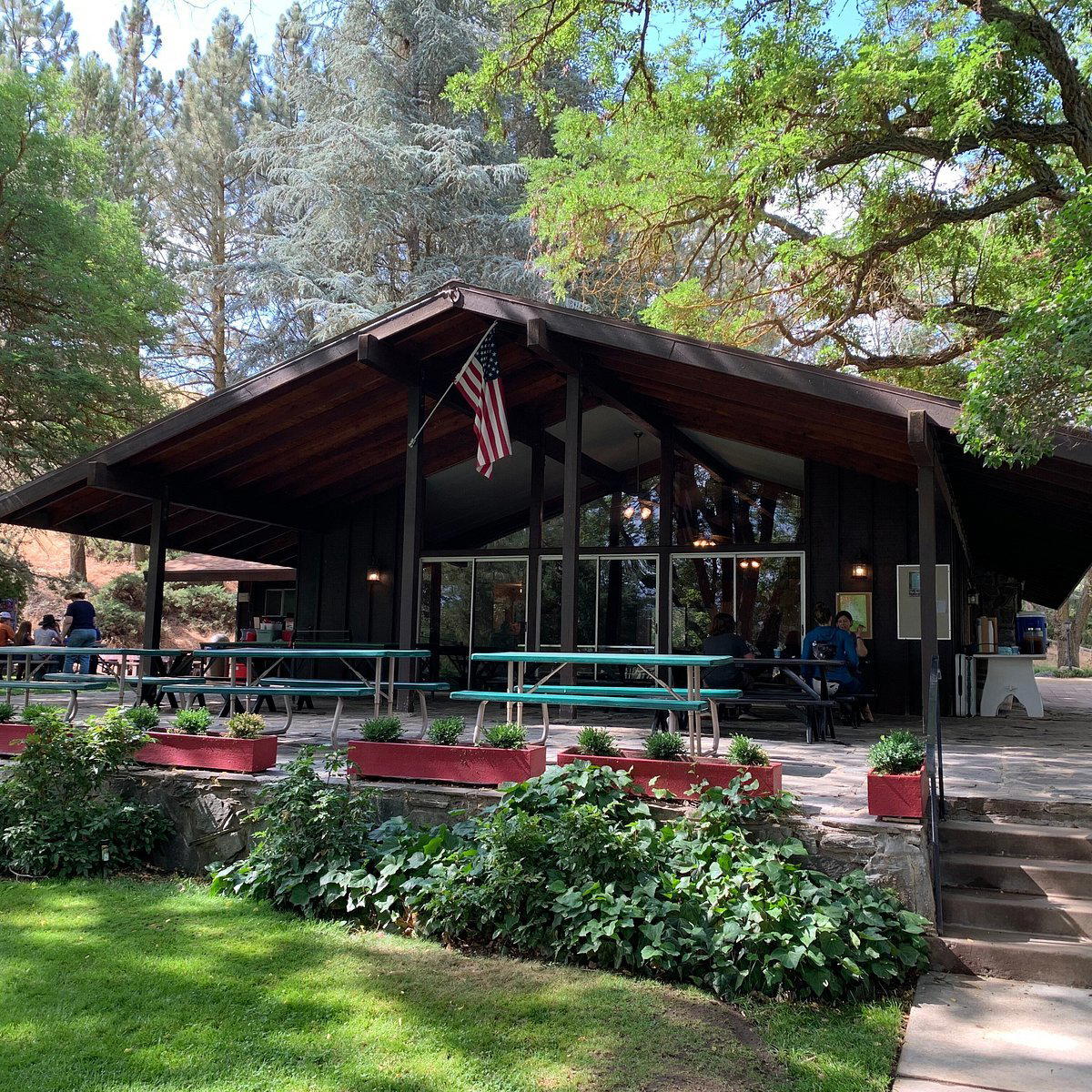
At a Glance
- Rustic
- Historic
- Cozy
- Casual Hangout
- Group Outing
- Historic Building
- Communal Tables
Historic saloon atmosphere with gritty past charm and warm family-style Basque dining at long trestle tables.