Primanti Bros. Restaurant and Bar
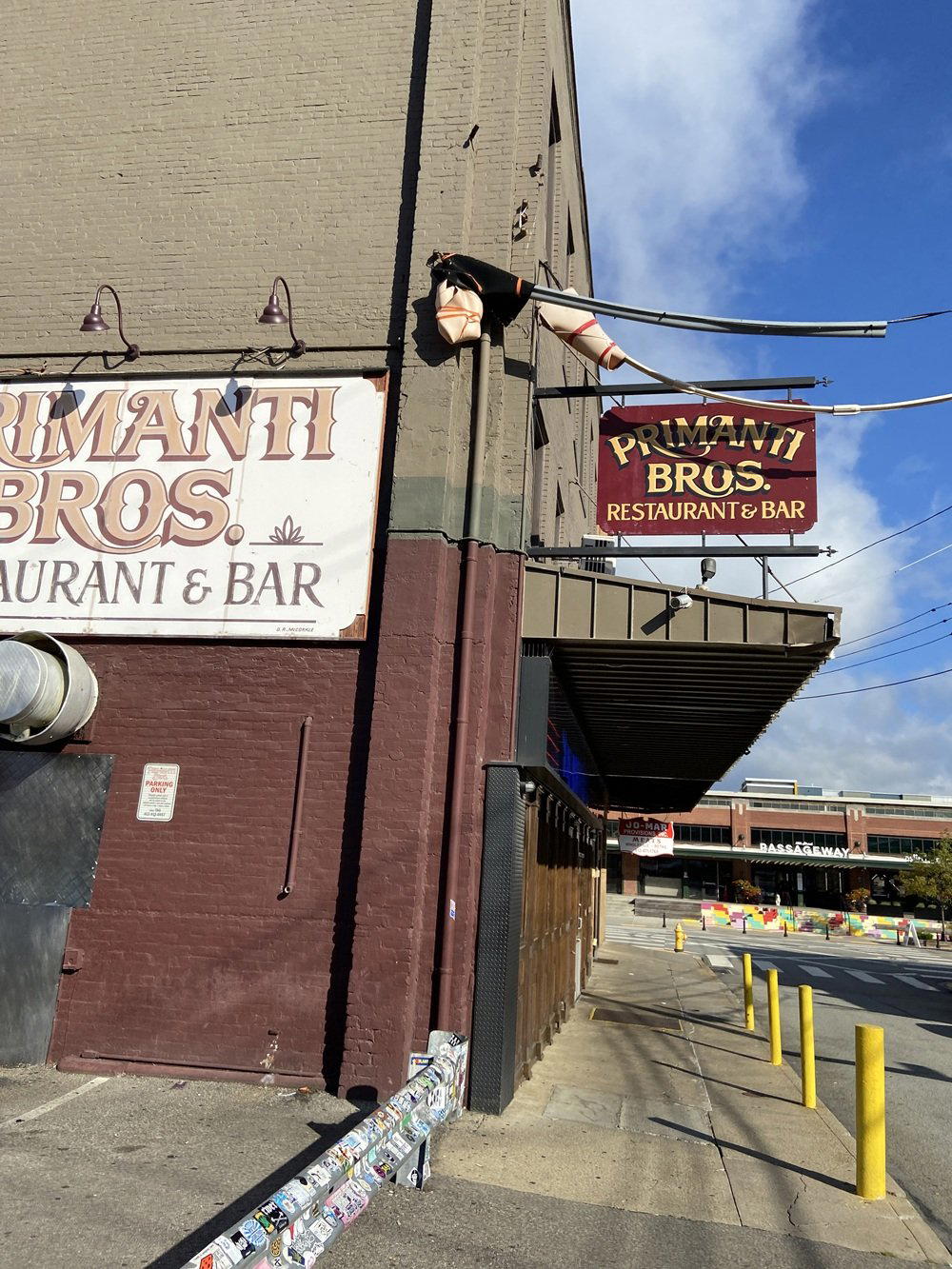
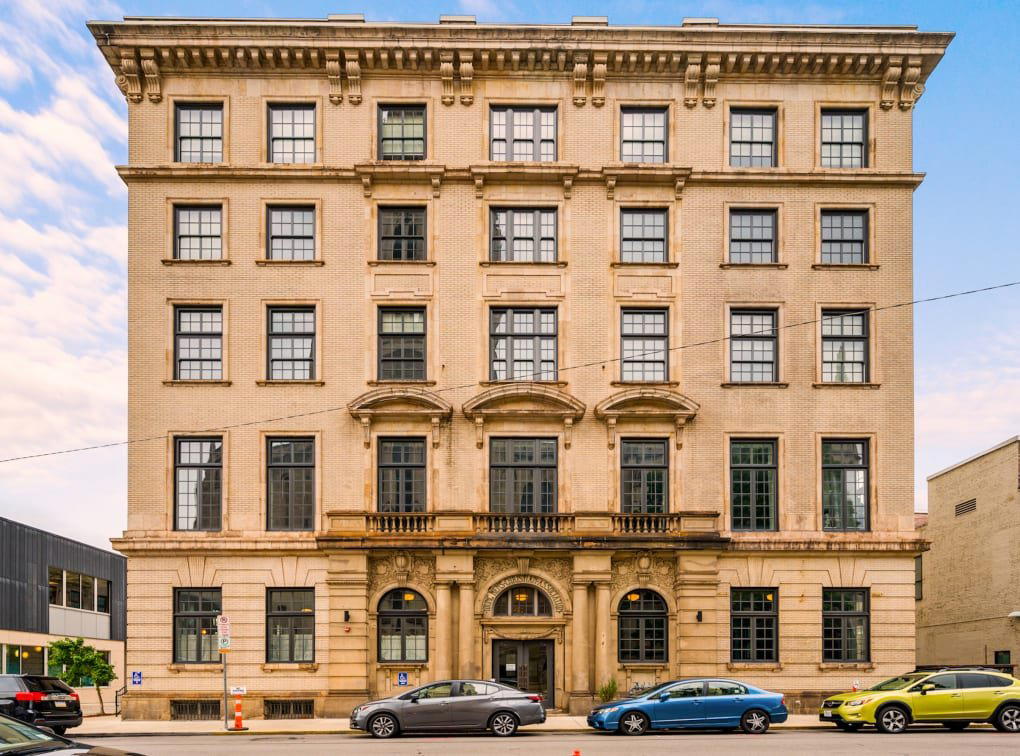
On 18th Street in Pittsburgh's Strip District, Primanti Bros. has anchored the working-class sandwich tradition since the 1930s, building a format that puts coleslaw and fries inside the bread rather than beside it. The result is less a menu item than a local institution, a document of how Pittsburgh fed its overnight produce-market workers before the concept of a side dish existed.
 Discover on Pearl
Pearl is the En Primeur Club membership app — saves, bookings, and concierge access live there. Same editors, same standards.
- Address
- 46 18th St, Pittsburgh, PA 15222
- Phone
- +1 412 263 2142
- Website
- primantibros.com
The Strip District and the Sandwich That Ate the Plate
Pittsburgh's Strip District operates on a logic that predates the modern restaurant industry. For much of the twentieth century, its warehouses and produce markets ran through the night, and the workers who kept them moving needed food that was fast, filling, and required no table to eat properly. That context produced one of American regional cooking's more durable formats: the overstuffed sandwich with coleslaw and french fries built directly into it, served as a single object rather than a meal with components. Primanti Bros., at 46 18th Street, is where that format was formalized and where it has remained in continuous operation since the 1930s.
The address places it squarely in the Strip, a neighbourhood that has since layered craft food markets, specialty importers, and weekend foot traffic over its industrial bones. What was once a utility district is now one of Pittsburgh's primary food corridors, a stretch where Aiello's Pizza in Squirrel Hill and the broader constellation of Pittsburgh's neighbourhood food institutions sit in conversation with the city's longer eating history. Primanti Bros. predates all of it and, in that sense, defines what the others are responding to.
A Technique Built From Necessity, Not Trend
The editorial angle applied to most Pittsburgh food writing tends toward the nostalgic, treating the Primanti sandwich as a relic. That reading misses the point. What the format actually represents is a localized solution to a specific logistical problem, a working kitchen feeding shift workers who had nowhere to set a plate. Putting the coleslaw and fries inside the bread was not a gimmick; it was compression, a technique that collapsed the American diner plate into a portable unit. The fact that it persisted through the city's post-industrial transition into the present says something about functional design holding up better than fashionable ones.
That persistence is worth comparing to what happened in other American cities where blue-collar eating traditions were either absorbed into fine dining or simply erased by gentrification. Pittsburgh's food scene, as surveyed across venues like Alla Famiglia and Allegheny Elks Lodge #339, has largely maintained a working-class frame even as the city's economy pivoted toward medicine, education, and technology. Primanti Bros. is not preserved in amber; it is evidence that some formats are durable enough to require no reinvention.
The Sandwich in the Context of American Regional Food
American regional food has increasingly attracted serious critical attention. Bars and restaurants in cities like New Orleans, Houston, Chicago, New York, and San Francisco have all built programs that treat local culinary tradition as a foundation for craft-level work. Jewel of the South in New Orleans, Julep in Houston, Kumiko in Chicago, Superbueno in New York City, ABV in San Francisco, and Bar Leather Apron in Honolulu each operate within a tradition they did not invent but are actively interpreting. Primanti Bros. occupies a different position: it is the origin point, not the interpretation. The tradition being honoured in Pittsburgh's food culture often loops back, directly or indirectly, to the Strip District format this address established.
Internationally, the same dynamic appears in places like Frankfurt, where a bar such as The Parlour operates in deliberate conversation with local drinking traditions while applying external technique. The Primanti Bros. model inverts that: the technique is entirely local, and what came later from the outside has had to negotiate with it.
Ordering Logic and What Regulars Know
Pittsburgh has a set of institutions whose menus function less as choices than as single answers to the question of what to order. At the 18th Street location, the operative logic is the sandwich itself, built to the house format with coleslaw and fries as integrated components rather than accompaniments. Regulars, by most accounts, do not consult menus at length. The format is the menu, and the variations are secondary to the core construction. That kind of single-dish authority is rare in American casual dining, where menu expansion is typically treated as growth. Here, the format has been stable long enough that the question of what to order is functionally settled.
Pittsburgh's wine-focused venues, including Allegheny Wine Mixer, operate in a different register, considered, deliberate, pairing-oriented. The Primanti Bros. experience sits at the opposite pole: no pairing calculus, no tasting notes, no ceremony. The drink is secondary to the sandwich, and the sandwich is secondary to nothing. That clarity of hierarchy is itself a kind of editorial position.
What Primanti Bros. Is Known For
The short answer is the sandwich format described above, which has been replicated across multiple locations while the 18th Street address remains the original. In Pittsburgh terms, the venue occupies a position comparable to a founding document: other local food institutions are understood partly in relation to whether they engage with, depart from, or simply exist alongside what Primanti Bros. established. The price point remains accessible, this has never been a destination for expense-account dining, which is part of what has kept the format anchored to its original audience while also drawing visitors who want a concrete reference point for Pittsburgh's food identity.
For those building a picture of Pittsburgh's eating character, the Strip District location is the logical starting point. The full shape of the city's food scene, from neighbourhood pizza to Italian-American dining to the craft beverage operations that have emerged over the past two decades, is documented across our full Pittsburgh restaurants guide.
Planning a Visit
The 18th Street address in the Strip District is walkable from Pittsburgh's downtown core and sits within the neighbourhood's main food corridor. The Strip is most active on weekend mornings, when the produce and specialty food markets draw significant foot traffic, but the restaurant itself has historically operated beyond standard meal-service hours, a remnant of its original function serving overnight workers. Booking is not the operative concern here; this is a counter-service format. Come with appetite and a clear understanding that you are ordering one thing.
Continue exploring
More in Pittsburgh
Bars in Pittsburgh
Browse all →
Restaurants in Pittsburgh
Browse all →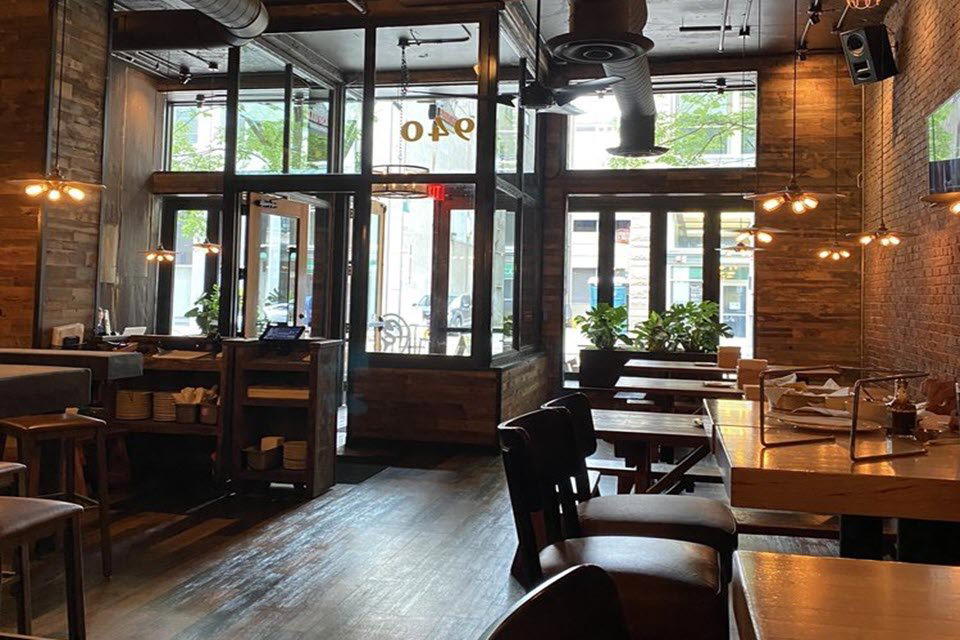
At a Glance
- Lively
- Energetic
- Rustic
- Group Outing
- Casual Hangout
- After Work
- Standalone
- Booth Seating
- Classic Cocktails
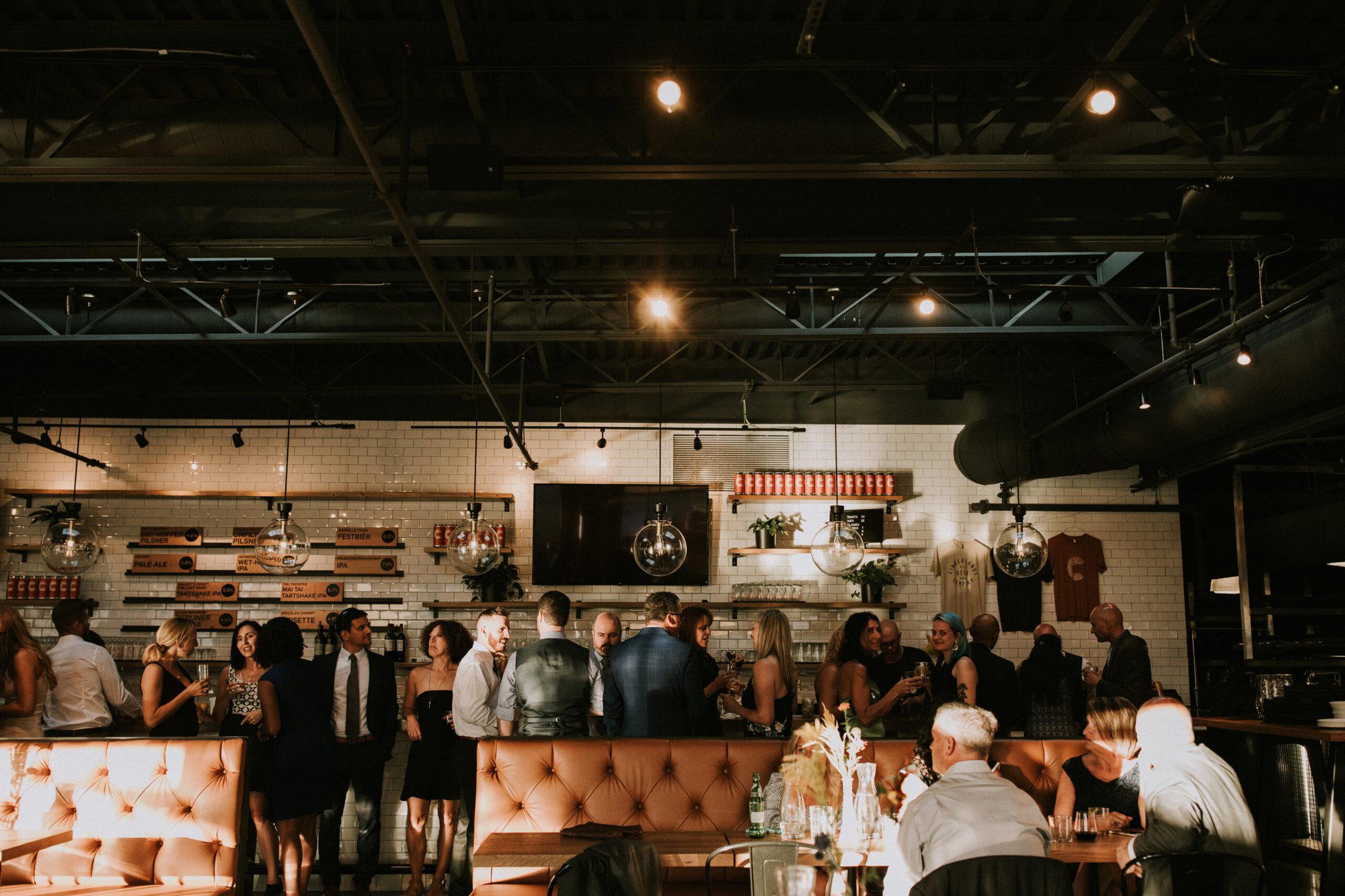
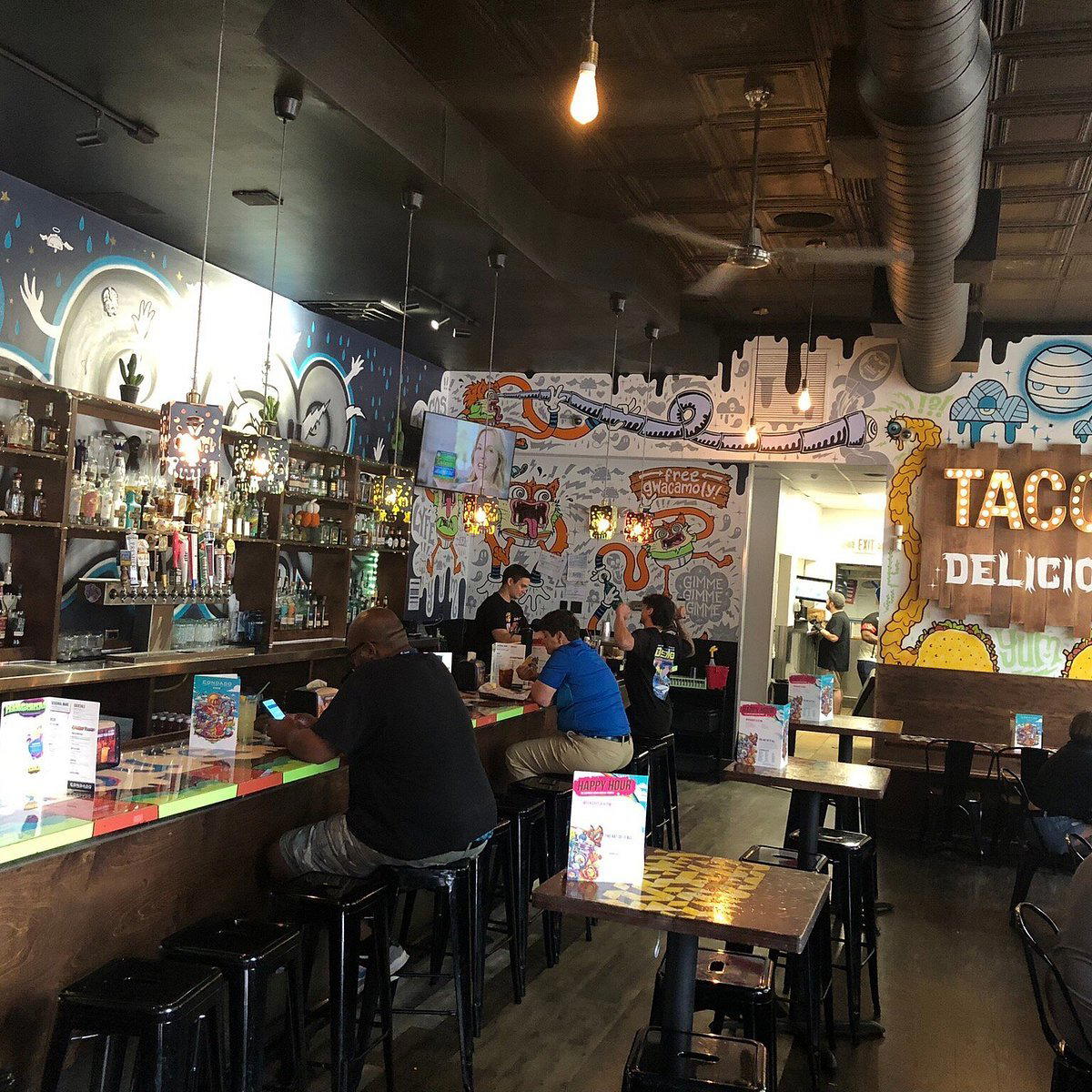
Casual sports bar atmosphere with televisions, bright lighting, and a lively, energetic crowd.