
A Japanese-inspired collaboration bar operating at the intersection of two distinct creative identities, Pop City x Pony brings a drinks-forward sensibility to Singapore's increasingly competitive bar scene. The pairing format, drawing on Japanese cocktail technique and a food programme built to match, positions it within the city-state's growing cohort of concept-driven drinking destinations.

Pearl is the En Primeur Club membership app, where members save venues, book tables and use the concierge.
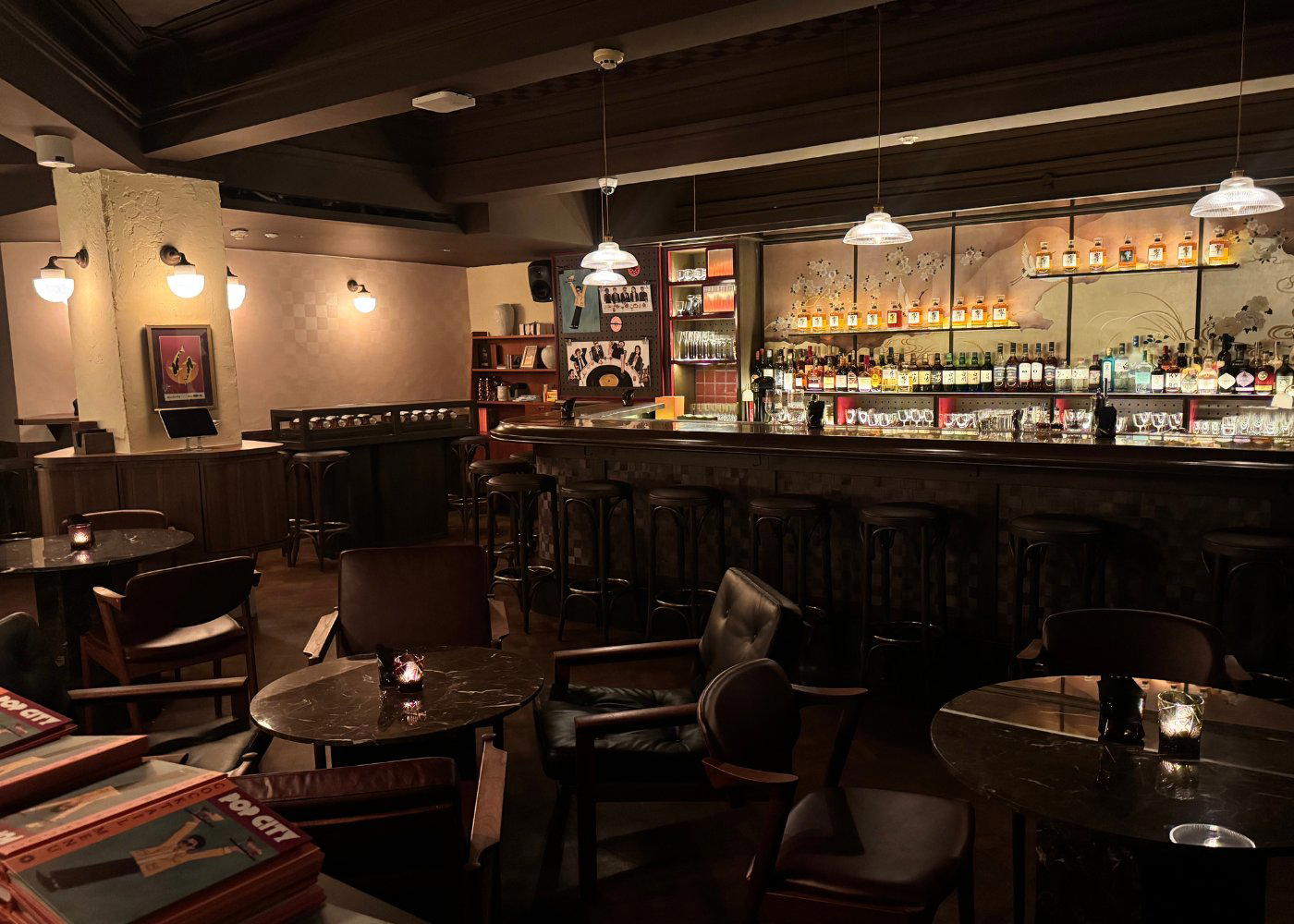
Where Two Concepts Converge
Singapore's bar scene has spent the better part of a decade sorting itself into legible tiers. At one end, the grand-hotel programs: Atlas with its Art Deco gin library, Anti:Dote with its refined European technique. At the other, the neighbourhood practitioners: 28 HongKong Street quietly anchoring the speakeasy-to-serious-cocktail transition that reshaped what drinkers in this city expect from a bar. Pop City x Pony occupies neither of those positions cleanly. It operates as a collaboration format, Japanese-inspired in its drinks thinking, with a food programme designed to function as a genuine counterpart to the glass rather than an afterthought served in a basket.
The collaboration bar as a format has precedent in cities where rent pressures and creative cross-pollination push operators together. What matters in evaluating those spaces is whether the two identities sharpen each other or simply coexist. At Pop City x Pony, the Japanese-inspired framing does real editorial work: Japanese bar culture has long treated the relationship between food and drink as structural, not decorative. The kaiseki logic of small, precisely composed courses finding their register against a sequence of drinks is a useful reference point here, even if the format at this bar operates with considerably less ceremony.
The Drinks-Food Architecture
The most demanding test for any drinks-led concept is whether the food programme has been built from the bar outward or bolted on from the kitchen inward. Japanese cocktail tradition, as it has been interpreted across the region, tends toward clean, high-clarity expressions: carefully sourced spirits, minimal interference, deliberate temperature control. That discipline, when applied honestly, creates drinks with specific textural and flavour profiles that respond well to food with umami depth, acidity, or restrained fat.
Globally, bars that have committed seriously to this drinks-food relationship offer useful comparisons. Kumiko in Chicago built its entire program around Japanese ingredient philosophy, pairing shochu, sake, and spirits-forward cocktails with small plates that amplify rather than compete with the glass. Bar Leather Apron in Honolulu takes a similarly considered approach to spirit selection alongside food. What these programs share is a refusal to treat the bar and kitchen as separate departments. At Pop City x Pony, the Japanese-inspired concept implies a similar orientation, and the collaboration structure between two named entities reinforces the idea that both the drinks and the food side carry distinct creative weight.
That is the editorial argument for a collaboration bar: when it works, the sum is more coherent than either half alone, because each side is forced to articulate why its choices make sense in the context of the other. When it does not work, you get a drinks list that ignores the kitchen and a food menu that reads like a concession to hunger rather than an invitation to pair.
Singapore's Collaboration Bar Moment
The city-state's drinking culture has moved through several distinct phases in a compressed timeline. The hidden-bar format, dominant in the early 2010s, gave way to technically ambitious programs with transparent philosophies. Analogue represents one strand of that evolution: a bar with a defined conceptual position and a drinks list built to argue a point. The collaboration format, as seen at Pop City x Pony, is a different expression of the same underlying shift toward concept-driven spaces over purely service-driven ones.
Japanese influence in Singapore's bar scene is neither new nor niche. The city has long drawn on Japanese technique, ingredient sourcing, and hospitality philosophy across its dining and drinking spaces. What the Japanese-inspired framing signals at a bar like this is a specific set of aesthetic and structural commitments: quieter environments, drinks with longer finishing notes, and food that rewards attention rather than casual grazing. Whether Pop City x Pony delivers on that full register is a question that site visits answer better than category logic, but the conceptual scaffolding points in a coherent direction.
For context on how Japanese-inflected bar programs play out in other cities, Jewel of the South in New Orleans and Superbueno in New York City each demonstrate how a defined conceptual identity, even one borrowed or translated from another tradition, can hold a bar's program together across drinks, food, and room. Julep in Houston and The Parlour in Frankfurt offer further reference points for how pairing-led bars build coherence outside their home traditions. 1806 in Melbourne has long demonstrated that a drinks program with genuine intellectual rigour can anchor a bar's identity across multiple years and menu evolutions.
Singapore's mid-tier cocktail bar category is now crowded enough that differentiation requires a clear position. The collaboration format, combined with Japanese-inspired drinks, gives Pop City x Pony a more specific identity than most new entrants. It is not competing on the gin-library or heritage-spirits axis that defines Atlas. It is not attempting the neighbourhood-anchor role that 28 HongKong Street built over years.
For readers building a Singapore drinking itinerary, the relevant question is where Pop City x Pony fits in an evening's sequence. The food-forward Japanese-inspired format suggests it functions better as a destination than as a late stop, when the kitchen is fully operational and the pairing logic can be pursued across multiple rounds. Early in an evening, with the bar at a manageable volume and the food programme accessible, the collaboration concept has the most room to demonstrate what two creative identities produce when they are genuinely working together.
For the full picture of what Singapore's bar and restaurant scene currently offers, our Singapore guide maps the city's drinking and dining by neighbourhood and category.
Planning a Visit
Prospective visitors should verify current operating information directly before planning a visit, as collaboration concepts in this format can operate on limited schedules or with pop-up components that change seasonally. Given Singapore's density of strong bar options, confirming availability in advance is particularly advisable if the visit is the anchor of an evening rather than an opportunistic stop.
Similar Picks
| Venue | Cuisine | Price | Awards |
|---|---|---|---|
| Pop City x PonyThis venue (the venue you are viewing) | Japanese-inspired cocktails / collaboration bar | $30–50 | Not listed |
| Native | Not listed | $20–30 | World's 50 Best #80 · Top 500 Bars Best Bars #103 |
| 28 HongKong Street | Not listed | $50–100 | World's 50 Best #78 · Top 500 Bars Best Bars #318 |
| Analogue | Not listed | $30–50 | World's 50 Best #47 |
| Anti:Dote | Not listed | Not listed | World's 50 Best #43 |
Recognition history
Dated appearances from independent guides and award organizations, with the underlying list record or original source where available.
Tales Spirited Awards Best New International Cocktail Bar Top 10 Nominee
Tales Spirited Awards · Tales Spirited Awards 2026 - Best New International Cocktail Bar - Best New International Cocktail Bar (Top 10 Nominee)
Continue exploring
More in Singapore
Bars in Singapore
All bars in Singapore →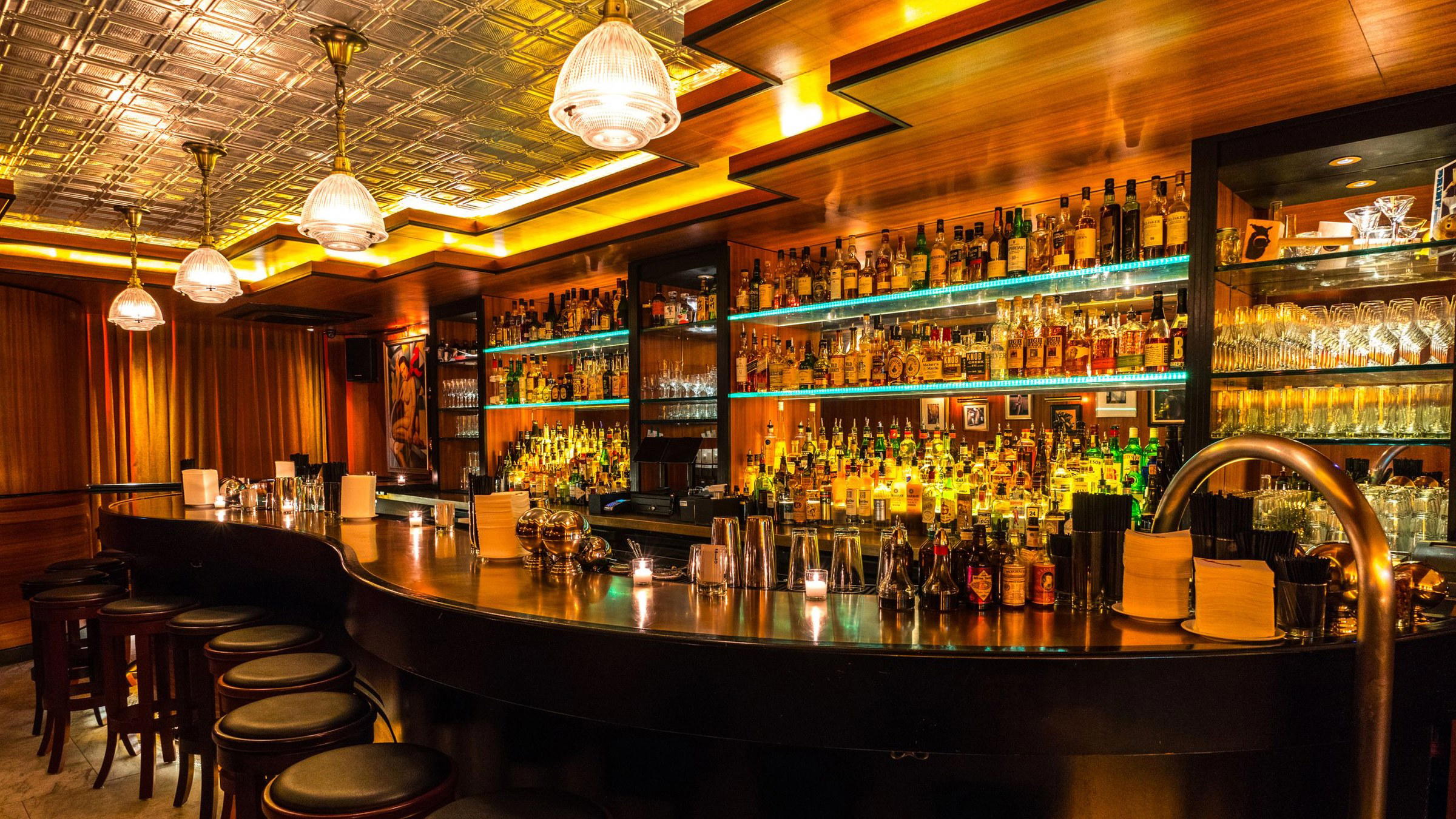
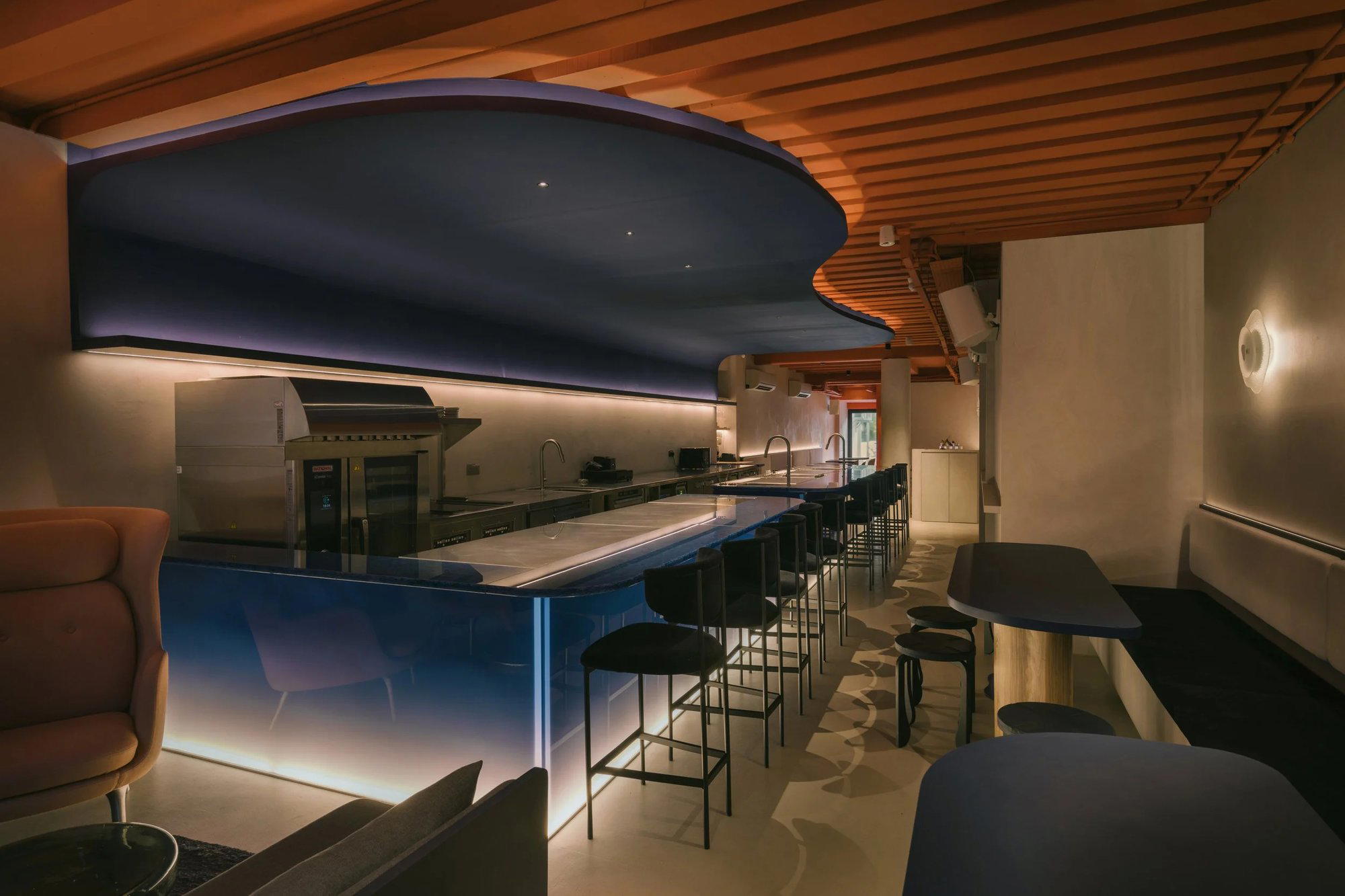
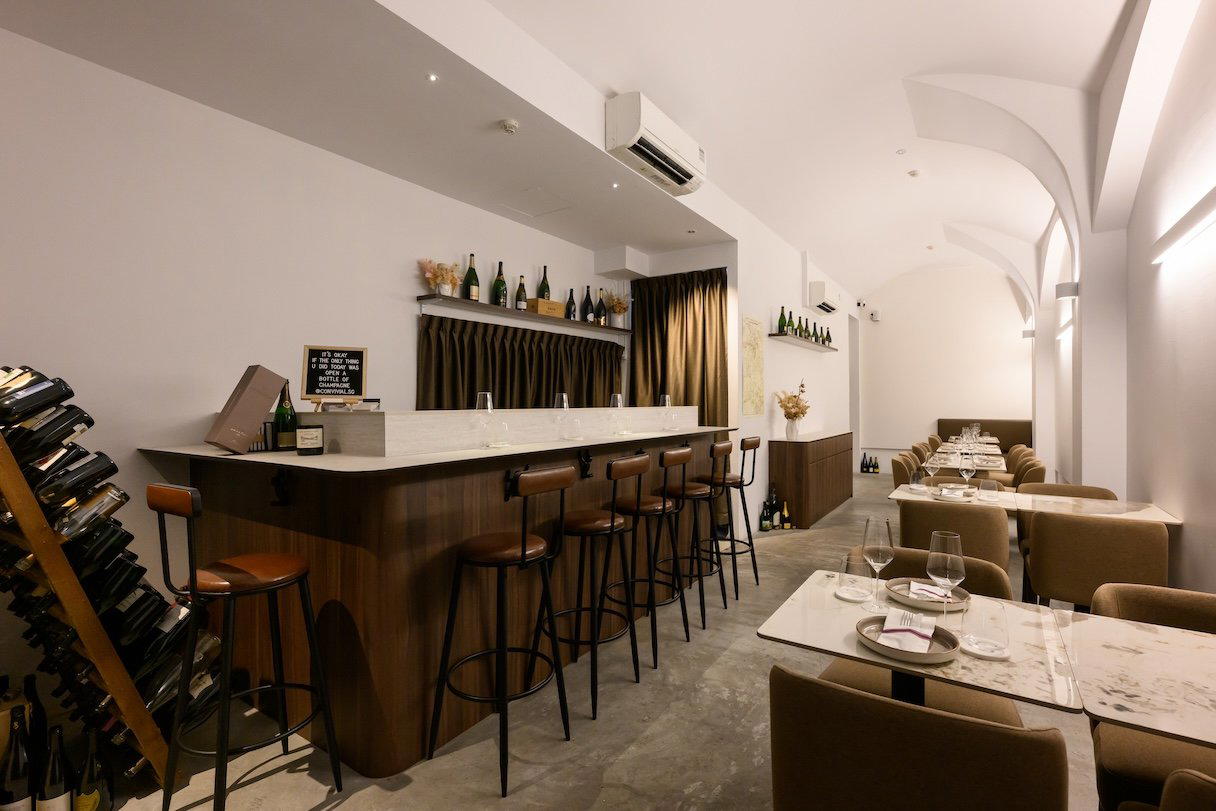
Restaurants in Singapore
All restaurants in Singapore →
Pop City x Pony
The drinks
- Craft cocktails
- Zero-proof drinks
Signature drinks: Strawberry Love Punch, Pop City Sour, Sakura Bamboo, Mikan French 75.
Details
- Lively
- Trendy
- Modern
- Energetic
- Date Night
- After Work
- Late Night
- Design Destination
- Seated Bar
- Lounge Seating
- Craft Cocktails
- Zero Proof
Current opening hours
- Monday
- 5:30 PM–12 AM
- Tuesday
- 5:30 PM–12 AM
- Wednesday
- 5:30 PM–12 AM
- Thursday
- 5:30 PM–12 AM
- Friday
- 5:30 PM–12 AM
- Saturday
- 5:30 PM–12 AM
- Sunday
- Closed
Hours can change for holidays and private events. Hours as of .
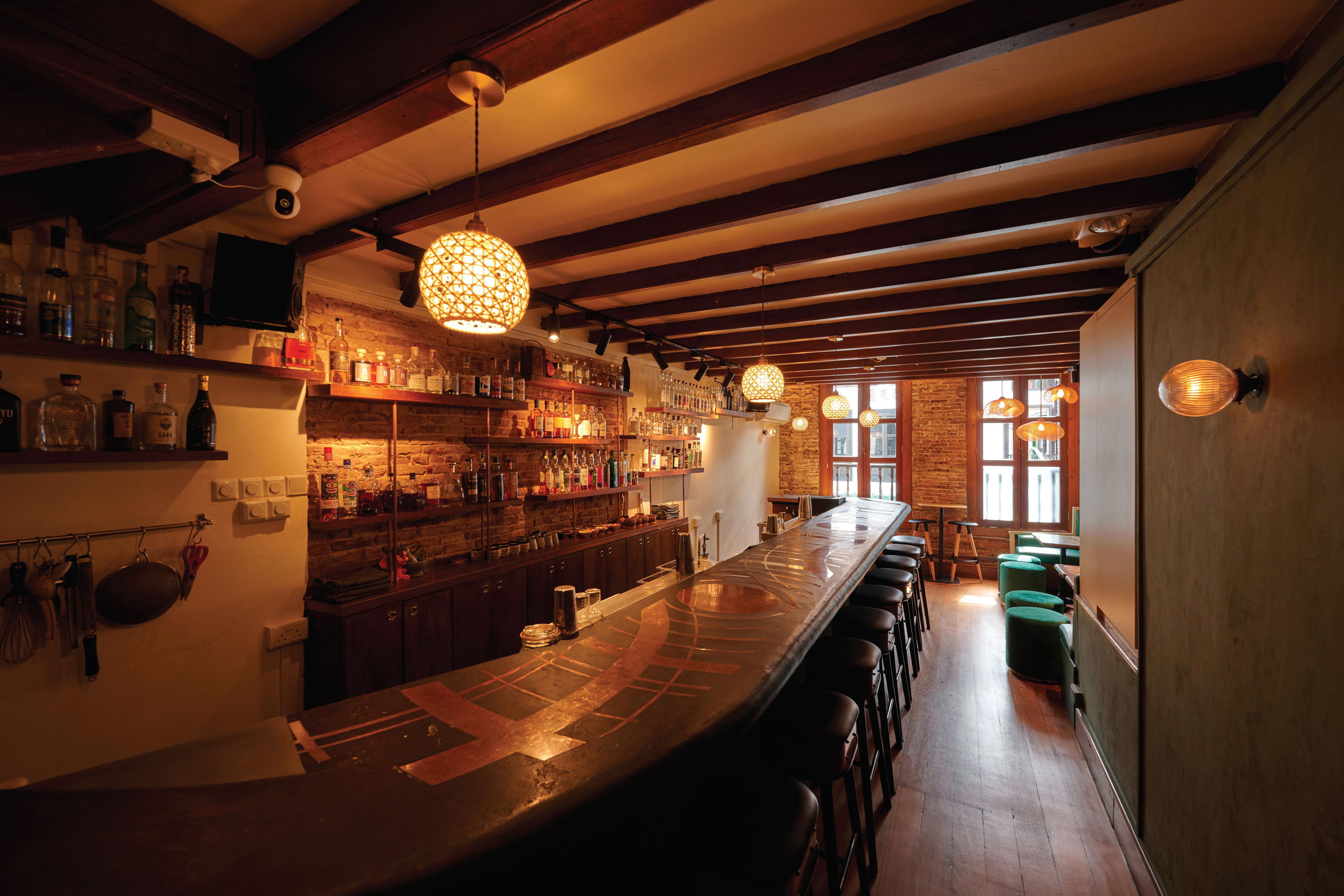
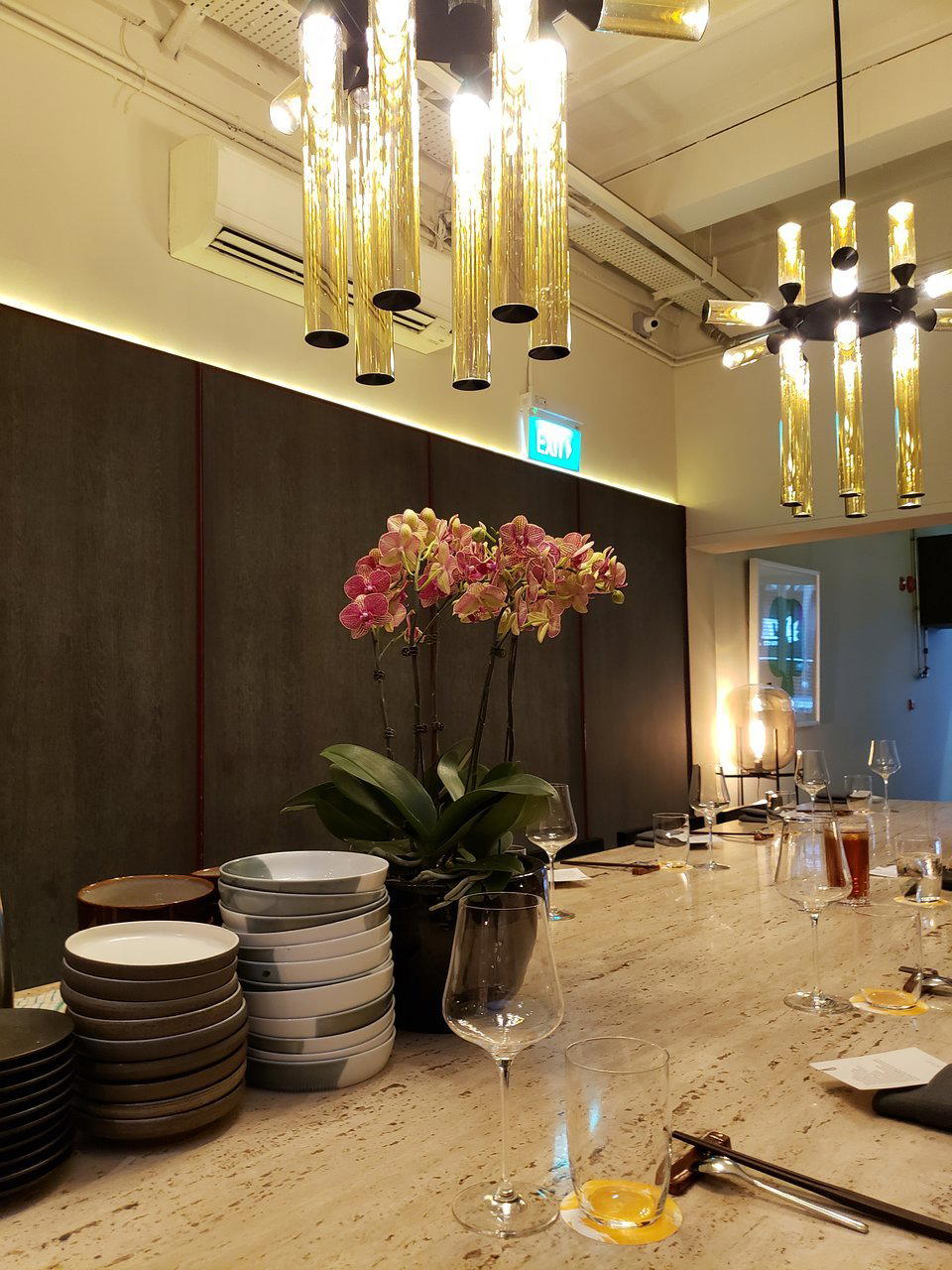
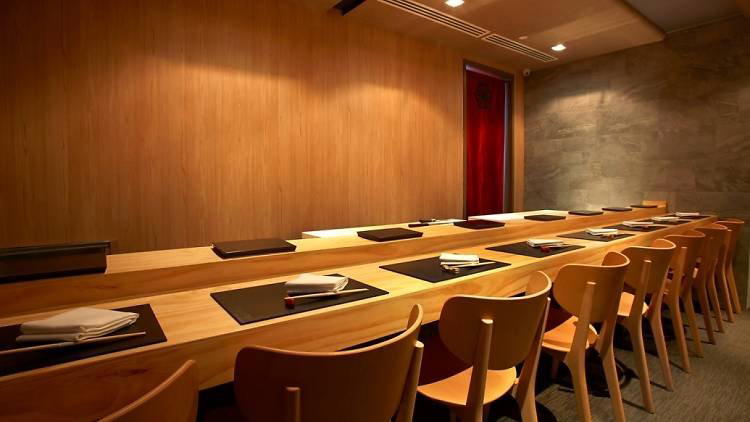
Mid-century modern design with vibes reminiscent of Tokyo’s Golden Gai, lively and intimate atmosphere enhanced by music and DJ sets.