Google: 4.5 · 5,039 reviews
Paravicini's Italian Bistro
A long-standing Italian bistro on Colorado Avenue's west side, Paravicini's occupies a corner of Colorado Springs where neighbourhood dining still means something more than convenience. The room reads as a working local restaurant rather than a destination concept, and that distinction matters in a city where the Italian dining tier remains relatively thin. Reservations are advisable on weekends.
 Discover on Pearl
Pearl is the En Primeur Club membership app — saves, bookings, and concierge access live there. Same editors, same standards.
West Side Italian, Placed in Context
Colorado Springs' restaurant scene has grown considerably over the past decade, but its Italian dining tier remains narrower than comparable mid-sized American cities. Most of the city's Italian options cluster in one of two camps: fast-casual pasta chains or special-occasion spots with price points that push the mid-week crowd away. Paravicini's Italian Bistro, at 2802 W Colorado Ave, has occupied a third position for long enough that it functions as a reference point rather than a newcomer. The address puts it on the Old Colorado City stretch of West Colorado Avenue, a corridor that has historically supported independent restaurants better than most parts of the city, partly because foot traffic from the residential neighbourhoods to the north and south arrives on foot rather than by drive-through instinct.
In cities with dense Italian dining, a neighbourhood bistro competes on one or two distinguishing variables: wine depth, pasta made on-site, or a room that earns return visits on atmosphere alone. In Colorado Springs, the competitive set is smaller, which means a restaurant like Paravicini's carries more weight in its category by simple presence. It is the kind of place that locals use as a default when the occasion calls for Italian without requiring a special-occasion rationale.
The Room and the Approach
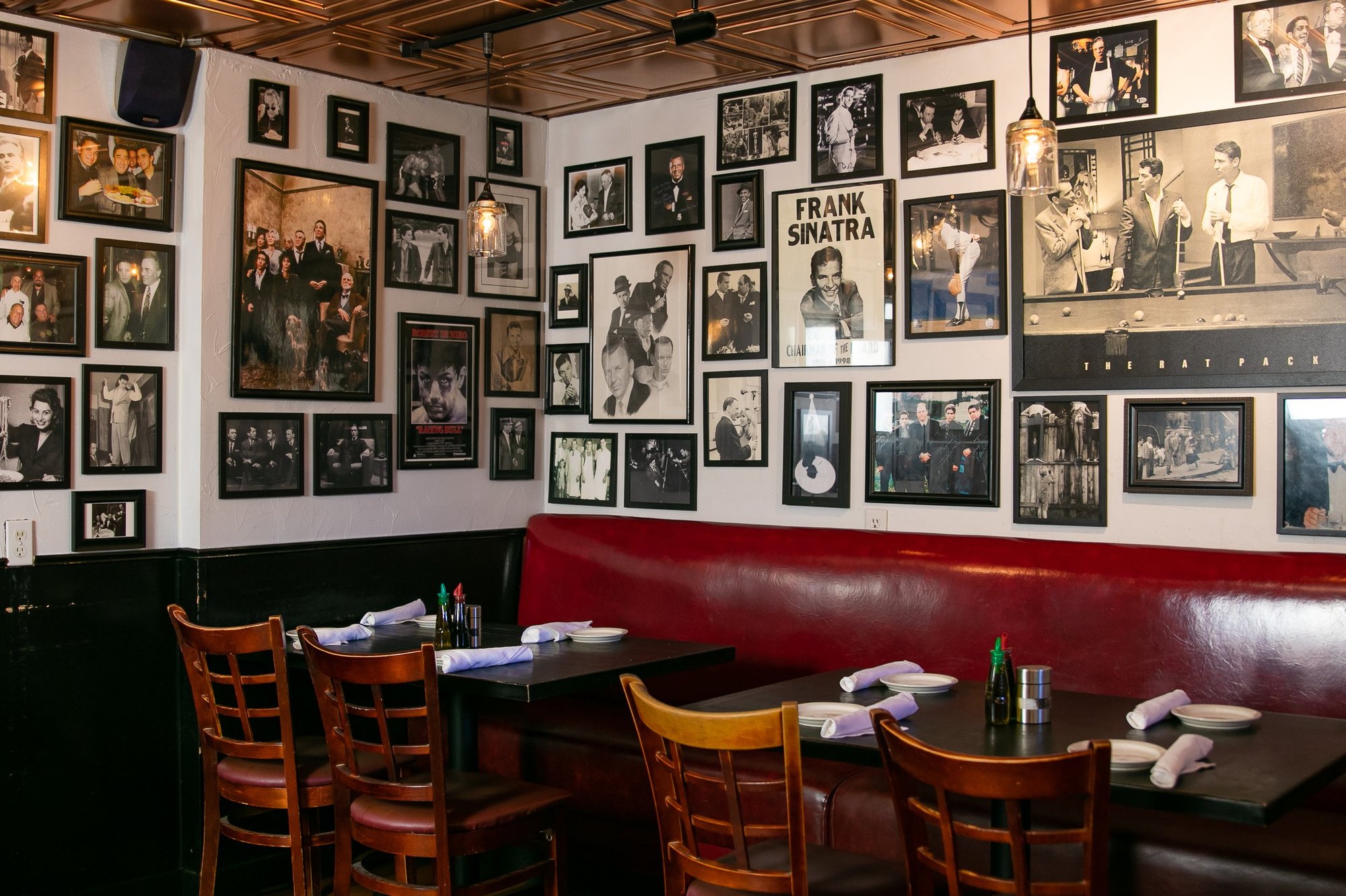
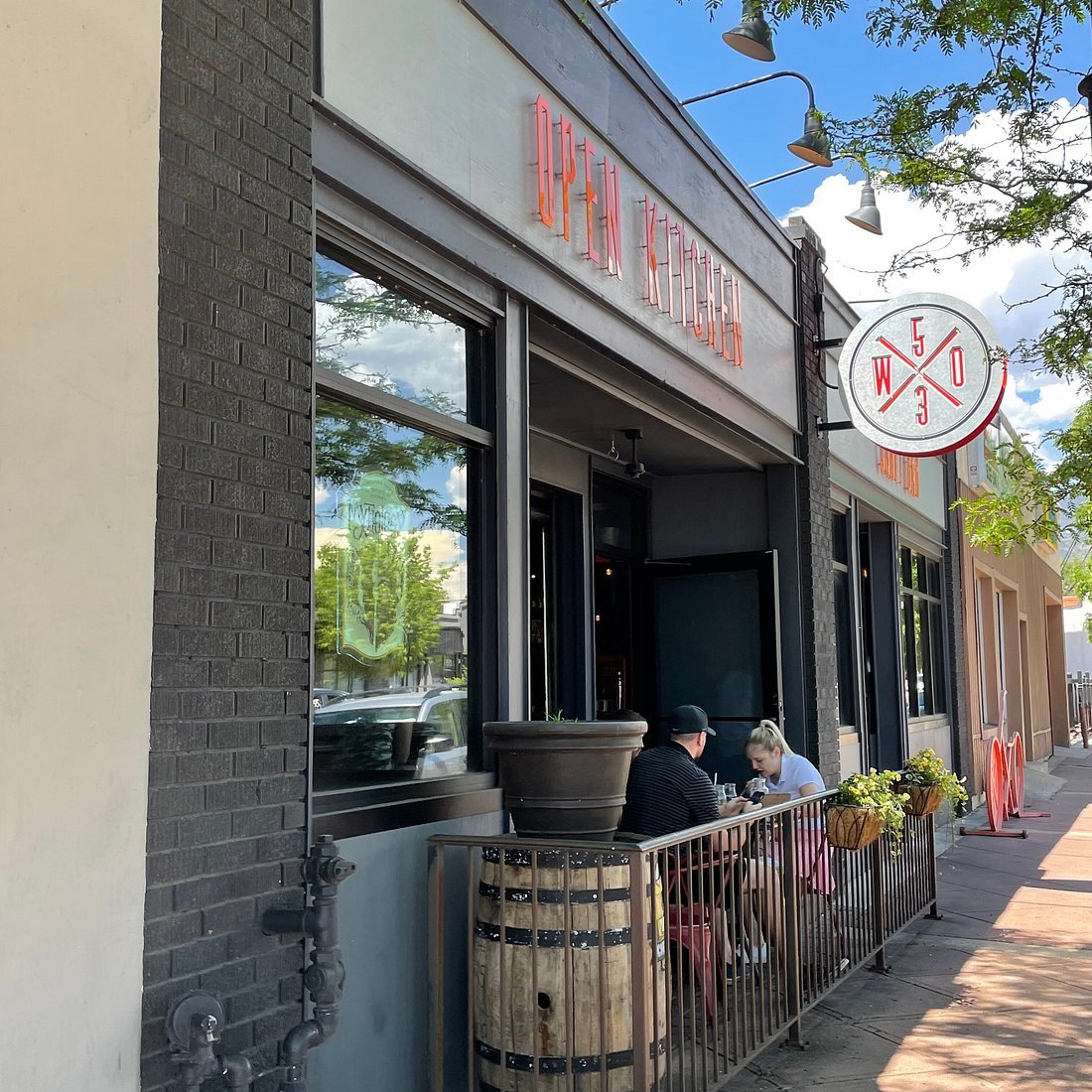
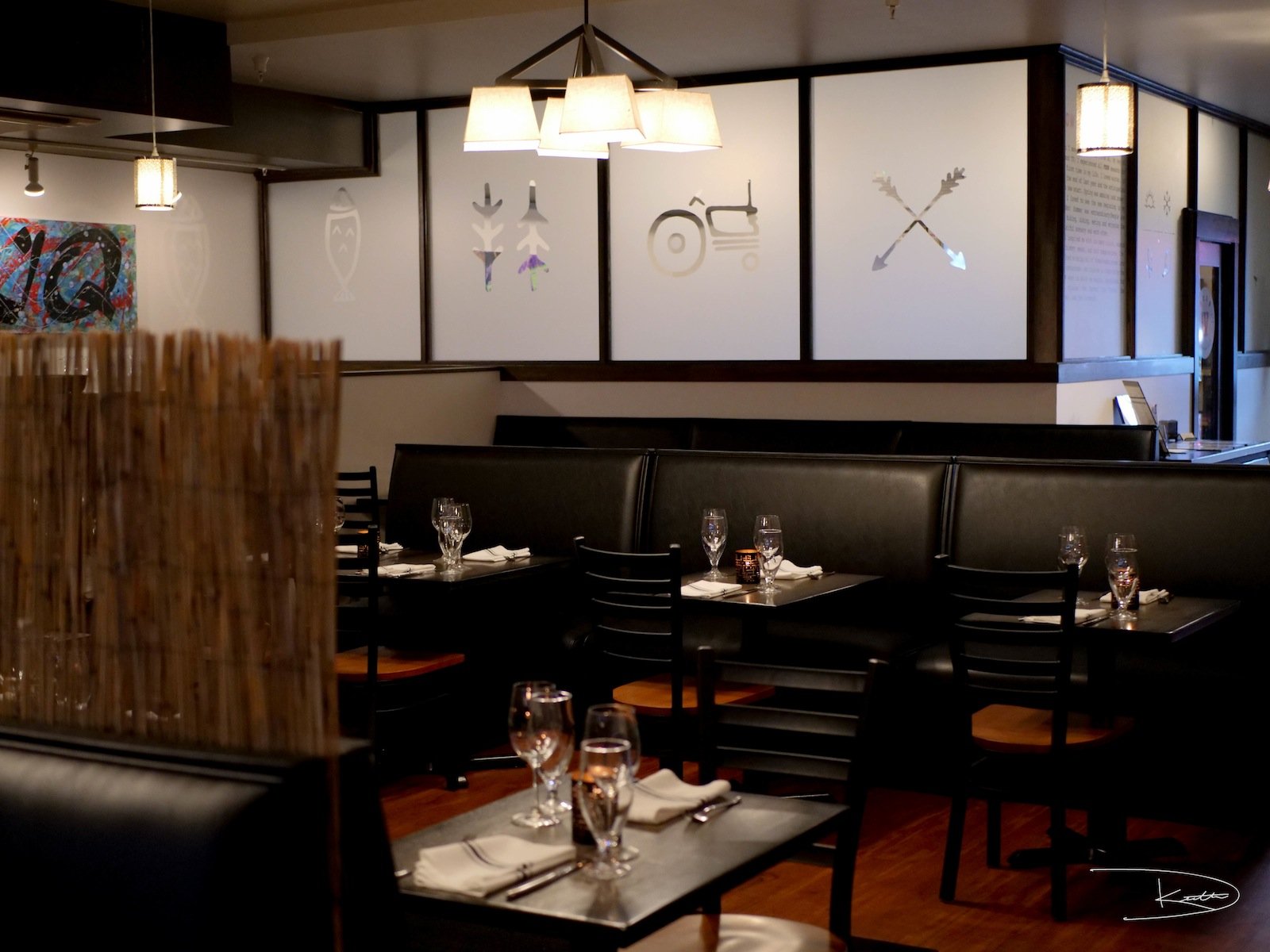
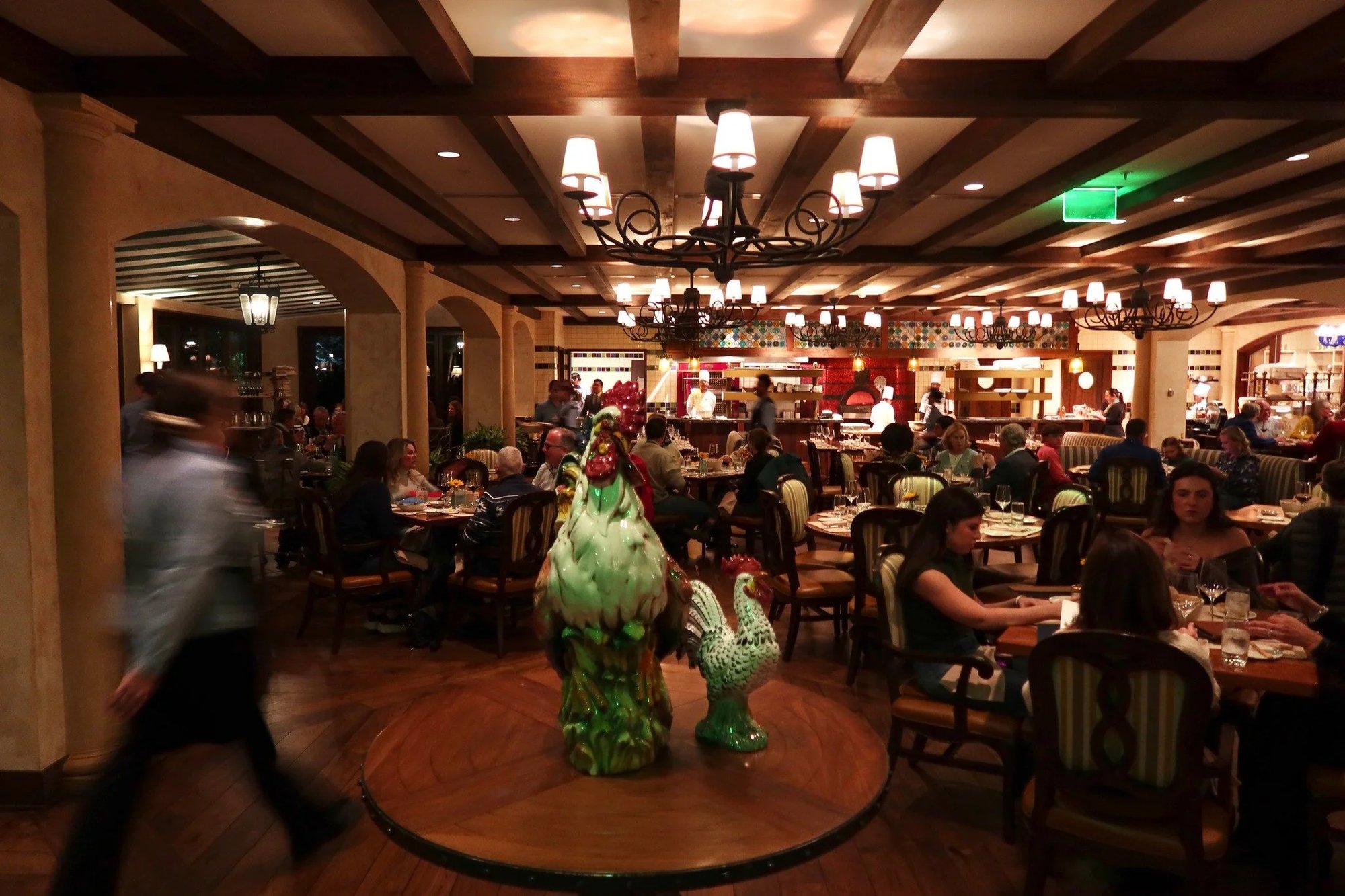
West Colorado Avenue at this address has the low-rise character of a neighbourhood that predates the city's suburban expansion. The bistro sits within that built environment rather than against it, and the interior reads accordingly: this is a room designed for comfort and regularity rather than spectacle. In Italian dining terms, that positioning is consistent with the trattoria tradition, where the room functions as a backdrop for the table rather than as the feature itself. The contrast with higher-concept dining in the city, such as the cocktail-forward rooms at 503W or the outdoor ethos at Buffalo Lodge Bicycle Resort, is deliberate. Paravicini's is not competing in that register.
The team dynamic at a restaurant like this one tends to define the experience more than any single element. In a bistro format, front-of-house carries a disproportionate share of the work: regulars expect to be recognised, pacing matters more than in tasting-menu formats, and the relationship between the floor and the kitchen must absorb the variation of a menu designed for repeated visits rather than single-occasion dining. When that dynamic functions well, it produces the kind of ease that guests mistake for simplicity. When it breaks down, the absence of spectacle leaves nothing to compensate. The consistency that long-standing neighbourhood restaurants develop is, in that sense, an operational achievement that merits more credit than it typically receives in dining discourse.
Italian Bistro Dining in Colorado Springs
The bistro format, as it has evolved in American cities, sits between the checked-tablecloth red-sauce house and the contemporary Italian tasting counter. It implies a menu of some breadth, wine by the glass or carafe, and a price point that accommodates a two-course dinner without ceremony. Colorado Springs has not developed the density of Italian dining that cities like Denver or Boulder carry, which means the category does not self-sort as clearly. A restaurant occupying the bistro tier here competes across a wider band than it would in a city where ten similar addresses exist within a few blocks.
For context, Colorado's Italian dining identity has historically defaulted to red-sauce American-Italian, with the more technique-led and regional Italian approaches concentrating in Denver. The question for any Italian restaurant in Colorado Springs is where it sits on that continuum. The bistro label at Paravicini's signals a middle register: not the nostalgia-driven red-sauce format, not the chef-driven modernist approach, but the workable middle ground that serves as the entry point for Italian dining in most American cities outside the major coastal markets.
Within the city's broader dining picture, the Italian tier is worth comparing against the bar and brewery scene, which has developed faster and with more variety. The craft beverage culture at venues like Cerberus Brewing Company and the neighbourhood bar register at Burrowing Owl reflects investment and specialisation that the restaurant sector is still catching up with. Italian dining specifically remains a category where demand consistently exceeds the supply of considered independent operators.
How the Category Scales Nationally
Placed against the Italian dining tier in larger American cities, the bistro format Paravicini's represents is the most durable of the segment's sub-types. The high-end Italian tasting counter, the format that drives coverage in cities like New York and Chicago, is a destination proposition that requires a critical mass of expense-account dining to sustain itself. The neighbourhood bistro, by contrast, runs on frequency. For comparison, look at how the bar and cocktail tier in other American cities has developed its own frequency-driven regulars: Kumiko in Chicago, Jewel of the South in New Orleans, ABV in San Francisco, and Bar Leather Apron in Honolulu all demonstrate how a well-defined format sustains a loyal base without requiring a new concept every season. The same logic applies to a bistro that earns regulars rather than chasing first-time visitors. Julep in Houston, Superbueno in New York City, and The Parlour in Frankfurt each occupy a similar position in their respective cities: the place that locals reach for before they reach for the reservation-required room.
Planning a Visit
Paravicini's is on the west side of Colorado Springs at 2802 W Colorado Ave, in a part of the city most easily reached by car from downtown, which sits roughly fifteen minutes east depending on traffic. The Old Colorado City area has street parking along Colorado Avenue and the surrounding side streets. For visitors unfamiliar with the city's geography, this address places it outside the newer Broadmoor-adjacent dining cluster and closer to the residential west side, which is a meaningful distinction in terms of atmosphere and clientele. Weekend evenings draw the local regular crowd in volume, and walk-in availability is less reliable on those nights. For a broader orientation to dining and drinking in the city, the full Colorado Springs restaurants guide maps the neighbourhood tiers and category options across the city.
Price Lens
A short peer set to help you calibrate price, style, and recognition.
| Venue | Price | Awards | Notes |
|---|---|---|---|
| Paravicini's Italian Bistro | This venue | ||
| Four by Brother Luck | |||
| Vultures | |||
| Ephemera | |||
| 503W | |||
| Buffalo Lodge Bicycle Resort |
Continue exploring
More in Colorado Springs
Bars in Colorado Springs
Browse all →

Restaurants in Colorado Springs
Browse all →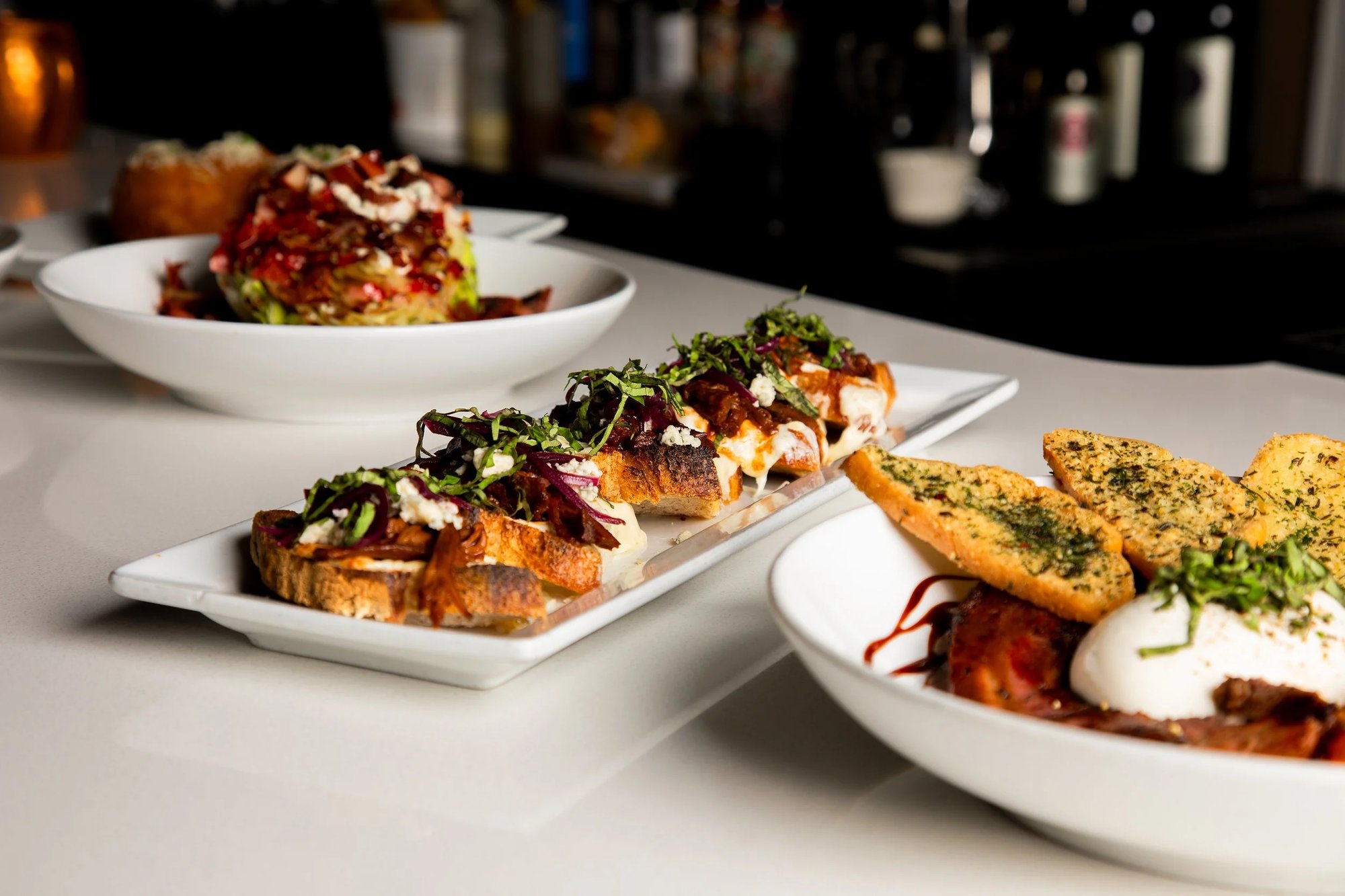

At a Glance
- Cozy
- Romantic
- Classic
- Date Night
- Special Occasion
- Group Outing
- Historic Building
- Booth Seating
- Conventional Wine
Welcoming, cozy, and comforting atmosphere like a true Italian trattoria with warm and friendly service.