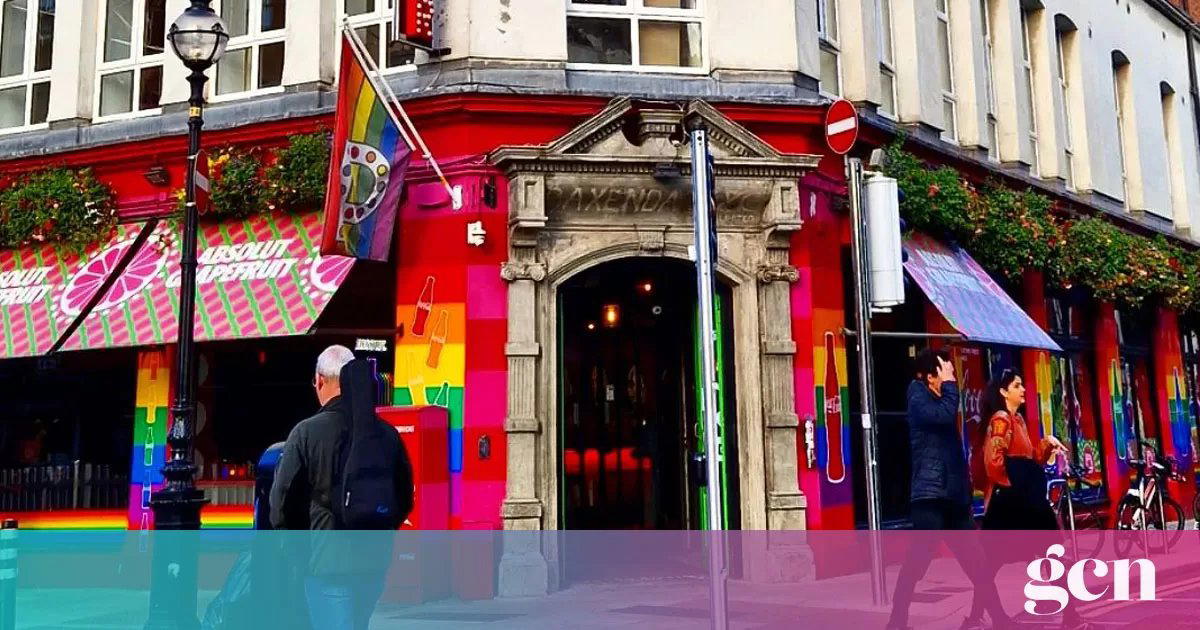
On Capel Street in Dublin 1, PantiBar is one of Ireland's most recognised LGBTQ+ venues, operating as a bar, performance space, and social institution in the north inner city. The room runs warm on most nights, with drag performances setting the tempo and a crowd that spans regulars and first-timers drawn by the venue's outsized cultural presence in the city.

Pearl is the En Primeur Club membership app, where members save venues, book tables and use the concierge.
Capel Street and the North Side Scene
Dublin's drinking culture has always organised itself by territory, and the northside of the Liffey has spent the last decade asserting a character distinct from the polished bar strips of the south. Capel Street, in particular, has shifted from a furniture and hardware corridor into one of the city's more interesting drinking streets, pulling in a mix of independent operators and longstanding venues that don't perform for tourist approval. PantiBar sits on this street as one of its most culturally weighted addresses, occupying a position in Dublin's LGBTQ+ scene that goes well beyond what the physical space alone would suggest.
Ireland's relationship with queer public life changed substantially after the 2015 marriage equality referendum, a vote in which the country became the first to legalise same-sex marriage by popular vote. That context matters when placing venues like PantiBar on the map: the bar has operated across a period of significant legal and social change, and its Capel Street address has become a reference point for that shift in ways that have little to do with drink lists or opening hours. For visitors and locals alike, the draw is as much about what the space represents in Irish civic life as what it serves across the counter.
The Room and What It Does
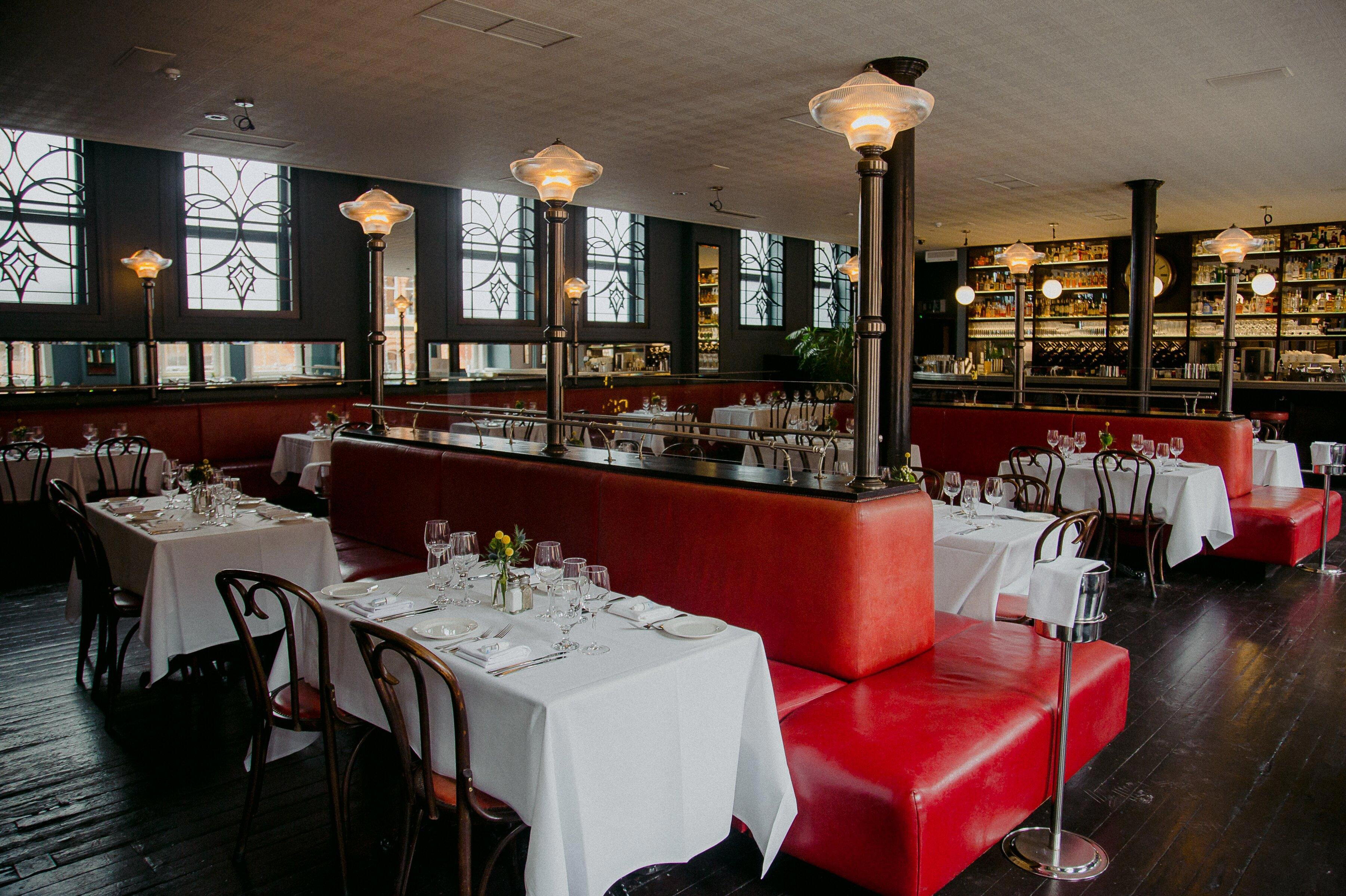
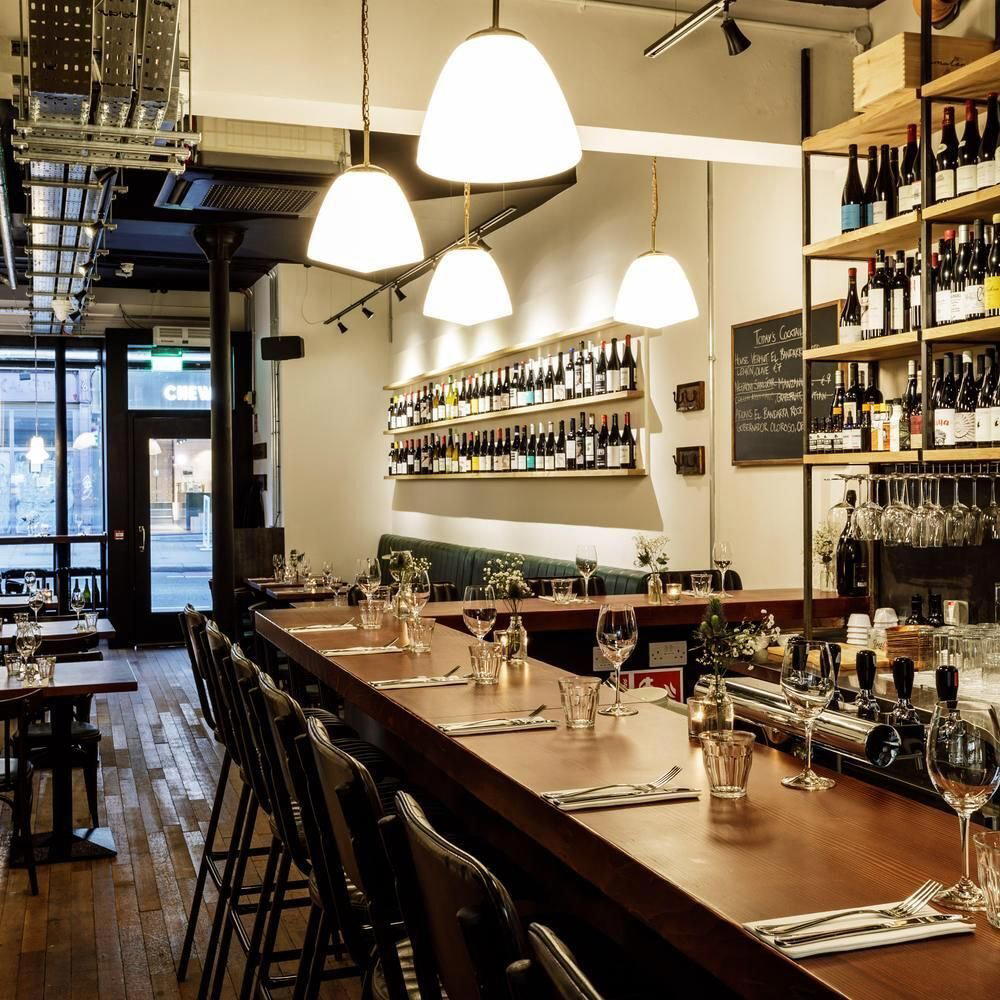
Bars that function as community anchors tend to share certain physical qualities: they prioritise capacity for assembly over designed intimacy, they keep the lighting sociable rather than atmospheric, and they organise the space around a stage or focal point that signals performance. PantiBar fits this pattern. The interior is built for crowd-scale energy rather than quiet-corner conversation, and drag performances are a structural part of the programming rather than an occasional feature bolted onto a standard bar format.
This format places PantiBar in a specific category of Dublin nightlife: venues where the entertainment is the primary product and the drinks operation exists to support it. It's a different commercial logic from the cocktail-forward bars that have proliferated across the city's south side, where technical drink programs and bottle lists have become the main point of differentiation. At venues like Bar 1661, the distilling heritage of Irish whiskey and poitín drives the menu architecture. At A Fianco, the wine list is the editorial statement. PantiBar's editorial statement is the performance and the community it assembles.
Where It Sits in Dublin's Drinking Geography
Dublin's bar scene has diversified considerably in format over the past decade. The city now supports a range of specialist operators: natural wine rooms, Irish-spirits-focused counters, neighbourhood gastropubs, and high-volume performance venues. PantiBar occupies the latter category with enough cultural specificity to sit outside direct comparison with most of them. The more useful peer frame is the broader role bars play in community identity, a function that cuts across formats. Bar Pez and Bison Bar & BBQ each anchor distinct segments of the city's drinking public through format specificity; PantiBar does the same through cultural specificity.
Across Ireland, bars that carry this kind of community anchoring function tend to appear in city centres or in towns with enough population density to sustain a dedicated crowd. Arthur Mayne's Pharmacy in Cork holds a comparable position of neighbourhood identity in the Leeside scene, as does Pig's Lane in Killarney for its town. For travellers building a broader Irish itinerary that includes drinking culture outside Dublin, Lough Eske Castle in Donegal and Prim's Bookshop in Kinsale each offer formats worth noting in their respective regions.
The Drink Side of the Operation
PantiBar operates on the community-venue model where the drinks program is functional and accessible rather than specialist. This is by design rather than omission: bars that serve large, diverse crowds moving in and out around performance sets are not well-suited to the kind of deliberate, slow-paced wine or cocktail programs that define venues built around table service and quiet atmosphere. The comparison is instructive. Wine-focused operations like 64 Wine in Glasthule build their entire offer around cellar depth and producer selection, with the room organised to support that kind of attentive drinking. The formats serve different purposes and attract different occasions.
For visitors whose primary interest is in technically drink programs, PantiBar is not the destination. For visitors whose primary interest is in understanding how Dublin's LGBTQ+ community has built and maintained public space, it is a more relevant stop than most bars in the city. These are not competing claims; they reflect the fact that bars mean different things in different hands, and the value of a venue often has nothing to do with what goes into the glass.
Internationally, bars that carry this kind of cultural and community weight appear in most major cities: spaces where the physical venue has become inseparable from the social movements that used it. Bar Leather Apron in Honolulu or Baba'de in Baltimore each carry distinct community identities within their local drinking scenes, though their formats differ considerably. The thread is the same: bars that accumulate meaning through sustained cultural presence rather than through awards cycles or menu reinvention.
Planning a Visit
PantiBar is located at 7-8 Capel Street in Dublin 1, on the northside of the Liffey and within walking distance of the city centre. Capel Street is accessible from the quays and sits close to the Jervis Luas stop, making it direct to reach from most central Dublin locations without a taxi. Performance nights draw larger crowds and a different energy from quieter weekday evenings, so timing a visit around the programming schedule rather than arriving arbitrarily will produce a more representative experience of what the venue does. For a broader picture of where PantiBar sits within Dublin's wider hospitality offering, the full Dublin restaurants and bars guide covers the city's drinking and dining geography in detail.
Comparable Spots, Quickly
Comparable venues nearby, for context on price, style, and recognition.
| Venue | Cuisine | Price | Notes |
|---|---|---|---|
| PantiBarThis venue (the venue you are viewing) | lounge | $20–30 | Not listed |
| The Bleeding Horse | pub | $20–30 | Saint Kevin'S |
| The Temple Bar Pub | pub | $30–50 | Royal Exchange A |
| Whelan's | pub | $20–30 | Royal Exchange A |
| Dice Bar | pub | Not listed | South Dock |
Continue exploring
More in Dublin
Bars in Dublin
All bars in Dublin →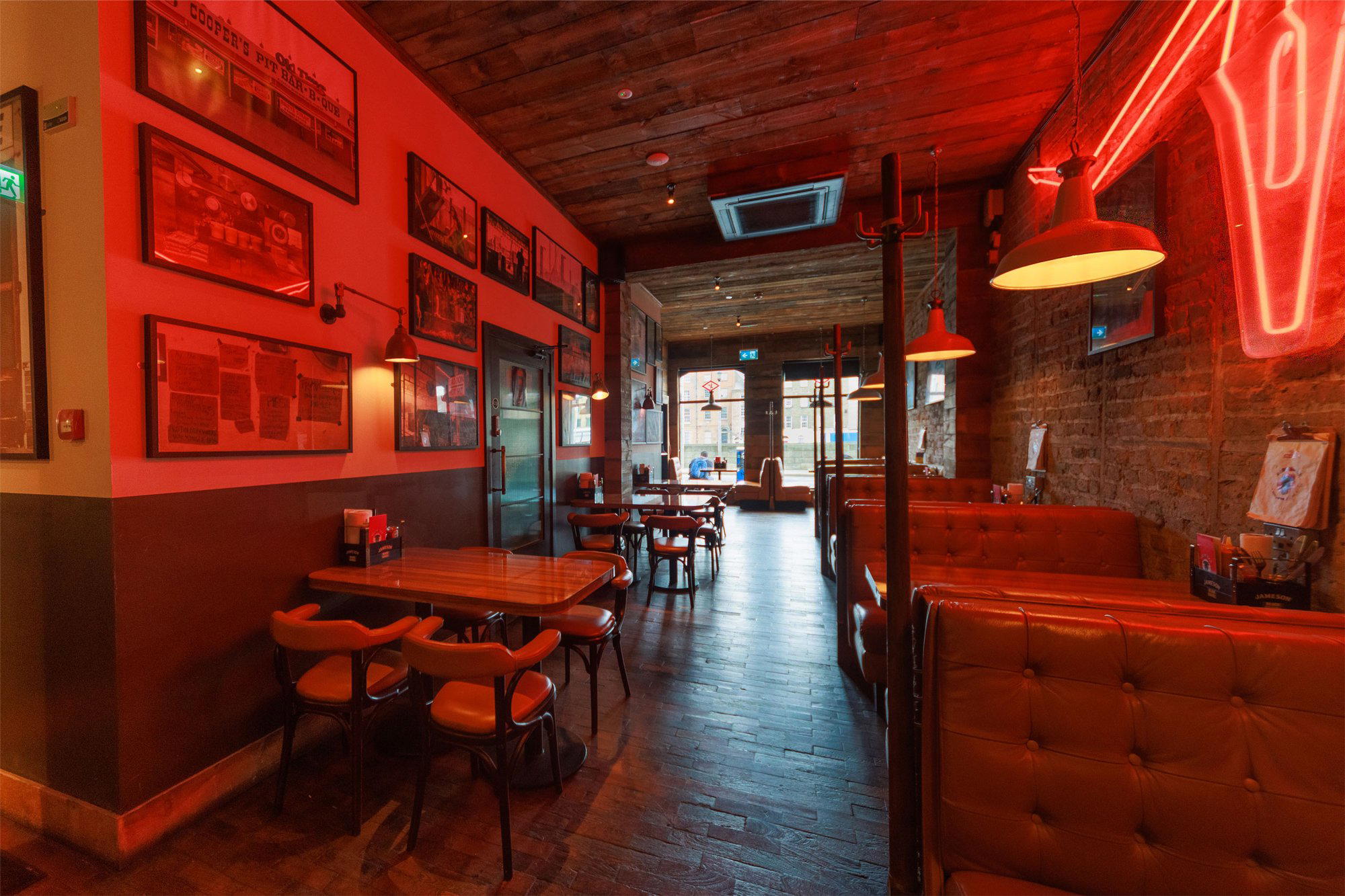
Restaurants in Dublin
All restaurants in Dublin →
Details
- Lively
- Well Known
- Trendy
- Cozy
- After Work
- Late Night
- Group Outing
- Casual Hangout
- Standalone
- Design Destination
- Seated Bar
- Lounge Seating
- Craft Beer
- Street Scene
Current opening hours
- Monday
- 3–11:30 PM
- Tuesday
- 3–11:30 PM
- Wednesday
- 3–11:30 PM
- Thursday
- 3–11:30 PM
- Friday
- 3 PM–12:30 AM
- Saturday
- 1 PM–12:30 AM
- Sunday
- 1–11 PM
Hours can change for holidays and private events. Hours as of .
A cosy, welcoming queer bar with a relaxed weekday feel and a livelier weekend party atmosphere; reviews and guides describe it as warm, friendly, and busy after dark.