Panamericano Bar

Pinnacle Guide 1 Pin
Panamericano Bar brings the drinking traditions of the Americas into conversation through cocktail ceremonies that reinterpret indigenous and regional rituals with craft-bar precision. Located in Brickell at 900 S Miami Ave, it occupies a position in Miami's bar scene that few others attempt: continental in scope, specific in method. For anyone tracking where Latin American heritage and contemporary technique converge, this is a serious address.

Pearl is the En Primeur Club membership app, where members save venues, book tables and use the concierge.
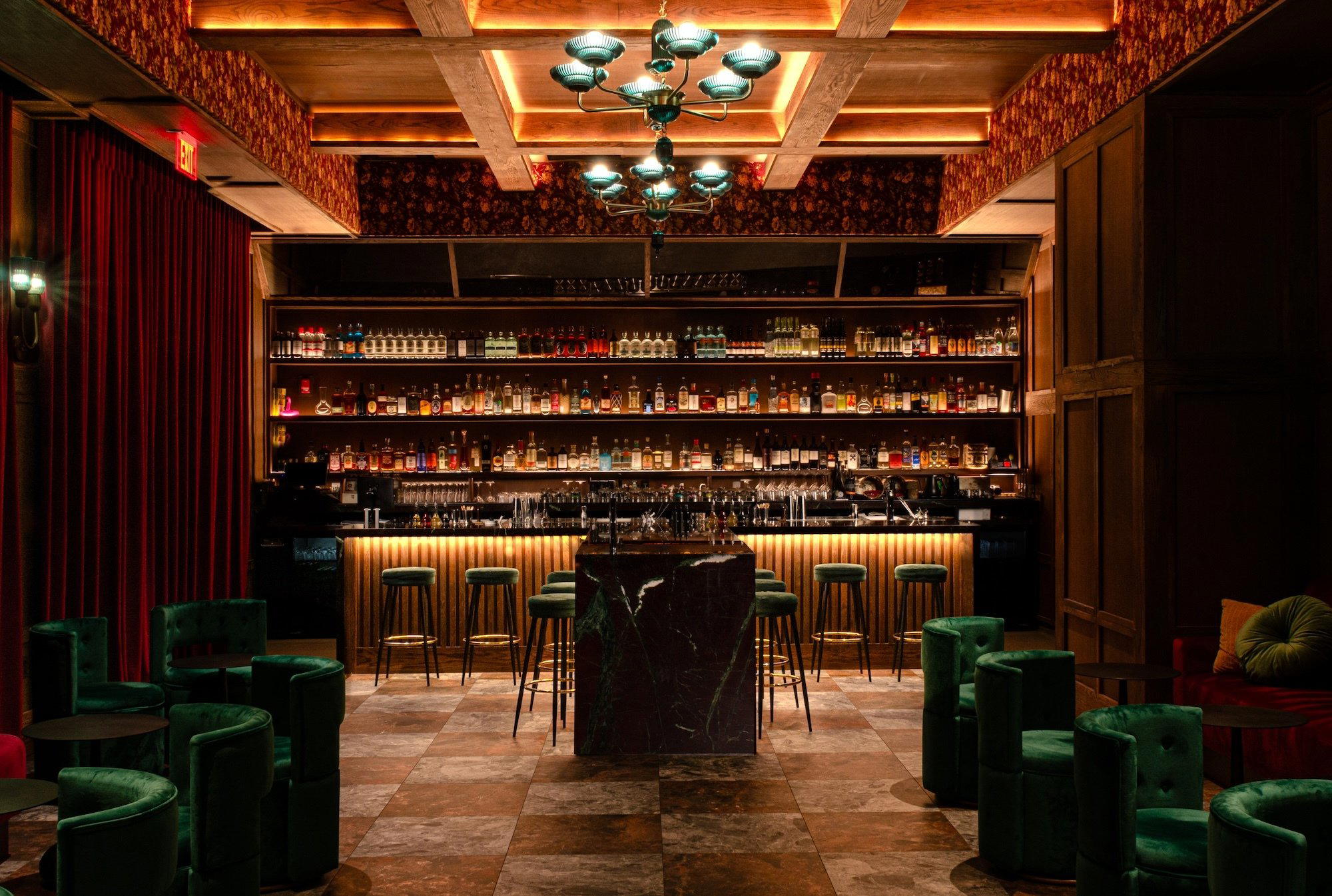
Where the Americas Come to Drink
Brickell's bar corridor has matured considerably over the past decade, moving from hotel lobby pours and high-volume nightlife into a tier where concept and craft carry real weight. Within that shift, a narrower category has emerged: bars that treat Latin American drinking culture not as atmosphere or theme, but as primary material. Panamericano Bar, at 900 S Miami Ave within the Brickell City Centre complex, belongs to that category. The address alone signals intent. This is a city where the Caribbean, South America, and Central America are not foreign reference points but lived realities, and a bar that anchors itself in those traditions is working with genuinely local material.
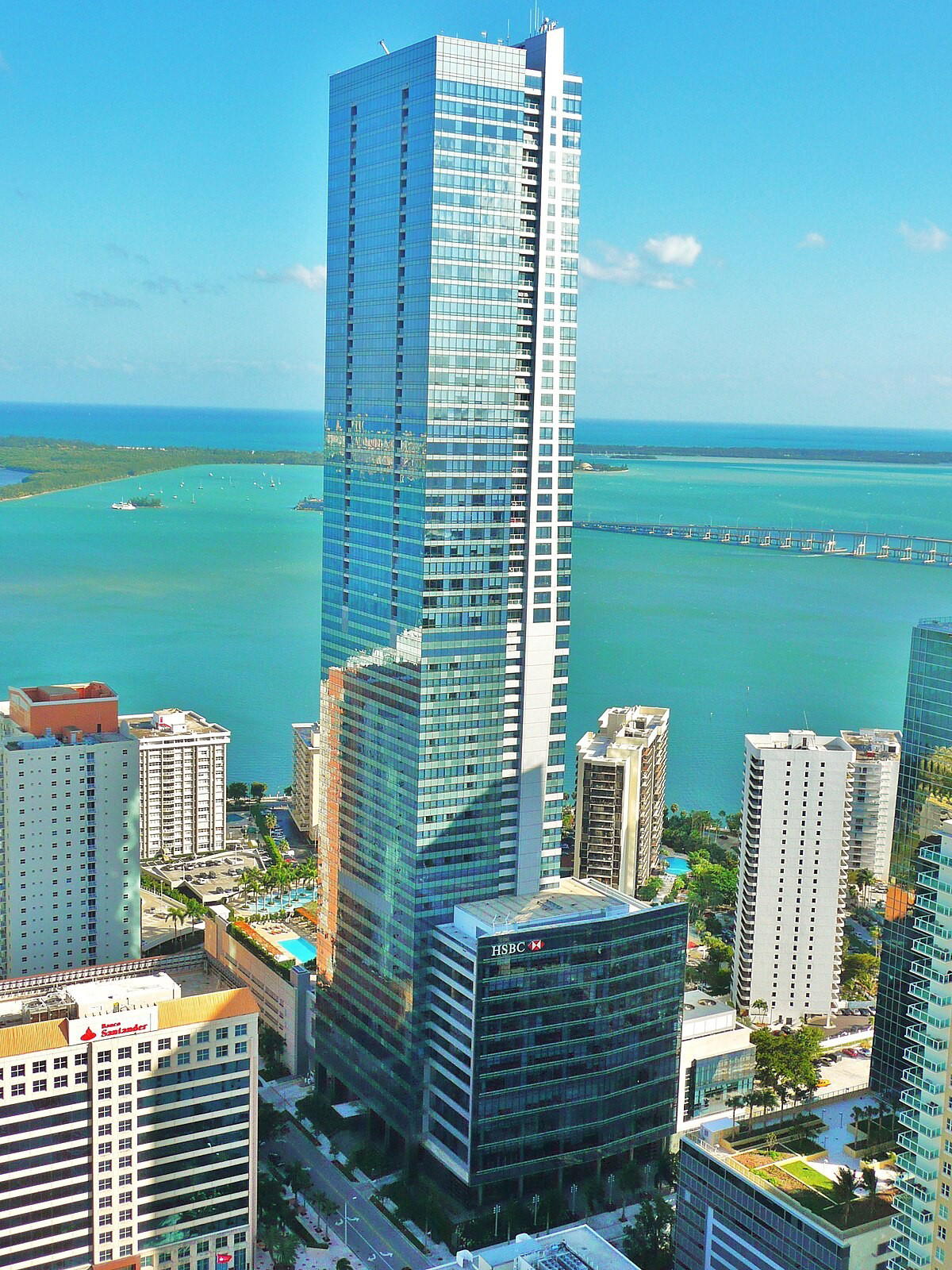
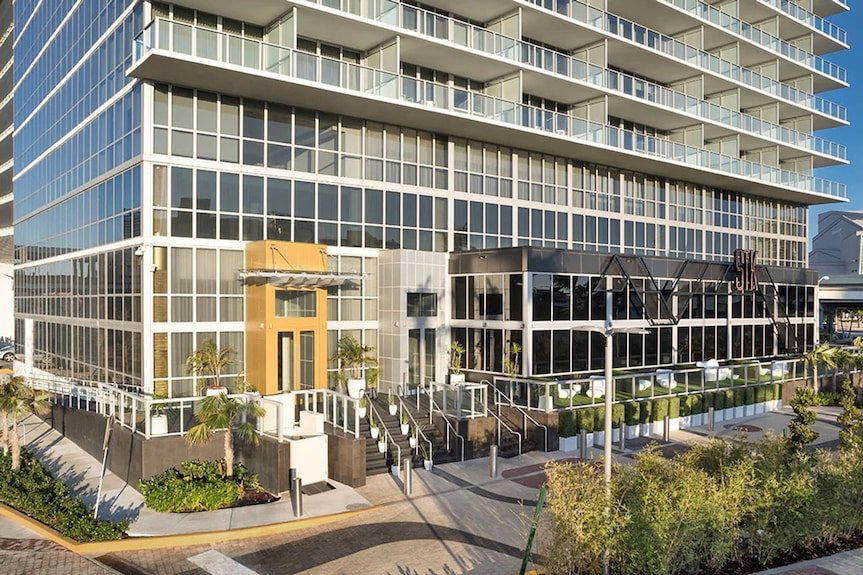
The physical approach through Brickell City Centre, a vertical, climate-controlled environment that reads more like a Latin American commercial district than a conventional American mall, frames the experience before a drink has been poured. The bar's positioning within that structure is consistent with its editorial identity: it sits between the transactional and the ceremonial, a space where the design of the drinking occasion is part of the offer.
Continental Scope, Specific Method
The operative phrase in Panamericano Bar's program is cocktail ceremonies that offer reinterpretations of traditional rituals. That framing places it in a specific and growing current in American craft bartending: bars that treat indigenous or folk traditions as primary source material, then apply contemporary technique to reinterpret rather than replicate. The parallel in the food world would be a kitchen that sources pre-Columbian ingredients and runs them through modern cooking science without losing their cultural register.
Miami is a logical city for this approach. The diaspora geography of South Florida means that agave spirits, sugarcane distillates, Andean botanicals, and Amazonian fruit are not exotic imports here, they arrive with built-in community context. A bar that structures its program around the Americas is effectively mapping its menu to its city. That specificity separates Panamericano from bars that deploy Latin American aesthetics as surface rather than as depth. Comparable operations elsewhere in the United States, such as Superbueno in New York City, have demonstrated that this approach draws audiences who are tired of Latin American flavors appearing only as garnish on otherwise conventional cocktail lists.
The Ritual Question
Ritual is a precise word, and Panamericano's use of it carries editorial weight. Drinking ceremonies across the Americas have deep, documented roots: chicha fermentation in the Andes, mezcal's role in Oaxacan community life, the formalized service of yerba mate across the Southern Cone, the ceremonial uses of fermented pulque in pre-colonial Mesoamerica. A bar that positions its cocktails as reinterpretations of those traditions is making a claim about methodology, not just menu inspiration.
This is where the intersection of global technique and indigenous product becomes most interesting. The craft cocktail movement's toolkit, developed largely in New York and London bars over the past two decades, includes clarification, fat-washing, low-temperature infusion, and controlled fermentation. When those methods are applied to South American botanicals, Amazonian fruits, or heritage sugarcane spirits, the result is something that most metropolitan bar programs have not fully explored. Bars taking a similar methodological approach, like Kumiko in Chicago with Japanese product traditions, or Bar Leather Apron in Honolulu with Pacific ingredient culture, represent a broader pattern: the most interesting contemporary bars are those treating their source culture as a technical discipline rather than a decorative reference.
Miami's Bar Scene in Context
Understanding where Panamericano sits requires a read of Miami's broader bar geography. The city's cocktail culture has historically split between two poles: the high-energy nightlife circuit of South Beach and Wynwood, and the quieter craft tier that has been consolidating in Brickell and the Design District. Broken Shaker established an early template for Miami's ingredient-led bar culture, while Café La Trova demonstrated that Cuban drinking heritage could anchor a program of genuine seriousness. Bar Kaiju and Mango's occupy different registers of the city's entertainment spectrum.
Panamericano enters that field with a remit that is continental rather than Cuban-specific, which is a meaningful distinction. Where Café La Trova draws from one deep tradition, Panamericano's scope spans the hemisphere. That ambition creates both opportunity and editorial risk: the widest geographic remit can produce either genuine synthesis or superficial survey. What the bar's positioning suggests, based on its described approach, is that it is committed to depth within each tradition it touches rather than a sampler-plate treatment. For comparison from other markets, Jewel of the South in New Orleans and Julep in Houston offer instructive models of how regional American drinking history can be handled with scholarly rigor without sacrificing the pleasure of an evening. ABV in San Francisco and The Parlour in Frankfurt extend that template into their respective cities' idioms.
Planning a Visit
Panamericano Bar is located at 900 S Miami Ave, Suite 260, within Brickell City Centre, placing it in one of Miami's most accessible commercial districts. Brickell is served by the Miami Metrorail's Brickell station, which makes it reachable without a car from much of the city, a practical advantage for an evening that begins with cocktails requiring full attention. The Brickell City Centre complex houses multiple dining and drinking options, which means the area functions as a destination in itself. For planning around Miami's wider bar and restaurant offerings, our full Miami restaurants guide provides neighbourhood-level context across the city.
In Context: Similar Options
Comparable venues nearby, for context on price, style, and recognition.
| Venue | Cuisine | Price | Awards | Notes |
|---|---|---|---|---|
| Panamericano BarThis venue (the venue you are viewing) | speakeasy | $50–100 | Pinnacle Guide 1 Pin | Not listed |
| Elcielo Restaurant Miami | cocktail_bar | Not listed | Not listed | Miami Riverwalk |
| Sexy Fish | cocktail_bar | Not listed | Not listed | Miami Financial District |
| Libertine | speakeasy | Not listed | Not listed | Park West |
| Dante's HiFi | cocktail_bar | $30–50 | Not listed | Miami Fashion District |
Recognition history
Dated appearances from independent guides and award organizations, with the underlying list record or original source where available.
Pinnacle Guide 1 Pin
Pinnacle Guide
Continue exploring
More in Miami
Bars in Miami
All bars in Miami →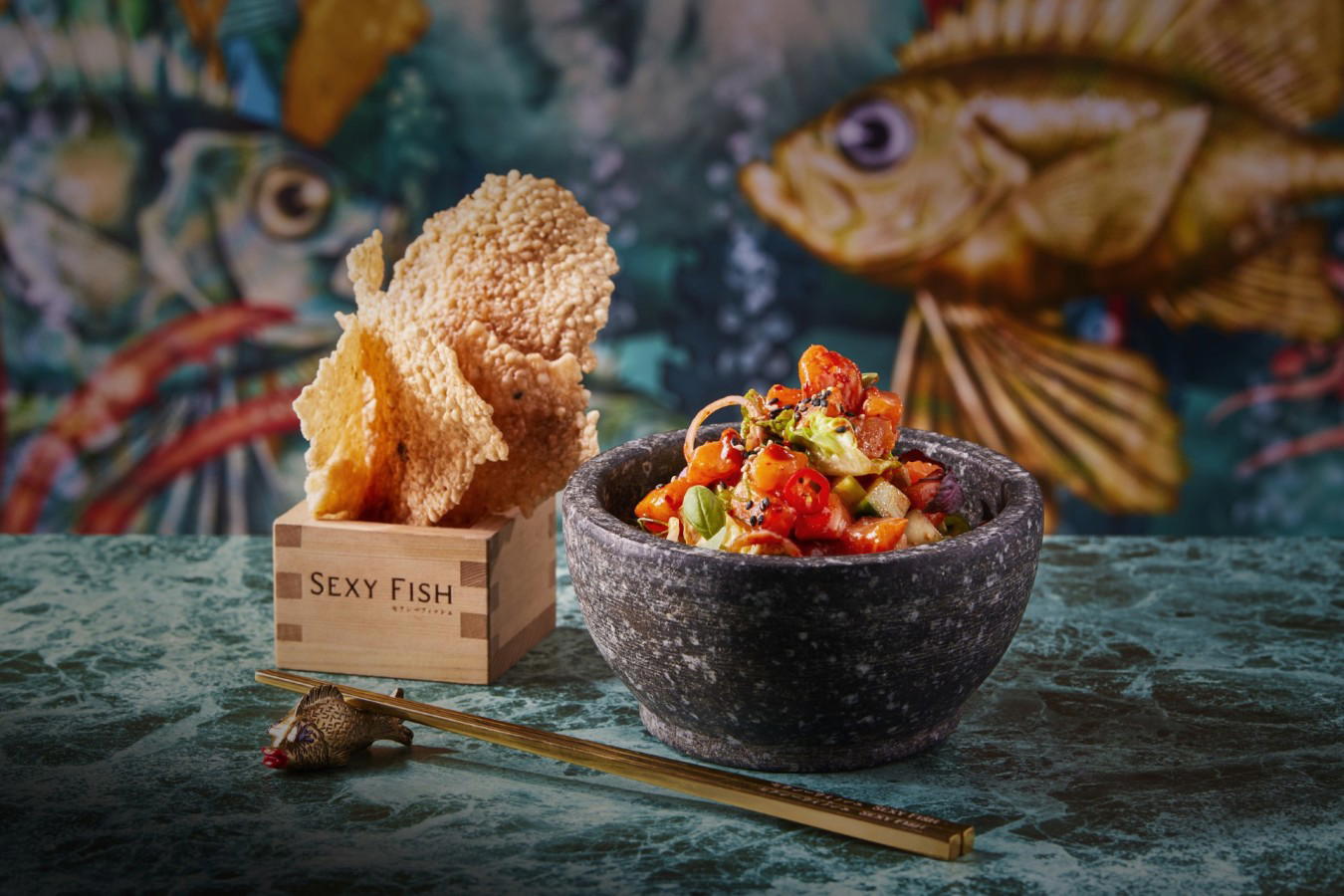
Restaurants in Miami
All restaurants in Miami →
Panamericano Bar
The drinks
- Craft cocktails
- Zero-proof drinks
Signature drinks: taco martini, Remember the Maine, Water Divination Ceremony.
Details
- Intimate
- Sophisticated
- Elegant
- Trendy
- Date Night
- Special Occasion
- Speakeasy
- Design Destination
- Seated Bar
- Lounge Seating
- Craft Cocktails
- Zero Proof
Current opening hours
- Monday
- Closed
- Tuesday
- 5 PM–12 AM
- Wednesday
- 5 PM–12 AM
- Thursday
- 5 PM–12 AM
- Friday
- 5 PM–2 AM
- Saturday
- 5 PM–2 AM
- Sunday
- Closed
Hours can change for holidays and private events. Last verified .
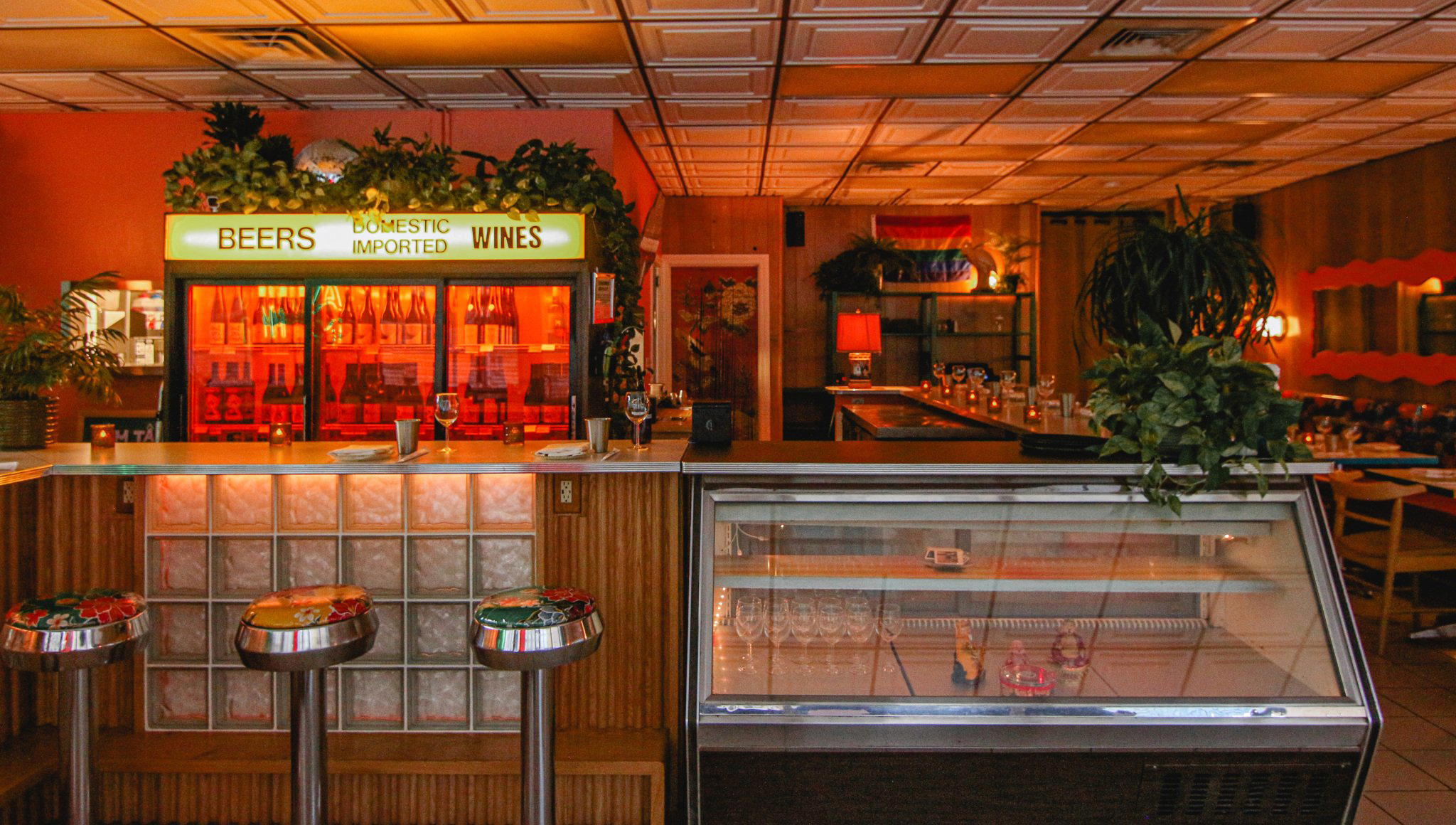
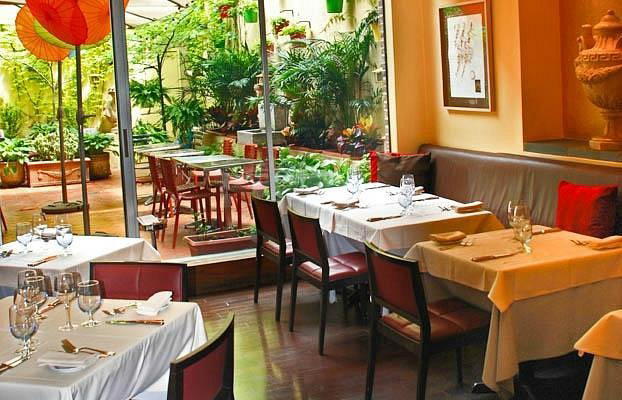
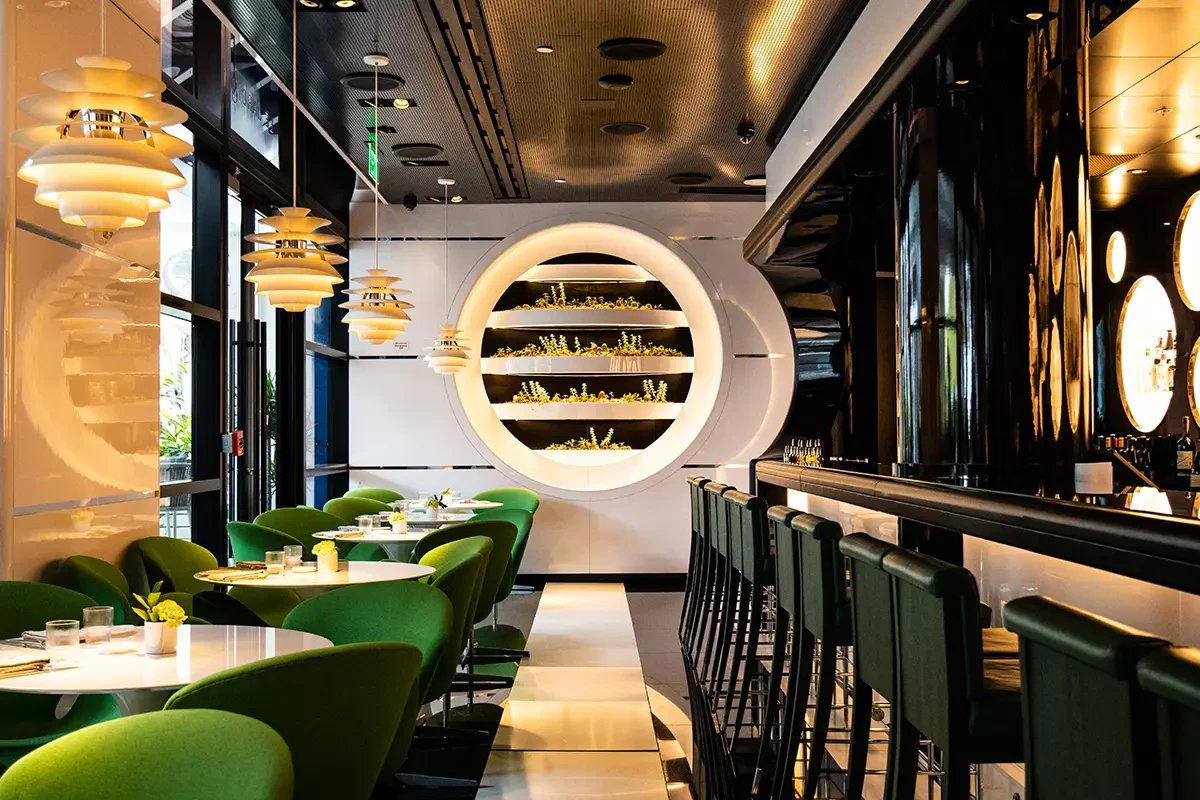
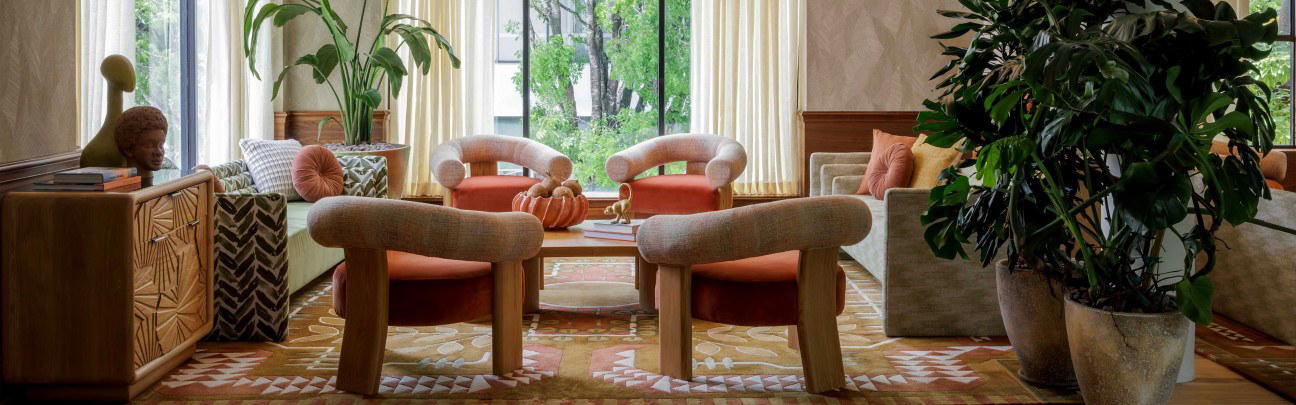
Striking yet comfortable space inspired by 20th-century Florida bon vivant Charles H. Baker's library, featuring sumptuous details, near-dark lighting, custom bar, and mirrors for viewing elaborate mixology.