Libertine
Libertine occupies a telling position in Miami's bar scene, where the city's appetite for reinvention keeps even established venues in a state of productive flux. The room reads as a place that has earned its place through iteration rather than opening-night momentum, sitting within a comparable set that includes technically serious programs and culturally rooted concepts across Brickell, Wynwood, and South Beach.
- Address
- Miami, United States
- Directions
- Get directions
Where Miami's Cocktail Culture Lands After Dark
Miami's bar scene has never settled into a single identity, and that restlessness is, in many ways, its defining characteristic. The city has cycled through beach-adjacent party formats, Cuban-rooted rum programs, and the kind of high-design hospitality that arrives with hotel lobbies and disappears with management contracts. What remains after each cycle are the places that adapted rather than simply endured. Libertine sits in that category of Miami bar that positions itself against the city's noise rather than inside it.
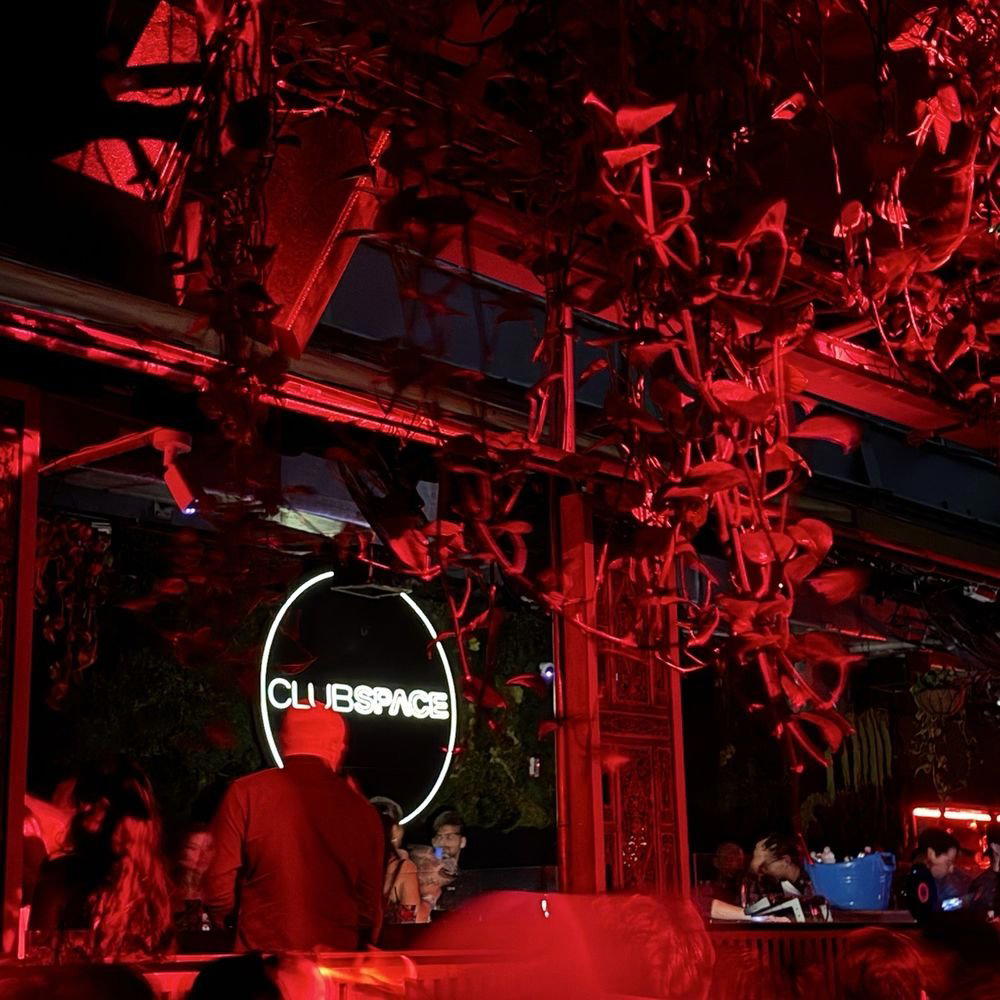
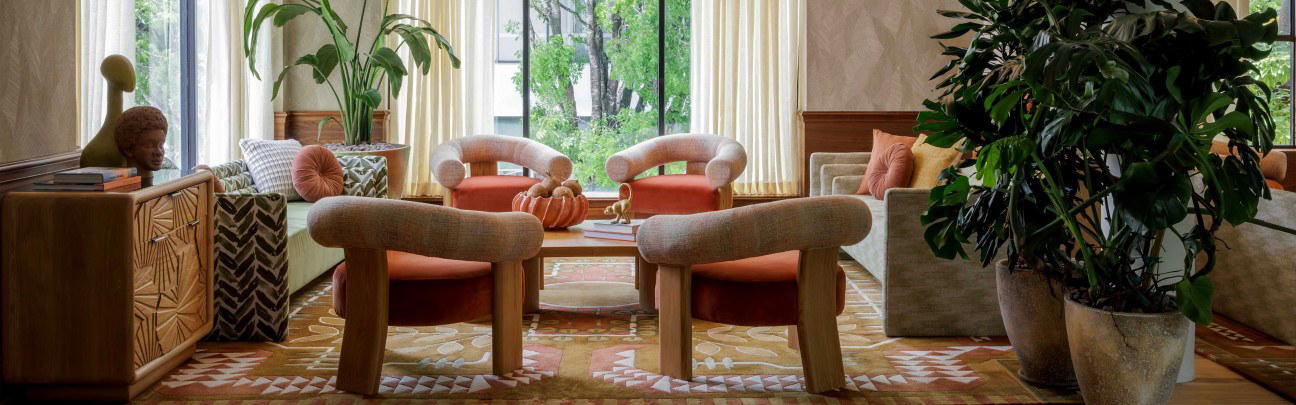
The approach is legible from the room itself. Where much of Miami's nightlife tilts toward spectacle, the kind of sensory overload that venues like Mango's have built entire identities around, Libertine reads as a counterargument. The environment signals intent before a drink arrives: a space designed for extended stays rather than turnover, where the room's temperature (social and literal) is kept at a register that allows conversation.
The Reinvention Pattern That Defines Miami Bars
Miami's most durable bar concepts share a common pattern: they launch with a clear format, test it against a demanding audience, and reshape accordingly. The city's demographic complexity, international visitors, Latin American diaspora communities, a domestic luxury-travel set, and a fast-growing local professional class, means that any single program faces constant pressure to prove its relevance. The bars that don't evolve become either tourist traps or relics.
The evolution at Libertine reflects this pressure. Miami's cocktail scene has matured considerably over the past decade, moving from a market defined largely by volume-driven nightlife toward a more differentiated tier system. At the serious end of that tier, venues compete on program depth, ingredient sourcing, and the credibility of whoever is building the menus. Café La Trova, rooted in Cuban heritage and anchored by deep bartending lineage, represents one axis of that serious tier. Broken Shaker, which built a national reputation on its inventive, produce-forward program at the Freehand, represents another. Libertine operates in this same tier, though with a character that positions it differently from either of those reference points.
Where Café La Trova draws authority from cultural specificity and Broken Shaker from culinary creativity, Libertine's identity reads as something closer to classical irreverence, the bar that takes technique seriously while maintaining a certain refusal to be solemn about it. That is a difficult register to sustain over time, and the degree to which Libertine has maintained it speaks to the program's internal discipline.
Program Depth in a Competitive comparable set
Across American cities, the bars that hold their position over multiple years tend to share a few characteristics: a menu architecture that allows for seasonal evolution without wholesale reinvention, a staff retention rate that keeps institutional knowledge in the room, and a format legible enough that regulars can navigate it while first-timers aren't left adrift. These same markers apply when reading Libertine against its Miami peers and against serious bar programs nationally.
Nationally, bars like Kumiko in Chicago, with its Japanese-influenced precision, and Jewel of the South in New Orleans, which draws from that city's deep cocktail history, have set a standard for what program-led bars can achieve over time. Julep in Houston has done similar work for Southern spirits traditions, while ABV in San Francisco operates as a low-intervention, ingredient-focused counterpoint to that city's tech-adjacent dining excess. Superbueno in New York City has carved out space through cultural specificity and a tight, confident menu. Bar Leather Apron in Honolulu and The Parlour in Frankfurt extend that reference set internationally, where a similar investment in craft and format discipline has produced durable reputations.
Libertine's position within Miami maps to those models: a bar that has earned local authority through consistency rather than through a single high-profile moment. In a city where opening nights generate enormous coverage and six-month anniversaries can feel like quiet admissions, that kind of sustained presence carries its own credibility signal.
Miami's Bar Geography and Where Libertine Fits
Miami's hospitality geography has fragmented in productive ways. Wynwood's warehouse-district bar scene, anchored by venues like Bar Kaiju with its Japanese-influenced playfulness, operates differently from the Cuban-rooted corridor that runs through Little Havana and into Brickell. South Beach maintains its own logic, shaped as much by hotel programs and international visitors as by any local drinking culture. These zones don't compete directly, they serve different moods and different constituencies.
Libertine's position within this geography matters for how to read the experience. Miami bars that work across multiple constituencies, visitors and locals, early evening and late night, casual and intentional, tend to occupy central or transitional locations that make them accessible without being overwhelmed by tourist traffic. Libertine's address is not listed here, so plan to confirm the location before visiting.
Planning a Visit
Miami's serious bar tier operates on a different booking logic than its restaurant counterpart. Most program-led bars in the city don't require advance reservations in the way that tasting-menu restaurants do, but the better rooms, particularly those with limited seating and a following among local regulars, can fill quickly on weekend evenings. Arriving between 6pm and 8pm on Thursday through Saturday typically means shorter waits and more attentive service than a 10pm arrival, when Miami's nightlife energy tips toward volume. Weeknight visits at serious bars across the city consistently deliver a more focused experience: the room is quieter, the staff is less stretched, and the interaction with whoever is behind the bar tends toward actual exchange rather than efficient transaction. That general pattern applies at Libertine as at its peers.
Awards and Standing
Comparable venues nearby, for context on price, style, and recognition.
| Venue | Cuisine | Price | Notes |
|---|---|---|---|
| LibertineThis venue — the venue you are viewing | speakeasy | $$$ | Not listed |
| Bazaar Mar by Jose Andres at SLS Brickell | hotel_bar | $$$$ | Miami Financial District |
| Dante's HiFi | cocktail_bar | $$$ | Miami Fashion District |
| Klaw Miami | rooftop_bar | $$$$ | Media and Entertainment District |
| Wood Tavern | dive_bar | $$ | Miami Fashion District |
| Wynwood Brewing Company | beer_bar | $$ | Miami Fashion District |
Continue exploring
More in Miami
Restaurants in Miami
Browse all →
At a Glance
- Trendy
- Energetic
- Late Night
- Casual Hangout
- Speakeasy
- Lounge Seating
- Craft Cocktails
Glamorous and grungy atmosphere blending lounge and discotheque vibes.