Pamplona Tapas Bar
Pamplona Tapas Bar on Jefferson Street brings a Spanish-inflected small-plates format to the heart of Lafayette's downtown dining corridor. In a city whose culinary identity runs deep on Cajun and Creole foundations, a tapas-focused room offers a distinct counterpoint worth understanding on its own terms. The address places it within easy reach of Lafayette's most concentrated stretch of independent hospitality.
Pearl is the En Primeur Club membership app — saves, bookings, and concierge access live there. Same editors, same standards.
- Address
- 631 Jefferson St, Lafayette, LA 70501
- Phone
- +1 337 232 0070
- Website
- pamplonatapas.com
- Directions
- Get directions
 Saves & bookings on Pearl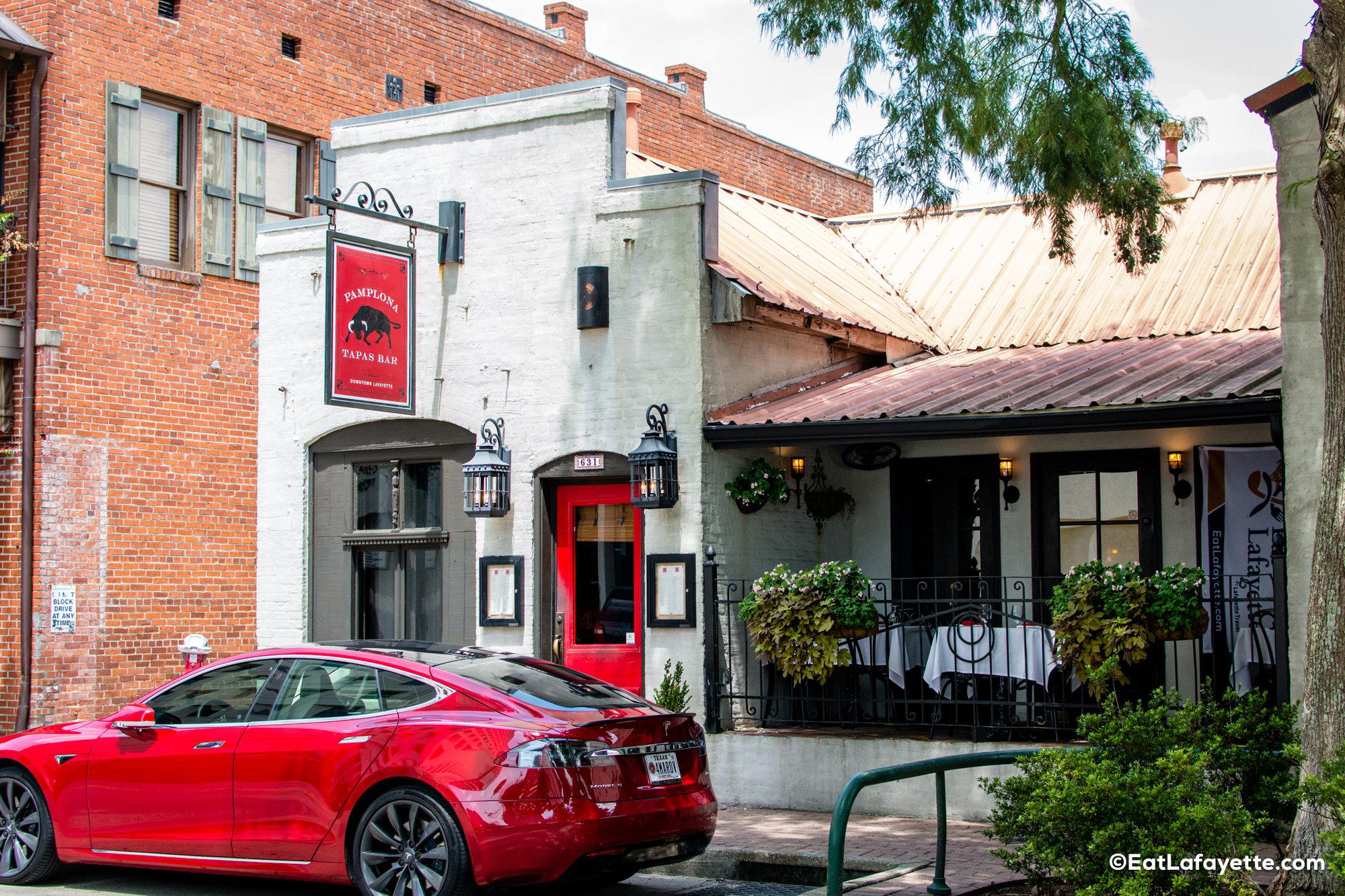
Jefferson Street and the Case for Small Plates in Cajun Country
Lafayette's downtown corridor along Jefferson Street has spent the better part of a decade consolidating an identity distinct from the crawfish shacks and boudin stops that define the city's culinary reputation from the outside. The venues that have taken root here, from wine-forward cafes to Italian kitchens, tend to position themselves against a local dining culture that is unambiguous about what it values: seasoned proteins, starch-forward sides, and communal generosity. Pamplona Tapas Bar, at 631 Jefferson St, operates in deliberate contrast to that grammar. The tapas format, with its emphasis on shared small plates and grazing tempo, imports a different logic of hospitality, one that is less about the main event and more about the accumulation of moments across a table.
That choice of format matters more in Lafayette than it might in a city with a more eclectic dining baseline. Here, tapas is not the default. It requires a diner to adjust their expectations, to relinquish the anchor of a plate-and-protein sequence and accept that satisfaction arrives in smaller, more frequent increments. Venues elsewhere along the Gulf South coast that have attempted this format have found the transition uneven, particularly where local sourcing hasn't been considered carefully enough to make the small-plate investment feel worthwhile. The question worth asking about any tapas room in this context is: what is actually on those plates, and where does it come from?
Sourcing in a Region That Takes Ingredients Seriously
Louisiana's ingredient culture is one of the most specific in North America. The Gulf provides shrimp, oysters, and fish with a provenance that local diners track closely. The prairies west of Lafayette yield rice and peppers. The Atchafalaya Basin contributes crawfish in volumes that have made it a global export. Any kitchen operating in this region, regardless of the cuisine it claims, is operating in proximity to a sourcing infrastructure that rewards engagement. When a Spanish-inflected format meets Gulf Coast raw materials, the result can be genuinely interesting, provided the kitchen is paying attention to where the pantry sits rather than importing analogues from elsewhere.
The tapas tradition itself has a long relationship with local ingredient logic. In Andalusia, the format evolved as a way to present whatever was fresh and available in small portions alongside wine, which means its historical DNA is compatible with place-specific sourcing. A Gulf oyster presented in a Spanish idiom, or local shrimp treated with the technique of a gambas preparation, represents a legitimate culinary dialogue rather than a pastiche. Bars in other American cities have navigated this kind of Spanish-local fusion with considerable success. Jewel of the South in New Orleans has demonstrated how southern ingredient culture and European hospitality formats can produce something coherent rather than confused. The logic applies here, approximately ninety miles to the west.
What distinguishes a tapas program that earns its place in a sourcing-conscious city from one that doesn't is the specificity of its produce decisions. Generic charcuterie and imported olives can fill a board; a tightly curated selection of what is actually growing or swimming within reach of the kitchen is what gives a room in Lafayette a reason to exist beyond novelty.
The Room on Jefferson Street
Arriving at the 600 block of Jefferson Street, the downtown grid gives way to a denser cluster of storefronts that house much of Lafayette's independent dining and drinking culture. The proximity to the Acadiana Center for the Arts places the street in the city's cultural corridor, which means the foot traffic skews toward the kind of diner who is already planning an evening rather than stopping in by accident. That context shapes what a bar-forward tapas room can reasonably expect from its audience.
The tapas format is inherently social, which aligns with how Lafayette residents approach dining: as an extended, communal exercise rather than a transactional one. Where a room like Blue Moon Saloon and Guest House draws on Lafayette's deep roots in live Cajun and zydeco performance, a tapas bar draws on a different but equally social instinct, the shared table as a vehicle for conversation rather than spectacle. The two formats are not competitors so much as parallel expressions of the same hospitality impulse.
Drinks and the Bar Program's Role
In any tapas format, the bar program carries significant weight. The Spanish tradition pairs its small plates with sherry, vermouth, and regional wines precisely because the format demands drinks that punctuate rather than dominate. An American tapas room operating in 2025 has more options and, consequently, more decisions to make. The trend among serious bar programs in the United States has moved toward technique-led menus that take a specific position, whether on local spirits, classic revival cocktails, or fermentation-forward formats. Kumiko in Chicago and ABV in San Francisco represent two ends of that spectrum, one Japanese-influenced and restrained, the other amaro-heavy and encyclopedic. A tapas bar in Lafayette doesn't need to resolve at either extreme, but it does need a point of view.
Lafayette's drinking culture has historically centered on beer and direct spirits rather than the cocktail-forward programming that has defined bars in New Orleans or Houston. Julep in Houston built its identity around Southern whiskey as a specific editorial stance; something equivalent, perhaps a program built around Gulf Coast rum or Louisiana-produced spirits, would give a bar like Pamplona a distinct regional anchor. For visitors accustomed to the technical ambition of programs like Bar Leather Apron in Honolulu or Superbueno in New York City, the relevant question is how the drinks program relates to the food format, and whether the two are in genuine conversation.
Planning a Visit
Pamplona sits at 631 Jefferson St in downtown Lafayette, within walking distance of several of the city's key independent dining addresses, including Antoni's Italian Cafe and Cafe Bella, which makes Jefferson Street a reasonable anchor for a full evening. For visitors building out a broader Lafayette itinerary, our full Lafayette restaurants guide maps the city's dining and drinking options by neighborhood and format. Current hours and reservations should be confirmed directly with the venue before visiting, as operational details are subject to change. Those interested in the wider small-plates and cocktail-bar scene across the Gulf South will find useful reference points in The Parlour in Frankfurt on the Main, which demonstrates how a European bar format can be transplanted with genuine local fluency.
Quick Comparison
| Venue | Cuisine |
|---|---|
| Pamplona Tapas BarThis venue — the venue you are viewing | This venue |
Continue exploring
More in Lafayette
Bars in Lafayette
Browse all →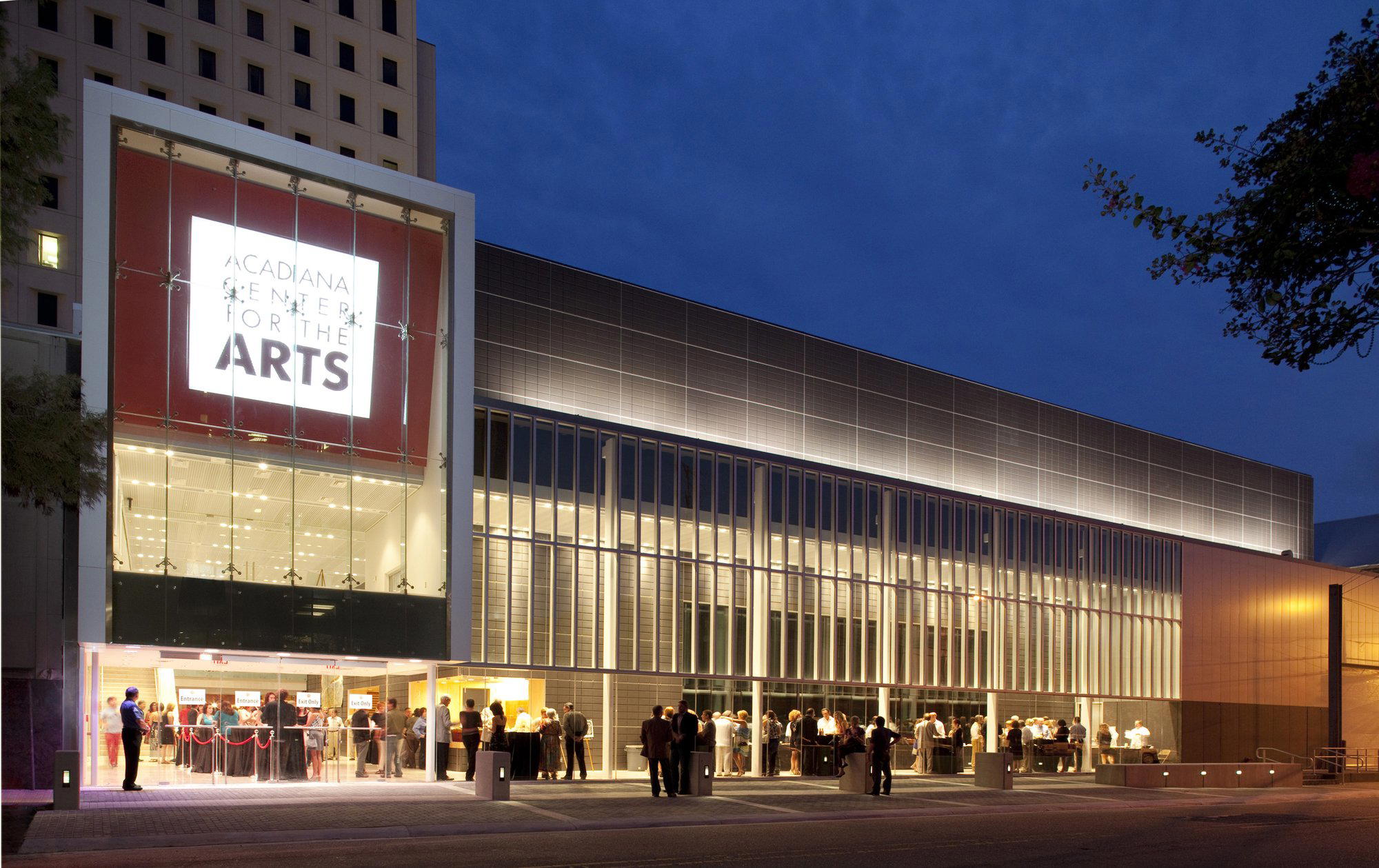
Restaurants in Lafayette
Browse all →
Hotels in Lafayette
Browse all →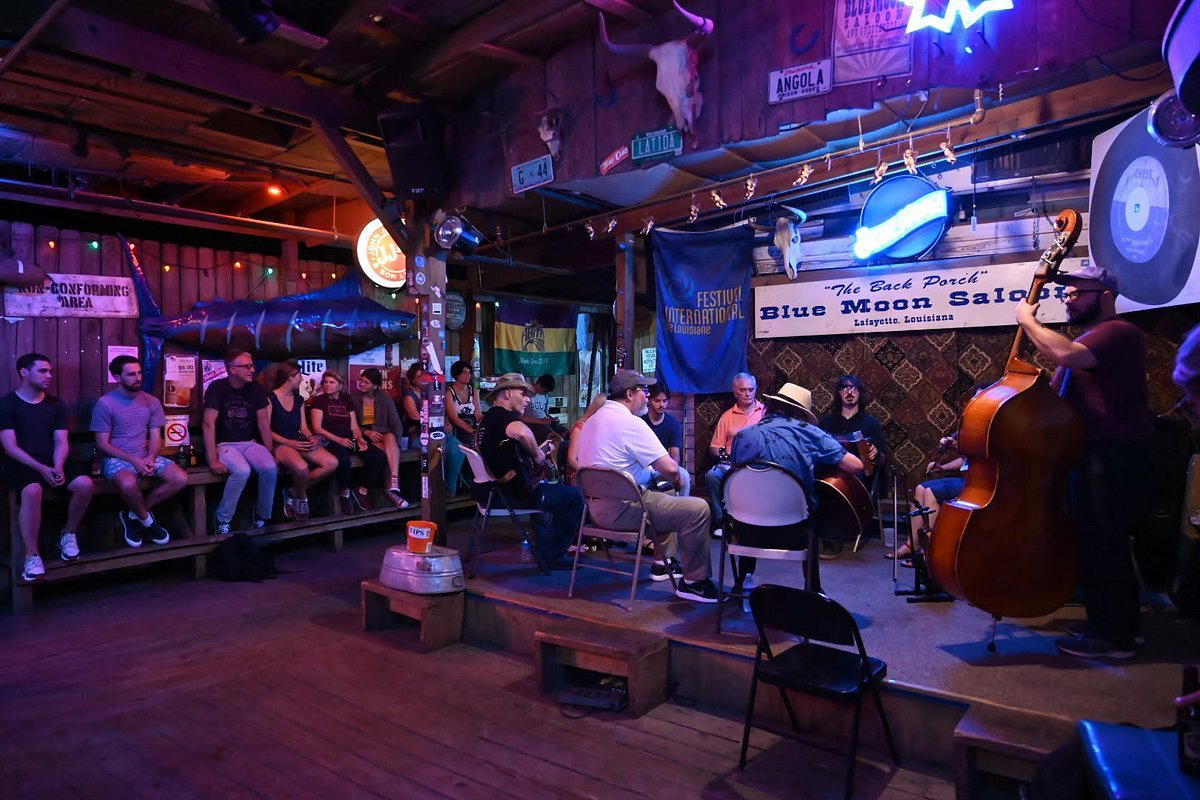
At a Glance
- Rustic
- Cozy
- Intimate
- Sophisticated
- Date Night
- Casual Hangout
- Historic Building
- Seated Bar
- Booth Seating
- Classic Cocktails
- Craft Cocktails
Current opening hours
- Monday
- Closed
- Tuesday
- 4–9 PM
- Wednesday
- 11 AM–9 PM
- Thursday
- 11 AM–9 PM
- Friday
- 11 AM–10 PM
- Saturday
- 4–10 PM
- Sunday
- Closed
Hours can change for holidays and private events. Last verified .
Rustic decor with moody lighting, bullfighting artwork, and an atmosphere evoking old Spanish bistro passion.
Know Before You Go
- Getting there
- 631 Jefferson St, Lafayette, LA 70501