A traditional Swedish pub in Gamla Stan, Movitz Pub & Restaurang occupies a stone-walled address on Tyska brinken 34 that puts it squarely in Stockholm's oldest quarter. The draw here is atmosphere shaped by centuries of cobblestone heritage, paired with a drinks program that reflects the neighbourhood's unhurried, convivial character. It sits in a tier of Stockholm hospitality where the room itself is the primary argument.
Pearl is the En Primeur Club membership app — saves, bookings, and concierge access live there. Same editors, same standards.
- Address
- Tyska brinken 34, 111 27 Stockholm, Sweden
- Phone
- +46 8 20 99 79
- Website
- movitz.com
- Directions
- Get directions
 Saves & bookings on Pearl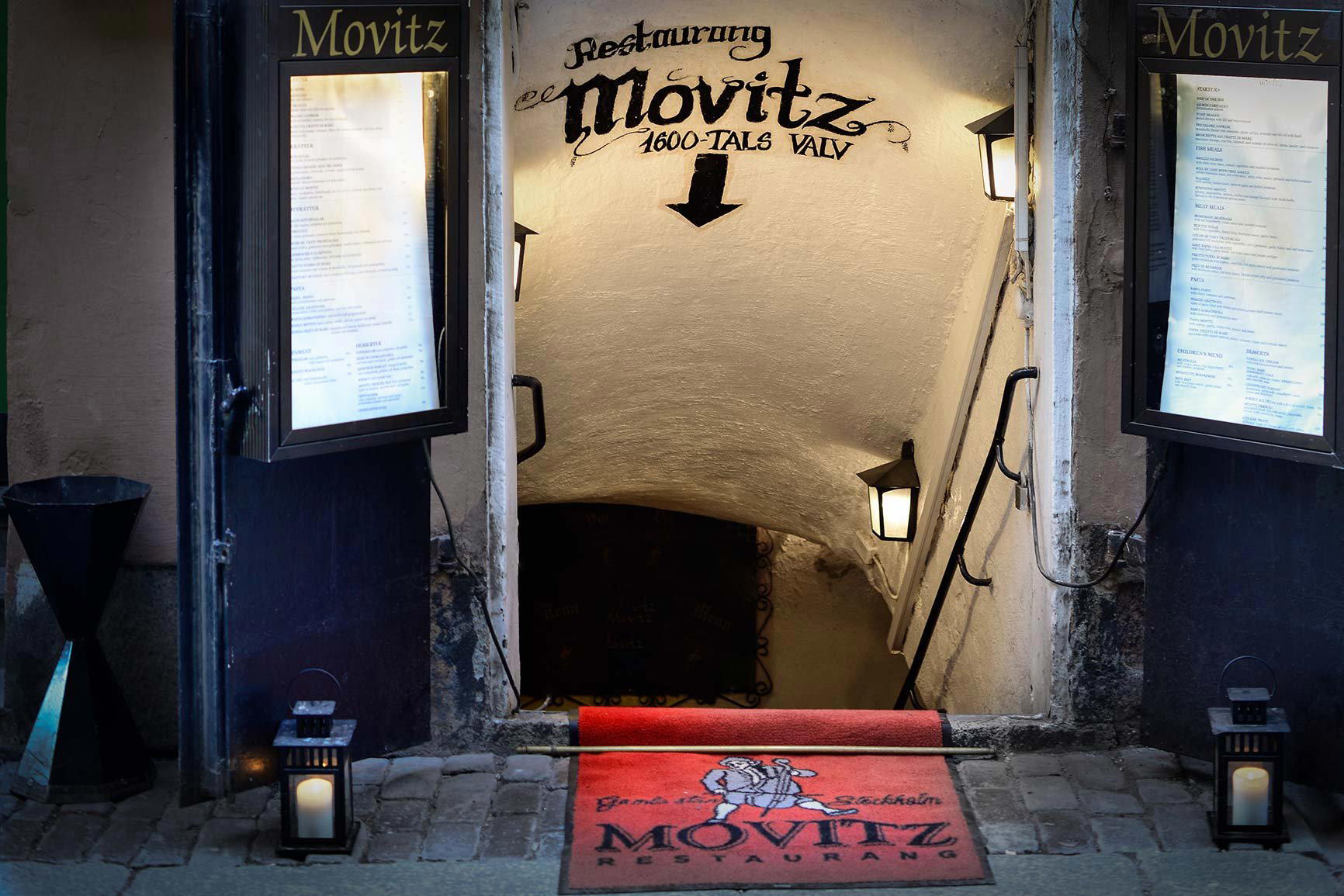
Gamla Stan's Pub Tradition, Framed by Stone and Candlelight
Tyska Brinken is one of those Gamla Stan streets that feels genuinely old rather than performed — the cobblestones slope unevenly, the buildings press close, and the light changes depending on the time of day in ways that modern construction never quite replicates. Movitz Pub & Restaurang sits on this street at number 34, occupying a position that connects it immediately to Stockholm's oldest neighbourhood and to the particular kind of pub culture that survives there: unhurried, rooted in wood and low ceilings, oriented around beer and food that makes sense together rather than menus engineered for Instagram.
The pub-restaurant format that Movitz represents is a recognisable Stockholm archetype, distinct from the craft-bar movement that has reshaped drinking culture in Södermalm and Vasastan. Venues like Tjoget and Lucy's Flower Shop operate with cocktail-program ambition and a transparency about technique; Röda Huset and A Bar Called Gemma sit closer to the wine-bar register. Movitz, by contrast, belongs to a different register entirely: the neighbourhood pub with a food component substantial enough to qualify as a restaurant, located in a part of the city where the surroundings do considerable atmospheric work without anyone trying.
What the Menu Architecture Tells You
The way a pub or restaurant structures its menu reveals something about what it thinks it is. A short, focused list signals confidence in a narrow range; a long menu spanning continents signals something closer to hospitality without a point of view. The pub-restaurant format in Stockholm's old town tends to resolve this tension by anchoring on Swedish comfort staples — husmanskost dishes like meatballs, pork knuckle, or herring preparations, and building outward from there toward grilled proteins or seasonal vegetables. This gives the kitchen a logical spine: the Swedish dishes carry cultural weight and are judged against a lifetime of family cooking, while the secondary section offers flexibility without abandoning the premise.
At a venue like Movitz, the address on Tyska Brinken places it within walking distance of the German Church (Tyska kyrkan) and the narrower lanes of the medieval city, which means the likely audience on any given evening spans Stockholm locals who know the street, tourists exploring Gamla Stan on foot, and the occasional regulars who treat pub dining as a reliable weekly ritual. A menu that works for all three groups without collapsing into lowest-common-denominator decisions is harder to build than it looks. The structural logic of Swedish pub menus, beer-friendly starters, substantial mains, minimal dessert ambition, handles this problem reasonably well because it sets expectations precisely rather than trying to exceed them in all directions simultaneously.
Gamla Stan's Position in Stockholm's Drinking and Dining Map
Stockholm's eating and drinking geography has consolidated around several distinct clusters. Södermalm carries the density of independently owned bars and restaurants that drive most of the critical attention; Östermalm handles the expense-account end of the market; Vasastan has developed a residential-neighbourhood restaurant culture that punches above its tourist profile. Gamla Stan sits outside all three patterns. It receives foot traffic that none of those areas match on a summer afternoon, but that traffic is tourist-weighted in ways that discourage the kind of long-term regulars that sustain a serious drinking or dining program.
The venues that survive and find an identity in Gamla Stan tend to do so by offering something the tourist foot traffic will pay for while remaining usable by locals who live or work in the area. A pub on Tyska Brinken has geographic advantages, it is close enough to Slussen and Gamla Stan's T-bana station to be a natural first or last stop, but the neighbourhood's character means it competes partly on atmosphere rather than on program innovation alone. For a broader picture of how this fits into Stockholm's wider scene, our full Stockholm restaurants guide maps the city's distinct dining clusters and what distinguishes each.
For comparison, the Swedish pub format appears in different registers across the country. Ölkaféet in Malmo operates in a different urban context with its own regional beer culture. Ångbryggeriet in Pitea represents the northern Swedish brewing tradition. Bageriet Mat & Bar in Visby shows how the pub-restaurant hybrid functions on Gotland, where seasonality and island logistics shape the offer differently than a mainland city address. These variations illustrate that the Swedish pub-restaurant is not a single fixed format but a category that adapts to local supply chains, demographics, and drinking culture.
The Case for Gamla Stan Pub Dining
There is an argument, made occasionally by Stockholm food writers, that the leading meal in Gamla Stan is the one you eat without expectations, a plate of something direct, a well-kept beer, and the knowledge that the street outside looks the same as it did several centuries ago. This is not a case for lowered standards; it is a case for matching the meal to the context. Ambitious tasting menus and precision cocktail programs belong to neighbourhoods with the audience density to support them week after week.
Internationally, comparable pub-restaurant addresses in historic city centres follow similar logic. Dorsia Hotel & Restaurant in Gothenburg operates with considerably more formal ambition, illustrating how the Swedish hospitality spectrum runs from direct pub formats to high-design hotel dining within a relatively compact national market. The distance between those two poles is instructive: the market is small enough that venues tend to occupy distinct positions rather than crowding the same tier.
Planning a Visit
Movitz Pub & Restaurang is at Tyska Brinken 34 in Gamla Stan, Stockholm's old town. The address is walkable from Gamla Stan T-bana station in a few minutes, and from Slussen slightly longer depending on which entrance you use. For visitors exploring the medieval city on foot, Tyska Brinken runs roughly parallel to Stora Nygatan and is accessible without significant navigation. Given the neighbourhood's tourist concentration, weekend evenings in Gamla Stan tend to fill available seats at any venue with a food component, so arriving with timing flexibility or contacting the venue in advance is the practical approach. Gamla Stan operates on a compressed geography, the distances between venues are short, which makes it possible to assess options on arrival rather than committing to a booking from across the city.
For visits extending beyond Stockholm, the Swedish west coast offers a different dining register. Vyn Restaurant in Ostra Nobbelov and the Koster Islands in Tjarno represent the coastal format where locally sourced seafood and proximity to the water shape the menu in ways that a Stockholm city address cannot replicate. For something further afield in the same drinking category, Bar Leather Apron in Honolulu shows how the pub-adjacent format operates at a high level of technical ambition in a completely different context.
A Credentials Check
A quick peer reference to anchor this venue in its category.
| Venue | Awards |
|---|---|
| Movitz Pub & RestaurangThis venue — the venue you are viewing | Not listed |
| Röda Huset | World's 50 Best |
| Lucy's Flower Shop | World's 50 Best |
| Tjoget | World's 50 Best |
Continue exploring
More in Stockholm
Bars in Stockholm
Browse all →
Restaurants in Stockholm
Browse all →
At a Glance
- Cozy
- Classic
- Well Known
- Lively
- After Work
- Casual Hangout
- Group Outing
- Late Night
- Historic Building
- Live Music
- Seated Bar
- Booth Seating
- Craft Beer
- Conventional Wine
Current opening hours
- Monday
- 4–11 PM
- Tuesday
- 4 PM–1 AM
- Wednesday
- 4 PM–1 AM
- Thursday
- 4 PM–1 AM
- Friday
- 4 PM–3 AM
- Saturday
- 3 PM–3 AM
- Sunday
- 4–11 PM
Hours can change for holidays and private events. Last verified .
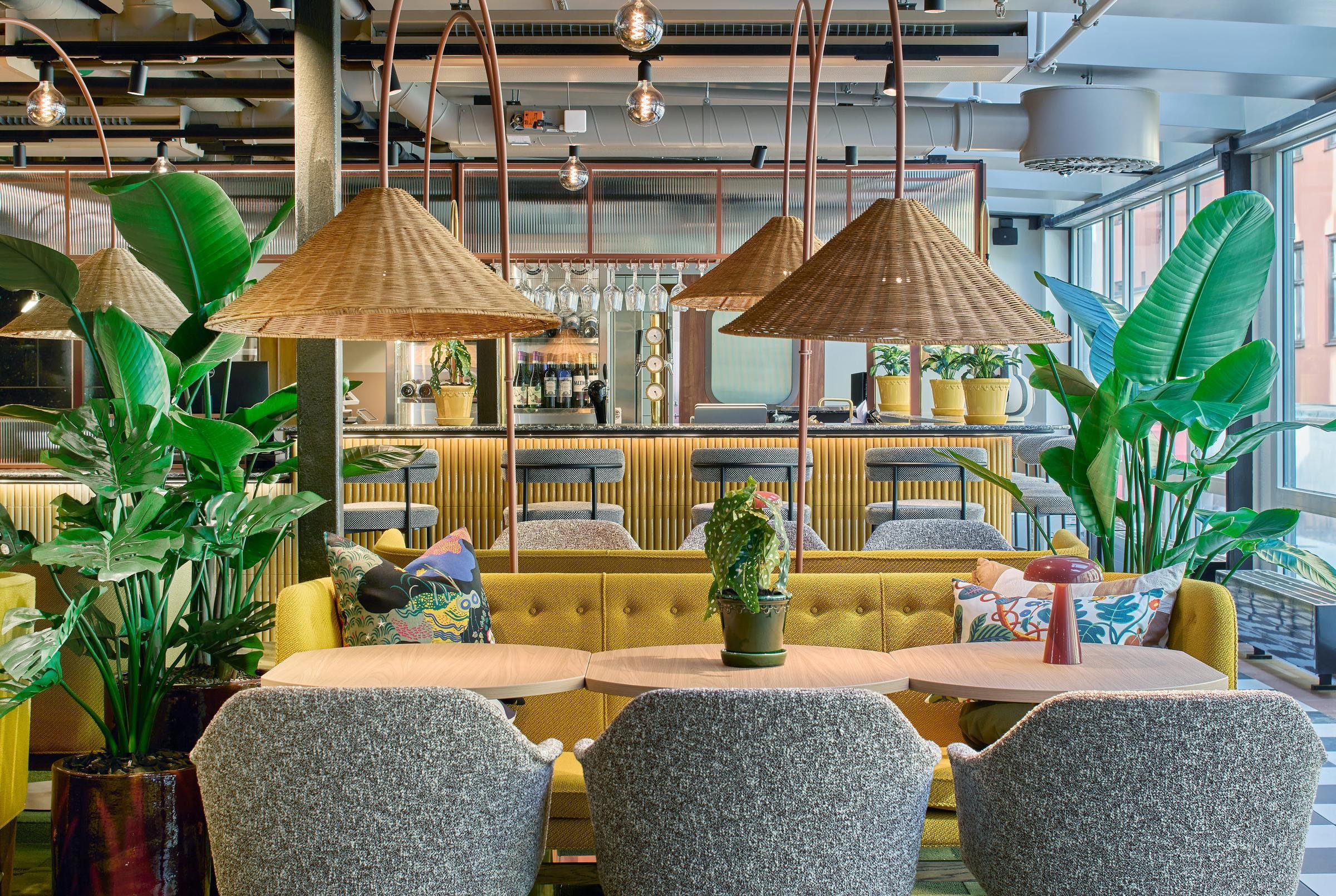
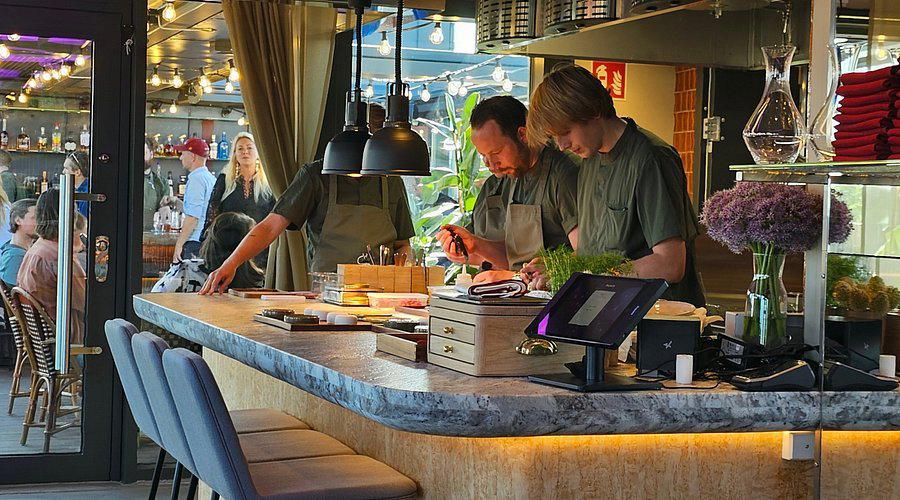
Dim, intimate setting with dark wood tables, stone walls, and era-appropriate photos creating a cozy neighborhood tavern feel that evokes the TV series Cheers.
Know Before You Go
- Getting there
- Tyska brinken 34, 111 27 Stockholm, Sweden