Mot Hai Ba
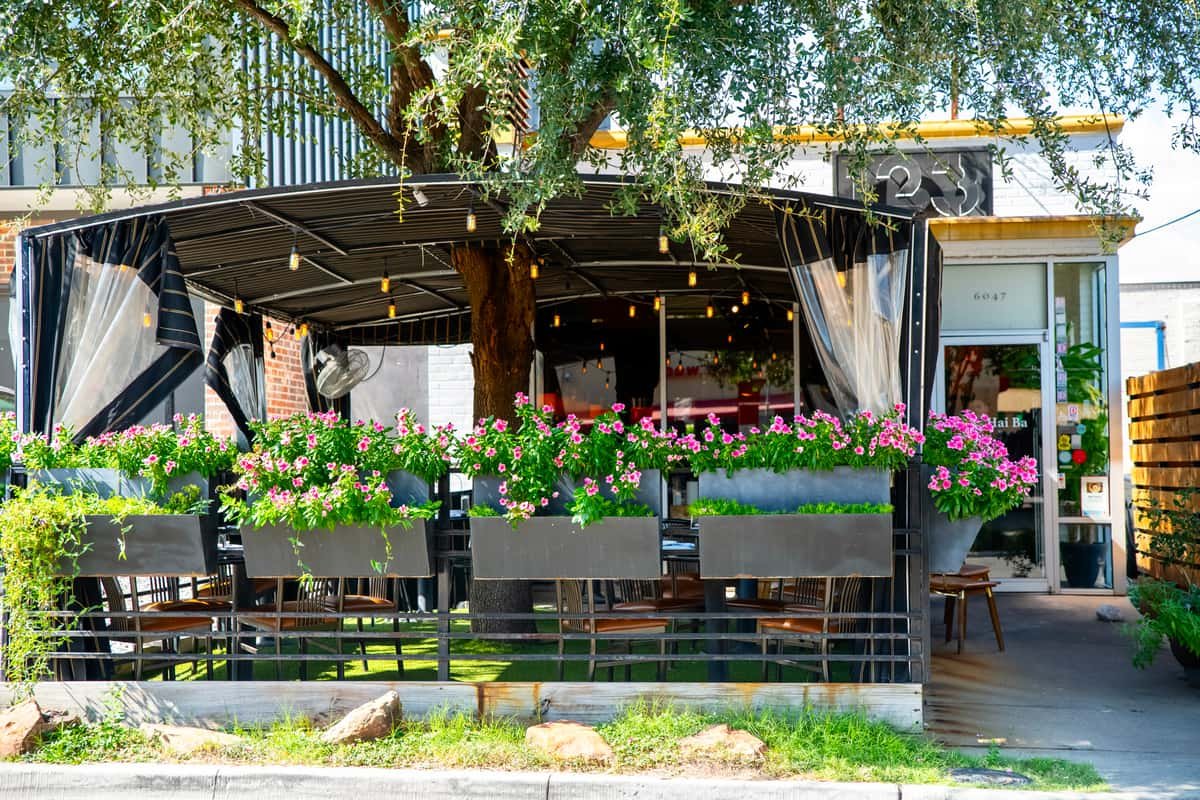
Mot Hai Ba sits in Dallas's Lower Greenville corridor, drawing from Vietnamese culinary tradition while operating within a neighborhood that rewards regulars willing to show up on its own terms. The address on Lewis Street places it among a stretch of independently minded dining rooms where the cooking tends to speak more directly than the décor. For Dallas diners tracking where serious Vietnamese food is being served, it remains a consistent reference point.
 Discover on Pearl
Pearl is the En Primeur Club membership app — saves, bookings, and concierge access live there. Same editors, same standards.
- Address
- 6047 Lewis St, Dallas, TX 75206
- Phone
- +1 972 638 7468
- Website
- mothaibadallas.com
Lower Greenville and the Case for Vietnamese Cooking in Dallas
Mot Hai Ba is a bar in Dallas, Texas, with a Google rating of 4.6 and an estimated price of about $45 per person. The corridors that once belonged to casual chains and sports bars have steadily given way to independently operated rooms with sharper culinary identities. Lower Greenville, the stretch running through the 75206 zip code, sits near the center of that shift. The neighborhood's walkable blocks and long-established residential character have made it a natural home for restaurants that don't depend on tourist foot traffic, and Mot Hai Ba, on Lewis Street, operates squarely within that tradition.
The address puts it in useful proximity to a concentrated set of independently run bars and dining rooms. 4525 Cole Ave and Alcove Wine Bar represent adjacent options for those building a longer evening in the area, and Adair's Saloon remains a Lower Greenville fixture for before or after a meal. The neighborhood's density rewards combining venues in a single visit rather than treating any one address as a destination in isolation.
Vietnamese Cooking and What It Asks of a City
Vietnamese cuisine carries a set of structural demands that reveal a lot about how seriously any city treats it. At its most basic, the cooking depends on fresh herb volumes, quality fish sauce, and an understanding of balance that comes from working with bright acids, aromatic fat, and layered umami in the same dish. Cities with strong Vietnamese communities have the supply chains and the palate to support this at scale. Dallas, with one of the larger Vietnamese-American populations in the American South, has those conditions.
The name Mot Hai Ba, Vietnamese for one, two, three, carries the cadence of a toast, the kind of count-off before a drink is raised or a gathering begins. That framing suggests an intent rooted in conviviality and directness rather than ceremony, which aligns with how Vietnamese communal eating actually works: shared plates, sequential dishes, conversation measured in refills. The cooking tradition is not built around solitary tasting menus or silent appreciation. It is built around tables of people eating together across an extended sequence, and the leading Vietnamese rooms in any city understand that rhythm without having to explain it.
Across the United States, the most compelling Vietnamese restaurant programs have tended to emerge in cities where the community itself provides both the clientele and the implicit quality standard. Houston's Bellaire corridor, the San Gabriel Valley, and parts of the Bay Area have built recognizable Vietnamese dining ecosystems. Dallas's contribution to that map runs through a combination of strip-mall pho institutions and newer rooms like Mot Hai Ba that bring a more deliberate format to the same culinary base.
What the Room Signals
Lewis Street is not a high-visibility address. It doesn't carry the foot traffic of Knox-Henderson or the marquee energy of Uptown, which means Mot Hai Ba draws on a more intentional diner: someone who has made a specific decision to be there rather than someone who wandered in. Rooms that operate on this model tend to develop loyal repeat clientele faster than higher-traffic venues, and the trade-off, less spontaneous discovery, more committed regular base, suits a cooking style that rewards those who come back often enough to understand the menu's logic.
That pattern shows up across the country in rooms doing serious work with specific culinary traditions. Kumiko in Chicago and Bar Leather Apron in Honolulu both occupy slightly off-center addresses where the draw comes from reputation and word-of-mouth rather than location advantage. Jewel of the South in New Orleans and Julep in Houston similarly function as rooms where the guest arrives with purpose. The dynamic is consistent: when the food or drink is the primary draw, the address matters less than the commitment of the room to its own program.
The comparable set in Dallas and Beyond
Within Dallas, Mot Hai Ba sits in a tier defined by neighborhood restaurants with clear culinary points of view rather than by formal dining rooms chasing awards or casual chains managing volume. That comparable set includes spots that have built reputations through consistency and specificity rather than spectacle. It is a different competitive frame than the one occupied by Dallas's Michelin-adjacent steakhouses or its hotel dining rooms, and it is arguably a more interesting one for what it reveals about how a city eats when it isn't performing.
The broader category of Vietnamese restaurants with considered formats has seen real critical attention over the past several years. In cities from New York to San Francisco, rooms drawing on Vietnamese technique while operating in non-community-strip-mall contexts have attracted the kind of press that positions them within a national conversation about immigrant cuisine and formal restaurant culture. Superbueno in New York City reflects a related dynamic in Latin cooking, where cultural specificity and formal ambition intersect in ways that make category classification difficult. ABV in San Francisco and Ampelos Wines in Dallas represent how beverage programs at this tier tend to be treated with the same seriousness as the food. The Parlour in Frankfurt illustrates how the model of a focused, neighborhood-anchored room translates across geographies.
Planning Your Visit
Mot Hai Ba is on Lewis Street in the Lower Greenville corridor of Dallas, a neighborhood leading approached by car or rideshare given limited parking predictability on busy evenings. The address clusters well with other independent rooms and bars in the 75206 area, making a multi-stop evening practical. Hours are Monday closed, Tuesday through Thursday 5 to 10 PM, Friday and Saturday 5 to 11 PM, and Sunday 5 to 9 PM. Reservations are recommended.
- Hen+Hive
- Fair Weather Friend
- Le Sang
- Dua Dua
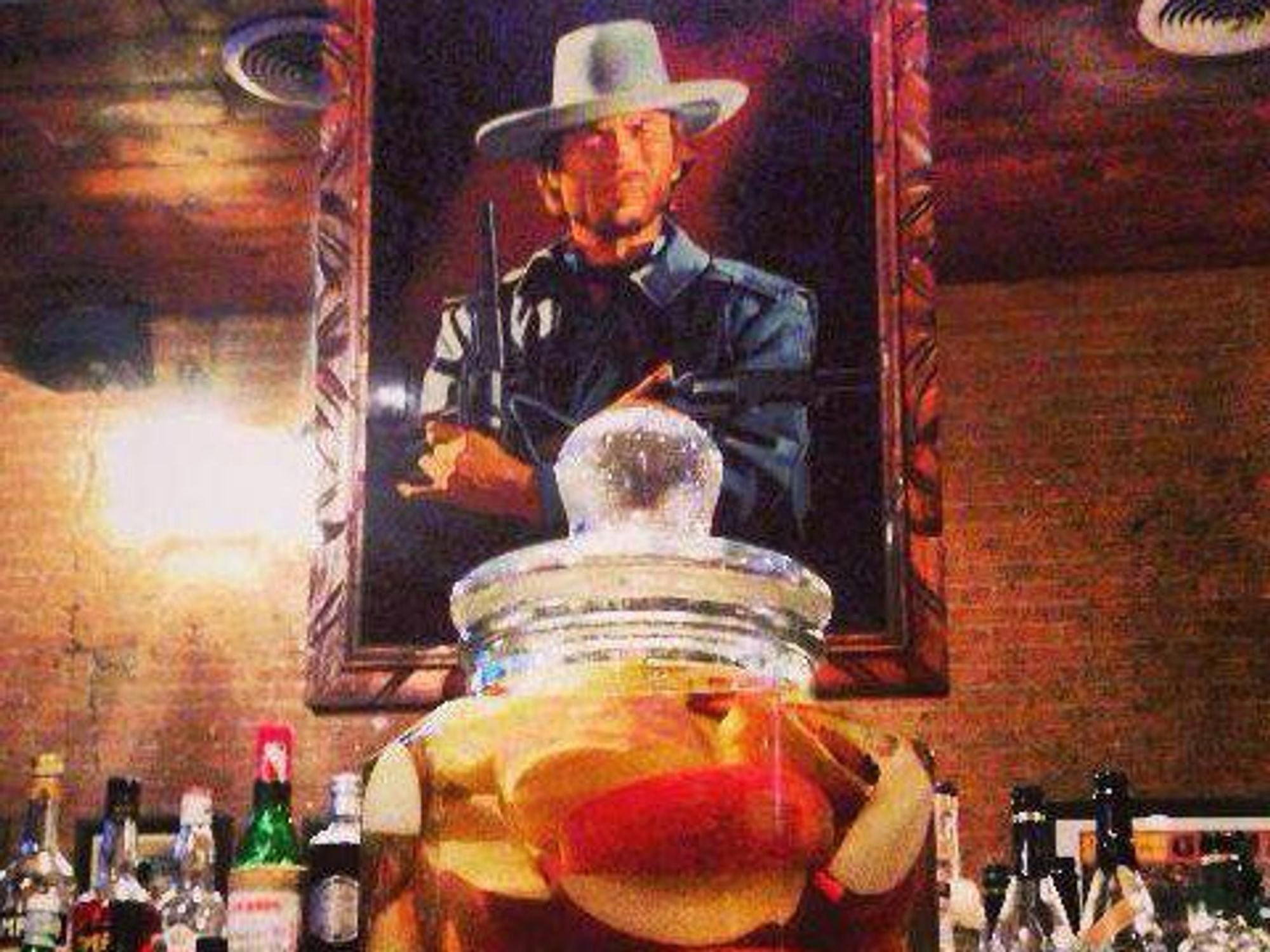
- 5 Spice Old Fashioned
- Wheytini
In Context: Similar Options
Comparable venues nearby, for context on price, style, and recognition.
| Venue | Cuisine | Price | Awards | Notes |
|---|---|---|---|---|
| Mot Hai BaThis venue — the venue you are viewing | cocktail_bar | $$$ | , | |
| Whiskeys | Bar | $$$ | , | Deep Ellum |
| The Heights | lounge | $$ | , | Lakewood |
| Goodfriend Beer Garden & Burger House | beer_bar | $$ | , | Casa View |
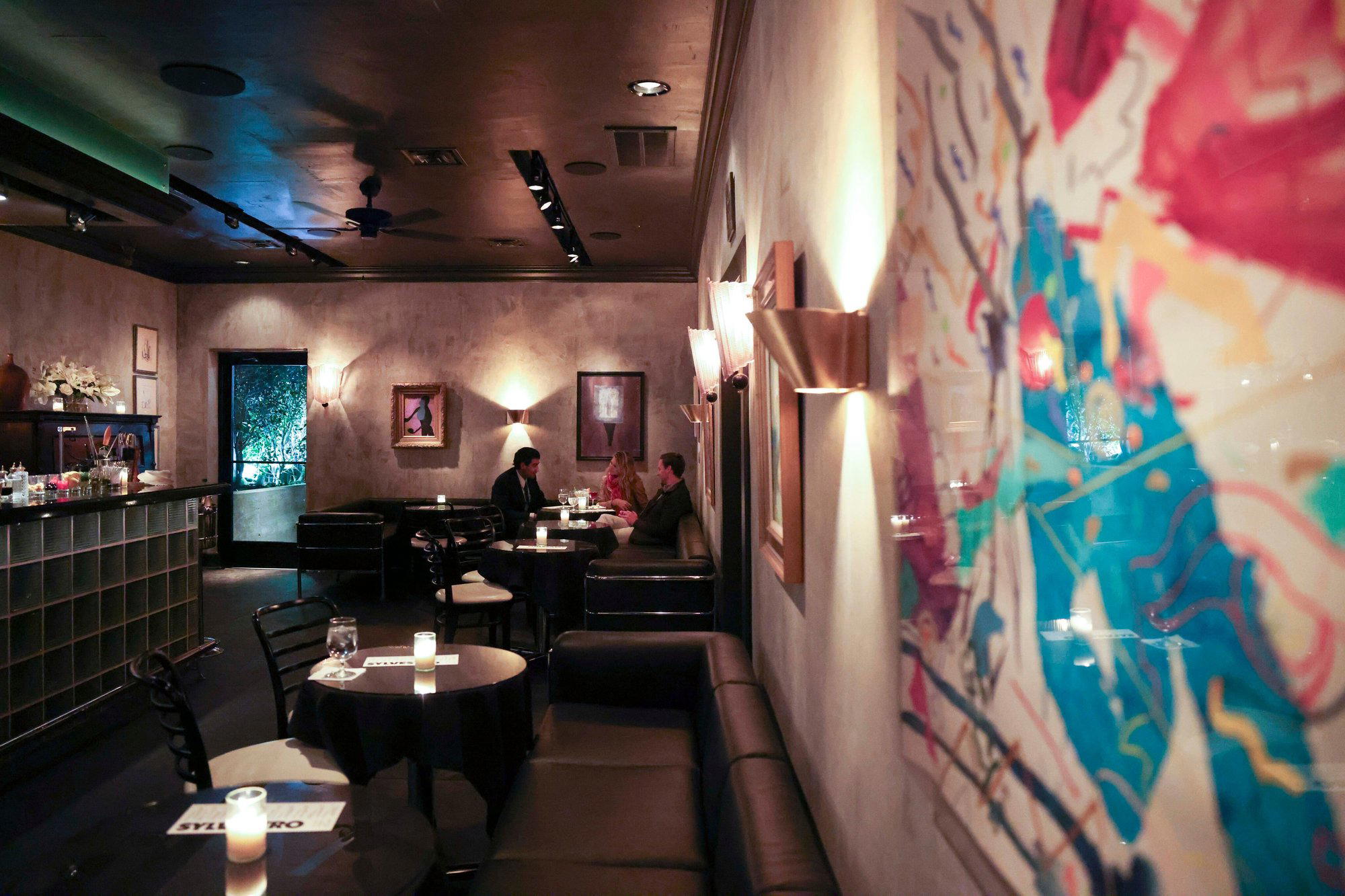
| Bar Sylvestro | cocktail_bar | $$$ | , | Bryan Place |
| La Stella Cucina Verace | lounge | $$$$ | , | Arts District |
Continue exploring
More in Dallas
Bars in Dallas
Browse all →
Restaurants in Dallas
Browse all →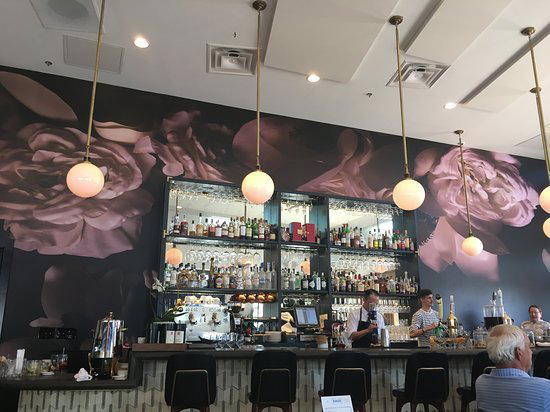
Hotels in Dallas
Browse all →
At a Glance
- Cozy
- Intimate
- Modern
- Elegant
- Date Night
- After Work
- Group Outing
- Special Occasion
- Standalone
- Design Destination
- Seated Bar
- Lounge Seating
- Booth Seating
- Craft Cocktails
- Natural Wine
- Conventional Wine
- Gin
- Mezcal
- Whiskey
- Rum
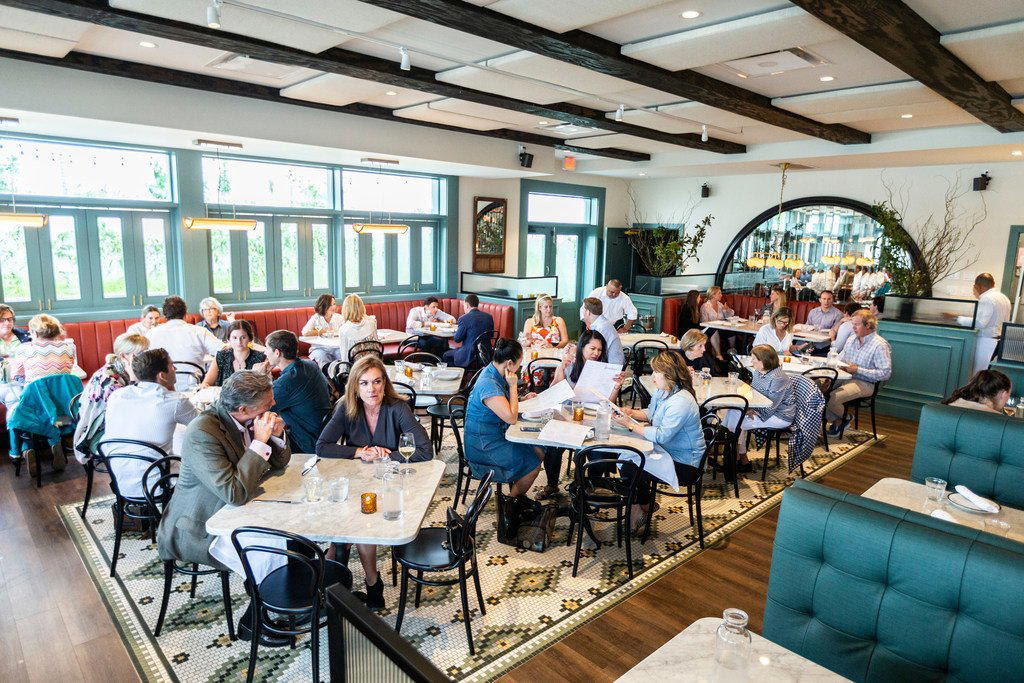
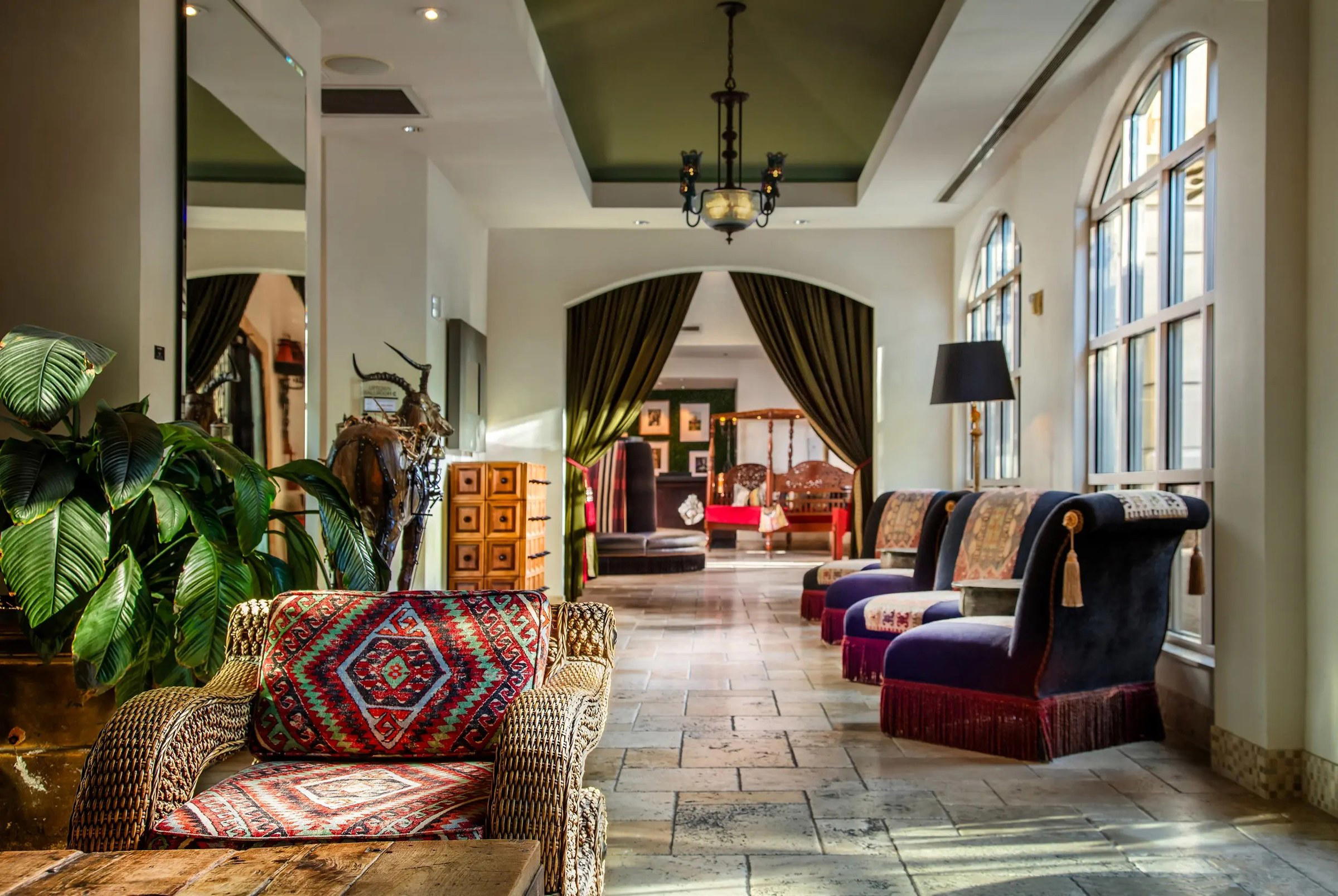
Warm and inviting cozy atmosphere with attentive service on quiet Lewis Street, featuring modern design elements and a focus on locally sourced ingredients.
- Hen+Hive
- Fair Weather Friend
- Le Sang
- Dua Dua
- 5 Spice Old Fashioned
- Wheytini