Mohawk Austin
On Red River Street, Austin's live music corridor runs hard and late, and Mohawk sits at its center as one of the strip's most recognizable stages. The indoor-outdoor venue has shaped the block's identity for years, drawing touring acts and local talent to a space built around sound first. It belongs to the tier of Austin venues where the room itself is the agenda.
Pearl is the En Primeur Club membership app — saves, bookings, and concierge access live there. Same editors, same standards.
- Address
- 912 Red River St, Austin, TX 78701
- Website
- mohawkaustin.com
- Directions
- Get directions
 Saves & bookings on Pearl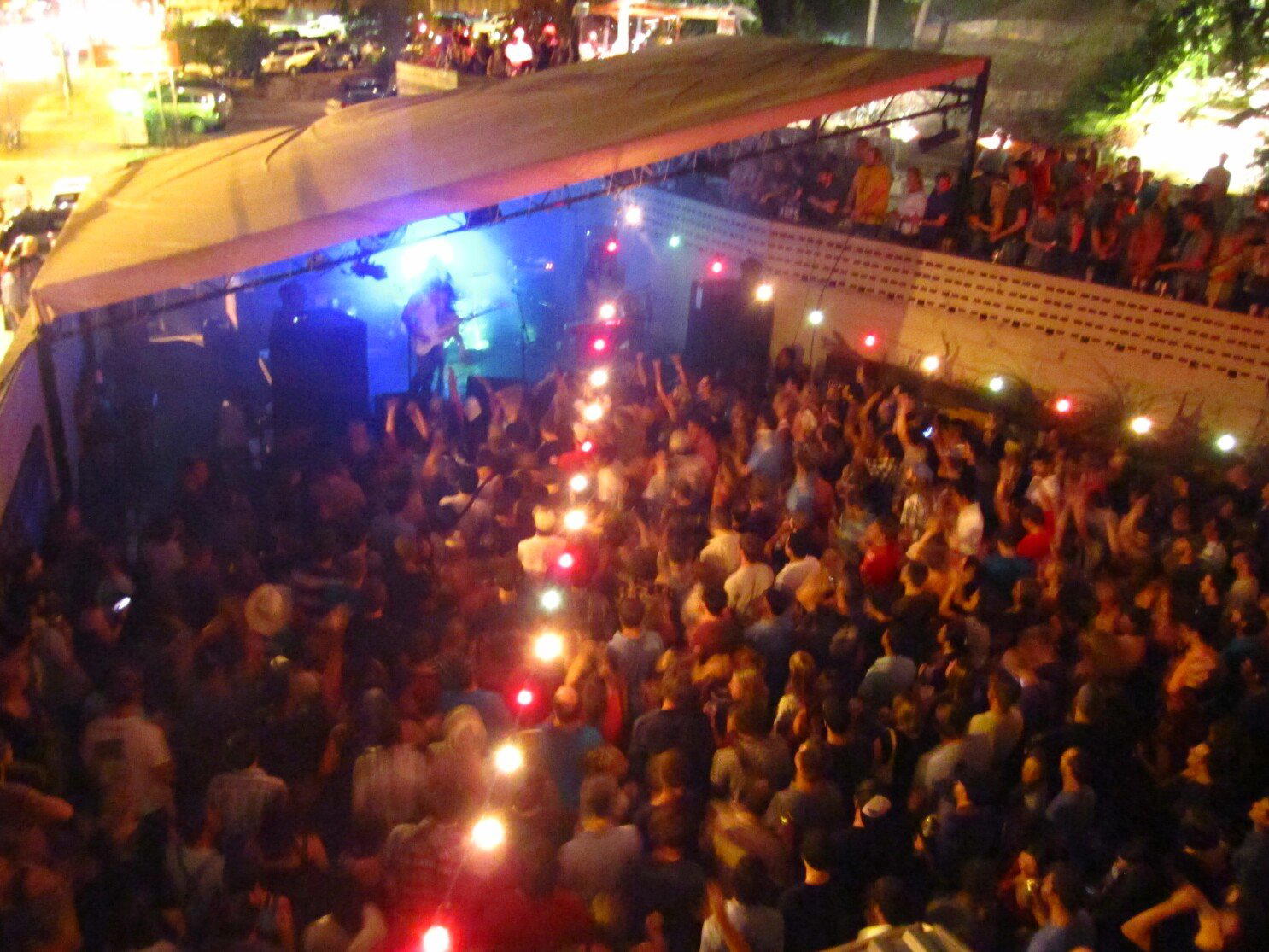
Red River Street and the Architecture of a Scene
Austin's Red River Cultural District does not operate like a conventional entertainment strip. The venues here, clustered between 4th and 11th streets, built their reputations on programming decisions rather than interior design budgets. The block rewards bands that pull cross-genre crowds and punishes rooms that play it safe. Mohawk, at 912 Red River St, has occupied a defining position in that ecosystem for long enough that it functions less as a venue and more as a reference point: locals describe other Austin stages relative to it.
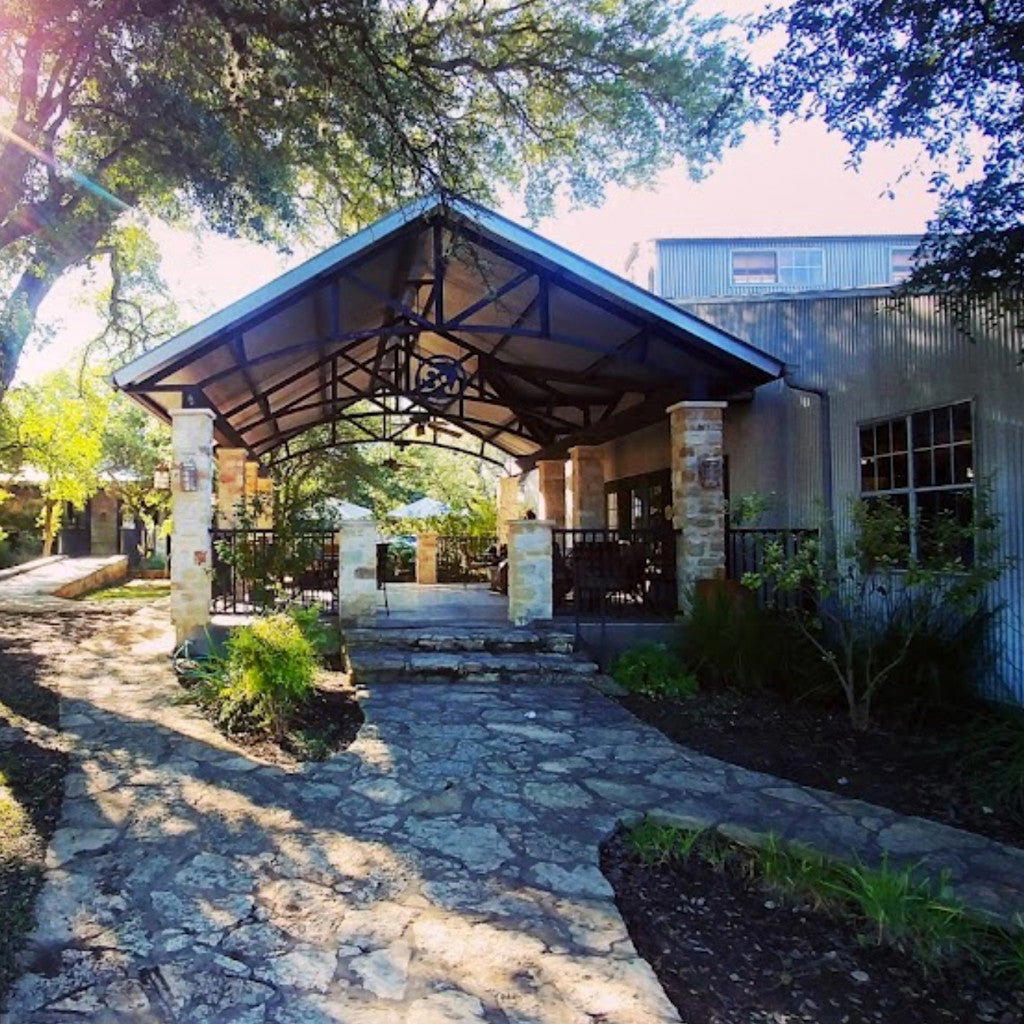
The indoor-outdoor format that Red River venues adopted over the past two decades reflects a practical response to Austin's climate and a philosophical one about live music. Outdoor stages extend the capacity of the room without the acoustic compromise of a larger enclosed hall. They also change the social contract of attendance: the crowd spills, reforms, and moves in ways that a fixed-seat auditorium never permits. Mohawk's layout follows that logic, with a covered outdoor stage and an indoor room that serve different functions within a single bill.
The Sustainability Calculus of a Working Venue
The conversation around environmental responsibility in live music tends to focus on touring — specifically, the carbon footprint of buses, flights, and freight. What receives less attention is the venue-side equation: how a room sources its materials, manages its waste streams, and structures its supply relationships. For a high-volume Red River venue operating multiple nights per week, those decisions compound quickly.
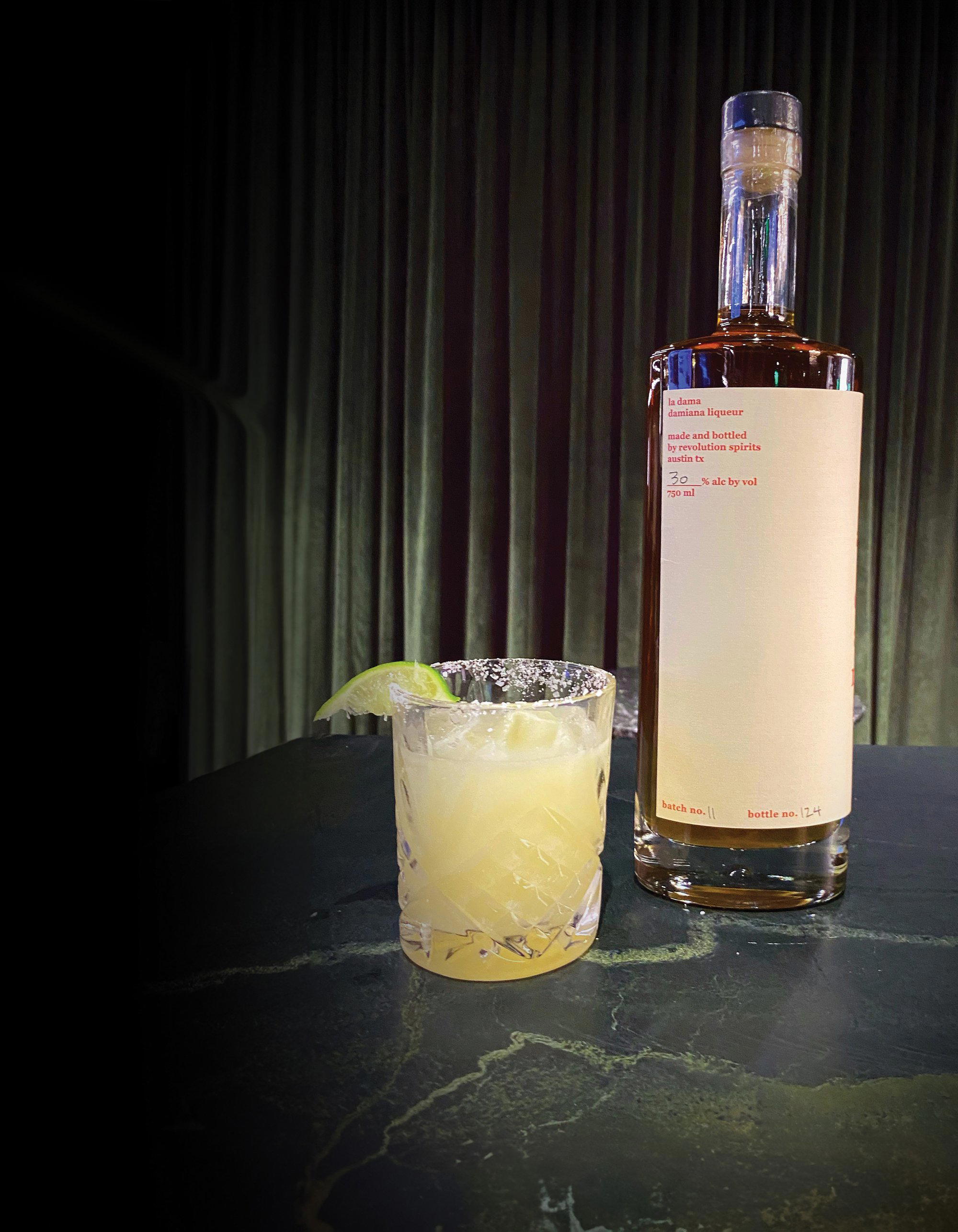
Austin's bar and venue scene has seen a gradual shift in how operators think about this. Several establishments along Red River and the surrounding East 6th corridor have moved toward local beverage sourcing as both an ethical stance and a competitive differentiator. Texas craft brewing and distilling have matured enough over the past decade that a venue can build a credible local-first drinks program without sacrificing range. That shift matters because it shortens supply chains, reduces transportation emissions, and keeps revenue circulating in the regional economy. A venue stocking Hill Country wines alongside local taps makes a different kind of argument than one defaulting to national distribution contracts.
The waste management side is less visible but equally consequential. High-volume venues generate significant packaging and food waste per operating night. Venues that have integrated composting programs and reduced single-use plastics have done so partly in response to Austin city sustainability initiatives and partly because the city's concertgoing audience has become more attentive to these signals. Red River's core audience skews toward younger demographics who treat a venue's operational ethics as relevant information when deciding where to spend the evening.
Programming Depth and What It Signals
In a city with Austin's live music density, programming is the primary way a venue establishes its identity. The Red River corridor has historically concentrated indie rock, punk-adjacent, and alternative bookings, which distinguishes it from the country and Americana that dominate 6th Street's older honky-tonk strip. Mohawk's booking history reflects that positioning: it has hosted touring acts at the stage between local-circuit and amphitheater scale, which is arguably the most competitive band tier to program consistently.
That mid-tier is also the most financially demanding for venues. Acts at that level command guarantees that require strong door numbers, which in turn require an audience that shows up reliably regardless of weather, week night, or competing bills. The venues on Red River that have survived are the ones whose audiences treat attendance as a default rather than a deliberated choice. That kind of loyalty does not develop through one-off events; it builds through years of consistent programming that trains a crowd to trust the room's judgment.
For regional comparison, Antone's Nightclub occupies a different position on the same street, with a blues lineage that shapes its booking identity distinctly from Mohawk's broader alternative range. Together they illustrate how a single block can support multiple venue personalities without the programming overlapping enough to produce direct competition.
Drinks, Local Supply, and the Bar's Role in the Evening
A venue of this format lives and dies partly on its bar operation. The outdoor stage configuration means the bar serves as both intermission destination and primary social space between sets. Austin's bar scene has raised the standard for what concertgoers expect from a venue pour. Nickel City and 2500 E 6th St have shifted the neighborhood baseline toward thoughtful drinks programs, and venues on Red River have had to respond. The era of beer-and-well-spirit-only programming is largely over for venues competing for the same Austin audience on the same nights.
What this means practically is that a venue like Mohawk operates in a drinks context defined partly by what its neighbors are doing. [Aba Austin]() contributes to a general upward pressure on cocktail quality across the district. When the bar at a live music venue is considered part of the experience rather than an afterthought, that changes how operators think about sourcing, staffing, and menu construction. A local-first beverage strategy also carries the sustainability argument made above: fewer SKUs traveling long distances, stronger ties to Texas producers, and a more traceable supply chain.
For visitors who want to benchmark Mohawk's drinks program against venues in other cities with comparable music-bar hybrids, Julep in Houston and Jewel of the South in New Orleans represent how southern bar culture has moved toward craft specificity. Further afield, Kumiko in Chicago and ABV in San Francisco show what a technically disciplined bar program looks like at the top of its category. Bar Leather Apron in Honolulu, Superbueno in New York City, and The Parlour in Frankfurt on the Main extend that international reference set for readers who track how American bar culture maps onto its global peers.
Planning Your Visit
| Detail | Mohawk Austin | Antone's Nightclub | Nickel City |
|---|---|---|---|
| Address | 912 Red River St, Austin TX 78701 | 305 E 5th St, Austin TX | 916 Springdale Rd, Austin TX |
| Format | Indoor/outdoor live music venue | Blues-focused live music room | Neighborhood dive bar |
| Booking | Ticketed shows; walk-in varies by event | Ticketed shows and walk-in | Walk-in |
| Leading for | Mid-scale touring acts, local bills | Blues and legacy programming | Casual drinks, no cover |
| Drinks focus | Bar operation tied to show nights | Bar service during shows | Beer and cocktail depth |
For a broader map of Austin's bar and venue scene, see our full Austin restaurants guide.
Continue exploring
More in Austin
Bars in Austin
Browse all →
Restaurants in Austin
Browse all →
Hotels in Austin
Browse all →
At a Glance
- Lively
- Energetic
- Well Known
- Trendy
- Group Outing
- Late Night
- Live Music
- Outdoor Terrace
- Standing Room
- Classic Cocktails
- Street Scene
Current opening hours
- Monday
- 6 PM–2 AM
- Tuesday
- 6 PM–2 AM
- Wednesday
- 6 PM–2 AM
- Thursday
- 6 PM–2 AM
- Friday
- 6 PM–2 AM
- Saturday
- 6 PM–2 AM
- Sunday
- 6 PM–2 AM
Hours can change for holidays and private events. Last verified .
Lively and energetic atmosphere with excellent sound from balconies and stages, scene-y with indie-rock crowds.
Know Before You Go
- Getting there
- 912 Red River St, Austin, TX 78701