
World's 50 Best #49
On the 13th floor of a Ginza tower, Mixology Salon occupies the upper tier of Tokyo's serious bar scene, earning back-to-back Asia's Best Bars recognition in 2018 and 2019. The programme leans on Japanese precision and craft technique, drawing regulars and first-timers alike who want something more considered than a hotel bar.

Pearl is the En Primeur Club membership app, where members save venues, book tables and use the concierge.
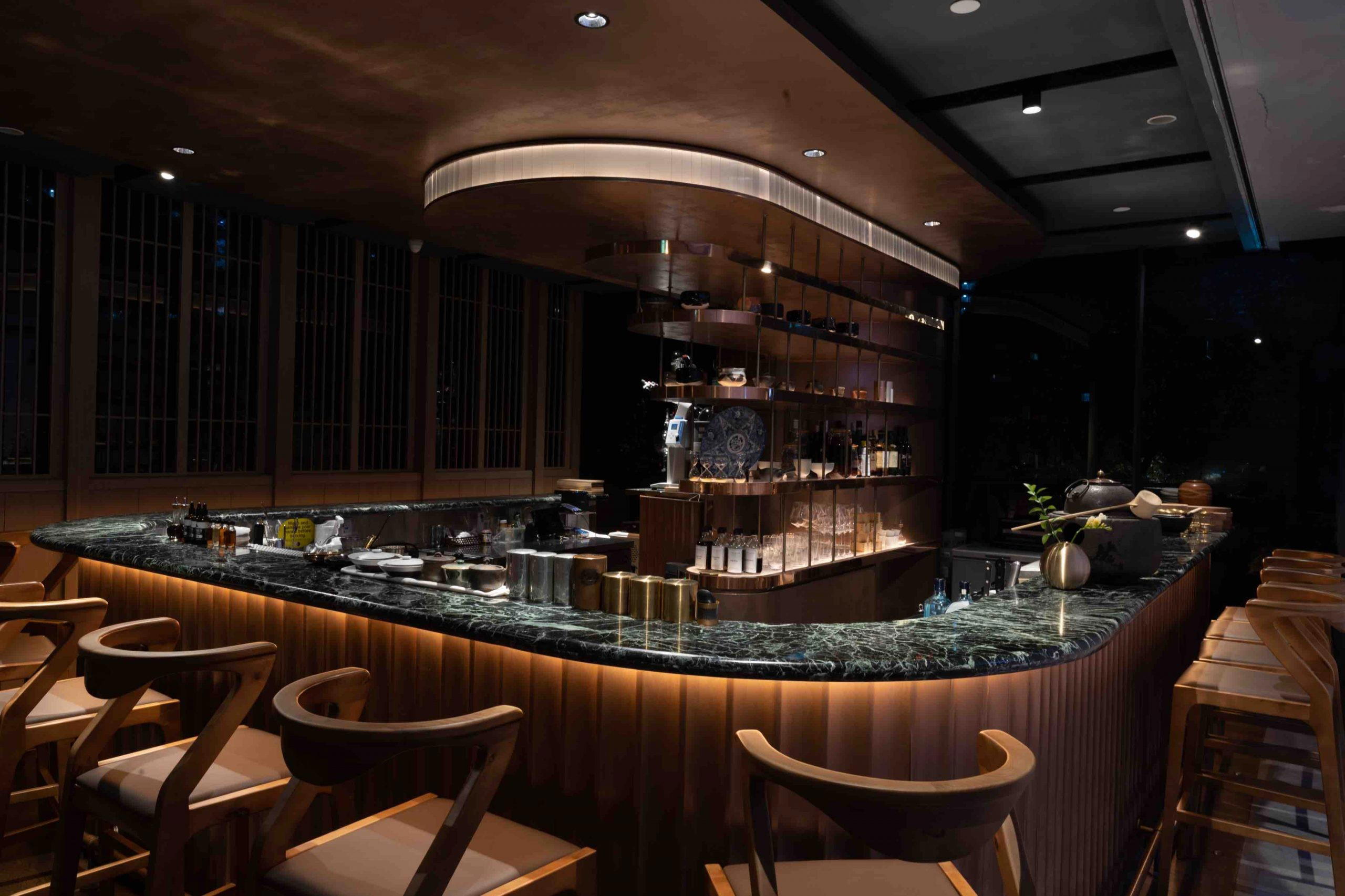
Thirteen floors above Ginza's 6-chome intersection, the elevator opens into a space that operates at a remove from the street-level noise of one of Tokyo's most commercially dense neighbourhoods. The physical distance is part of the proposition. Ginza's bar culture has always understood altitude as a form of curation: the higher you go, the more deliberate the experience is expected to be. Mixology Salon, addressed at 6-10-1 Chuo City, occupies that refined tier both literally and in terms of its competitive positioning within the city's craft cocktail circuit.
Where Mixology Salon Sits in the Ginza Bar Tradition
Ginza has sustained a serious bar culture for decades, anchored by a handful of counters where technique, ingredient sourcing, and hospitality discipline are treated as inseparable. The neighbourhood's classical whisky and shochu bars long defined what Tokyo drinking meant to international visitors. Over the past fifteen years, a second wave of programmes built on cocktail craft, precision dilution, clarification, seasonal Japanese botanicals, has claimed its own territory alongside those older institutions.
The Asia's Leading Bars list, run under the World's 50 Best umbrella, draws on a voting academy of industry professionals and experienced drinkers across the region. Placement on that list, particularly in consecutive years, signals a programme that sustains rather than spikes. A bar that appears once might be catching a moment; one that returns, especially in a market as competitive as Tokyo, is demonstrating consistency. That consistency is what positions Mixology Salon against peers like Bar High Five in Ginza and Bar Orchard Ginza nearby, each of which operates with its own technical identity but shares the same neighbourhood commitment to craft over convenience.
The Japanese Approach to Cocktail Craft
To understand what a bar like this is doing, it helps to understand what Japanese cocktail culture has historically prioritised. In many Western markets, the bar programme is built outward from flavour, what can we combine to produce novelty or pleasure? In Japan, the approach more often moves inward from process. How the ice is cut, how the glass is chilled, how a stirred drink is turned at the exact right speed to achieve dilution without oxidation: these are the disciplines that serious Japanese bartenders have spent decades refining. The result is a category of bar where the drink is the endpoint of a much longer chain of decisions, most of which the guest never sees.
That philosophy places Tokyo bars in a different conversation from their counterparts in London or New York, where narrative and showmanship often carry equal weight. Tokyo's leading programmes, including those in Ginza specifically, are more likely to let the drink make the argument. For the drinker accustomed to the Western model, this can initially read as restraint. It is, more precisely, confidence. Bar Libre and Bar Benfiddich, two other Tokyo programmes with strong reputations, each demonstrate this in different registers, one leaning toward classical structure, the other toward botanical experimentation, and Mixology Salon's position on the same regional list suggests it operates in a similar register of seriousness.
The 13th Floor as a Context for Drinking
High-floor bars in Tokyo carry a specific kind of weight. The city's density means that ground-level space is either extremely expensive or extremely casual; the properties that put serious programmes above the tenth floor tend to do so because they can command the view and the separation from the street that guests paying for a considered experience expect. The 13th floor at 6-10-1 Ginza is not a rooftop terrace with a cocktail list as an afterthought. It is a bar programme that happens to have a view, and that distinction matters in how you approach a visit.
The address places the bar within easy reach of Ginza Station's multiple exits, which connect the A, C, G, and H lines. Ginza's bar district operates on a later schedule than restaurant Tokyo, with programmes typically building toward the late evening. If you are planning around a dinner elsewhere in the neighbourhood, factoring Mixology Salon in as a destination after rather than before makes logistical sense and matches the rhythm of how the area functions on weekday and weekend evenings alike.
Ginza's Bar Circuit in a Wider Japanese Context
Tokyo's concentration of award-recognised bars is unusual even within Japan. Other cities have developed serious programmes, Bar Nayuta in Osaka and Bee's Knees in Kyoto represent the depth of the craft bar scene beyond the capital, and Lamp Bar in Nara has earned its own international recognition. More regionally, Yakoboku in Kumamoto demonstrates how far Japan's bar culture now extends from its urban centres. Even beyond Japan, the same technical rigour appears in places like Bar Leather Apron in Honolulu, where Japanese bar training has influenced the programme's direction. But Ginza remains the reference point: the neighbourhood where Japan's bar identity consolidated and where international recognition has most consistently followed. Mixology Salon's Asia's Leading Bars appearances were earned in that context, measured against programmes across a region that now includes some of the world's most technically sophisticated bar operations.
For reference, the bar scene across Japan has generated enough depth that even emerging city programmes, like anchovy butter in Osaka and Kyoto Tower Sando, are building on foundations that Tokyo's Ginza bars helped establish. The lineage is traceable.
Planning Your Visit
Mixology Salon sits at 6-10-1 Ginza, Chuo City, Tokyo, on the 13th floor. Given that booking details are not publicly consolidated in a single channel, the most reliable approach is to contact the bar directly on arrival or through your hotel concierge, particularly if you are visiting on a Friday or Saturday evening when Ginza's bar circuit operates at full capacity. Our full Tokyo guide includes broader context on the city's bar and restaurant scene if you are building a multi-night itinerary around the neighbourhood.
Budget Reality Check
Comparable venues nearby, for context on price, style, and recognition.
| Venue | Price | Awards | Notes |
|---|---|---|---|
| Mixology SalonThis venue (the venue you are viewing) | $30–50 | World's 50 Best #49 | Not listed |
| Memento Mori | $30–50 | World's 50 Best #41 | Minato, cocktail_bar |
| Gen Yamamoto | $100–150 | World's 50 Best #34 · Top 500 Bars Best Bars #257 | Minato, cocktail_bar |
| Codename Mixology Akasaka | $50–100 | World's 50 Best #36 | Minato, cocktail_bar |
| Tokyo Confidential | $50–100 | World's 50 Best #70 · Top 500 Bars Best Bars #89 | Minato, rooftop_bar |
| Gold Bar | $50–100 | World's 50 Best #67 · Tatler Listed in Best Bars Asia-Pacific | Minato, cocktail_bar |
Recognition history
Dated appearances from independent guides and award organizations, with the underlying list record or original source where available.
World's 50 Best Asia's Best Bars #49
World's 50 Best
Full recognition history (2 entries)
World's 50 Best Asia's Best Bars #40
World's 50 Best
Continue exploring
More in Tokyo
Bars in Tokyo
All bars in Tokyo →

Restaurants in Tokyo
All restaurants in Tokyo →

Mixology Salon
The drinks
- Craft cocktails
Signature drinks: Gyokuro Martini, Green Tea Old Fashioned, Hoji Cha cocktail.
Details
- Elegant
- Intimate
- Sophisticated
- Modern
- Cozy
- Date Night
- Special Occasion
- Design Destination
- Counter Only
- Seated Bar
- Craft Cocktails
- Low Abv
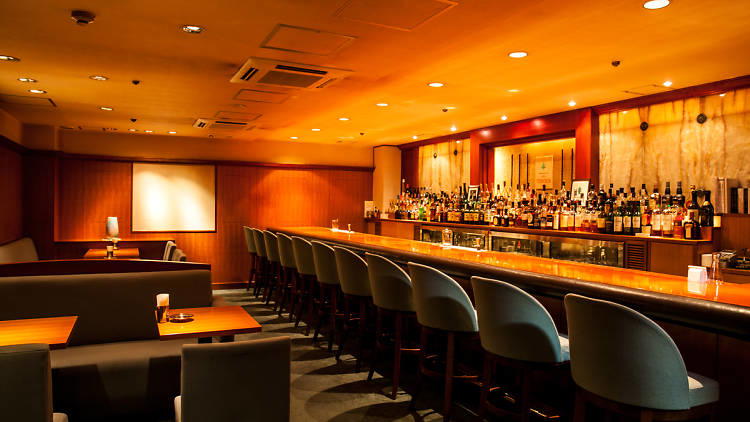
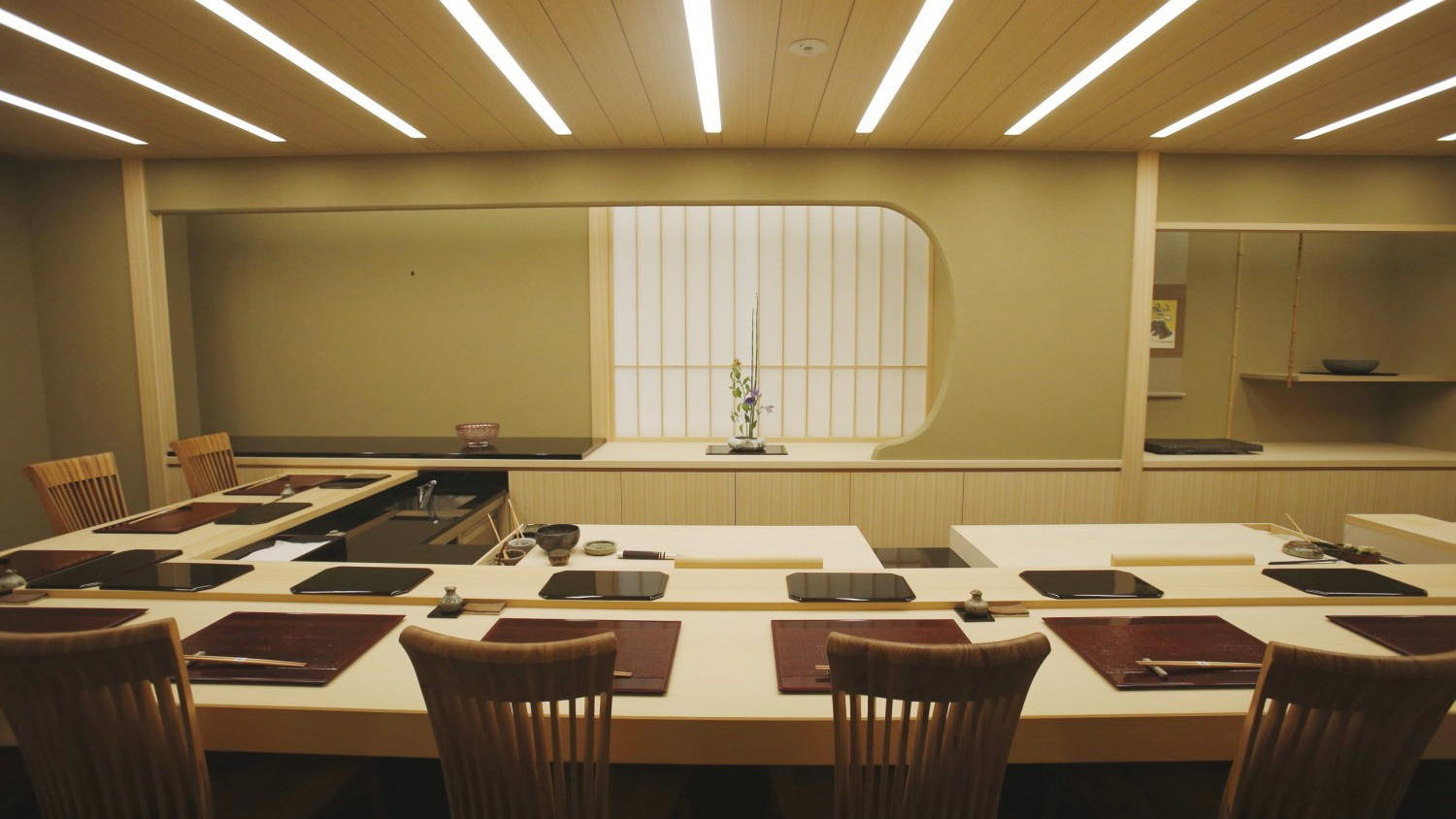
Refined and elegant space blending Japanese and Western elements with a clean, minimal, and welcoming tea bar-like atmosphere.