On Queen Street East, where Leslieville's dining scene runs decidedly casual, MARU Japanese Bistro occupies a register that pairs izakaya-style food with a considered drinks programme. The format sits between neighbourhood hangout and destination dining, drawing a crowd that comes as much for what's in the glass as what's on the plate.
Pearl is the En Primeur Club membership app — saves, bookings, and concierge access live there. Same editors, same standards.
- Address
- 1402 Queen St E, Toronto, ON M4L 1C9, Canada
- Phone
- +1 416 466 4666
- Website
- marubistro.com
- Directions
- Get directions
 Saves & bookings on Pearl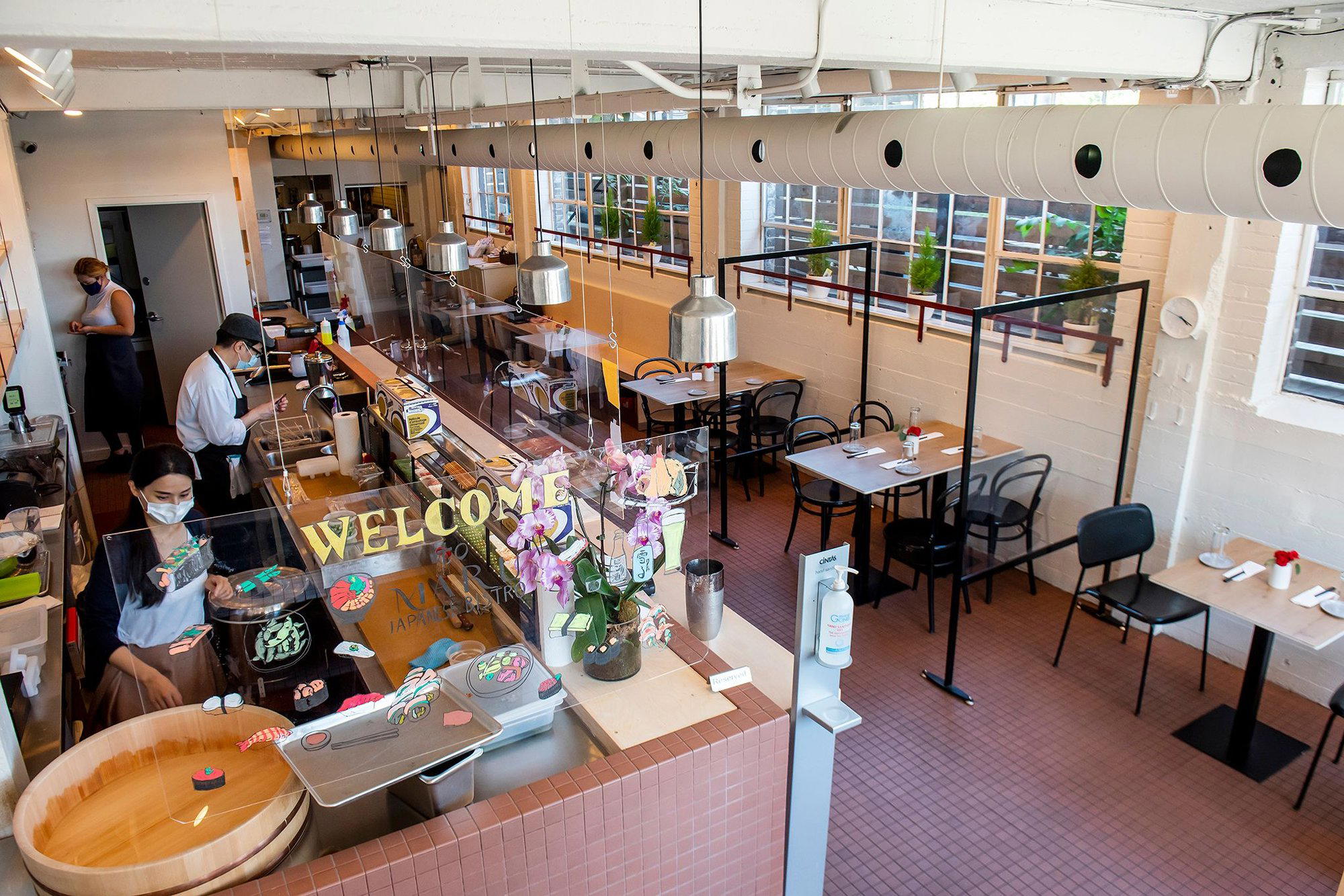
Where the Food Follows the Drink
Queen Street East between Broadview and Coxwell has long operated as Toronto's low-key counterpoint to the King West dining corridor. The neighbourhood rewards the visitor who is willing to travel east: rents are lower, rooms are smaller, and the cooking tends to be more personal. In that context, a Japanese bistro format, small plates, a tight drinks list, an iterated rather than encyclopaedic menu, makes particular sense. The logic of izakaya dining has always been that the kitchen exists to serve the evening, not to anchor it. At MARU Japanese Bistro at 1402 Queen St E, that philosophy finds a Toronto expression.
The izakaya tradition, for all its transplantation into North American dining rooms, remains among the more drink-forward formats in East Asian cuisine. The kitchen's job is to produce food that extends the session: saline, fatty, and acidic in rotation, designed to reset the palate rather than satisfy it completely. That structural logic is worth keeping in mind when approaching MARU's programme. The editorial question is not simply what the kitchen produces, but how closely the food-and-drink relationship holds together in practice.
The Izakaya Format in a Toronto Neighbourhood
Toronto's Japanese dining scene has stratified considerably over the past decade. At the leading end, omakase counters in the downtown core operate on reservation windows of weeks to months and price against a comparable set of comparable precision kitchens. Below that tier sits a broader category of ramen shops, sushi chains, and fusion-adjacent operations that prioritise volume. The Japanese bistro, something between those poles, occupies a more interesting space: enough kitchen ambition to merit attention, enough accessibility to function as a repeat-visit neighbourhood anchor.
Leslieville, where MARU operates, supports that middle register well. The area's dining character has been shaped by an independent operator culture that favours small rooms and specific points of view over scale. The Queen East strip in particular runs toward the kind of room where the owner is likely present and the menu changes with what's available, rather than what's contractually listed. For a format as session-oriented as izakaya, that flexibility matters: a rotating small-plates programme is considerably more compelling alongside a drinks list that is itself periodically refreshed.
For a broader survey of where Toronto's bar-and-food programmes intersect, see our full Toronto restaurants guide.
Food as a Pairing Programme
The strongest izakaya kitchens outside Japan tend to share a discipline: the menu is edited to what pairs, not what impresses in isolation. That means the richest dishes, fried chicken karaage, skewered proteins with tare or salt finishes, chilled tofu, appear alongside something brighter and more acidic to keep the session moving. The structural contrast between fat and acid, between warm and cold plates, between starch and protein, is baked into the format at a category level.
What distinguishes the better operators in this category is attentiveness to that pairability principle across both the food and drinks sides. A sake list that runs only junmai daiginjo, clean, light, fragrant, will work beautifully with delicate preparations but fight against anything fried or deeply savoury. A kitchen that produces only rich, sauced plates narrows the drinks programme by default. The better approach, standard in well-run izakayas, is to build both lists with enough range that guests can construct their own pairing logic across the course of an evening. Whether MARU's current programme achieves that balance is a function of its present menu, which EP Club will update as verified data becomes available.
The Toronto Bar Programme Context
Toronto's bar scene in 2024 and 2025 has consolidated around a handful of reference points. Bar Raval set a high mark for the food-integrated bar format, pairing a serious vermouth and sherry programme with a pintxos-influenced kitchen that treats the food as equal to the drink. Bar Mordecai operates a different model, one where the cocktail programme is the primary draw and the food functions as a supporting card. Bar Pompette leans into natural wine with snacks designed to sit alongside low-intervention bottles. Civil Liberties has built its reputation on whisky depth with bar snacks as an afterthought.
MARU occupies a different axis from all four: the Japanese bistro format implies a drinks programme built around sake, shochu, Japanese whisky, and potentially a short cocktail list that uses those spirits as base or modifier. That comparable set is smaller within Toronto than the wine-bar or cocktail-bar categories, which gives the format a degree of structural distinction. Whether the drinks programme is built with the same intentionality as the food, or whether one side leads and the other follows, is the question that determines how the venue functions as an evening proposition.
Across Canada, the food-integrated bar format has found different expressions. Atwater Cocktail Club in Montreal runs a technically precise cocktail programme with a kitchen that amplifies rather than competes. Botanist Bar in Vancouver uses a garden-sourced ingredient philosophy across both food and drinks. Humboldt Bar in Victoria, Missy's in Calgary, Bearfoot Bistro in Whistler, Grecos in Kingston, and Bar Leather Apron in Honolulu each represent variations on the same core question: how tightly does the food programme bind to the drinks list? In MARU's case, the izakaya format makes that question structural rather than optional.
Arriving and Planning
MARU Japanese Bistro is located at 1402 Queen St E in Leslieville, accessible from the 501 Queen streetcar eastbound from Union or King stations. The neighbourhood is walkable from Broadview subway station in approximately fifteen minutes. As with most independent operators on Queen East, visiting earlier in the week tends to produce a more relaxed experience than Friday or Saturday, when the strip fills across the board.
Know Before You Go
- Address: 1402 Queen St E, Toronto, ON M4L 1C9
- Neighbourhood: Leslieville, east of Broadview
- Transit: 501 Queen streetcar; approximately 15 minutes' walk from Broadview station
- Hours: Not confirmed, verify directly before visiting
- Bookings: Not confirmed, check with venue
- Format: Japanese bistro / izakaya-adjacent small plates
Cuisine Context
Comparable venues nearby, for context on price, style, and recognition.
| Venue | Cuisine | Price | Notes |
|---|---|---|---|
| MARU Japanese BistroThis venue — the venue you are viewing | sake_bar | $$ | Not listed |
| The Shameful Tiki Room Toronto | tiki_bar | $$ | West Queen West |
| Comedy Bar | lounge | $$ | Palmerston-Little Italy |
| ZUI Beer Bar | beer_bar | $$ | Newtonbrook East |
| Barrio Cervecería | beer_bar | $$ | South Riverdale |
| Superpoint | wine_bar | $$ | Trinity Bellwoods |
Continue exploring
More in Toronto
Bars in Toronto
Browse all →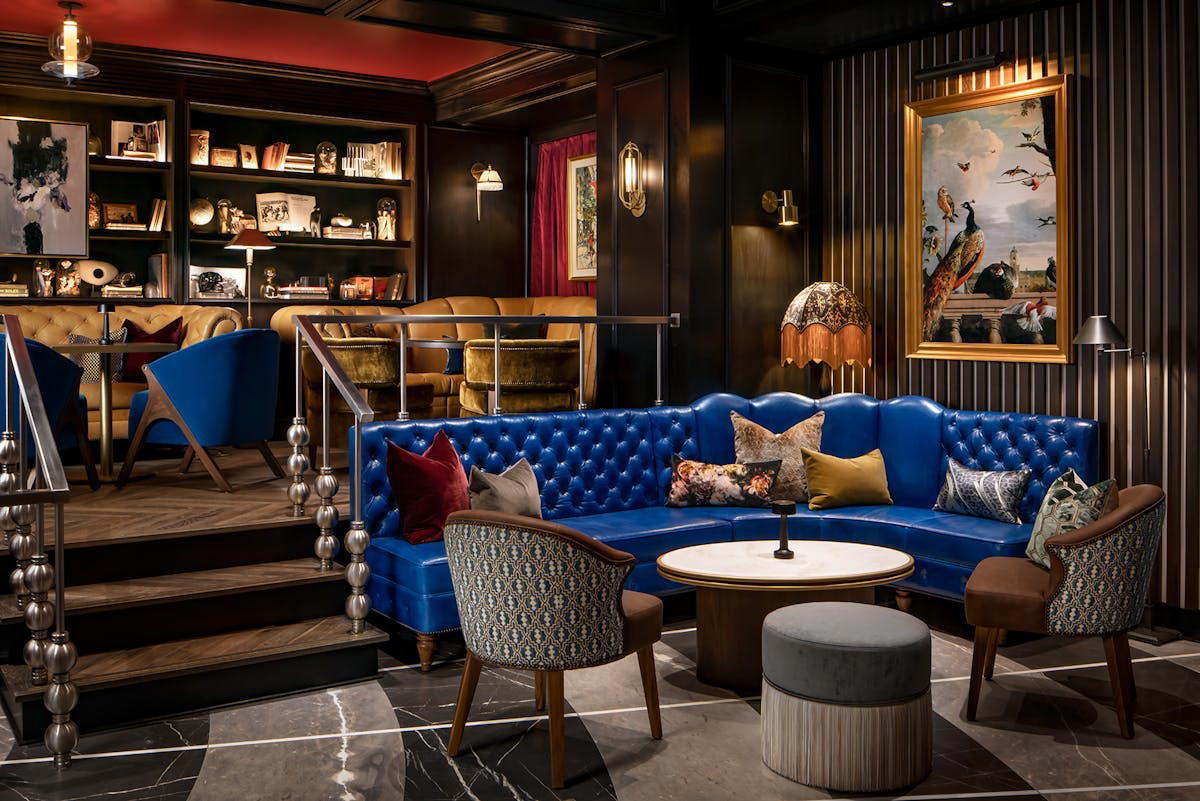
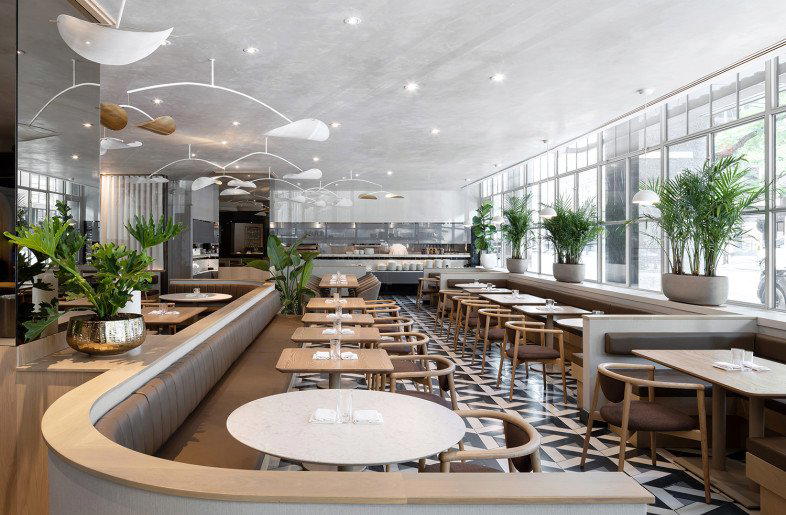
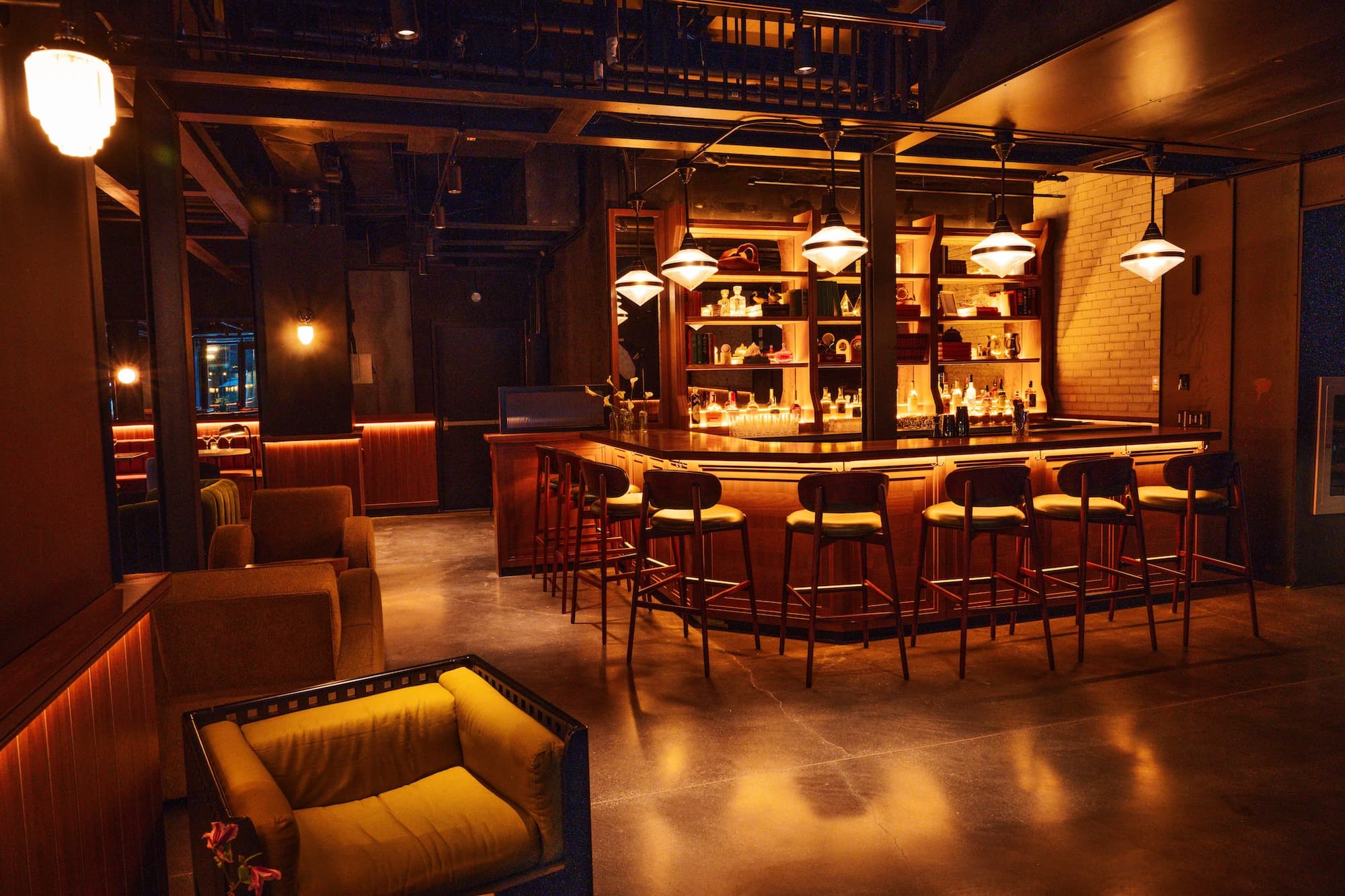
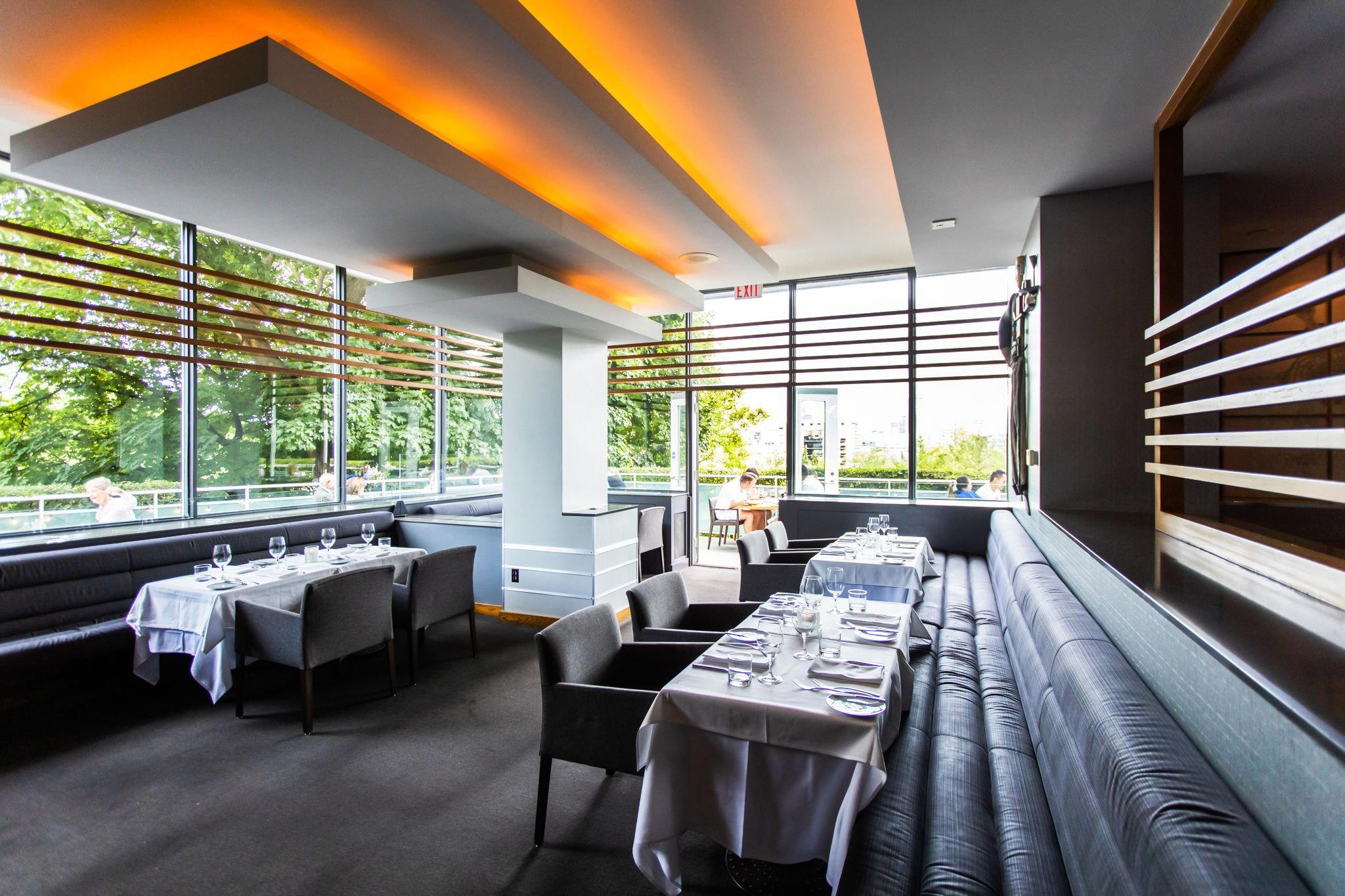
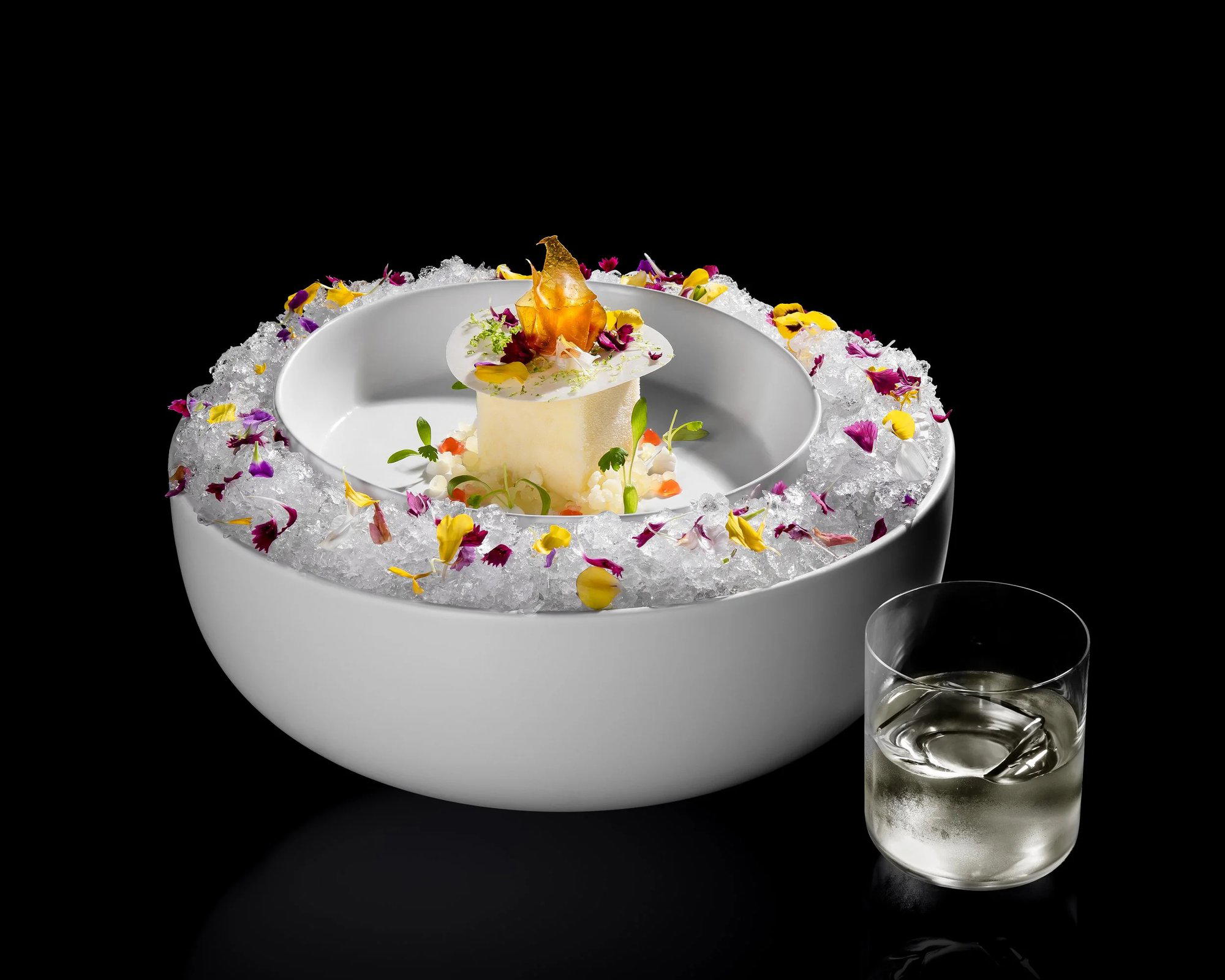
Restaurants in Toronto
Browse all →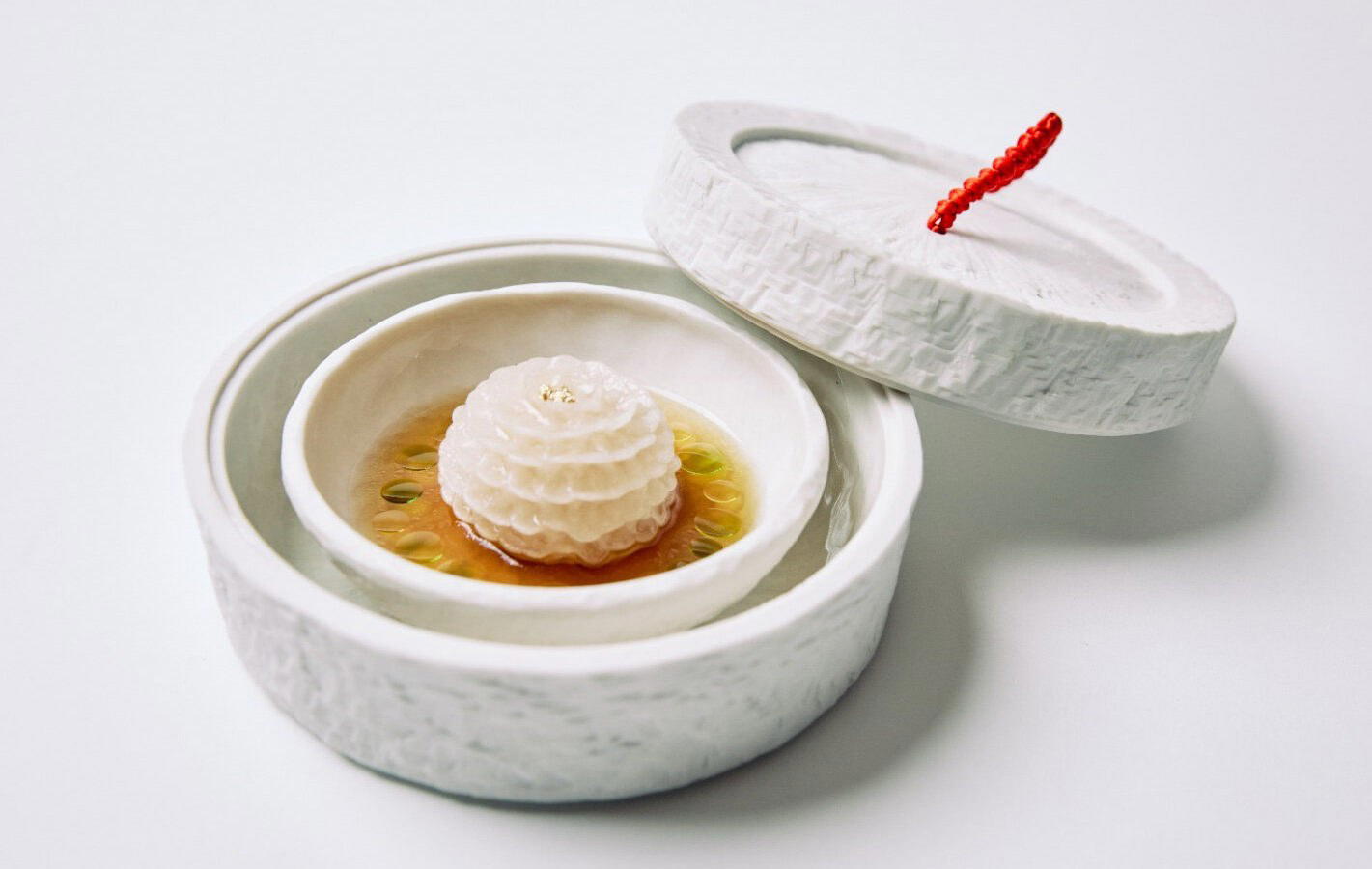
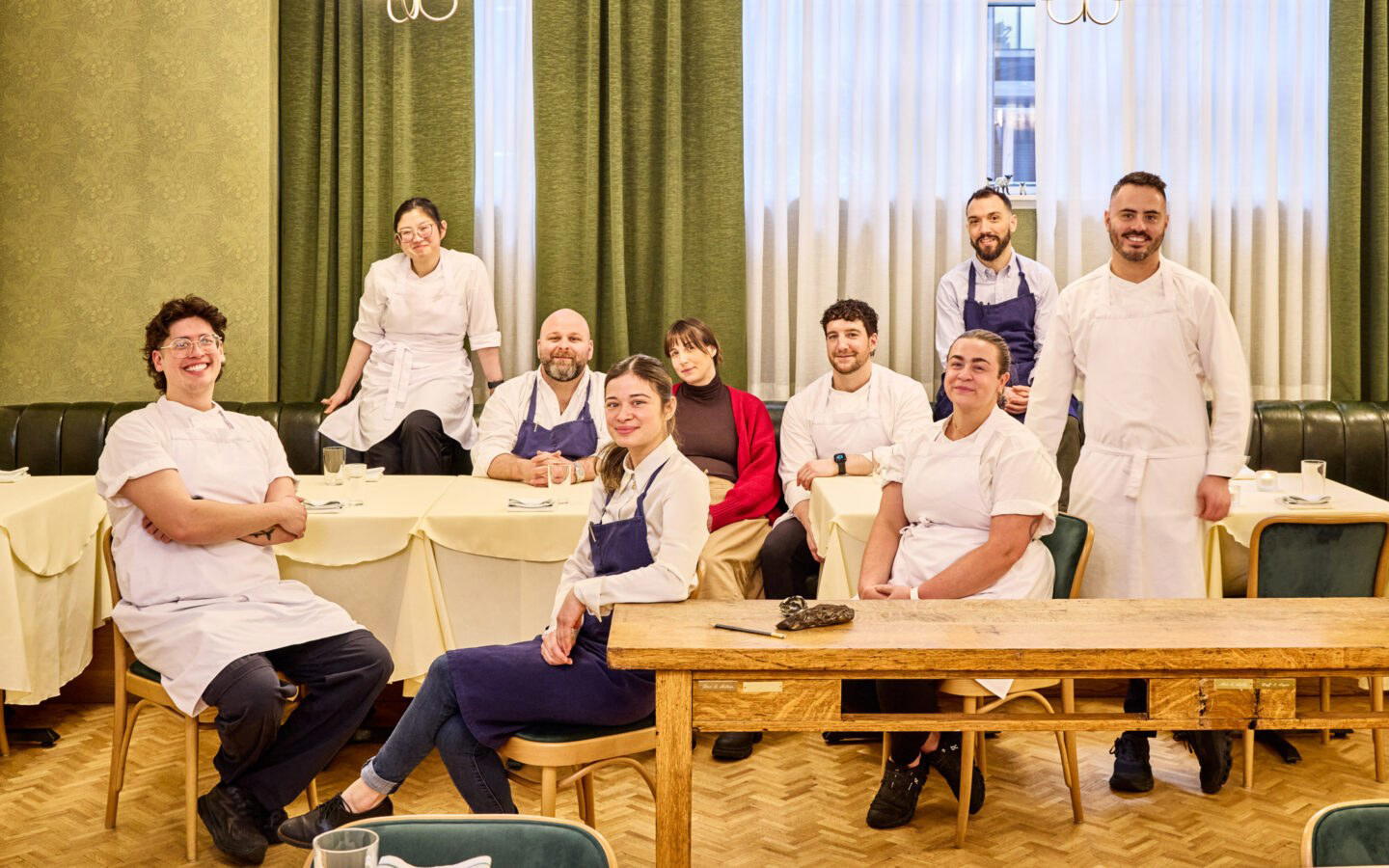
Hotels in Toronto
Browse all →


At a Glance
- Modern
- Cozy
- Date Night
- Casual Hangout
- Standalone
- Seated Bar
- Sake
- Craft Beer
Current opening hours
- Monday
- Closed
- Tuesday
- Closed
- Wednesday
- 12–8:30 PM
- Thursday
- 12–8:30 PM
- Friday
- 4–10 PM
- Saturday
- 4–10 PM
- Sunday
- 12–8:30 PM
Hours can change for holidays and private events. Last verified .
Welcoming and cordial with soft music, friendly attentive staff, and meticulous presentation.