Maple Leaf Bar
On a stretch of Oak Street that anchors Uptown's live music corridor, Maple Leaf Bar has operated as a working neighborhood venue long enough to carry genuine institutional weight in New Orleans. The bar is known for zydeco and brass band nights that draw regulars rather than tourists, placing it in a different category from the city's more polished cocktail rooms. It sits at 8316 Oak St, well outside the French Quarter circuit.

Pearl is the En Primeur Club membership app — saves, bookings, and concierge access live there. Same editors, same standards.
- Address
- 8316 Oak St, New Orleans, LA 70118
- Phone
- (504) 866-9359
- Hours
- Mon–Thu 5 PM–1 AMFri–Sat 5 PM–2 AMSun 4 PM–1 AM
- Website
- mapleleafbar.com
- Directions
- Get directions
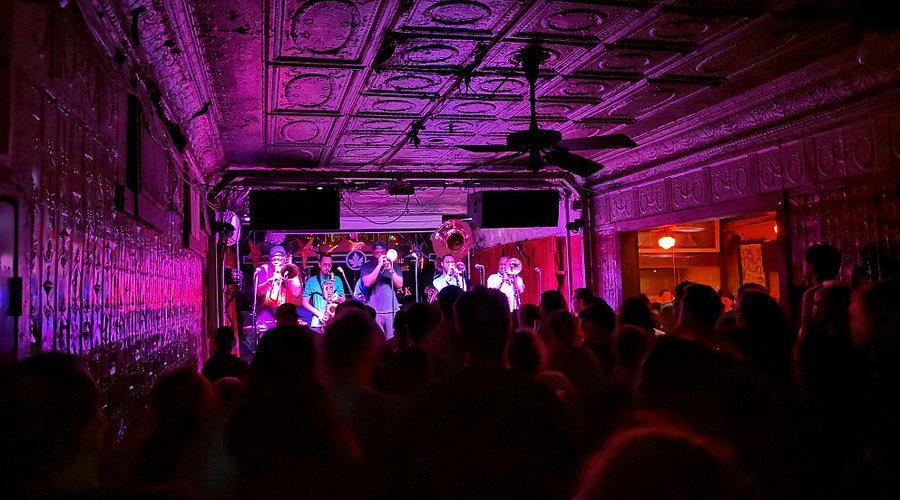
Oak Street After Dark: The Long Arc of a New Orleans Neighborhood Bar
New Orleans has always operated two parallel bar economies. One runs through the French Quarter and the Marigny, where venues calibrate to tourists arriving with a short itinerary and a appetite for spectacle. The other runs through the neighborhoods, where bars earn their footing over decades and audiences form out of proximity, loyalty, and shared musical taste. Maple Leaf Bar, at 8316 Oak St in Uptown, belongs firmly to the second economy, and has for long enough that its address functions as a kind of coordinate for a particular strain of New Orleans nightlife.
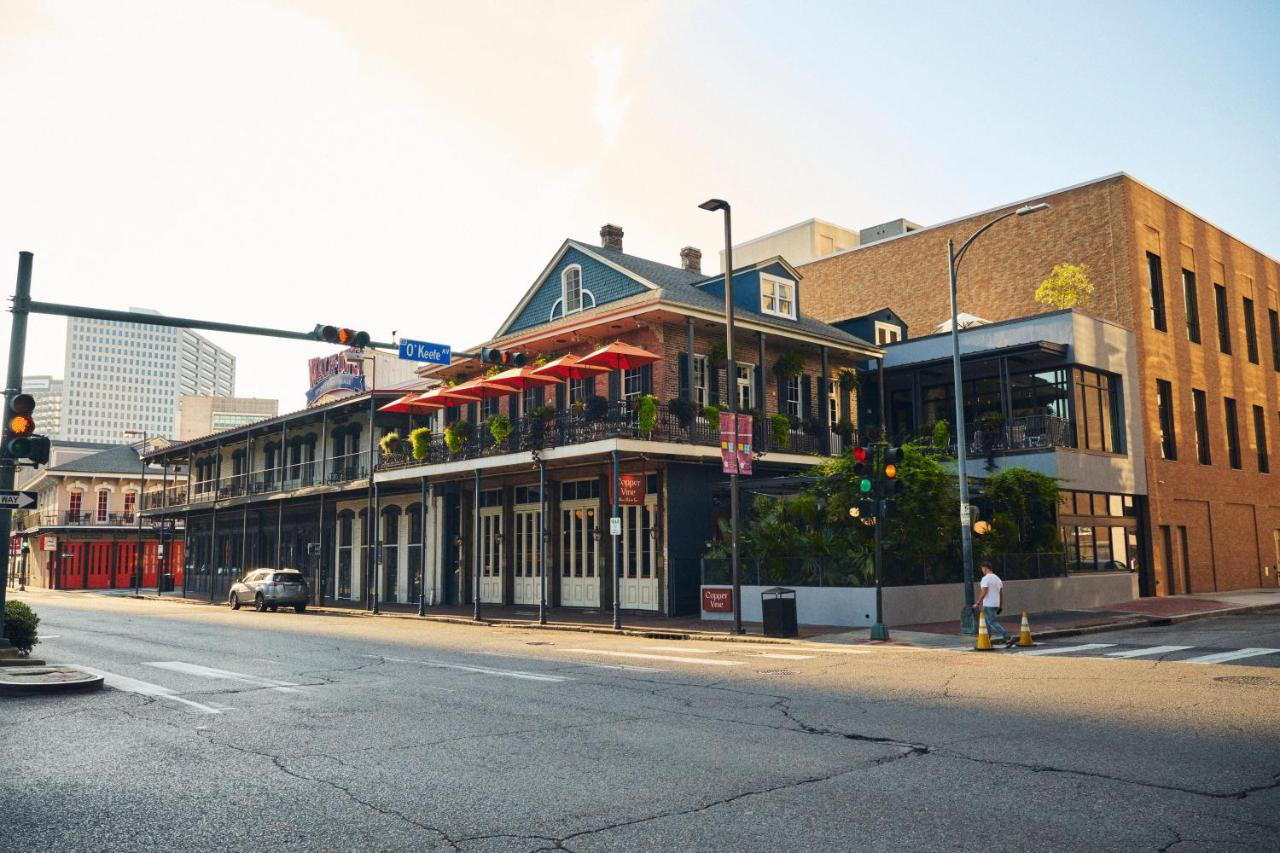
The Uptown corridor along Oak Street has its own gravitational logic. It is walkable from Tulane and Loyola, deep enough into residential territory to filter out most casual French Quarter traffic, and old enough as a commercial strip to have layered different eras of neighborhood culture on top of each other. Maple Leaf occupies that layering visibly. The building carries the worn authority of a space that has absorbed decades of late nights, seasonal flooding, and the particular entropy that New Orleans inflicts on its structures. Approaching the bar, what registers first is the sound: the room is not designed to contain music so much as to amplify it outward, which places it in a tradition of New Orleans venues that treat the sidewalk as an extension of the stage.
How the Room Has Changed — and What Has Held
Bars that survive long enough in New Orleans tend to do so through a combination of stubbornness and strategic adaptation. The city's nightlife has shifted considerably since the 1970s, when the Uptown bar scene was less self-conscious about its identity and more straightforwardly local. Post-Katrina, the economics of operating a neighborhood bar in New Orleans changed, as real estate pressures and demographic shifts pushed many long-standing venues into either closure or significant reinvention. Maple Leaf navigated that period and emerged with its music programming intact, which is the more meaningful measure of continuity for a bar of this type.
The evolution that matters most at Maple Leaf is the one that didn't happen. In a city where cocktail culture has grown increasingly sophisticated, pulling resources and attention toward program-driven bars like Cure and Jewel of the South, Maple Leaf held its format. The bar did not pivot toward a curated spirits list or a signature cocktail identity. It remained a music venue where drinks are functional rather than central. That is not a failure of ambition; it is a category position. The audience for Maple Leaf is not the same audience that books a table at a craft cocktail room, and the bar has never behaved as though it were competing for that audience.
What has shifted is the bar's relationship to its own reputation. A venue that spent its first decades as purely local has, over time, accumulated enough of a public record to attract visitors who seek it out deliberately. The Tuesday night Rebirth Brass Band residency became a reference point that travels beyond New Orleans, which means the crowd on any given Tuesday now includes a percentage of people who have done research rather than simply walked in. That dynamic introduces a tension familiar to any long-running neighborhood institution: how to absorb an influx of intentional visitors without displacing the local regulars who gave the place its character in the first place.
Where It Sits in the New Orleans Bar Spectrum
The New Orleans bar scene in the 2020s has stratified more sharply than it did a generation ago. At one end, program-led cocktail bars with national profiles compete on the same terms as their counterparts in cities like Chicago, where Kumiko operates, or San Francisco, where ABV has built its reputation, or New York, where Superbueno represents a different kind of precision. At the other end, dive bars and corner spots serve purely neighborhood functions with no broader profile to speak of. Maple Leaf occupies a third position: a venue with genuine local authority and some external visibility, but no interest in the mechanics of the cocktail program arms race.
That positioning makes it a different kind of stop than Beachbum Berry's Latitude 29, which is organized around a specific drinks philosophy and a collector's relationship to tiki culture, or than the themed theatricality that drives places like Allegory in Washington, D.C. The Maple Leaf experience is built on music first, with the bar operating as infrastructure for that experience rather than as the experience itself. Internationally, bars with this structure, where live performance is the draw and the bar is the mechanism, exist in most cities with strong music cultures, but they rarely accumulate the institutional weight that Maple Leaf has. The comparison is closer to a venue like The Parlour in Frankfurt on the Main in terms of the seriousness with which a room can commit to a format over time, even if the specific formats differ completely.
Practical Orientation
Maple Leaf Bar sits at 8316 Oak St in the Uptown neighborhood, considerably west of the French Quarter and the Bywater. Getting there from the Quarter requires either a cab, rideshare, or the St. Charles streetcar to the Oak Street area, which adds a logistical step that filters the audience meaningfully. The bar does not operate on a reservation model; it is a walk-in venue, and the experience on busy music nights reflects that. Capacity in the main room is limited enough that arriving early for high-profile performances matters. Drink prices are consistent with a neighborhood bar rather than a cocktail program venue, which is part of the implicit contract the place has always maintained with its audience. For visitors building an Uptown evening, the Oak Street stretch offers enough additional options that Maple Leaf functions well as an anchor stop rather than the entirety of a night. Those interested in contrasting the neighborhood bar format against more technique-driven rooms might also look at Julep in Houston or Bar Leather Apron in Honolulu for a sense of how differently bars can organize around a core identity. And for visitors who want to round out an Uptown neighborhood circuit, 2 Phat Vegans provides a different but locally rooted option on the same side of the city.
Category Peers
| Venue | Cuisine | Price | Awards |
|---|---|---|---|
| Maple Leaf BarThis venue — the venue you are viewing | Not listed | $20–30 | Not listed |
| Jewel of the South | New American | Not listed | World's 50 Best #6 · James Beard Award Outstanding Bar #1 |
| Beachbum Berry's Latitude 29 | Not listed | $30–50 | World's 50 Best #80 · Top 500 Bars Best Bars #244 |
| Cure | Not listed | $30–50 | World's 50 Best #21 · James Beard Award Outstanding Bar Program |
| Cane & Table | Not listed | $30–50 | Top 500 Bars Best Bars #288 |
| The Carousel Bar | Not listed | $30–50 | Food & Wine Top 10 US Hotel Bars #3 · Top 500 Bars Best Bars #280 |
Continue exploring
More in New Orleans
Bars in New Orleans
Browse all →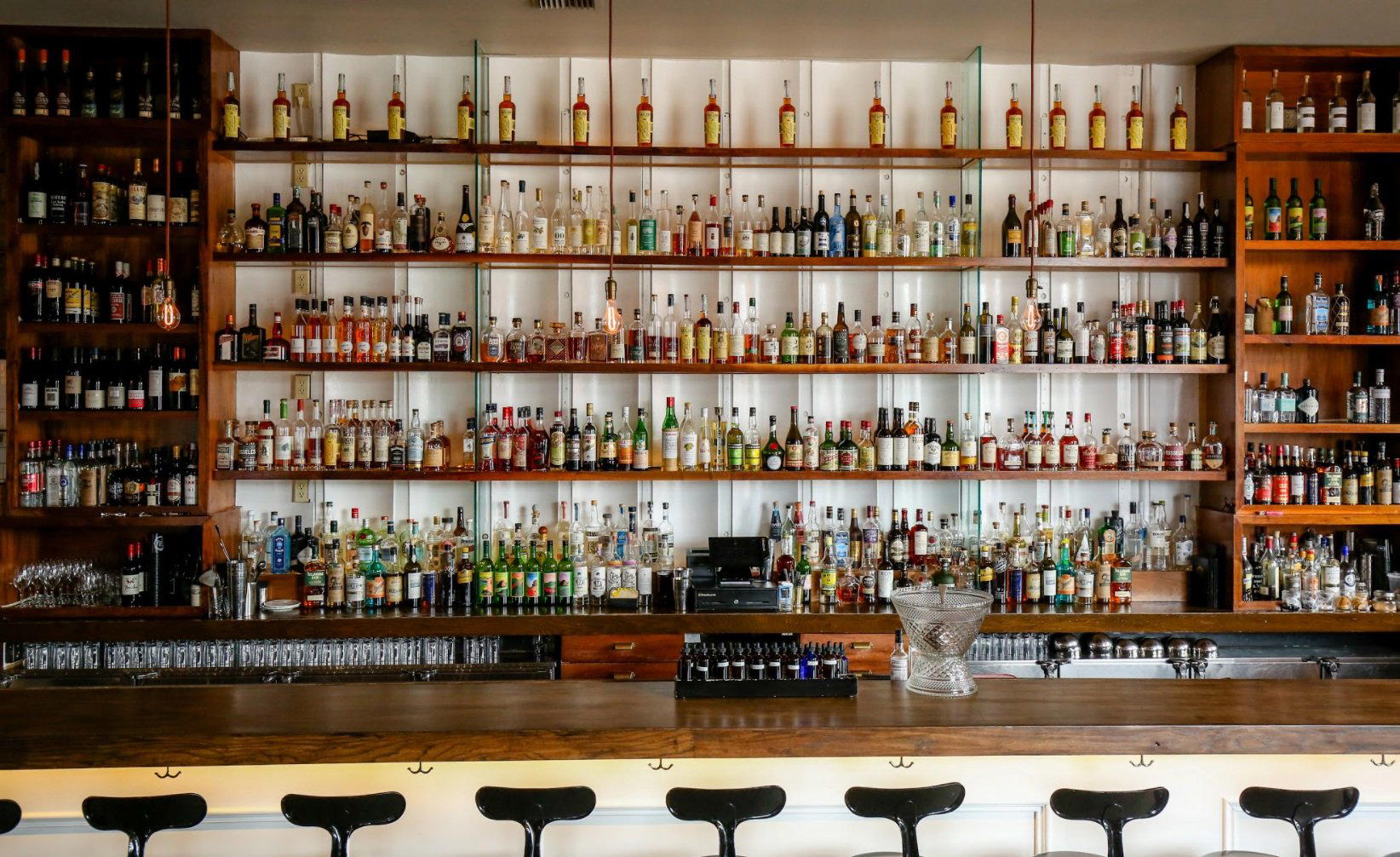
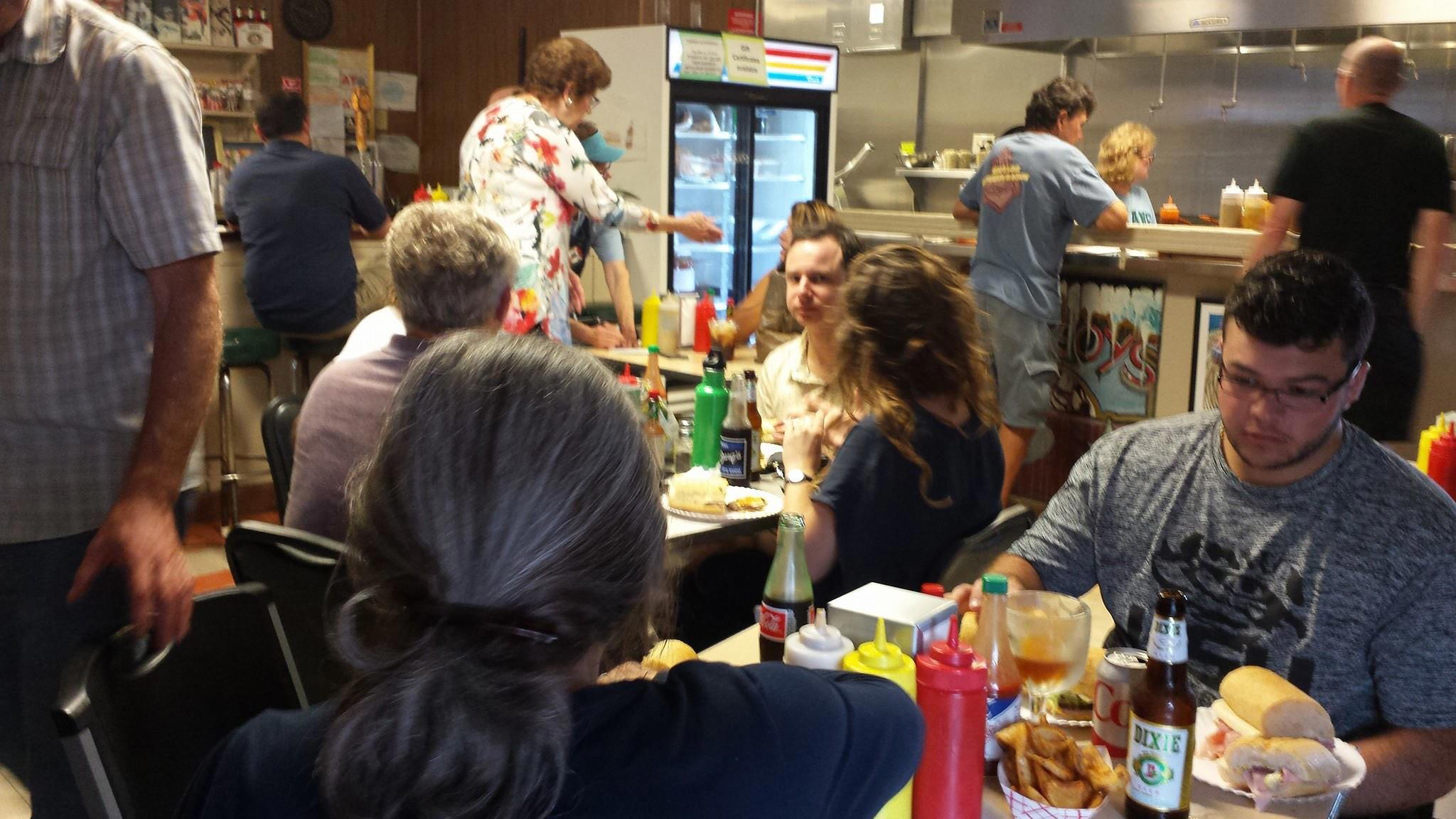
Restaurants in New Orleans
Browse all →
Details
- Lively
- Well Known
- Energetic
- Late Night
- Group Outing
- Casual Hangout
- Live Music
- Historic Building
- Seated Bar
- Lounge Seating
- Outdoor Terrace
- Classic Cocktails
Current opening hours
- Monday
- 5 PM–1 AM
- Tuesday
- 5 PM–1 AM
- Wednesday
- 5 PM–1 AM
- Thursday
- 5 PM–1 AM
- Friday
- 5 PM–2 AM
- Saturday
- 5 PM–2 AM
- Sunday
- 4 PM–1 AM
Hours can change for holidays and private events. Last verified .
Intimate music room with trademark red stage lighting, packed energetic evenings with live Louisiana roots music, cozy patio vibe.