Pat O'Brien's
Pat O'Brien's at 718 St Peter Street has anchored French Quarter bar culture for decades, built around the Hurricane cocktail it made famous across the American South and beyond. The courtyard, the dueling pianos, and the signature flaming fountain place it inside a tradition of high-volume, high-ritual New Orleans drinking that few addresses in the country replicate at this scale.
Pearl is the En Primeur Club membership app — saves, bookings, and concierge access live there. Same editors, same standards.
- Address
- 718 St Peter, New Orleans, LA 70116
- Phone
- +1 504 525 4823
- Website
- patobriens.com
- Directions
- Get directions
 Saves & bookings on Pearl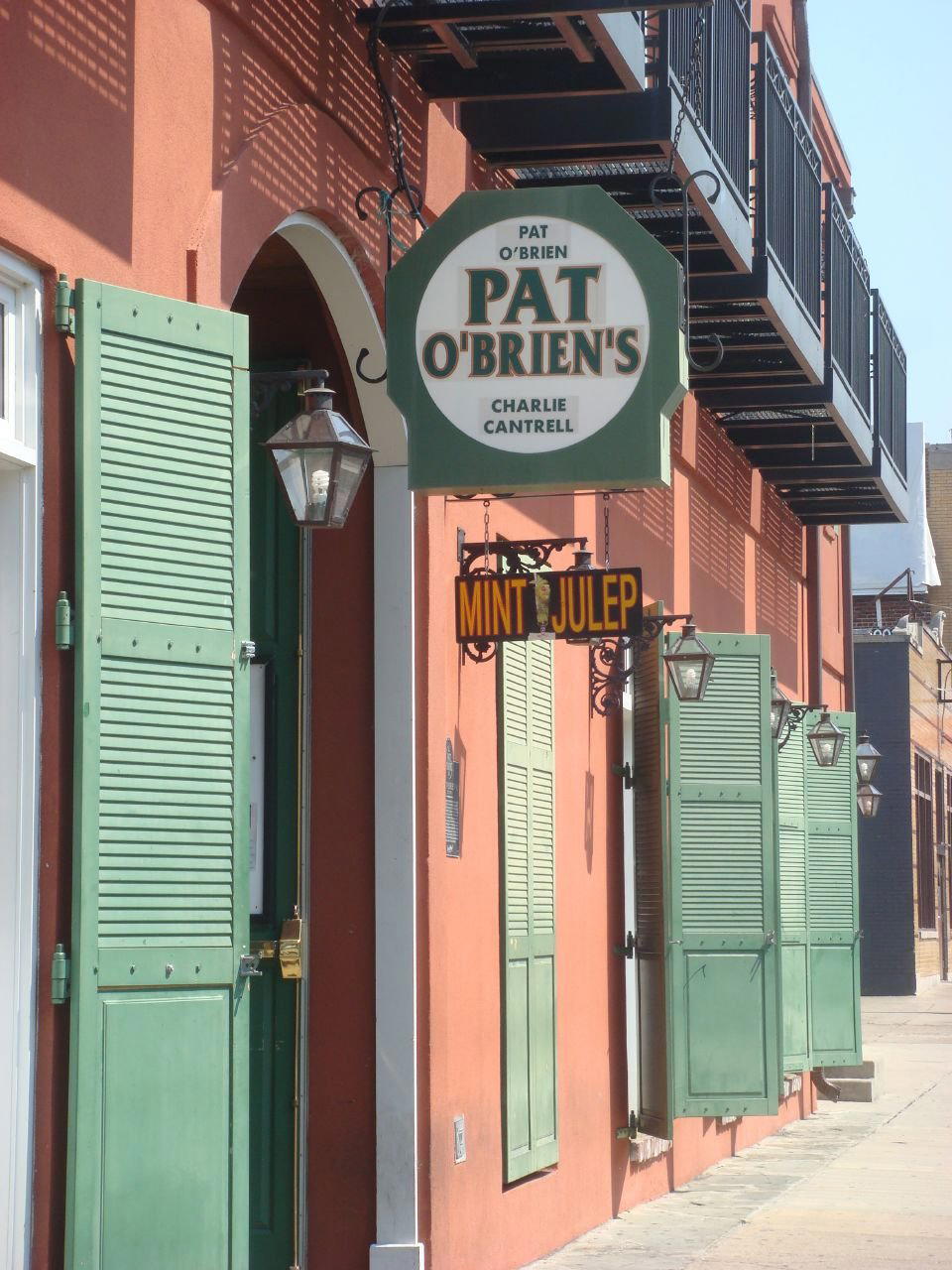
The French Quarter's Longest-Running Spectacle
Walk down St Peter Street on any evening and the sound reaches you before the sign does: piano keys, voices pitched above conversation level, and the particular ambient hum of a courtyard holding several hundred people at once. Pat O'Brien's at 718 St Peter Street has operated in the French Quarter long enough that it has moved from institution to reference point — the kind of address that other bars define themselves against, whether they acknowledge it or not. In a neighborhood where entertainment bars and serious cocktail programs coexist within the same two-block radius, Pat O'Brien's represents one pole of that spectrum: scale, ritual, and a drink so associated with place that it functions almost as a civic symbol.
What the Hurricane Tells You About New Orleans Drinking Culture
The Hurricane is the clearest lens through which to read Pat O'Brien's and, more broadly, a specific strand of New Orleans bar culture. Rum-forward, fruit-punched, served in a curved glass designed to be carried through the street — the drink was engineered for volume and visibility during a period when New Orleans bars were moving toward theatrical formats that could hold large, transient crowds. The intersection of imported Caribbean ingredients (rum, tropical fruit juice concentrate) with the indigenous festivity logic of the French Quarter is where the Hurricane sits. It is not a craft cocktail by any contemporary measure, but that misreads the point: it belongs to a different tradition, one where the drink's role is social signaling and collective experience rather than technical refinement.
That tradition has deep roots in the American South's relationship with rum, which predates the cocktail bar as a concept. Colonial-era port cities along the Gulf Coast developed rum-drinking cultures shaped by Caribbean trade routes, and New Orleans was the largest node of that network. The Hurricane's genius was packaging that inheritance into a single, reproducible, photographable format at exactly the moment American tourism infrastructure began treating the French Quarter as a destination in itself. Bars like Jewel of the South and Beachbum Berry's Latitude 29 now approach tropical and rum-based drinking from entirely different angles, the former through craft-era technique, the latter through tiki scholarship, but Pat O'Brien's predates both frameworks and operates outside them.
The Physical Experience: Courtyard, Piano Bar, and the Logic of the Flaming Fountain
The bar occupies a converted property whose courtyard format is itself a piece of New Orleans architectural logic. French Quarter courtyards were originally private, inward-facing spaces that offered shade and separation from street life. Pat O'Brien's inverted that function entirely, turning the courtyard into the venue's social engine, open to the sky, lit by the flaming fountain at its center, and structured to hold a crowd that ebbs and flows with the nightly rhythms of Bourbon Street foot traffic nearby.
The dueling piano format inside the main bar operates on a different register. It is participatory entertainment at a scale that few venues in the country sustain nightly, and it places Pat O'Brien's in a category closer to performance venue than cocktail bar. That distinction matters when placing it alongside the current generation of New Orleans craft programs. Cure, in the Freret Street corridor, represents the measured, ingredient-led approach that defines post-2010 cocktail culture in the city. The two bars are not in competition, they address entirely different reader decisions, but understanding where Pat O'Brien's sits in that map helps calibrate expectations before you arrive.
Pat O'Brien's in the Wider American Bar Context
Across American bar culture, the tension between high-volume entertainment venues and technically oriented cocktail programs has produced two largely separate audiences. Bars like Kumiko in Chicago, ABV in San Francisco, Allegory in Washington, D.C., Bar Leather Apron in Honolulu, Julep in Houston, and Superbueno in New York City all operate with small teams, carefully constructed menus, and booking windows that reflect limited capacity. Internationally, The Parlour in Frankfurt on the Main represents the same craft-forward discipline applied to a European context. Pat O'Brien's operates on a different axis entirely: high capacity, open access, and a menu anchored by a single signature drink that requires no explanation and no menu literacy to order.
That is not a criticism. High-volume bars that sustain consistent quality across hundreds of covers per night face operational challenges that intimate craft programs never encounter. The Hurricane's recipe standardization is itself a form of technique, it is how a bar with multiple stations and a large, rapidly turning staff maintains consistency across a full evening of service. 2 Phat Vegans demonstrates a comparable commitment to consistent format in a completely different category, which is worth noting as a principle that applies across bar and food venue types.
Planning Your Visit
Pat O'Brien's is at 718 St Peter Street in the French Quarter, walkable from most hotel clusters in the neighborhood and from the Bourbon Street corridor. The bar operates late into the evening and does not require reservations, walk-in access is the norm, and the courtyard and main bar can absorb large groups without significant wait times on most nights outside of peak festival periods. Mardi Gras and Jazz Fest weeks are the exceptions, when the entire French Quarter operates at compressed capacity and arrival timing matters considerably more.
The Hurricane is served in the venue's signature glass, which you can take with you, this is part of the designed experience, not a loophole, and contributes to the drink's visibility across the Quarter. If you are visiting with a group that spans cocktail preferences, the piano bar format accommodates a wide range of engagement levels, from active participation to quiet observation from the courtyard. For context on what else the city offers across the drinking spectrum, see our full New Orleans restaurants guide.
Where the Accolades Land
| Venue | Awards |
|---|---|
| Pat O'Brien'sThis venue — the venue you are viewing | This venue |
| Jewel of the South | World's 50 Best |
| Beachbum Berry's Latitude 29 | World's 50 Best |
| Cure | World's 50 Best |
Continue exploring
More in New Orleans
Bars in New Orleans
Browse all →
Restaurants in New Orleans
Browse all →
At a Glance
- Lively
- Well Known
- Energetic
- Group Outing
- Celebration
- Late Night
- Live Music
- Courtyard
- Historic Building
- Lounge Seating
- Outdoor Terrace
- Classic Cocktails
- Frozen
Current opening hours
- Monday
- 4 PM–12 AM
- Tuesday
- Closed
- Wednesday
- 12 PM–12 AM
- Thursday
- 12 PM–12 AM
- Friday
- 12 PM–2 AM
- Saturday
- 12 PM–2 AM
- Sunday
- 12 PM–12 AM
Hours can change for holidays and private events. Last verified .
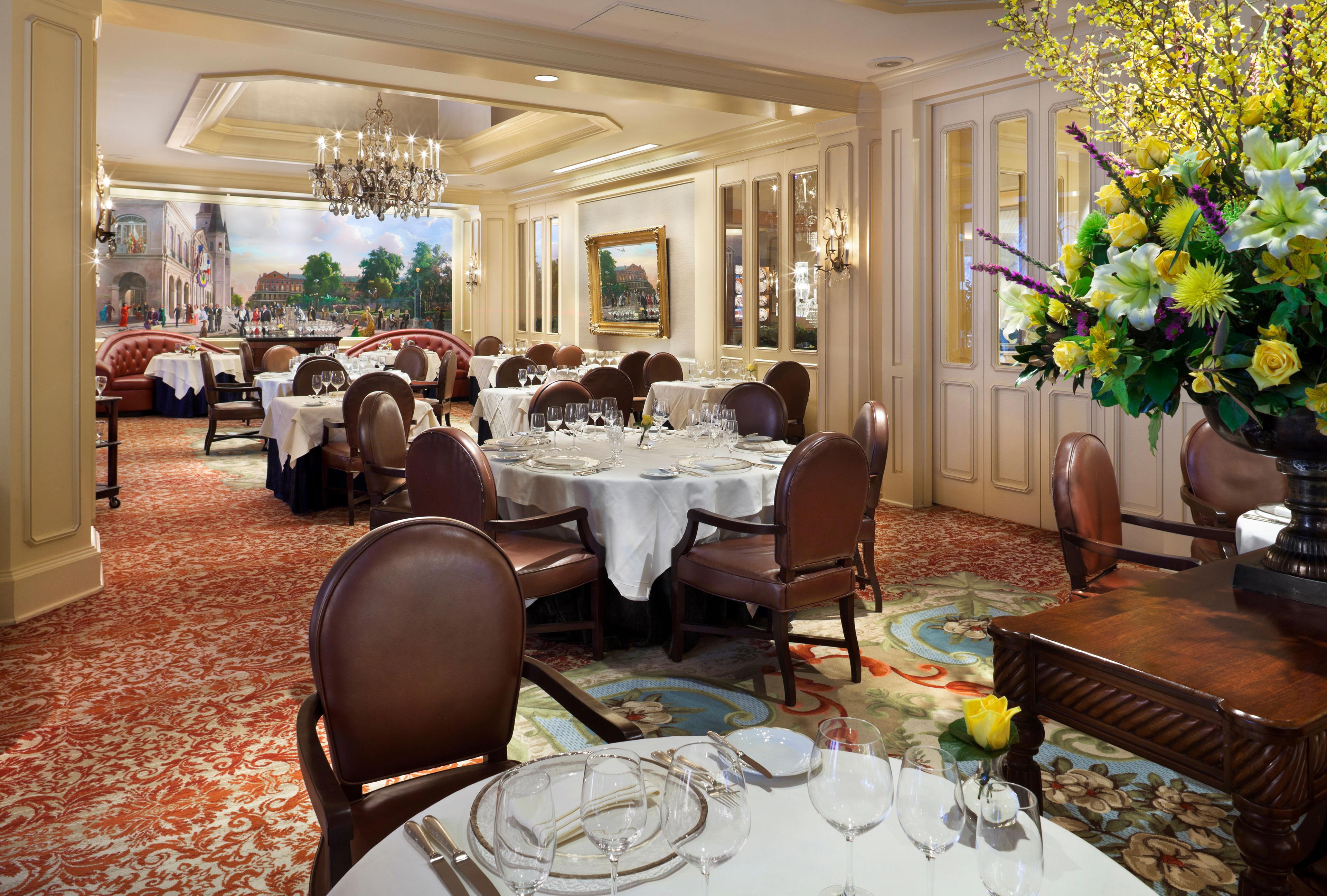
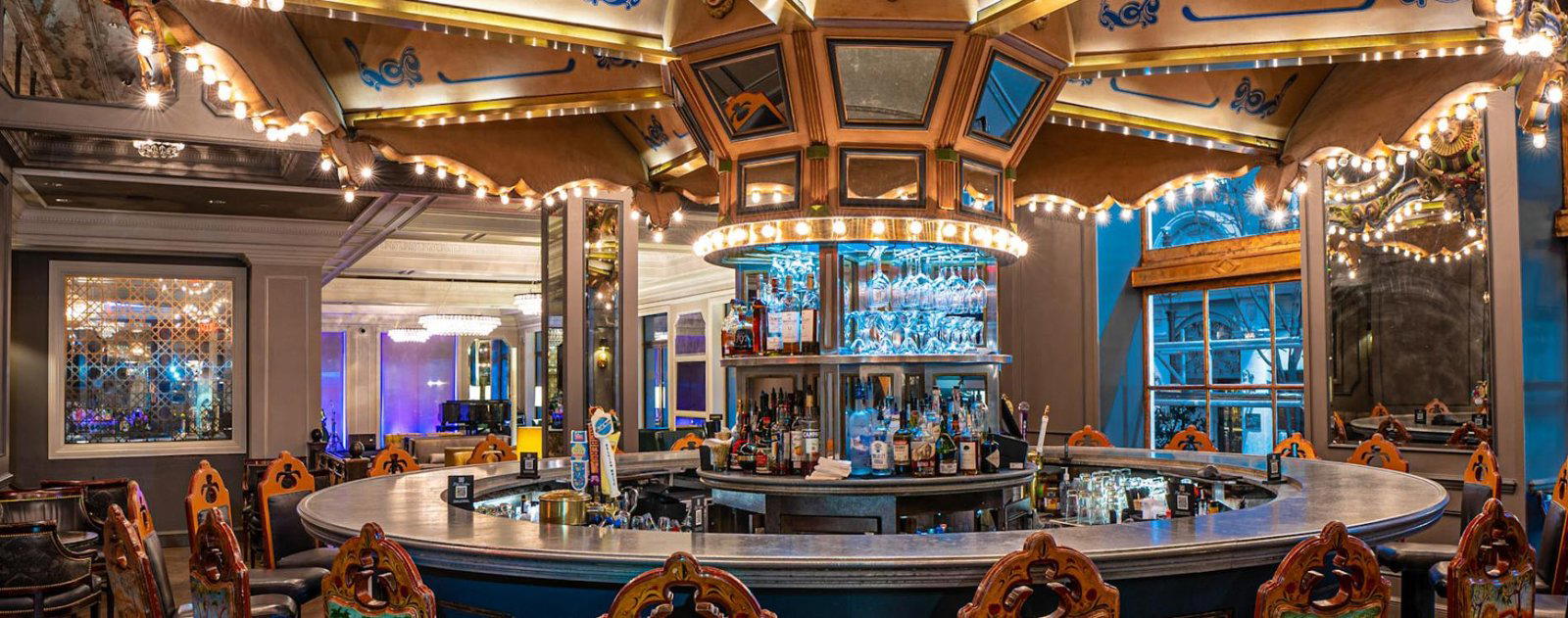
Festive and entertaining atmosphere with lively dueling pianos, flaming courtyard fountain, and lively patio seating.
Know Before You Go
- Getting there
- 718 St Peter, New Orleans, LA 70116