Mala Gissona Brewery operates out of Ugaldetxo, a small Gipuzkoa municipality where craft brewing has taken root amid the Basque Country's deep drinking culture. The brewery sits at Astigarrako Bidea, 1, placing it within reach of the broader San Sebastián orbit while maintaining a distinctly local character. For those tracing the northern Spanish drinks scene beyond the pintxo bar circuit, it is a purposeful stop.
- Address
- Astigarrako Bidea, 1, 20180, Gipuzkoa, Spain
- Phone
- +34 943 04 52 53
- Website
- malagissona.beer
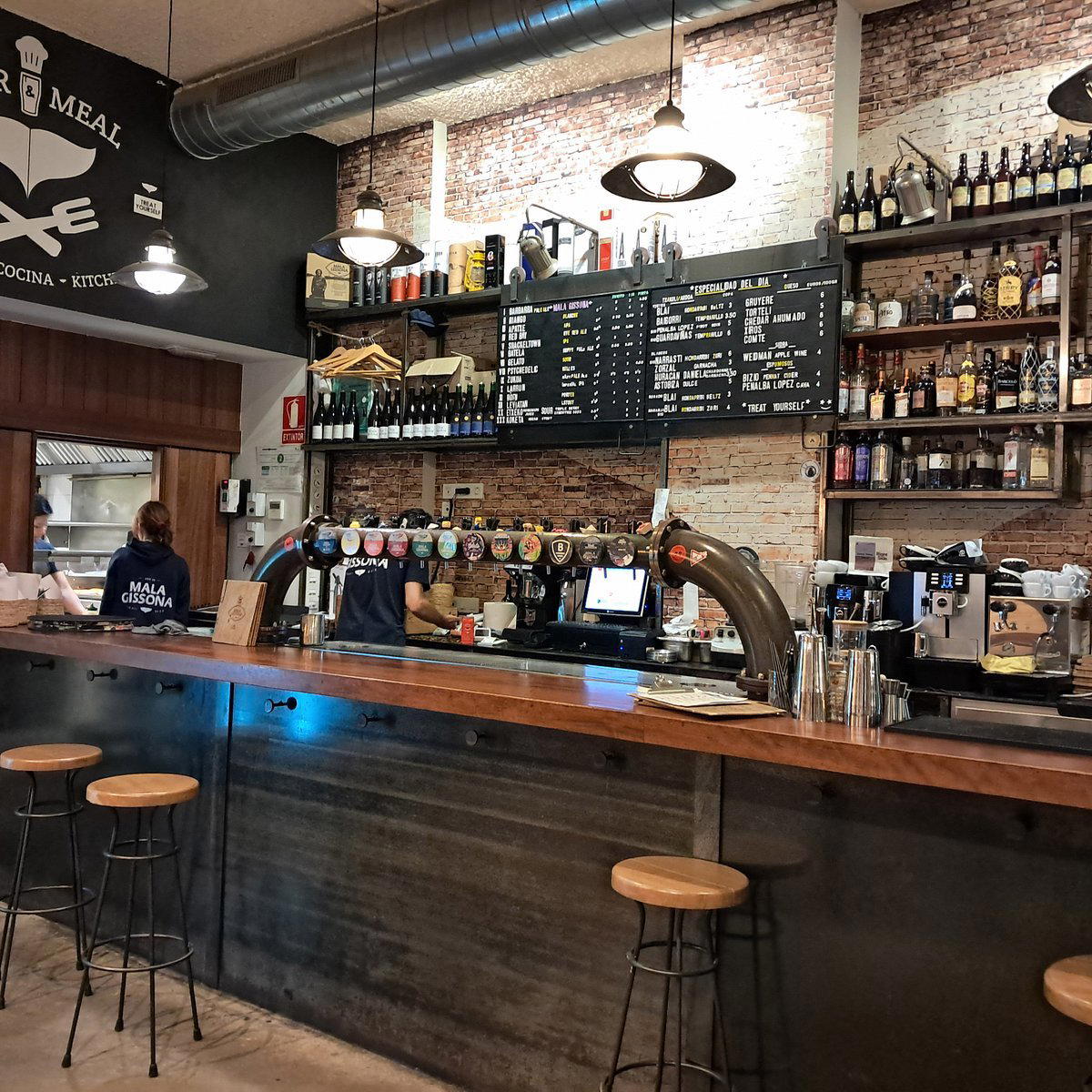
Where Basque Drinking Culture Meets the Craft Brewing Shift
Approach Ugaldetxo from the main Gipuzkoa road network and the town registers as the kind of place that doesn't announce itself. No prominent signage, no tourist infrastructure to speak of. That absence is part of the point. Mala Gissona Brewery, at Astigarrako Bidea, 1, sits in this quieter register of the Basque Country, a region more readily associated with the txakoli glass on a pintxo bar counter than with a fermentation vessel. That contrast is what makes it worth attention. Across northern Spain, a cohort of small producers has moved into beer-making with the same seriousness that the country's natural wine movement brought to viticulture a decade earlier. Mala Gissona belongs to that current.
The Basque Craft Beer Context
Spain's craft beer scene developed later than those in Germany, Belgium, or the UK, but in the Basque Country it has found a particularly receptive audience. The region's food culture is built on specificity: producers are expected to know their ingredients, their process, and their place. That expectation, applied to brewing, produces a different kind of operation than the volume-driven craft breweries that colonised city centres across Europe in the 2010s. The breweries that have earned standing in Gipuzkoa and its surrounding provinces tend to be smaller, more deliberate, and more tied to local drinking habits than to international craft beer aesthetics.
Ugaldetxo itself sits within the broader San Sebastián metropolitan area, close enough to benefit from the city's appetite for serious drinking culture, far enough removed to operate without the pressures of a tourist economy. That positioning is common among the region's most credible small producers. Our full Ugaldetxo restaurants guide maps the wider food and drink picture for those planning time in the area.
What a Brewery Like This Is Actually Offering
The editorial angle on a place like Mala Gissona is less about the individual tap handles and more about what the format signals. Small-batch breweries in this part of Spain are not replicating American IPA culture or chasing points on international rating platforms. The more interesting ones are working out what Basque beer actually means: what local water chemistry, local ingredients, and local palates should produce. Whether Mala Gissona has arrived at a coherent answer to that question is something the visit will tell you; what the address and the setting confirm is that it is asking the question from a serious position.
For comparison, consider how Spain's bar culture has evolved in parallel. Cocktail programmes at places like Angelita in Madrid have built reputations on technical rigour and ingredient provenance, while Boadas in Barcelona represents the older school of Spanish bar craft, where continuity and tradition carry as much weight as innovation. Craft brewing in the Basque Country sits somewhere between those two poles: respectful of tradition, but not bound to it.
The Drinks Programme in Regional Context
Brewing in Gipuzkoa operates in the shadow of txakoli, the region's lightly sparkling white wine, and the communal drinking rituals built around the pintxo bar format. Beer has historically been a secondary drink in this context, which is precisely why small producers who take it seriously have had to work harder to earn local credibility. The breweries that have managed it tend to lead with approachability: session-strength formats, clean fermentation, and a willingness to serve alongside food rather than in competition with it.
That food-adjacency matters. The Basque dining culture is structured around sociability and sequence, from the morning coffee to the mid-morning pintxo, through lunch as the day's anchor, to the early evening txikiteo bar crawl. Beer, in this structure, earns its place by fitting the rhythm rather than disrupting it. Producers who understand that tend to make more restrained, drinkable beers than the hop-forward formats that dominate craft beer aesthetics elsewhere in Europe.
For those building a broader northern Spain drinks itinerary, the bar scene in the wider region offers useful reference points. Bar Stick in Errenteria, a short distance from Ugaldetxo, represents the kind of neighbourhood drinking culture that frames local beer consumption. Further along the northern coast, Bar Guillermina in Cabrales and Casa Lin in Avilés show how Asturian bar culture handles the same question of where craft production fits into a deeply traditional drinking landscape.
Planning a Visit
Ugaldetxo is accessible from San Sebastián by road, with the town sitting in the broader Astigarraga municipality corridor. No phone or website data is held for Mala Gissona Brewery at the time of writing, which is common for small Basque producers that operate on local word of mouth and direct trade relationships rather than inbound tourism infrastructure. The practical advice for a visit is to confirm hours and access locally before travelling, either through the San Sebastián tourist office or through contacts in the regional food and drink community. Turning up without confirmation is a reasonable gamble on a weekend afternoon, less so on a weekday.
Those using Ugaldetxo as part of a wider Spain drinks circuit will find useful contrasts further south. Bar Sal Gorda in Seville and Bar Gallardo in Granada represent the Andalusian end of the Spanish bar spectrum, where sherry and vermouth anchor the drinks culture in a way that makes northern craft beer feel like a different country entirely. That contrast is part of what makes the Spanish drinks scene worth mapping systematically. The Mediterranean angle is covered by Garito Cafe in Palma de Mallorca, La Margarete in Ciutadella, and Garden Bar in Calvià, each operating within a different register of the island drinking culture. For a global point of reference on what serious bar programming looks like, Bar Leather Apron in Honolulu shows how far the craft drinks conversation has travelled from its European roots.
Comparable Spots, Quickly
| Venue | Awards |
|---|---|
| Mala Gissona BreweryThis venue — the venue you are viewing | |
| Angelita | World's 50 Best |
| Boadas | World's 50 Best |
| Dr. Stravinsky | World's 50 Best |
| Dry Martini | World's 50 Best |
| Mutis | World's 50 Best |
Continue exploring
More in Ugaldetxo
Bars in Ugaldetxo
Browse all →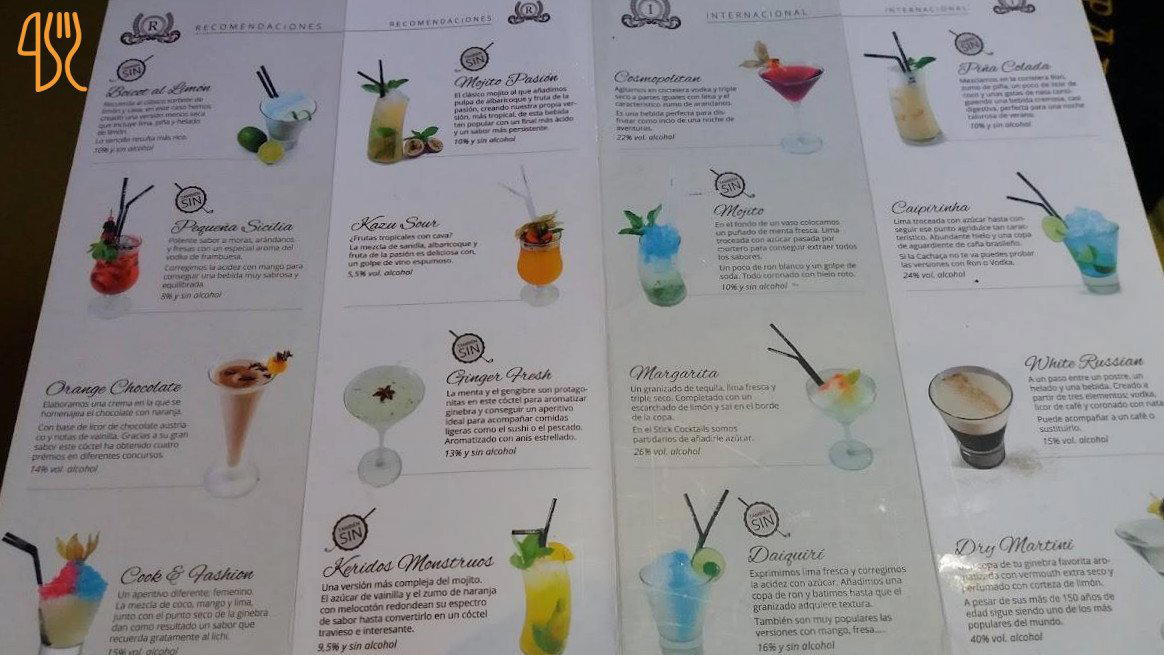
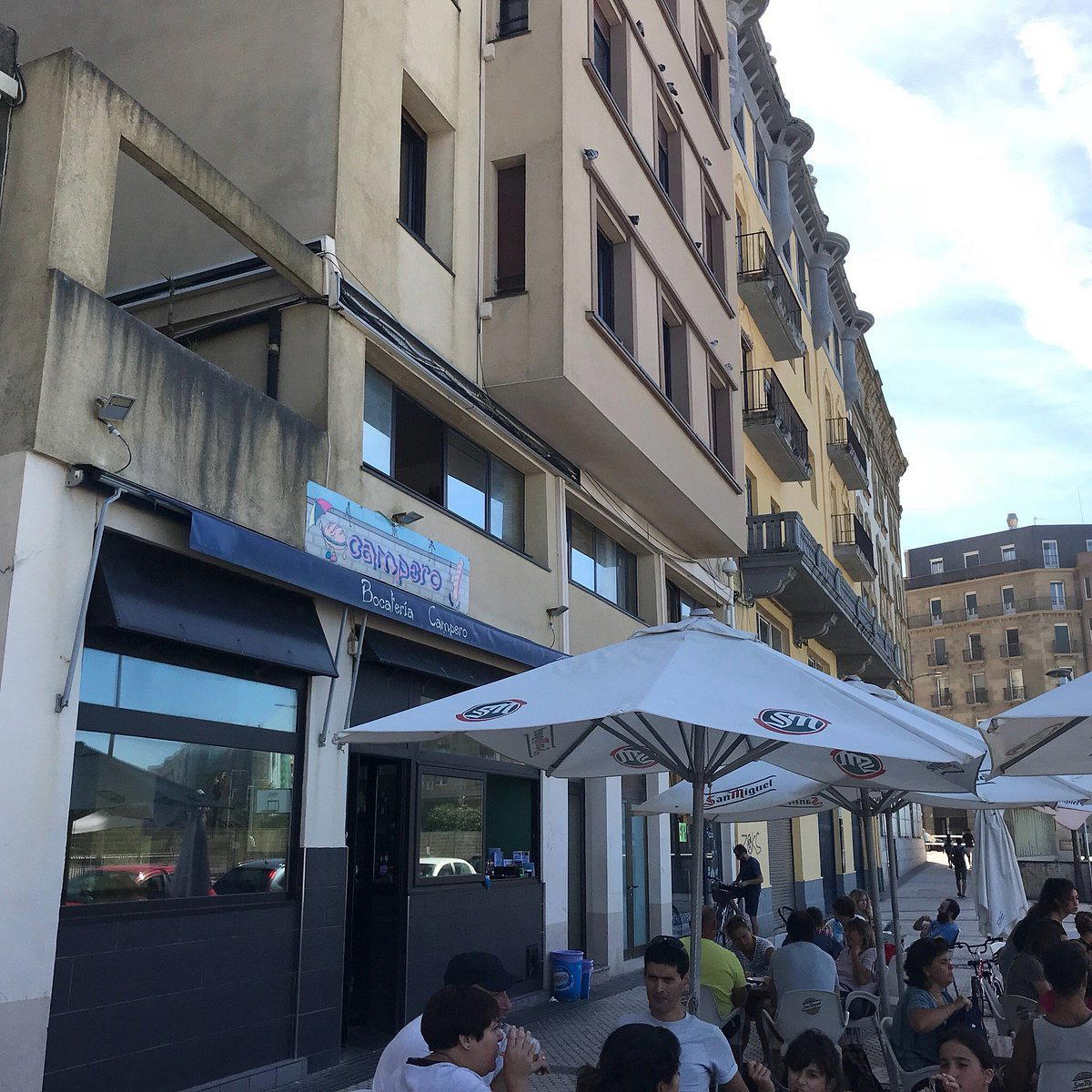
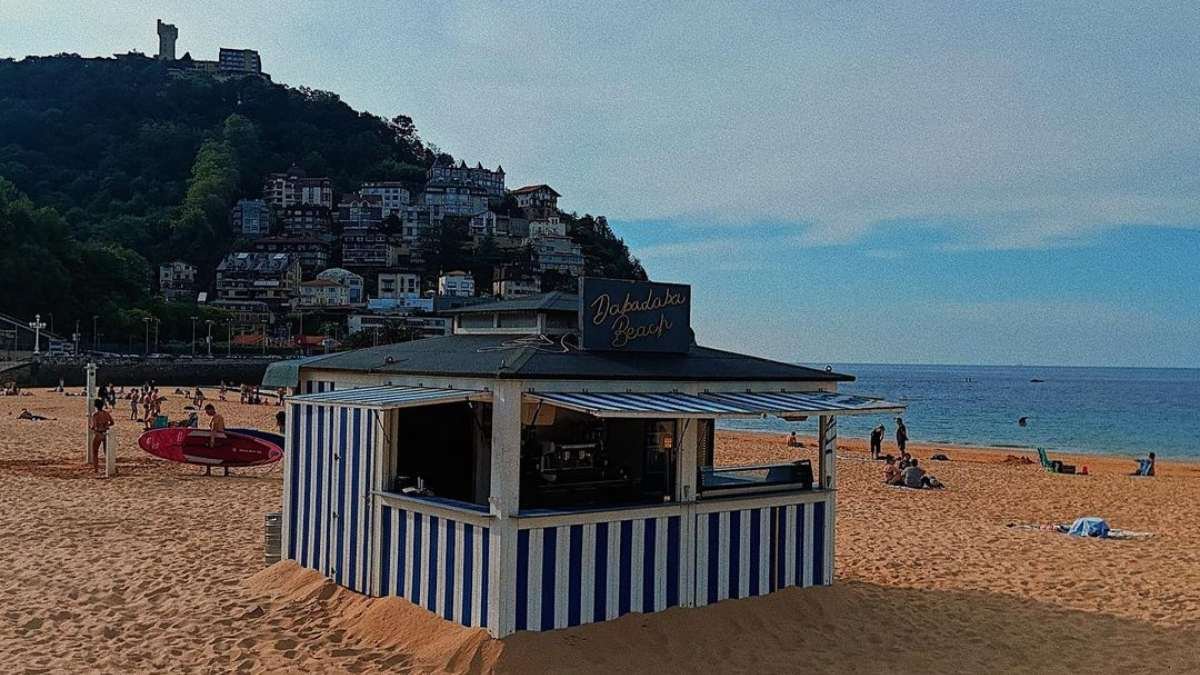
Restaurants in Ugaldetxo
Browse all →

At a Glance
- Lively
- Trendy
- Cozy
- After Work
- Casual Hangout
- Group Outing
- Standalone
- Seated Bar
- Communal Tables
- Craft Beer
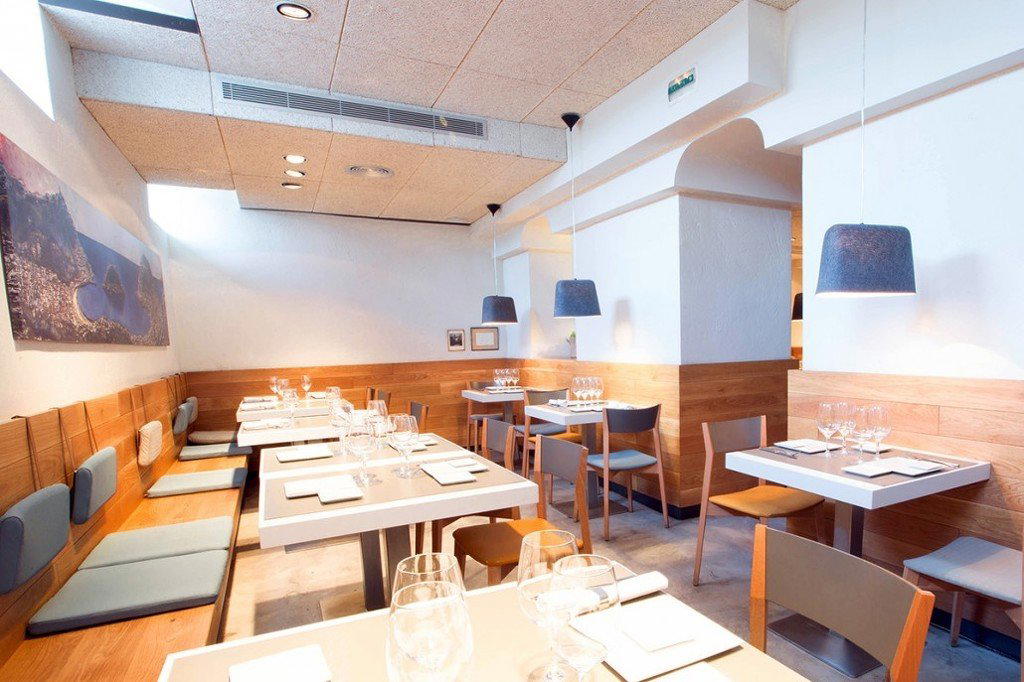
Lively atmosphere with lovely artwork, great music at conversational volume, and chill vibes.