Maiz De La Vida Restaurant
On 8th Avenue South, Maiz De La Vida brings a corn-forward Latin American sensibility to a Nashville dining scene increasingly fluent in regional specificity. The name signals intent: maize as a cultural anchor, as ingredient philosophy, as the thread connecting drink and plate. It sits in the corridor between SoBro and The Gulch, a stretch that has quietly accumulated some of the city's more considered independent operators.
 Discover on Pearl
Pearl is the En Primeur Club membership app — saves, bookings, and concierge access live there. Same editors, same standards.
- Address
- 606 8th Ave S store 100, Nashville, TN 37203
- Phone
- +1 615 499 4248
- Website
- maizdelavida.com
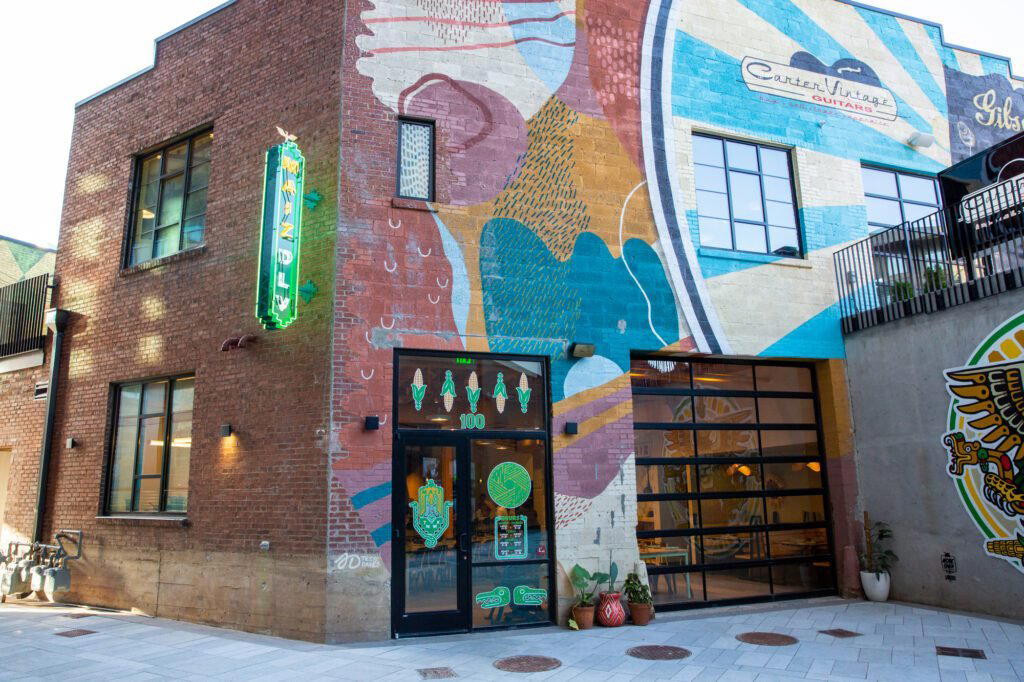
8th Avenue South and the Case for Specificity
Nashville's independent dining corridor along 8th Avenue South has developed a different character from the honky-tonk-adjacent Broadway strip or the brunch-saturated 12 South block. The operators who have put down roots in this stretch tend to arrive with a point of view rather than a format, and Maiz De La Vida fits that pattern. The name translates literally as "corn of life," and that specificity of reference, maize as cultural touchstone, as the foundation of Latin American foodways, announces an operation more interested in depth than range.
In a city where the dominant hospitality vernacular runs toward whiskey bars, hot chicken counters, and touring-act-adjacent energy, a Latin American-inflected concept anchored around corn-based tradition reads as a deliberate contrast. The 606 8th Ave S address places it in proximity to a cluster of independent restaurants and retailers that collectively form one of Nashville's more interesting walkable dining pockets, adjacent to The Gulch without being absorbed by its higher-rent, higher-volume dynamics.
The Drink Program as Cultural Argument
Across American cities, the most interesting Latin-inflected bars and restaurants have moved past the frozen margarita and the house guacamole formula. In Houston, Julep built a Southern spirits identity around historical research and regional ingredients. In New York, Superbueno constructed a drink program that treated Latin American spirits as a serious technical category rather than a novelty lane. The pattern is consistent: concepts that last in this space treat the drink program as an argument, not an accessory.
At a venue called Maiz De La Vida, the cocktail program carries an immediate implication. Corn-based spirits, mezcal, certain expressions of tequila, chicha, corn whiskey, occupy a broad and historically significant category. The most thoughtful operators working in this register understand that agave spirits alone now constitute a sophisticated conversation: the difference between a blanco tequila and a Oaxacan ensamble mezcal is as substantive as anything separating a Burgundy village wine from a premier cru. When a concept's name indexes so directly to maize, the expectation is that the back bar reflects that intelligence.
Nashville has developed its own cocktail ambition in recent years. Attaboy opened a local outpost, bringing its no-menu, guest-led format to a market more accustomed to prescribed lists. Green Hour has built a dedicated absinthe and spirits program. 417 Union works within a more classic American framework. The Fox Bar and Cocktail Club operates with a considered program that has earned sustained local attention. The context matters: Maiz De La Vida's drink program, whatever its final shape, enters a Nashville market with a more developed cocktail reference point than it had a decade ago.
For comparison, consider how bars in other cities have used a culturally specific lens to distinguish themselves within crowded markets. Kumiko in Chicago built its entire identity around Japanese technique and ingredient philosophy applied to Western cocktail structure. Bar Leather Apron in Honolulu operates with a similar clarity of focus, precision technique placed at the center rather than the periphery. Jewel of the South in New Orleans drew on historical American cocktail research to reconstruct a specific 19th-century drinking culture. Each of these represents a version of the same thesis: cultural specificity, when executed with rigor, creates a more durable identity than novelty alone.
Corn, Plate, and the Food-Drink Relationship
The strongest argument for a corn-centered concept in Nashville is the depth of the ingredient category itself. Masa traditions alone span dozens of regional variations across Mexico and Central America, from the coarse-ground masa of Oaxacan tlayudas to the finely worked doughs of high-altitude tortillerias. When that ingredient logic extends to the bar, the connections multiply: corn-derived spirits pair with corn-derived dishes not as a gimmick but as an expression of coherent culinary thinking.
Nashville's broader food scene has grown more fluent in this kind of specificity. 5th and Taylor built a locavore American program with genuine regional sourcing depth. 8th and Roast applied a similar seriousness to coffee. The appetite for concepts that can explain their own logic to guests has grown alongside Nashville's visitor and resident base, which now includes a significant cohort of transplants from major coastal cities carrying more demanding reference points.
Across the country, the Latin American restaurant category has split between fast-casual formats operating at high volume and lower specificity, and serious independent operators working within tighter, more considered formats. The latter group, which includes names like ABV in San Francisco as a broader spirits-and-food analog, tends to succeed in markets where the guest base is willing to engage with the concept's internal logic rather than just its surface familiarity.
The Nashville Context and Where This Fits
Nashville's restaurant density has increased sharply through the 2010s and into the 2020s, driven by population growth and tourism that has made the city one of the country's more active hospitality markets. That growth has also sharpened the competitive pressure on independent operators. Concepts that lack a clear identity tend to get absorbed into the general noise; those with a specific angle and the kitchen and bar discipline to execute it consistently tend to find a durable audience.
The 8th Avenue South address also benefits from proximity to a residential population in The Gulch and SoBro that skews toward younger professionals, a demographic with both the disposable income and the reference points to engage with a technically serious Latin American concept. 12 South Taproom and Grill serves as a useful neighborhood anchor further south, illustrating the kind of community-embedded operator model that tends to perform well along this corridor. The Parlour in Frankfurt offers an instructive international parallel: a venue that built its identity through a clear, disciplined program and became a reference point for its city's drinks culture as a result.
For a full picture of where Maiz De La Vida sits within Nashville's wider dining and drinking options, the EP Club Nashville guide maps the city's independent operators across neighborhoods and categories.
Planning Your Visit
Maiz De La Vida is located at 606 8th Ave S, Suite 100, in Nashville's SoBro-adjacent strip. Current booking, hours, and pricing details are best confirmed directly with the venue before visiting, as operational specifics are subject to change. The address is walkable from The Gulch and accessible from downtown Nashville, making it a natural addition to an evening that begins or ends elsewhere along the 8th Avenue South corridor.
Continue exploring
More in Nashville
Bars in Nashville
Browse all →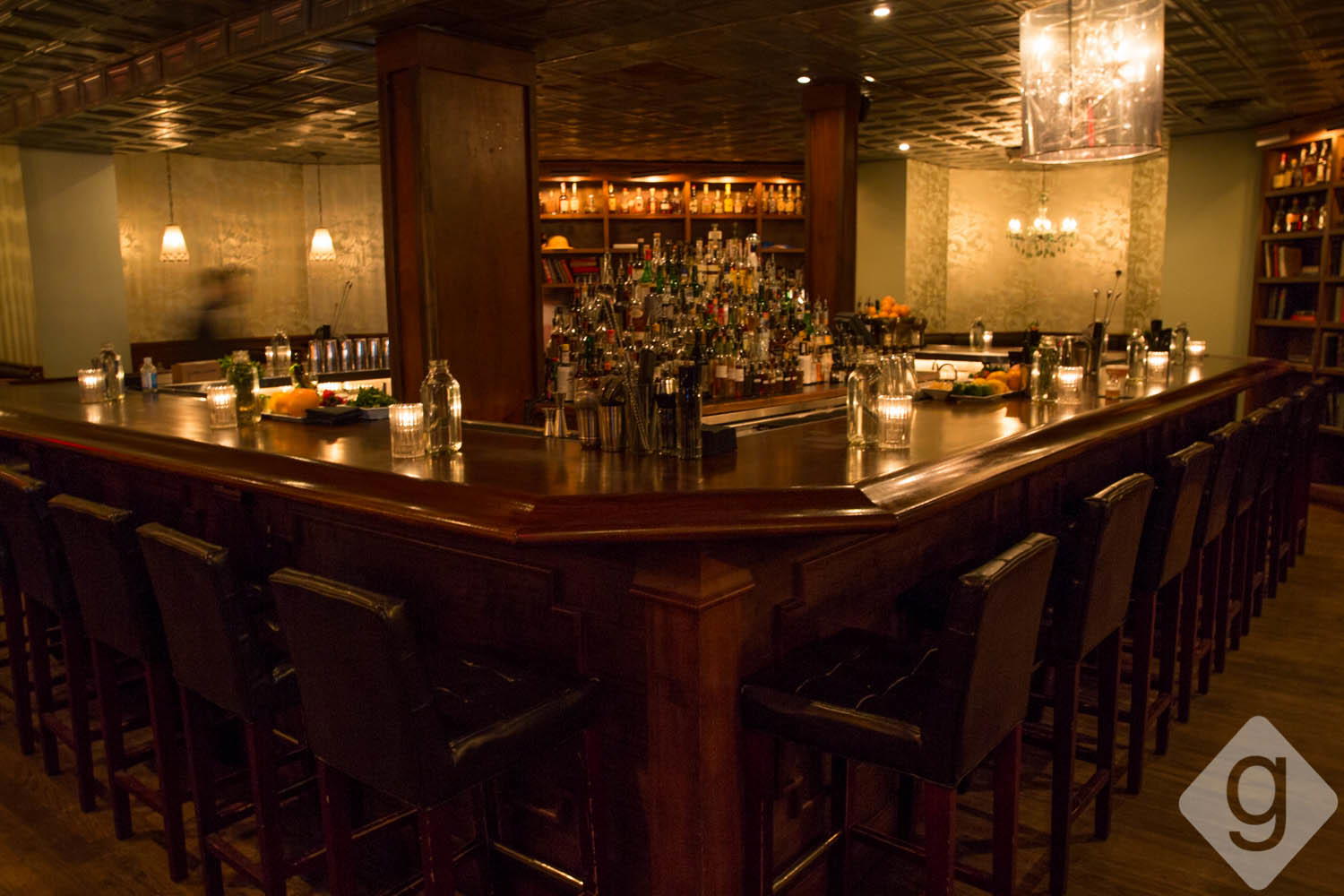
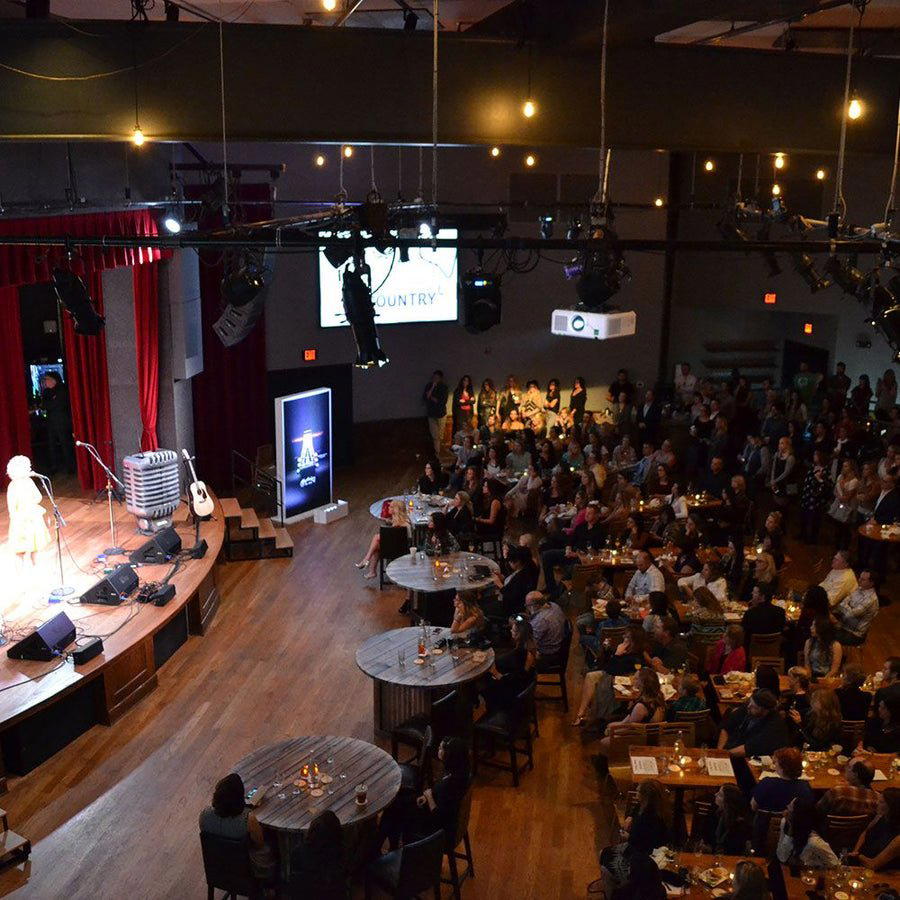
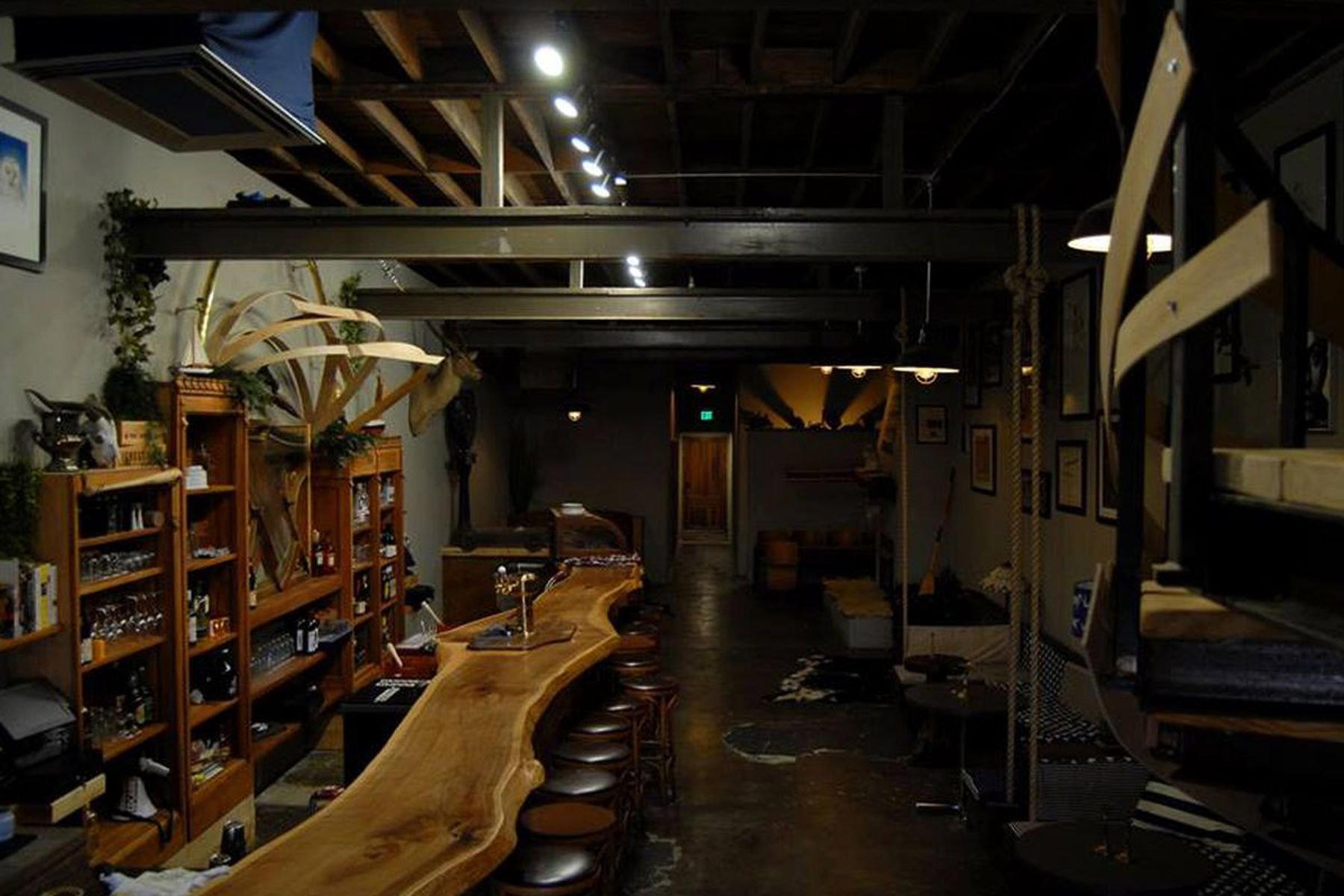
Restaurants in Nashville
Browse all →
Hotels in Nashville
Browse all →
Wineries in Nashville
Browse all →
At a Glance
- Lively
- Modern
- Rustic
- Casual Hangout
- Group Outing
- Courtyard
- Communal Tables
- Outdoor Terrace
- Booth Seating
- Tequila
- Mezcal
Modern environment with vibrant murals, lively communal seating, and an open kitchen counter offering a casual, energetic atmosphere.