Magpie Café
Magpie Café sits at 1601 16th St in Sacramento's Midtown grid, operating as a reference point for the neighbourhood's community-focused café culture. The address places it within walking distance of the district's densest concentration of independent food and drink operators, making it a practical anchor for any Midtown itinerary. Booking details and hours are best confirmed directly with the venue before visiting.
 Discover on Pearl
Pearl is the En Primeur Club membership app — saves, bookings, and concierge access live there. Same editors, same standards.
- Address
- 1601 16th St, Sacramento, CA 95814
- Phone
- +1 916 452 7594
- Website
- magpiecafe.com
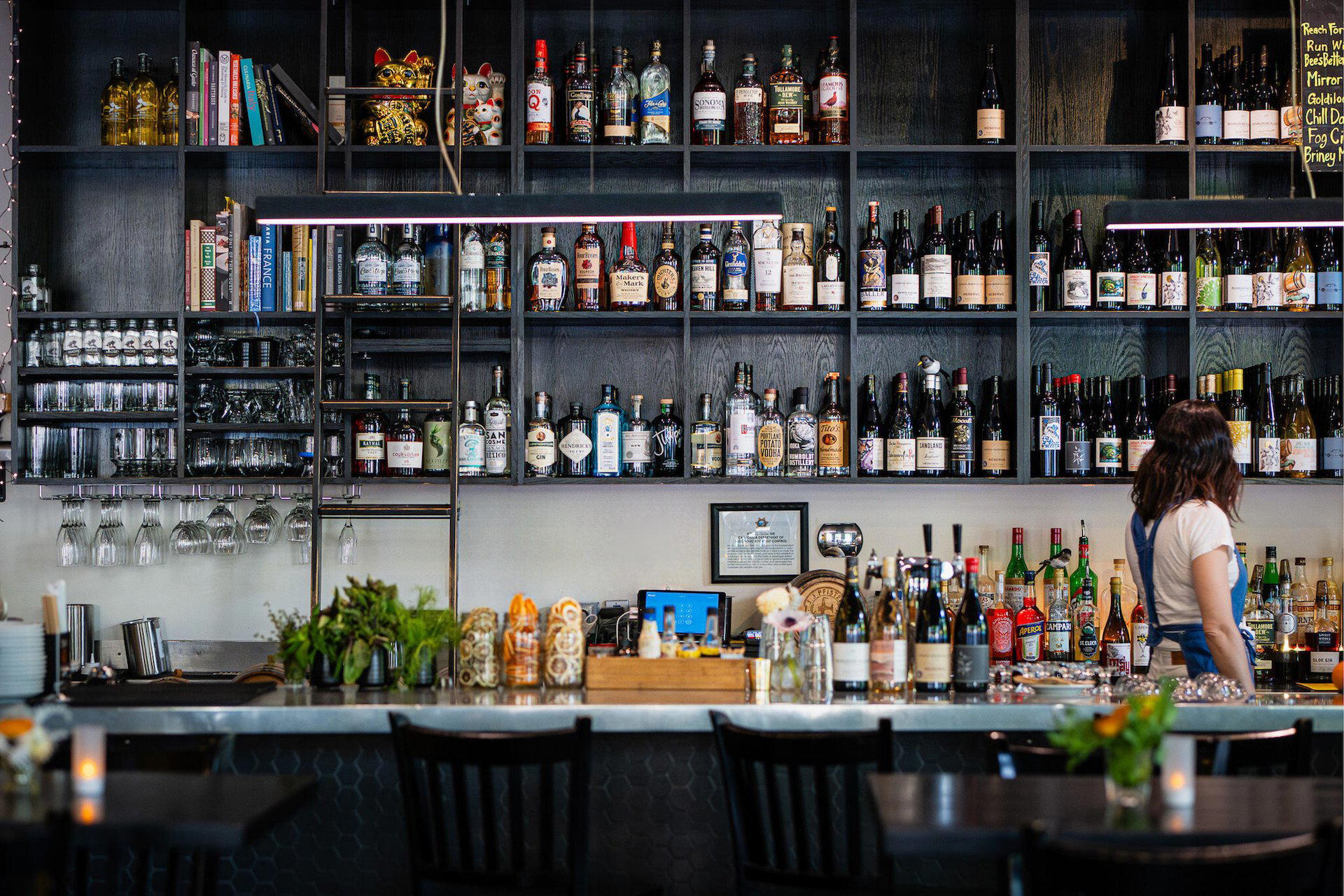
Midtown Sacramento and the Café as Civic Institution
Sacramento's Midtown grid has developed one of California's more coherent independent food cultures over the past two decades, and it did so largely without the coastal press attention that followed San Francisco and Los Angeles. The neighbourhood's café and restaurant scene grew from a combination of farm-proximity, lower operating costs than the Bay Area, and a local constituency that valued substance over spectacle. In that context, a café is rarely just a coffee stop. At its finest, it functions as a neighbourhood anchor: a place where the line between breakfast counter, lunch room, and community gathering space deliberately blurs. Magpie Café, at 1601 16th St, sits within that tradition.
The Address and What It Signals
The 16th Street corridor in Midtown is one of Sacramento's more telling dining addresses. It runs through a part of the grid where residential density meets independent retail, and where the clientele skews toward people who live and work locally rather than visitors passing through. Cafés that take root here tend to prioritise regulars over occasion dining, and their menus typically reflect seasonal California produce with a practical, non-theatrical approach to food. That orientation connects directly to Sacramento's broader identity as a farm-to-table city: the proximity to the Central Valley and the Sacramento-San Joaquin Delta means that sourcing locally is less a marketing position than a logistical default.
Cultural Roots: The California Café Tradition
The California café format carries a specific cultural weight that distinguishes it from the East Coast diner or the European coffee house. It emerged in the late twentieth century from a convergence of counter-culture food politics, Alice Waters-era ingredient consciousness, and a climate that made year-round fresh produce a structural reality rather than a seasonal luxury. The result is a café type that takes the quality of its ingredients seriously, treats breakfast and lunch as meals worth cooking rather than fuel stops, and maintains an informality that keeps the experience accessible without becoming careless.
Magpie Café operates within that lineage. The name itself gestures toward the bird's reputation for collecting and assembling, an apt metaphor for a kitchen that draws from what is available and builds menus around proximity rather than fixed concepts. Whether the execution at any given visit matches the ambition of that tradition depends on factors that shift with sourcing seasons and kitchen rotation, which is precisely the character of a café that takes seasonal cooking seriously.
Midtown as a Dining District
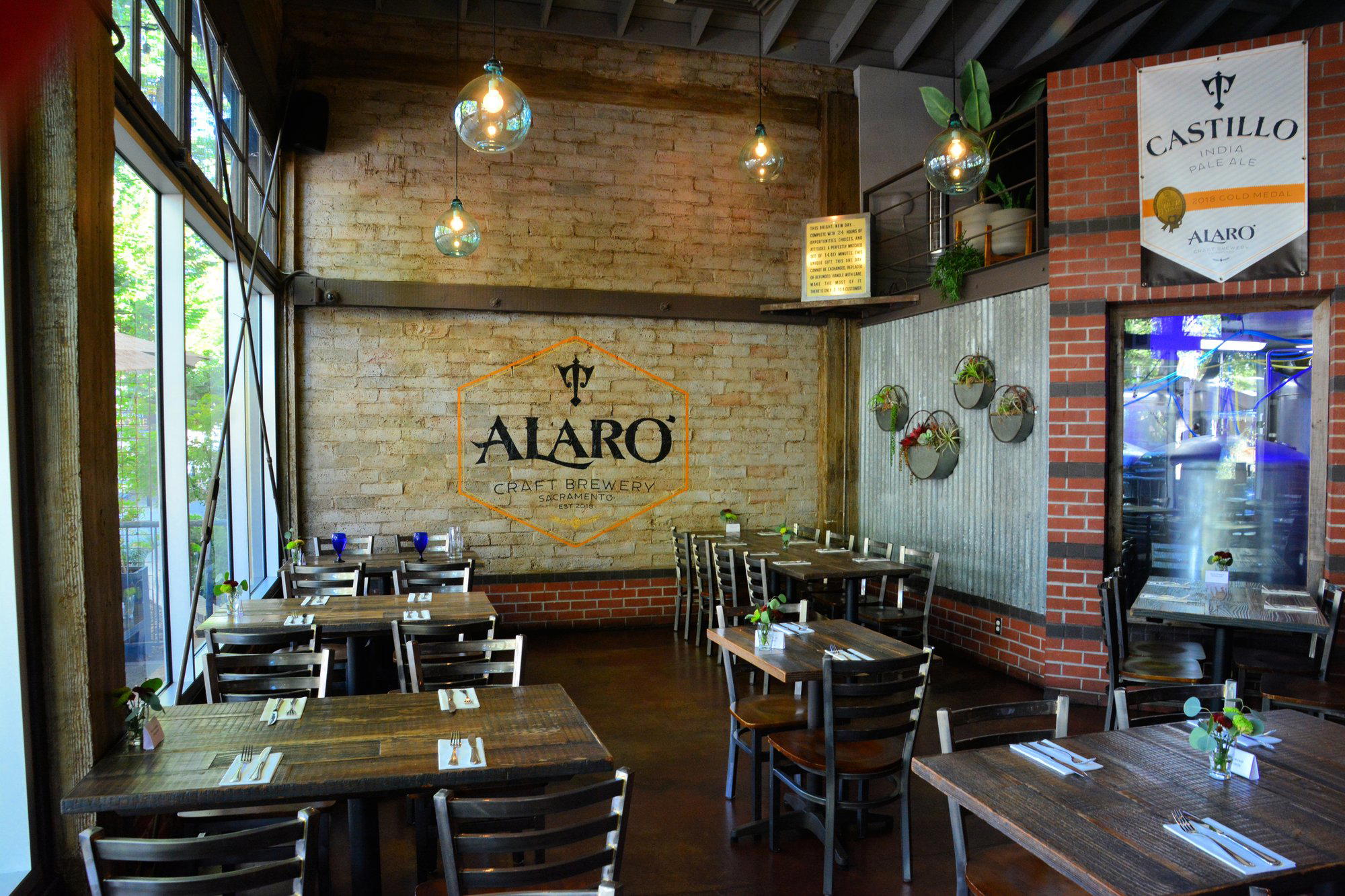
Sacramento's Midtown has become a proving ground for a particular kind of independent operator: smaller footprints, tighter menus, and a reliance on neighbourhood loyalty over destination traffic. The district's dining scene includes a range of formats that together define its character. Akebono and Allora represent the bar and cocktail dimension of that scene, while Bawk! by Urban Roots and Alaro Craft Brewery, Restaurant and Cocktail Bar demonstrate how Sacramento operators have expanded the café-and-casual format into fuller food-and-drink programs. Magpie sits in a different register, closer to the roots of the neighbourhood's food culture than some of these newer formats, and more directly connected to the café-as-community-institution model.
For comparison, the shift from café to full-service bar program mirrors what has happened in other American cities with active independent food cultures. In New Orleans, Jewel of the South represents a similar investment in craft within a neighbourhood context. In Chicago, Kumiko demonstrates how a focused format can carry significant cultural weight without resorting to scale. In New York, Superbueno shows how neighbourhood-anchored venues build loyalty through consistency rather than novelty. Sacramento's independent operators, including those on the 16th Street corridor, are working within the same broader American shift toward venues that earn their audience through daily quality rather than a single high-concept pitch.
The Broader California Context
California's café culture has always been in dialogue with the state's agricultural geography. The Central Valley produces a significant share of the United States' fruits and vegetables, and Sacramento sits at the northern edge of that supply chain. For a café operating on the 16th Street corridor, that proximity has practical consequences: the difference between a menu built on what arrived at the farmers market that morning and one built on fixed supplier contracts is visible in the cooking. The California café tradition at its strongest treats that difference as foundational.
That same orientation toward local sourcing and seasonal variation connects Sacramento's café scene to broader West Coast food movements. In San Francisco, ABV represents the more bar-forward expression of that sensibility. In Honolulu, Bar Leather Apron demonstrates how ingredient-led thinking translates into a cocktail context. In Houston, Julep applies a comparable rigour to a Southern spirits tradition. And in Frankfurt, The Parlour shows how the serious-but-informal register works outside the American context entirely. Magpie's position within Sacramento's café culture connects to this wider pattern of operators who take the daily, unglamorous work of feeding a neighbourhood seriously.
Planning Your Visit
Magpie Café is located at 1601 16th St, Sacramento, CA 95814, in the Midtown neighbourhood. The 16th Street address is walkable from much of the surrounding grid and accessible by Sacramento's light rail network. Given the nature of independent café operations, The café's format, as is common in the Midtown independent scene, Visitors combining a visit here with broader Midtown dining should use the Sacramento restaurants guide to map the surrounding options.
Continue exploring
More in Sacramento
Bars in Sacramento
Browse all →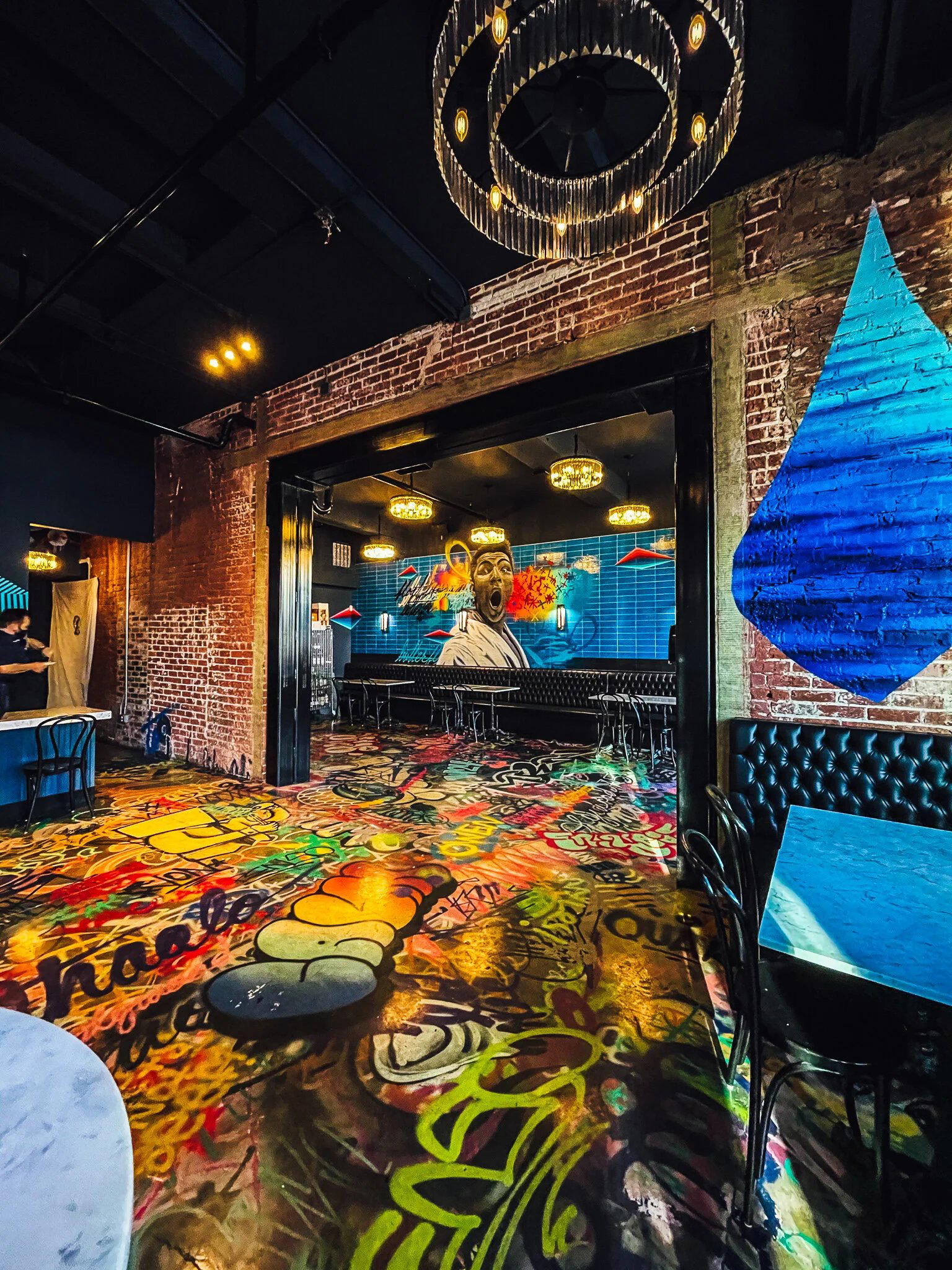

Restaurants in Sacramento
Browse all →
Hotels in Sacramento
Browse all →
Wineries in Sacramento
Browse all →
At a Glance
- Cozy
- Lively
- Rustic
- Date Night
- Casual Hangout
- Standalone
- Lounge Seating
- Outdoor Terrace
- Craft Cocktails
- Street Scene
Warm, lively, and unpretentious with cozy dim dining and buzzing bar atmosphere.