Lulú Tasting Bar
Lulú Tasting Bar occupies a address on Parque Billini in Santo Domingo's Zona Colonial, positioning itself within the neighbourhood's small but growing cohort of craft-focused drinking destinations. The bar format suggests a programme built around considered pours and close-quarter hospitality, placing it closer to the specialist tasting-room tier than the hotel bar circuit that still dominates the city's premium drinking scene.
Pearl is the En Primeur Club membership app — saves, bookings, and concierge access live there. Same editors, same standards.
- Address
- Parque Billini, C. Padre Billini 59, Santo Domingo 10210, Dominican Republic
- Phone
- +1 809 687 8360
- Directions
- Get directions
 Saves & bookings on Pearl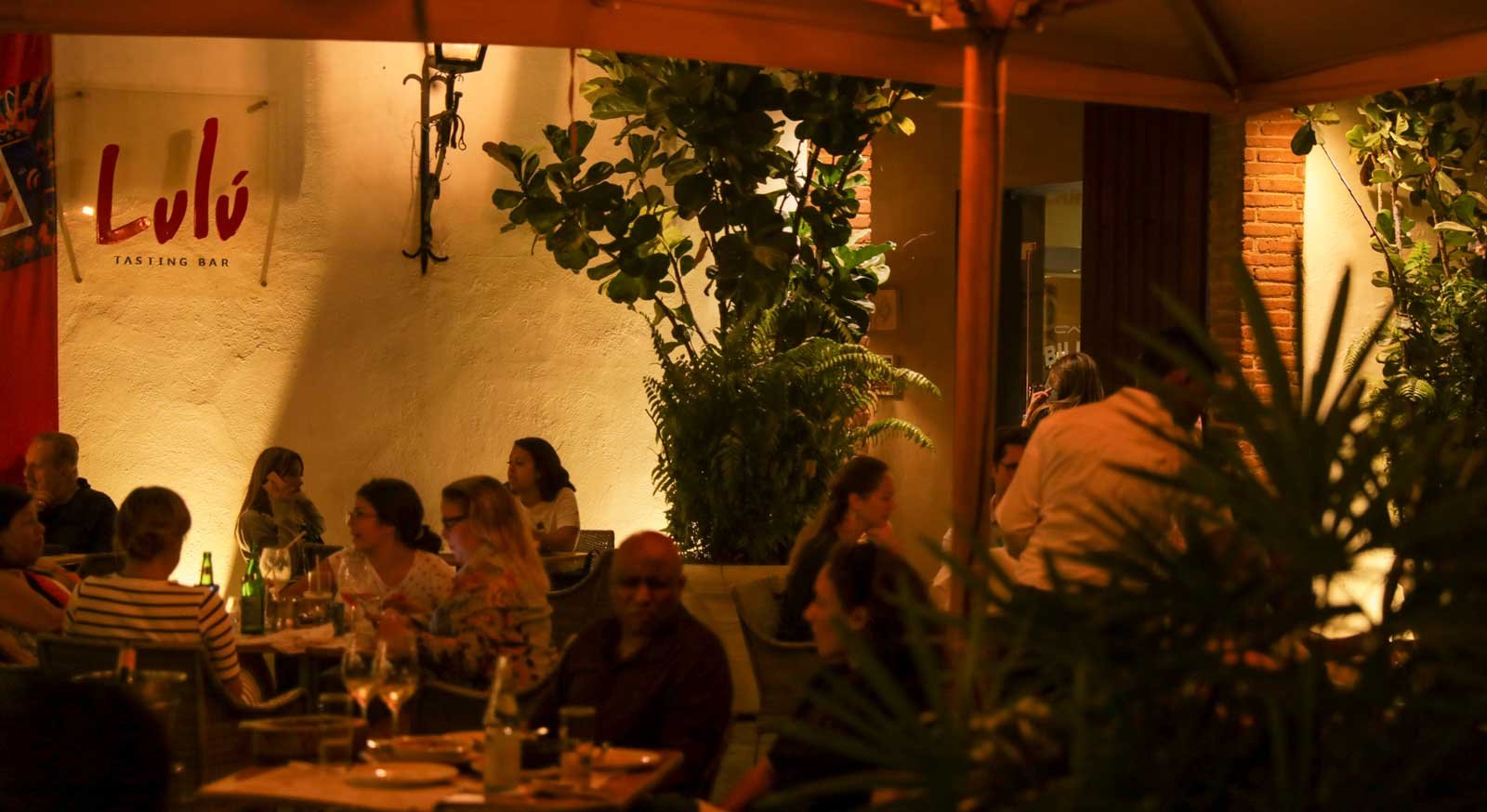
A Quiet Square and What It Says About Santo Domingo's Drinking Scene
Parque Billini sits at the southern edge of the Zona Colonial, a few blocks from the waterfront bluff and well inside the grid of 16th-century streets that give Santo Domingo its architectural weight. The square itself is low-traffic by Dominican standards: locals use the benches, pigeons use the fountain, and the surrounding buildings keep their colonial proportions without much commercial noise. It is precisely the kind of address that, in other Latin American cities, has become the default location for a certain type of bar that trades on intimacy over visibility. Lulú Tasting Bar, on Calle Padre Billini, fits that pattern. The address alone signals something about the intent: you are not dropping in here between shopping and dinner. You are coming specifically.
Santo Domingo's craft cocktail scene has developed in a city where rum is both the dominant spirit and, paradoxically, the one most frequently overlooked by serious bartenders chasing international recognition. The Dominican Republic sits in a rum tradition shaped by continuous column distillation and extended aging, producing spirits with a lighter, drier profile than the pot-still-heavy rums of Jamaica or Barbados. The best of those expressions, aged for a decade or more, have the kind of structural complexity that rewards the same close attention as aged Cognac or single malt whisky. A tasting bar format in this city is a natural fit for that category of spirit, even if the format itself is borrowed from the wine and spirits bars that proliferated in European capitals through the 2010s.
The Tasting Bar Format in Context
The tasting bar format, as it has evolved across cities from London to Singapore, operates on a few consistent premises: smaller capacity, a programme built around a defined point of view, and service that assumes the guest wants to learn something. 69 Colebrooke Row in London built its reputation on scientific cocktail technique in a narrow Islington room. Kumiko in Chicago structured its programme around Japanese craft spirits and considered food pairings. 28 HongKong Street in Singapore anchored Southeast Asia's craft cocktail emergence through a deliberately low-key format. What these bars share is not geography or spirit category but a deliberate rejection of scale as a metric of quality.
Lulú Tasting Bar occupies a similar structural position in Santo Domingo. The name itself, with its diminutive register, implies a room that does not need to shout. A tasting bar in this neighbourhood, at this address, suggests a programme designed around selection depth rather than volume throughput. Whether the emphasis falls on Dominican rum, regional spirits from across the Caribbean, or a more international cocktail canon is the kind of specific question that only direct engagement with the venue resolves, but the format points toward a curated, guide-heavy service approach.
How This Fits the Zona Colonial Drinking Circuit
The Zona Colonial supports a range of drinking formats, from the hotel bar operations of large colonial-mansion properties to street-level cervecerías and informal rum counters. At the premium end of that range, the Hodelpa Nicolás de Ovando represents the established hotel-bar model: a beautifully restored 16th-century building, courtyard seating, and the kind of setting that converts well on social media and captures the heritage-tourist segment effectively. What is less developed in Santo Domingo is the independent specialist bar that sits outside the hotel infrastructure and builds its own audience on programme merit rather than property prestige.
That is the gap Lulú appears to occupy. Independent craft bars of this type are common in Buenos Aires, Bogotá, and Mexico City, where the premium cocktail scene matured through the mid-2010s, but remain less established in the Spanish-speaking Caribbean. Cities like New York's Superbueno have brought Caribbean spirit traditions into sophisticated cocktail formats with documented success, often validating ingredients and techniques that the source-country bars are still building audiences for at home. Lulú Tasting Bar functions in that origin context, which makes it a different kind of proposition than its geographic peers in North American or European cities.
The Craft Cocktail Tradition It Draws On
Across the Americas, the bars that have built lasting reputations in the specialist tier share a few consistent characteristics: a cocktail programme with an identifiable technical or philosophical direction, spirits sourcing that goes beyond standard commercial pours, and a service model calibrated for guests who want more than a drink. Jewel of the South in New Orleans grounds its programme in the city's own cocktail history, treating rye and brandy classics with archival seriousness. Julep in Houston built an identity around American whiskey as a category rather than as a brand portfolio. Bar Leather Apron in Honolulu occupies a comparable niche in a Pacific market where fine drinking destinations are less dense. 1806 in Melbourne and 1930 in Milan represent the European tradition of historically grounded cocktail programmes. The Parlour in Frankfurt takes a similar position in a city without a strong cocktail heritage, building credibility through programme depth rather than location advantage.
Lulú Tasting Bar draws on that broader craft tradition while operating in a market where Dominican rum represents the most compelling local raw material. The Caribbean's relationship with rum is as regionally specific as Scotland's with whisky or Cognac's with Ugni Blanc, and the bars that engage with it seriously rather than decoratively tend to produce programmes with something to say.
Planning a Visit
Lulú Tasting Bar is located at Calle Padre Billini 59, directly on Parque Billini in the Zona Colonial. The address is walkable from the main colonial monuments and from the waterfront Malecón, making it a natural stop for anyone already spending time in the historic district. Given the tasting bar format, an early-evening visit before dinner is a reasonable approach, as smaller specialist bars of this type often reach capacity on weekends without formal reservations. Confirming current hours and booking arrangements directly before visiting is advisable; the Zona Colonial's independent venues operate on schedules that shift with season and local demand. For a broader picture of where Lulú sits within the city's full dining and drinking picture, the EP Club Santo Domingo guide maps the neighbourhood by format and price tier.
| Venue | Cuisine |
|---|---|
| Lulú Tasting BarThis venue — the venue you are viewing | This venue |
Continue exploring
More in Santo Domingo
Bars in Santo Domingo
Browse all →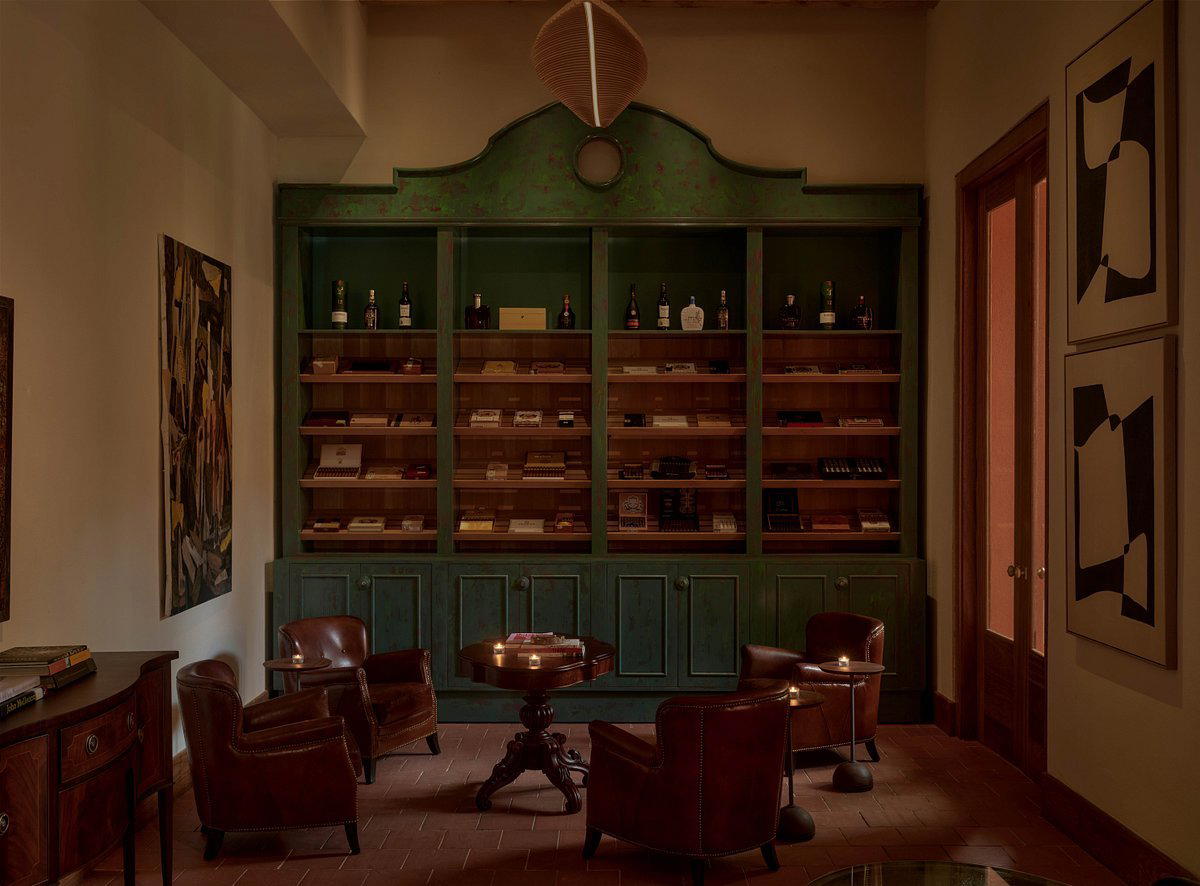
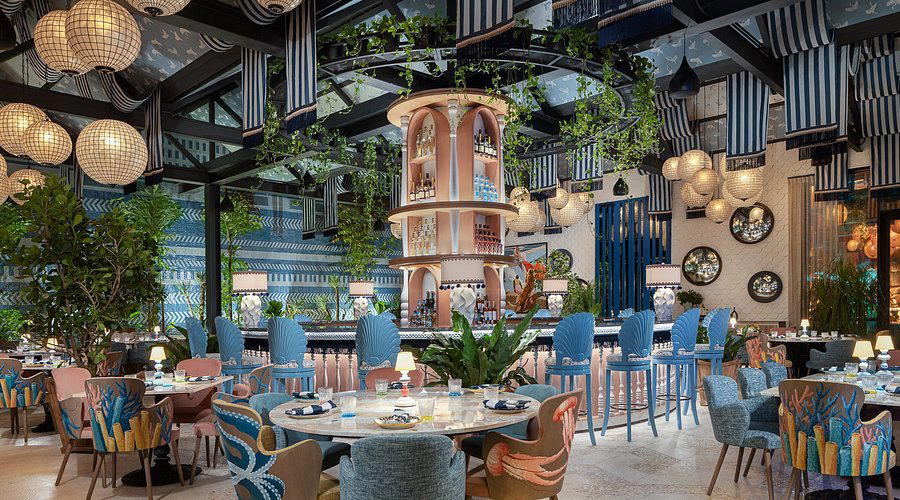
Restaurants in Santo Domingo
Browse all →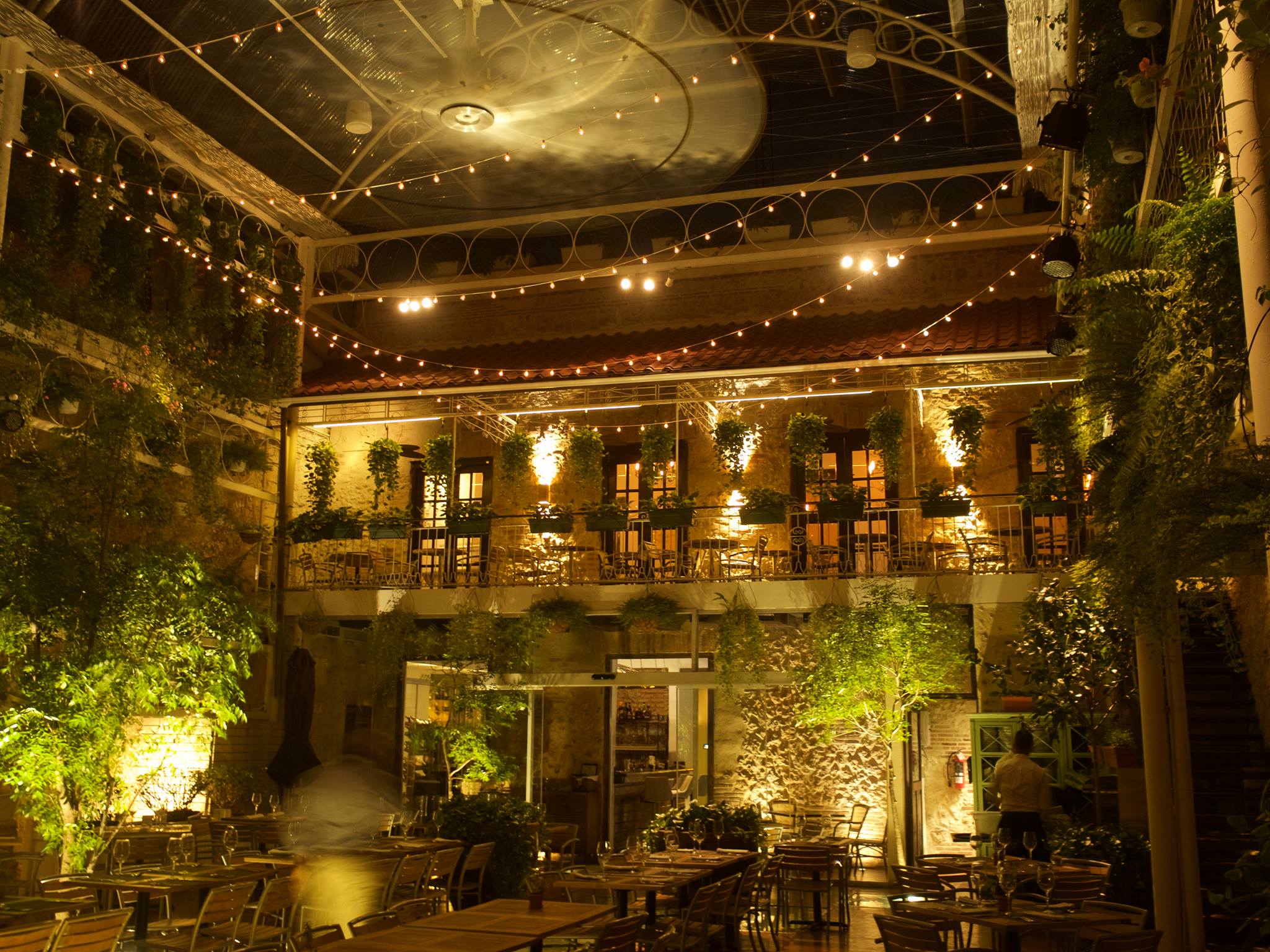

At a Glance
- Sophisticated
- Elegant
- Cozy
- Intimate
- Lively
- After Work
- Date Night
- Group Outing
- Special Occasion
- Casual Hangout
- Live Music
- Courtyard
- Historic Building
- Design Destination
- Standalone
- Terrace
- Seated Bar
- Lounge Seating
- Outdoor Terrace
- Booth Seating
- Craft Cocktails
- Conventional Wine
- Classic Cocktails
- Rum
- Gin
- Garden
- Street Scene
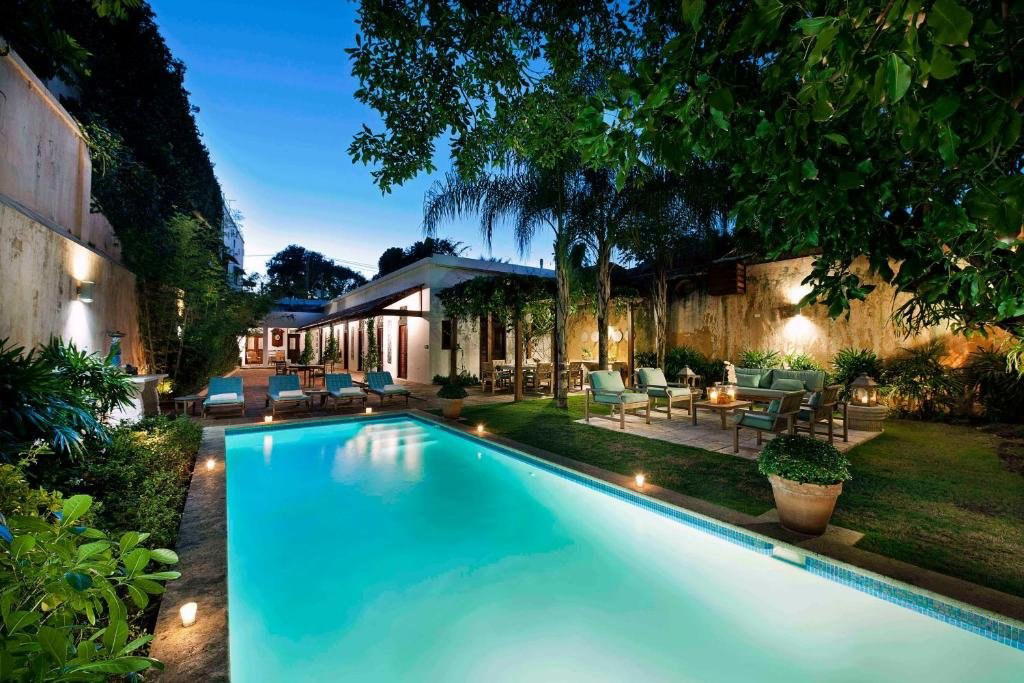
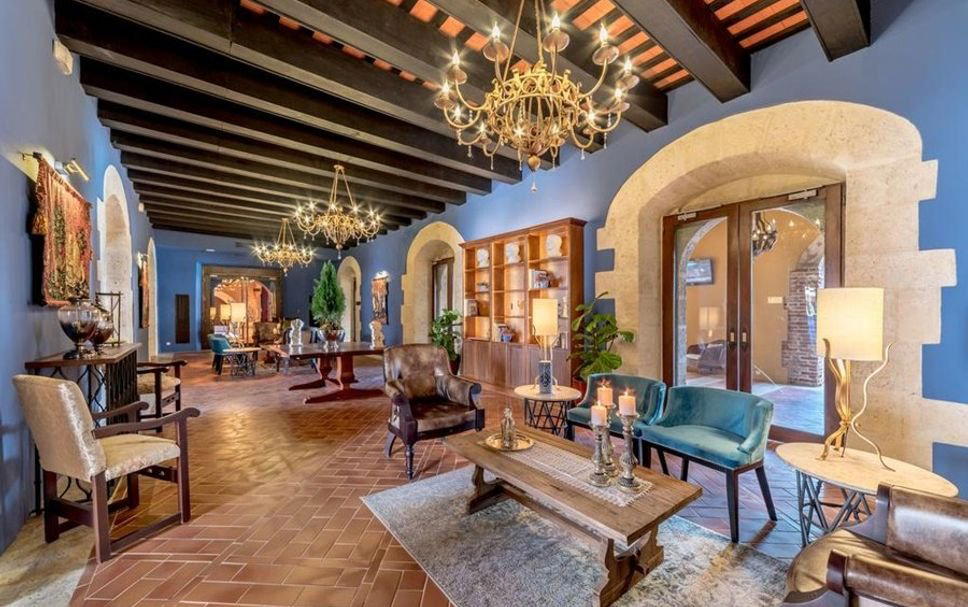
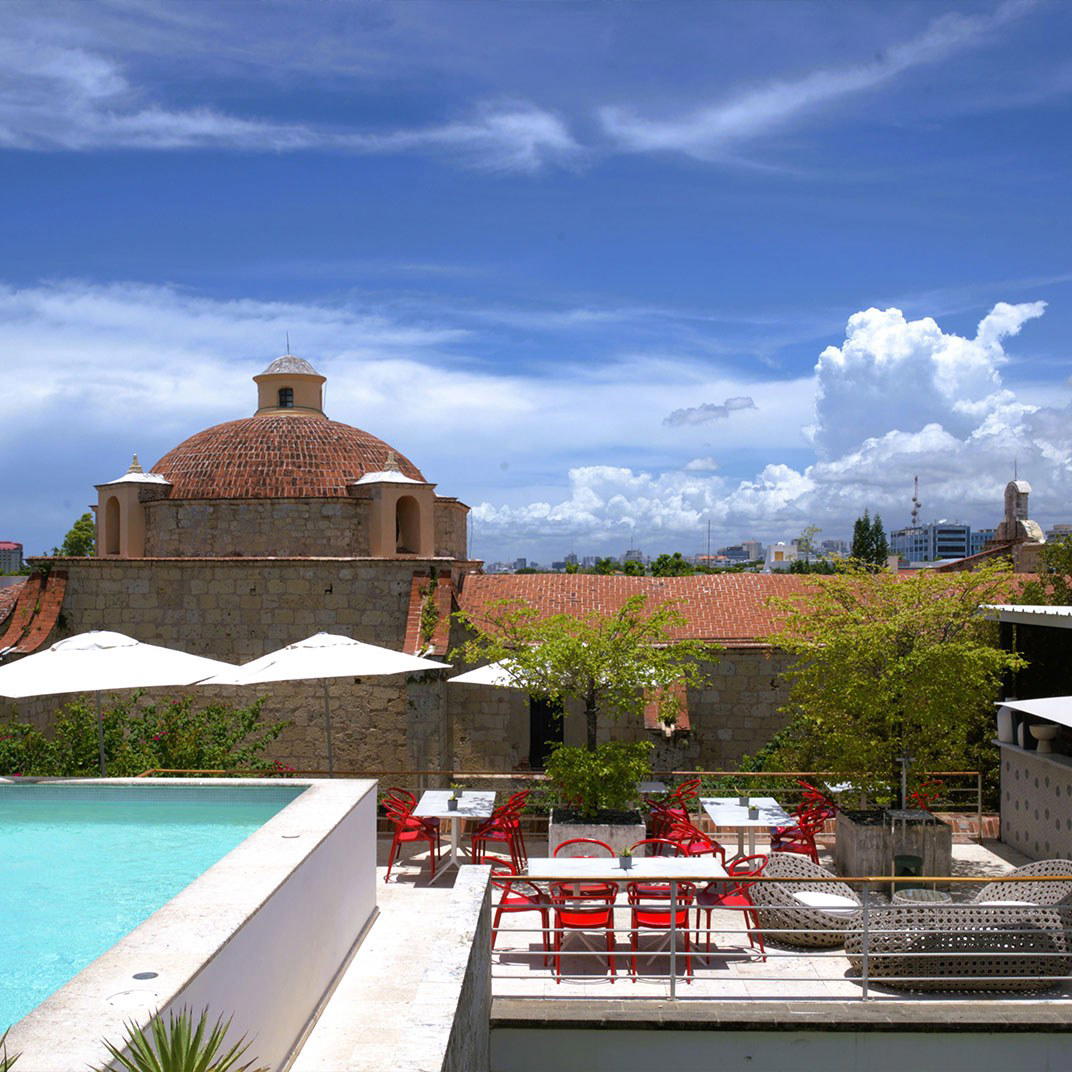
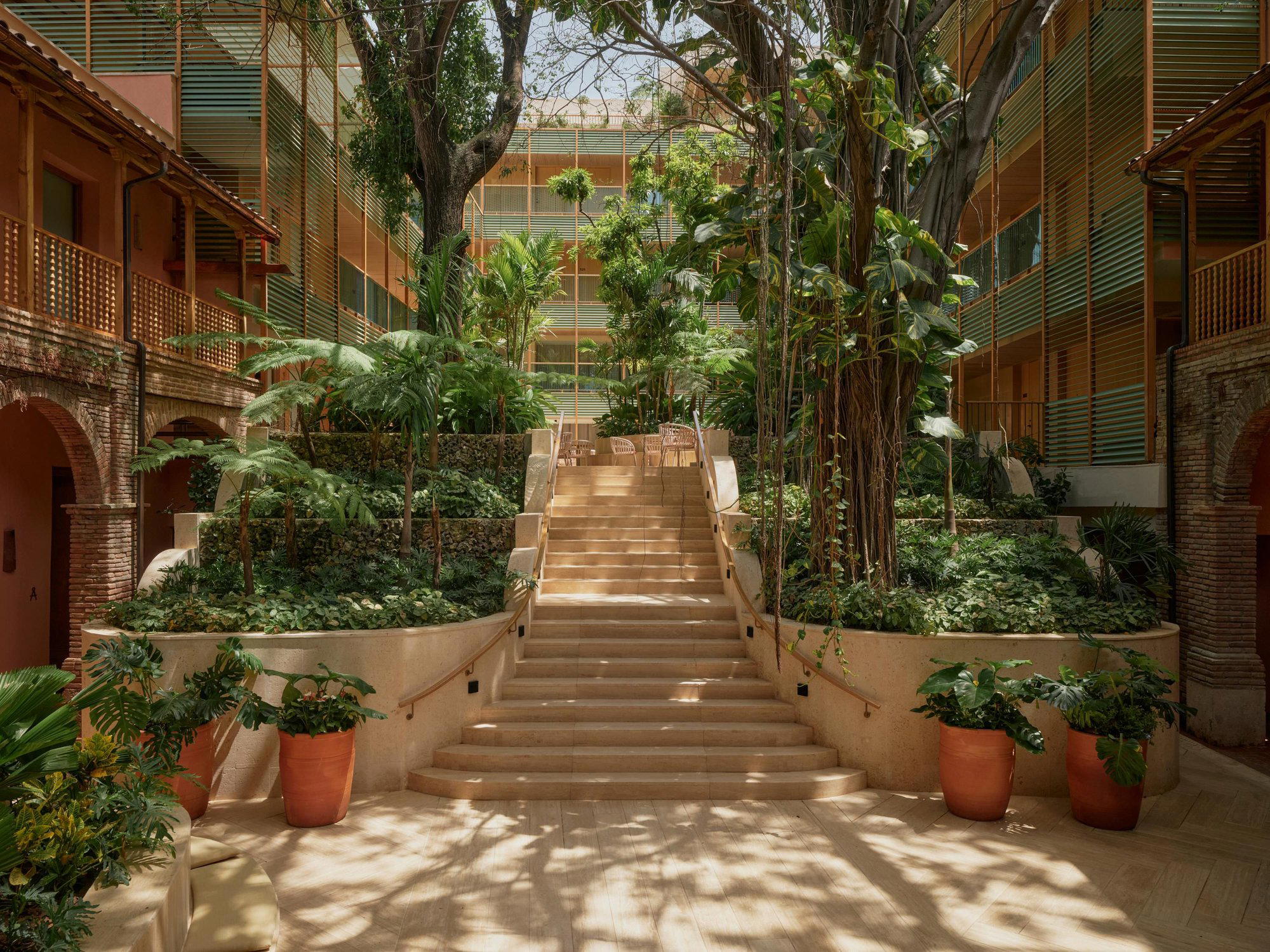
Stylish, cozy, and elegant with a courtyard-and-interior-patio feel, gentle music, and a chic colonial atmosphere that feels intimate and lively rather than noisy.
Know Before You Go
- Getting there
- Parque Billini, C. Padre Billini 59, Santo Domingo 10210, Dominican Republic