Long Table Distillery occupies a distinct position in Vancouver's craft spirits scene, operating from its Hornby Street address as a production distillery with a tasting room that draws both serious spirits drinkers and curious visitors. Where most Vancouver bars curate from external suppliers, Long Table distills on-site, making the production process part of the experience. It sits closer to Botanist Bar in ambition than to a standard neighbourhood bar.
Pearl is the En Primeur Club membership app — saves, bookings, and concierge access live there. Same editors, same standards.
- Address
- 1451 Hornby St, Vancouver, BC V6Z 1W8, Canada
- Phone
- +1 604 266 0177
- Website
- longtabledistillery.com
- Directions
- Get directions
 Saves & bookings on Pearl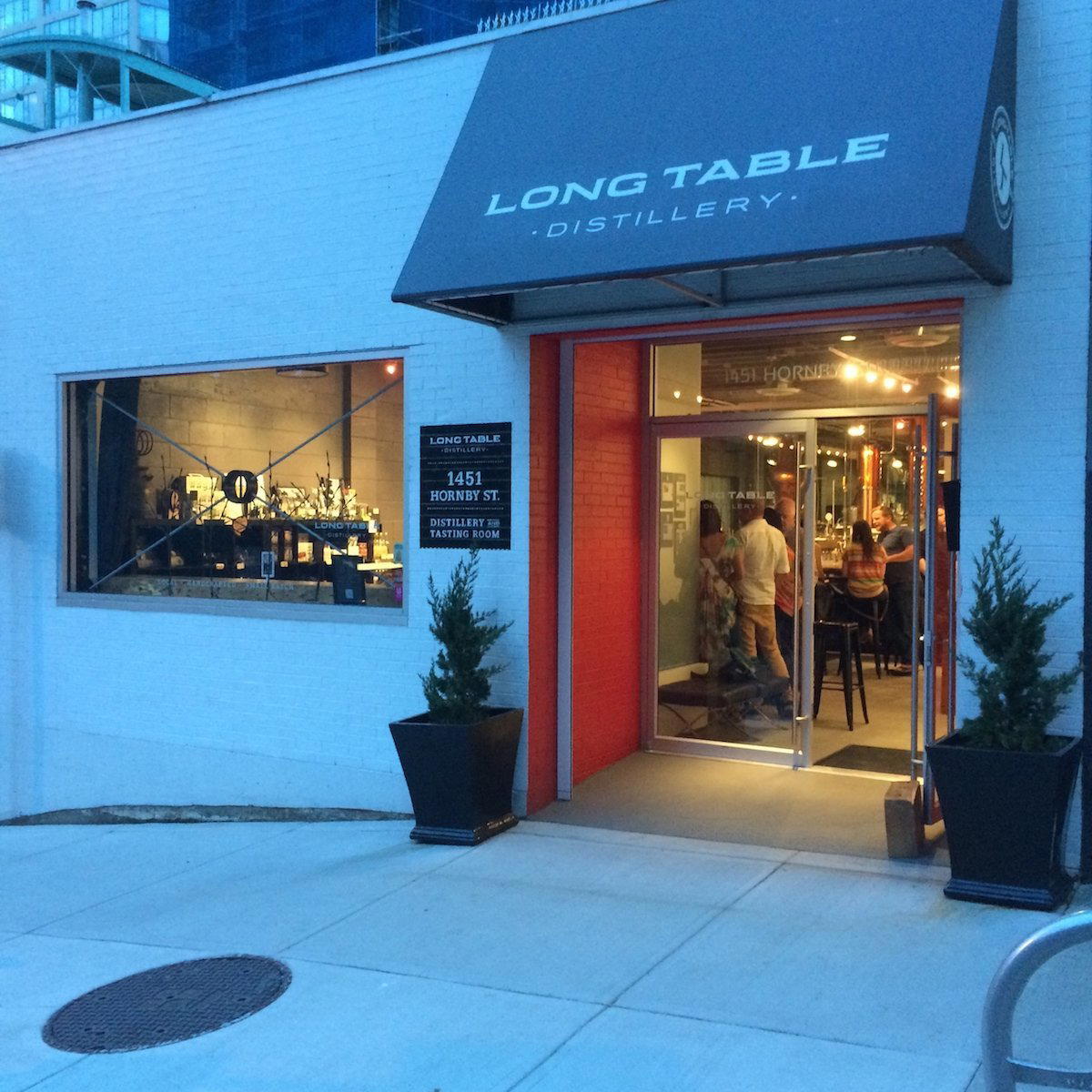
Where the Still Is the Bar
Craft distilling in North America has split into two distinct categories over the past decade: production facilities that allow tastings as an afterthought, and destination tasting rooms that treat the distillery floor as a legitimate bar environment. Long Table Distillery, at 1451 Hornby St in Vancouver's False Creek edge, belongs to the second group. Approaching from Hornby, the building reads less like a bar and more like a working facility that happens to serve drinks, which is precisely the point. The still is not hidden in a back room; it is the room. That transparency between production and consumption defines the experience before you order anything.
Vancouver's bar scene has matured considerably in recent years, with venues like Botanist Bar and Laowai raising the level of technical ambition across cocktail programming. Long Table operates in a different register: less about cocktail architecture and more about product provenance. The spirits on the bar were made in the same building where you are sitting. That is a shorter supply chain than almost any other poured-glass experience in the city.
The Craft of Production Bartending
The editorial angle that frames Long Table most accurately is what might be called production bartending: the discipline of people who understand spirits not from the delivery invoice side but from the fermentation and distillation side. In most bars, the bartender's expertise begins at the bottle. Here, the knowledge chain extends back to raw ingredients, wash preparation, and still operation. That depth changes how drinks are explained, recommended, and composed.
Canadian craft distilling has taken longer to develop a critical mass than the equivalent movements in whisky-forward markets like Kentucky or Scotland, but the West Coast has produced a distinct cohort of small producers working with local grain and botanicals. Long Table fits within that cohort, with gin as a category anchor, which aligns with British Columbia's broader inclination toward botanical spirits over aged whisky as a craft entry point. The province's access to diverse botanicals, from coastal flora to interior herbs, has made gin a logical flagship for several BC distilleries operating at this scale.
For spirits drinkers used to bars like Meo or Prophecy, where the conversation centres on sourcing from the world's established production regions, Long Table asks a different question: what does local production actually taste like when done with precision? That is not a rhetorical question. The answer is on the menu, poured by people who can trace the liquid in the glass back through every stage of its production.
The Vancouver Craft Spirits Context
Vancouver occupies an interesting position among Canadian cities when it comes to craft spirits. Unlike Toronto, where the density of bar programming has pushed venues toward increasing cocktail complexity, or Montreal, where tradition and innovation coexist in spaces like Atwater Cocktail Club, Vancouver's geography and food culture have inclined it toward ingredient-forward thinking. The same impulse that drives hyper-local restaurant sourcing on the dining side has found expression in distilling on the spirits side.
That broader West Coast craft movement extends down to Victoria, where Humboldt Bar represents a different expression of Pacific Northwest bar culture, and north to Whistler, where Bearfoot Bistro approaches spirits from a luxury hospitality angle. Long Table sits between those poles: more serious than a resort bar, less cocktail-programme-driven than a pure craft bar. It is a production house that also pours.
Compared to Bar Mordecai in Toronto or Missy's in Calgary, which operate as stand-alone cocktail bars drawing from a wide producer network, Long Table represents a narrower but deeper proposition. The range is constrained by what is made on-site, but that constraint is a feature, not a limitation. A focused spirits list with genuine production provenance often teaches a drinker more than a broad menu assembled from a distributor catalogue.
Further afield, venues like Bar Leather Apron in Honolulu and Grecos in Kingston demonstrate how different cities approach the specialist spirits bar format. What distinguishes Long Table within that broader map is the on-site distillation component, which remains relatively rare at the tasting-room scale in any major North American city.
What to Drink and How to Think About It
Gin is the logical starting point at any BC craft distillery of this profile, and the production context matters for how you engage with it. Botanicals in gin are not abstract descriptors on a back label here; they are choices made by people you can ask about them in the room where the decisions were made. That conversation is part of the product. Whether you come to the gin through a classic serve, a distillery-made cocktail, or a straight tasting flight, the educational bandwidth available exceeds what most cocktail bars can offer on externally sourced spirits.
The tasting room format is more appropriate for some drinkers than others. Those who prefer a high-volume, high-energy bar environment will find Long Table quieter and more structured. Those who approach spirits with the same curiosity they bring to wine or single-origin coffee will find the production environment genuinely illuminating. The distinction is temperament, not quality tier.
Planning Your Visit
Long Table Distillery is located at 1451 Hornby St, placing it within walking distance of the Yaletown and False Creek areas, which makes it a natural stop on an evening that might otherwise concentrate on Yaletown's restaurant strip. The tasting room format means it works well approached without the compressed schedule of a dinner booking. Give it an hour and a half rather than treating it as a quick pre-dinner drink. For broader Vancouver drinking context, the EP Club Vancouver guide maps the city's bar scene across multiple price tiers and formats. As with most craft distillery tasting rooms, checking current hours directly before visiting is advisable, as production-facility schedules can differ from standard bar hours.
Continue exploring
More in Vancouver
Bars in Vancouver
Browse all →
Restaurants in Vancouver
Browse all →
At a Glance
- Sophisticated
- Industrial
- Trendy
- Casual Hangout
- Group Outing
- After Work
- Special Occasion
- Standalone
- Design Destination
- Historic Building
- Seated Bar
- Standing Room
- Outdoor Terrace
- Craft Cocktails
- Gin
- Classic Cocktails
- Low Abv
Current opening hours
- Monday
- Closed
- Tuesday
- Closed
- Wednesday
- Closed
- Thursday
- 3–9 PM
- Friday
- 3–9 PM
- Saturday
- 3–9 PM
- Sunday
- 2–7 PM
Hours can change for holidays and private events. Last verified .
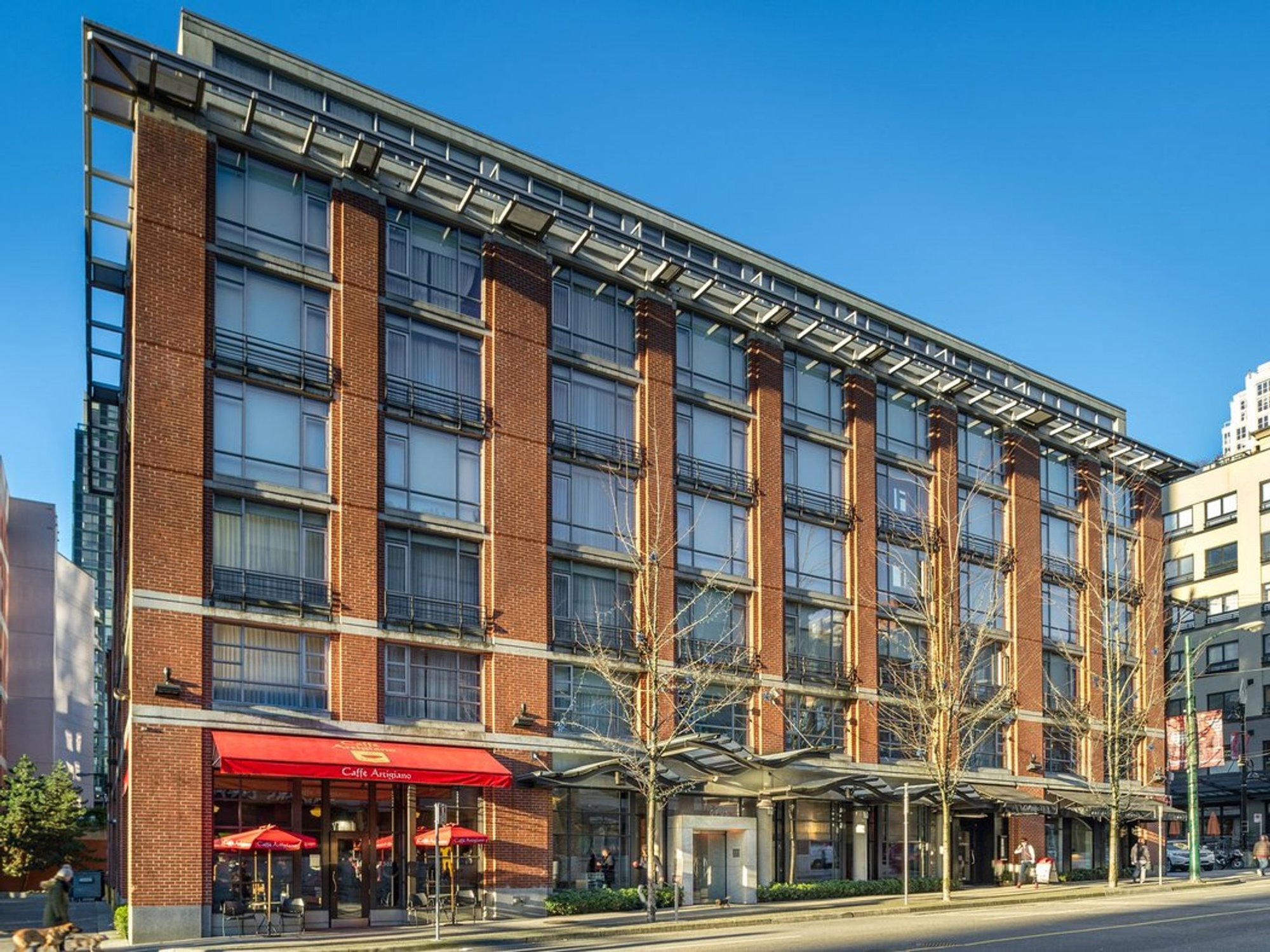
Industrial craft distillery setting with a combined production area, cocktail lounge, and retail space featuring a relaxed and engaging atmosphere where guests can observe the distillation process.
Know Before You Go
- Getting there
- 1451 Hornby St, Vancouver, BC V6Z 1W8, Canada