Lidia’s
Lidia's sits at 101 W 22nd St in Kansas City's Freight House district, bringing Italian-American cooking to a room that rewards unhurried evenings. The address has become a reference point for the city's broader conversation about regional dining traditions and how Italian hospitality translates to the American Midwest. A reliable choice for those who want substance over spectacle.
 Discover on Pearl
Pearl is the En Primeur Club membership app — saves, bookings, and concierge access live there. Same editors, same standards.
- Address
- 101 W 22nd St, Kansas City, MO 64108
- Phone
- +1 816 221 3722
- Website
- lidias-kc.com
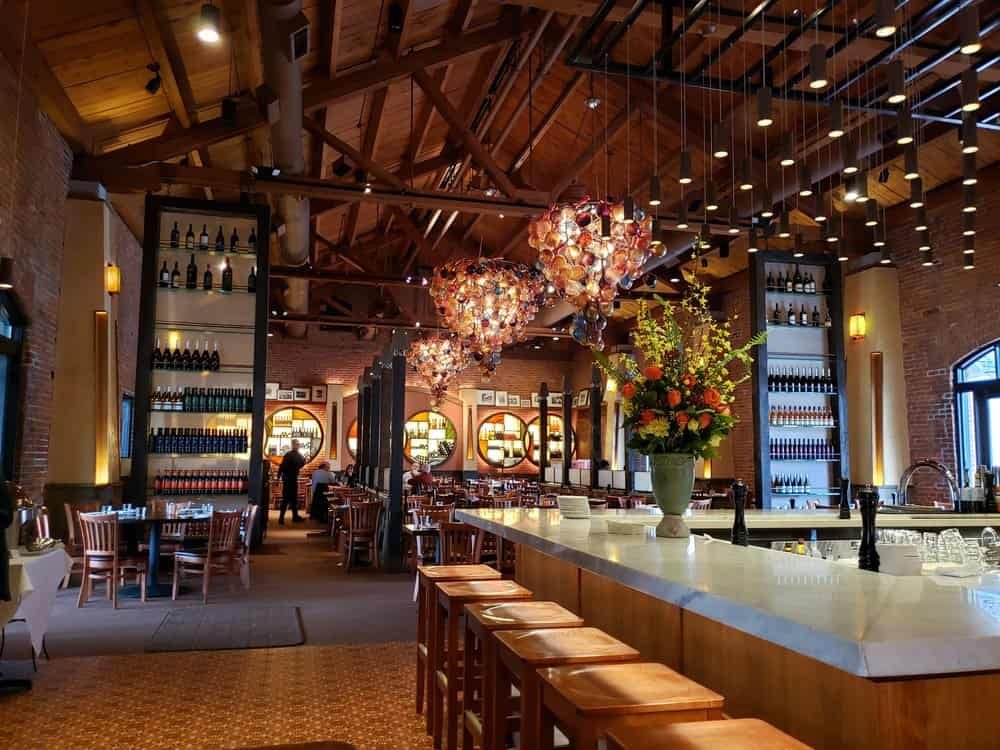
What the Room Tells You Before the Food Arrives
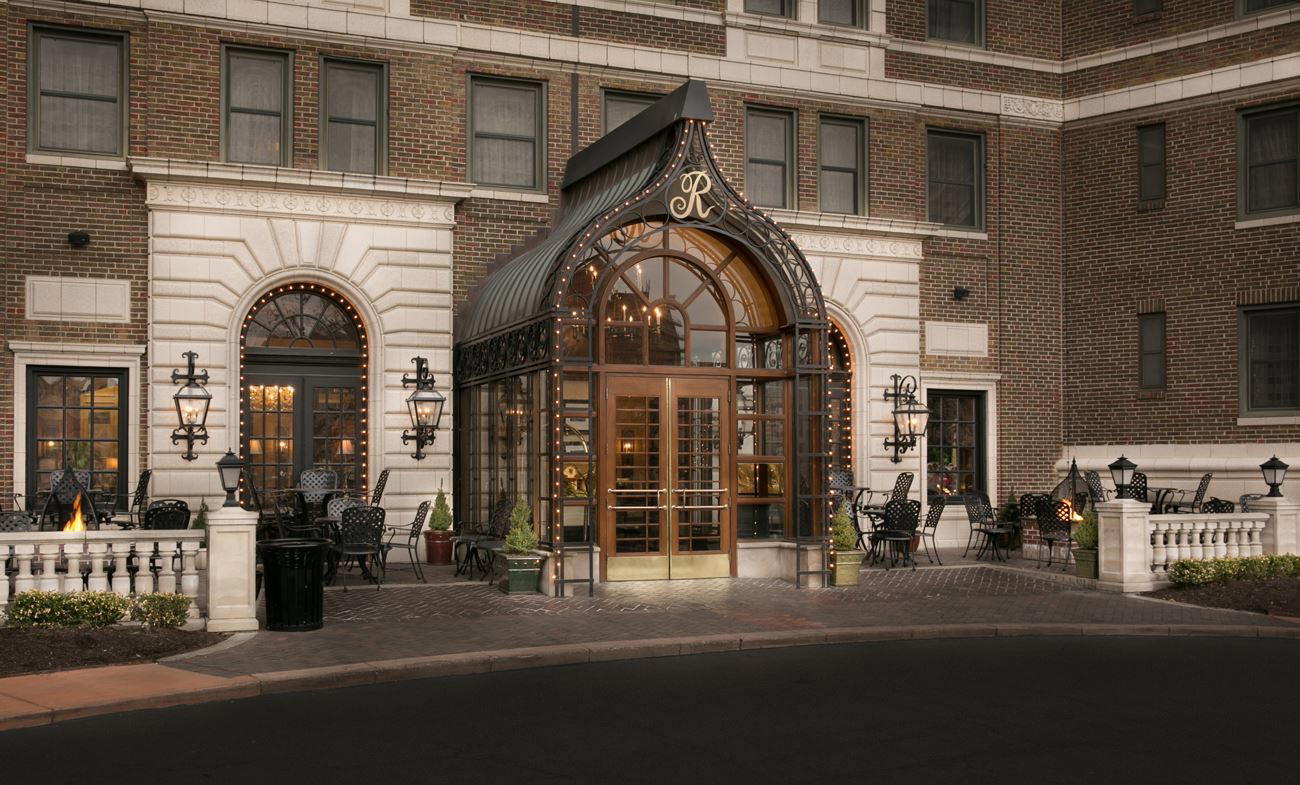
There is a particular kind of restaurant that announces its intentions through architecture rather than signage. Lidia's Kansas City, at 101 W 22nd St in the Freight House district, operates on that register. The building carries industrial bones, the kind of structure that retains enough mass and volume to absorb a full dining room without becoming noisy in that punishing, modern way. High ceilings, open sightlines, and a scale that tips toward the generous without feeling cavernous. For a city that has spent the last two decades building a serious restaurant culture alongside its barbecue reputation, Lidia's occupies an interesting position: Italian-American cooking presented with the confidence of a house that does not need to explain itself.
The Freight House neighbourhood itself has undergone considerable change since the area was repositioned as a dining and entertainment corridor. That shift placed a cluster of restaurants with different registers close together, which means Lidia's competes for the same evening against places working Kansas City barbecue, contemporary American, and an expanding bar scene that includes spots like Beer Kitchen and Billie's Grocery. That competition has not blunted Lidia's focus. If anything, the neighbourhood's density makes its Italian identity more legible by contrast.
The Sensory Coordinates of an Italian-American Room
Italian-American dining at this register tends to work through accumulation: the smell of garlic and olive oil arriving before the plate does, the sound of a room at comfortable occupation, the weight of ceramic and glassware that signals a kitchen taking its timing seriously. These are not incidental details. They are the grammar of a cuisine that has historically communicated care through abundance and warmth rather than minimalism and restraint.
In the American Midwest, that grammar connects to something the coasts sometimes underestimate. Kansas City's dining culture has always placed high value on generosity of portion and sincerity of hospitality, qualities that Italian-American cooking, at its finest, shares in full. Lidia's sits inside that overlap. The room encourages the kind of meal that extends across courses without urgency, the opposite of the quick-turn model that has colonised much of urban dining in the last decade.
For those building an evening around the area, the proximity to Blanc Champagne Bar and blue bird bistro creates a reasonable itinerary: a pre-dinner drink at one, the main event at Lidia's, and a natural close to the evening in a neighbourhood that has enough critical mass to support that kind of unhurried movement.
Italian-American Cooking and Its Place in the Midwest
The Italian-American tradition that Lidia's draws from is a specific and often misread culinary lineage. It is not Italian food translated for American palates, nor is it simply comfort food with a European label. At its most considered, it is a cuisine shaped by emigrant communities that preserved certain regional Italian techniques while adapting to local ingredients and the social rhythms of American life. Pasta made with particular attention to texture, sauces built over time rather than assembled quickly, proteins treated with a seriousness that reflects the Italian understanding of the whole meal as a sequence rather than a single plate.
In a city where the culinary conversation has historically centred on smoked meats, the presence of a kitchen working this tradition seriously represents a different kind of local commitment. Kansas City has developed enough dining range that Italian-American cooking no longer reads as exotic or aspirational. It reads as part of a mature restaurant city's full offering. Lidia's has contributed to that maturation.
For comparison, the bar programs at venues like Kumiko in Chicago and Jewel of the South in New Orleans illustrate how the broader American dining scene has developed serious beverage programs alongside kitchen ambition. The wine and drink offering at any Italian-American restaurant of this standing functions as a parallel track to the food: the right glass of Barbera or Sangiovese changes the tempo of a pasta course in a way that beer, however well-made, does not. Places like Julep in Houston and ABV in San Francisco have shown that beverage programs with genuine editorial conviction can anchor a dining experience just as firmly as kitchen craft. Lidia's operates in a city where that sensibility is increasingly understood.
How Lidia's Sits Within Kansas City's Current Dining Conversation
Kansas City's restaurant scene has matured quickly, with a second tier of serious, non-barbecue restaurants now generating the kind of word-of-mouth that once belonged exclusively to the city's smoke pits. Within that context, Lidia's holds a position that newer openings have to work against: the credibility of longevity. A restaurant that has maintained its identity and audience across the period of Kansas City's dining expansion is making a statement about consistency that no amount of opening-night press can replicate.
The Italian-American format also sits differently in Kansas City than it would in New York or Chicago, where the tradition is crowded and highly competitive. Here, it occupies a more distinct space, which gives Lidia's a clearer identity relative to its local peer set. That clarity extends to the kind of hospitality the room delivers. Italian-American service culture, when it is functioning well, creates the sense that the table belongs to the guest for the duration of the meal. That model aligns well with Kansas City's hospitality instincts, which have always been more generous than formal.
For those planning a visit, the address at 101 W 22nd St places Lidia's within easy reach of the Union Station area and the broader Freight House corridor. The neighbourhood is walkable for those staying in downtown Kansas City hotels, and the surrounding area offers enough pre- and post-dinner options to support a full evening without requiring a car between stops. Booking ahead is the sensible approach for weekend evenings; weekday visits tend to offer more flexibility and a room at lower volume, which suits the cuisine's unhurried register.
Travellers building a wider picture of the Kansas City dining scene can find broader context in our full Kansas City restaurants guide. Those interested in how comparable beverage-forward venues operate in other American cities might also look at Bar Leather Apron in Honolulu, Superbueno in New York City, or The Parlour in Frankfurt on the Main for a sense of how hospitality-led formats vary across markets.
Continue exploring
More in Kansas City
Bars in Kansas City
Browse all →
Restaurants in Kansas City
Browse all →
Hotels in Kansas City
Browse all →


Wineries in Kansas City
Browse all →
At a Glance
- Elegant
- Sophisticated
- Classic
- Date Night
- Special Occasion
- Celebration
- Historic Building
- Seated Bar
- Lounge Seating
- Booth Seating
- Classic Cocktails
- Craft Cocktails
Glitzy locale with blown-glass chandeliers, theatrical NYC-style interior, and elegant dining atmosphere.