Wood Tavern
Wood Tavern occupies a corner of Wynwood's NW 23rd Street where the neighborhood's industrial bones meet a bar program built around considered drinking rather than spectacle. The menu reads as a deliberate argument for how a Miami tavern should operate: food and drink as equals, neither subordinate to the other. It sits in a tier of Miami independents that prioritize craft depth over volume.
Wynwood After the Murals Fade
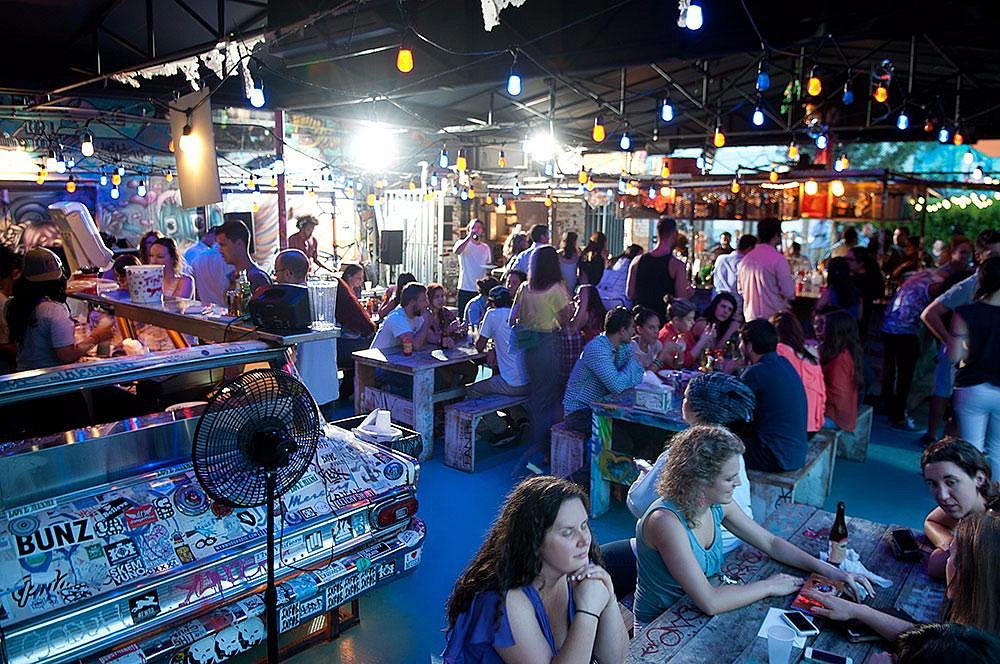
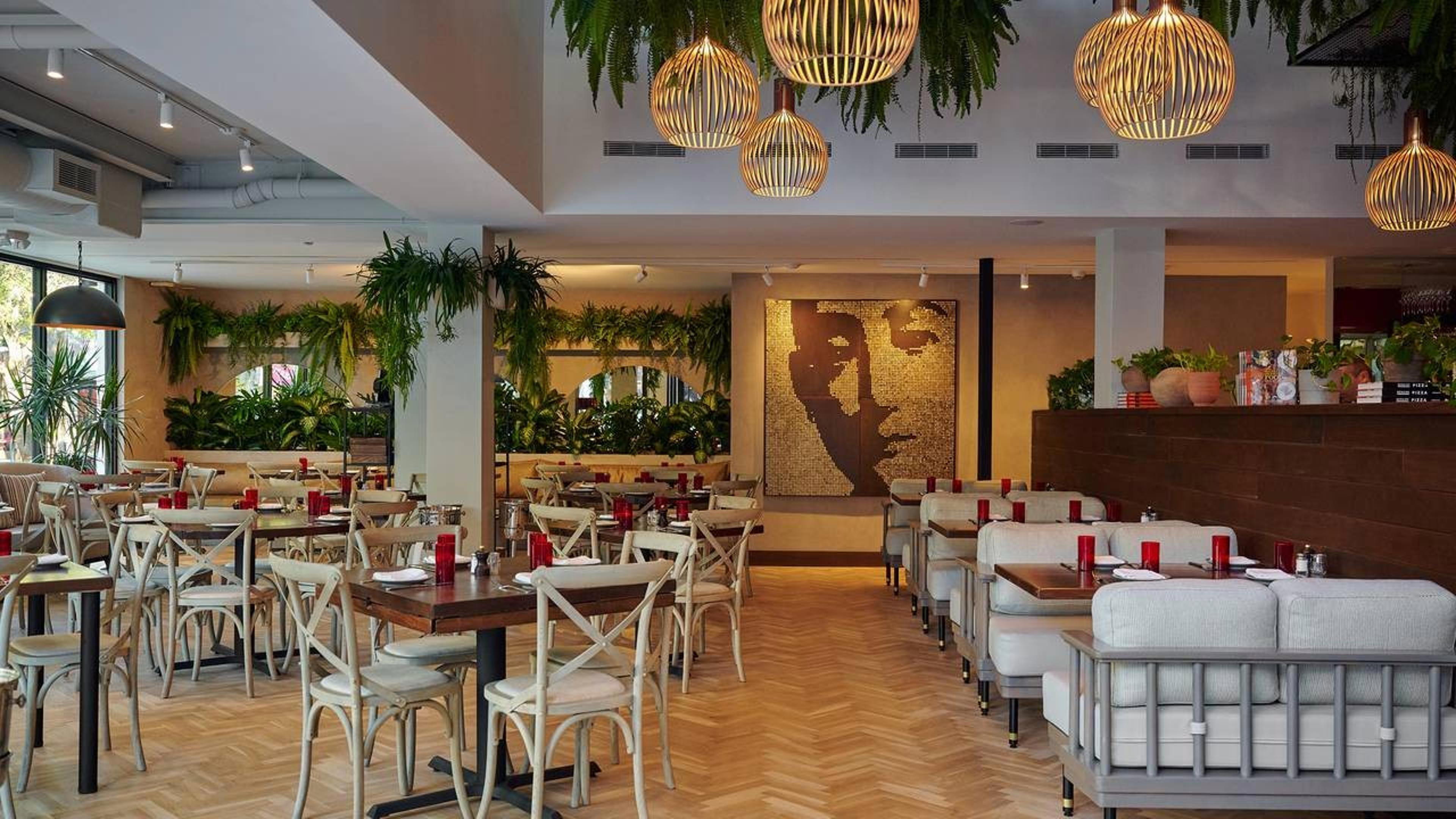
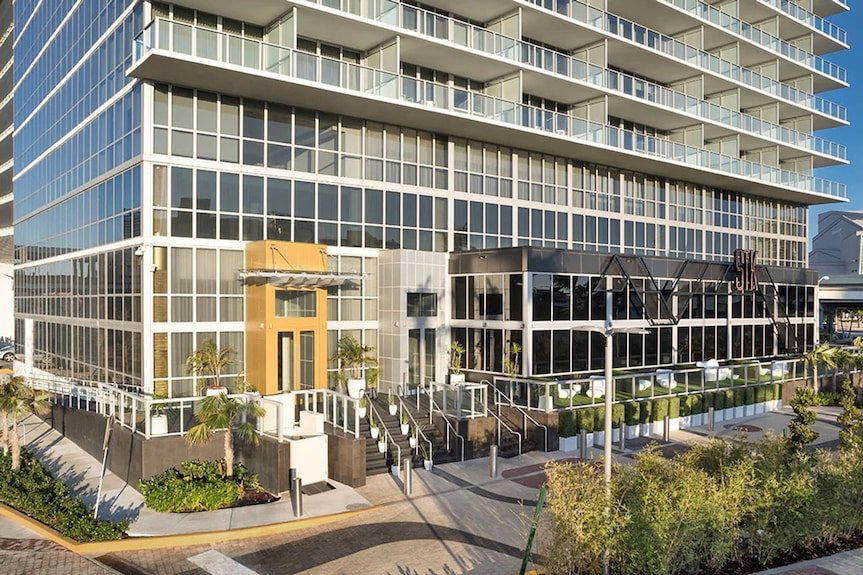
By the time you reach the corner of NW 23rd Street, Wynwood's gallery-row energy has started to thin. The street art is still there, but the foot traffic thins and the light changes. Wood Tavern reads the room accordingly: its exterior signals a place that does not need to compete with the neighborhood's louder attractions. The building's rough edges are deliberate. Inside, the materiality leans into reclaimed wood and low light in a way that is less designed ambiance and more accumulated character. This is where the OS-1 atmospheric brief begins to matter, because approaching Wood Tavern tells you something about where Miami's independent bar-restaurant scene has been heading.
Wynwood built its identity on spectacle, and for years the food and drink that followed the art crowd were spectacle-adjacent: large-format cocktails, Instagram-friendly plates, venues that leaned on the neighborhood's energy rather than generating their own. Wood Tavern represents a counter-position within that same zip code. Its format is closer to the neighborhood tavern tradition than to the cocktail-destination model, which puts it in an interesting position relative to the broader Miami bar scene.
How the Menu Argues Its Case
Menu architecture is often the clearest window into what a venue actually believes about hospitality. At Wood Tavern, the structure is deliberately non-hierarchical between food and drink. That decision alone separates it from the majority of Miami's independent openings of the last decade, where the bar program either headlines (craft cocktail bar with food as support) or retreats (restaurant with a serviceable wine list). The tavern model insists on parity, and that insistence shapes everything downstream: the approachability of the price points, the informality of the service rhythm, the absence of tasting-menu theatrics.
This is a format that has found traction in other American cities. ABV in San Francisco operates on a similar food-and-drink parity principle, treating its small plates as genuine counterparts to an ambitious amaro and spirits list rather than padding. Kumiko in Chicago takes the idea further into Japanese-inflected precision, but the underlying logic is the same: the menu is a single argument, not two separate programs occupying the same room. Wood Tavern's version of this sits closer to the approachable end of that spectrum, which is the right calibration for Wynwood.
Within Miami specifically, the bar-restaurant overlap has been handled in different registers. Café La Trova positions Cuban heritage as the organizing principle for both its cocktail list and its kitchen output, creating a tightly themed experience where menu structure reinforces cultural storytelling. Broken Shaker built its reputation on bar-first innovation, with food as a considered but secondary element.
The Miami Independent Tier
Miami's hospitality scene continues to split along a familiar axis: large-footprint venues tied to hotel groups and entertainment districts on one side, and a smaller cohort of independent operators working specific neighborhoods on the other. Wood Tavern belongs firmly to the independent tier, which carries both advantages and constraints. The advantages are creative control and neighborhood authenticity. The constraints are visibility and the logistical overhead of operating without a larger group's infrastructure.
That independent positioning places Wood Tavern in conversation with venues like Bar Kaiju, which operates in a similarly specific register within Miami's bar culture, and at some distance from the entertainment-district model represented by Mango's, where scale and spectacle are the product. Neither pole is wrong, but they are answering different questions about what a Miami night out can be.
For the reader plotting a broader Miami itinerary, Wood Tavern occupies a useful slot: it is the kind of place that functions as a neighborhood anchor rather than a destination requiring advance planning. That accessibility is itself a form of curation. See our full Miami restaurants guide for how Wood Tavern fits into a wider circuit of the city's independent operators.
Craft Bar Traditions and How Miami Fits
The American craft bar movement has developed a set of recognizable signifiers over the past fifteen years: house-made syrups, sourced spirits with documented provenance, menus organized by flavor logic rather than spirit category. Miami has been a slower adopter of the more rigorous end of this format than cities like New York, Chicago, or New Orleans, partly because the climate and the tourist economy favor high-volume, accessible drinking over the deliberative pace that serious bar programs require.
The cities where the format has taken deepest root tend to share certain conditions: a local drinker base that returns regularly, a willingness to pay for technique, and enough critical attention to make bar program investment worthwhile. Jewel of the South in New Orleans operates with the historical weight of the city's cocktail tradition behind it. Julep in Houston built its program around Southern whiskey heritage with genuine depth. Superbueno in New York City reframes Latin American drinking culture through a technically precise lens. Bar Leather Apron in Honolulu and The Parlour in Frankfurt on the Main each demonstrate how the craft bar format adapts to local conditions without losing its structural rigor.
Wood Tavern's position within Miami represents a bet that a portion of the local market is ready for that seriousness. The bet is not without precedent in the city, but it is still a less crowded space than comparable markets in the Northeast or Midwest.
Planning a Visit
Wood Tavern sits at 311 NW 23rd Street in Miami's Wynwood neighborhood, reachable from the Design District or from Midtown Miami without difficulty. The format does not require advance reservations in the way that tasting-menu restaurants demand, which makes it a useful late-addition to a Miami evening rather than its anchor. The neighborhood has reliable rideshare pickup, and parking is possible in the immediate vicinity on weeknights, though weekend Wynwood traffic adds friction. Given the tavern format and the neighborhood's general temperature toward walk-ins, arriving before peak weekend hours is the sensible approach if specific timing matters to you.
Cuisine and Awards Snapshot
| Venue | Cuisine | Price | Awards |
|---|---|---|---|
| Wood TavernThis venue (the venue you are viewing) | This venue | Not listed | Not listed |
| Bar Kaiju | World's 50 Best | $20–30 | World's 50 Best #70 · Top 500 Bars Best Bars #264 |
| Broken Shaker | World's 50 Best | $20–30 | World's 50 Best #32 · Food & Wine Top 10 US Hotel Bars #4 |
| Café La Trova | World's 50 Best | Not listed | Not listed |
| Mango's | World's 50 Best | $50–100 | World's 50 Best #45 |
| Viceversa | World's 50 Best | Not listed | Not listed |
Continue exploring
More in Miami
Bars in Miami
All bars in Miami →
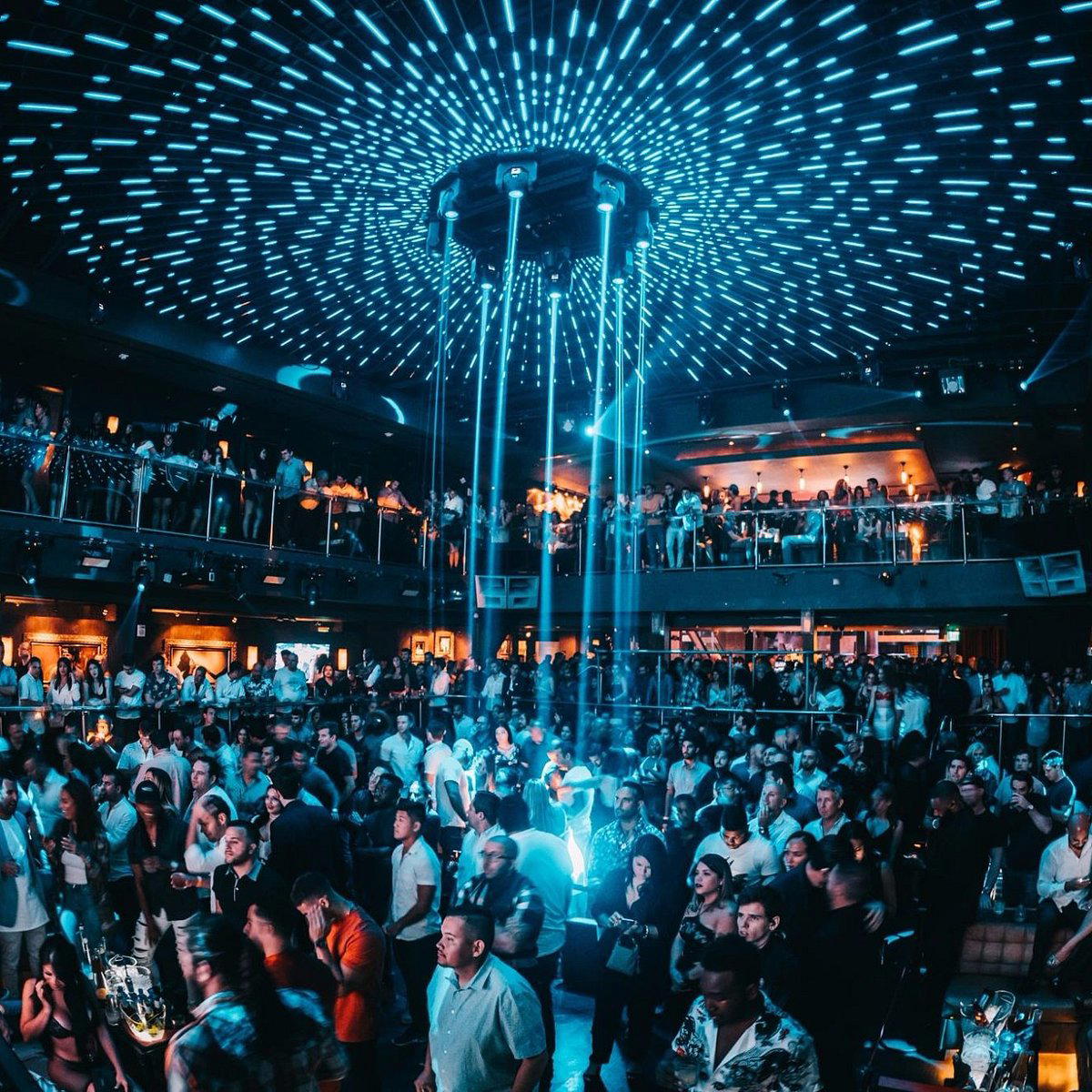
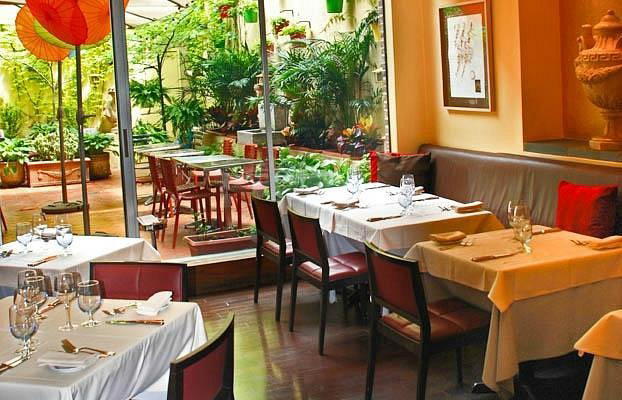
Restaurants in Miami
All restaurants in Miami →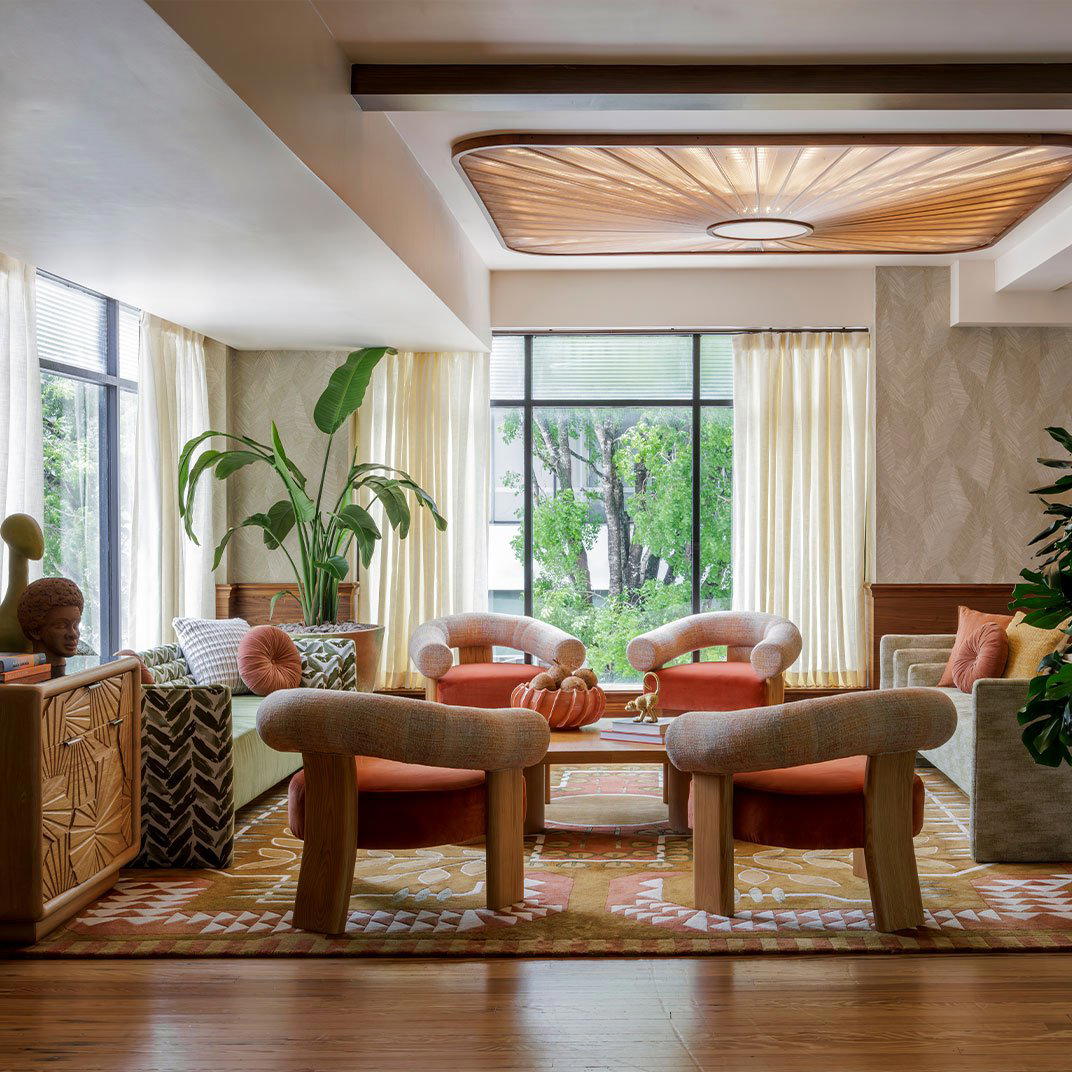
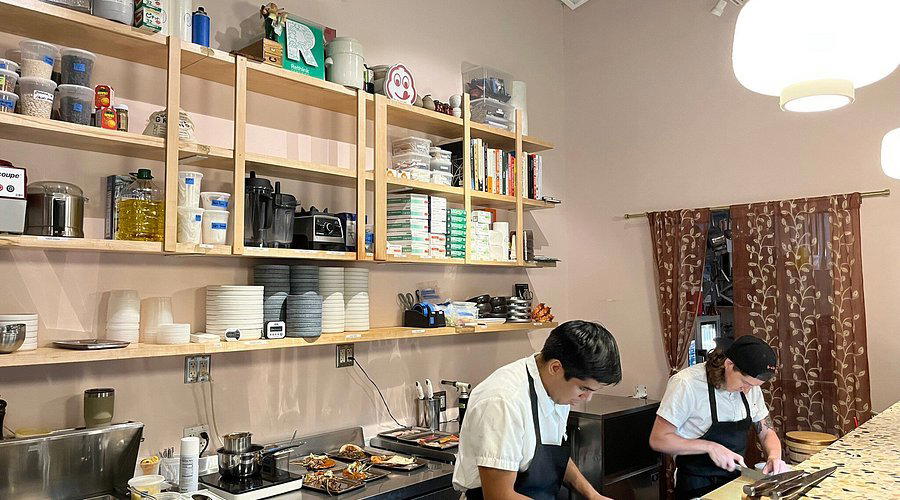
Wood Tavern
The drinks
- Classic cocktails
Signature drinks: Wood Mojito, Wynwood Mule.
Details
- Lively
- Trendy
- Well Known
- Energetic
- Group Outing
- Casual Hangout
- Standalone
- Outdoor Terrace
- Communal Tables
- Classic Cocktails
Lively, casual outdoor patio with groovy, welcoming atmosphere and good music.