On Rue Tiquetonne in Paris's 2nd arrondissement, Le Dénicheur occupies a slice of the city's bar scene that rewards those who know where to look. The drinks programme leans into craft and character, positioned within a neighbourhood that has quietly become one of the more interesting pockets for late-night drinking in central Paris. Go for the cocktails, stay for the atmosphere.
Pearl is the En Primeur Club membership app — saves, bookings, and concierge access live there. Same editors, same standards.
- Address
- 4 Rue Tiquetonne, 75002 Paris, France
- Phone
- +33 1 42 21 31 01
- Website
- ledenicheurparis.com
- Directions
- Get directions
 Saves & bookings on Pearl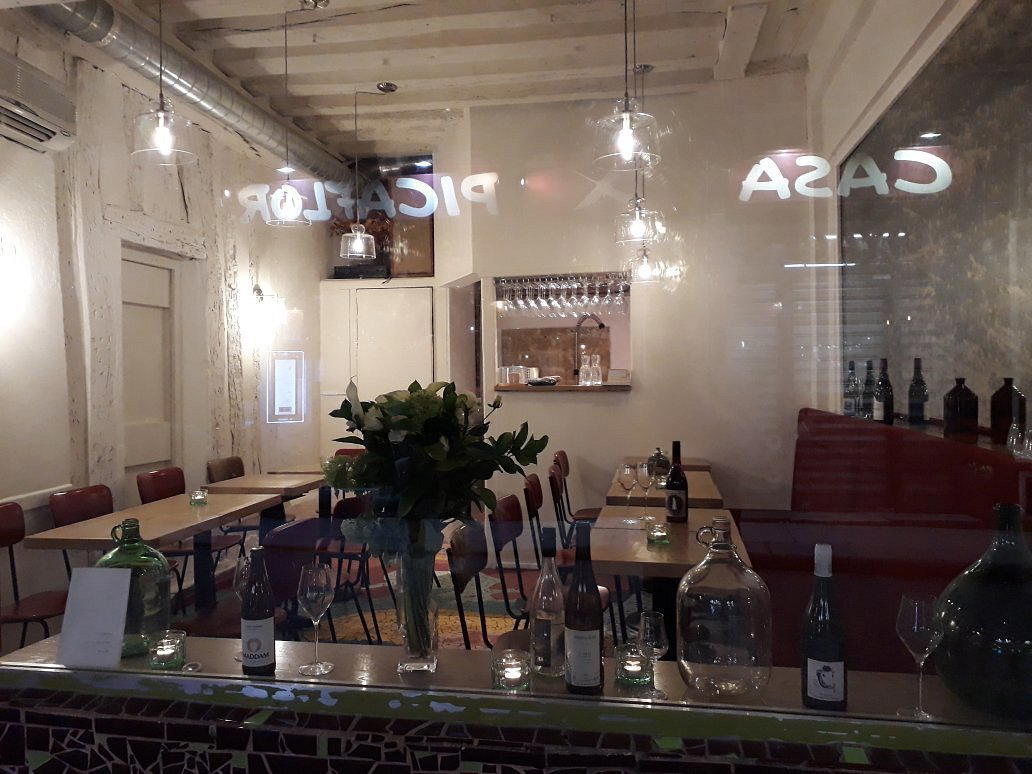
Rue Tiquetonne and the 2nd Arrondissement's Drinking Culture
Paris's 2nd arrondissement doesn't announce itself the way the Marais or Saint-Germain do. The streets around Rue Montorgueil and Rue Tiquetonne have a working density to them, market traders, print shops, and old-fashioned tabacs sitting alongside a newer layer of bars and small restaurants that have moved in without fanfare. It is precisely this lack of spectacle that makes the neighbourhood compelling for serious drinking. The bars here tend to earn their clientele rather than inherit it from tourist foot traffic, and Le Dénicheur, at 4 Rue Tiquetonne, sits at 4 Rue Tiquetonne, Paris, in the 2nd arrondissement.
The wider Paris cocktail scene has shifted considerably over the past decade. The city moved away from its long dependence on wine-and-spirit simplicity toward a more technically engaged bar culture, with programmes built around house-made syrups, sourced bitters, and deliberate spirits selection. Venues like Candelaria on Rue de Saintonge helped establish that Paris could sustain a mezcal-forward, craft-led approach; Danico near the Palais Royal demonstrated that a hotel-adjacent bar could carry genuine programme ambition. Le Dénicheur operates in this same cultural moment but from a neighbourhood that hasn't yet been over-mapped by the cocktail press, which matters for the atmosphere you'll find there.
The Physical Environment
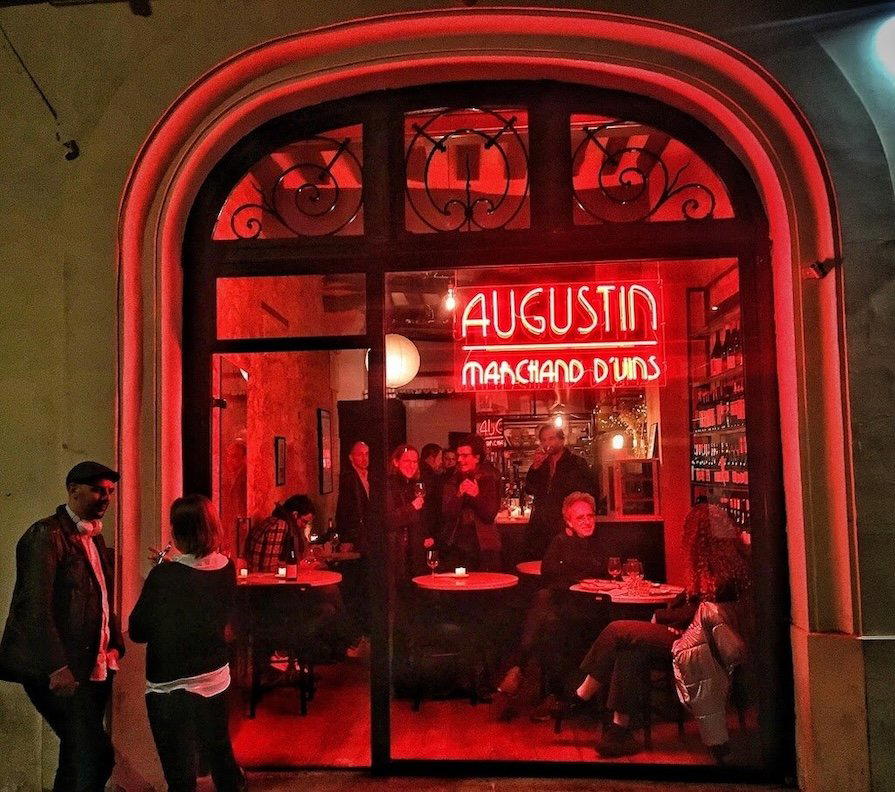
Rue Tiquetonne is narrow, cobbled in stretches, and carries that particular Parisian quality of feeling simultaneously central and obscure. Approaching Le Dénicheur in the early evening, the street is still in transition, café terraces filling up, the last of the market-adjacent commerce winding down. Inside, the bar occupies an intimate space characteristic of the 2nd arrondissement's older building stock: low ceilings, compressed proportions, the kind of room where conversation travels easily from one end of the counter to the other. This is not a venue built for spectacle or scale. It belongs to the category of Paris bars where the physical constraints become a feature, proximity and informality as assets rather than limitations.
This format has a clear comparable set in the city. Buddha Bar operates at the opposite end of the scale, high ceilings, theatrical design, a room built to impress on entry. Bar Nouveau sits somewhere between the two in terms of format ambition. The bar's smaller, more compressed character positions it closer to the neighbourhood-bar end of the spectrum, where regulars account for a meaningful share of any given evening.
The Cocktail Programme
The editorial angle that matters most for the bar is what its cocktail programme signals about where the bar sits in the wider Paris drinking conversation. Paris's craft bar movement has broadly sorted into two camps: the technically ambitious venues with rotating menus, house ferments, and a self-conscious relationship to innovation, and the more relaxed, classically informed bars where quality is expressed through consistent execution and well-chosen spirits rather than through novelty. The bar, based on its position in the Rue Tiquetonne neighbourhood and its format, reads as the latter, a bar where the drinks are taken seriously without the programme becoming the performance.
This is a meaningful distinction for the Paris market. The technically maximalist approach, exemplified by some of the city's more celebrated cocktail addresses, carries a different social contract: you are there partly to observe craft being demonstrated. The classically informed approach invites a different relationship with the bar, one where the drink arrives without preamble and the evening moves at its own pace. Both are valid; they serve different purposes on different nights. For those who find the performative end of the spectrum tiring, bars like Le Dénicheur offer an alternative that Paris's 2nd arrondissement is particularly well-suited to host.
France's broader bar culture, outside Paris, also provides useful comparison points. Papa Doble in Montpellier and La Maison M. in Lyon represent how French cities outside the capital have developed their own craft-bar identities, often with less pressure to conform to international cocktail trends. Au Brasseur in Strasbourg, Bar Casa Bordeaux, and Coté Vin in Toulouse each demonstrate that the French provincial bar scene is developing its own vocabulary independent of Parisian influence. In that national context, the bar represents the Paris counterpoint: a bar that is unambiguously of its city and its neighbourhood without trying to export a concept.
When to Go and How to Plan
The 2nd arrondissement's bar scene has a rhythm that differs from the Marais or the 11th. The neighbourhood empties earlier on weekday evenings and fills differently on weekends, when the Rue Montorgueil market crowd dissipates and a younger after-dinner audience takes over the surrounding streets. For the bar, the practical implication is that mid-week visits tend to offer a quieter, more considered experience, the counter accessible, conversation possible, the bar operating at a pace that allows for a second or third drink without feeling rushed. Weekend evenings push toward capacity and noise, which suits a different mood.
Paris in autumn and winter makes bars like this particularly relevant. The compressed space and the informality of the Rue Tiquetonne strip feel better calibrated to cold-weather evenings than to summer, when terraces and open-air drinking dominate the city's social life. If you're planning a Paris visit between October and March, the 2nd arrondissement's indoor bar culture, the bar included, offers something that the city's summer drinking scene simply cannot replicate.
The bar is walk-in friendly, with opening hours from 6 PM to 2 AM every day.
Peers Worth Knowing
Comparable venues nearby, for context on price, style, and recognition.
| Venue | Cuisine | Price | Notes |
|---|---|---|---|
| Le DénicheurThis venue — the venue you are viewing | wine_bar | $$ | Not listed |
| Aux Deux Amis | wine_bar | $$ | 11th arrondissement |
| Le Louxor | lounge | $$ | Barbès |
| TERRA Bar à Vins | wine_bar | $$ | Le Marais |
| La Maison du Saké | sake_bar | $$ | 2nd arrondissement |
| La Fine Mousse | beer_bar | $$ | Oberkampf |
Continue exploring
More in Paris
Bars in Paris
Browse all →
Restaurants in Paris
Browse all →
Hotels in Paris
Browse all →
At a Glance
- Cozy
- Intimate
- Casual Hangout
- Date Night
- Standalone
- Seated Bar
- Outdoor Terrace
- Natural Wine
Current opening hours
- Monday
- 6 PM–2 AM
- Tuesday
- 6 PM–2 AM
- Wednesday
- 6 PM–2 AM
- Thursday
- 6 PM–2 AM
- Friday
- 6 PM–2 AM
- Saturday
- 6 PM–2 AM
- Sunday
- 6 PM–2 AM
Hours can change for holidays and private events. Last verified .
Cozy and intimate atmosphere with stylish wooden tables, metal chairs, and strategic red furniture accents, enhanced by carefully selected music.