Lazy Tiger
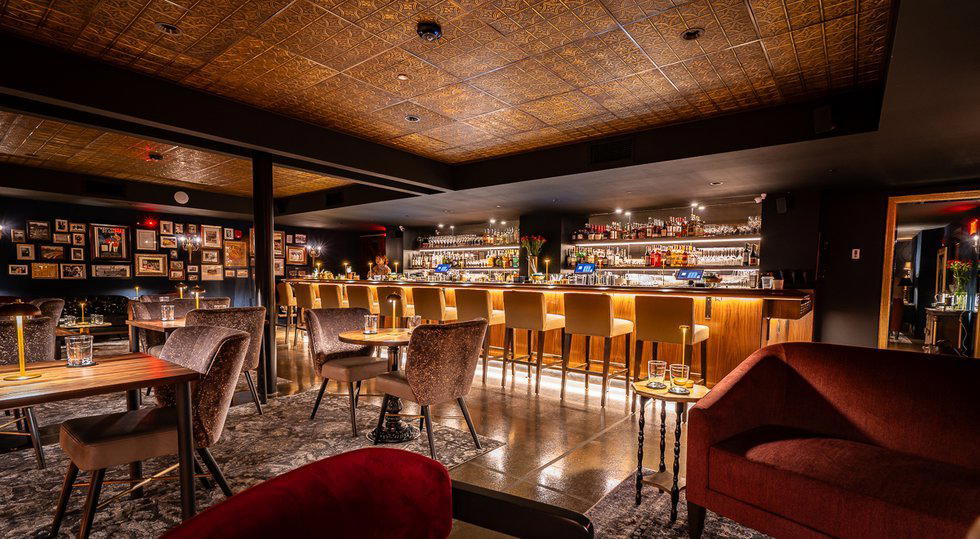
Lazy Tiger sits on North Euclid Avenue in St. Louis's Central West End, operating as one of the neighborhood's most deliberate cocktail bars. The menu architecture signals serious intent: a structured program that positions the bar within a growing tier of American cocktail destinations that prioritize craft over spectacle. It belongs on the same conversation thread as the city's better drinking rooms.
Pearl is the En Primeur Club membership app — saves, bookings, and concierge access live there. Same editors, same standards.
- Address
- 210 N Euclid Ave, St. Louis, MO 63108
- Phone
- +1 314 925 8888
- Website
- lazytigerstl.com
- Directions
- Get directions
 Saves & bookings on Pearl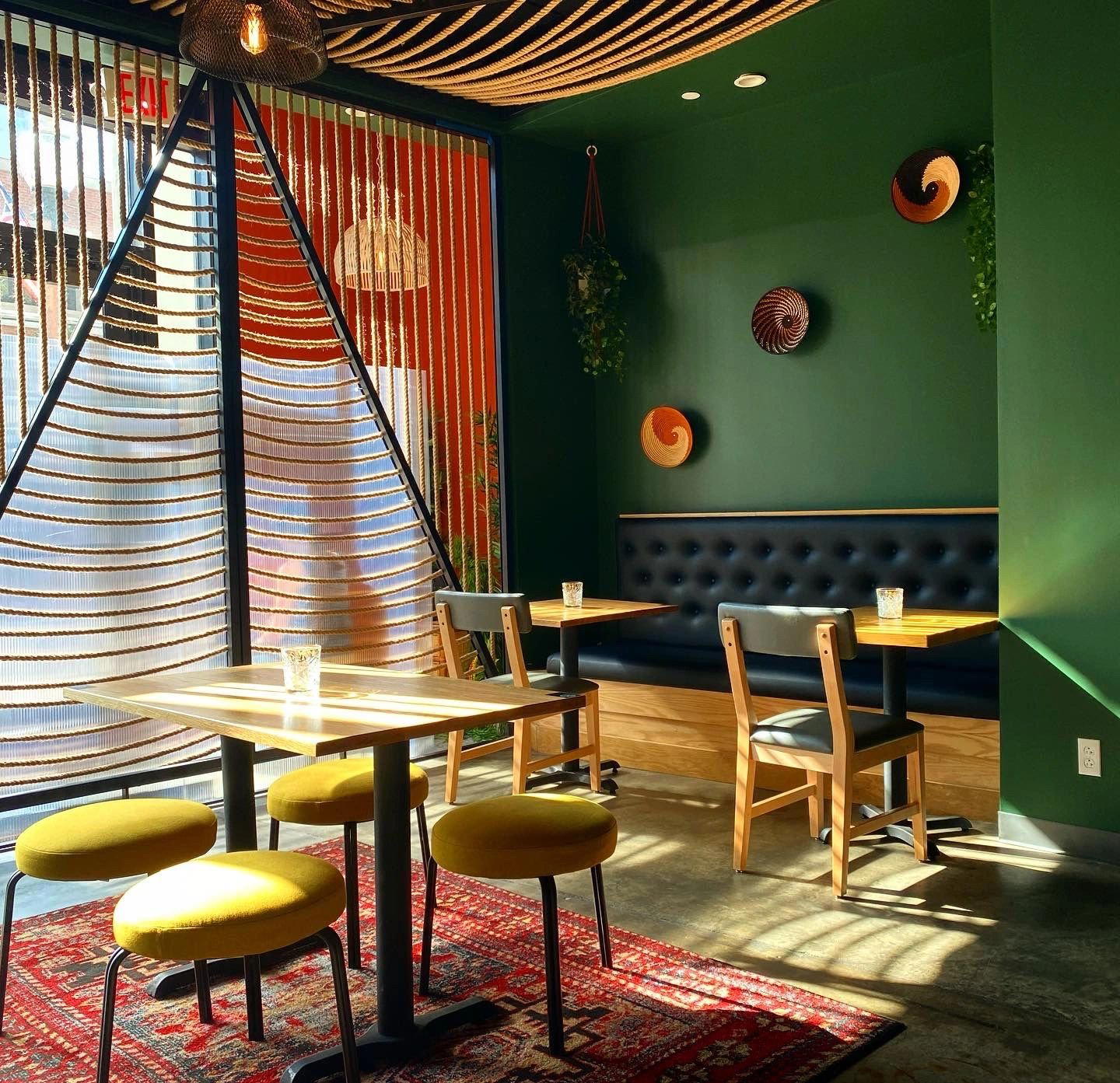
The Central West End's Drinking Room
North Euclid Avenue anchors the Central West End's commercial spine, and the stretch between Forest Park and Lindell has quietly developed into one of St. Louis's more concentrated pockets of considered hospitality. Lazy Tiger at 210 N Euclid Ave sits inside that pattern rather than apart from it. The Central West End draws a crowd that moves between independent restaurants, wine bars, and cocktail rooms with enough frequency that a bar here competes on depth of program, not novelty of address.
Across American mid-tier cities, cocktail bars have bifurcated sharply over the past decade: one cohort chasing spectacle formats, another building quieter, more technically rigorous programs where the menu structure does the communicating. Lazy Tiger belongs to the second cohort. The bar's position on Euclid places it within walking distance of the neighborhood's dining cluster, which means it functions both as a destination and as a natural extension of an evening that starts somewhere else on the block.
What the Menu Structure Says
The most reliable signal of a cocktail bar's ambition is not any single drink but how the menu is organized. A thoughtfully architected menu reveals whether a bar is thinking about a single occasion or across a full session, whether it trusts its guests to move through a sequence, and whether the kitchen or bar is the intellectual center of the operation. At bars operating at Lazy Tiger's positioning in the Central West End market, the expectation is that a menu does more than list options: it guides, groups, and implies a point of view about what drinking should feel like at different moments of the night.
This approach to menu architecture connects Lazy Tiger to a broader American cocktail conversation happening simultaneously in cities like Chicago, New Orleans, and New York. Kumiko in Chicago built its reputation partly on a menu structure that reads as a deliberate sequence rather than a list of options. Jewel of the South in New Orleans operates around historical reference as an organizing principle. Superbueno in New York City uses regional Latin spirits as its structural logic. Each of these bars communicates a framework before the first drink arrives. The bars worth paying attention to in any city share this quality: the menu is an argument, not a catalog.
Internationally, the same discipline shows up at Bar Leather Apron in Honolulu, where precision and restraint define the program, and at The Parlour in Frankfurt on the Main, which uses European bar tradition as a structural anchor. What connects these rooms across geographies is that the menu architecture signals intent before the bartender says a word.
St. Louis in the Broader Cocktail Map
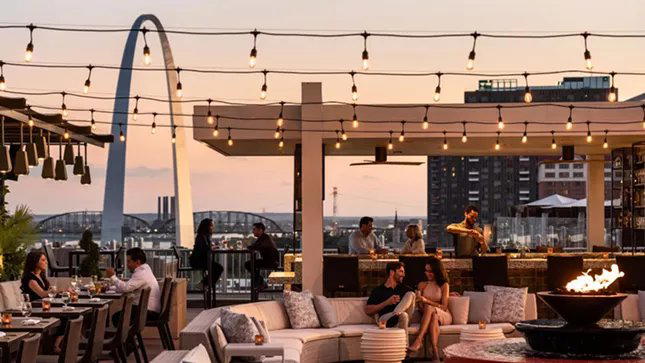
St. Louis has a drinking culture that extends well beyond cocktail bars. The city's craft brewing scene, anchored by producers like 2nd Shift Brewing and 4 Hands Brewing Company, gives the city a strong baseline of beverage identity. Hotel bars like the Angad Arts Hotel St. Louis and skyline-facing rooms like 360 Rooftop Bar serve a different function, one built around setting and occasion rather than program depth.
Within that ecosystem, a bar like Lazy Tiger occupies a specific tier: the kind of room where the drinking is the occasion, not the backdrop. That tier is smaller in St. Louis than in Chicago or New York, which means bars that occupy it carry more weight in defining what serious cocktail culture looks like in the city. The same dynamic operates in Houston, where Julep has built sustained credibility by focusing on Southern spirits with genuine specificity, or in San Francisco, where ABV holds a similar position in its neighborhood.
For St. Louis, Lazy Tiger's location in the Central West End rather than in a downtown hotel or a more tourist-facing corridor is itself an editorial statement. The neighborhood is residential enough that a bar here builds a local following first, which tends to produce a different kind of program than one engineered primarily for visitors.
Planning Your Visit
The Central West End is accessible by car and by the MetroLink light rail, with the Central West End station serving the neighborhood. North Euclid Avenue's dining and drinking cluster means that an evening here typically involves more than one stop: the block supports movement between venues in a way that fewer St. Louis neighborhoods do as naturally. For a fuller picture of what the city offers across dining and drinking, the EP Club St. Louis guide maps the broader scene by neighborhood and category.
The bar's Central West End address and neighborhood character suggest a walk-in format typical of the district, but policies can shift seasonally.
Awards and Standing
| Venue | Awards |
|---|---|
| Lazy TigerThis venue — the venue you are viewing | This venue |
At a Glance
- Trendy
- Cozy
- Modern
- Date Night
- Casual Hangout
- After Work
- Standalone
- Seated Bar
- Lounge Seating
- Craft Cocktails
- Mezcal
Current opening hours
- Monday
- Closed
- Tuesday
- 5–10 PM
- Wednesday
- 5–10 PM
- Thursday
- 5–10 PM
- Friday
- 5–11 PM
- Saturday
- 5–11 PM
- Sunday
- Closed
Hours can change for holidays and private events. Last verified .
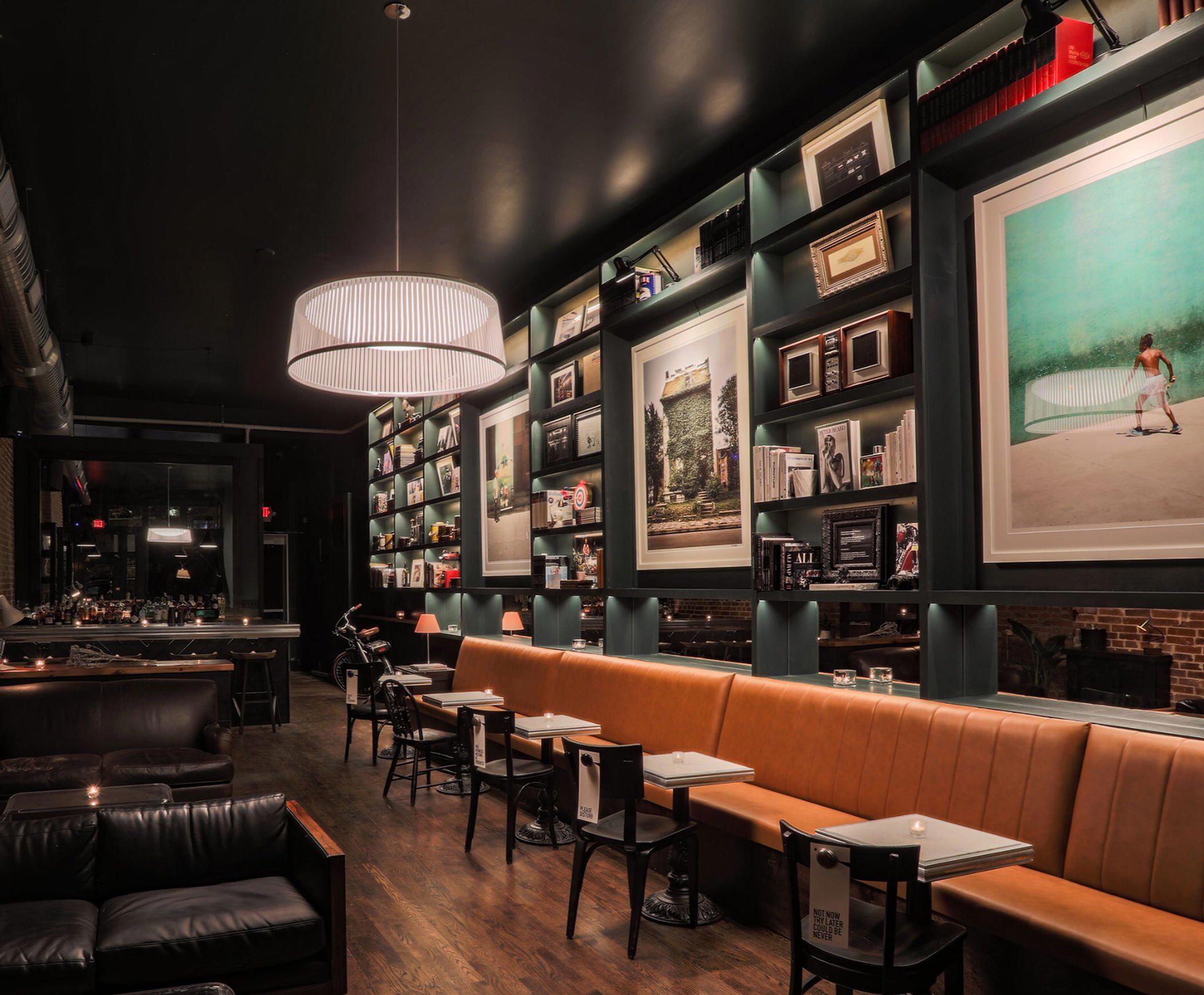
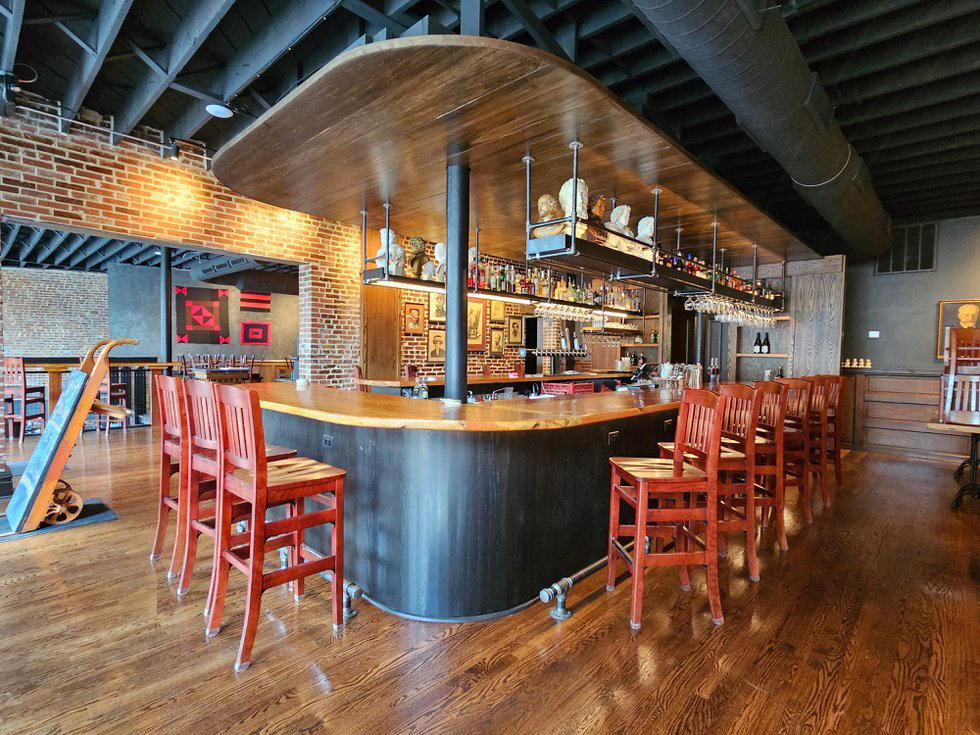
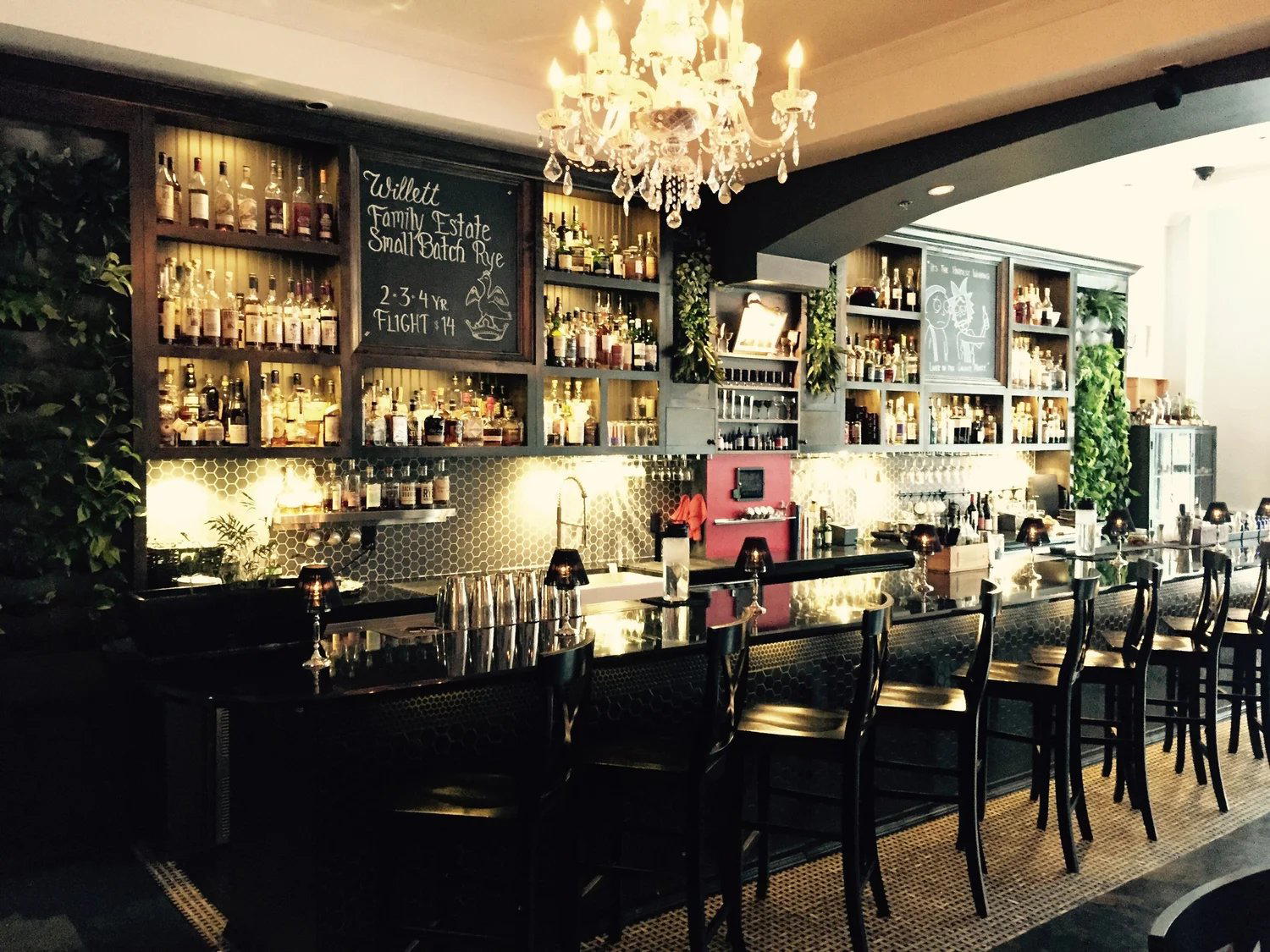
Laid-back, fun, stylish, and lively atmosphere in a chic, modern, small space well-suited for casual unwinding.
Know Before You Go
- Getting there
- 210 N Euclid Ave, St. Louis, MO 63108