LaVerne’s
On NE Dekum Street in Portland's Woodlawn neighborhood, LaVerne's occupies the quieter northern end of a city whose bar culture has grown increasingly technique-driven. The address alone tells you something: this is not a destination chasing the Pearl District crowd, but a room that earns its regulars through consistency and craft. Portland's broader cocktail scene provides useful context for what LaVerne's represents within it.
Pearl is the En Primeur Club membership app — saves, bookings, and concierge access live there. Same editors, same standards.
- Address
- 700 NE Dekum St, Portland, OR 97211
- Phone
- +1 503 749 6769
- Website
- lavernespdx.com
- Directions
- Get directions
 Saves & bookings on Pearl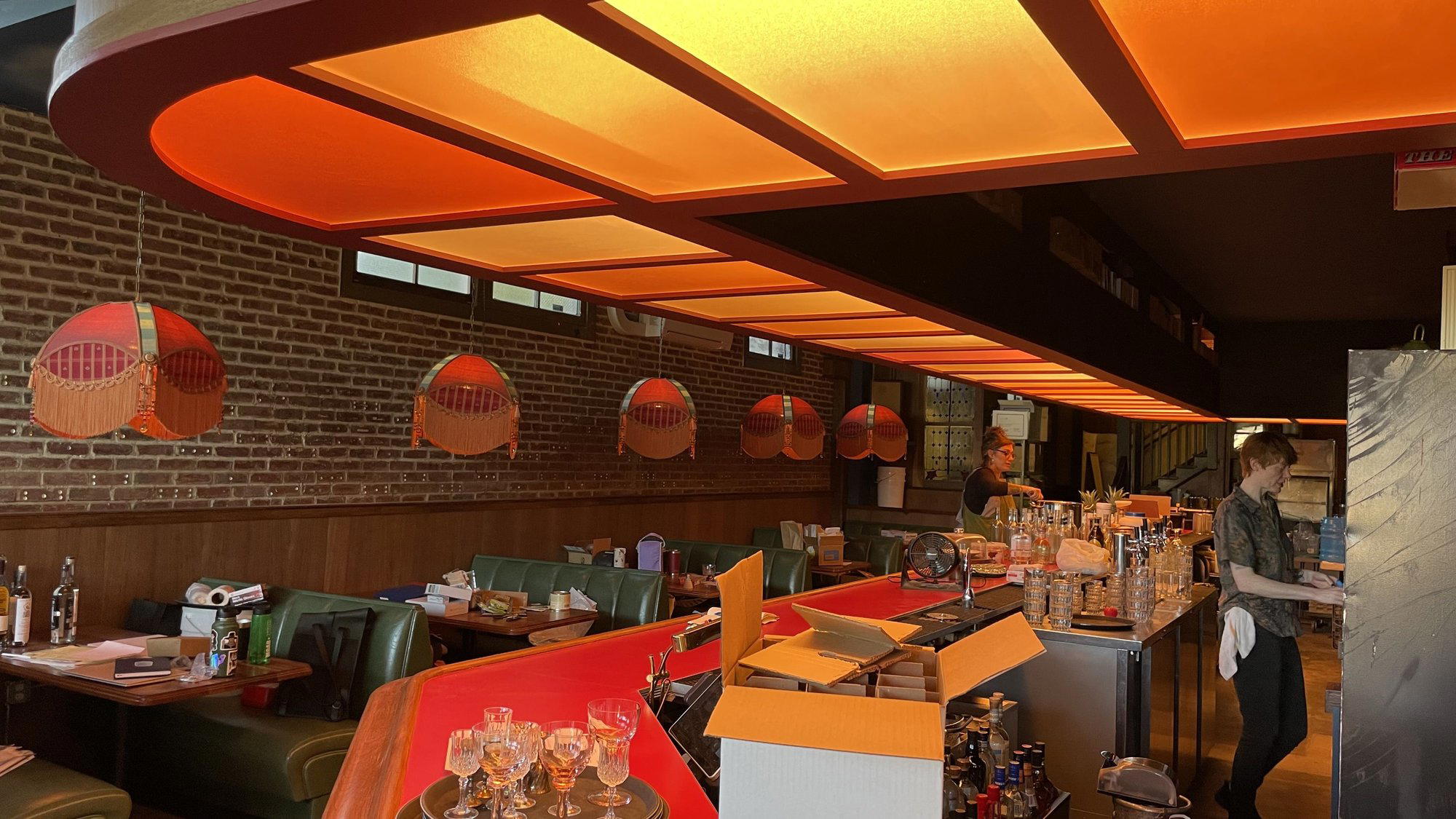
North Portland's Bar Culture and Where Dekum Street Fits
Portland's drinking culture has always been organized around neighborhoods rather than centralized nightlife districts. The Pearl District draws tourists; Southeast Division draws the brunch crowd; but the stretch of North and Northeast Portland running through Woodlawn, Boise-Eliot, and Arbor Lodge has developed a quieter, more local-facing bar scene over the past decade. NE Dekum Street sits inside that zone, and LaVerne's at 700 NE Dekum reflects the character of the corridor: accessible without being sceney, deliberate without being precious.
This part of the city represents a specific tier in Portland's hospitality geography. It is not where operators come to make a statement for out-of-town press. It is where bars survive or fail on neighborhood loyalty and word of mouth, which is a harder test in many respects than opening week reviews. The addresses here — a few blocks from 3808 N Williams Ave and within range of the 7316 N Lombard St corridor — share that same character of neighborhood-first programming.
The Intersection of Local Product and Imported Method
The editorial angle that leading frames Portland's current bar moment is the convergence of Pacific Northwest ingredient depth with technique borrowed from very different traditions. Oregon produces some of North America's most diverse agricultural output: hazelnuts, Willamette Valley fruit, high-desert herbs, coastal shellfish, and a spirits industry that has expanded far beyond the craft distillery novelty phase into genuine quality tiers. The bars that have made the strongest case in this city are the ones that treat those local inputs as starting points for technique, rather than as marketing checkboxes.
Nationally, this pattern appears at bars like Kumiko in Chicago, where Japanese bartending precision gets applied to American spirits and seasonal Midwestern produce, or Bar Leather Apron in Honolulu, which runs a similarly disciplined format against a backdrop of Hawaiian agricultural richness. The through-line in each case is the same: the technique is imported or trained, the ingredients are demonstrably local, and the result reads as native rather than borrowed. Portland's north end has its own version of that conversation happening at street level.
What differentiates the better neighborhood bars in North Portland from the downtown flagships like Teardrop Lounge, long regarded as one of the city's foundational cocktail addresses, is primarily the absence of theater. Teardrop built its reputation on technical rigor and a menu architecture that signaled seriousness. North Portland's bars tend to carry that same underlying seriousness with less visible production around it. The result, when it works, is a bar that feels like something you found rather than something that found you.
Portland's Cocktail Scene in 2024 and 2025
Portland emerged from the pandemic years with a leaner bar landscape. Some of the city's most discussed rooms closed permanently; others pivoted to expanded food programs or shifted toward beer-and-wine formats to reduce labor costs. What has survived and grown since 2022 is a cohort of venues that operate with smaller teams, tighter menus, and a clearer sense of who their actual customer is.
That contraction has been selective. Bars with strong neighborhood roots held better than destination venues that depended on event tourism and convention traffic. The same dynamic played out in other American cities: compare Portland's situation with what happened to neighborhood-facing bars in Houston (where Julep maintained its footing through a combination of community identity and a focused menu) or New Orleans (where Jewel of the South drew on deep cocktail-history credibility to stay relevant through disrupted periods).
In Portland specifically, the craft brewing sector has continued to provide a strong gravitational pull on drinking habits. 10 Barrel Brewing Portland represents the larger, more industrial end of that spectrum, while neighborhood spots on Dekum and nearby streets sit in a different register entirely. The two coexist because they are not actually competing for the same customer on the same night.
Seasonal Timing and the North Portland Visit
North Portland's bar and restaurant scene changes meaningfully by season, and this is not a trivial observation. Summer brings extended outdoor use of the city's many covered patios and sidewalk setups; the window between June and early September is when foot traffic on corridors like Dekum increases significantly as locals migrate their social lives outdoors. Spring is arguably more interesting for those interested in what Pacific Northwest producers are doing with early-season ingredients: rhubarb, nettles, and first-harvest spirits from smaller Willamette Valley distilleries tend to show up in bar programs during March through May before they are replaced by the more predictable summer fruit wave.
Fall, when Oregon hazelnut and late-harvest fruit arrive, is the other serious season for local-ingredient programming. Bars that pay attention to sourcing typically rotate through those inputs between September and November before winter menus simplify toward spirit-forward formats. If the question is when to visit North Portland for the most interesting drink programming, spring and fall both deliver more specificity than the tourist-heavy summer peak.
For planning purposes, North Portland's neighborhood bars generally operate on schedules that reflect their local-facing model: later openings, earlier closings on weeknights, and weekend programming that extends later to match neighborhood rhythms. Checking current hours before visiting is advisable, particularly for smaller rooms that adjust seasonally. Reservations, where accepted, are typically handled informally; walk-in capacity tends to be available outside peak Friday and Saturday windows.
Portland has several tiers of cocktail bar, and the north-end neighborhood room occupies a distinct one. At the technical and prestige leading end, bars like Teardrop Lounge and the Multnomah Whiskey Library operate with formalized programs and carry the kind of name recognition that drives destination visits. At the opposite end, dive bars and neighborhood taverns operate on price and proximity. The middle tier, deliberate, ingredient-aware, locally embedded, is where North Portland's better addresses sit, and where LaVerne's on Dekum belongs by geography and character.
Internationally, the equivalent tier includes bars like Superbueno in New York City, which runs a neighborhood-scaled operation with clear technical intention, or ABV in San Francisco, a bar with strong critical credentials that nonetheless maintains a walk-in-friendly format and an accessible price register. The Parlour in Frankfurt offers a European analog: a neighborhood-facing cocktail room with genuine craft behind it that does not require the theater of a reservations-only format to signal its seriousness.
LaVerne's sits in that same conceptual bracket. The Dekum address is not an accident; it is a positioning statement about the kind of bar this is and who it is for. For visitors to Portland who want to understand how the city's bar culture actually functions at street level, rather than through its most publicized flagship addresses, the north-end neighborhood circuit is the more instructive stop. Our full Portland restaurants and bars guide maps the city's drinking culture across all of these tiers in detail.
Same-City Peers
| Venue | Cuisine |
|---|---|
| LaVerne’sThis venue — the venue you are viewing | This venue |
Continue exploring
More in Portland
Bars in Portland
Browse all →
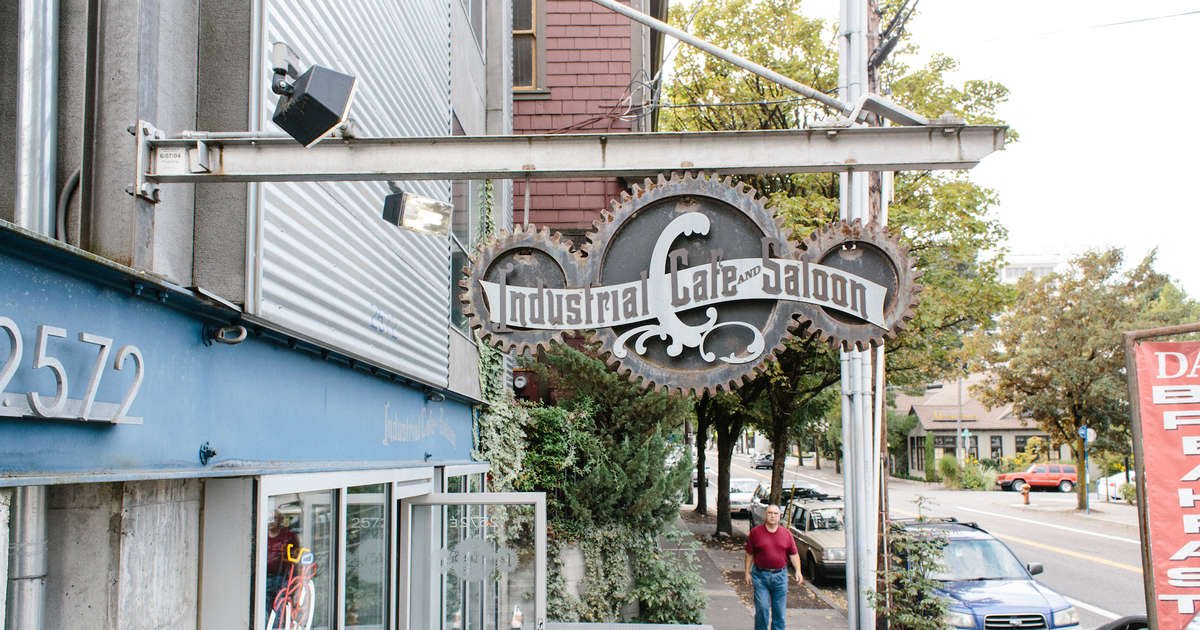
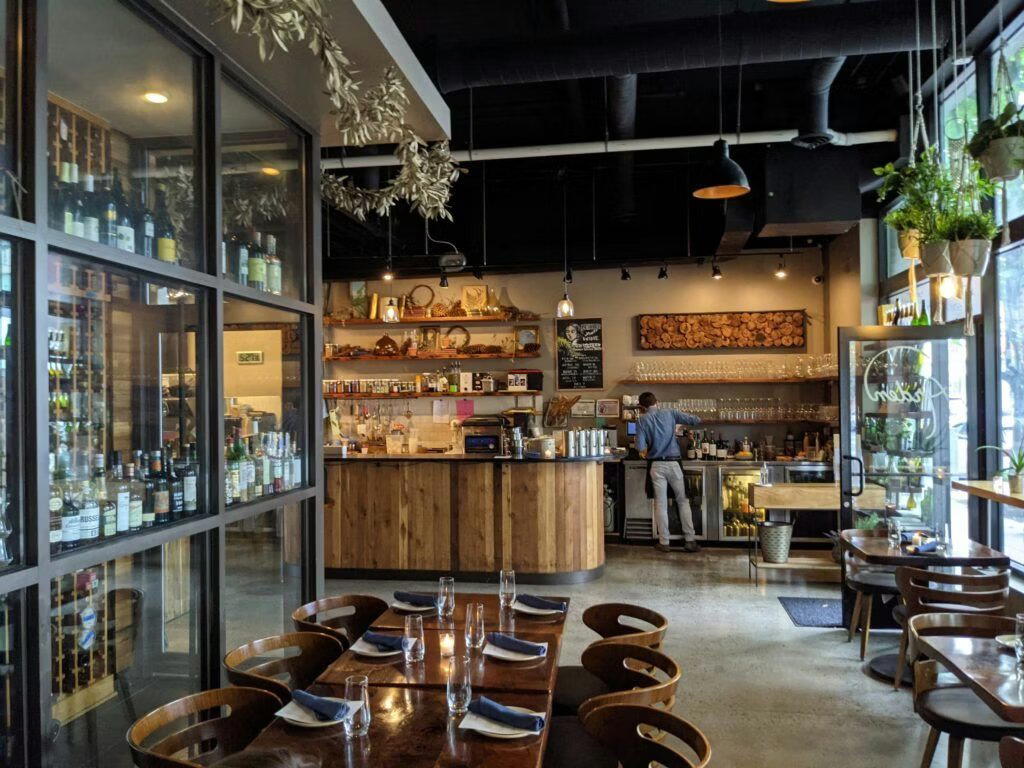
Restaurants in Portland
Browse all →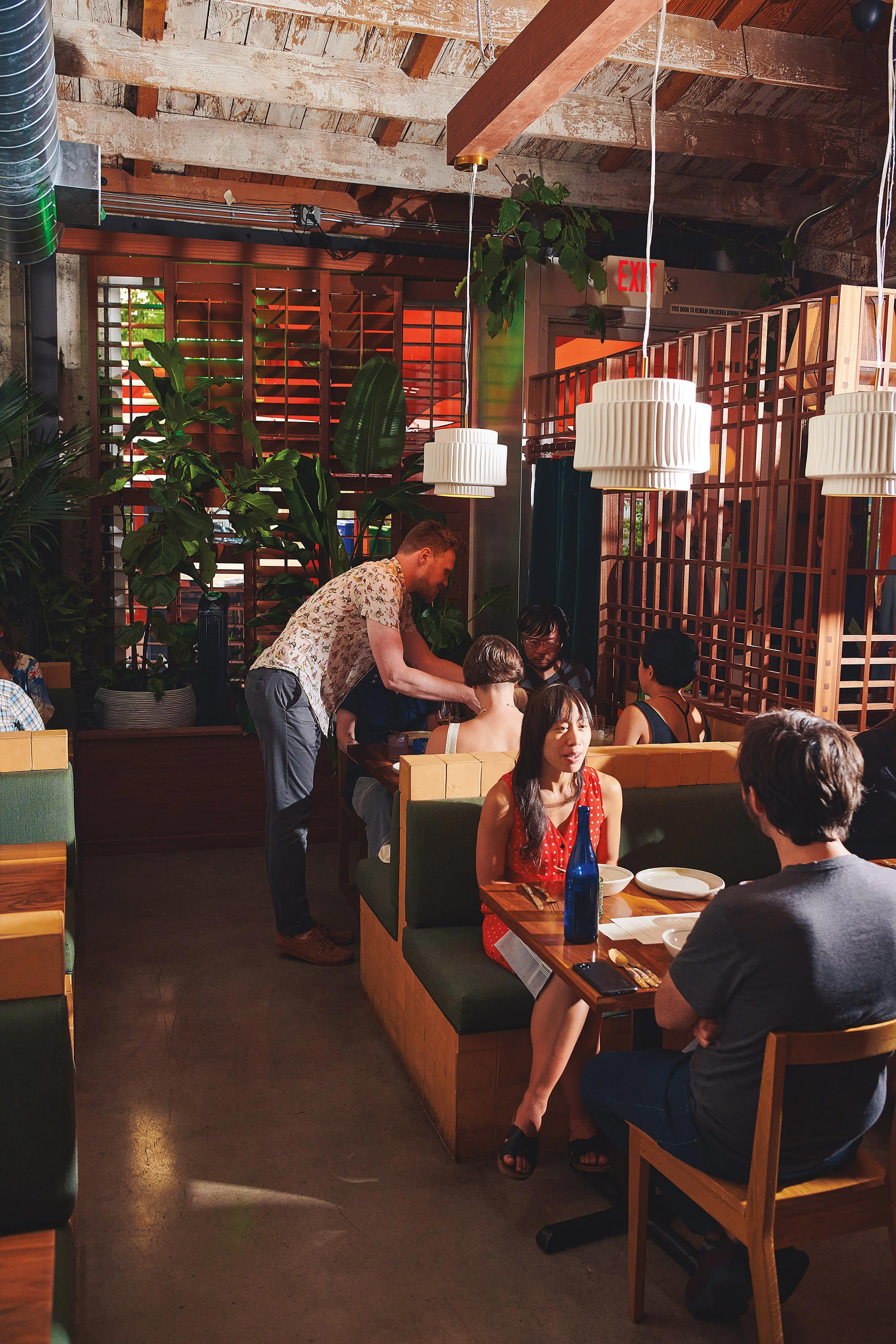
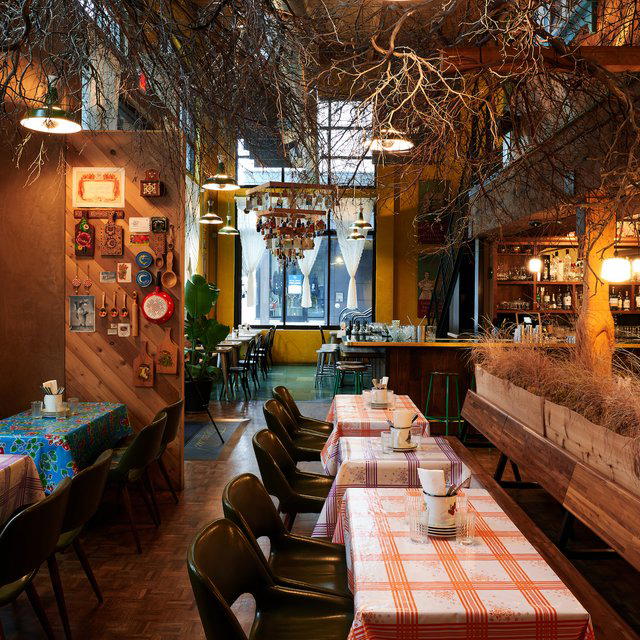
Hotels in Portland
Browse all →
At a Glance
- Cozy
- Lively
- Rustic
- Whimsical
- Casual Hangout
- Group Outing
- After Work
- Historic Building
- Standalone
- Booth Seating
- Seated Bar
- Standing Room
- Classic Cocktails
- Craft Cocktails
- Frozen
Current opening hours
- Monday
- Closed
- Tuesday
- 4 PM–12 AM
- Wednesday
- 4 PM–12 AM
- Thursday
- 4 PM–12 AM
- Friday
- 4 PM–1 AM
- Saturday
- 4 PM–1 AM
- Sunday
- 4 PM–12 AM
Hours can change for holidays and private events. Last verified .
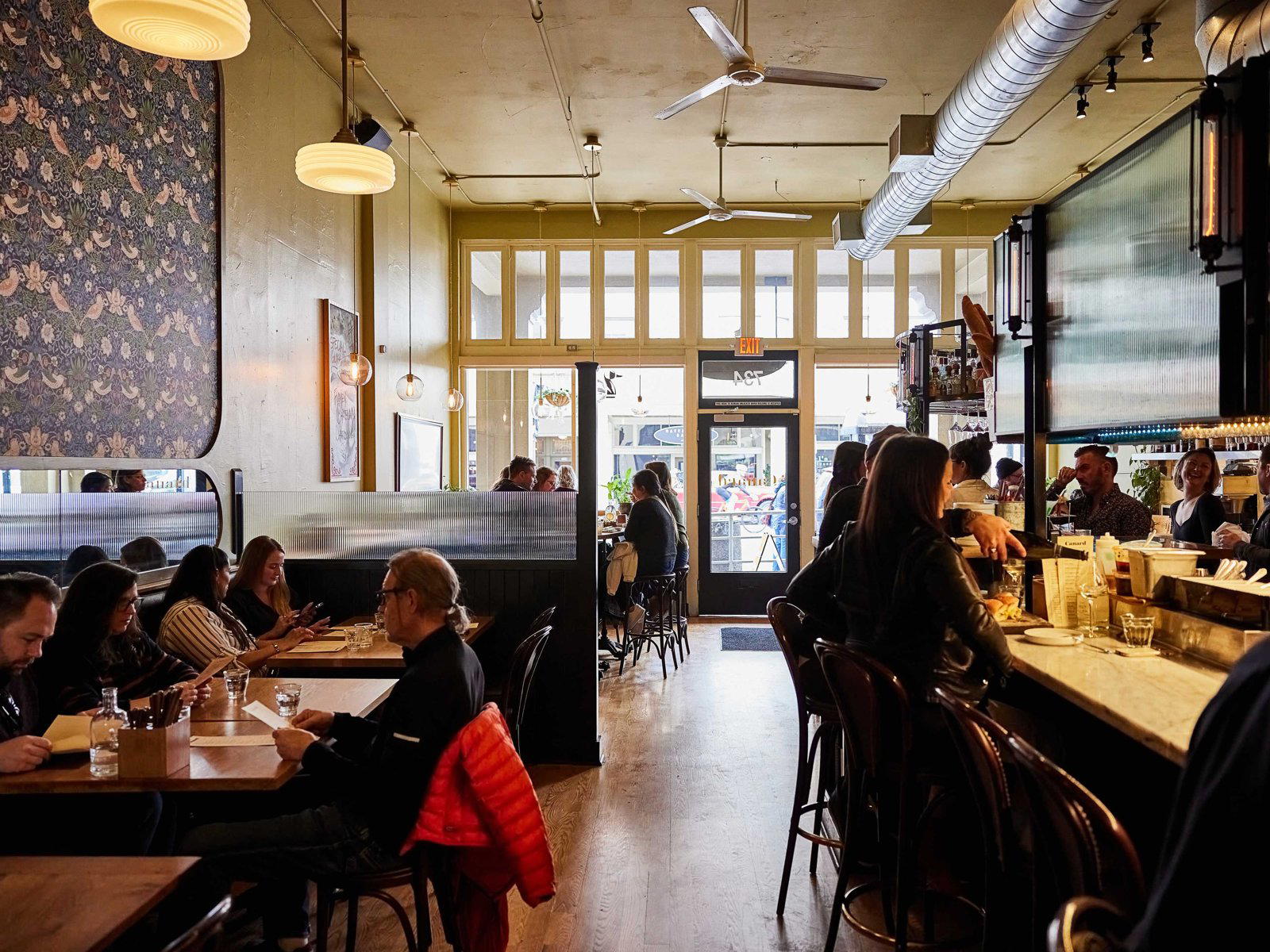
Dimly lit, cluttered retro aesthetic with exposed brick, dark leather booths, antiques, and mismatched lighting fixtures that absorb noise and create a dense, lively atmosphere as the evening progresses.
Know Before You Go
- Getting there
- 700 NE Dekum St, Portland, OR 97211