Lager House
On Michigan Avenue in Corktown, Lager House occupies the kind of bar space Detroit does well: unpretentious, loud enough to signal life, and grounded in the neighbourhood's working-class grain. The daytime crowd and evening crowd here are genuinely different animals, and the divide says something useful about how Corktown operates across a full day.
Pearl is the En Primeur Club membership app — saves, bookings, and concierge access live there. Same editors, same standards.
- Address
- 1254 Michigan Ave, Detroit, MI 48226
- Phone
- +1 313 631 2957
- Website
- thelagerhouse.com
- Directions
- Get directions
 Saves & bookings on Pearl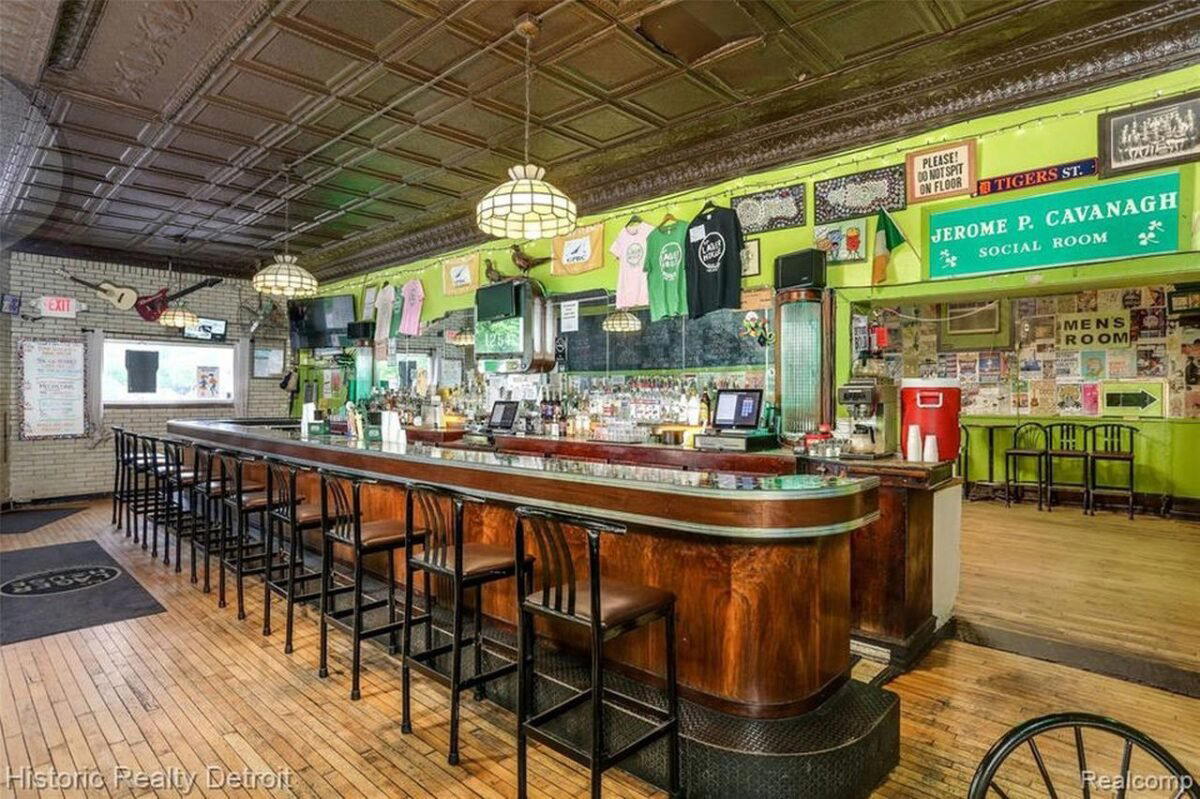
Michigan Avenue After Dark, and Before It
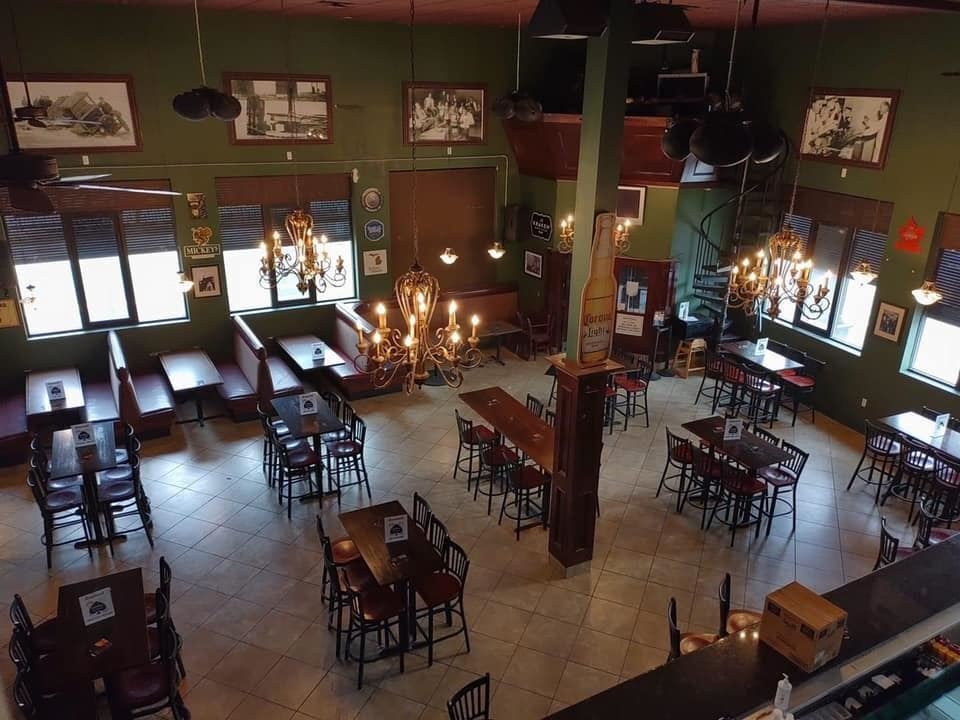
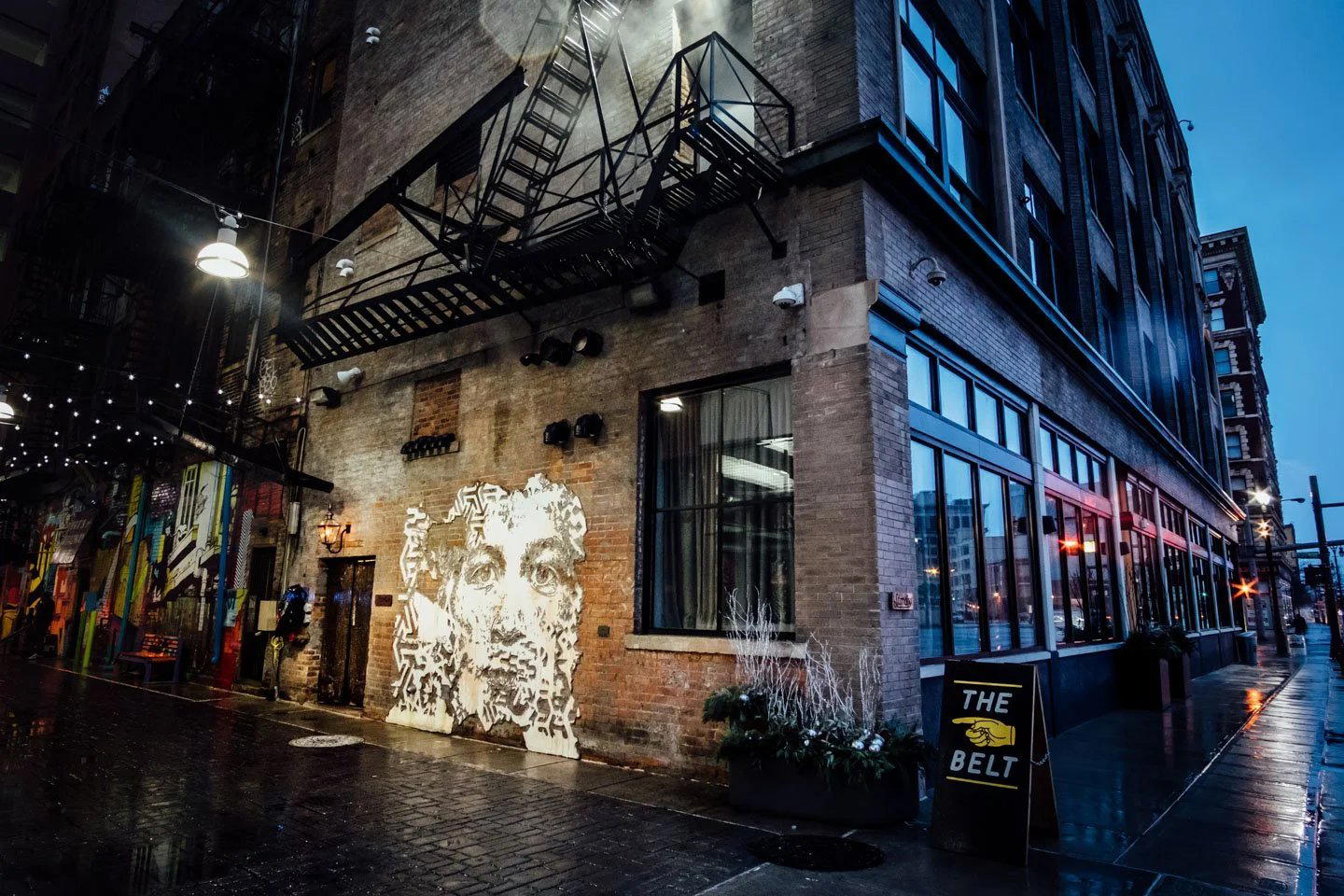
Corktown sits west of downtown Detroit on Michigan Avenue, a corridor that has absorbed successive waves of industrial decline and selective revival without ever fully committing to either story. The neighbourhood's bars tend to reflect that ambiguity. They are not destination cocktail programs built for out-of-town recognition, nor are they purely local dives insulated from outside attention. Lager House, at 1254 Michigan Ave, occupies that middle ground with a physical presence that reads immediately on approach: a brick-faced building with a stage inside, a door that opens onto a room that has clearly hosted a few thousand nights of varying intensity.
The daytime and evening versions of a bar like this are, functionally, different venues sharing a footprint. That split is worth understanding before you plan a visit, because what Lager House offers at 2pm is categorically different from what it offers at 11pm on a weekend.
Daytime: The Bar as Neighbourhood Anchor
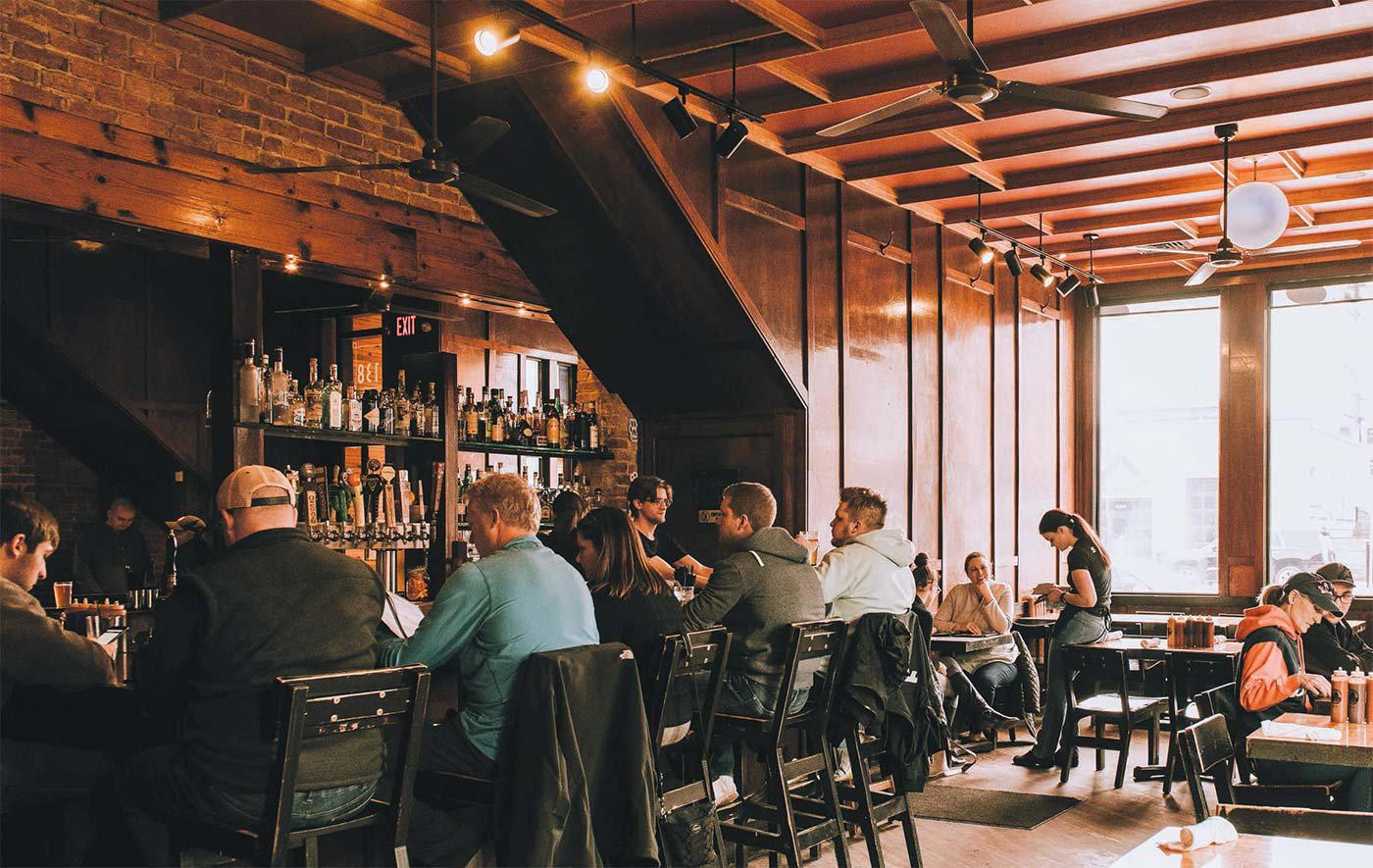
In the afternoon, Michigan Avenue bars like this one operate as neighbourhood infrastructure. The light comes through differently, the sound levels drop, and the room reveals its actual proportions. This is when the space functions most clearly as a local anchor point rather than a live-music destination. For visitors arriving from outside Detroit, daytime Corktown offers better context for the neighbourhood's character than an evening set ever will. You see who actually lives and works nearby, what the street rhythm looks like, and how the bar integrates with the block around it rather than dominating it.
Across Corktown and the wider Detroit bar scene, the daytime value proposition at independent venues tends to be stronger than the evening one on a per-drink basis, simply because the programming overhead is lower and the room is less contested. Places like Atwater Brewery & Tap House and Andrews on the Corner operate with similar daytime logic: lower ambient pressure, accessible pricing, and a pace that lets the space read clearly.
Evening: When the Stage Defines the Room
The evening shift changes everything. Lager House has a documented live-music identity that places it in a specific tier of Detroit's independent venue ecosystem. This is not a bar that happens to have a stage in the corner; the stage is the reason the room is laid out the way it is. Detroit has a long and well-documented relationship with live music across multiple genres, and the city's independent bar-venues carry a disproportionate share of that tradition compared to most American cities of similar size.
At the evening programming level, Lager House sits in a cohort that prioritises local and touring acts over curated cocktail menus or kitchen ambition. That is a deliberate positioning choice in a city where bar identity is often defined by exactly this kind of specialisation. The crowd on a show night skews toward regulars who know the room's acoustics and the bar's rhythm, which means first-time visitors land in a space with an established social grammar. That can read as welcoming or insular depending on the night, but it signals authenticity that more polished venues in Detroit's downtown core don't always carry.
For comparison, venues like 3Fifty Terrace and 1459 Bagley St operate in a different register, where the evening experience is built around the room's aesthetic and the drink program rather than the stage. Neither approach is superior; they serve different intentions and different visitors.
Lager House in the Detroit Bar Context
Detroit's independent bar scene has developed along several distinct lines. There are the craft cocktail-forward programs that have emerged in Midtown and New Center, the brewery tap rooms concentrated in various neighbourhoods, and the older bar-venue hybrids along corridors like Michigan Avenue that predate the city's recent hospitality revival. Lager House belongs to that third category, which gives it a different kind of credibility from venues that opened into an already-recovering Detroit.
That longer institutional presence matters in a city where authenticity is scrutinised carefully. Detroit drinkers have a well-developed sensitivity to venues that perform local identity versus venues that have actually earned it over time, and bars on Michigan Avenue that survived the city's most difficult decades carry a different kind of standing than newcomers.
Nationally, the bar-venue model that Lager House represents is under genuine pressure. Increased operating costs, shifting audience habits post-pandemic, and competition from larger ticketed venues have made the mid-capacity independent bar-with-stage format harder to sustain in most American cities. The ones that persist tend to do so through deep community integration rather than programming innovation. That is the model here.
For those interested in comparing Detroit's bar scene to programs in other cities, the independent bar ecosystem in Detroit shares structural similarities with neighbourhood-anchored venues like Julep in Houston or ABV in San Francisco, where the venue's identity is inseparable from the specific neighbourhood it occupies. More technically ambitious programs, such as Kumiko in Chicago, Bar Leather Apron in Honolulu, Jewel of the South in New Orleans, Superbueno in New York City, and The Parlour in Frankfurt, sit in a different competitive tier altogether, where the drink program is the primary reason for the visit. Lager House does not compete in that space, and the distinction is worth being clear about before you arrive with cocktail-program expectations.
Planning a Visit
Lager House sits at 1254 Michigan Ave, which places it squarely in Corktown, walkable from the neighbourhood's other bars and a short drive or rideshare from downtown Detroit. Because the venue's website and phone details are not currently listed through EP Club's verified sources, the most reliable way to check upcoming programming, confirm hours, or verify show schedules is through the venue's direct social media presence, which is where independent Detroit venues of this type tend to post timely information. Daytime visits require no planning beyond showing up during standard afternoon hours. For a broader view of where Lager House fits within Detroit's wider bar and restaurant scene, see our full Detroit restaurants guide.
Comparable Spots, Quickly
| Venue | Cuisine | Price |
|---|---|---|
| Lager HouseThis venue — the venue you are viewing | This venue | Not listed |
| Chenin | wine bar / natural wines | wine bar / natural wines |
| Full Measure Brewing Co. | brewery / pub food | brewery / pub food |
| Dirty Shake | bar food / nostalgic cocktails | bar food / nostalgic cocktails |
| Roar Brewing Co. | brewery / craft beer | brewery / craft beer |
| Saksey’s | cocktails / bar | cocktails / bar |
At a Glance
- Lively
- Rustic
- Energetic
- Industrial
- Late Night
- Group Outing
- Casual Hangout
- Live Music
- Historic Building
- Standing Room
- Seated Bar
- Classic Cocktails
- Craft Beer
Current opening hours
- Monday
- 1 PM–12 AM
- Tuesday
- 1 PM–12 AM
- Wednesday
- 1 PM–12 AM
- Thursday
- 1 PM–12 AM
- Friday
- 1 PM–2 AM
- Saturday
- 9 AM–2 AM
- Sunday
- 9 AM–12 AM
Hours can change for holidays and private events. Last verified .
Fun and inviting space with musical decor like guitar pick-covered bar top, intimate stage area for 50-200 people, and an air of gritty New Orleans badassery amid live rock shows.
Know Before You Go
- Getting there
- 1254 Michigan Ave, Detroit, MI 48226