Motor City Brewing Works-Midtown
Motor City Brewing Works has anchored Midtown Detroit's craft beer scene from its Canfield Street address since the 1990s, growing alongside the neighbourhood's own reinvention. The brewpub format here positions it as a working-class counterweight to the more polished taprooms that followed, with house-brewed beers and pizza drawing a cross-section of students, creatives, and longtime Detroiters.
Pearl is the En Primeur Club membership app — saves, bookings, and concierge access live there. Same editors, same standards.
- Address
- 470 W Canfield St, Detroit, MI 48201
- Phone
- +1 313 832 2700
- Website
- motorcitybeer.com
- Directions
- Get directions
 Saves & bookings on Pearl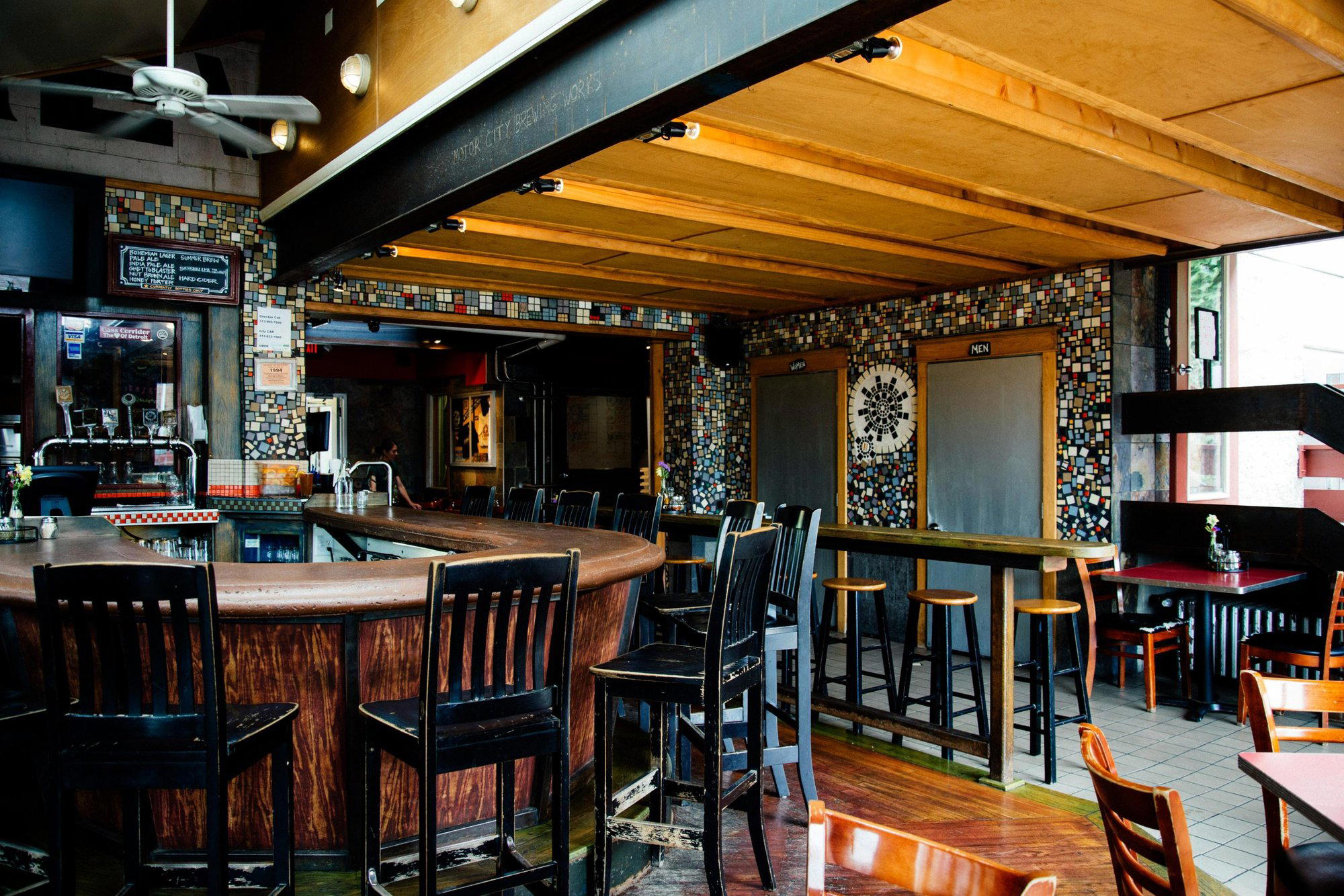
Where Midtown's Brewing Scene Started
Detroit's craft beer revival did not begin with the wave of design-forward taprooms that arrived in the 2010s. It began earlier, in the mid-1990s, when a handful of neighbourhood operators decided that Detroit needed brewpubs before the word had much currency in the city. Motor City Brewing Works on West Canfield Street is one of the survivors of that first generation, which makes it a useful lens for understanding how the local brewing culture has shifted, consolidated, and occasionally circled back to its own origins.
Midtown itself has changed considerably around the brewpub. The stretch of Canfield sits inside a corridor that connects Wayne State University to the Detroit Institute of Arts and the broader cultural campus, a zone that spent the 1990s and early 2000s in genuine uncertainty before becoming one of the city's more reliably active neighbourhoods. The brewpub's longevity maps closely onto that neighbourhood arc: it was here when the area was thin on options, continued operating through the periods of municipal difficulty that defined Detroit's early 21st century, and now sits inside a Midtown that draws visitors specifically looking for this kind of institutional character.
The Brewpub Format in a Changed Market
The brewpub as a format has faced persistent pressure from two directions: the taproom model on one side, which strips away food and concentrates entirely on beer experience, and the full-service restaurant on the other, which treats beer as a beverage category rather than the main event. Motor City Brewing Works sits in neither of those boxes, which in the current Detroit market is itself a positioning decision.
Detroit's craft brewing tier has expanded substantially. Atwater Brewery and Tap House anchors the Rivertown corridor with a larger footprint and wider distribution reach. Andrews on the Corner takes a more bar-forward approach. The newer entrant Roar Brewing Co. positions within the craft-specialist tier. Against that backdrop, Motor City Brewing Works reads as the historical reference point, the place that predates the current boom and carries the institutional memory of what the city's brewing culture looked like before it became a talking point.
That longevity is a credential in itself. Brewpubs that survive thirty-plus years in American cities tend to do so by maintaining a consistent relationship with a neighbourhood rather than chasing trend cycles. The core proposition here, house-brewed beer alongside pizza and bar food, has not been dramatically reinvented, and that consistency is the point. Contrast this with the cocktail-specialist tier operating in other American cities: Kumiko in Chicago or Bar Leather Apron in Honolulu represent the precision-craft end of the hospitality spectrum, built around constant menu evolution. Motor City Brewing Works occupies a different register entirely, and that register has its own durability.
Evolution Without Reinvention
Motor City Brewing Works is a story of persistence through change. Detroit's hospitality sector has seen operators arrive and close in cycles that have accelerated since 2010, as investment returned unevenly to the city and rents in core neighbourhoods adjusted accordingly. The West Canfield address has remained part of Midtown's brewing story through those cycles.
What has changed is the context rather than the operation. The customer base has broadened from a primarily university-adjacent crowd to include a wider range of Midtown regulars, tourists, and the Detroit diaspora that returns to the city with enough frequency to seek out places with accumulated character. The beer range has developed alongside the national craft category, with styles and techniques that would have been unfamiliar to the brewpub's earliest drinkers now appearing as baseline expectations. But the structure of the experience, a neighbourhood brewpub with its own production on site, remains the same one that opened when Midtown's revival was far from guaranteed.
This is a useful contrast to the cocktail bar tier elsewhere in Detroit's bar scene. 1459 Bagley St and 3Fifty Terrace represent a newer, more design-conscious stratum of Detroit drinking. Saksey's sits in the cocktail-bar category with a different aesthetic logic. Motor City Brewing Works predates all of them and operates at a different price register, making it accessible in a way that the newer cocktail-forward openings are not necessarily calibrated to be.
Where It Sits in a National Frame
Across American cities, the brewpub that survived the 1990s shake-out and the 2000s contraction occupies a specific cultural status: it is neither the artisanal newcomer nor the mass-market operation, but the established independent that functions as a neighbourhood anchor. Cities including New Orleans, Houston, and New York have their own versions of this tier. Jewel of the South in New Orleans, Julep in Houston, and Superbueno in New York City each represent different points on the established-independent spectrum, though operating in different format categories. The common thread is a grounded, neighbourhood-specific character that distinguishes them from concept-driven openings.
In the San Francisco context, ABV demonstrates how a bar operation can build sustained relevance through format discipline. The Parlour in Frankfurt shows a different European version of the same proposition. Motor City Brewing Works' equivalent claim is simply that it has been present and operational through the full arc of Midtown Detroit's modern history, which is a more specific credential than any recent award could provide.
Where the Accolades Land
Comparable venues nearby, for context on price, style, and recognition.
| Venue | Cuisine | Price | Notes |
|---|---|---|---|
| Motor City Brewing Works-MidtownThis venue — the venue you are viewing | beer_bar | $$ | Not listed |
| Six Spoke Brewing Company | beer_bar | $$ | North Corktown |
| UFO Bar | cocktail_bar | $$ | Corktown |
| Karl's | hotel_bar | $$ | East Necklace |
| Pocket Change | cocktail_bar | $$ | Eastern Market |
| Andrews on the Corner | pub | $$ | Rivertown |
At a Glance
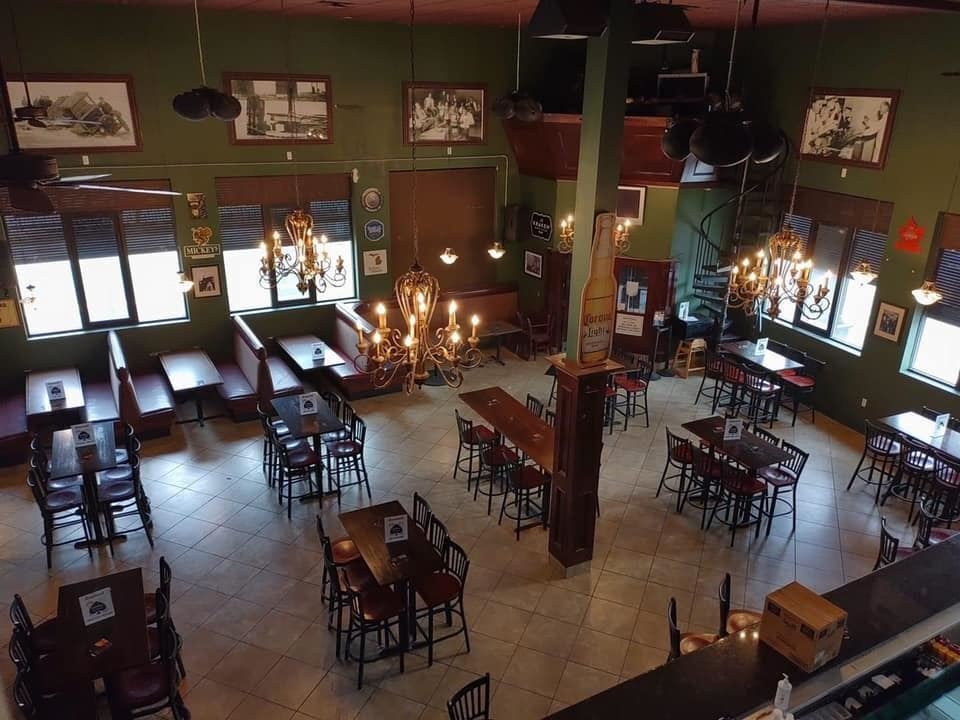
- Cozy
- Industrial
- Well Known
- Casual Hangout
- Group Outing
- After Work
- Beer Garden
- Standalone
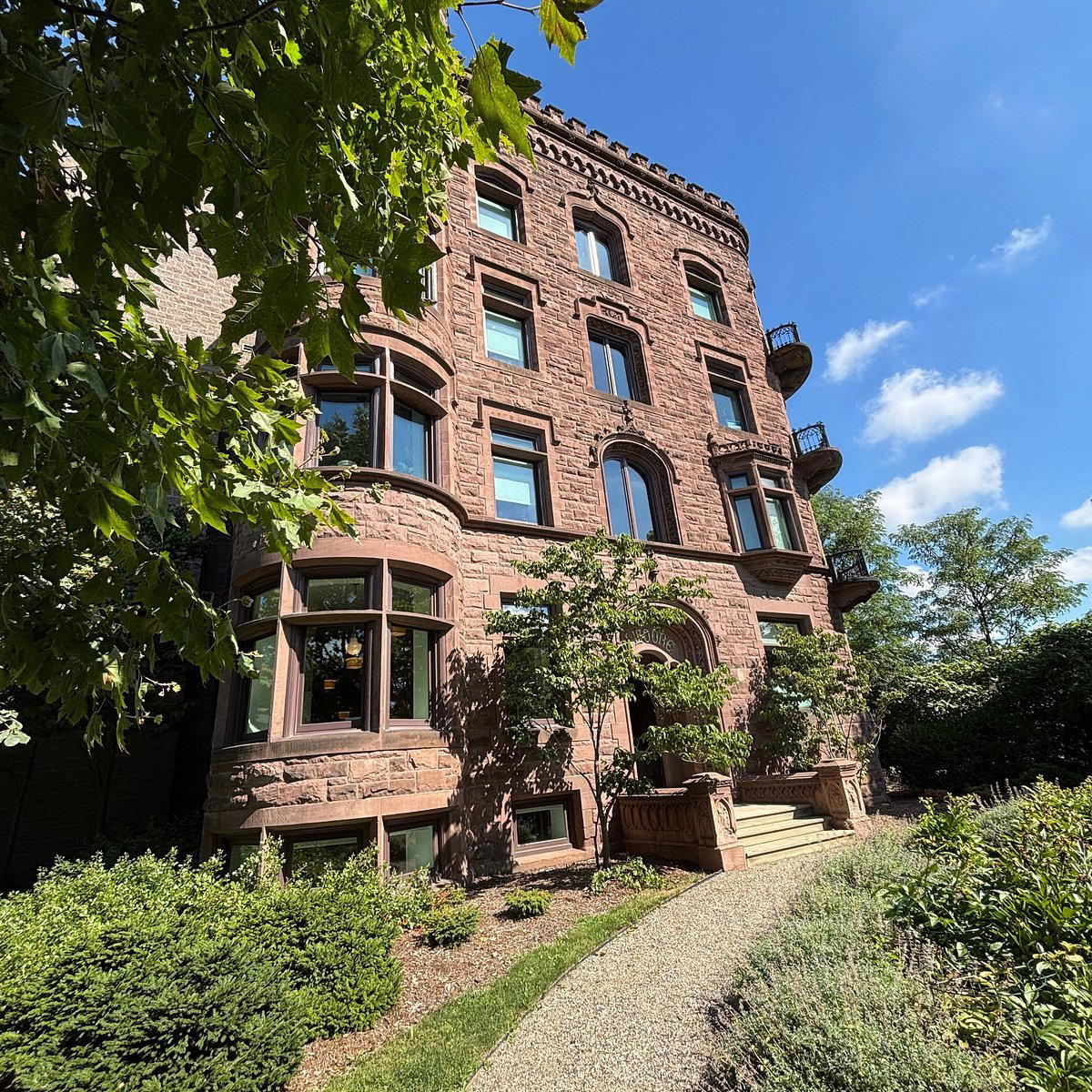
- Historic Building
- Seated Bar
- Outdoor Terrace
- Lounge Seating
- Craft Beer
- Low Abv
- Skyline
- Street Scene
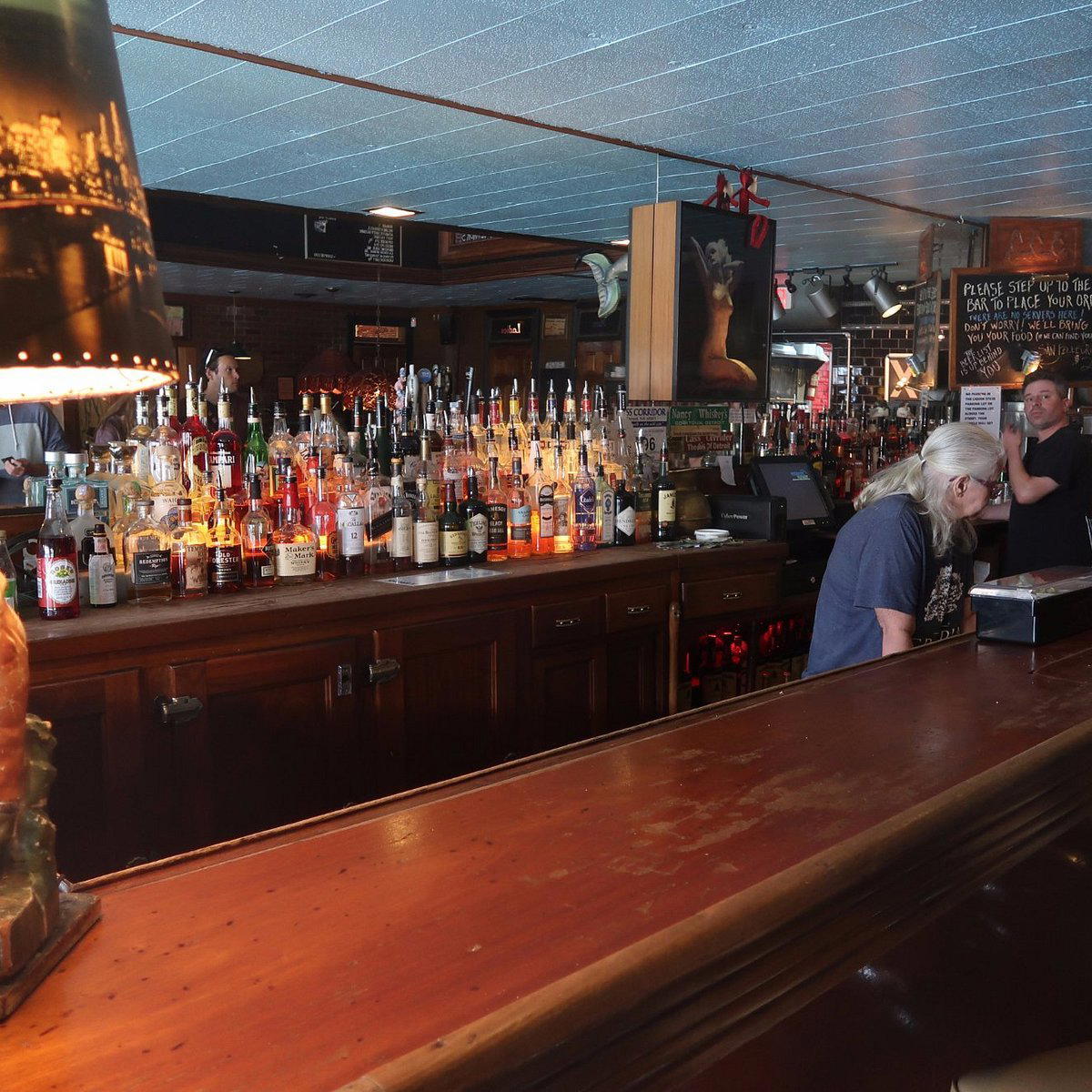
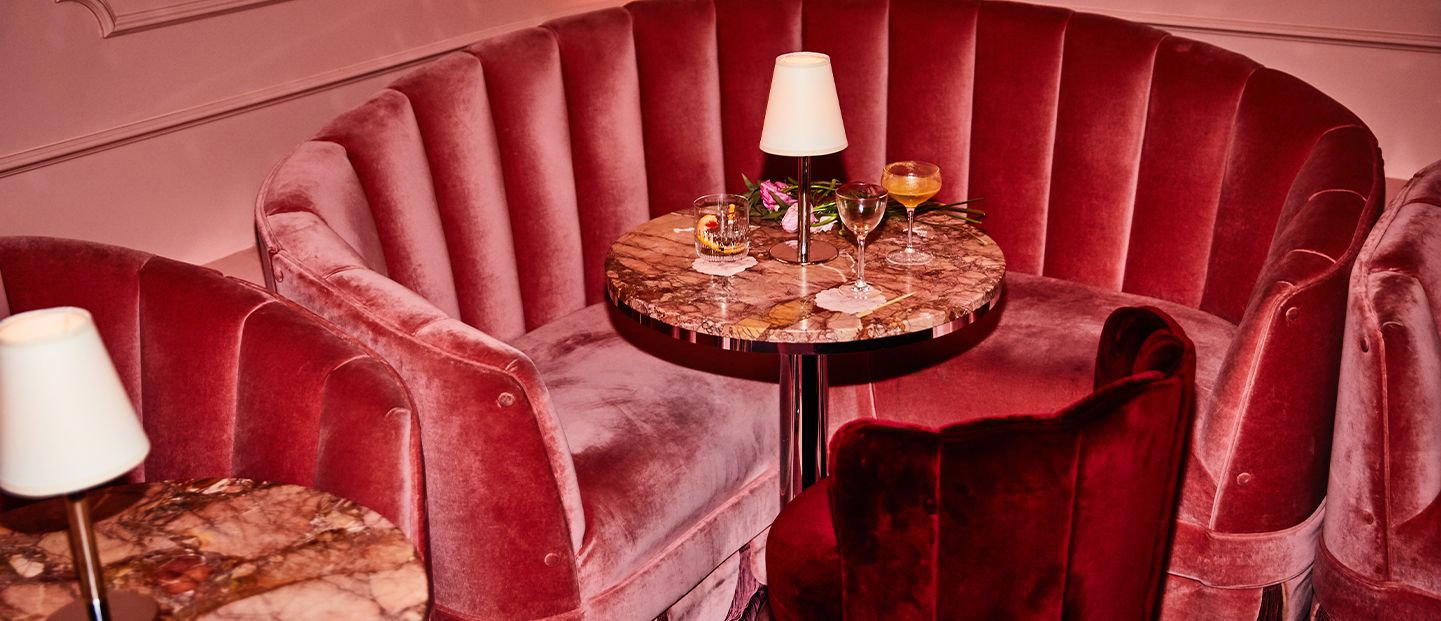
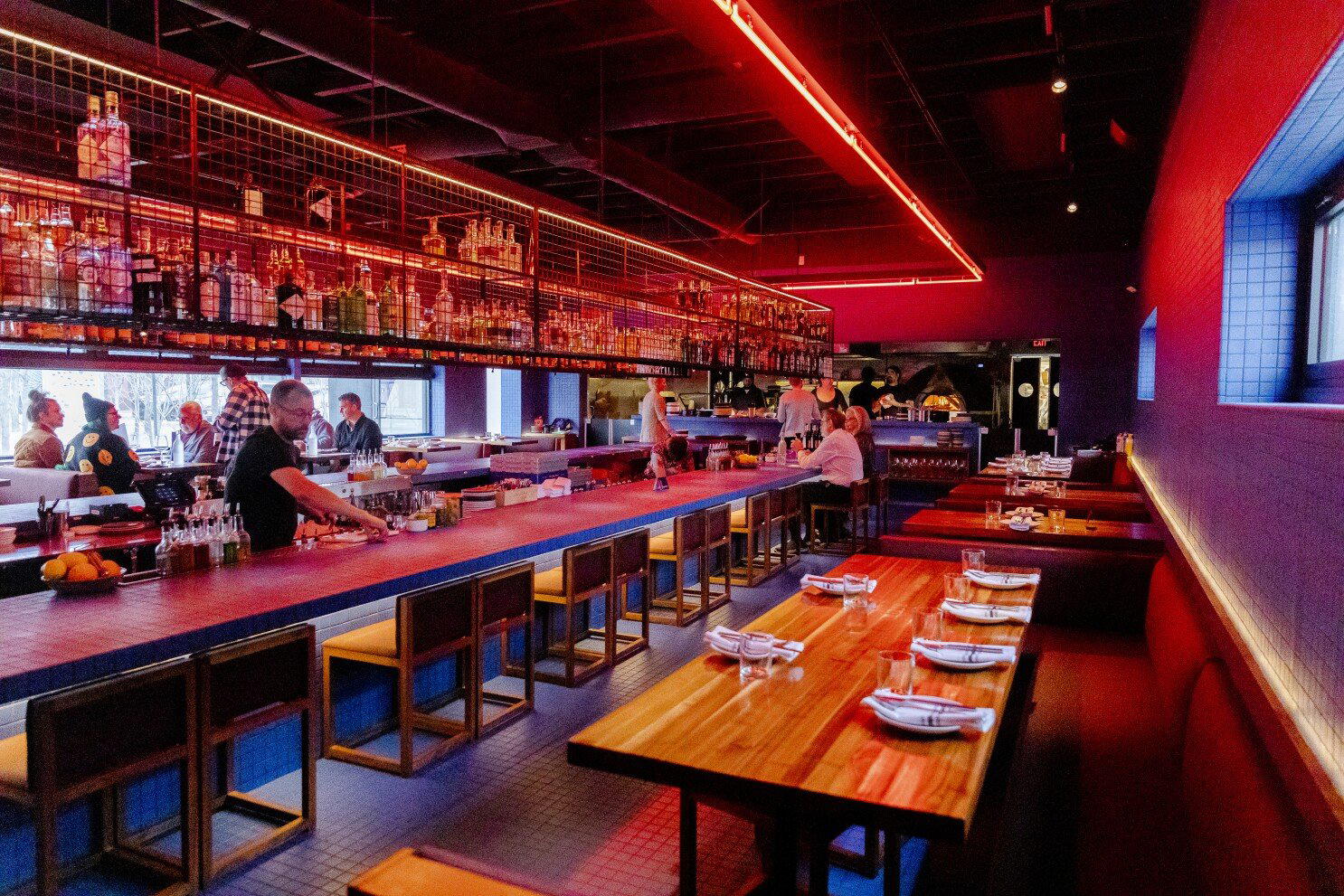
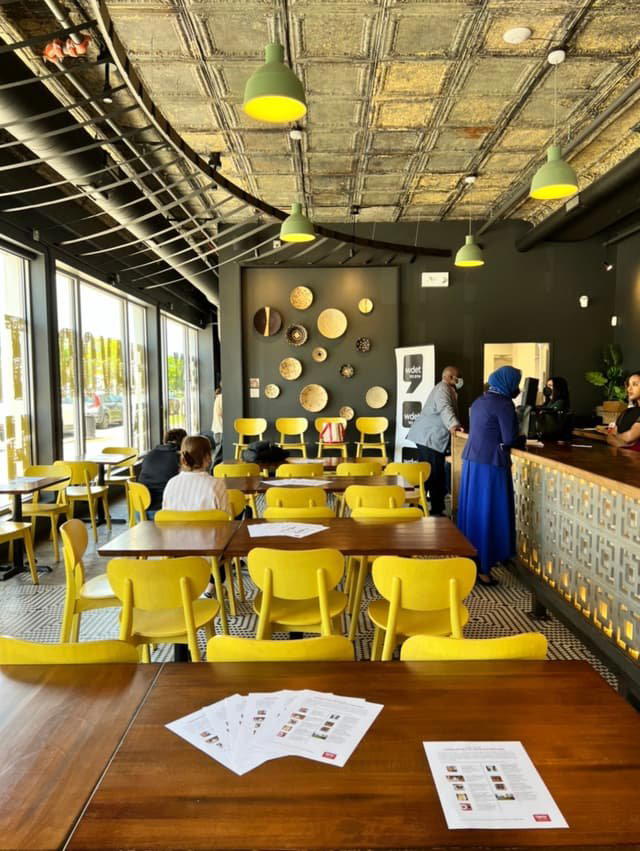
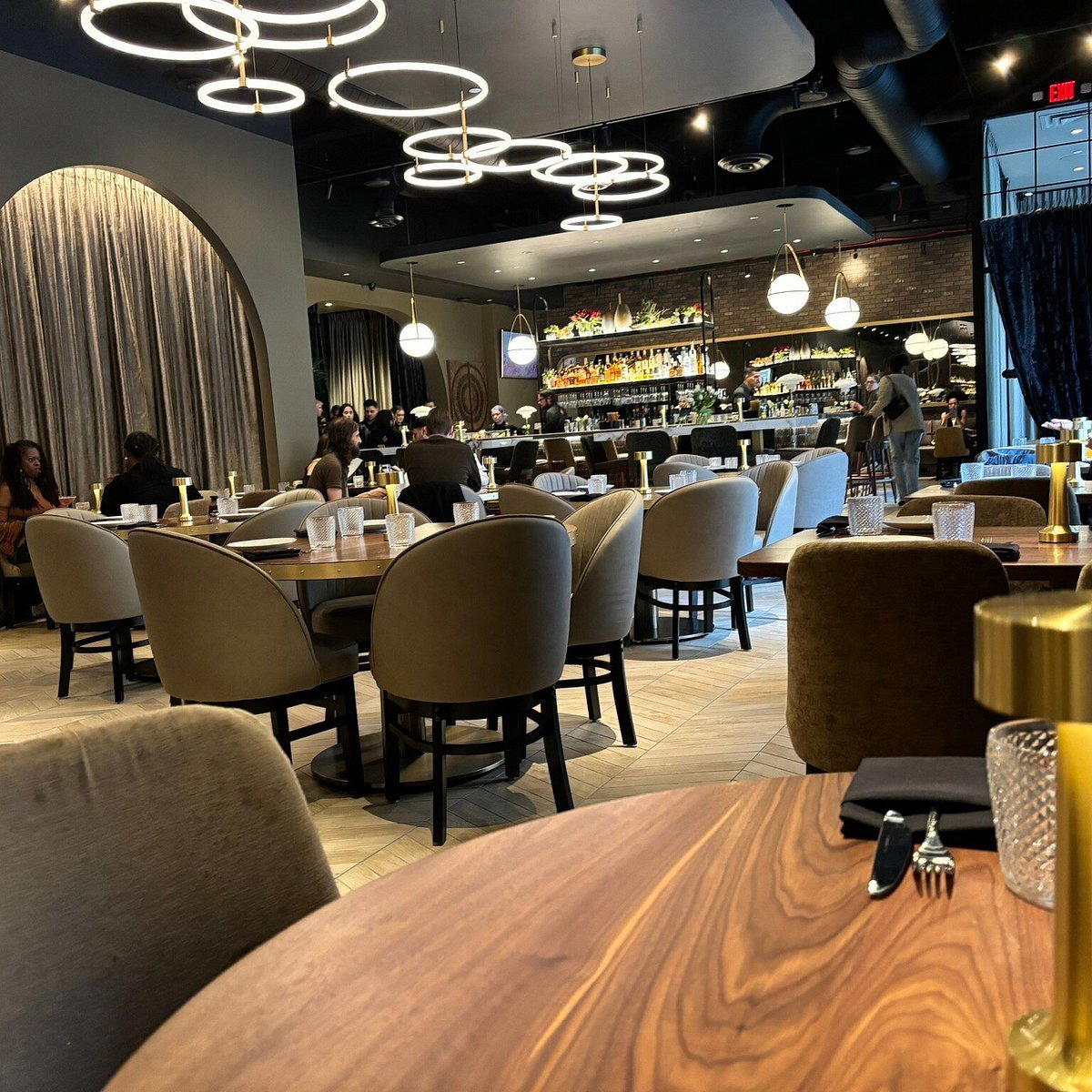
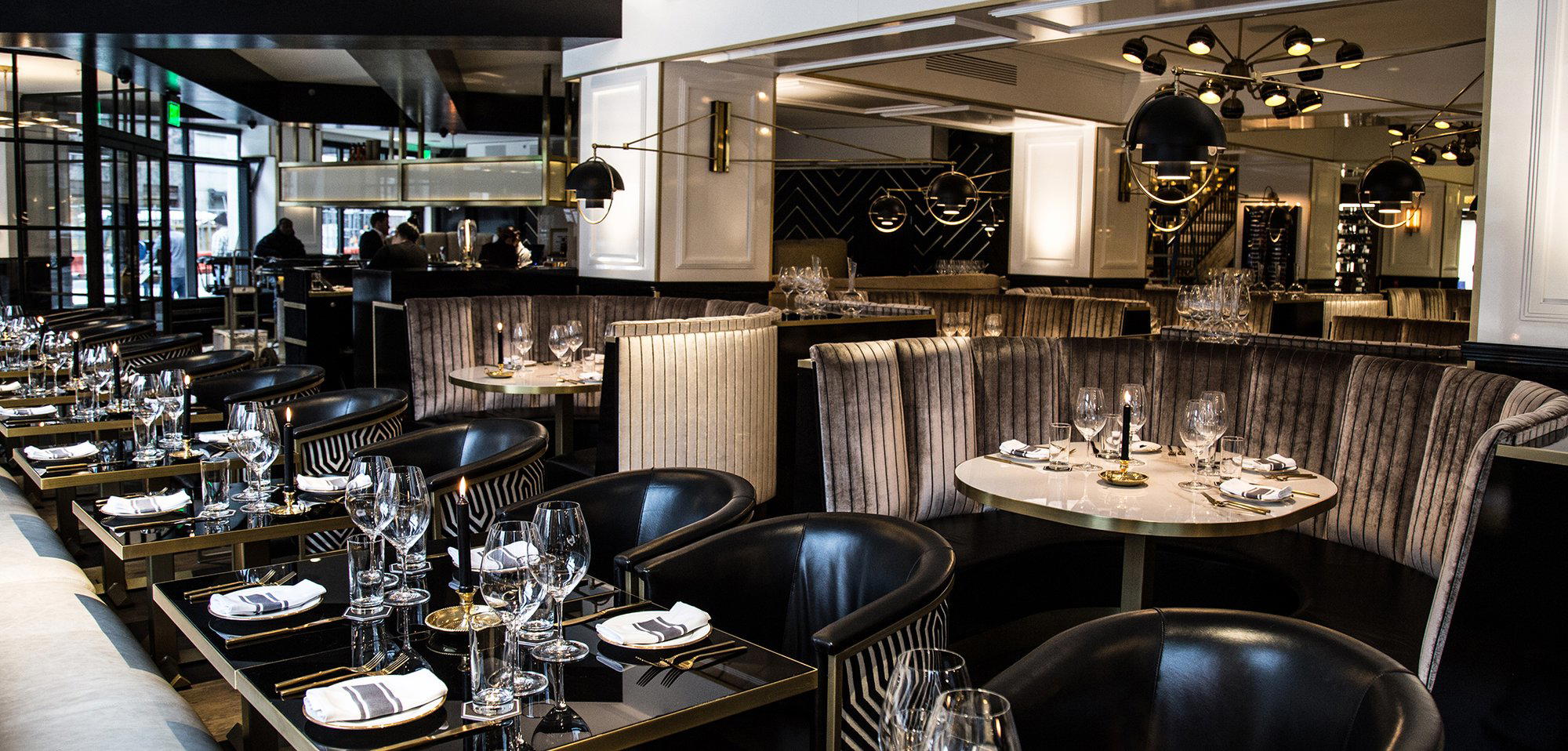
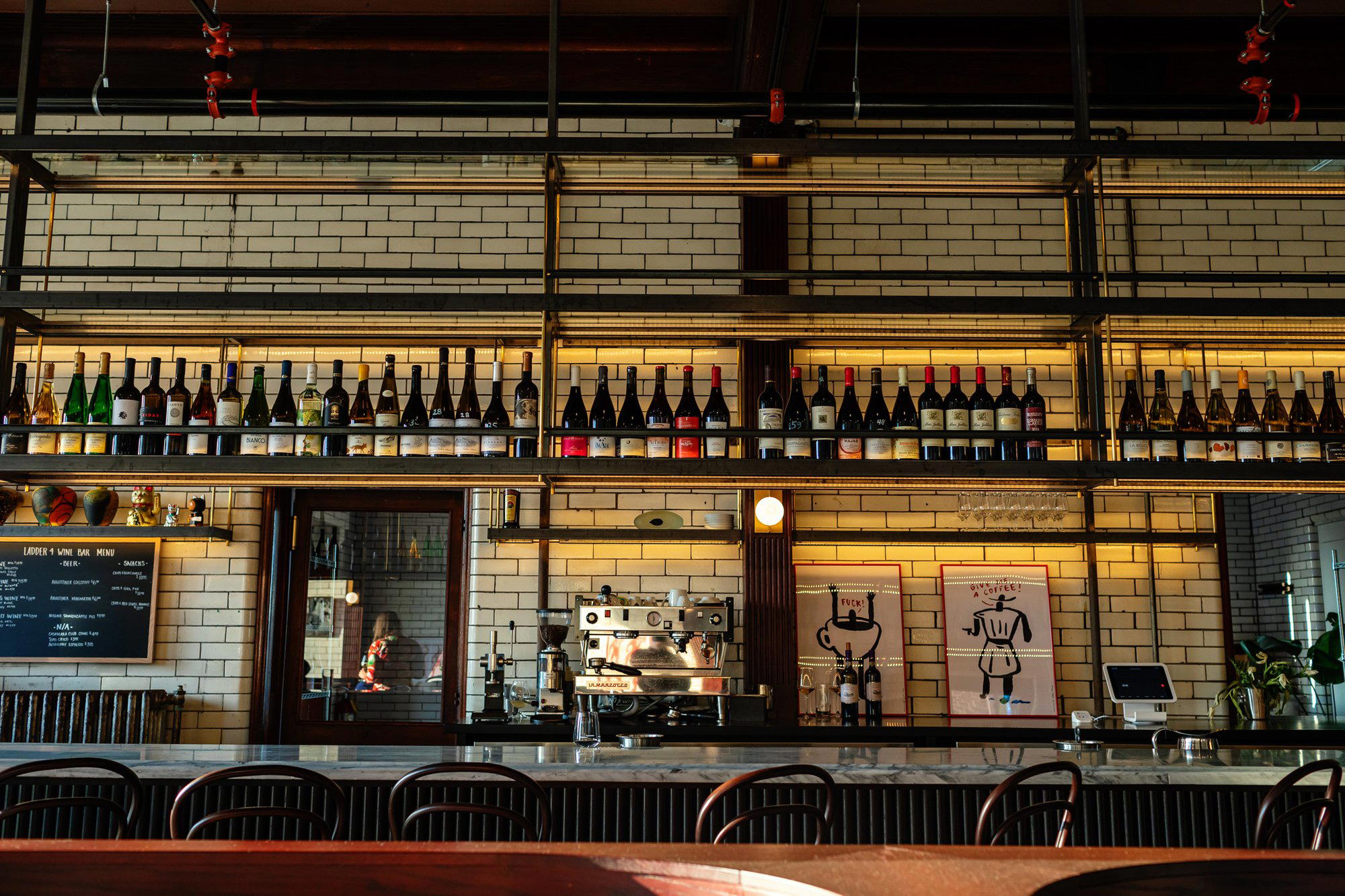
Warm and homey atmosphere with local art, celebrating Detroit's industrial and creative heritage; cozy taproom with welcoming vibe.