On Rue Jean Goujon, steps from the Champs-Élysées, La Maison occupies a register that Paris's 8th arrondissement has long defined: serious French hospitality with architectural weight behind it. The address places it squarely in the city's most formally charged dining corridor, where the competition is institutional and the expectations run high. For visitors calibrating between grandeur and intimacy, it represents a distinctive position in that upper tier.
Pearl is the En Primeur Club membership app — saves, bookings, and concierge access live there. Same editors, same standards.
- Address
- 8 Rue Jean Goujon, 75008 Paris, France
- Phone
- +33 1 40 74 64 64
- Website
- la-maison-champs-elysees.com
- Directions
- Get directions
 Saves & bookings on Pearl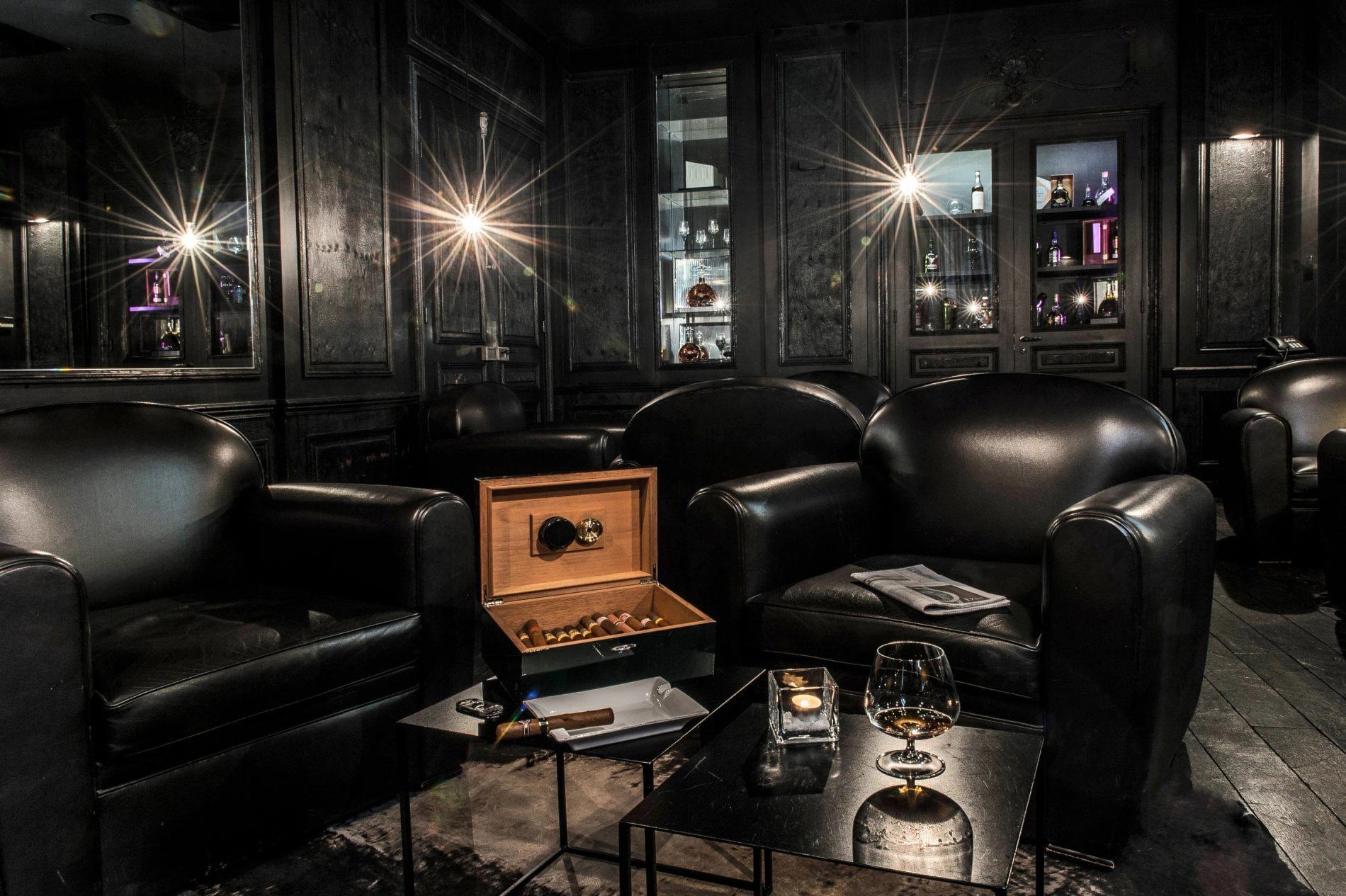
The 8th Arrondissement and the Weight of an Address
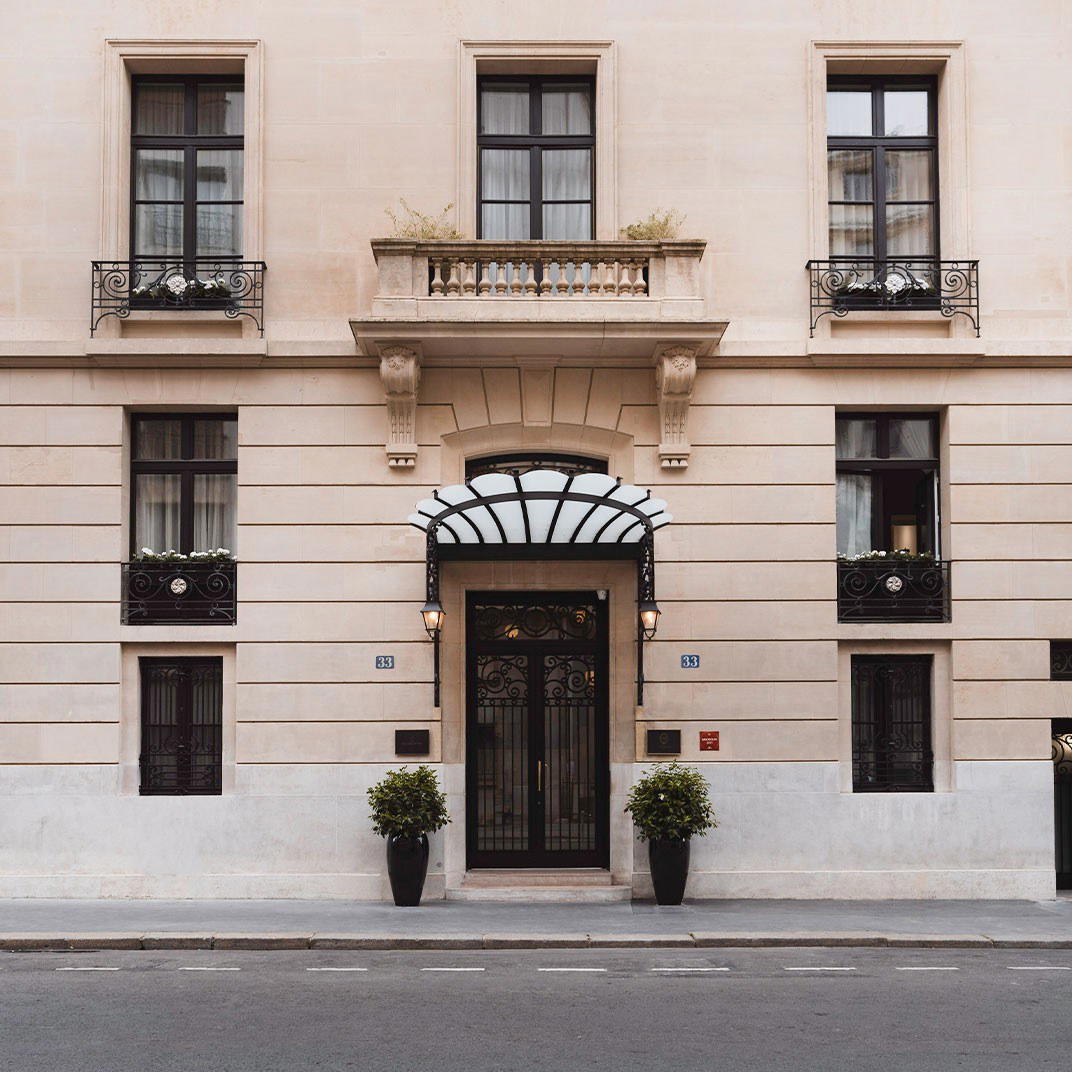
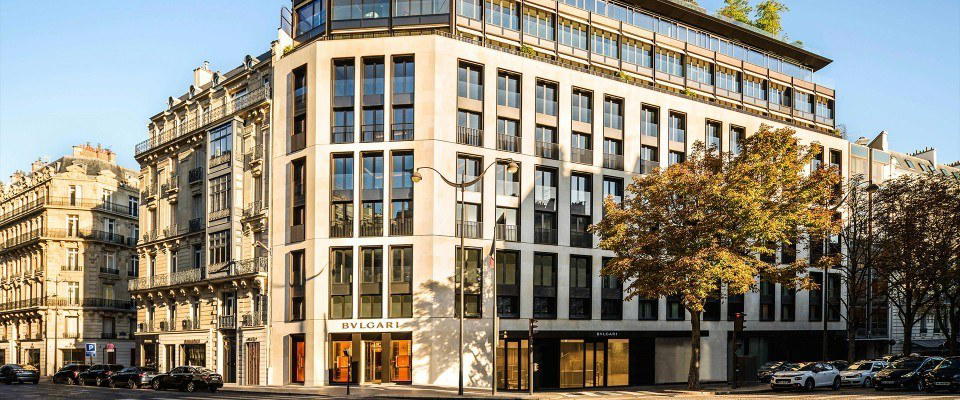
Paris's 8th arrondissement does not offer neutral ground. The stretch between the Champs-Élysées and the Seine, punctuated by Haussmann facades and the discreet brass plaques of private clubs and embassies, sets a specific gravitational pull on everything that operates within it. Dining here means competing not just with other restaurants but with the accumulated expectation of the quarter itself. La Maison Champs Elysées, at 8 Rue Jean Goujon, sits inside that field of expectation — a short walk from the Grand Palais and closer still to the Seine-side gardens that give this pocket of the 8th its quieter, more residential tone compared to the avenue proper.
That address is meaningful context. The restaurants and bars that have endured in this arrondissement — from the brasseries anchored near Franklin D. Roosevelt Métro to the tasting-menu rooms that draw the expense-account and special-occasion crowd, tend to operate on similar logic: the architecture does some of the work, the kitchen has to do the rest. La Maison enters that equation at Rue Jean Goujon, a street that runs parallel to the formality of Avenue Montaigne without the fashion-week foot traffic, which gives it a different pitch: slightly more residential, slightly less performative.
How a Meal Here Sequences Itself
The multi-course format that defines serious Paris dining is not accidental, it is structural. A meal in this register is designed as a progression, each stage recalibrating the palate and the pace. The opening passes establish the kitchen's register: are we in classical French territory, where sauces carry the argument, or somewhere more contemporary, where produce and restraint share the burden? That question tends to answer itself quickly in a room of this type, and the answer shapes everything that follows.
Intermediate courses in this format function as the editorial core of a meal. They carry the kitchen's point of view most clearly, sitting between the lightness of an amuse-bouche sequence and the weight of a main protein course. In the 8th's better rooms, those middle courses are where technique and sourcing intersect: whether a kitchen is drawing from the Loire Valley's market gardens, working with Brittany seafood, or anchoring a course in aged farmhouse poultry from southwest France, the mid-meal is where those decisions become legible to the diner.
The dessert sequence in formal French dining does not merely close a meal, it recontextualizes it. A well-constructed cheese course placed before the sweet courses allows the savory logic of the meal to resolve before sweetness takes over, a convention that remains standard in Paris's more traditional rooms and separates them from contemporary tasting menus that have abandoned the cheese board in favor of compression.
The 8th's Competitive Tier: Where This Address Fits
Paris's premium dining addresses have stratified considerably over the past decade. The best of the market, Michelin three-star rooms with international booking queues and fixed tasting menus priced above €300, occupies a separate register from the tier below, where the cooking is serious, the rooms are formal, and the pricing reflects the arrondissement rather than the global prestige economy. The 8th has properties across both tiers, and Rue Jean Goujon sits in a zone more closely associated with the second: considered, quietly prestigious, operating for a clientele that knows the neighborhood rather than flying in specifically for a reservation.
That positioning matters for how the room functions. The bar programs in comparable 8th arrondissement properties have tended to follow two models: the classical French hotel bar format, with a Champagne-heavy aperitif list and a Cognac-anchored digestif selection, or the more contemporary approach adopted by Paris's newer generation of cocktail rooms. Across the Seine and further east, venues like Bar Nouveau, Candelaria, and Danico represent a cocktail program philosophy that has largely bypassed the 8th's more conservative rooms. Buddha Bar, a few blocks to the west on Rue Boissy d'Anglas, operates in an entirely different register, high-volume, theatrically staged, and demographically distinct from the quieter rooms of the Rue Jean Goujon pocket.
For reference across France's broader range of considered drinking venues, the contrast is instructive: La Maison M. in Lyon and Coté Vin in Toulouse operate with a regional specificity that Paris's 8th rarely matches, the capital's premium corridor trades on cosmopolitan breadth rather than terroir-led depth. Further afield, Bar Casa Bordeaux and Au Brasseur in Strasbourg reflect how French cities outside Paris have developed their own premium hospitality logic, often with greater specificity to place. Even internationally, the structural comparison holds: Bar Leather Apron in Honolulu demonstrates how a technically precise, formally oriented bar program can anchor a room's identity in a way that transcends its geography, a model the 8th's leading rooms have historically followed through classical French service conventions rather than cocktail innovation.
Reaching the Address
Rue Jean Goujon is accessible from Franklin D. Roosevelt Métro (lines 1 and 9), approximately a five-minute walk south. Alma-Marceau (line 9) provides an alternative approach from the Seine side. The street sits inside the 8th's core, which means parking is limited and taxi or rideshare drop-off is the practical choice for evening reservations. The immediate neighbourhood quiets considerably after business hours compared to the Champs-Élysées proper, which gives arrivals here a different pace: less congestion, more composed. For visitors combining this address with other evenings in the city, Papa Doble in Montpellier and Le Café de la Fontaine in La Turbie represent strong options for those continuing south through France. The full Paris restaurants guide provides broader context for sequencing an itinerary across the city's arrondissements.
Planning Your Visit: Quick Comparison
| Venue | Location | Format | Booking Lead Time |
|---|---|---|---|
| La Maison Champs Elysées | 8th arr. Rue Jean Goujon | Formal dining, hotel property | Confirm directly |
| Buddha Bar | 8th arr. Rue Boissy d'Anglas | High-volume bar and restaurant | Walk-in or same week |
| Danico | 2nd arr. Rue Richer area | Cocktail bar, modern program | 1-2 weeks typical |
| Bar Nouveau | Central Paris | Contemporary bar format | Short lead, walk-in friendly |
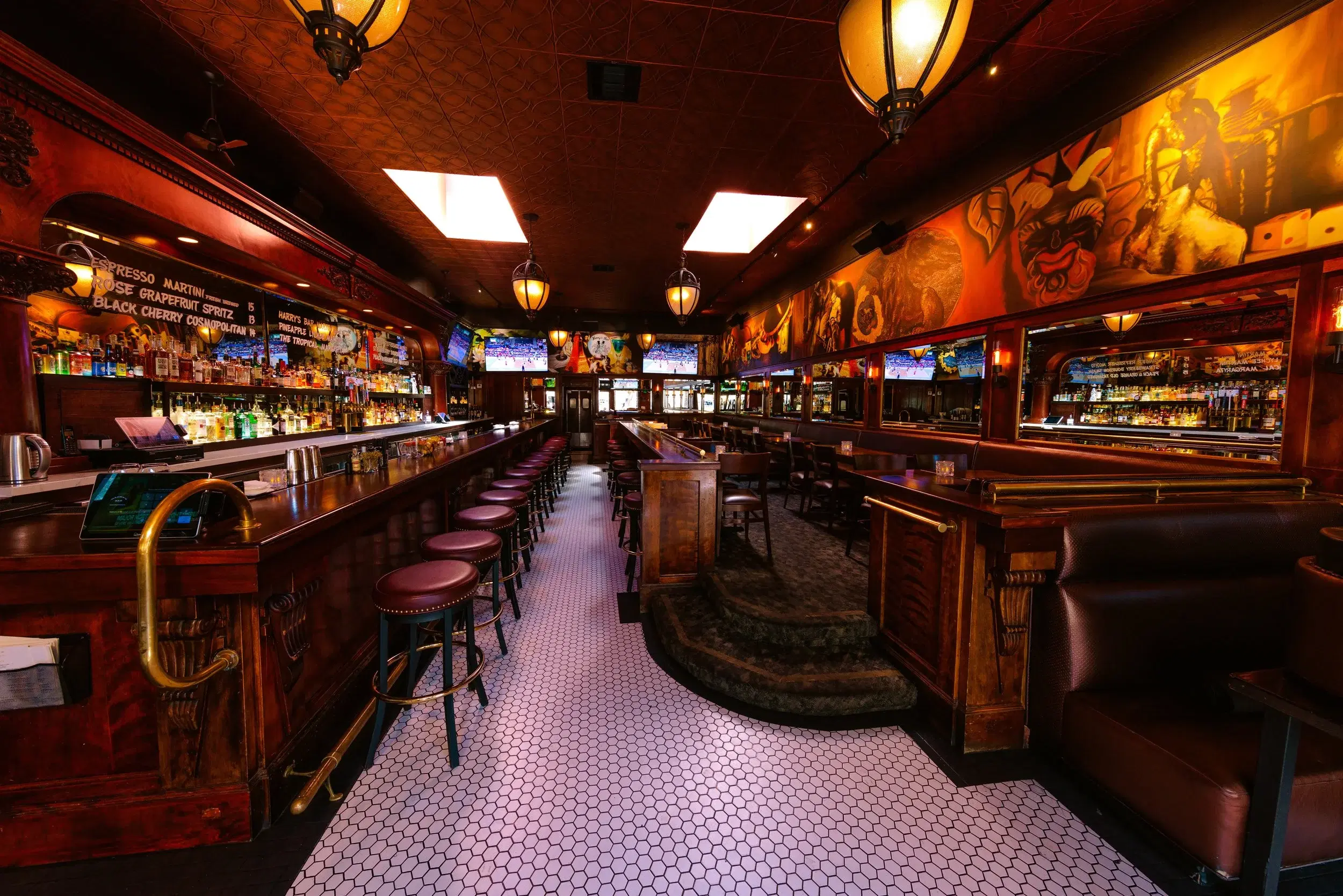
| Harry's Bar | 2nd arr. Rue Daunou | Historic American bar format | Walk-in |
Continue exploring
More in Paris
Bars in Paris
Browse all →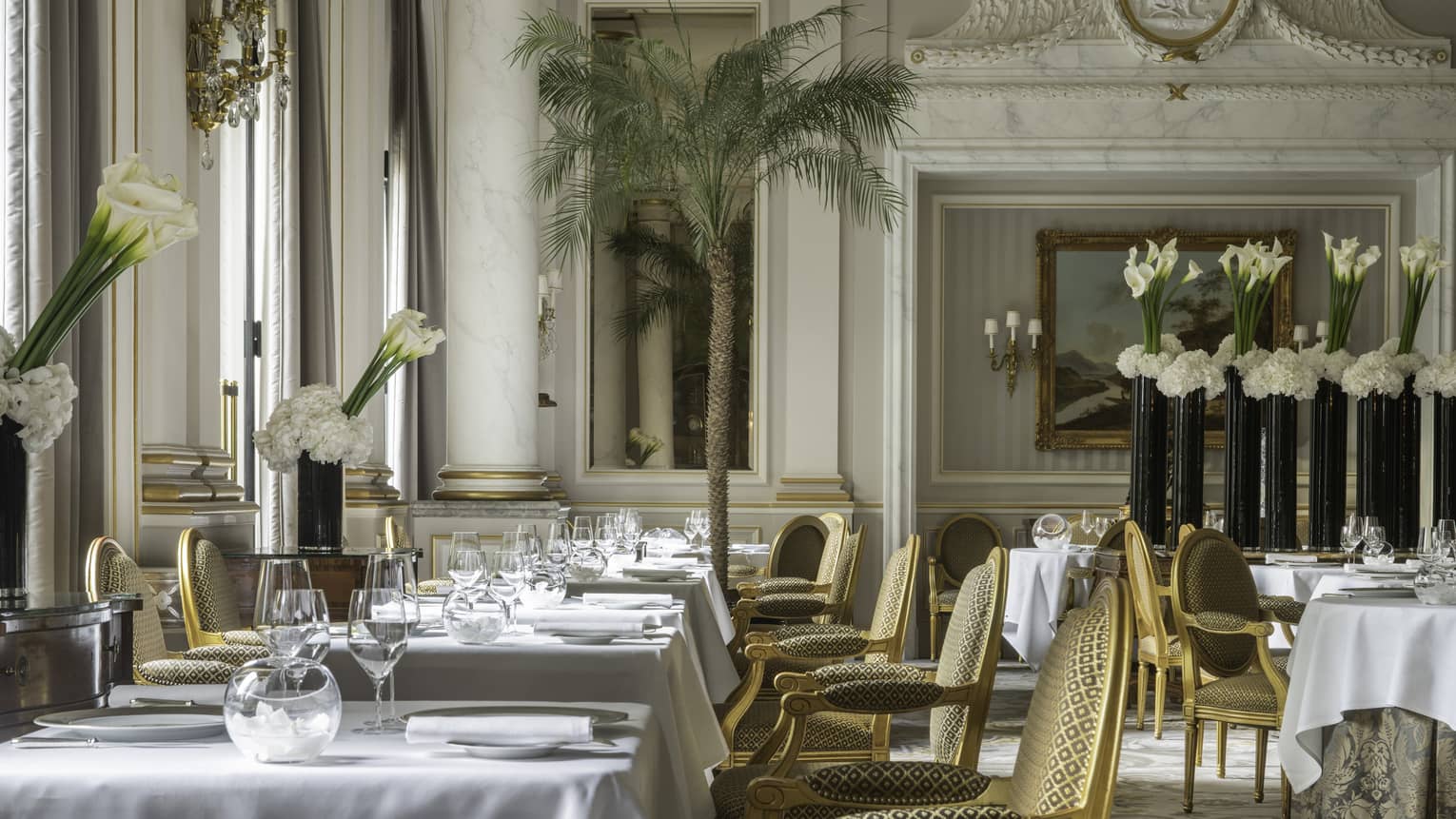
Restaurants in Paris
Browse all →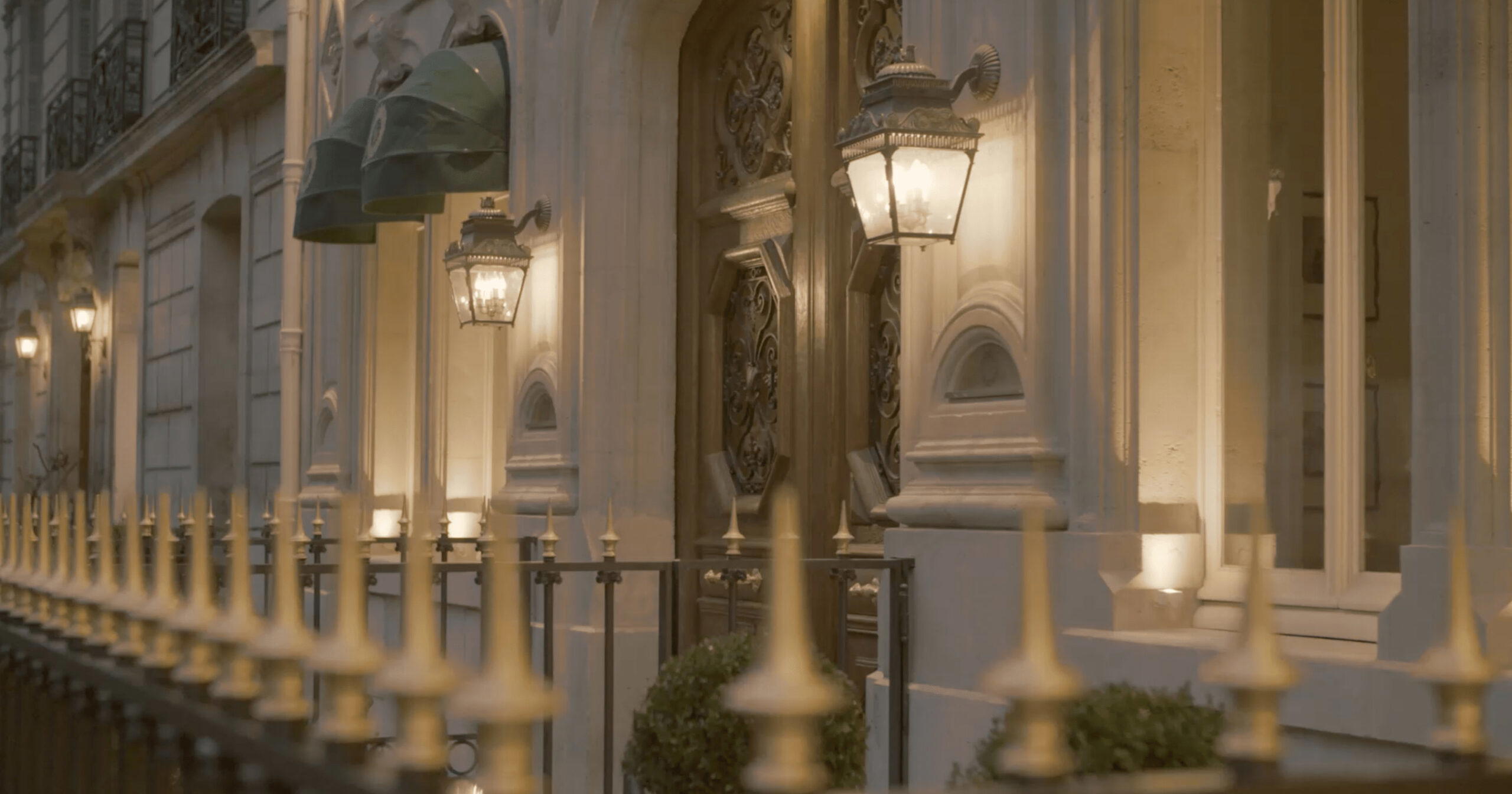
Hotels in Paris
Browse all →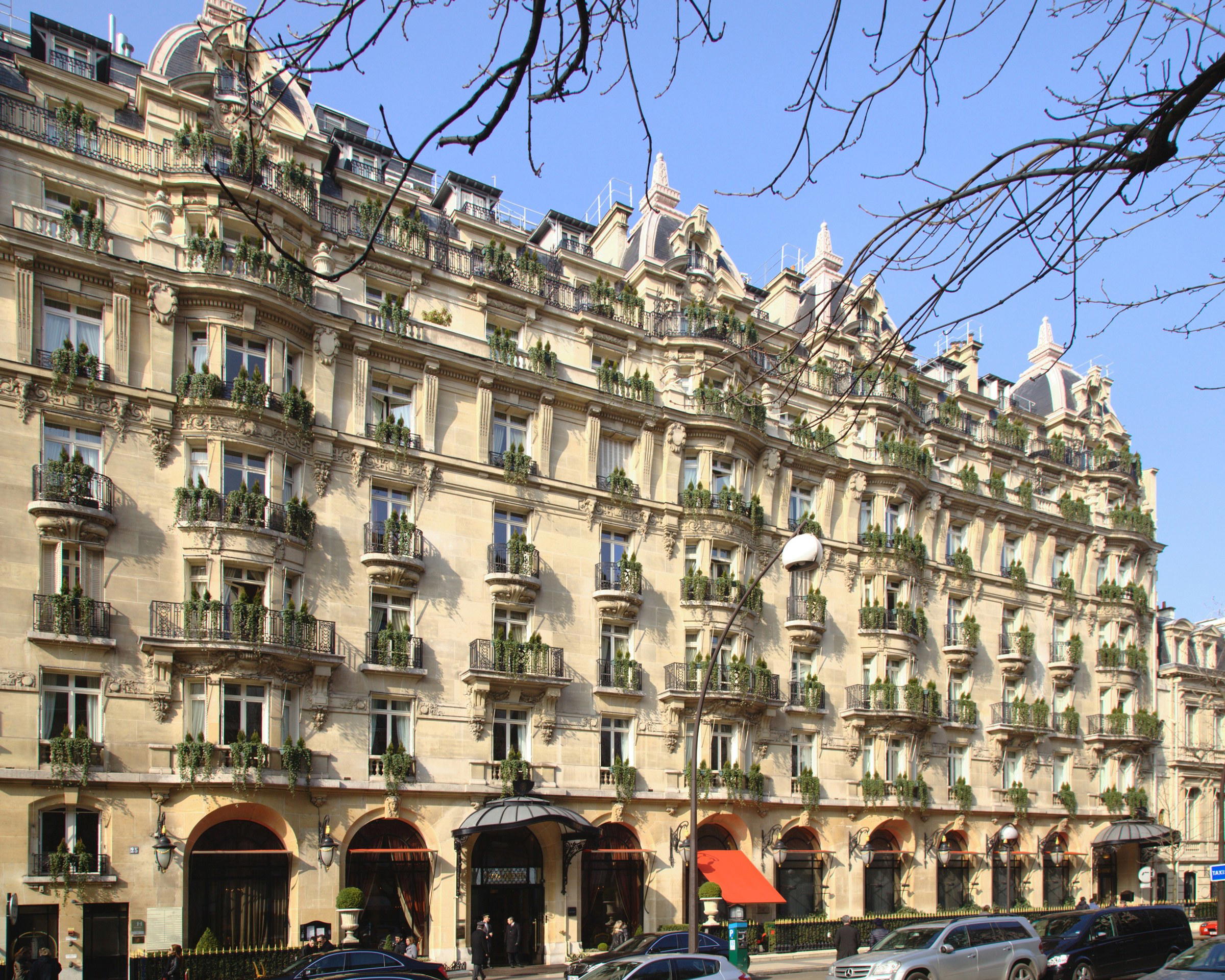



At a Glance
- Elegant
- Cozy
- Intimate
- Sophisticated
- Date Night
- Special Occasion
- Hotel Bar
- Lounge Seating
- Craft Cocktails
- Classic Cocktails
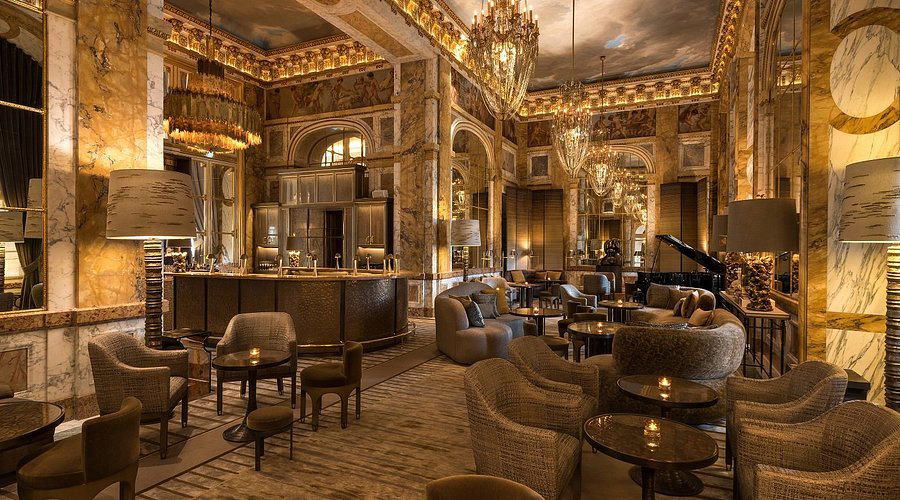
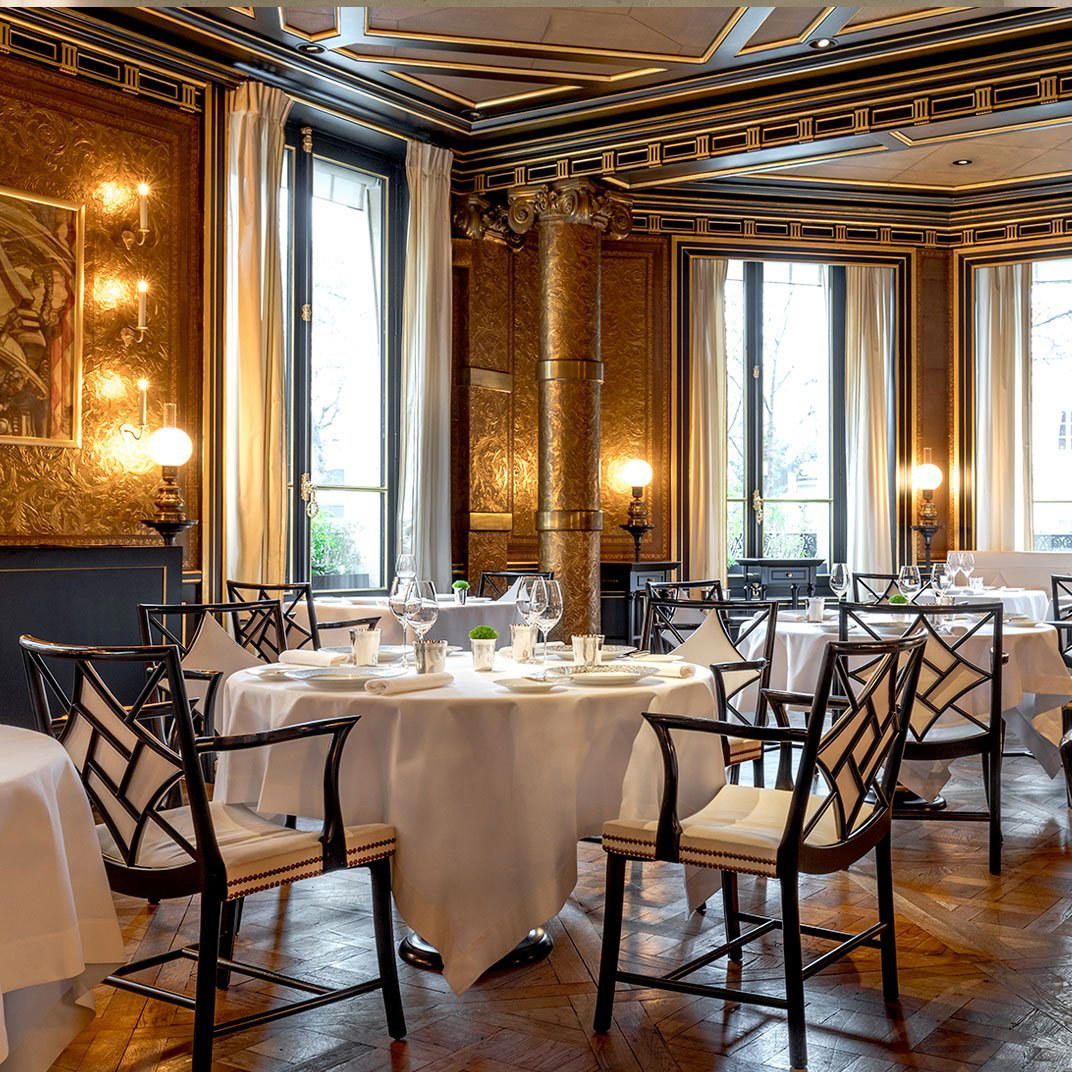
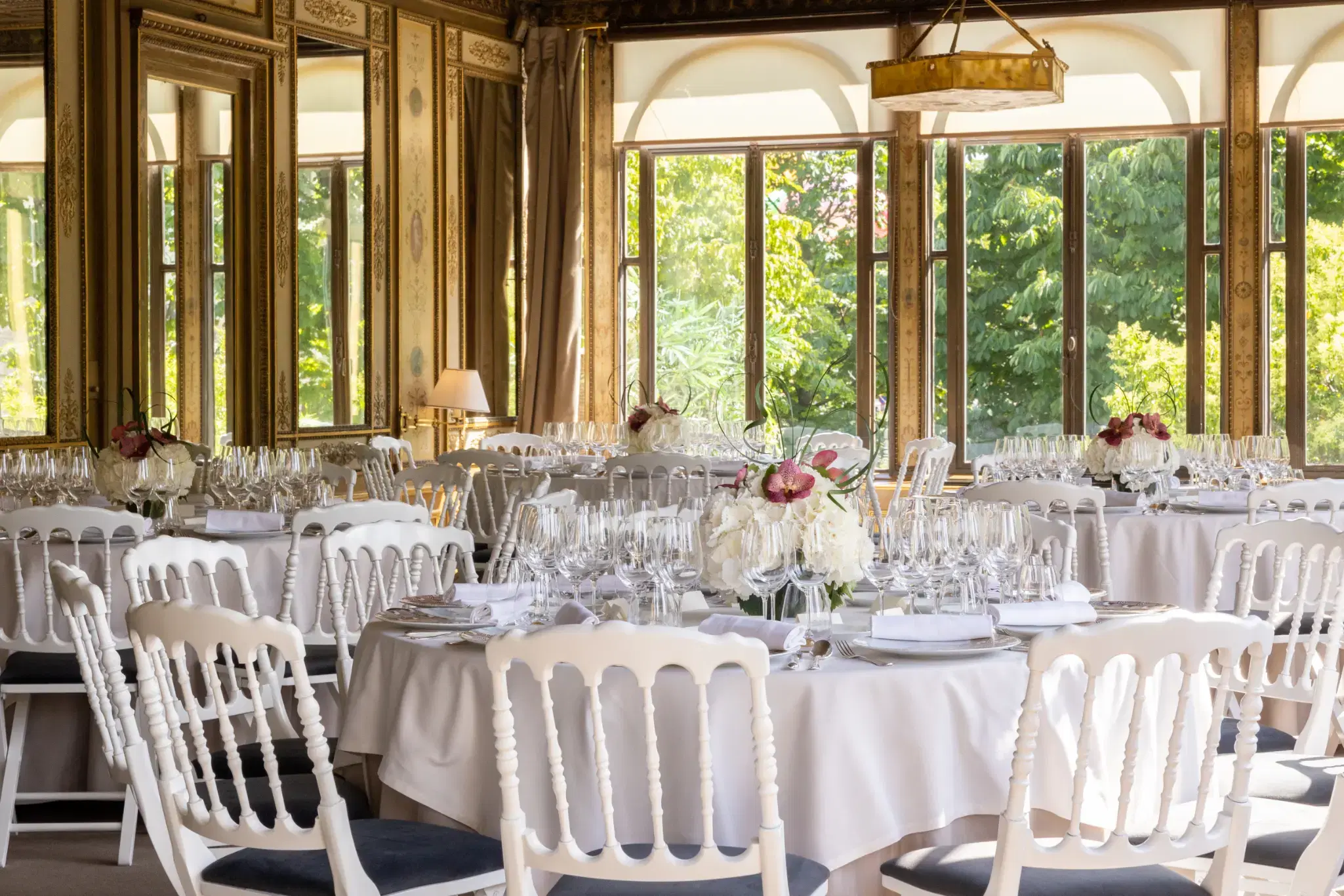
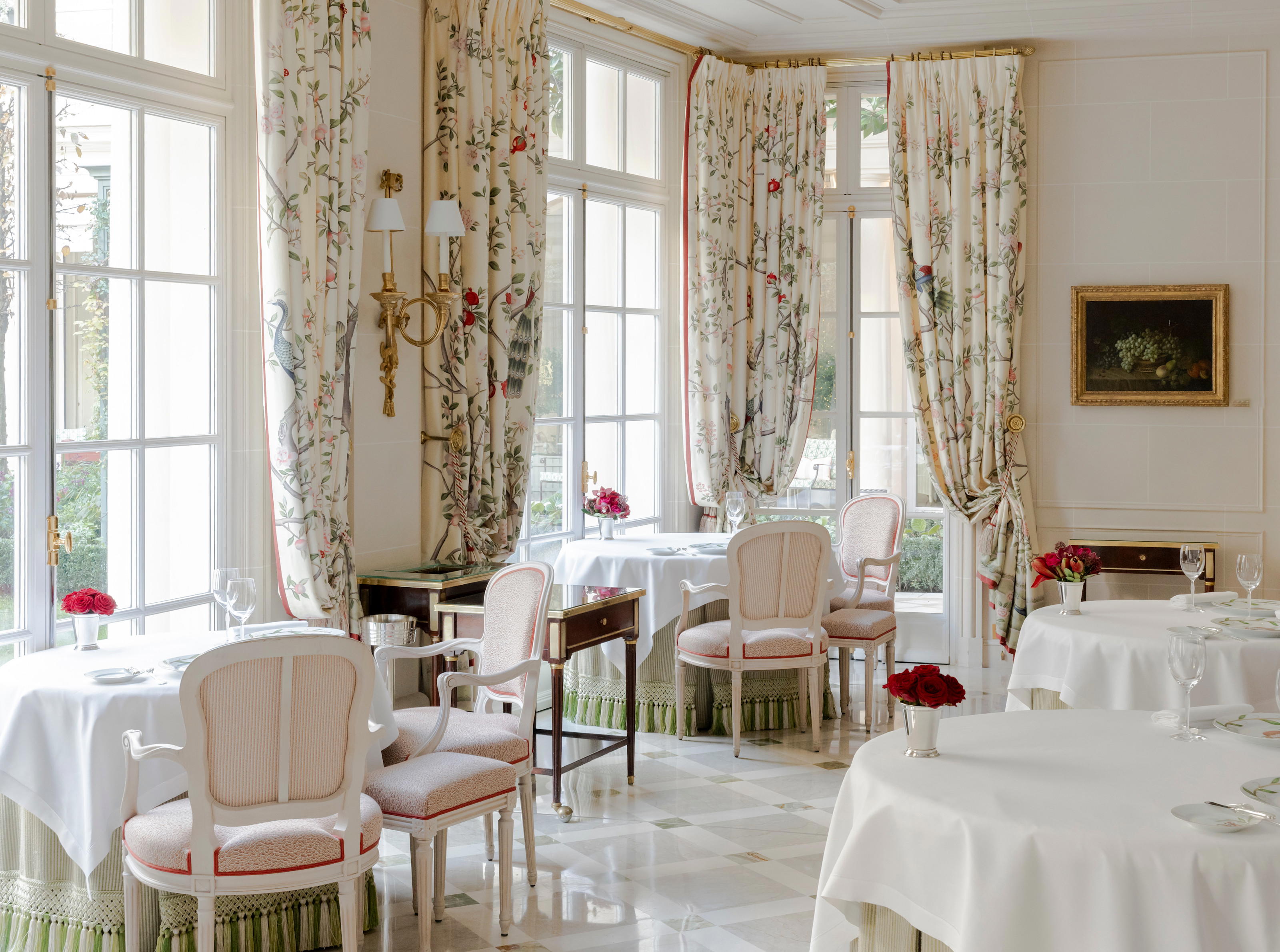
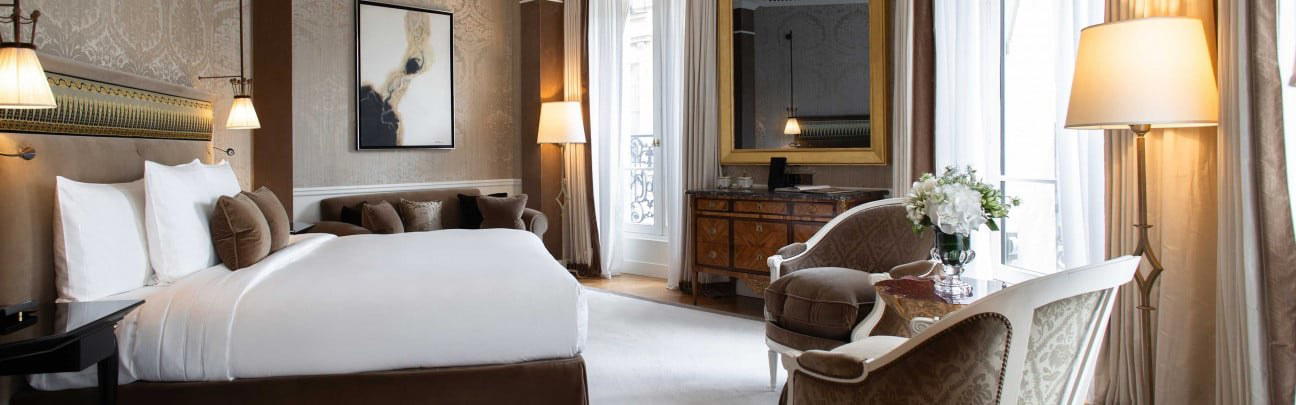
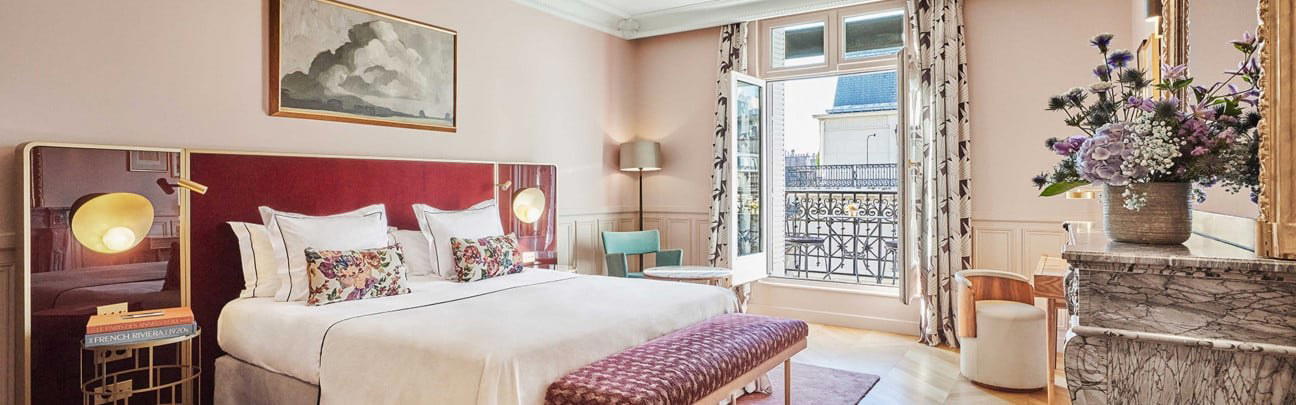
Bright by day and intimate by night, with baroque armchairs, soothing atmosphere, and a glass roof bathed in light evoking Parisian luxury.
Know Before You Go
- Getting there
- 8 Rue Jean Goujon, 75008 Paris, France