Kung Fu Tea
Kung Fu Tea on South Archer Avenue sits inside Chicago's Chinatown corridor, where bubble tea has moved from novelty import to neighborhood staple. The shop operates within a strip of storefronts that collectively define how the area eats and drinks between meals. For visitors tracking the city's Asian-American food scene, this address is a practical stop on a longer route.
 Discover on Pearl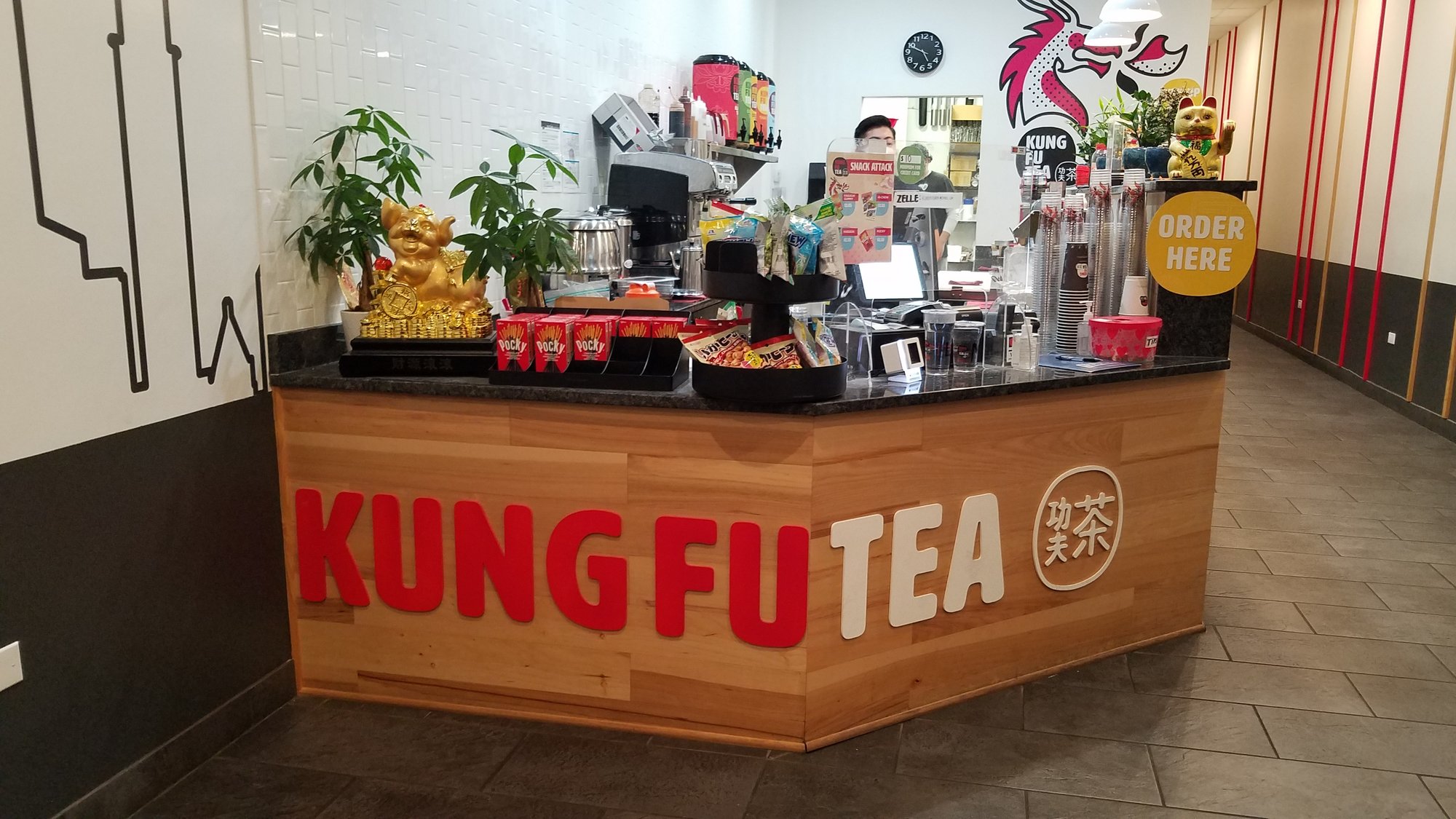
South Archer Avenue and the Bubble Tea Corridor
Chicago's Chinatown is one of the few urban Chinese commercial districts in the American Midwest that functions as a genuine neighborhood rather than a tourist enclosure. South Archer Avenue, which bisects the district alongside Wentworth, carries the bulk of its daily foot traffic: roast duck shops, bakeries, hotpot counters, and, increasingly, bubble tea storefronts that have shifted from specialty import to routine stop. Kung Fu Tea at 2126B S Archer Ave occupies a position inside that shift, operating as part of a national chain that has grown alongside American appetite for Taiwanese-style milk teas and fruit-based drinks with tapioca or alternative toppings.
The format here reflects a broader pattern in American cities: bubble tea shops have moved from the fringes of Asian grocery plazas into high-visibility street-level retail, and the category has bifurcated between independent craft operators and recognizable chain formats. Kung Fu Tea falls into the latter group, which carries specific implications for what to expect from the physical space and the menu.
The shortlist, unlocked.
Hard-to-book tables, cellar releases, and concierge-planned trips.
Get Exclusive Access →The Physical Space and What It Signals
Strip-mall storefronts along Archer rarely aim for atmosphere in the conventional sense, and bubble tea shops within that format tend to follow a consistent visual grammar: counter service, menu boards overhead, seating that functions as overflow rather than destination. The environment is transactional by design, which is not a criticism but a category description. In cities like New York, Los Angeles, and Chicago, the highest-volume bubble tea operations have converged on a similar model: branded cups, customizable sweetness and ice levels, and a menu broad enough to accommodate regulars and first-timers without requiring staff explanation.
What distinguishes the Archer Avenue location from other Kung Fu Tea outposts is context rather than interior design. Arriving from the north along Wentworth and turning onto Archer, you move through a commercial strip where Chinese-language signage is the norm and where the customer base is predominantly local rather than tourist-adjacent. That specificity of place gives even a chain format a different register than an identical shop in a downtown food hall or airport terminal. The clientele setting the rhythm here are residents running errands, families after a meal elsewhere on the block, and students from the surrounding neighborhoods, not visitors working through a sightseeing checklist.
For a different register of Chicago bar and drink culture, the city's craft cocktail programs at spots like Kumiko, Leading Intentions, Bisous, and Lemon operate on a fundamentally different premise, where the room, the lighting, and the drink program are inseparable from the experience. Bubble tea in the chain format sits at the opposite end of that axis: the drink is the point, and the space is there to facilitate its production and handoff.
The Menu Format and What to Order
Kung Fu Tea's national menu centers on milk teas, fruit teas, and slush-based drinks, with customizable parameters for sweetness and ice that have become the standard operating language of the category. Tapioca pearls remain the default topping, but most locations offer alternates including popping boba, pudding, and jelly variants. For a first visit, the classic milk tea with tapioca functions as the baseline against which everything else on the menu should be measured: if the tea base is strong enough to hold up through the dairy and the pearls are cooked to the right resistance, the shop is executing well. Fruit teas, increasingly the growth edge of the category, tend to use tea as the structural base rather than the flavor, with fruit flavors carrying the leading notes.
The chain's consistency across locations is both the appeal and the limitation. A customer who has ordered at Kung Fu Tea in another city will find the same menu architecture here, which removes friction but also removes discovery. Independent bubble tea operators in Chicago and elsewhere have started to use that gap as competitive positioning, introducing single-origin teas, seasonal fruit sourcing, and fresh milk over non-dairy powder. Whether Kung Fu Tea's Archer Avenue location follows any of those practices is not confirmed in available data, so that claim cannot be made here.
Chinatown's Drink Culture in a National Frame
American bubble tea culture has expanded fast enough that it now supports comparative analysis across city types. In cities with large Taiwanese-American communities, bubble tea shops tend to operate with more menu depth and sourcing specificity. In cities where the format arrived later, chain operators often arrived first and set the category's price and format expectations before independents could establish a presence. Chicago sits somewhere in the middle: it has enough East Asian demographic density in neighborhoods like Chinatown, Bridgeport, and Albany Park to support serious independent operations, but chain formats arrived early and hold significant share.
For context on how drink culture in other American cities has developed its own registers, the programs at Bar Leather Apron in Honolulu, Jewel of the South in New Orleans, Julep in Houston, Superbueno in New York City, ABV in San Francisco, Allegory in Washington, D.C., and The Parlour in Frankfurt on the Main each demonstrate how strongly local culture inflects what a drink space becomes. Bubble tea in Chinatown operates under an entirely different set of cultural pressures and pleasures than a craft cocktail bar, but both are expressions of how a place drinks.
Planning a Visit
The Archer Avenue location is accessible via the CTA Red Line at Cermak-Chinatown, a short walk from the main commercial strip. Chinatown is at its most active on weekends, when restaurant waits are long and the side streets fill with foot traffic; a bubble tea stop works naturally as a preamble to a meal or as a punctuation mark after. Pricing at chain bubble tea shops in Chicago generally sits in the four to seven dollar range per drink, though the specific pricing at this location is not confirmed in available data. No reservation is required or possible for a counter-service format. For a fuller picture of what Chicago offers across dining and drinking categories, the full Chicago restaurants guide maps the city's range from Chinatown north through the Loop and into the North Side neighborhoods.
2126B S Archer Ave, Chicago, IL 60616
+1 312 255 7331
Cost Snapshot
Comparable options at a glance, pulled from our tracked venues.
| Venue | Price | Awards | Notes |
|---|---|---|---|
| Kung Fu Tea | This venue | ||
| Kumiko | World's 50 Best | ||
| Bisous | World's 50 Best | ||
| The Aviary | World's 50 Best | ||
| Three Dots & a Dash | World's 50 Best | ||
| Best Intentions | World's 50 Best |
Need a Table?
Our members enjoy priority alerts and concierge-led booking support for the world's most difficult bars and lounges.
Get Exclusive AccessThe shortlist, unlocked.
Hard-to-book tables, cellar releases, and concierge-planned trips.
Get Exclusive Access →