Kogi Gogi BBQ
Kogi Gogi BBQ on 9th Avenue brings the communal fire-and-smoke ritual of Korean barbecue to San Francisco's Inner Sunset, a neighborhood better known for dim sum and ramen than galbi and samgyeopsal. The format centers the table grill as both cooking tool and social anchor, placing diners in charge of their meal's pacing and char. It sits in a growing cohort of Korean barbecue spots reshaping the city's meat-focused dining options.

Pearl is the En Primeur Club membership app — saves, bookings, and concierge access live there. Same editors, same standards.
- Address
- 1358 9th Ave, San Francisco, CA 94122
- Phone
- (415) 702-6792
- Hours
- Mon–Fri 5–10 PMSat–Sun 12:30–10 PM
- Website
- kogigogibbqca.com
- Directions
- Get directions
- Booking
- Book on the venue's website
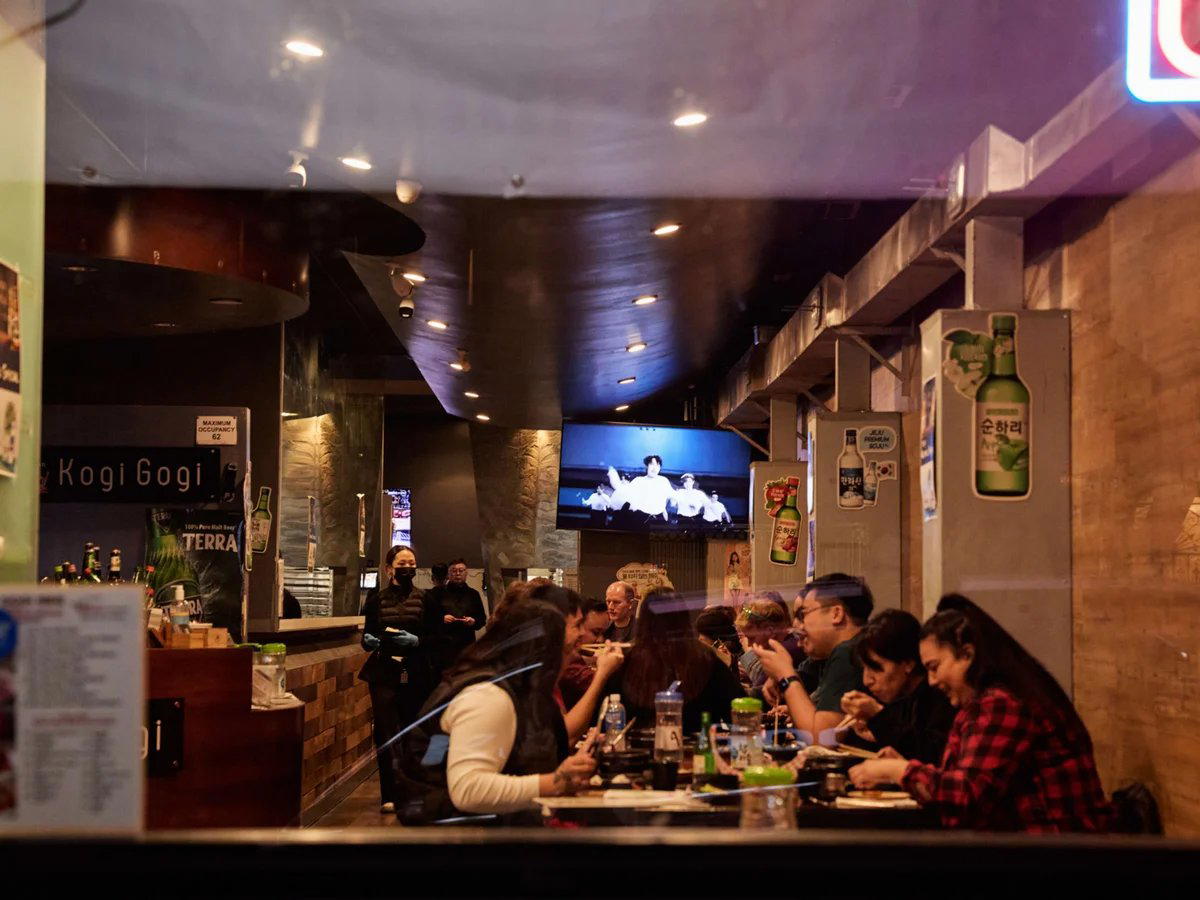
The Grill as the Table
In Korean barbecue, the cooking surface and the dining surface are the same thing. That architectural fact shapes everything: the pace, the conversation, the order of eating, and the relationship between the people seated around the fire. On 9th Avenue in San Francisco's Inner Sunset, Kogi Gogi BBQ operates inside that tradition, where the embedded charcoal or gas grill at the center of each table is not a novelty or a gimmick but the structural logic of the entire meal. The neighborhood itself adds a layer of context worth noting. Inner Sunset has long supported a dense, unpretentious dining culture oriented around everyday value, from Cantonese roast specialists to Japanese curry counters. A Korean barbecue house in that setting is less a destination import than a neighborhood fixture, the kind of place where the format pulls in regulars rather than tourists on a checklist.
How the Ritual Works
Korean barbecue's dining ritual is one of the more participatory formats in any cuisine category. Diners cook their own meat over the table grill, managing heat, doneness, and timing in real time. This means the meal does not arrive in courses delivered by a kitchen in sequence. Instead, banchan, the small shared side dishes of kimchi, pickled vegetables, seasoned greens, and fermented pastes, lands first and remains on the table throughout, functioning as both palate reset and constant accompaniment. The meat orders follow, cut to grill-appropriate sizes, and the eating rhythm becomes a negotiation between the table's appetites and the grill's capacity.
The etiquette within this ritual has its own internal logic. In traditional Korean barbecue settings, scissors cut the meat into bite-sized pieces directly on the grill, an action that would seem aggressive in other dining contexts but here is entirely standard. Wrapping grilled meat in perilla leaves or lettuce with a smear of doenjang or ssamjang is the preferred delivery method, compressing several flavor elements into a single bite. These customs are not incidental to the meal; they are the meal. Restaurants that execute this format well understand that the service role is less about delivering food and more about managing the grill environment, replacing charcoal or adjusting grates at the right intervals, keeping banchan refreshed, and reading when a table needs guidance versus when it has found its own rhythm.
Inner Sunset's Dining Position
San Francisco's Korean dining options have historically concentrated in the Tenderloin and parts of the Richmond, where Korean-owned grocery stores and restaurants form a denser commercial cluster. Inner Sunset represents a different kind of Korean restaurant context, embedded in a mixed-cuisine block rather than an ethnic commercial corridor. That positioning changes who walks in the door and how the restaurant calibrates its operation. The clientele skews toward neighborhood residents rather than destination seekers, which typically means the format needs to be legible to people who may not have grown up with the ritual, while still being faithful enough to satisfy those who have.
For context on San Francisco's broader dining geography, our full San Francisco restaurants guide maps the city's eating neighborhoods in more detail. The Inner Sunset sits west of Twin Peaks and north of the park, a long corridor of independent restaurants that has remained relatively insulated from the tech-adjacent dining boom that reshaped SoMa and the Mission over the past decade.
Drinking Alongside the Grill
Korean barbecue has a canonical drink pairing tradition built around soju, the clear distilled spirit that is South Korea's most consumed alcohol by volume, and hite or OB lager, often combined into the mixed drink known as somaek. The format matters here because the drinks are meant to be pounded in small glasses, communally and frequently, rather than sipped slowly alongside food. Makgeolli, the unfiltered rice wine with a milky, lightly effervescent character, offers an alternative for those who want something lower in alcohol and more textural.
San Francisco's bar scene has moved well beyond these traditions for anyone seeking a broader drinking itinerary around a Korean barbecue dinner. Pacific Cocktail Haven operates one of the city's more technically precise cocktail programs, while ABV on Market Street anchors a different tier of serious drinking, and Friends and Family has carved out a distinct position in the city's natural wine and low-intervention spirits conversation. For something with more theatrical range, Smuggler's Cove runs a rum-focused program deep enough to occupy an entire evening before or after dinner.
If your travels take you beyond San Francisco, the same question of what to drink after a long, communal dinner applies in other cities. Kumiko in Chicago brings Japanese ingredient precision to cocktail-making in a format that pairs naturally with post-dinner drinking, and Bar Leather Apron in Honolulu operates in a similarly considered register. Jewel of the South in New Orleans, Julep in Houston, Superbueno in New York City, Allegory in Washington, D.C., and The Parlour in Frankfurt on the Main each represent the kind of bar program worth building a post-dinner itinerary around in their respective cities.
Planning Your Visit
Kogi Gogi BBQ is located at 1358 9th Avenue, San Francisco, CA 94122, in the Inner Sunset. The N-Judah Muni line runs along Judah Street one block south, making it reachable from downtown without a car. The venue has not published confirmed awards or ratings through the major recognition bodies at this time.
| Venue | Format | Neighborhood | Known For |
|---|---|---|---|
| Kogi Gogi BBQ | Korean BBQ (table grill) | Inner Sunset | Communal grill ritual, neighborhood setting |
| ABV | Cocktail bar | Mission/Market | Serious spirits program, food-friendly menu |
| Smuggler's Cove | Rum bar | Hayes Valley | Encyclopedic rum selection, tiki format |
| Pacific Cocktail Haven | Cocktail bar | Tenderloin | Pan-Pacific ingredient focus, technical precision |
Cuisine and Recognition
| Venue | Cuisine | Price | Awards |
|---|---|---|---|
| Kogi Gogi BBQThis venue — the venue you are viewing | Not listed | $30–50 | Not listed |
| ABV | Cocktail Bar | $20–30 | World's 50 Best #39 · Eater Cocktail Bar Guide |
| Smuggler's Cove | Not listed | $20–30 | World's 50 Best #29 · James Beard Award Semi Finalist |
| Trick Dog | Hot Dogs | $30–50 | World's 50 Best #100 · Eater Cocktail Bar Guide |
| Bar at Hotel Kabuki | Not listed | $30–50 | Not listed |
| Evil Eye | Not listed | $30–50 | Not listed |
Continue exploring
More in San Francisco
Bars in San Francisco
Browse all →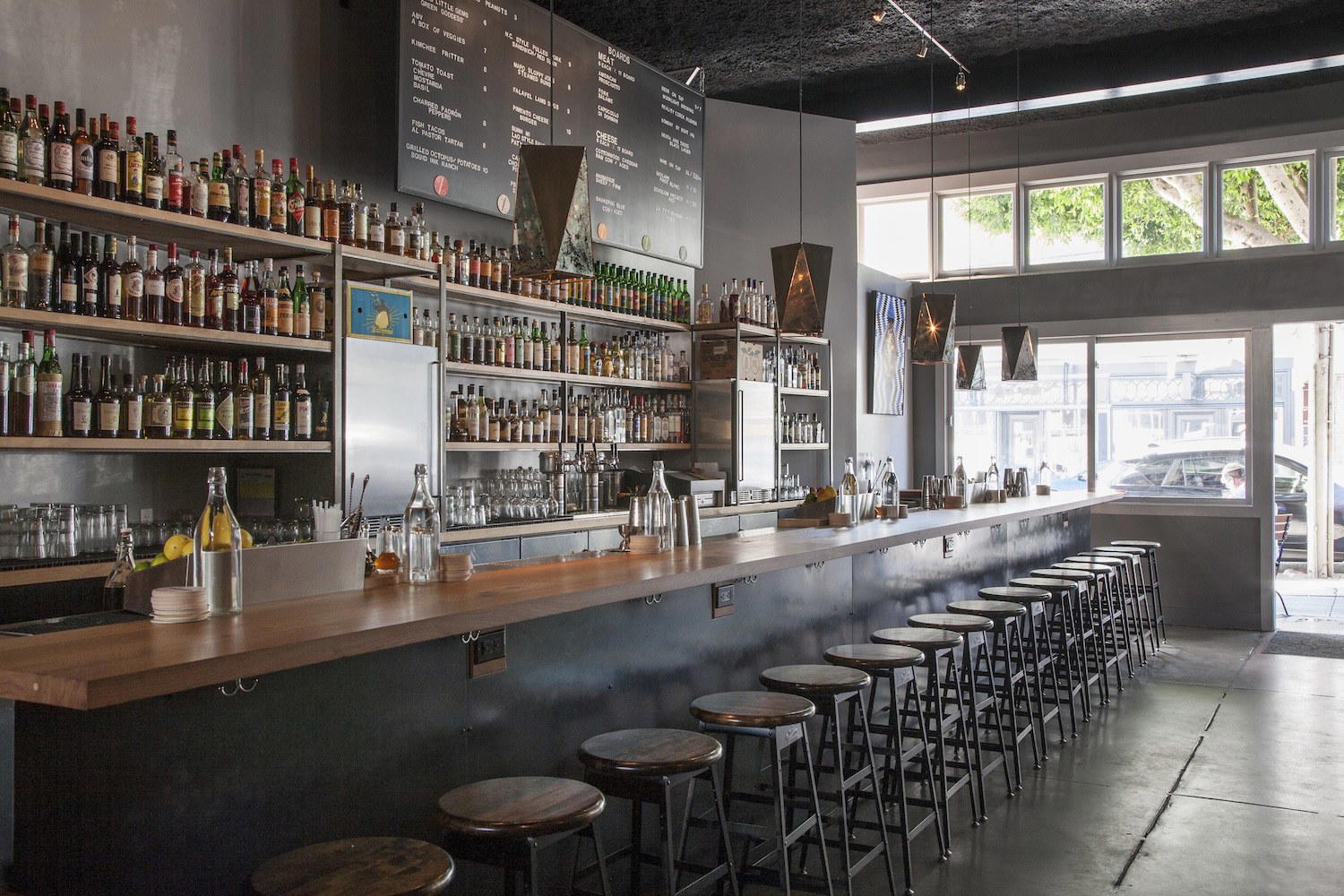
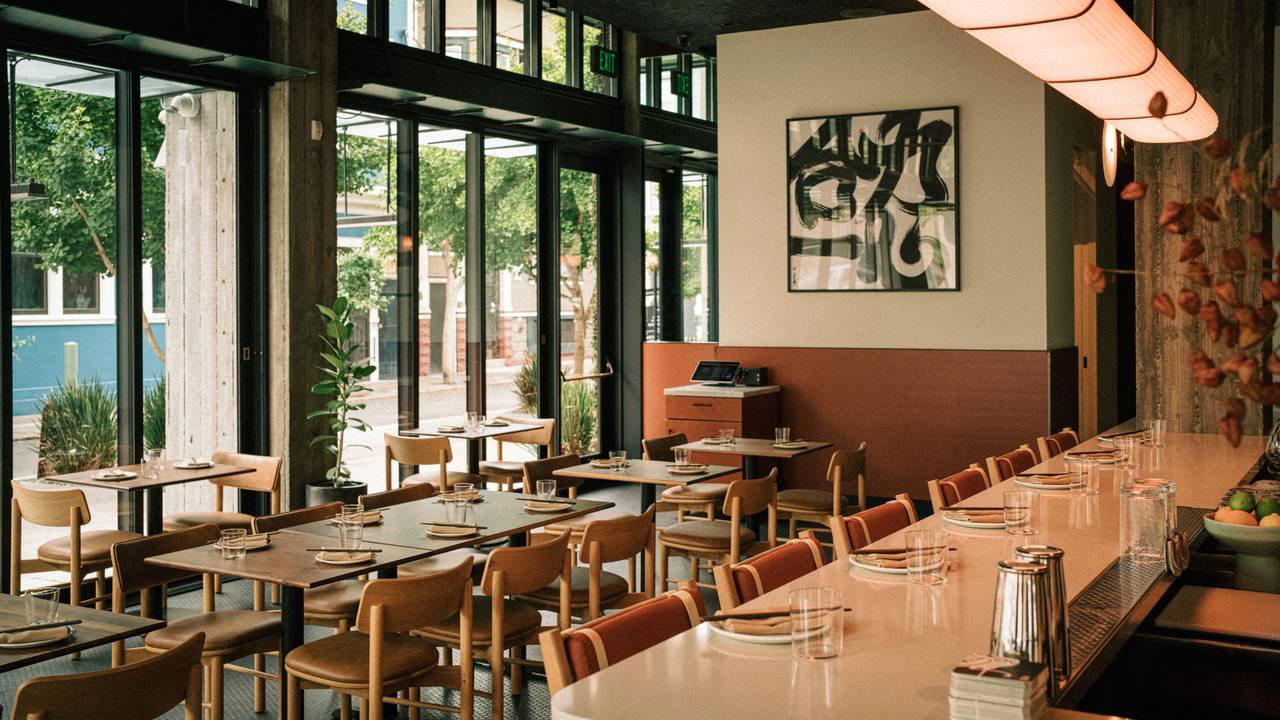
Restaurants in San Francisco
Browse all →
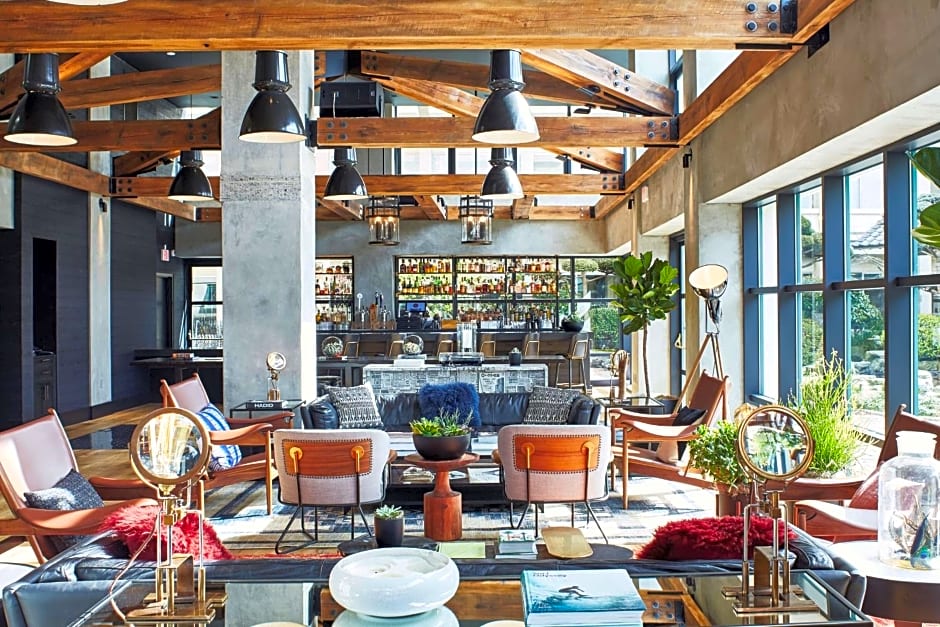
Hotels in San Francisco
Browse all →
Details
- Lively
- Energetic
- Group Outing
- Casual Hangout
- Date Night
- Standalone
- Seated Bar
- Communal Tables
- Craft Beer
- Sake
Current opening hours
- Monday
- 5–10 PM
- Tuesday
- 5–10 PM
- Wednesday
- 5–10 PM
- Thursday
- 5–10 PM
- Friday
- 5–10 PM
- Saturday
- 12:30–10 PM
- Sunday
- 12:30–10 PM
Hours can change for holidays and private events. Last verified .
Busy and lively with an authentic Korean dining experience; energetic atmosphere with attentive service.