Kenshō
Kenshō occupies a quiet address on Magnolia Street in Westminster, California, where the broader Little Saigon corridor shapes the neighborhood's dining and drinking character. The bar sits within a Southern California scene that increasingly rewards specialist formats over volume, and its name signals a Japanese aesthetic sensibility that cuts against the block's Vietnamese-dominant identity. Visitors should verify current hours and offerings directly before visiting.
- Address
- 16511 Magnolia St, Westminster, CA 92683
- Phone
- +1 714 514 8726
- Website
- instagram.com
- Directions
- Get directions
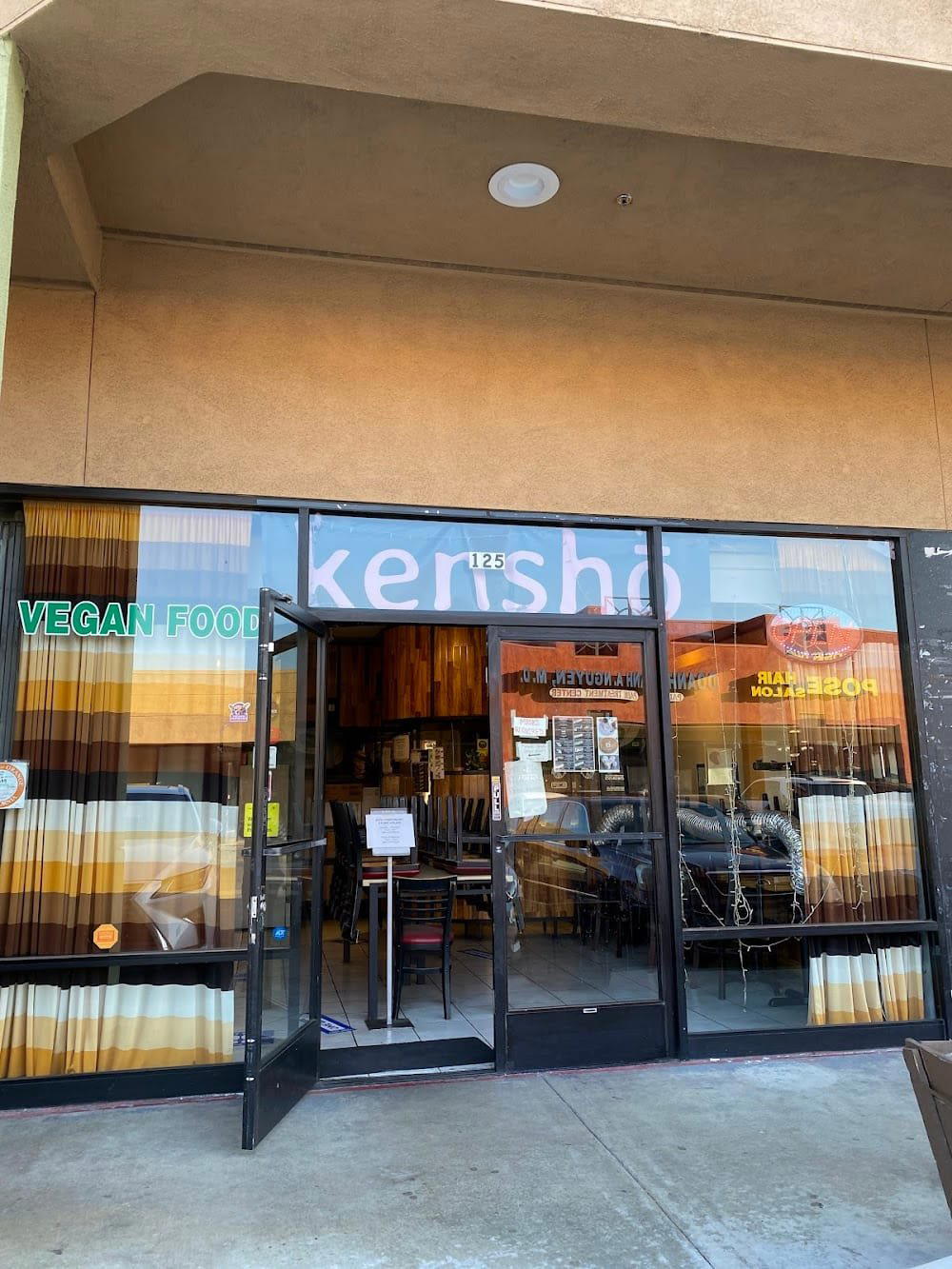
Westminster's Drinking Scene and Where Kenshō Fits
Westminster's bar culture is anchored by Little Saigon, one of the densest Vietnamese commercial districts in the United States, stretching along Bolsa Avenue and its adjacent corridors. The neighborhood's drinking identity has historically been shaped by pho shops with bring-your-own policies, karaoke lounges, and Vietnamese coffee bars rather than the kind of spirits-forward cocktail programming that has reshaped bar culture in Los Angeles, San Francisco, and comparable West Coast metros. Against that backdrop, any bar operating under a Japanese aesthetic framework, as Kenshō's name implies, is positioning itself as a counterpoint rather than a continuation of the surrounding block's dominant character.
That positioning matters because Westminster has not historically appeared on the Southern California cocktail circuit the way Arts District Los Angeles or downtown San Diego have. Bars in this part of Orange County tend to operate as neighborhood regulars rather than destination venues drawing from across the metro. Kenshō, at 16511 Magnolia Street, sits in this less-visited tier of the region's drinking geography, which shapes both its likely audience and its competitive frame.
The Atmosphere Argument: Japanese Spatial Logic in an Orange County Strip
The name Kenshō carries specific weight. In Zen Buddhist tradition, kenshō refers to a first glimpse of one's fundamental nature, a moment of perceptual clarity before full enlightenment. Bars that borrow this register, whether consciously or through design shorthand, typically reach for low lighting, deliberate material choices, and a quieter acoustic environment than the regional norm. The Japanese-inflected bar aesthetic that has proliferated across American cities since roughly 2015 tends to favor warm timber, ceramic barware, restrained background sound, and counters designed to direct attention toward the drink being prepared rather than the spectacle of the room itself.
This approach is in direct conversation with venues like Kumiko in Chicago, where Japanese whisky culture and delicate bar snacks shaped both menu and room, or Bar Leather Apron in Honolulu, which operates with a similar precision-forward ethos in a Pacific context. Those bars built reputations partly on the coherence between their physical environment and their drink programs. The question for any bar working within this aesthetic in a strip-mall-dense Orange County corridor is whether the spatial logic survives the surrounding context, and whether the interior proposition holds independently of the neighborhood's visual noise outside.
Southern California bar design at this price tier often compromises on material quality to hit a lower cost base, producing spaces that gesture toward an aesthetic without committing to it. The bars that hold the aesthetic most successfully tend to invest in a small number of high-quality elements, a well-specified counter surface, considered lighting that changes character across the evening, seating that encourages staying rather than cycling, rather than spreading budget across a larger footprint.
Cocktail Culture Context: Where the Format Places Kenshō
The broader American cocktail bar has moved through several distinct phases since the early 2000s revival. The speakeasy theatrics period gave way to transparency and technical programs, with venues like ABV in San Francisco and Allegory in Washington, D.C. building reputations on technique and ingredient sourcing rather than hidden-door conceits. More recently, bars with Japanese training lineages or Japanese-market-facing menus, featuring shochu, sake, Japanese whisky, and umami-forward flavor profiles, have carved out a distinct niche within the specialist tier.
That niche sits at a different point from the Southern hospitality-inflected programs at Julep in Houston or the narrative-driven formats at Jewel of the South in New Orleans, and differently again from the high-energy Latin cocktail programming at Superbueno in New York City or the tiki-adjacent maximalism of Bar Kaiju in Miami. Japanese-register bars tend to operate at a lower volume, with menus built around balance and restraint rather than peak flavor intensity. That is a different proposition for a different kind of drinker, and it is not universally transferable to every market.
Westminster's drinking public skews toward social and community formats rather than contemplative single-seat counter experiences. Whether a bar in this neighborhood can build a durable audience for the quieter, technique-forward format that a Kenshō-style positioning implies is a live question. The bars that have managed it in similar suburban or semi-suburban contexts have typically done so by offering the full proposition consistently and building a loyal local following rather than chasing a destination-bar circuit reputation. For a sense of how other Westminster bars approach the social drinking format, Aspen Lodge Bar and Grill and Cracovia Polish-American Restaurant and Bar represent the neighborhood's more established food-and-drink hybrid model, oriented around community regulars rather than specialist drink programming.
The international frame is also worth holding: bars working within Japanese aesthetic and menu frameworks have found sustained audiences in cities as varied as Frankfurt, where The Parlour represents a European take on the precision cocktail format, and Honolulu, where Pacific cultural overlap gives Japanese-inflected bars a natural market alignment. Westminster's Vietnamese-dominant commercial culture is a less obvious fit, which makes Kenshō either an interesting counterpoint or a harder sell depending on execution.
Planning a Visit: What to Know Before You Go
Kenshō is located at 16511 Magnolia Street in Westminster, California 92683, on a commercial corridor that serves primarily as a neighborhood throughway rather than a destination strip. Parking in this part of Westminster is generally surface-level and abundant, which is a practical advantage over Los Angeles bar districts that require planning around transit or paid lots. The Magnolia Street address places the bar in the southern half of Westminster, a few minutes from the Bolsa Avenue core of Little Saigon by car.
Visitors planning specifically around Kenshō should verify operational details directly before traveling, particularly given that smaller independent bars in suburban Southern California occasionally operate on reduced weekly schedules or shift their hours seasonally.
Cuisine-First Comparison
Comparable venues nearby, for context on price, style, and recognition.
| Venue | Cuisine | Price | Notes |
|---|---|---|---|
| KenshōThis venue — the venue you are viewing | Bar | $$ | Not listed |
| Old World Biergarten Restaurant & Bar | beer_bar | $$ | North Huntington Beach |
| Red Table Restaurant | lounge | $$ | Huntington Harbour |
| KazuNori: The Original Hand Roll Bar | sake_bar | $$ | Old Bank District |
| Harbor House Café | dive_bar | $$ | Huntington Beach |
Continue exploring
More in Westminster
Bars in Westminster
Browse all →
Restaurants in Westminster
Browse all →
Hotels in Westminster
Browse all →
Wineries in Westminster
Browse all →
At a Glance
- Modern
- Intimate
- Casual Hangout
- Standalone
- Counter Only
Cozy and intimate with a welcoming atmosphere from attentive service.