Kee Club on Wellington Street has anchored Central's members-only after-dark circuit for years, occupying the kind of private-access tier that Hong Kong's social elite treat as a given. The space operates somewhere between a lounge, a bar, and a gallery, with a design sensibility that rewards attention. For visitors seeking entry into that world, understanding what Kee Club is, and is not, matters.
Wellington Street After Dark: Where Central's Private Tier Lives
Hong Kong's Central district runs on visible contrasts. Street level is all scaffolding, double-decker trams, and the low-slung commerce of Lan Kwai Fong bleeding into SoHo. But above and behind that surface layer sits a parallel circuit, members' clubs, private dining rooms, rooftop lounges, where access, not price, is the primary filter. Kee Club at 32 Wellington Street belongs to that second tier. It has, over the years, become a reference point in conversations about where Hong Kong's art-world, finance, and creative communities actually go when they stop performing for the room and start occupying it.
The address itself is instructive. Wellington Street cuts across the mid-levels, above the noise of the waterfront but below the residential altitude where the city turns quiet. That in-between position, neither tourist Central nor fully local residential, creates a kind of pressure chamber where the city's most networked inhabitants compress into a small number of venues. Kee Club is one of them.
The Physical Logic of the Space
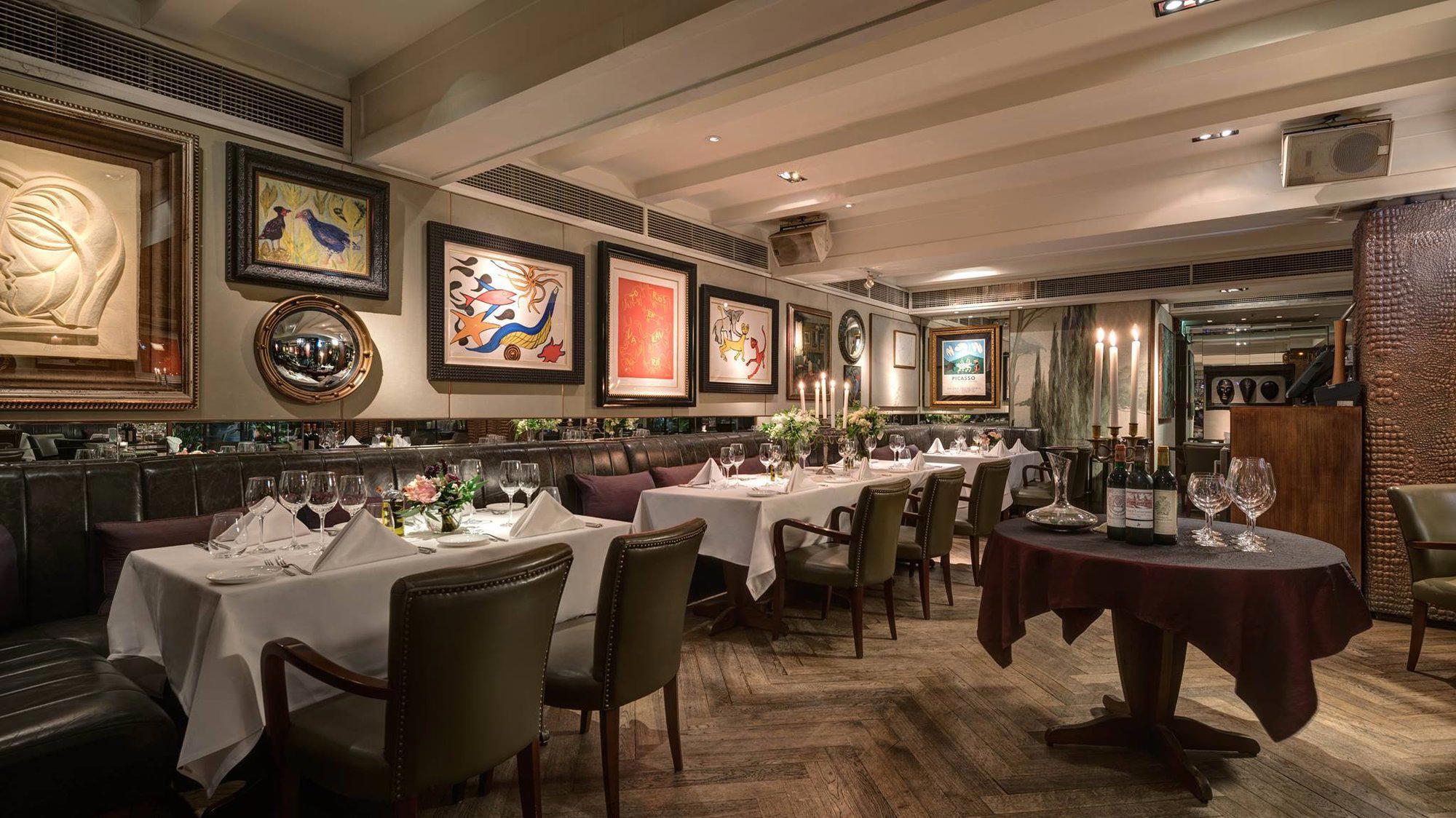
Membership clubs in Asia's financial capitals have two modes: the corporate-minimalist (glass, chrome, sober lighting, rooms that signal seriousness) and the aesthetic-led (art on the walls, considered furniture, lighting designed to flatter rather than illuminate). Kee Club built its reputation on the latter. The space has functioned as both a social venue and an informal gallery circuit, with rotating works that position it somewhere adjacent to the city's private collector scene. In Hong Kong, where gallery space is expensive and the collector community is dense, that overlap is not accidental.
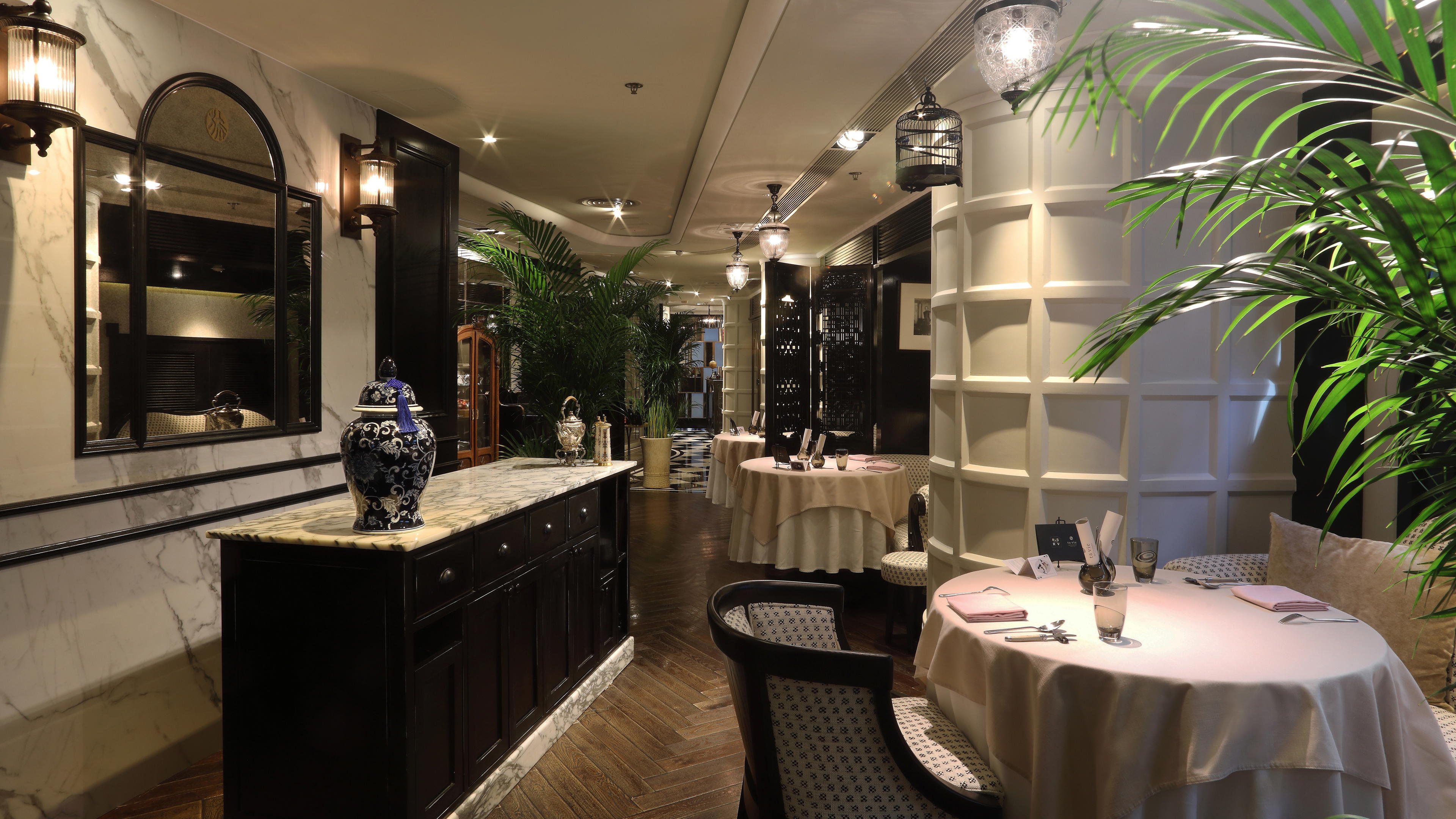
This design approach has a direct effect on atmosphere. Rooms where the walls change periodically force a different kind of attention from their guests, the space becomes a subject of conversation rather than mere background. That quality distinguishes Kee Club from the category of members' clubs that treat interiors as fixed infrastructure. The physical environment is part of the proposition, not an afterthought.
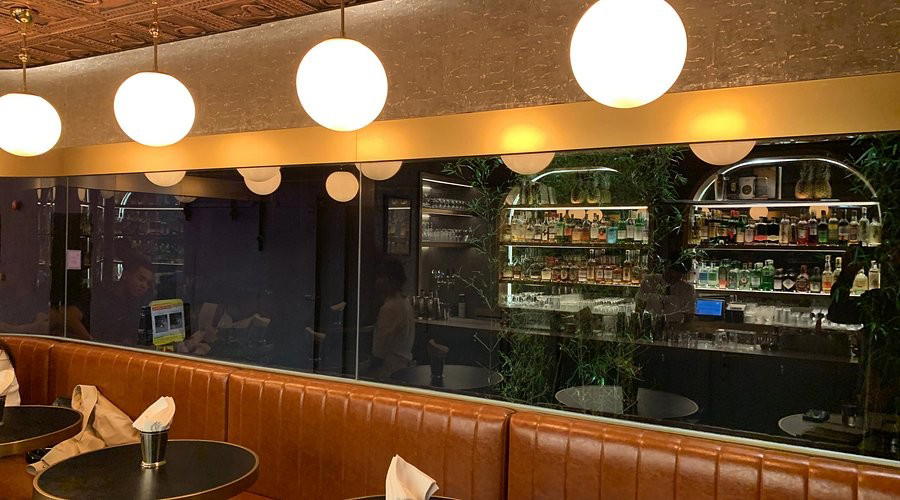
Lighting, in spaces like this, does more work than furniture. The shift from functional brightness to something narrower, pools of warm light, deliberate shadow, changes not just how a room looks but how people behave inside it. Voices drop. Conversations slow. The quality of interaction shifts. That is the mood Kee Club has cultivated, and it is why the venue sits in a different category from the high-ceilinged rooftop bars that dominate Central's visible nightlife. For comparison, OZONE at The Ritz-Carlton operates at the opposite end of the register: panoramic, high-volume, spectacular by design. Kee Club operates in the opposite direction, inward, curated, deliberately contained.
Where It Sits in Hong Kong's Drinking Scene
Central has developed one of Asia's most serious bar cultures over the past decade. Bar Leone and Argo have built international reputations on technical programs and sustained critical recognition. Caprice Bar sits inside one of the city's grand hotel properties, drawing on a different kind of institutional authority. 8 1/2 Otto e Mezzo Bombana operates as a landmark fine-dining address with a bar presence that reflects its Michelin-starred context.
Kee Club occupies a different position in that map. It is not primarily a bar destination in the craft-cocktail sense that has driven recognition for venues like Kumiko in Chicago or Bar Leather Apron in Honolulu. The drinks program exists in service of the social function rather than as the headline. That distinction matters for how you approach the venue. You do not come to Kee Club to study a cocktail list the way you might at Jewel of the South in New Orleans or Julep in Houston. You come because the room itself is the product, who is in it, what is on the walls, the particular quality of a Wednesday evening when the city's art crowd moves through after an opening.
That social function is something Hong Kong does with specific fluency. The city's compressed geography and its density of high-net-worth individuals create the conditions for this kind of venue to thrive. In cities where that concentration is more diffuse, where the relevant population is spread across neighbourhoods rather than stacked vertically, the members' club model works differently. Hong Kong's mid-levels, with their walkup geography and layered social topography, are close to ideal conditions for it.
Access, Format, and What to Expect
Kee Club operates as a members' club, which means the primary question for most visitors is not what to order but how to get in. Members can sign in guests, and events, art openings, private dinners, film screenings, occasionally create structured access points for the non-member public. Following the club's communications and staying connected to Hong Kong's arts calendar is the most reliable way to identify those windows.
For those already in the city's social circuit, Kee Club functions as a connective tissue venue: a place where different professional communities overlap in an environment that neither intimidates nor performs. That is a harder thing to engineer than it sounds, and it explains why the club has maintained its position over years when other Central venues have cycled through openings and closures. The venues that endure in Hong Kong's private tier are the ones that become genuinely useful to the people who use them most.
For context on what the broader Hong Kong scene offers across different formats and price points, our full Hong Kong restaurants and bars guide maps the city's dining and drinking options across neighbourhoods. Internationally, venues operating in a comparable social-lounge register, places where the atmosphere and guest mix are the primary draw, include Superbueno in New York City and The Parlour in Frankfurt, each operating within its own city's version of a culturally engaged, design-led nighttime circuit.
Cuisine Context
A small set of peers for context, based on recorded venue fields.
| Venue | Cuisine | Price | Awards |
|---|---|---|---|
| Kee ClubThis venue (the venue you are viewing) | Not listed | Not listed | Not listed |
| Argo | Not listed | $50–100 | World's 50 Best #37 · SCMP 100 Top Tables Bars |
| Bar Leone | Cocktail Bar | $30–50 | World's 50 Best #3 · SCMP 100 Top Tables Bars |
| Caprice Bar | Not listed | $300–500 | World's 50 Best #10 · SCMP 100 Top Tables Bars |
| Coa | Not listed | $50–100 | World's 50 Best #24 · SCMP 100 Top Tables Bars |
| Darkside | Not listed | $50–100 | World's 50 Best #17 · Top 500 Bars Best Bars #117 |
Continue exploring
More in Hong Kong
Bars in Hong Kong
All bars in Hong Kong →
Restaurants in Hong Kong
All restaurants in Hong Kong →
Hotels in Hong Kong
All hotels in Hong Kong →
Wineries in Hong Kong
All wineries in Hong Kong →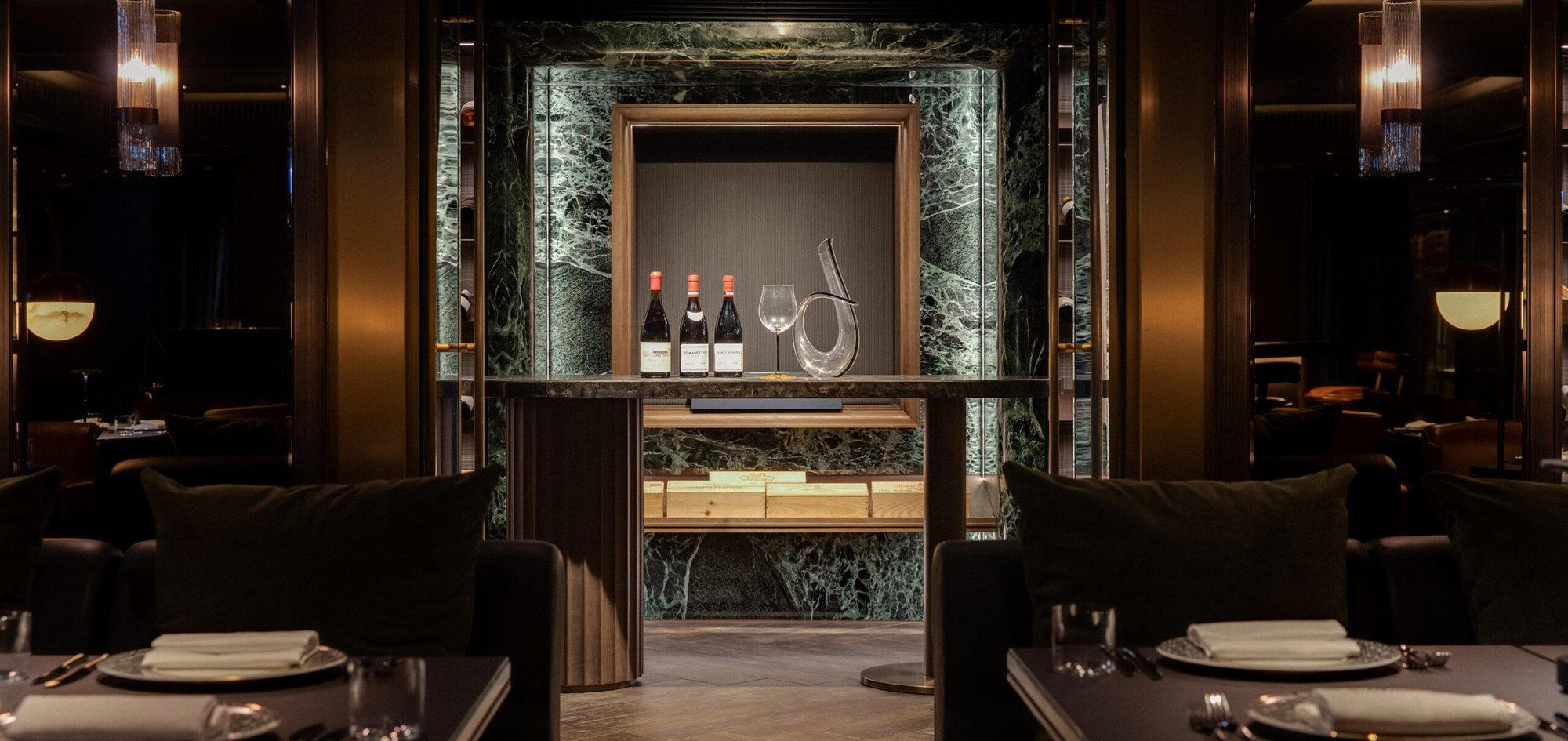
Kee Club
The drinks
- Classic cocktails
Signature drinks: Pimm's by Kee.
Details
- Elegant
- Sophisticated
- Intimate
- Ornate
- Special Occasion
- Late Night
- Historic Building
- Lounge Seating
- Booth Seating
- Private Rooms
- Classic Cocktails
Intimate and classy European-influenced atmosphere with plush aristocratic decor blending Euro elegance and Hong Kong glamour.