Il Mulino - Downtown (West 3rd)
Il Mulino's West Village address on West 3rd Street places it within one of lower Manhattan's most established Italian dining corridors. The original Il Mulino brand earned a reputation across decades for red-sauce Italian at a price point that signals occasion dining, and the downtown location carries that identity into Greenwich Village territory. For the neighbourhood's bar-forward crowd, the back bar and wine list are worth closer attention than the address alone might suggest.
Pearl is the En Primeur Club membership app — saves, bookings, and concierge access live there. Same editors, same standards.
- Address
- 86 W 3rd St, New York, NY 10012
- Phone
- +1 212 673 3783
- Website
- ilmulino.com
- Directions
- Get directions
 Saves & bookings on Pearl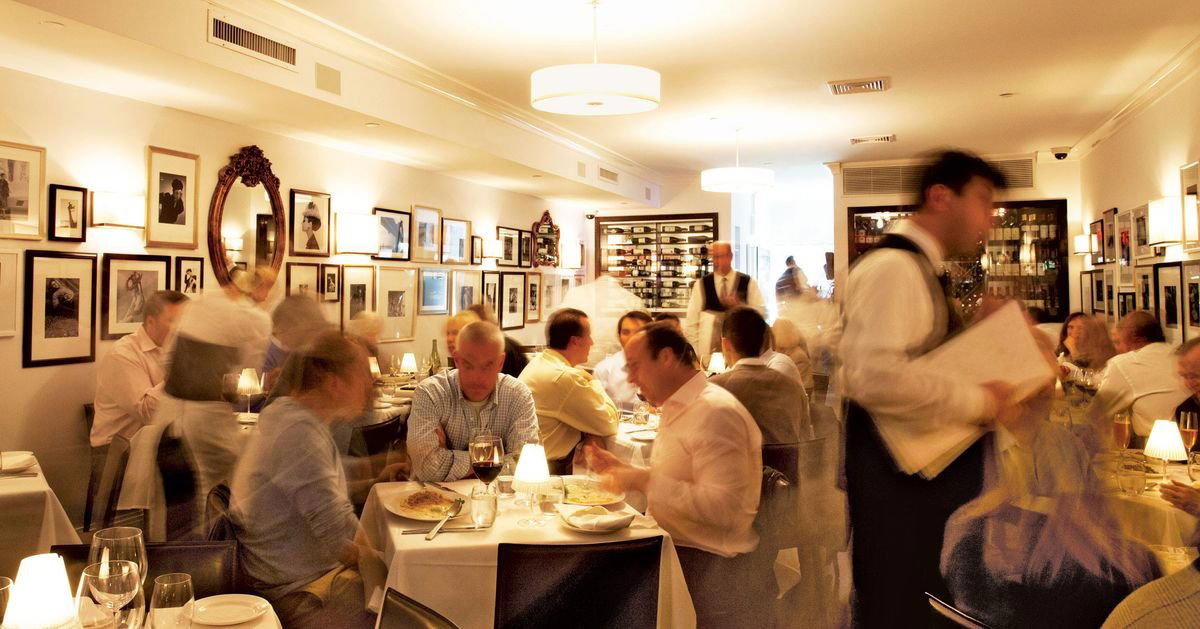
A Greenwich Village Institution and the Question of Where Italian-American Cooking Draws Its Lines
Il Mulino - Downtown (West 3rd) is a bar at 86 W 3rd St in New York City. Over the four decades since, the name has become shorthand for a specific register of New York Italian: white tablecloths, generous antipasto service, and a kitchen whose credibility rests on sourcing quality rather than reinvention. The West 3rd Street address puts the Downtown branch squarely in the neighborhood where the original Il Mulino built its reputation, a few steps from Washington Square Park in a block that has housed serious restaurants since the Village was the center of New York's independent dining culture.
Ingredient Sourcing as Identity: How the Il Mulino Model Holds Together
Italian-American cooking at the upper tier has always separated itself from the mid-market by the provenance of its proteins, the origin of its olive oils, and the freshness of its pasta. At Il Mulino Downtown, that sourcing logic has been the through-line since the original establishment earned its reputation in the early 1980s. At a time when much of the city's Italian dining was working from imported canned goods and commodity proteins, the original Il Mulino positioned itself around product quality as a primary differentiator.
This matters in the context of the current New York City dining scene, where ingredient provenance has become a marketing claim almost everywhere. The difference between a credible sourcing program and a talking point shows up in the plate: in the texture of house-cured items, in the fat marbling of the veal, in whether the garlic reads as sweet or simply pungent. These are the benchmarks that Italian-American kitchens working in the Il Mulino tradition have always been judged against, and they are the benchmarks worth applying here.
The Greenwich Village Setting and Its Competitive Context
West 3rd Street sits in a segment of Greenwich Village that has seen considerable dining turnover in the past decade, with pressure from rising rents and the gravitational pull of adjacent neighborhoods like NoHo and the West Village proper. What has kept the Il Mulino Downtown address relevant is partly the weight of the brand's history in this specific geography and partly the continued appetite among New York diners for Italian-American formal dining that does not attempt to be anything else. The model is direct: a room that communicates occasion without requiring explanation, a service style grounded in attentiveness, and a menu that advances through courses in the Italian-American tradition from antipasti through pasta to secondi.
In the broader New York Italian dining market, Il Mulino Downtown occupies a different position than the current wave of Italian-influenced restaurants. It is not attempting the modern osteria format, nor the chef-driven narrative-menu approach that has defined newer openings. Its comparable set is places like Sistina on the Upper East Side or Felidia before its closure: restaurants where the room and the service communicate formal intent, and where the kitchen's task is execution of a known repertoire rather than authorship of a new one. That is a harder commercial position to hold than it once was, but it remains a position with a real audience in this city.
The Dining Room and What It Communicates
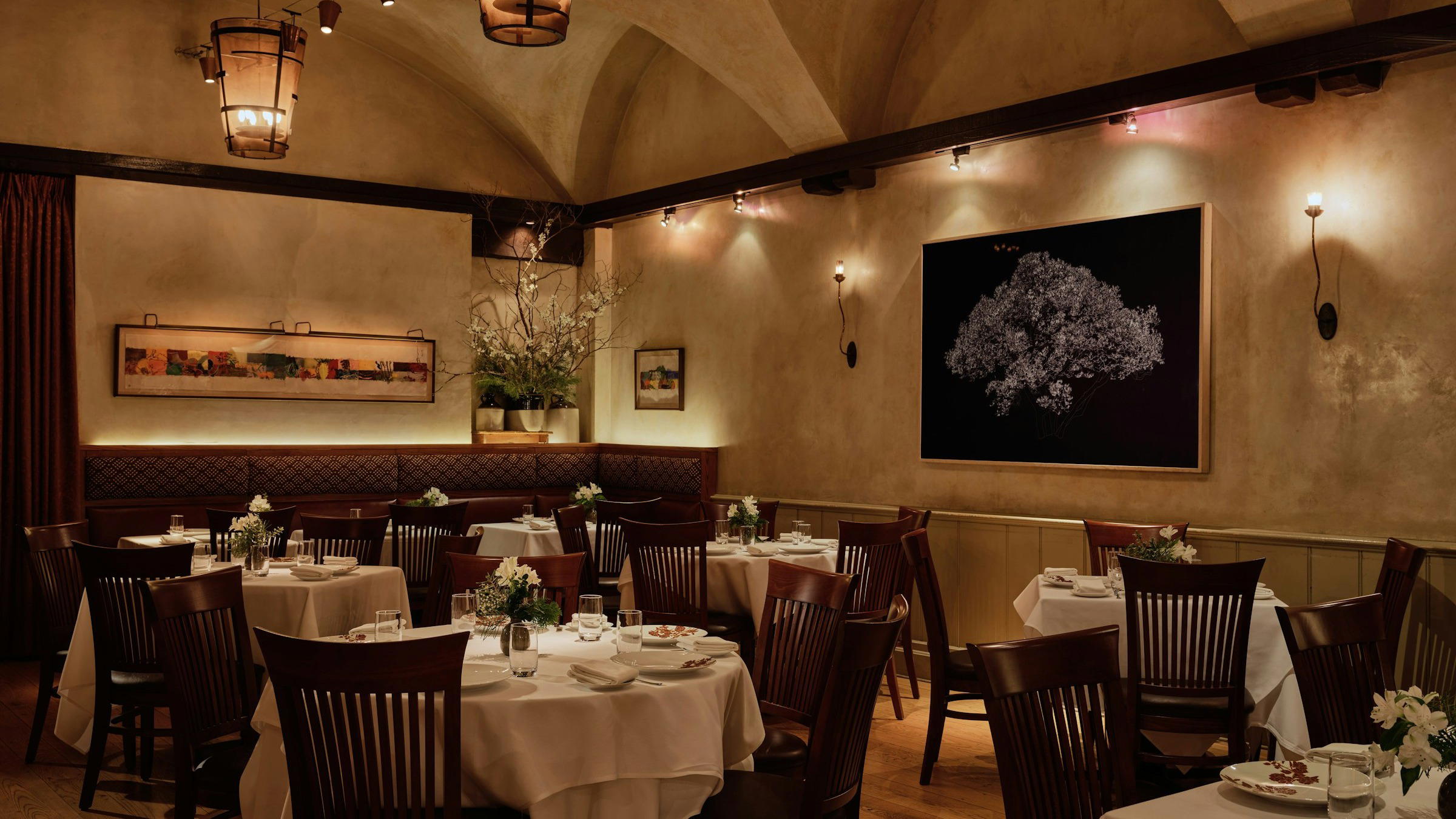
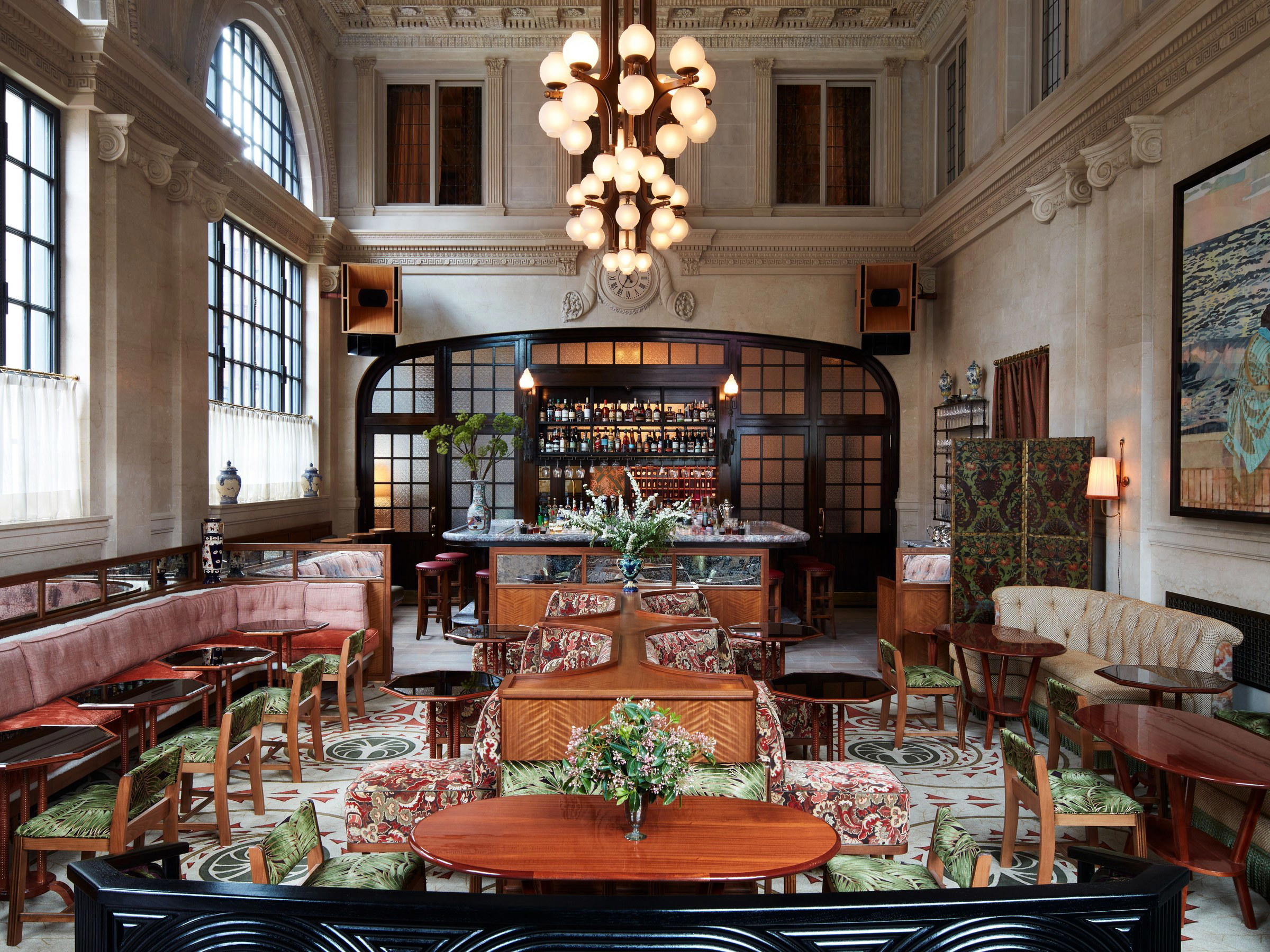
Formal Italian-American dining rooms in New York carry a particular visual grammar: white linens, dark wood or warm-toned walls, lighting calibrated to flattery rather than brightness. The Il Mulino Downtown space operates within that grammar. The room is set up for occasions: anniversaries, business dinners, the kind of meal where someone has chosen the restaurant to communicate something about the evening. That function is not incidental. It shapes the pacing, the ratio of staff to tables, and the calculus around whether the antipasto cart or the bread service arrives before you have fully settled in.
What the Il Mulino Name Signals in 2024
Brand longevity in New York restaurant culture is not automatic evidence of quality, but it is evidence of sustained relevance with a real audience. Il Mulino's presence across multiple decades and multiple locations points to something durable: a formal Italian-American format that a specific segment of New York diners continues to seek out. For the EP Club reader, the relevant frame is knowing which version of the city's Italian dining you are after. If the question is discovery of new formats or producers, there are other addresses. If the question is formal occasion Italian in a room that has been running this program since Ronald Reagan was in office, Il Mulino Downtown is the address with the longest claim to that territory in Greenwich Village.
Attaboy NYC on Eldridge Street runs a request-based menu that rewards specificity, while Amor y Amargo on East 6th Street is the city's most focused amaro bar and a natural pairing with an Italian dinner. Angel's Share in the East Village maintains a quieter, more formal register. For something in the cocktail-forward category closer to the Village, Superbueno brings a different energy entirely. Kumiko in Chicago, Jewel of the South in New Orleans, Julep in Houston, ABV in San Francisco, Allegory in Washington, D.C., and Bar Leather Apron in Honolulu are the reference points the EP Club tracks. The Parlour in Frankfurt on the Main rounds out the picture.
Category Peers
Comparable venues nearby, for context on price, style, and recognition.
| Venue | Cuisine | Price | Notes |
|---|---|---|---|
| Il Mulino - Downtown (West 3rd)This venue — the venue you are viewing | lounge | $$$$ | Not listed |
| Kochi - Korean Fine Dining | lounge | $$$$ | Hell's Kitchen |
| La Tête d'Or by Daniel | hotel_bar | $$$$ | Midtown South-Flatiron-Union Square |
| Clement | cocktail_bar | $$$$ | Midtown-Times Square |
| Dirty French | lounge | $$$$ | Lower East Side |
| Forgtmenot | dive_bar | $$$$ | Chinatown-Two Bridges |
Continue exploring
More in New York City
Bars in New York City
Browse all →
Restaurants in New York City
Browse all →
Hotels in New York City
Browse all →

Wineries in New York City
Browse all →


At a Glance
- Elegant
- Sophisticated
- Intimate
- Classic
- Date Night
- Special Occasion
- Historic Building
- Seated Bar
- Booth Seating
- Classic Cocktails
Current opening hours
- Monday
- 5–10:30 PM
- Tuesday
- 5–10:30 PM
- Wednesday
- 5–10:30 PM
- Thursday
- 5–10:30 PM
- Friday
- 5–10:30 PM
- Saturday
- 5–11 PM
- Sunday
- 4–9 PM
Hours can change for holidays and private events. Last verified .
Dark moody speakeasy vibe with sleek, sophisticated, and contemporary cosmopolitan atmosphere.