Occupying an eighteenth-century palace on Place de la Concorde, the Hôtel de Crillon has defined Parisian grand-hotel standards for over two centuries. Now operating under the Rosewood flag after a four-year restoration completed in 2017, it positions itself at the apex of the 8th arrondissement's historic luxury tier, drawing visitors who come as much for the gilded public rooms and bar culture as for the rooms themselves.
Pearl is the En Primeur Club membership app — saves, bookings, and concierge access live there. Same editors, same standards.
- Address
- 10 Pl. de la Concorde, 75008 Paris, France
- Phone
- +33 1 44 71 15 00
- Website
- rosewoodhotels.com
- Directions
- Get directions
 Saves & bookings on Pearl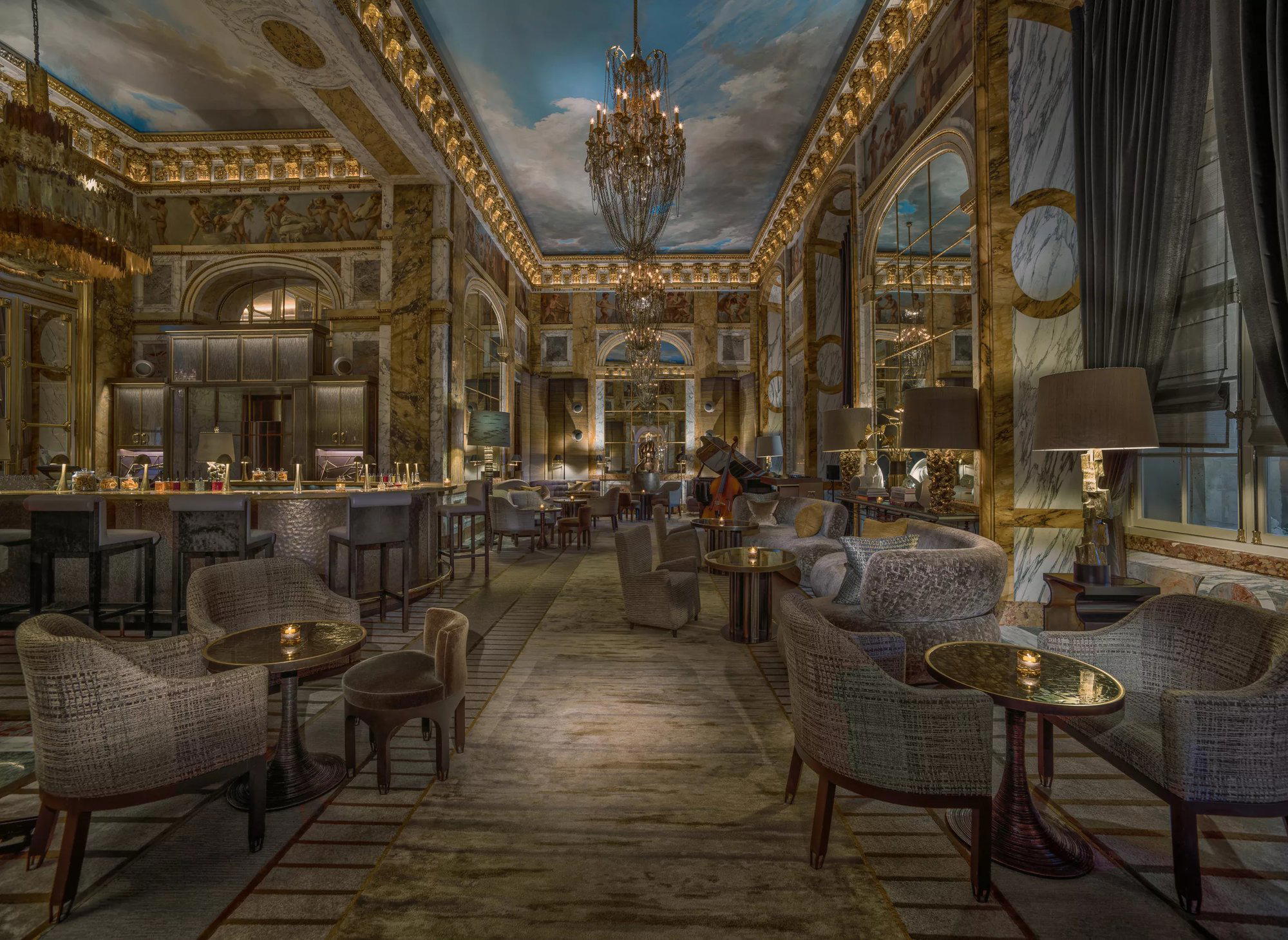
Where the 8th Arrondissement Sets Its Own Terms
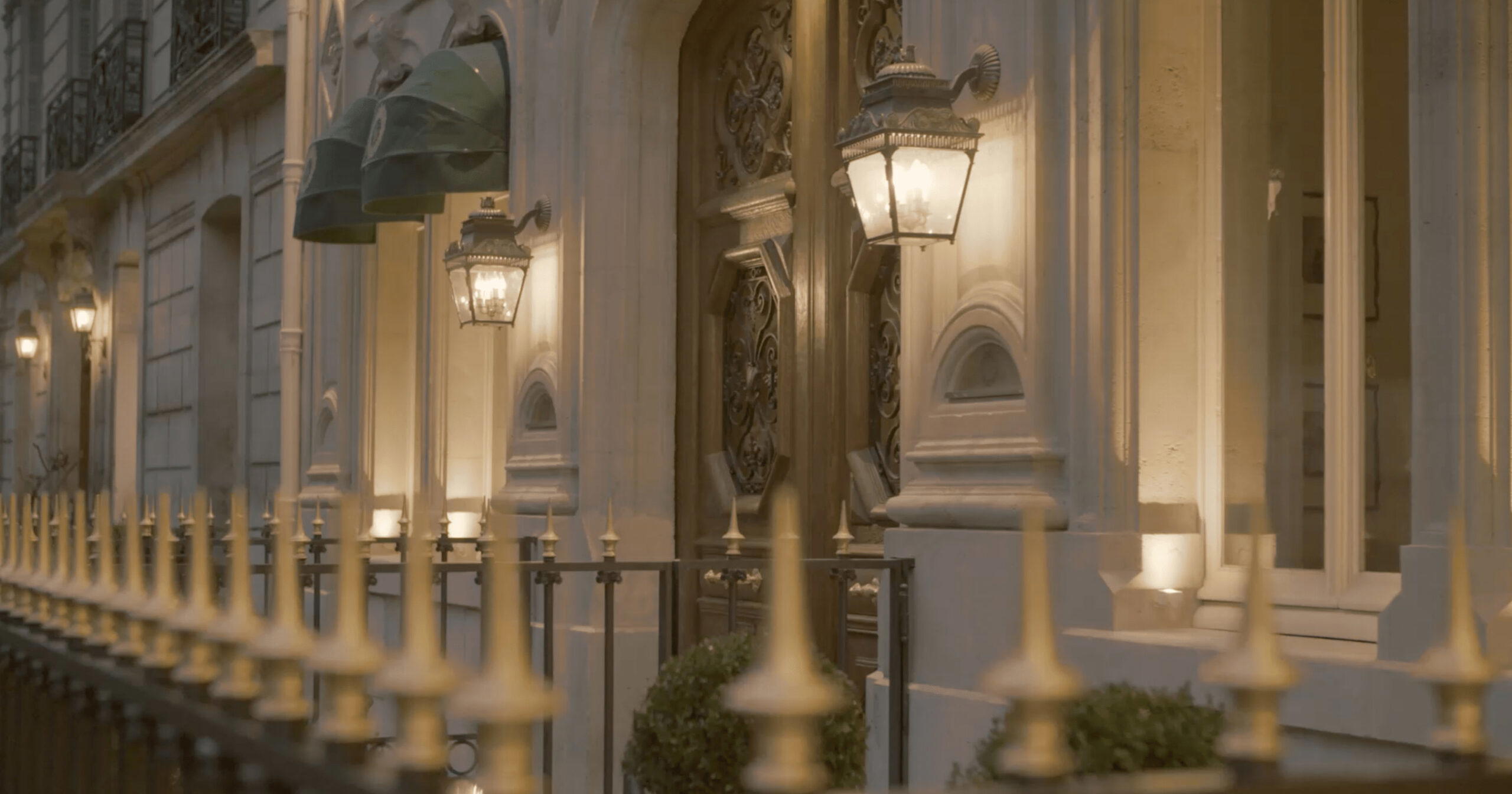
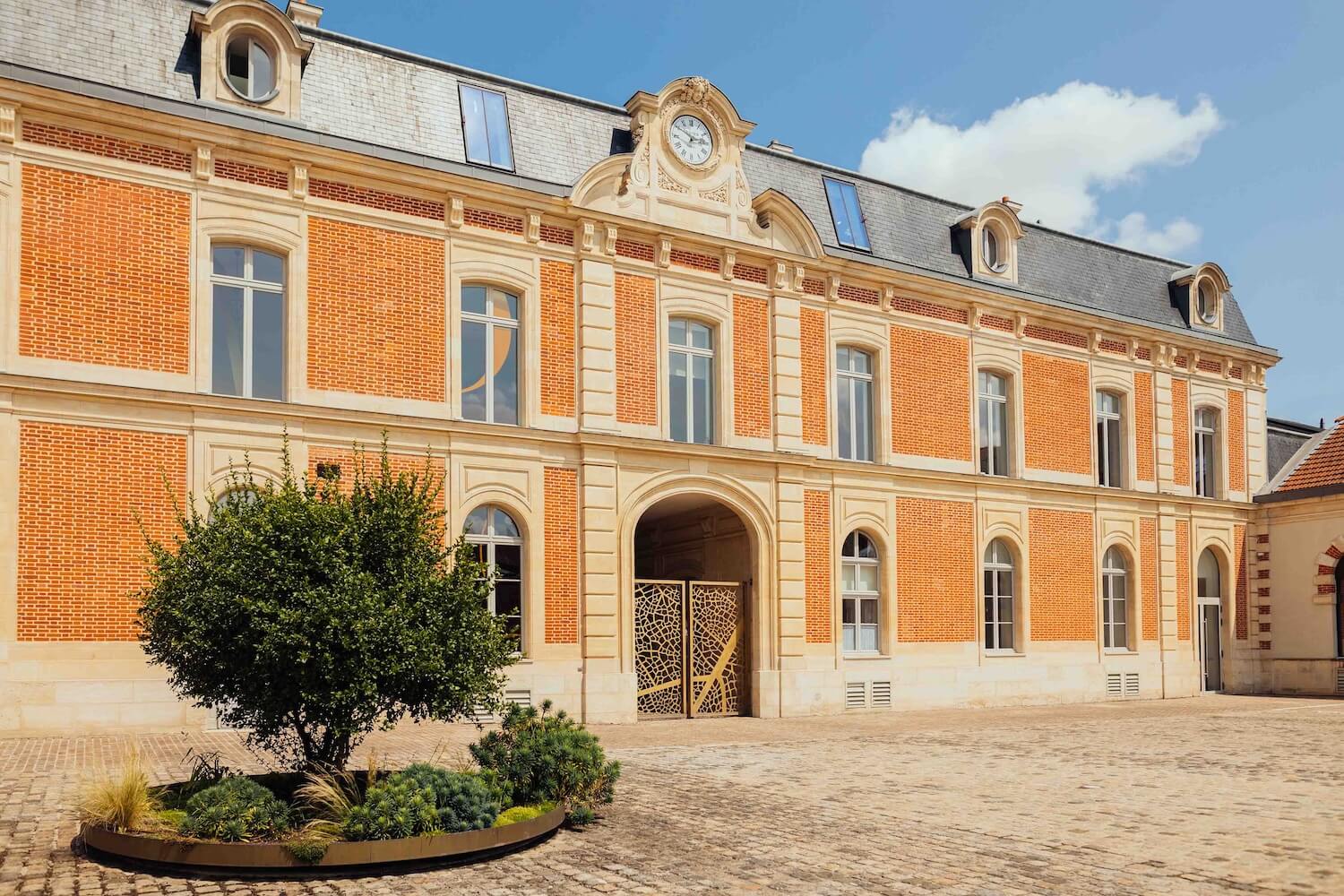
Place de la Concorde is one of those Parisian addresses that requires a moment before you enter. The square itself — one of the largest in Europe, framed by the Seine to the south and the Tuileries to the east — operates at a scale that most city spaces don't attempt. The Hôtel de Crillon's facade, part of the twin colonnaded buildings commissioned by Louis XV in the 1750s, reads less like a hotel entrance and more like a civic statement. That context matters when assessing what kind of stay this is. You are not checking into a discreet boutique; you are entering a building that was here before the revolution, before the republic, before most of the institutions that shape modern Paris. The atmosphere is legible from the pavement, and it does not soften on arrival.
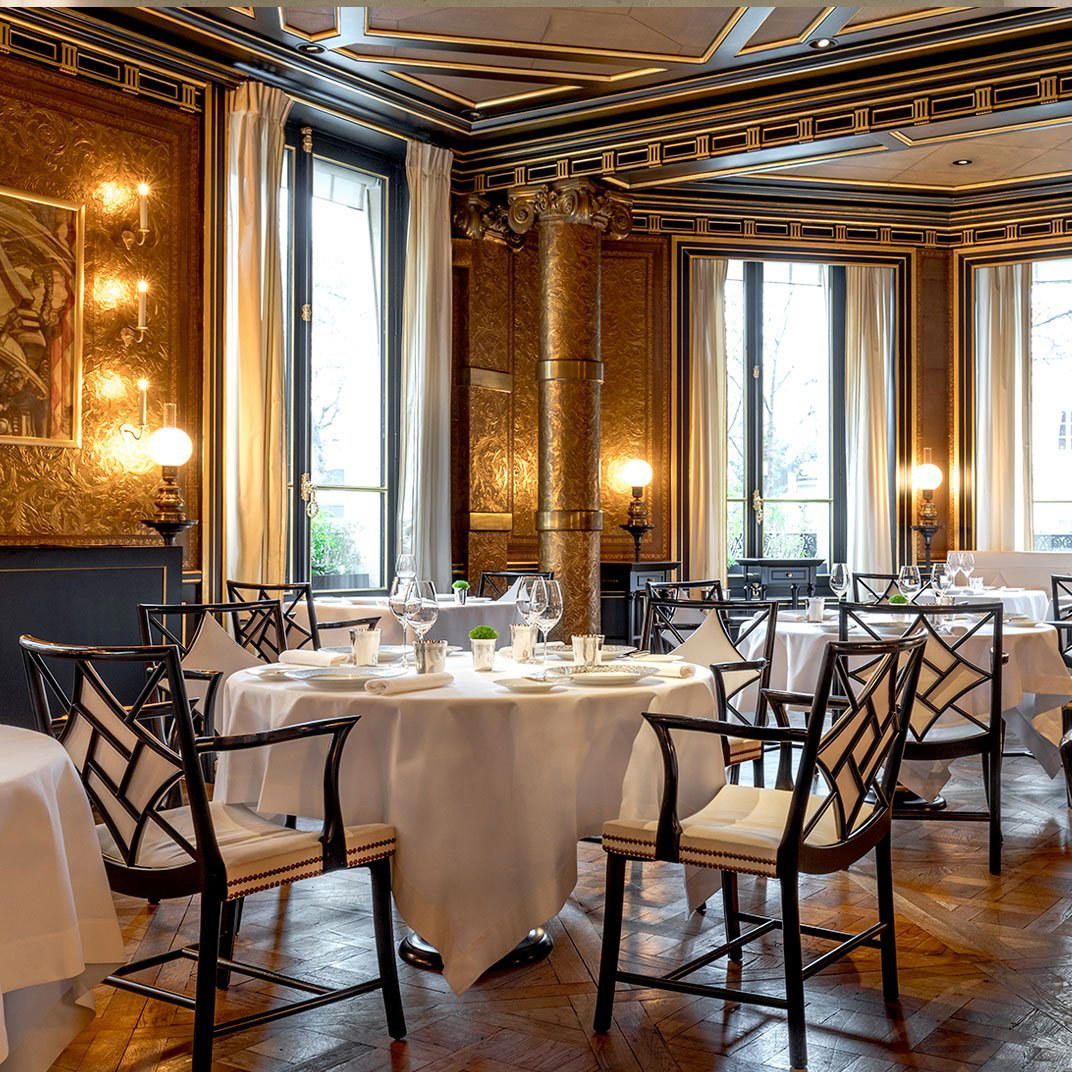
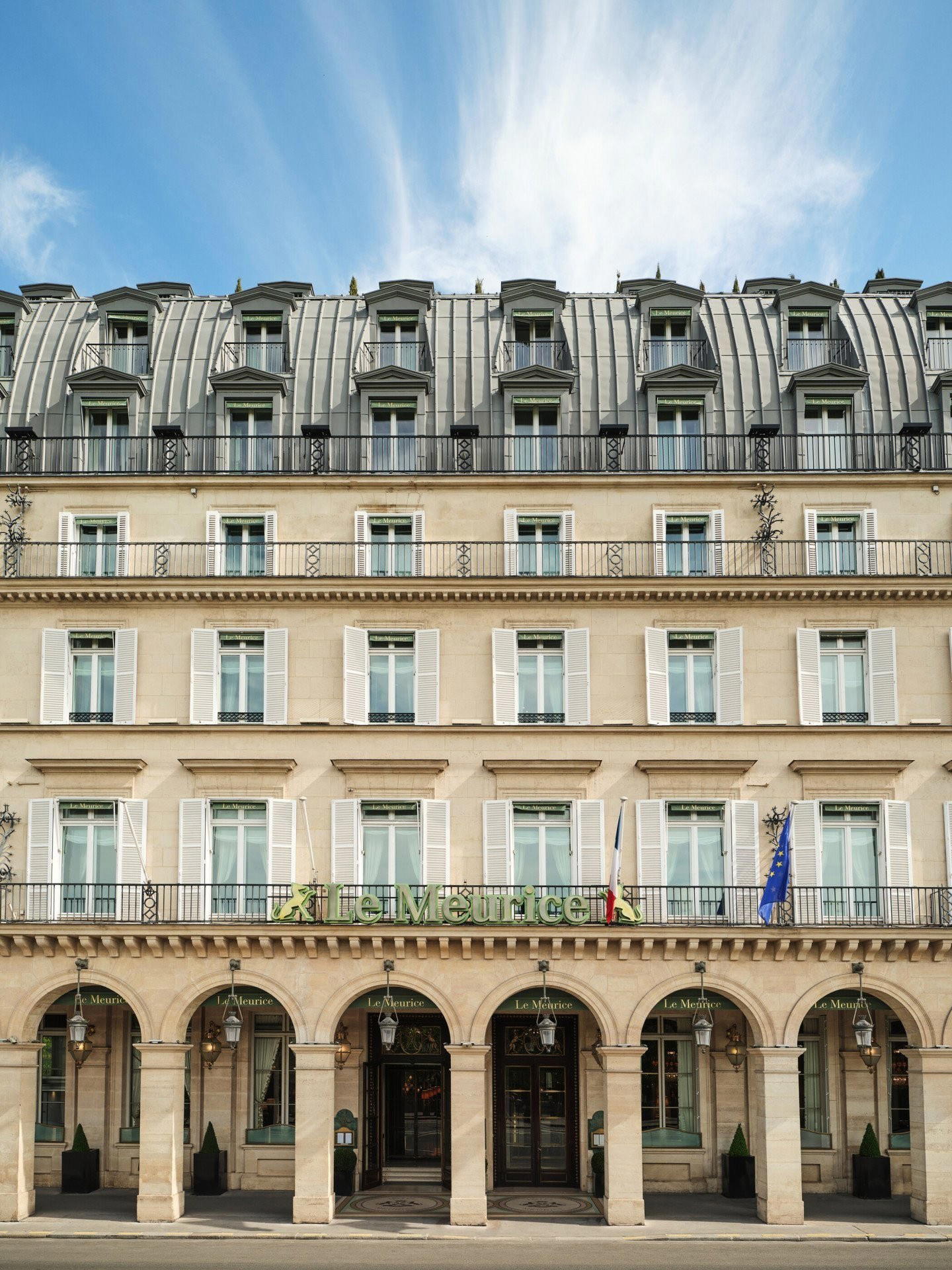
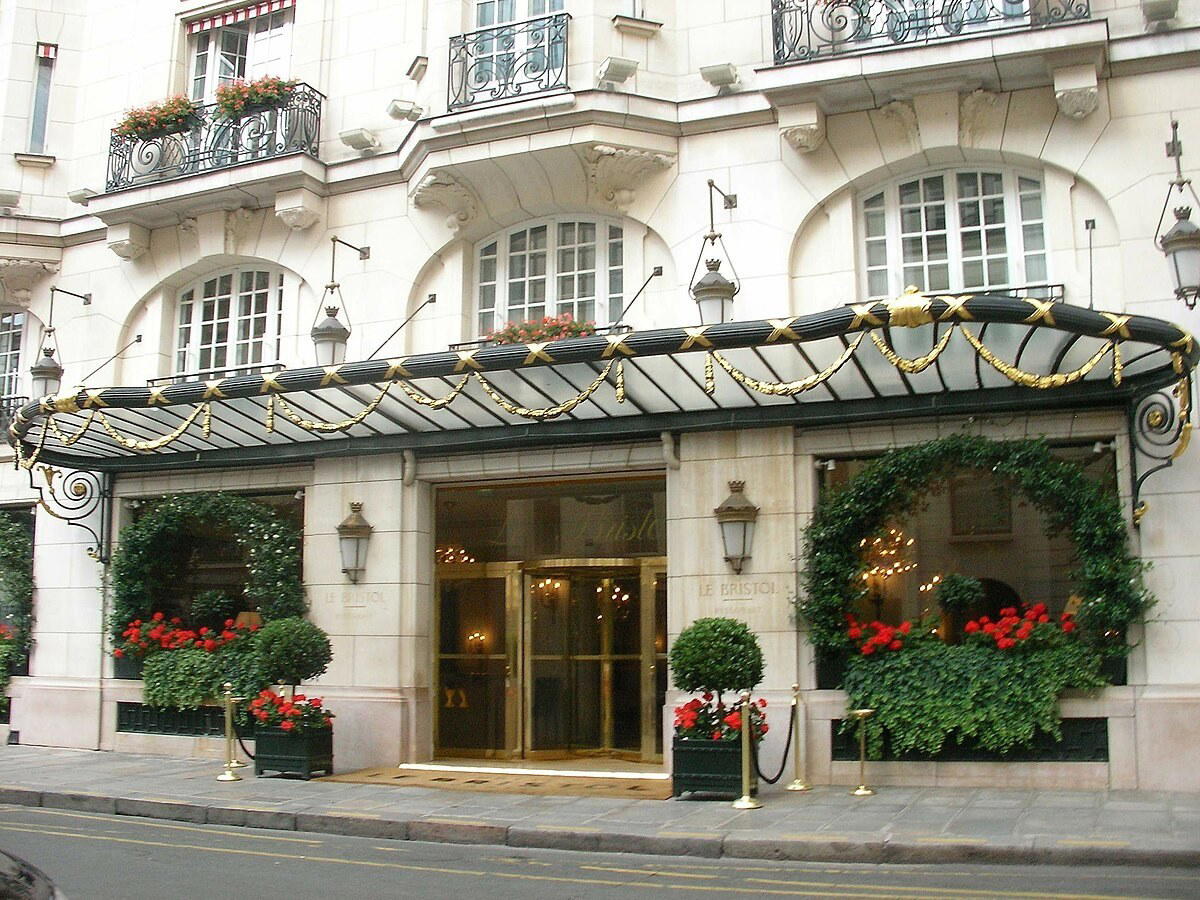
Paris has a clearly stratified palace-hotel tier, a formal designation under French tourism classification that covers a handful of properties including the Ritz, the Bristol, the Meurice, and the George V. The Crillon sits in that same bracket and competes against those peers rather than against the city's broader luxury hotel market. What distinguishes it within that set, following the four-year closure and restoration completed in 2017, is an interior that chose to restore rather than reinvent. The public rooms retain their boiseries, their gilded mouldings, their proportions, but the lighting, the furniture, and the technical infrastructure are entirely current. The restoration was led by Karl Lagerfeld (who designed two of the suites before his death) alongside Aline Asmar d'Amman, who oversaw the broader project. The result sits closer to a museum-quality renovation than to the clean-slate redesigns more common in international luxury openings.
The Bar as Social Architecture
In Paris's grand hotels, the bar is never incidental. It is where the hotel negotiates its relationship with the city, whether it pulls in locals, attracts a solely hotel-guest crowd, or maintains some deliberate middle ground. The Crillon's bar sits off the main public corridor and carries a particular weight in the city's cocktail conversation. Paris has moved steadily away from the classic hotel-bar formula, heavy mahogany, trained silence, a short list of recognisable drinks, toward programs that can hold their own against specialist venues. The city now has technically ambitious bars across the Right and Left Banks: Danico in the 2nd, with its ingredient-led cocktail philosophy; Candelaria in the Marais, which built a Paris bar reputation on a taqueria anteroom; and Bar Nouveau, which operates in a different register entirely. Against that field, the Crillon's bar competes on atmosphere and lineage as much as on the list itself.
The hotel's signature cocktail program, built around Les Ambassadeurs bar, leans into the property's historical associations. Marie Antoinette, who took music lessons in the building, is referenced in the naming architecture of certain drinks. Whether or not you find that kind of historicism compelling, it is executed with the consistency you would expect at this tier: spirit selection is serious, service is paced correctly, and the room itself, with its marble and its height, makes the act of sitting down with a glass feel deliberate. The bar culture at the Crillon is, in this sense, different from what you find at Buddha Bar nearby, that venue built its identity on spectacle and volume; the Crillon operates at a lower register, with a room that rewards attention rather than demanding it.
Dining in the Palace Format
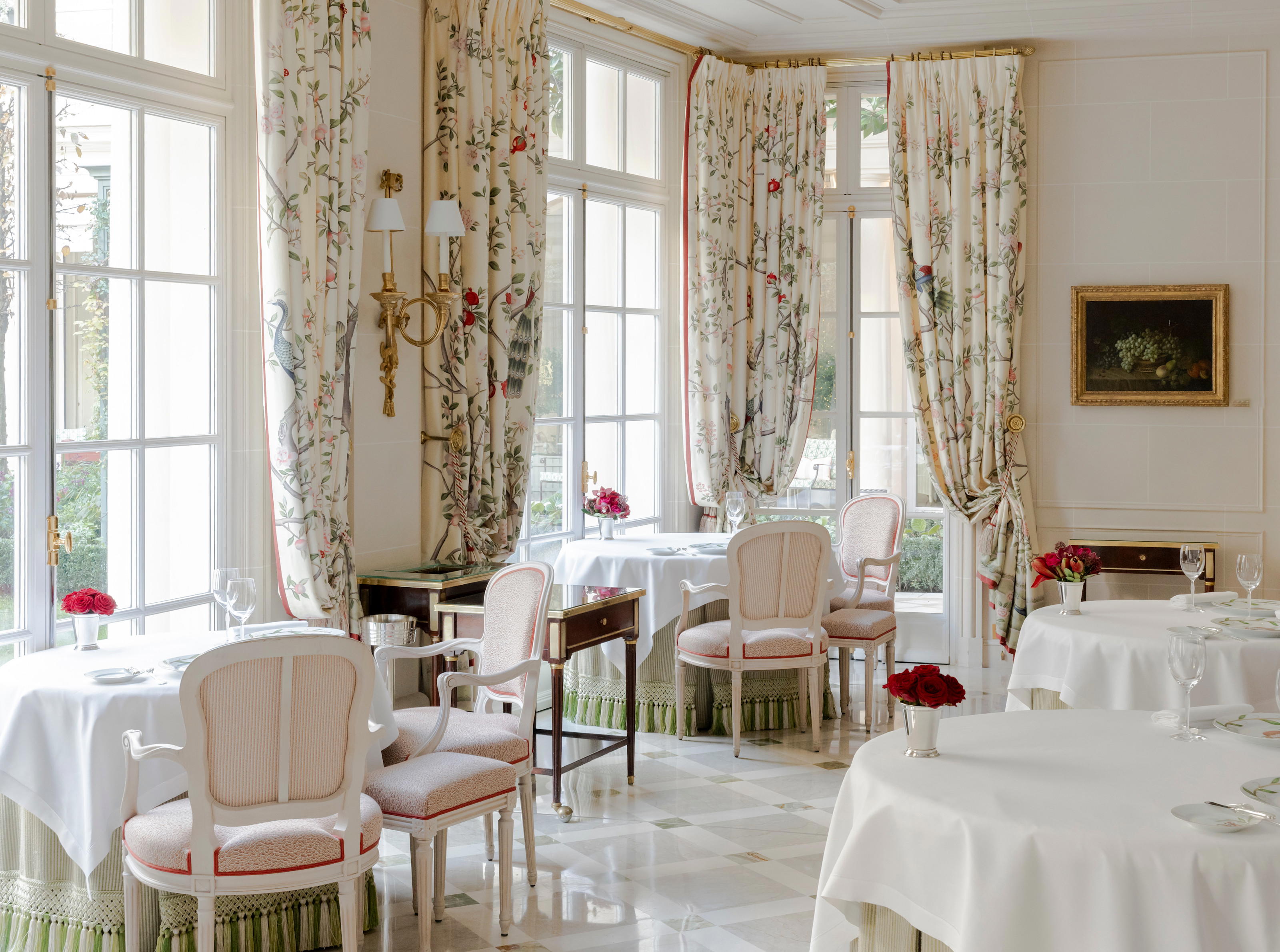
Grand-hotel dining in Paris follows a consistent logic: the property carries multiple food and beverage outlets at different price points and formality levels, so that guests can calibrate their spend across a stay. The Crillon's food operation follows that model, with the more formal restaurant at one end and the courtyard terrace at another. The courtyard, Les Jardins de la Concorde, offers outdoor seating in a format that makes use of the building's interior garden, which is among the more architecturally sheltered terraces in the 8th. Paris terrace culture is competitive and seasonal; the Crillon's version, set back from the street inside the palace footprint, reads differently from the pavement-level brasserie terraces that define the boulevard experience elsewhere in the arrondissement.
Across France, the bar and hotel scene shows considerable range by city and format. In the south, Le Café de la Fontaine in La Turbie operates at a completely different scale and informality. Further west, Bar Casa Bordeaux anchors itself in Bordeaux's wine culture, while Coté Vin in Toulouse and La Maison M. in Lyon reflect their respective cities' distinct drinking identities. To the northeast, Au Brasseur in Strasbourg and Papa Doble in Montpellier show how regional character shapes bar culture well beyond the capital. The Crillon is the Parisian extreme of that spectrum, a property where the setting is itself the product.
Planning Your Visit
The Crillon sits at 10 Place de la Concorde, in the 8th arrondissement, directly accessible from the Concorde metro station (lines 1, 8, and 12). As a palace-tier hotel, rates position it at the upper end of Paris luxury accommodation, with the restoration having returned the property to direct competition with the George V and the Ritz on both pricing and expectation. Booking in advance is advisable for any stay, particularly during fashion weeks (January, March, June, and October) and the summer season, when Place de la Concorde draws significant tourist traffic. For the bar, walk-in is generally possible outside peak evening hours, though reserving a table for weekend evenings is the more reliable approach. Dress expectations align with the setting: the hotel does not impose a formal dress code, but the architecture and the service register make underdressed arrivals conspicuous in a way that most guests choose to avoid. For a broader orientation to dining and drinking in the city, see our full Paris restaurants guide. Those interested in comparing technical cocktail programs at a very different tier and format might also consider Bar Leather Apron in Honolulu, which represents how the grand-bar tradition translates to a Pacific luxury context.
- Thanksgiving
- Gingerbread
- Christmas
- Hot Chocolate
- Seaside
- Forest
Accolades, Compared
| Venue | Awards |
|---|---|
| Hôtel de Crillon, A Rosewood HotelThis venue — the venue you are viewing | This venue |
| Bar Nouveau | World's 50 Best |
| Buddha Bar | World's 50 Best |
| Candelaria | World's 50 Best |
| Danico | World's 50 Best |
| Harry's Bar | World's 50 Best |
Continue exploring
More in Paris
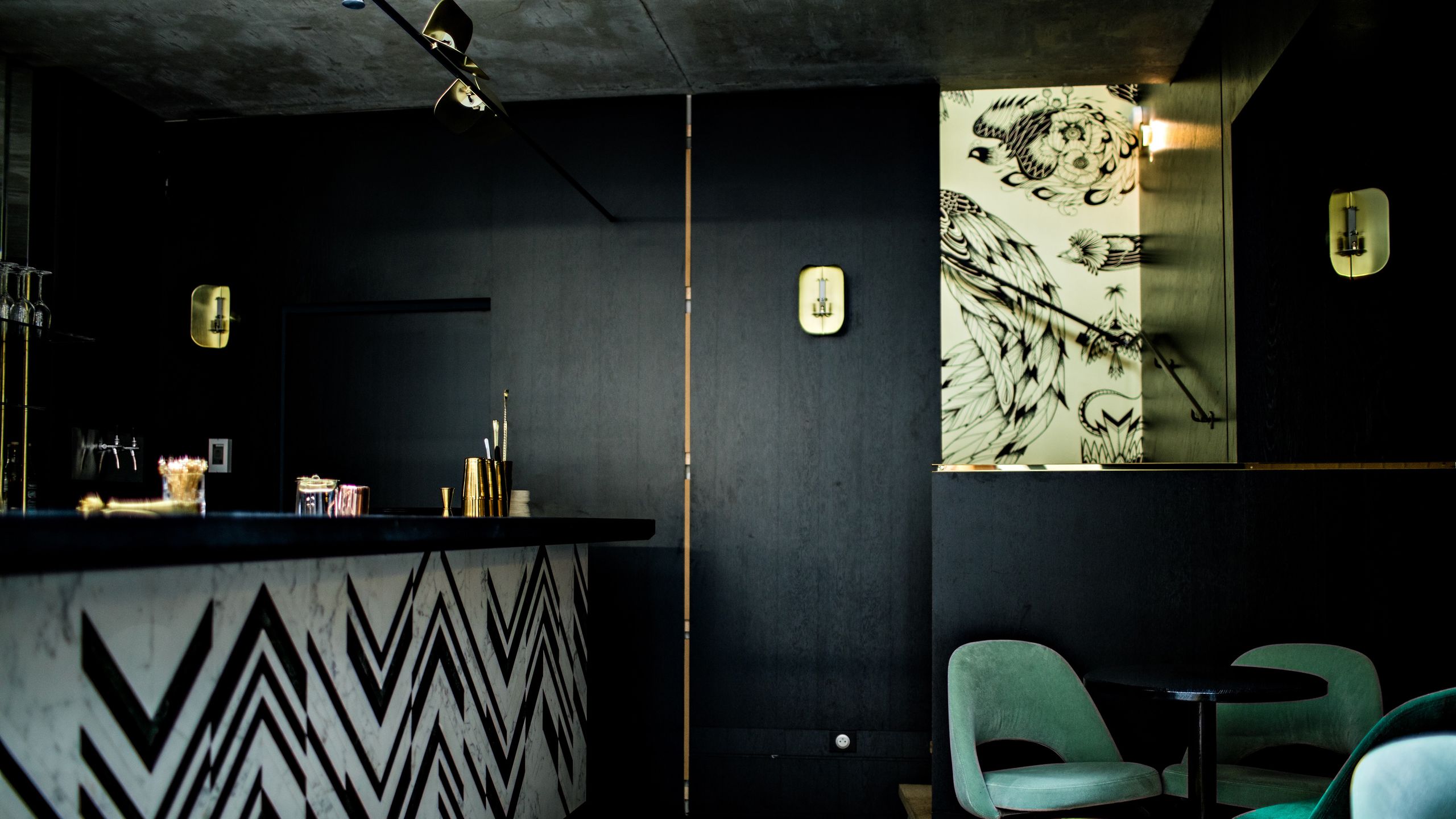
Bars in Paris
Browse all →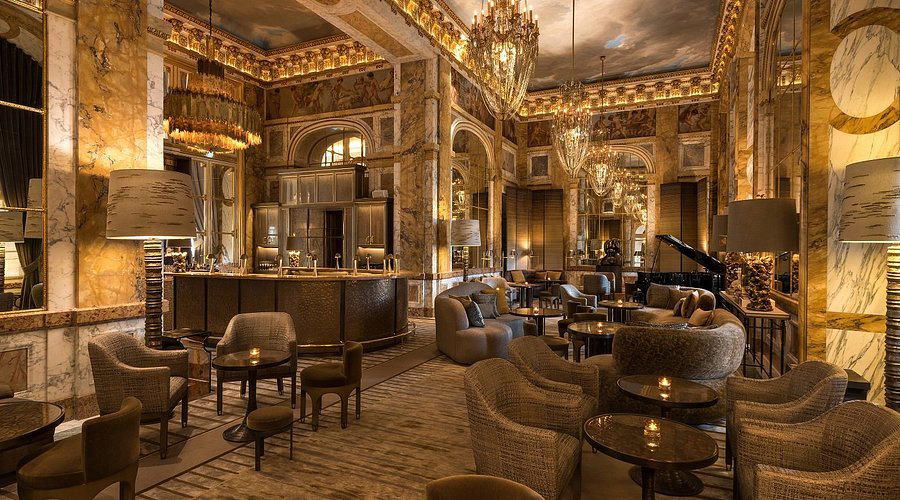
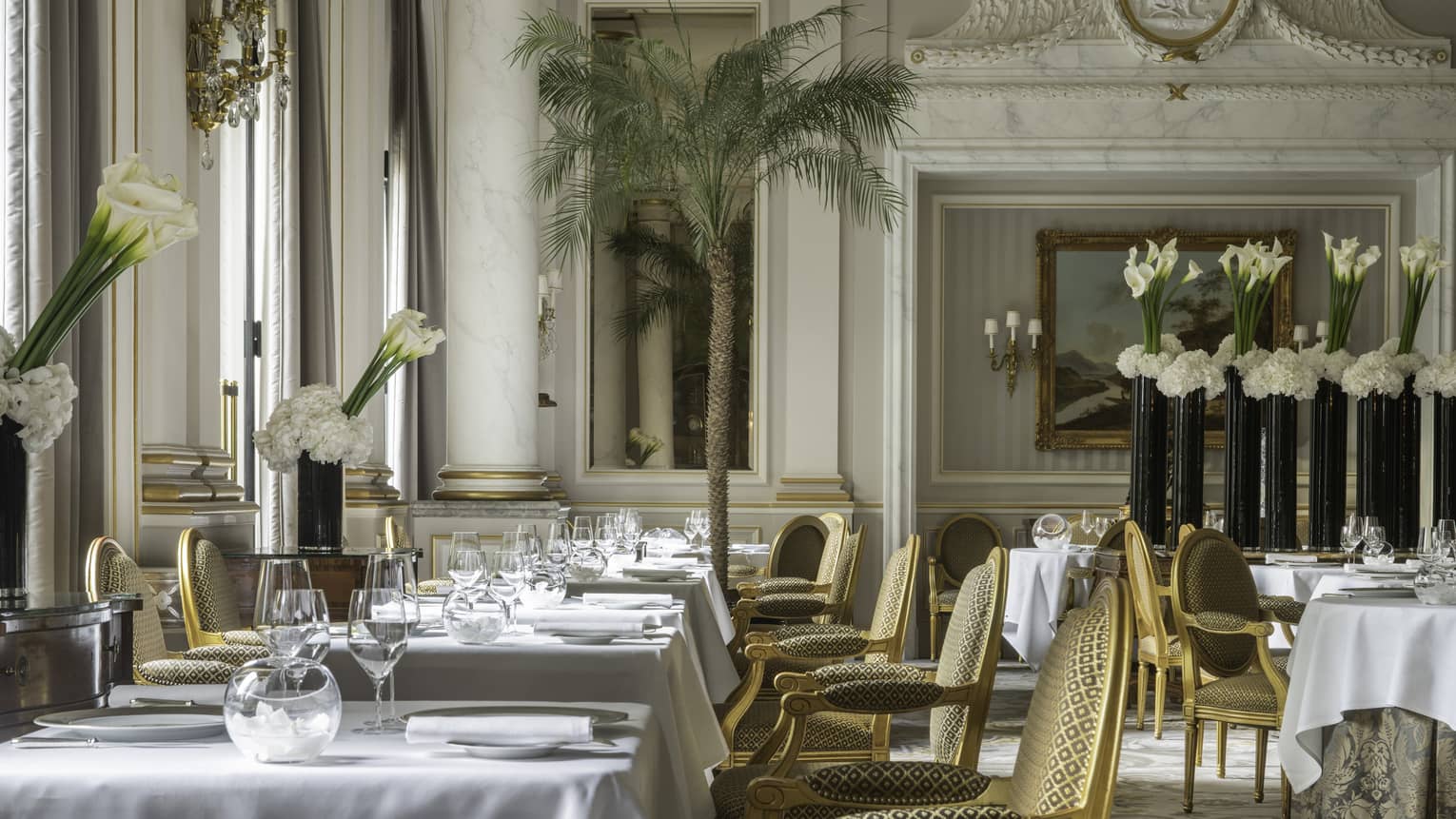
Restaurants in Paris
Browse all →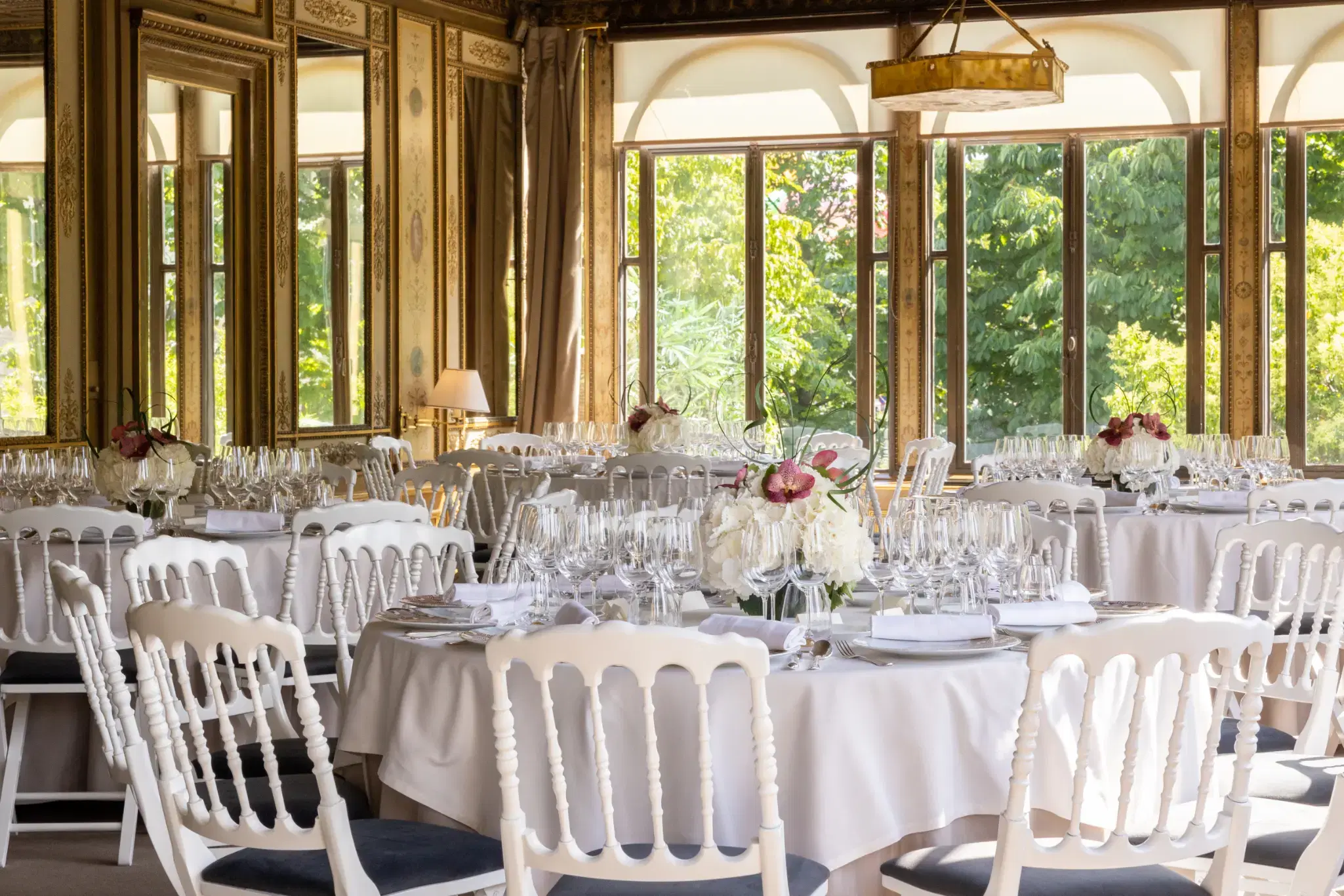
Hotels in Paris
Browse all →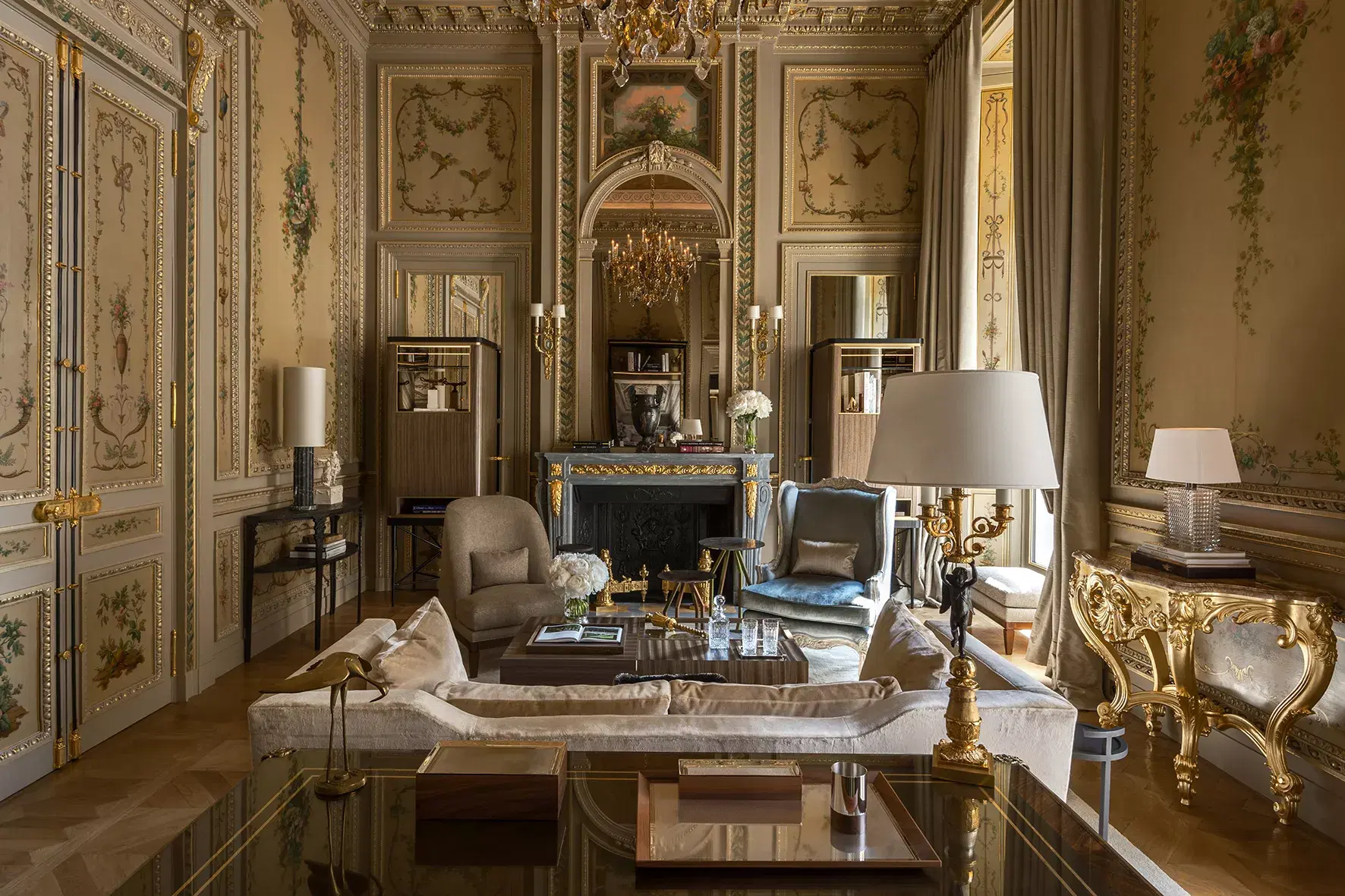



At a Glance
- Elegant
- Romantic
- Sophisticated
- Well Known
- Ornate
- Date Night
- Special Occasion
- Celebration
- Live Music
- Historic Building
- Hotel Bar
- Design Destination
- Seated Bar
- Lounge Seating
- Craft Cocktails
- Classic Cocktails
- Zero Proof
- Gin
- Street Scene
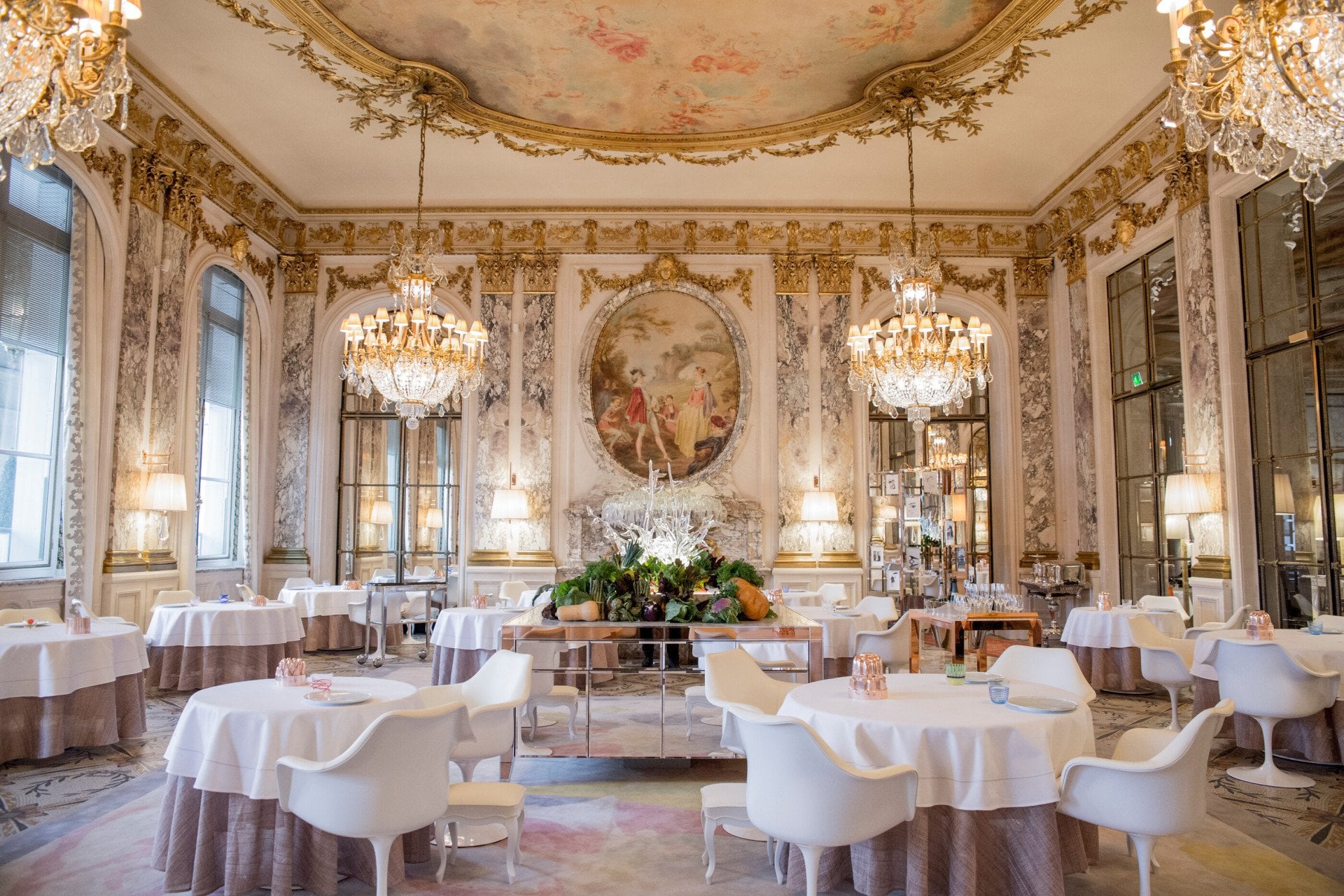
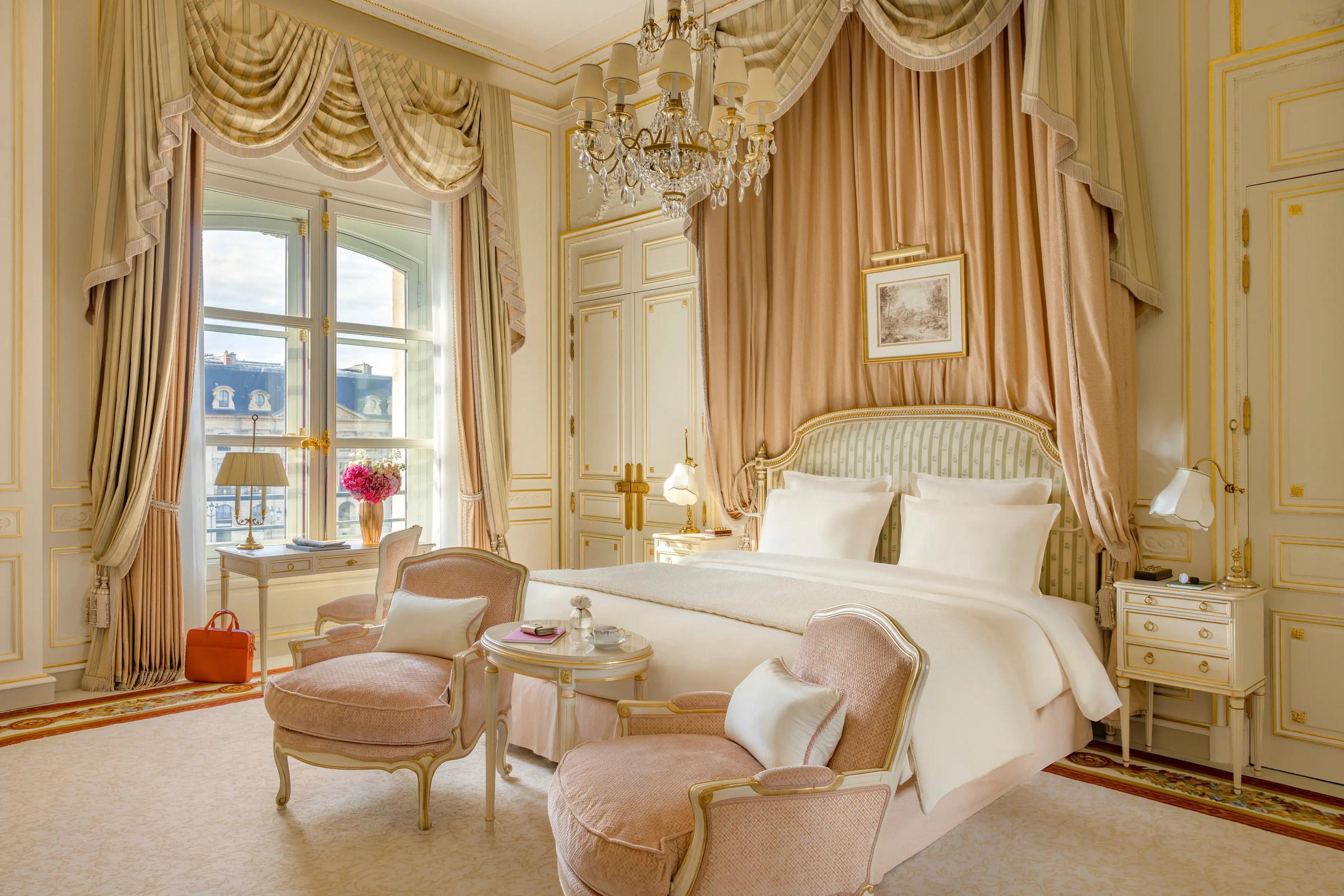
Palatial Second Empire decor with crystal chandeliers, painted ceilings, and soft evening lighting that creates an atmosphere of hushed luxury and timeless elegance.
Know Before You Go
- Getting there
- 10 Pl. de la Concorde, 75008 Paris, France