Historic Core
indoor & outdoor seating good drinks, chill vibes (arts district) fried brussel sprouts & chicken sandwich 💯
Pearl is the En Primeur Club membership app — saves, bookings, and concierge access live there. Same editors, same standards.
- Address
- Los Angeles, CA
- Directions
- Get directions
 Saves & bookings on Pearl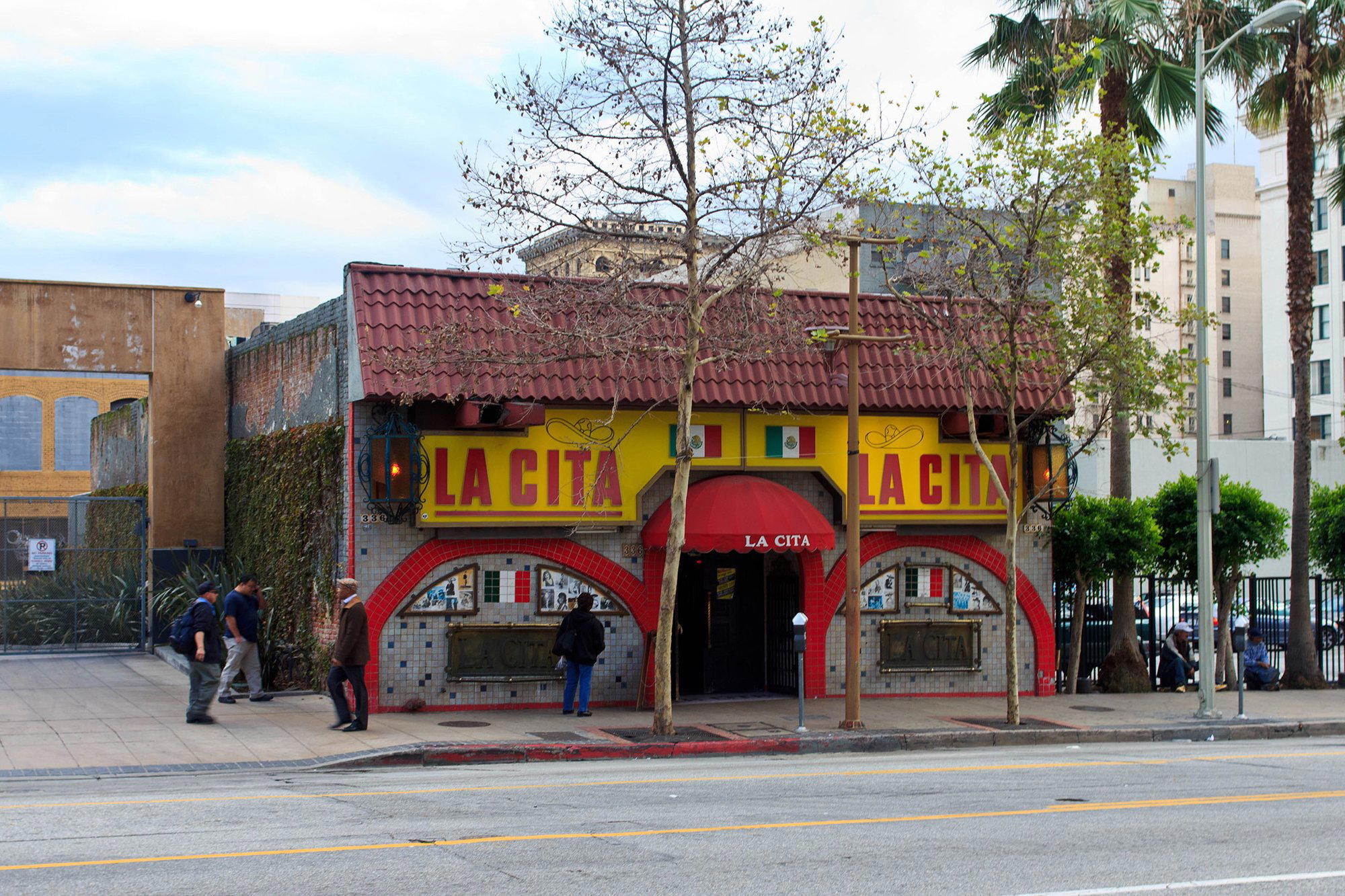
Where Downtown Los Angeles Comes to Drink
The blocks east of Bunker Hill and south of Civic Center have long defined downtown Los Angeles at night. Historic Core is a bar area in Los Angeles, CA, where a certain kind of bar takes root: rooms with pressed-tin ceilings, low lighting that feels architectural rather than atmospheric, and a crowd that is genuinely mixed in a way that few Los Angeles neighborhoods manage. This is not a destination strip engineered for weekend tourists. It is a working neighborhood bar zone where regulars and newcomers drink side by side, often at the same counter.
That neighborhood identity matters when you are thinking about how Historic Core fits into the broader Los Angeles bar picture. The city has a geography of drinking: Silver Lake for the natural-wine crowd, West Hollywood for the hotel bar circuit, Venice for the cocktail-and-ocean-view format. Downtown, and the Historic Core specifically, pulls a different constituency. Office workers who stayed, artists in live-work lofts, the courthouse and government center crowd, and the newer wave of residents drawn by converted buildings that now sell as condominiums. The bars that have lasted here read that room and serve it accordingly.
The Role of the Historic Core in Los Angeles Nightlife
Within Los Angeles's broader cocktail geography, downtown has consistently punched above its residential density. The concentration of older building stock gives bars here a physical infrastructure that is difficult to replicate in newer parts of the city: high ceilings, wide sidewalks, and street-level retail bays now pour Negronis. That physical inheritance shapes the drinking culture as much as any programmatic decision a bar owner makes.
The neighborhood watering hole tradition in the bar operates differently from the craft cocktail destination model that dominates coverage of Los Angeles bar culture. At the latter, the menu is the draw and the room is secondary. In the bar's better bars, the room and the regulars are the draw, and the drinks exist to serve a social function as much as a sensory one. That distinction is meaningful for anyone deciding how to spend an evening. If you want a technically precise cocktail in a quiet room designed for concentration, look to destinations like Death & Co (Los Angeles), which operates firmly in the destination-cocktail format. If you want a bar that feels like it belongs to the people who already live nearby, the bar is the right geography.
That community-anchor function is not distinctive to Los Angeles. Bars in this category appear in every American city with a reviving downtown core: Jewel of the South in New Orleans plays a comparable role in the Warehouse District, and Kumiko in Chicago has anchored its River North block in a way that extends beyond the cocktail list. What distinguishes the bar version of this pattern is the physical scale of the neighborhood itself: a walkable grid means that a good bar here genuinely serves foot traffic from multiple directions, and the density of options means that regulars tend to move between two or three rooms in a single evening rather than committing to one.
Drinking in the Historic Core: What to Expect
The bar formats you encounter in the bar range from direct all-day cafes that transition to alcohol service in the evening to dedicated cocktail rooms with considered programs. The buildings themselves often determine the format: a narrow ground-floor retail bay becomes a standing-room bar; a wider floor-plate with original fixtures supports a full dining and bar operation. Neither format is inherently superior, and the bar's bar scene benefits from having both.
Price point across the neighborhood sits in the mid-range for Los Angeles, which means roughly comparable to Silver Lake or Echo Park rather than the hotel-bar pricing that governs drinks in Beverly Hills or Century City. That accessibility is part of why the regular crowd is what it is. Bars that price themselves for the neighborhood they are in, rather than the neighborhood they wish they were in, tend to attract the kind of repeat custom that defines a genuine local.
For visitors placing the bar in a wider American bar context, useful comparisons exist across the country: Julep in Houston and ABV in San Francisco represent the same mid-tier-premium positioning in their respective downtown cores, while Superbueno in New York City shows how a neighborhood-identity bar can operate at a high technical level without abandoning its local function. Internationally, Bar Leather Apron in Honolulu and The Parlour in Frankfurt on the Main represent the same category logic applied to different urban contexts.
Getting There and Planning Your Visit
The bar is served by the Metro B and D Lines at 7th Street/Metro Center, which is one practical entry point from the Westside or from Hollywood. Spring Street, Main Street, and Broadway form the north-south spines of the bar district; most of the relevant venues cluster between 4th and 9th Streets. Parking is available in the surrounding blocks but the grid is walkable enough that arriving by Metro and moving on foot between bars is the more efficient approach.
Evening programming in the bar tends to animate after 7pm on weekdays and from mid-afternoon on weekends, when the building-conversion residential population is most active. The neighborhood is quieter than the Arts District on Friday and Saturday nights, which can be either a drawback or an advantage depending on what you are looking for. For a more concentrated cocktail-bar evening, pairing a stop in the bar with nearby venues such as Bar Next Door, Mirate, or Standard Bar creates a logical circuit within a manageable walking radius.
Where the Accolades Land
Comparable venues nearby, for context on price, style, and recognition.
| Venue | Cuisine | Price | Notes |
|---|---|---|---|
| Historic CoreThis venue — the venue you are viewing | cocktail_bar | $$ | Not listed |
| Night on Earth | cocktail_bar | $$ | Hollywood Hills |
| Plan Check Kitchen + Bar | lounge | $$ | Sawtelle |
| Bar Bandini | wine_bar | $$ | Echo Park |
| Adrift Burger Bar | pub | $$ | Venice |
| Korean Air Prestige Lounge | lounge | $$$ | Tom Bradley International Terminal |
Continue exploring
More in Los Angeles
Bars in Los Angeles
Browse all →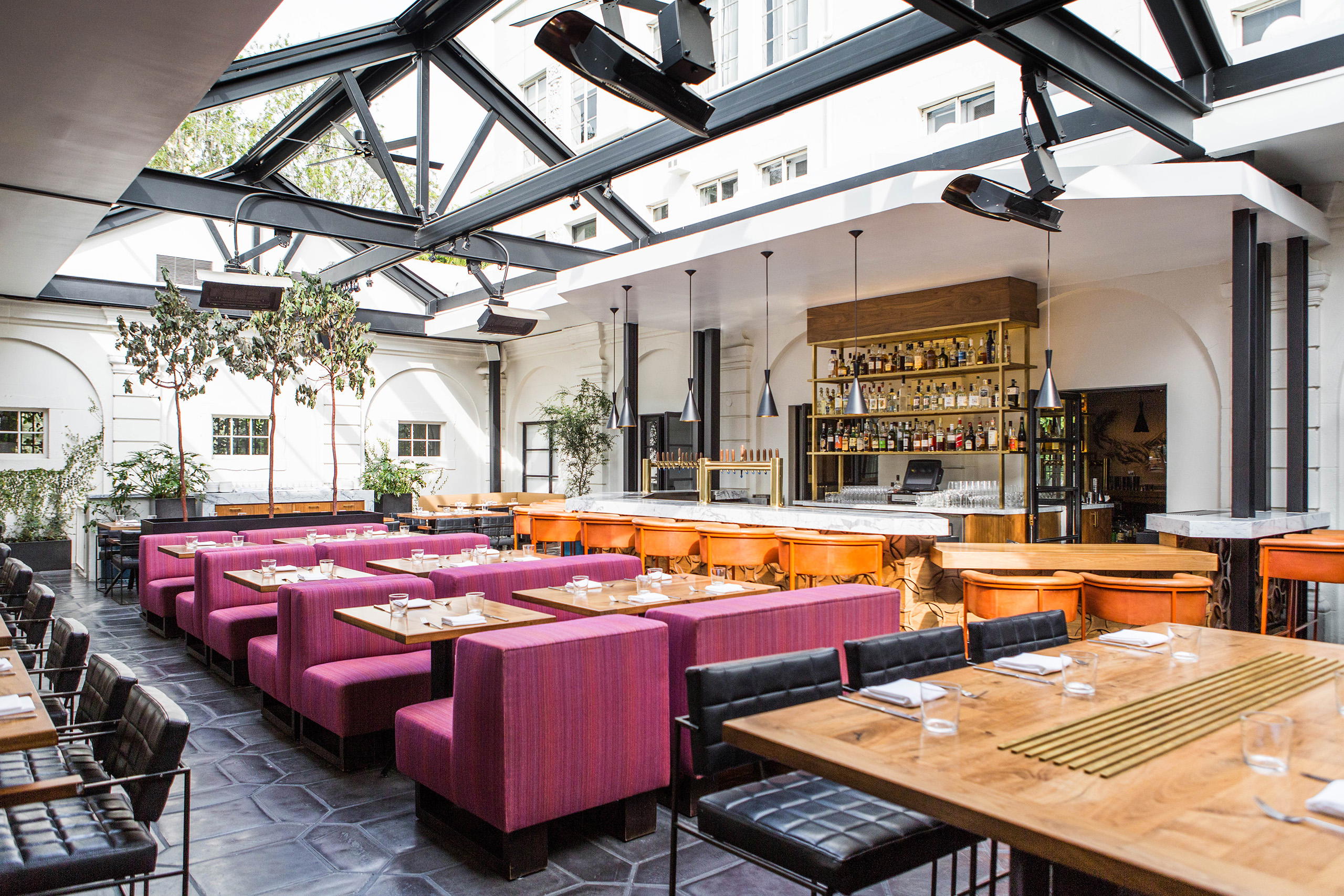
Restaurants in Los Angeles
Browse all →
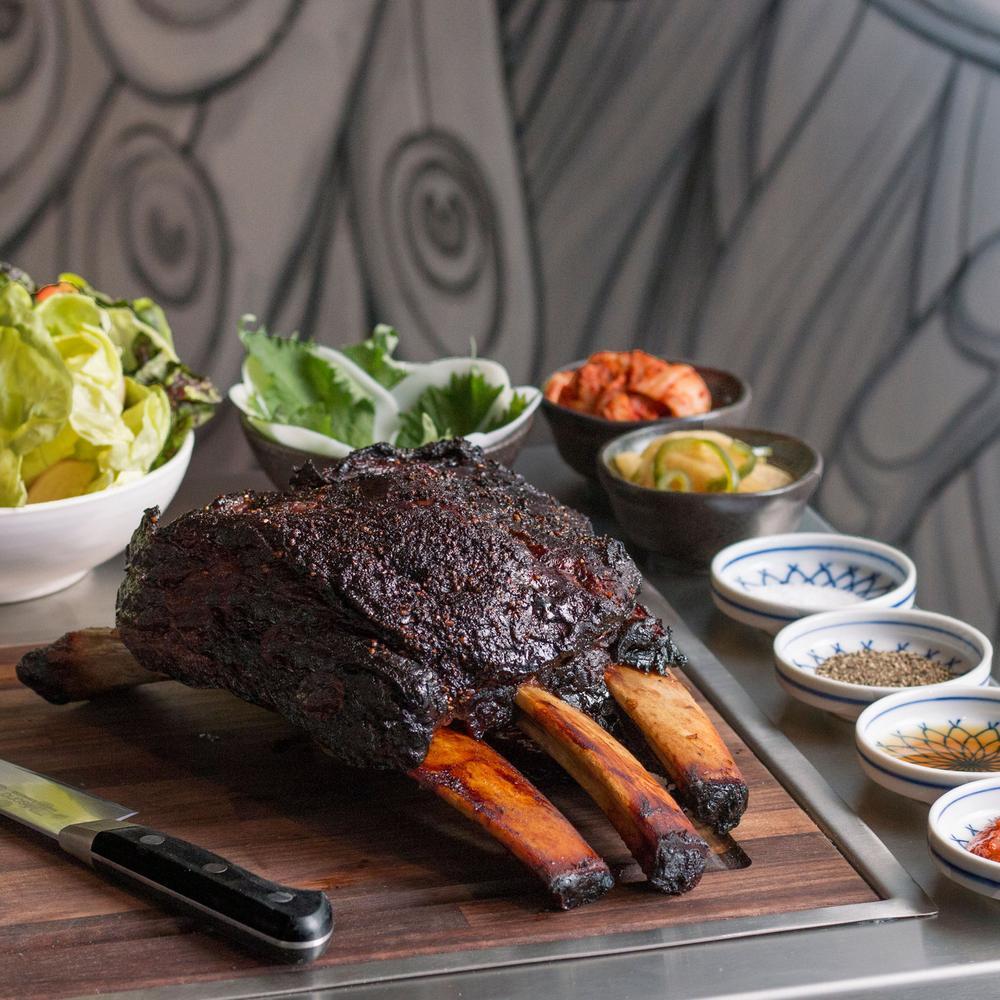
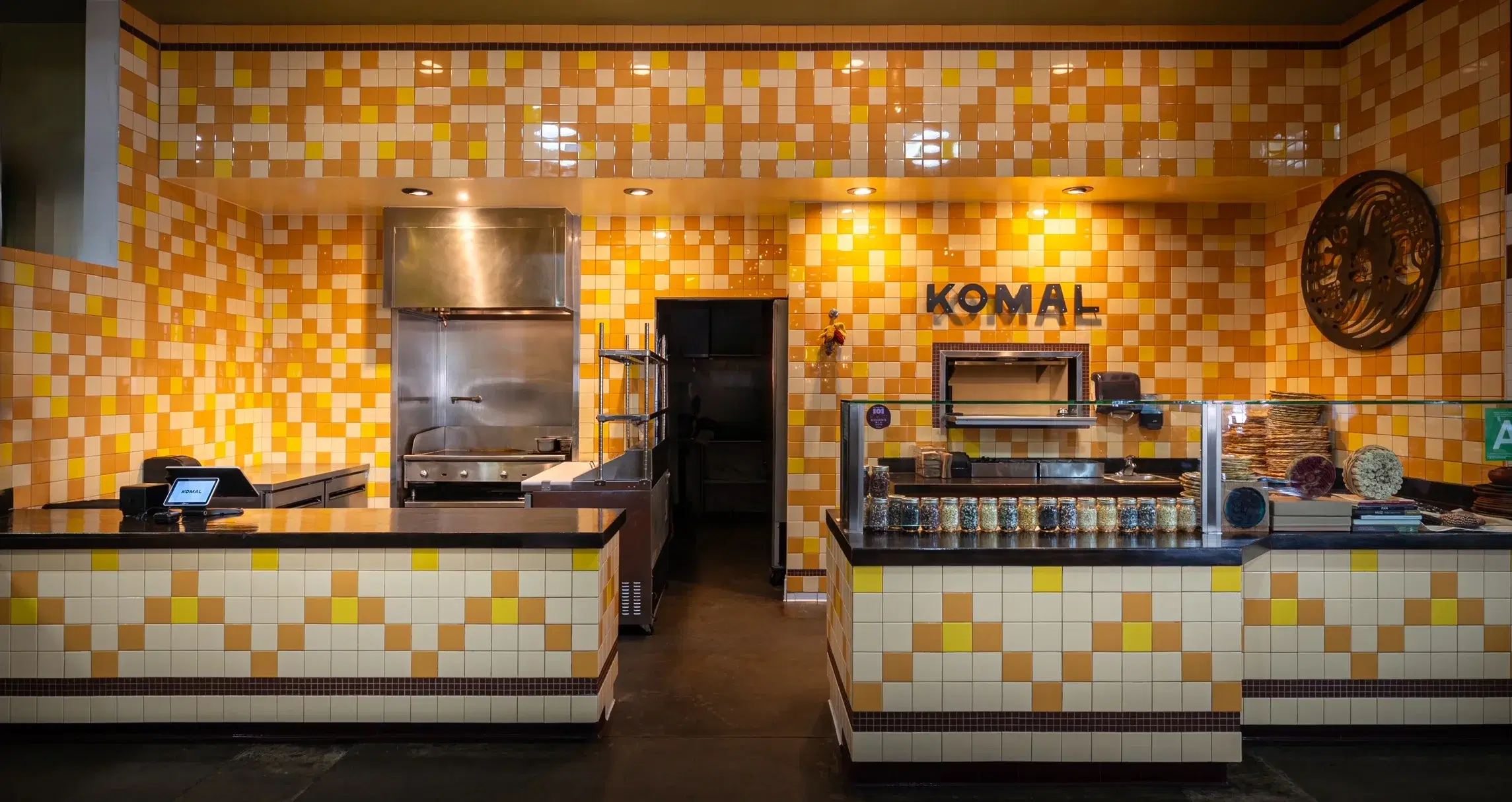
Hotels in Los Angeles
Browse all →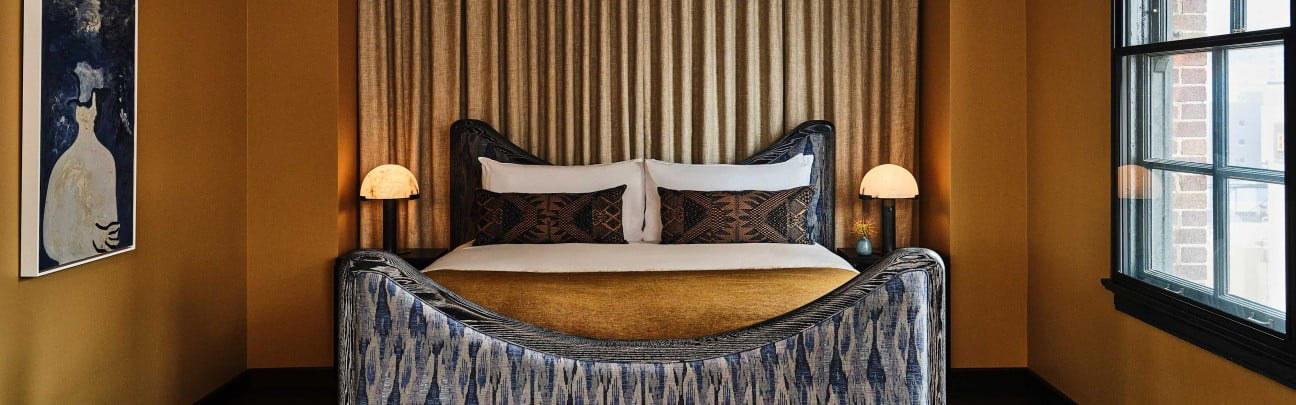
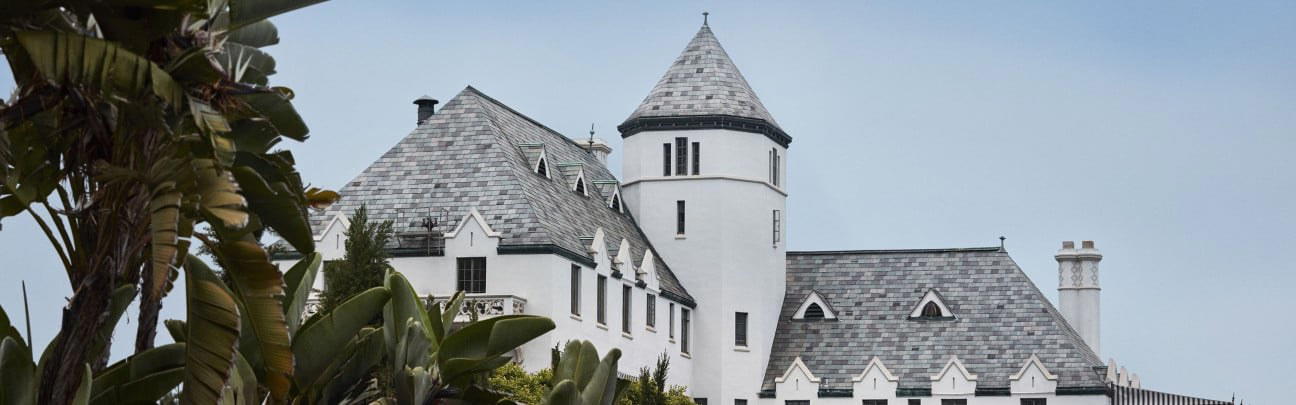
Wineries in Los Angeles
Browse all →
At a Glance
- Historic
- Lively
- Elegant
- Well Known
- After Work
- Group Outing
- Casual Hangout
- Date Night
- Historic Building
- Live Music
- Design Destination
- Seated Bar
- Lounge Seating
- Booth Seating
- Craft Cocktails
- Classic Cocktails
- Mezcal
- Tequila
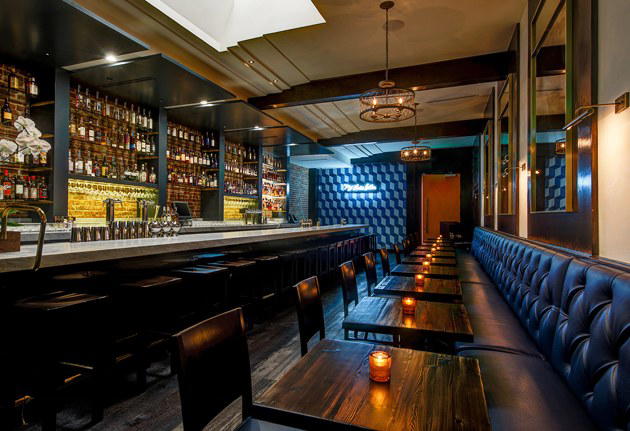
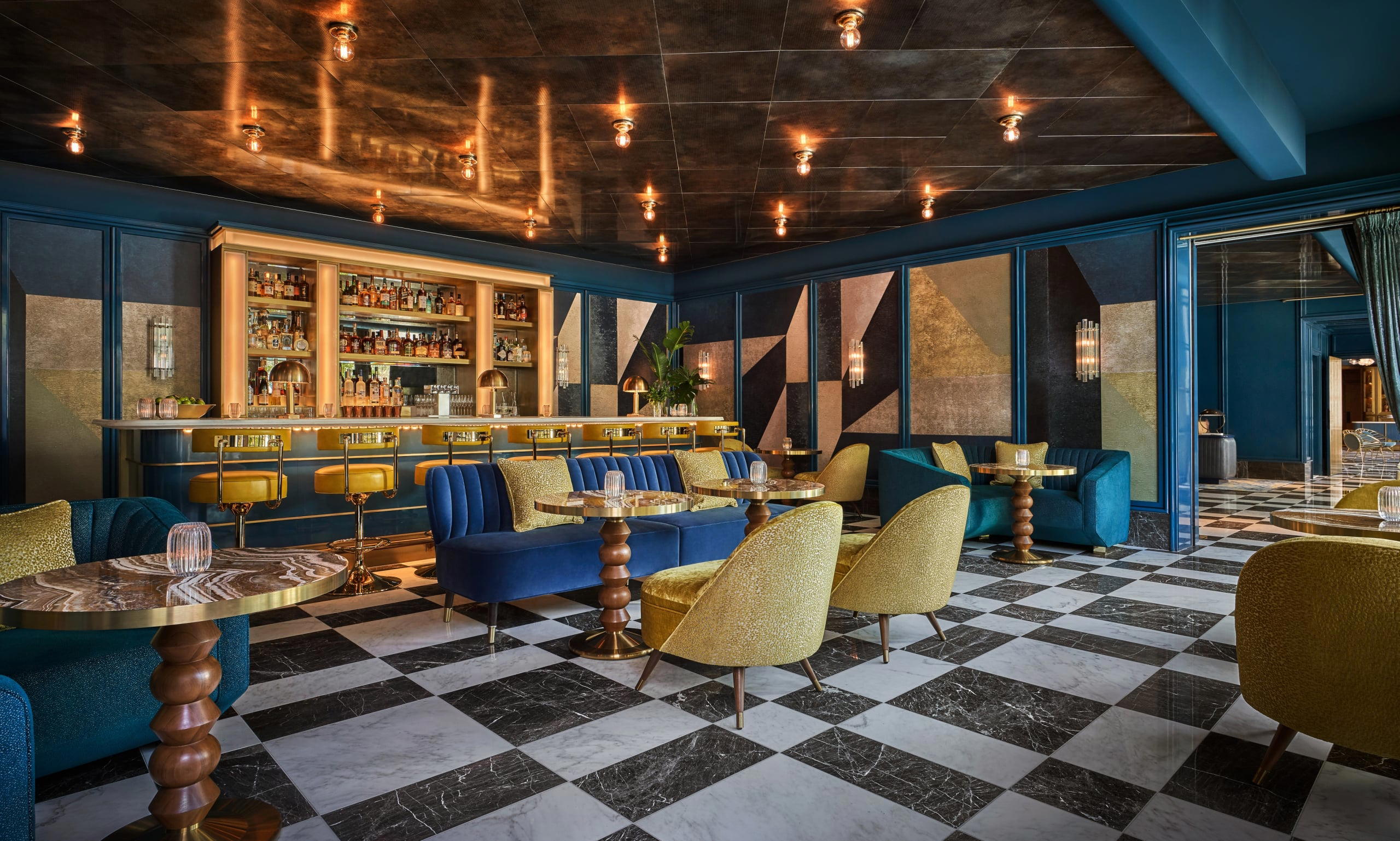
Ornate early 1900s Parisian and Art Deco architectural settings with dim lighting, vintage decor, and energetic nightlife atmosphere reflecting the district's entertainment heritage.