Korean Air Prestige Lounge
For Korean Air business class passengers transiting through Los Angeles International Airport, the Prestige Lounge delivers a distinctly Korean-inflected food program in a category where most airline lounges default to generic Western catering. Bibimbap, mandu, and Dweji Gomtang set it apart from the LAX lounge tier. Access is tied to fare class and frequent flyer status, not a walk-in ticket.
Pearl is the En Primeur Club membership app — saves, bookings, and concierge access live there. Same editors, same standards.
- Address
- Los Angeles, United States
- Directions
- Get directions
 Saves & bookings on Pearl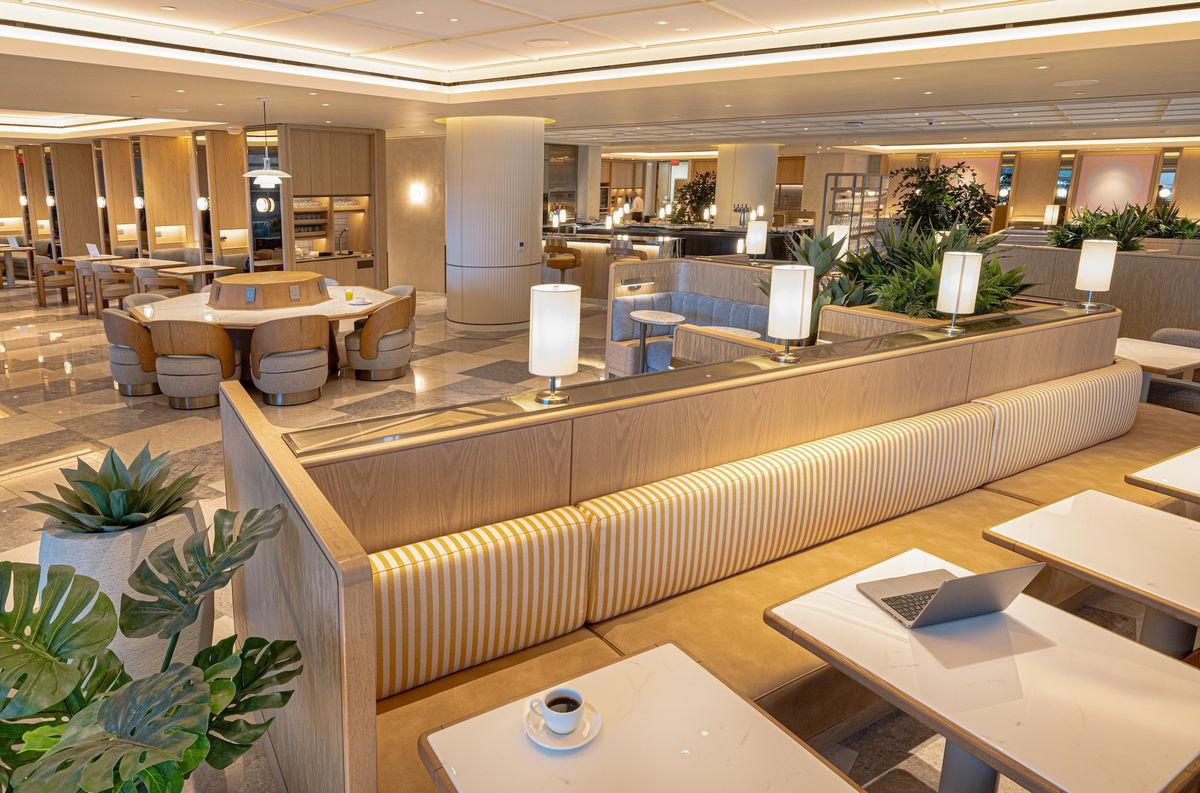
Above the Terminal Floor: Korean Air's Prestige Lounge at LAX
Most airport lounges occupy a functional middle ground between the terminal gate and the aircraft door, offering little more than a quieter seat and a complimentary drink. Korean Air's Prestige Lounge at Los Angeles International Airport positions itself differently. The space operates on a premise that long-haul departure should begin with something worth sitting down for, and the food program reflects that ambition more plainly than almost any comparable carrier lounge in the Tom Bradley International Terminal.
Access runs through Korean Air's Prestige Class cabin (the carrier's business class tier), elite frequent flyer status, or reciprocal alliance arrangements through SkyTeam partner carriers. For travelers connecting through LAX on transpacific itineraries, particularly those routed through Incheon, timing a visit well before departure is worth building into the itinerary. The lounge is busiest on evening departures to Seoul, when the terminal fills with families and business travelers on routes that have been among Korean Air's highest-load international services for years.
What Korean Lounge Food Actually Looks Like at This Tier
Airline lounges occupy a tricky position in any food discussion: the format demands volume and consistency across hundreds of guests per day, conditions that rarely produce anything memorable. Korean Air's approach at the LAX Prestige Lounge takes a different line by anchoring the food offering in recognizable Korean formats rather than reaching for a generic international spread.
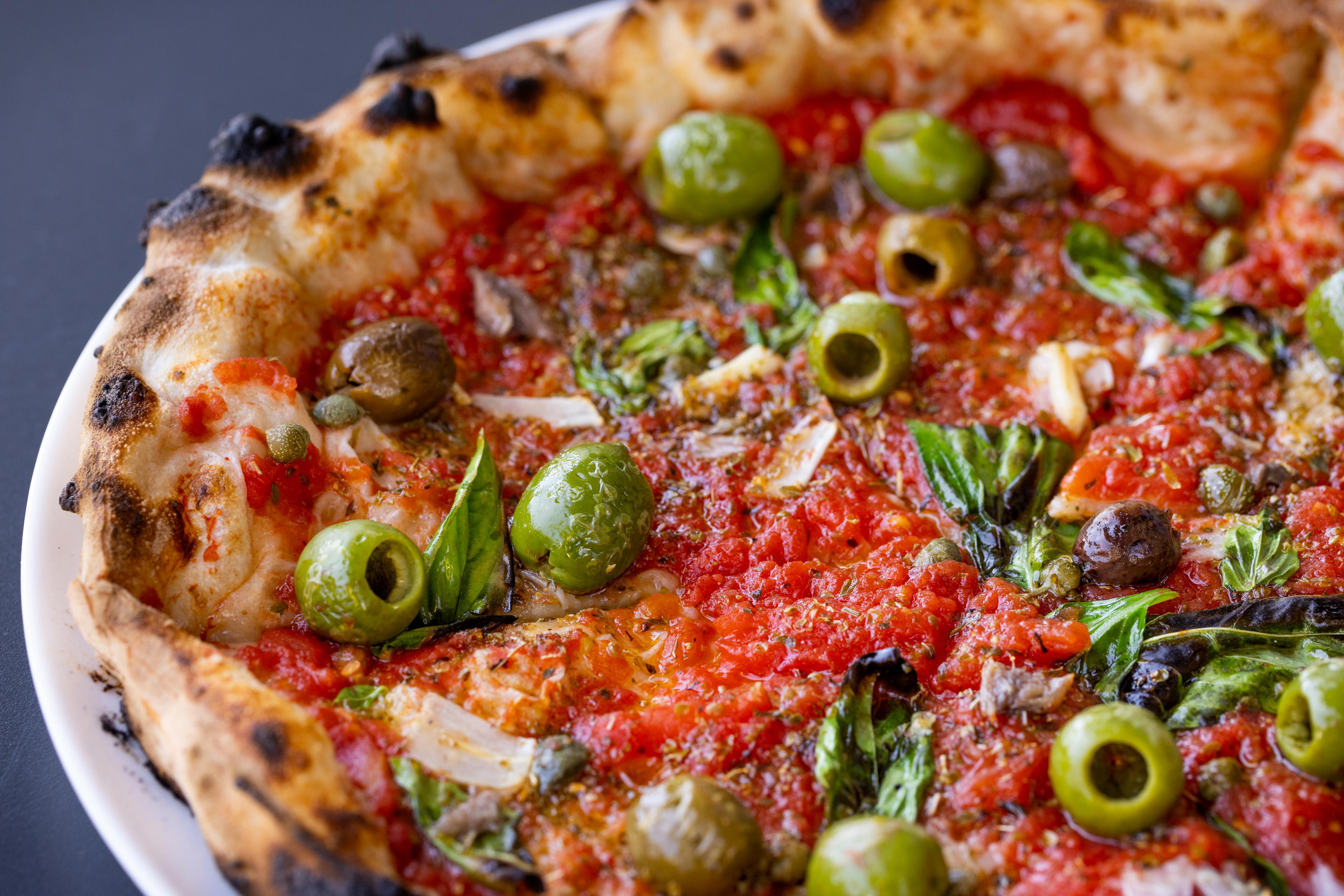
The menu runs to bibimbap, dweji gomtang (a pork bone broth soup), mandu (Korean dumplings), and noodle preparations. These are not fusion approximations or westernized versions assembled for an international audience unfamiliar with the originals. Dweji gomtang in particular represents one of the slower, more labor-intensive ends of Korean soup cooking, built from extended simmering of pork bones to produce a milky, collagen-heavy broth. Its presence in a lounge format is a reasonable proxy for how seriously the carrier treats the Korean food component of its offering.
Bibimbap in this context functions as a benchmark dish, the kind of preparation that exposes exactly how much effort has gone into sourcing and preparation. The balance of gochujang, seasoned vegetables, and rice either holds together or it doesn't, and there is no accompanying sauce or garnish that rescues a poorly executed version. Mandu rounds the offer toward something lighter, with steamed or pan-finished dumplings that work well as a between-meals option for passengers arriving earlier in the day.
The Drinks Program in Context
What it offers sits closer to competent international selection across spirits, wine, and beer, with Korean soju available alongside more standard Western bar formats.
That said, the drinks offering is meaningfully better than what most airline lounges at comparable access tiers provide. Korean Air has historically positioned its in-flight beverage program with some seriousness, and the lounge tends to reflect that. Passengers looking for a well-made cocktail before a long-haul flight would be better served at one of Los Angeles's dedicated programs: Death & Co (Los Angeles) or Bar Next Door operate strong technical programs in the city, and Mirate and Standard Bar each represent distinct strands of the LA drinks scene worth exploring before heading to the airport.
For reference elsewhere in the SkyTeam and Pacific corridor, travelers transiting through Honolulu might consider Bar Leather Apron, which occupies a different tier entirely as a destination bar program. And for those whose itineraries place them in other US cities before departure, Kumiko in Chicago, Julep in Houston, Superbueno in New York City, Jewel of the South in New Orleans, and ABV in San Francisco each offer substantively different takes on American cocktail culture. European departures routed through Frankfurt might also note The Parlour in Frankfurt on the Main as a comparison reference for bar programming at that transit hub.
Timing and the Transpacific Departure Pattern
Korean Air's LAX departures to Incheon (ICN) are predominantly evening departures, which shapes the lounge's rhythm considerably. Arriving at the lounge three to four hours before departure is more practical than it sounds on a busy transpacific evening, when check-in queues, security, and the walk to the international terminal can absorb more time than passengers expect. The lounge works well used deliberately, as a place to eat a proper meal before boarding rather than as a quick stop for a drink.
Seasonal considerations run both ways. Summer departures carry heavier leisure traffic, which increases lounge occupancy and can stretch wait times for hot food. Winter months, particularly January through March, tend to run quieter on the leisure side while business traffic holds more steadily. For passengers concerned about availability, midday departures (where they exist on the schedule) offer a noticeably different experience.
For a broader picture of Los Angeles's food and drink scene beyond the terminal, the EP Club Los Angeles guide covers the city's restaurant and bar programming in detail.
Planning Your Visit
Access to the Korean Air Prestige Lounge at LAX is tied to boarding pass and status eligibility at the lounge entrance; no separate reservation process applies. SkyTeam Elite Plus cardholders traveling on eligible tickets gain access on a space-available basis. The lounge is located in the Tom Bradley International Terminal, and travelers should budget sufficient time after clearing international security to make use of the full food program rather than arriving with only thirty minutes before boarding.
Comparable Venues
Comparable venues nearby, for context on price, style, and recognition.
| Venue | Cuisine | Price | Notes |
|---|---|---|---|
| Korean Air Prestige LoungeThis venue — the venue you are viewing | lounge | $$$ | Not listed |
| Marino Restaurant | lounge | $$$ | Hollywood |
| MOOHAN Korean BBQ | Bar | $$$ | Wilshire Center |
| CENTO Raw Bar | cocktail_bar | $$$ | West Adams |
| Bar 109 | cocktail_bar | $$$ | Larchmont |
| The Melrose Station | speakeasy | $$$ | Melrose |
Continue exploring
More in Los Angeles
Bars in Los Angeles
Browse all →
Restaurants in Los Angeles
Browse all →
Hotels in Los Angeles
Browse all →
Wineries in Los Angeles
Browse all →
At a Glance
- Modern
- Sophisticated
- Elegant
- After Work
- Group Outing
- Special Occasion
- Terrace
- Design Destination
- Hotel Bar
- Panoramic View
- Lounge Seating
- Communal Tables
- Outdoor Terrace
- Booth Seating
- Craft Beer
- Conventional Wine
- Classic Cocktails
- Street Scene
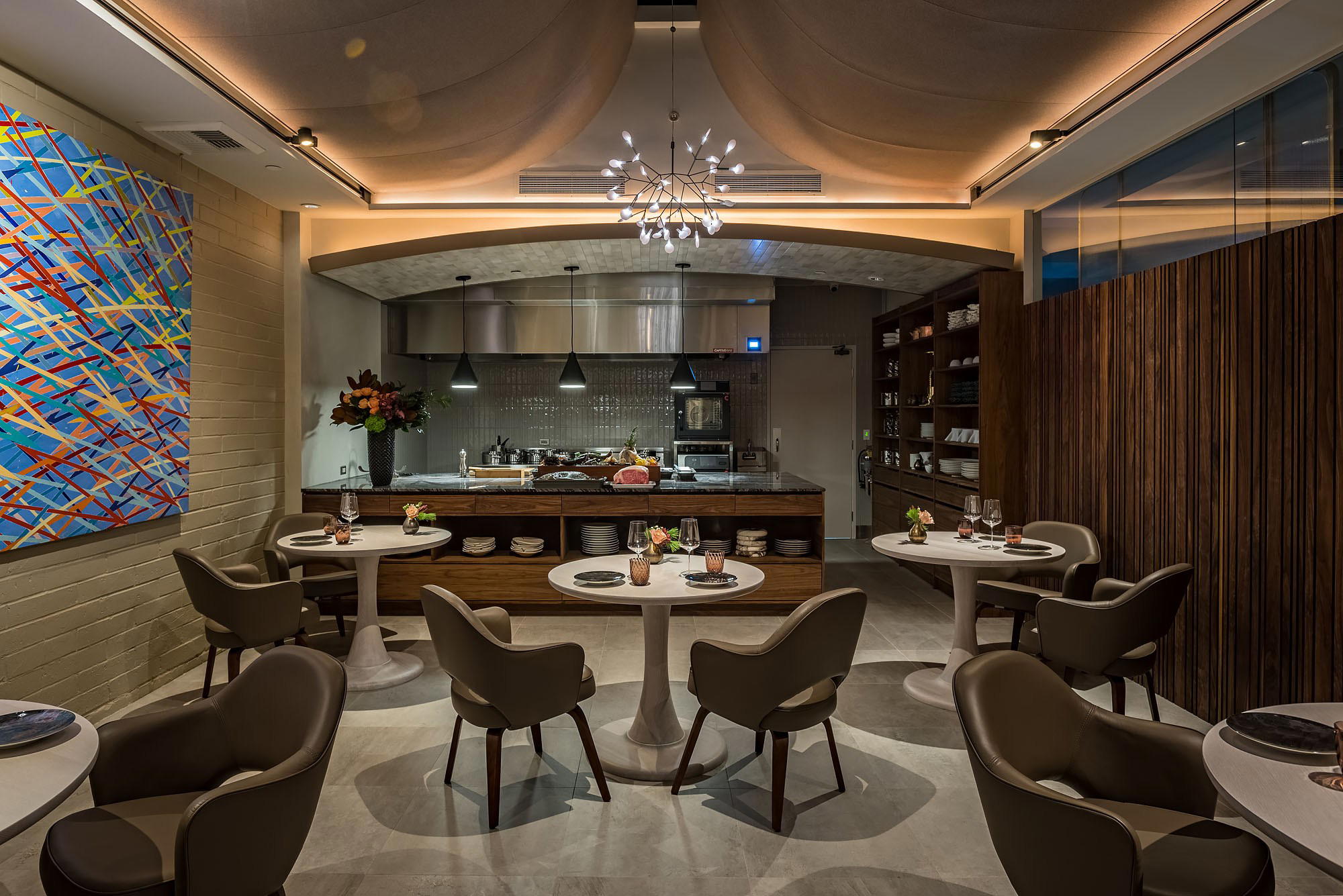
Bright, naturally-lit space with warm wood paneling and stone tiling blending modern Korean luxury with Southern California sensibility; soft lounge chairs near floor-to-ceiling windows overlooking the terminal create an airy, open feel.