Here's Looking At You
Here's Looking At You occupies a corner of Koreatown that doesn't announce itself, which is part of the point. The bar program and kitchen operate on the same frequency: technically serious, format-forward, and planted in a West 6th Street address that has become a reference point for how LA's mid-city dining scene reads ambition without performance.
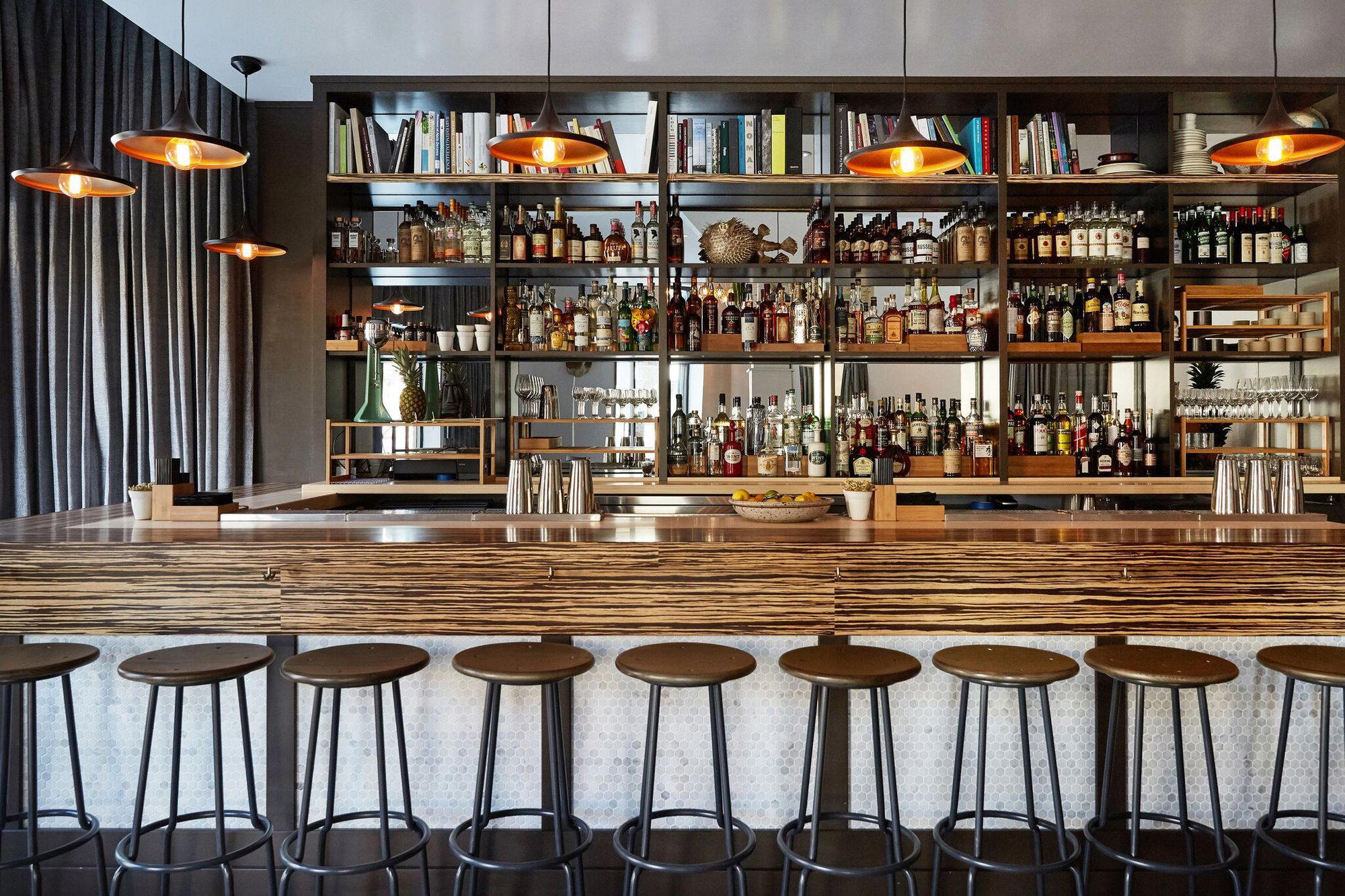
Koreatown's Culinary Frequency
West 6th Street in Koreatown is not where Los Angeles stages its most theatrical restaurant openings. The neighborhood runs dense and commercial, its blocks shaped more by decades of Korean immigration than by the hospitality industry's calendar. That context matters when reading Here's Looking At You, which sits at 3901 W 6th St in a format that takes the surrounding density as a given rather than something to escape. The bar faces outward; the room orients inward. You arrive on a block that does not perform for visitors, and the restaurant extends that logic into how it structures the experience.
Koreatown's dining identity is dual-tracked: a deeply rooted Korean restaurant culture operating largely outside the press cycle, and a growing layer of chef-driven projects using the neighborhood's relatively accessible real estate and foot traffic to run programs that would cost significantly more to operate on the Westside. Here's Looking At You sits in the second category while drawing energy from the first. That position inside a neighborhood with its own culinary gravity, rather than adjacent to one, shapes how the kitchen and bar room read.
How the Menu Is Built
The editorial lens most useful for reading Here's Looking At You is menu architecture: what the structure of the food and drink offering reveals about the kitchen's priorities. In LA's current mid-range dining tier, menus tend to resolve into one of two formats. The first is the large-plates-and-sides model inherited from New American comfort cooking. The second is a smaller-format sharing approach that borrows from both the tasting-menu tradition and the izakaya model, where sequence is implied rather than prescribed and the kitchen retains flexibility across the table.
Here's Looking At You operates in that second register. The sharing format here is not decorative; it functions as an argument about how a table should behave. Dishes arrive in a rhythm that rewards ordering across multiple categories rather than anchoring on a single protein. This is a menu designed to be read laterally, across the columns, rather than vertically down a single course logic. That structural decision places it closer to the bar-restaurant hybrid model than to a conventional dinner-service format, which aligns with how the space physically reads: the bar is not separated from the dining room as a waiting area but operates as a co-equal part of the experience.
Among the bars in the LA tier worth comparing, Mirate runs a tighter, spirits-forward program, while Bar Next Door and Death & Co (Los Angeles) each occupy a more explicitly cocktail-program-led identity. Standard Bar operates at a different scale and format entirely. Here's Looking At You sits in a zone where the bar program and the kitchen are weighted roughly equally, which is a harder balance to sustain and, when it works, produces a different kind of evening than either a restaurant with a good bar or a bar with good food.
The Bar Program as a Structural Element
In cities where cocktail culture has matured past the speakeasy phase, the better programs have moved toward transparency: legible technique, fewer theatrical gestures, and drinks that justify their prices through process rather than presentation. That shift is visible nationally at bars like Kumiko in Chicago, Jewel of the South in New Orleans, Bar Leather Apron in Honolulu, and Julep in Houston, each of which has built recognition through format discipline rather than novelty.
Here's Looking At You reads within that trajectory at the LA level. The cocktail list functions as a parallel menu to the kitchen output: it has its own architecture, its own internal logic about flavor range and progression, and it is not simply a support structure for the food. That approach has precedents elsewhere, including Superbueno in New York City, ABV in San Francisco, and internationally at The Parlour in Frankfurt on the Main, where bar programs operate as editorial statements rather than beverage supplements.
What the Koreatown Address Implies
Location in Koreatown carries specific practical signals for a restaurant at this tier. The neighborhood does not self-select for a tourist audience or for the kind of occasion dining that drives covers on the Westside or in Silver Lake's more photographed blocks. A Koreatown address means the clientele skews local, the repeat-visit rate tends to be higher than at destination-driven rooms, and the kitchen has to perform consistently rather than banking on first-impression occasions. That pressure produces a different kind of discipline than you find at restaurants that live on Instagram cycles and opening-month press.
For the visitor arriving from outside the neighborhood, the practical note is that parking and transit logistics differ from more tourist-frequented parts of the city. Koreatown is well-served by the Metro B and D lines, and the density of the area means rideshare drop-off is efficient. The block at W 6th and Normandie is active well into the evening, which means the restaurant operates in a genuinely inhabited urban context rather than in an isolated dining-destination pocket. That matters for how the energy of the room feels across a full service.
Where This Fits in the LA Dining Framework
Los Angeles dining in the current period has dispersed significantly from its historical concentration in West Hollywood and Santa Monica. Mid-city corridors, including Koreatown, Pico-Robertson, and the stretch of Olympic Boulevard running east, now carry serious restaurant programs that sit alongside rather than below the Westside's more press-familiar tier. Here's Looking At You fits that pattern: a technically serious kitchen and bar program at a Koreatown address, operating for a local audience that demands consistency over event-level performance.
For a fuller orientation to how LA's restaurant and bar scene is currently structured, the EP Club Los Angeles guide maps the city's dining tiers and neighborhood character across the full range of formats.
Know Before You Go
- Address: 3901 W 6th St, Los Angeles, CA 90020
- Neighborhood: Koreatown, Mid-City Los Angeles
- Format: Bar-restaurant hybrid with sharing-format kitchen
- Transit: Metro B/D Line (Wilshire/Normandie station nearby); rideshare recommended from most LA neighborhoods
- Booking: Check current availability directly; Koreatown addresses at this tier tend to fill mid-week as well as weekends
- Leading approach: Order across multiple menu categories rather than anchoring on a single course; the structure rewards lateral ordering
Peer Set Snapshot
A compact peer snapshot based on similar venues we track.
| Venue | Awards |
|---|---|
| Here's Looking At YouThis venue — the venue you are viewing | |
| Mirate | World's 50 Best |
| Redbird Bar | |
| Bar Next Door | World's 50 Best |
| Death & Co (Los Angeles) | World's 50 Best |
| Standard Bar | World's 50 Best |
Continue exploring
More in Los Angeles
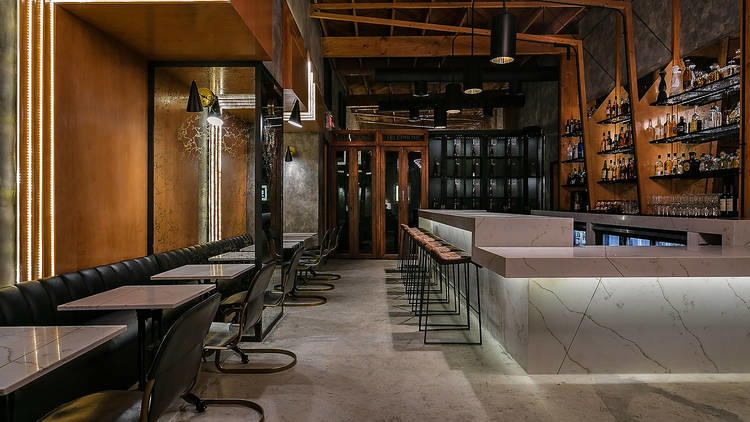
Bars in Los Angeles
Browse all →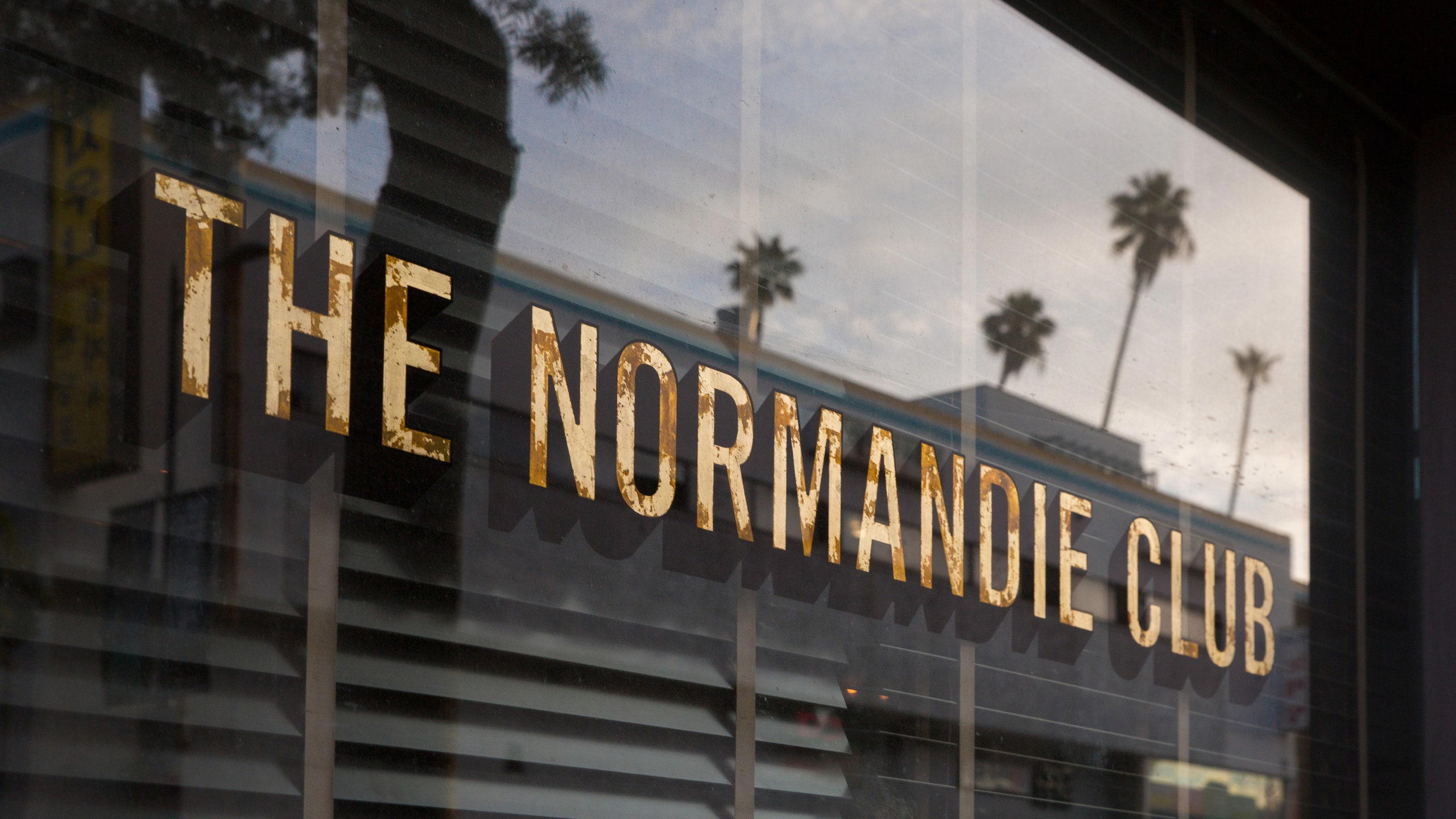
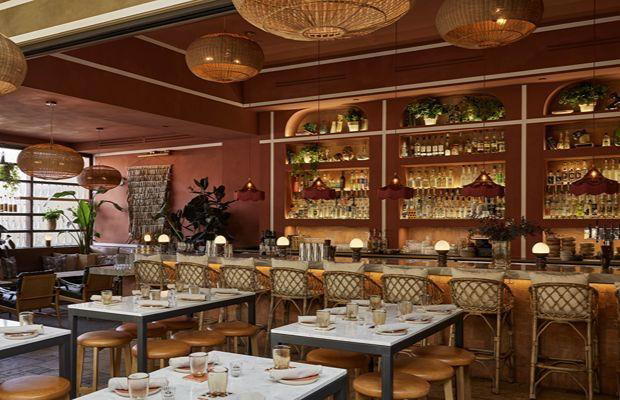
Restaurants in Los Angeles
Browse all →
Hotels in Los Angeles
Browse all →
Wineries in Los Angeles
Browse all →
At a Glance
- Trendy
- Intimate
- Whimsical
- Date Night
- Casual Hangout
- Standalone
- Seated Bar
- Booth Seating
- Craft Cocktails
Snug and eclectic with vaguely tiki-inspired decor in an intimate 50-seat room.