On Rue des Petites Écuries in the 10th arrondissement, Déviant occupies a corner of Paris where the natural wine movement and neighbourhood bar culture have been quietly converging for years. The name signals intent: this is a place that positions itself against convention, drawing a crowd that takes its glass seriously without the ceremony of a formal cave à manger. A credible address for anyone tracking the city's low-intervention wine scene.
Pearl is the En Primeur Club membership app — saves, bookings, and concierge access live there. Same editors, same standards.
- Address
- 39 R. des Petites Écuries, 75010 Paris, France
- Phone
- +33 1 40 00 21 24
- Website
- deviant.paris
- Directions
- Get directions
 Saves & bookings on Pearl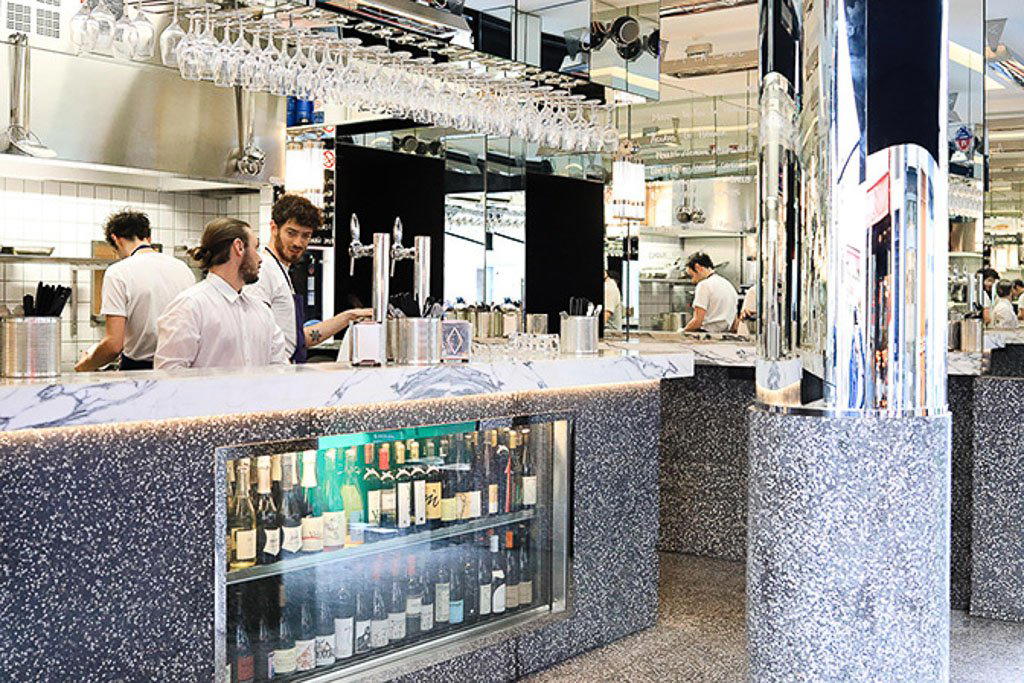
The 10th and the Natural Wine Current
Paris's 10th arrondissement has developed a distinct drinking character over the past decade, one that separates it from the polished bar programs of the Marais or the tourist-facing terraces of Saint-Germain. Rue des Petites Écuries, in particular, sits within a cluster of streets where independent wine bars, bistros with serious bottle lists, and neighbourhood-first addresses have accumulated into something with genuine critical mass. Déviant, at number 39, is part of that accumulation rather than an outlier from it.
The broader context matters here. France's natural wine movement — anchored in low-intervention viticulture, minimal sulphites, and winemakers working outside the appellation mainstream — found its most receptive urban audience in Paris's right-bank working neighbourhoods. The 10th and 11th arrondissements became reference points for that scene long before it became a global export. The bars and caves that defined it shared a common posture: serious about the glass, informal about everything else. Déviant sits inside that tradition, drawing from it rather than reacting against it.
What the Room Communicates
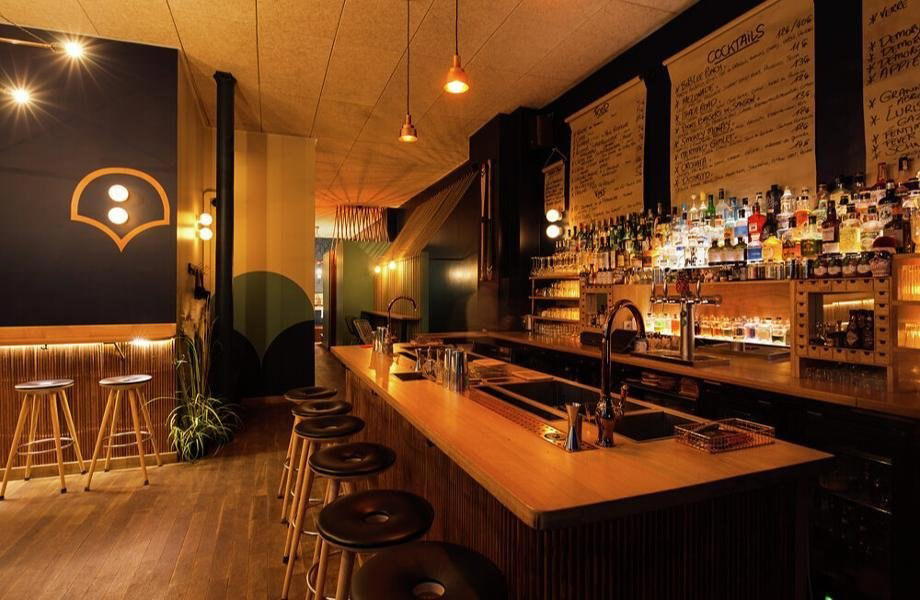
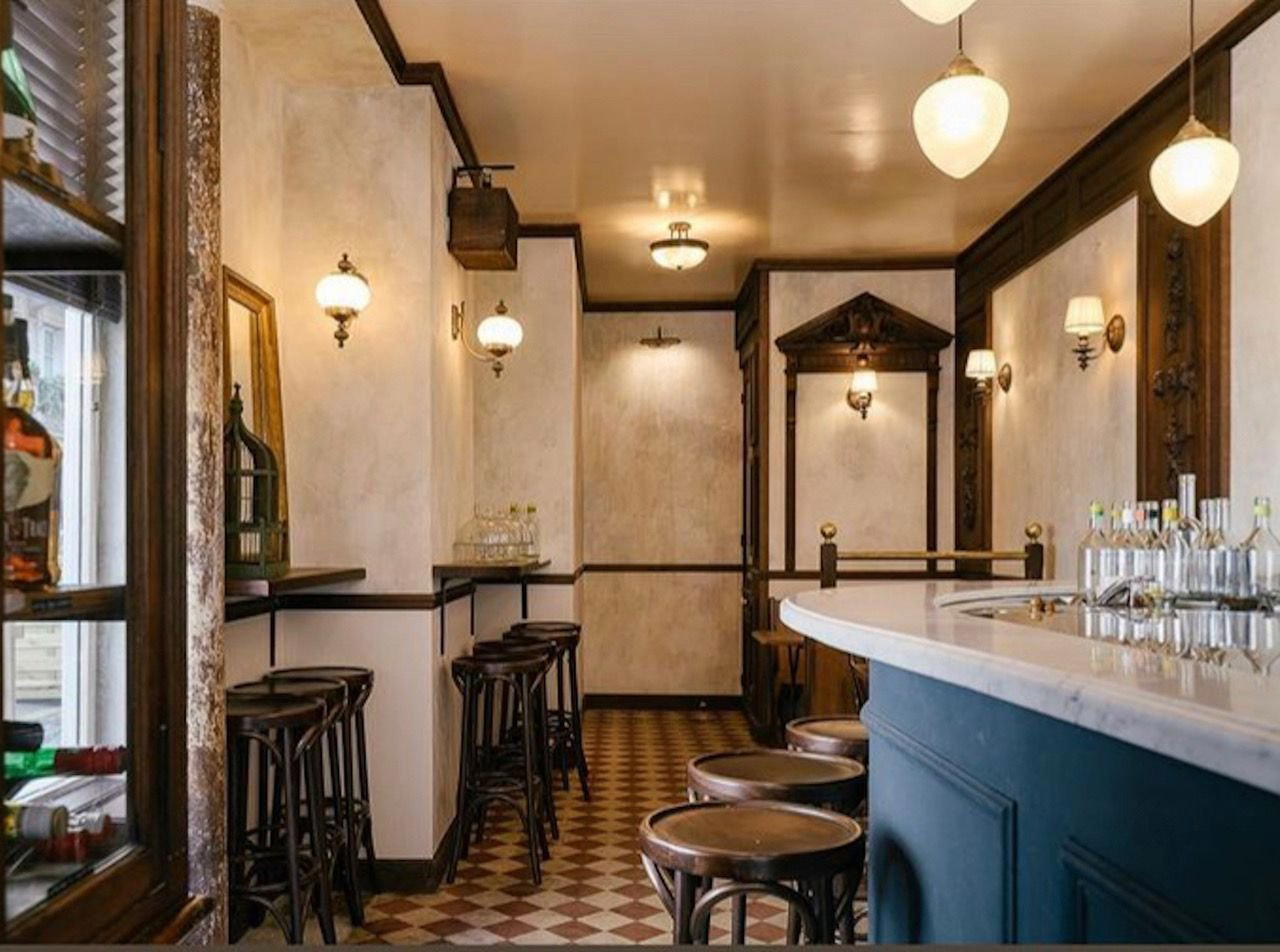
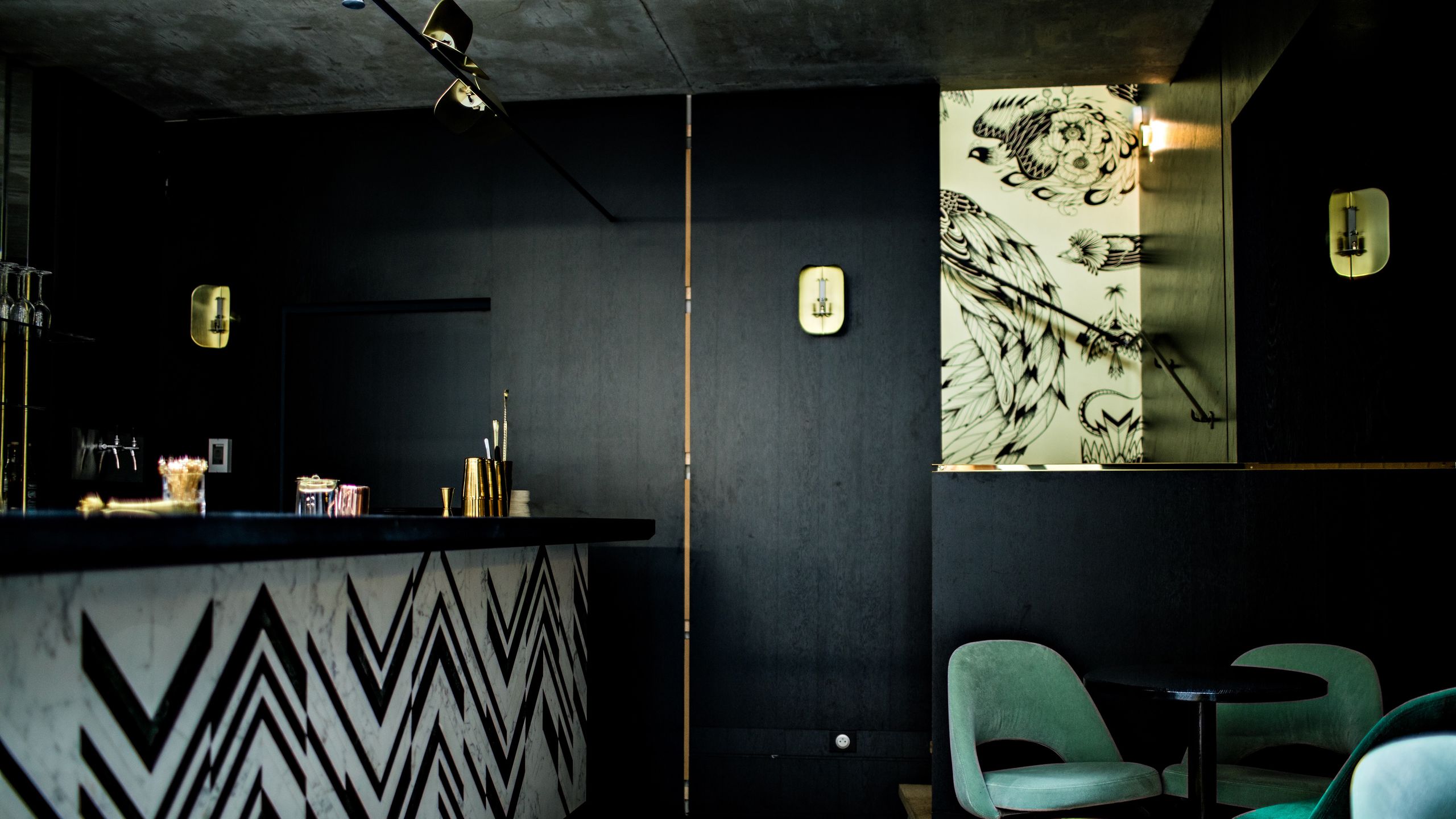
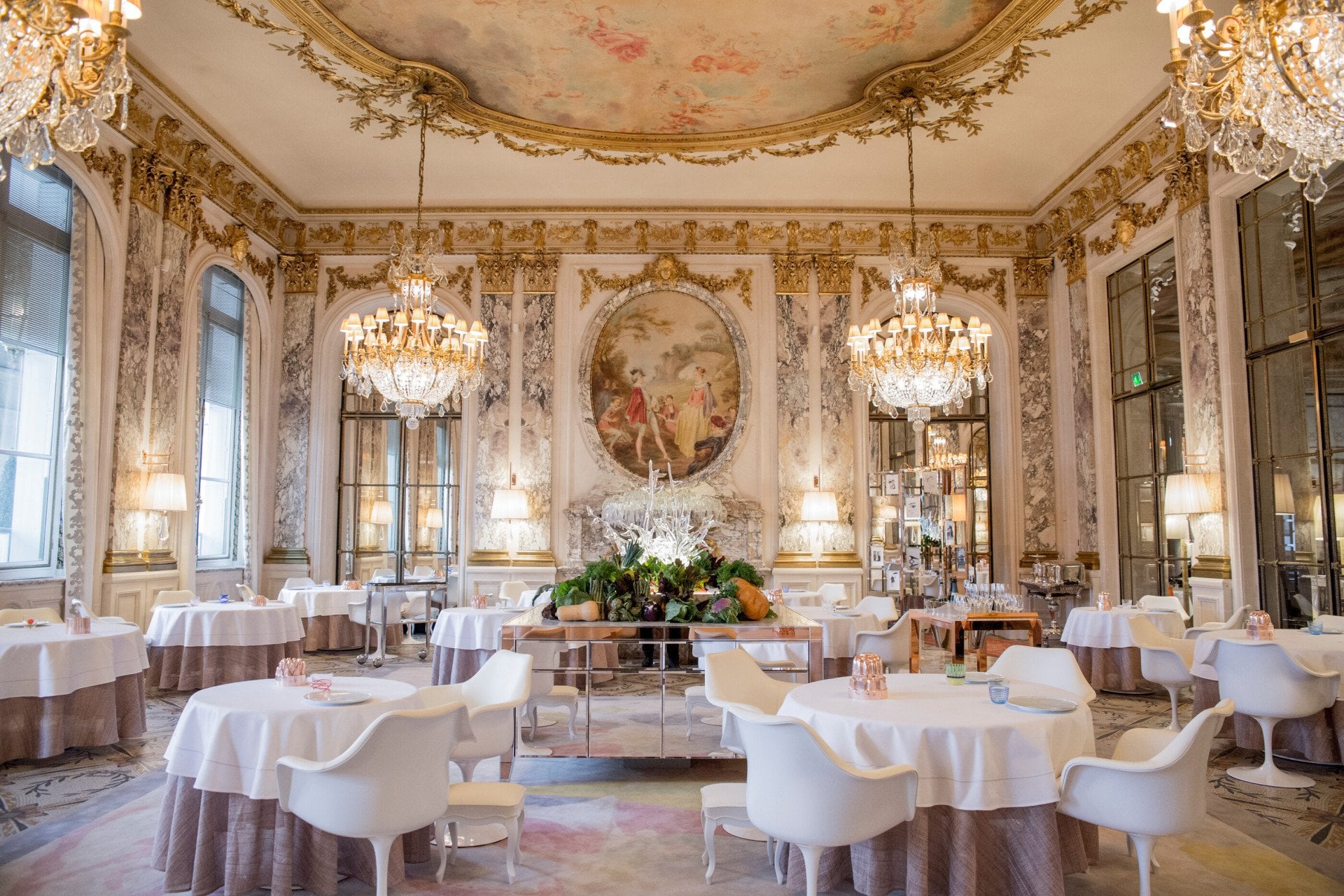
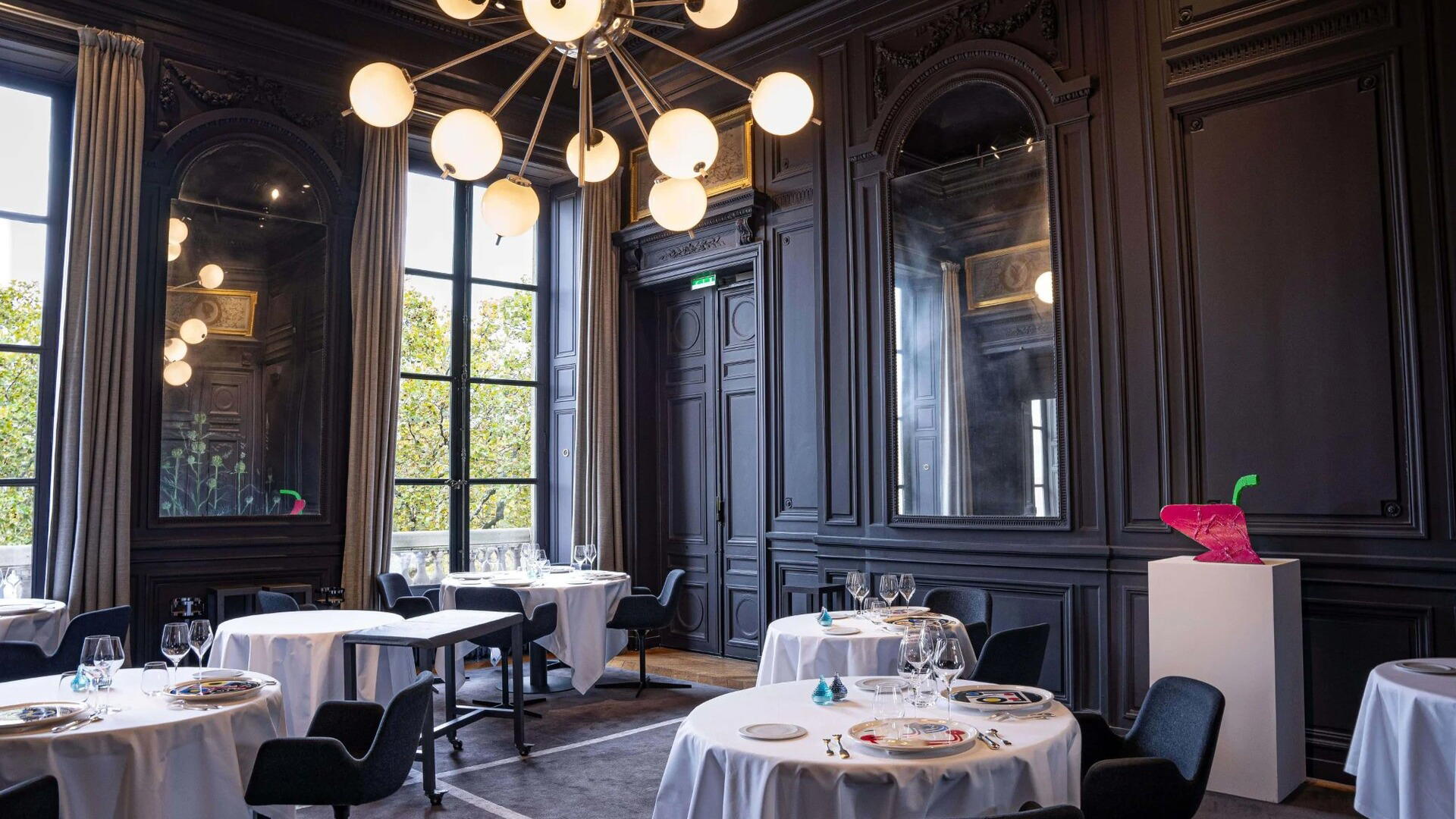
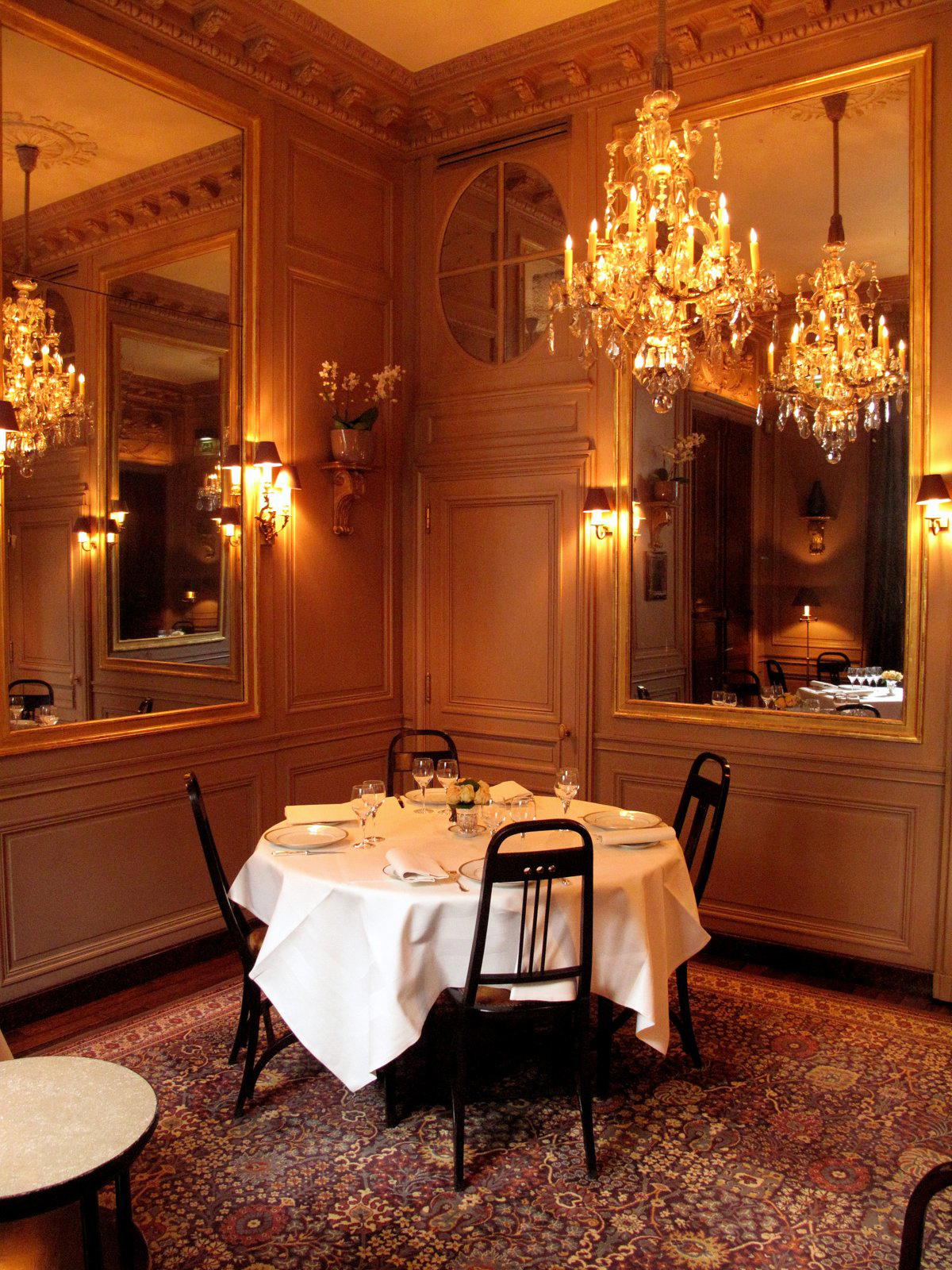
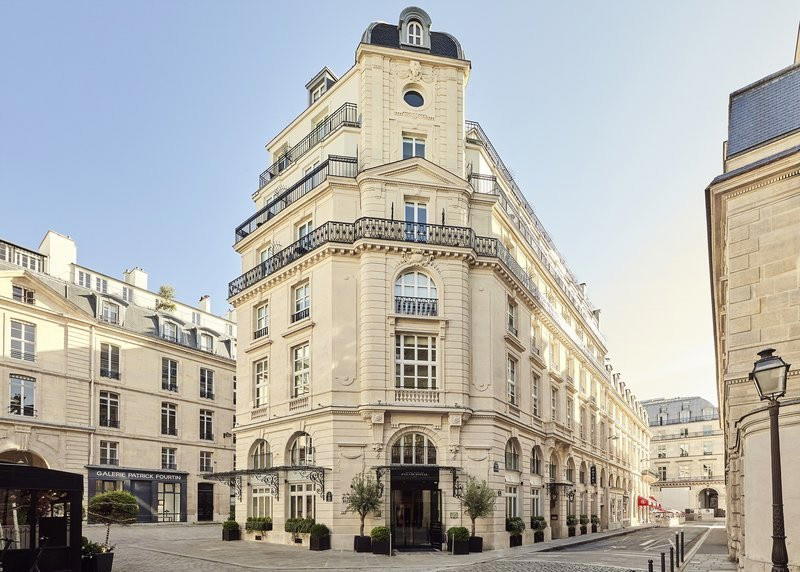
Approaching from Rue du Faubourg Saint-Denis, the neighbourhood still carries its old market-district bones: the passages, the wholesale traders, the density of a Paris that hasn't been smoothed into uniformity. Déviant occupies that texture rather than contrasting with it. Wine bar interiors in this part of the city tend toward the unadorned, zinc counters or raw wood, bottle shelves as primary decor, lighting calibrated for conversation rather than spectacle. The signal is consistent across the type: the wine is the focus, and the room is built to keep it there.
That format, low on ceremony and high on bottle selection, has proven durable in Paris precisely because it resists the two failure modes that affect bars at opposite ends of the market. It avoids the stagecraft of high-concept cocktail venues and the inertia of traditional brasseries. Addresses like Danico and Candelaria represent the cocktail-led pole of Paris bar culture, each with technically demanding programs and strong editorial recognition. Déviant operates on a different axis, where the credibility comes from the sourcing and the selection rather than the preparation.
The Cultural Weight of the Cave à Manger Format
Understanding what Déviant represents requires understanding the cave à manger as a French institution. The format predates the natural wine movement by several generations: a space where wine is sold and consumed on the premises, food is secondary but present, and the relationship between customer and proprietor is structured around knowledge exchange rather than service formality. What the natural wine generation did was reload that format with new sourcing politics and a younger clientele, without discarding its essential character.
Across France, similar formats have taken root in cities with distinct local inflections. La Maison M. in Lyon reflects the Rhône's biodynamic producer networks. Coté vin in Toulouse draws from the Southwest's cooperative and artisan producers. Bar Casa Bordeaux in Bordeaux operates against the grain of that city's classified-growth identity. Au Brasseur in Strasbourg and Le Café de la Fontaine in La Turbie represent the format's reach into regions with their own production traditions. What connects them is the same posture: expertise worn lightly, selection as the primary editorial statement.
In Paris, that posture has a competitive field. Bar Nouveau and the more theatrically scaled Buddha Bar occupy different parts of the same city's evening economy, each built around a different proposition about what a bar visit is for. Déviant's proposition is narrower and more specific: the glass over the experience, the producer over the brand.
Drinking Here: What to Expect on the List
Wine bars anchored in the natural and low-intervention world typically organise their lists by producer logic rather than appellation convention. Bottles from the Loire Valley, Jura, and Beaujolais tend to anchor such lists in France, given the density of artisan producers working in those regions. Pét-nat, skin-contact whites, and carbonic-maceration reds appear with regularity across this category. Orange wines, now common enough to be considered a standard part of the format, sit alongside conventional reds and whites without ceremony.
For a venue operating under the name Déviant, the implicit curatorial promise is one of departure from the appellation mainstream. That might mean Corsican producers working outside the usual tourist-facing bottlings, or Rhône negociants whose smaller cuvées rarely make international export lists, or growers in regions like the Auvergne or the Ardèche that don't carry the commercial weight of Burgundy or Bordeaux. The selection at addresses in this tier is generally the product of direct relationships with producers, which shapes both what appears on the list and how it's priced relative to retail.
For broader context on Paris's bar and restaurant scene, our full Paris restaurants guide maps the city's current drinking and dining options across neighbourhoods and price tiers. Those looking at the natural wine bar format elsewhere in France will find useful reference points at Papa Doble in Montpellier and Bar Leather Apron in Honolulu for how the format translates across geographies.
Planning Your Visit
Know Before You Go
- Address: 39 Rue des Petites Écuries, 75010 Paris, France
- Arrondissement: 10th (Canal Saint-Martin / Faubourg Saint-Denis quarter)
- Getting there: Bonne Nouvelle (lines 8, 9) and Château d'Eau (line 4) are the nearest Métro stations, each within a few minutes on foot
- Reservations: Contact details are not currently listed; walk-in is standard practice at most wine bars in this format, though evenings from Thursday onward can fill quickly in this neighbourhood
- Format: Wine bar with food; expect a bottle-focused list rather than a cocktail program
- Dress code: None; the neighbourhood runs casual



At a Glance
- Intimate
- Lively
- Trendy
- Date Night
- Group Outing
- Design Destination
- Seated Bar
- Booth Seating
- Craft Cocktails
- Mezcal
Current opening hours
- Monday
- Closed
- Tuesday
- 6 PM–2 AM
- Wednesday
- 6 PM–2 AM
- Thursday
- 6 PM–2 AM
- Friday
- 6 PM–2 AM
- Saturday
- 6 PM–2 AM
- Sunday
- Closed
Hours can change for holidays and private events. Last verified .
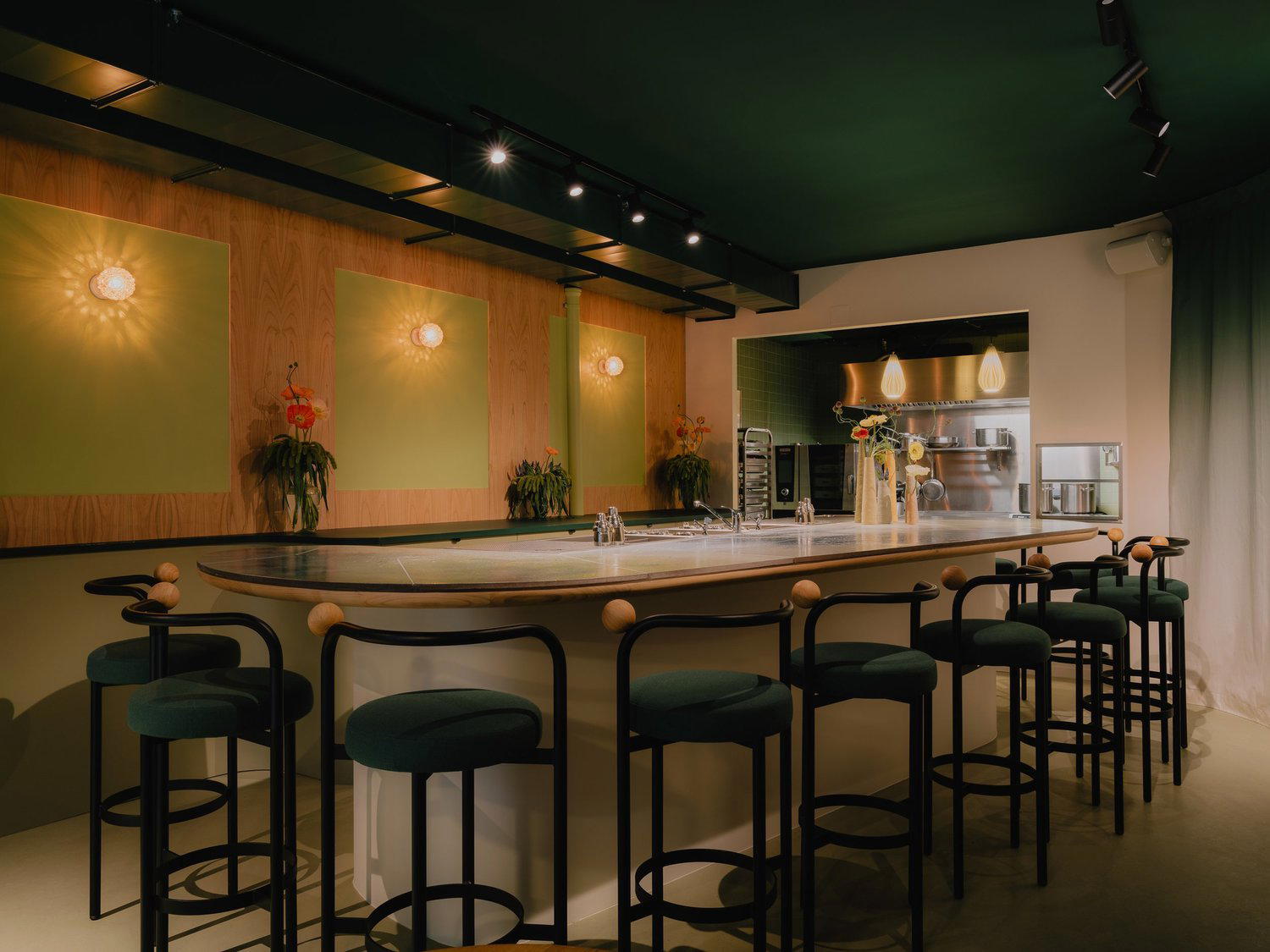
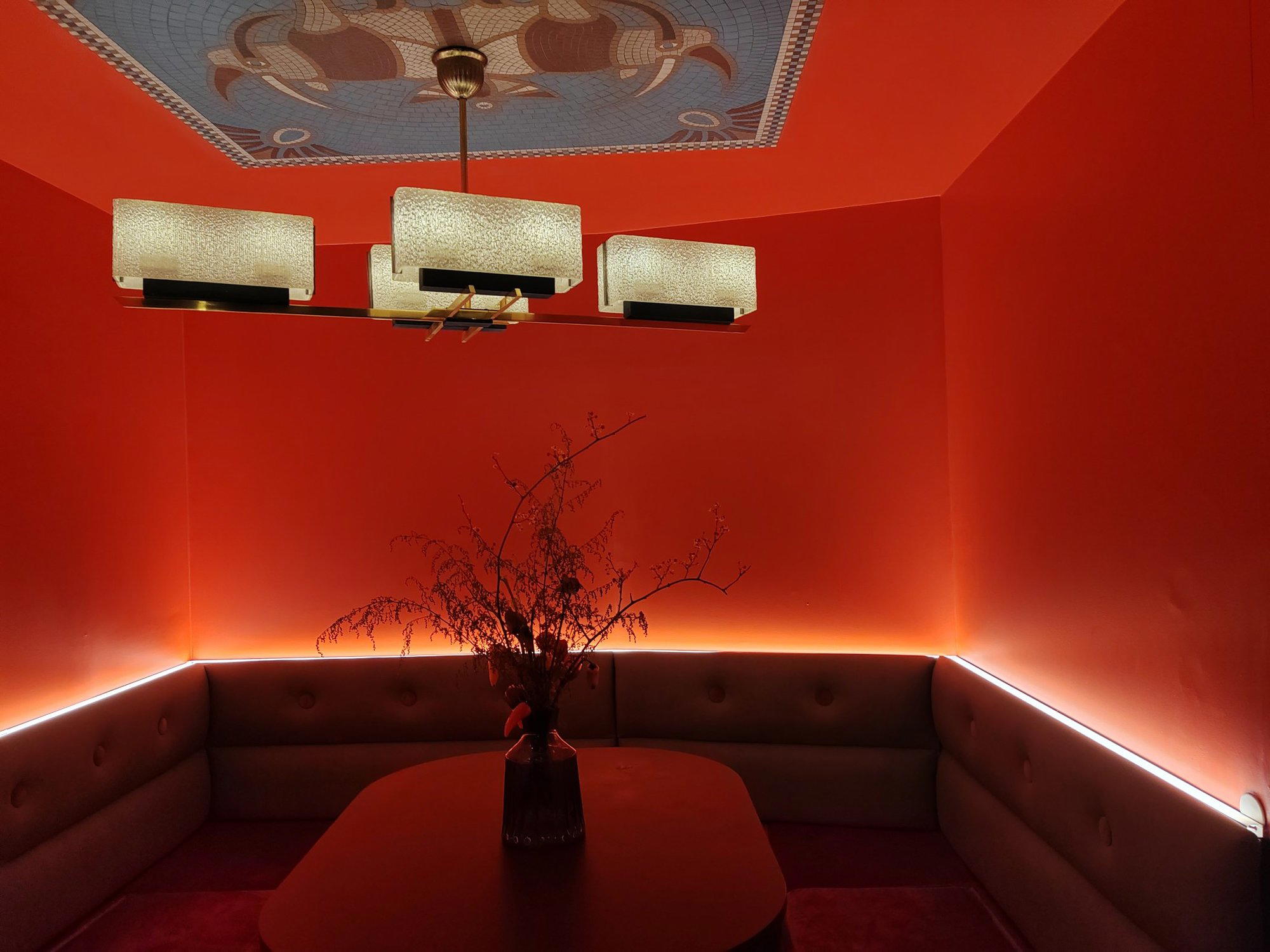
Soft lighting in one room for intimacy, lively open kitchen in another.
Know Before You Go
- Getting there
- 39 R. des Petites Écuries, 75010 Paris, France