Hawaii Ramen Noodle & Poke Bowl
On Abilene's south side, Hawaii Ramen Noodle & Poke Bowl brings together two distinct Pacific food traditions — Japanese ramen and Hawaiian poke — in a format that has few direct local competitors. For a city where the dining options tend toward Tex-Mex and American comfort food, the combination reads as a genuine outlier worth knowing about.
Pearl is the En Primeur Club membership app — saves, bookings, and concierge access live there. Same editors, same standards.
- Address
- 4621 S 14th St, Abilene, TX 79605
- Phone
- +1 325 704 1120
- Directions
- Get directions
 Saves & bookings on Pearl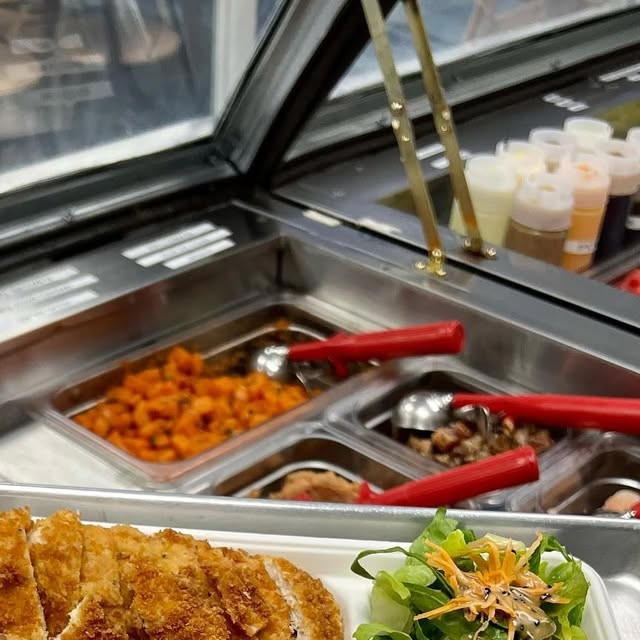
Where South Abilene Meets the Pacific
South 14th Street in Abilene is not a dining corridor in the way that downtown blocks or the Antilley Road strip might be. It is a functional, working stretch of the city, the kind of address where a restaurant succeeds on repeat local custom rather than foot traffic or tourist discovery. That context matters when reading Hawaii Ramen Noodle & Poke Bowl, located at 4621 S 14th St. A concept built around Japanese-style ramen and Hawaiian poke bowls is an unusual bet in a market where the dominant food traditions run firmly toward Tex-Mex, barbecue, and American diner fare. That it operates at all in this part of West Texas says something about how broadly Pacific food formats have traveled, and how Abilene's dining scene has quietly diversified over the past decade.
Abilene's restaurant culture has historically been defined by a handful of anchoring categories. The city has dependable Tex-Mex, a growing number of craft-adjacent bars, and the kind of burger-and-beer spots that serve a college and military population drawn by Hardin-Simmons, ACU, and Dyess Air Force Base. What it has had less of is depth in Asian-influenced formats, which makes a venue combining two of the more travel-driven food trends of the 2010s — the American ramen boom and the poke bowl wave that spread from Hawaii across the mainland — a distinct data point in the local dining picture.
Two Formats, One Address
Ramen and poke bowls are not natural culinary siblings. One comes from Japanese noodle-shop tradition, built around long-simmered broths, alkaline noodles, and a set of toppings with regional variation from Sapporo to Fukuoka. The other is rooted in Hawaiian fishing culture, where fresh ahi dressed with soy, sesame, and aromatics became, over several decades, a mainland restaurant format as recognizable as the burrito bowl. Placing them under one roof is a format decision that has precedents in casual fast-casual operations across the Sun Belt, where operators identified that both dishes shared a build-your-own customer appeal and a similar price tolerance.
That combination has proven resilient in markets where neither format could sustain a standalone operation. In a city the size of Abilene, a dual-concept approach addresses a practical problem: the customer base for Japanese ramen alone may not generate sufficient volume, but pairing it with a lighter, faster poke option broadens the appeal across lunch and dinner day-parts. It is a model that reads as sensible for the location rather than arbitrary.
Abilene's Dining Context and Where This Fits
To understand where Hawaii Ramen Noodle & Poke Bowl sits in Abilene's food scene, it helps to map the alternatives. The city has a cluster of spots that have built modest but genuine reputations: Copper Creek Restaurant represents the more polished local dining tier, while Armando's Mexican Food occupies a reliable, community-embedded Tex-Mex slot. On the bar and drinks side, Amendment 21 and Blue Agave each represent their own tier. None of these overlap with what a ramen and poke concept does, which means Hawaii Ramen operates in a category where direct local competition is thin.
That comparative positioning is an advantage in one sense, but it also means the venue carries the full weight of setting expectations for a format that many Abilene diners may encounter with limited prior reference. Ramen culture in major American cities has split into several tiers: there are the counter-service chain operations serving a standardized bowl, the mid-market independents with house-made broths, and the higher-end omakase-style noodle bars that have emerged in cities like Chicago, New York, and San Francisco. The gap between what a casual ramen shop in a mid-size Texas city can offer and what, say, Kumiko in Chicago or a program-driven bar like Bar Leather Apron in Honolulu represents is significant, and the latter two exist in a different universe of resource and ambition. That is not a criticism of the Abilene operation; it is a structural reality of regional food markets, and it defines the frame in which this venue should be evaluated.
For readers traveling through West Texas or based in Abilene, the relevant peer comparison is not the ramen counters of the coasts. It is the question of whether the format is executed with consistency and whether it serves a genuine gap in the local offering. On that second count, the answer is clear. For broader context on where this venue fits in Abilene's restaurant picture, see our full Abilene restaurants guide.
Planning a Visit: What to Know
Hawaii Ramen Noodle & Poke Bowl is on the south side of Abilene at 4621 S 14th St, an address that places it away from the denser commercial zones near downtown or the Mall of Abilene corridor. If you are arriving from central Abilene, plan for a short drive south. The poke bowl format is generally faster to turn around than a broth-based ramen service, which is relevant for a lunch visit on a time constraint.
No awards, ratings, or formal recognition are on record. That places it in the same category as most independent casual operations in markets of Abilene's size, where recognition infrastructure, the kind that generates Michelin coverage or James Beard nominations, simply does not exist. What matters here is local reputation and format execution, neither of which can be assessed without current sourcing.
The Broader Wave Behind the Concept
The spread of ramen and poke bowls into mid-size American cities reflects a longer arc of Pacific food culture moving through the mainstream dining consciousness. The American ramen moment, which accelerated after David Chang's Momofuku Noodle Bar drew significant media coverage in the mid-2000s, eventually filtered down from coastal cities to regional markets in a diluted but recognizable form. Poke followed a similar path, arriving on the mainland first through Hawaiian-owned spots in California before becoming a fast-casual category unto itself by the mid-2010s. By the time both formats reached markets like Abilene, they had already been absorbed into the vocabulary of casual American dining, which lowered the barrier to entry for operators willing to work in underserved regional markets.
That same geographic spread means the format has analogues in cities across the country, from Houston to Chicago, though the execution range is wide. For comparison, bars and restaurants in cities with deeper food cultures, such as Jewel of the South in New Orleans, Julep in Houston, Superbueno in New York City, ABV in San Francisco, or The Parlour in Frankfurt, represent what deep specialization looks like in a city with the population density and food culture to support it. Hawaii Ramen Noodle & Poke Bowl operates in a different market with different constraints, and that geographic specificity is precisely the editorial point: a city like Abilene rewards the operators willing to introduce unfamiliar formats, and those operators in turn reshape what local diners consider part of their normal rotation.
Continue exploring
More in Abilene
Bars in Abilene
Browse all →
Restaurants in Abilene
Browse all →
Hotels in Abilene
Browse all →
At a Glance
- Casual Hangout
Current opening hours
- Monday
- 11 AM–9 PM
- Tuesday
- 11 AM–9 PM
- Wednesday
- 11 AM–9 PM
- Thursday
- 11 AM–9 PM
- Friday
- 11 AM–9 PM
- Saturday
- 11 AM–9 PM
- Sunday
- 11 AM–9 PM
Hours can change for holidays and private events. Last verified .
Welcoming atmosphere with friendly service.
Know Before You Go
- Getting there
- 4621 S 14th St, Abilene, TX 79605