Amendment 21
Amendment 21 occupies a distinct position on Chestnut Street in Abilene, Texas, drawing on the Prohibition-era resonance of its name to frame a spirits-forward program in a city where serious bar culture remains relatively concentrated. The address at 382 Chestnut St places it within reach of downtown Abilene's emerging hospitality corridor. Visitors with an interest in curated back bars will find it worth investigating before any Abilene itinerary is finalized.
Pearl is the En Primeur Club membership app — saves, bookings, and concierge access live there. Same editors, same standards.
- Address
- 382 Chestnut St, Abilene, TX 79602
- Website
- 21amendment.com
- Directions
- Get directions
 Saves & bookings on Pearl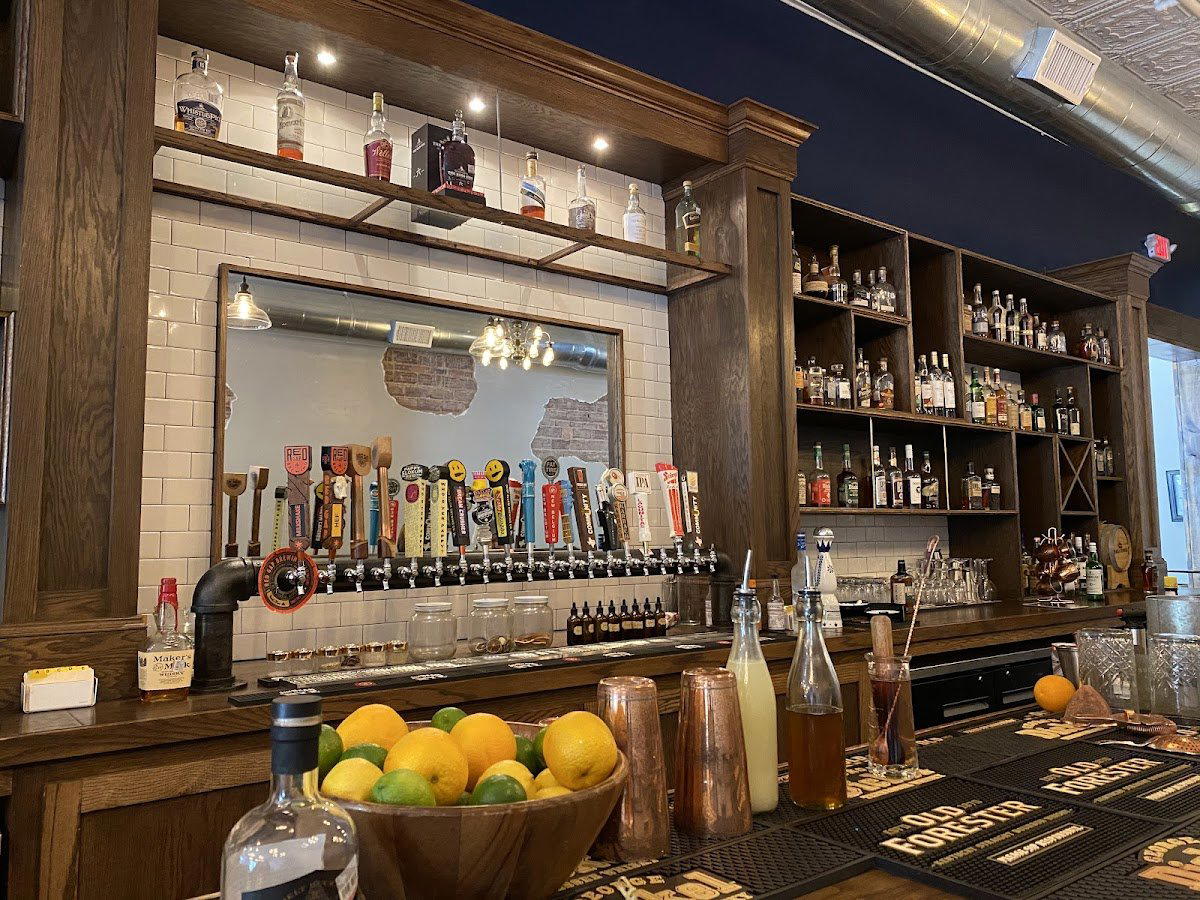
The Name as a Framework
The Twenty-First Amendment to the U.S. Constitution, ratified in December 1933, did more than end Prohibition — it established the legal architecture under which American bar culture rebuilt itself over the following nine decades. A bar that takes that amendment as its name is making a statement about where its priorities sit: in the tradition of serious spirits service, in the history of what it means to pour a drink legally and well. In Abilene, where the hospitality scene has historically leaned toward casual dining and beer-focused venues, a bar operating under that kind of conceptual weight occupies a specific position. It signals intent before you walk through the door.
Amendment 21 is located at 382 Chestnut St in Abilene, TX 79602 — a downtown-adjacent address that places it within the cluster of independent food and drink operators that have gradually thickened the city's hospitality offering over the past decade. Abilene is not a city that generates significant bar press at the national level, which means that operators working here tend to build their programs for a local audience that rewards consistency and depth over trend-chasing. That context shapes what to expect from a venue like this one.
Back Bar as Argument
Across American cities, the serious cocktail bar has split into two recognizable formats: the high-concept venue with a tight, frequently rotating menu designed around a signature technique, and the spirits-collection bar where the back bar itself is the primary editorial statement and the cocktail menu serves as a guide to navigating it. The latter format has particular resonance in markets outside the major coastal cities, where a carefully assembled collection of whiskeys, agave spirits, or aged rums can represent years of deliberate sourcing rather than a single well-funded opening order.
The name Amendment 21 aligns it conceptually with the spirits-collection tradition. Prohibition-era naming conventions in American bar culture almost always signal a specific orientation: toward whiskey, toward American craft spirits, toward the idea that the drink itself, its provenance, its production, its age statement, is as important as what surrounds it. Whether that orientation is executed through a deep bourbon and rye selection, a curated American whiskey flight program, or a back bar that documents the geography of domestic distilling is something a visit will confirm; the verified venue data does not specify the exact spirits focus. What the name and address together suggest is a bar that has staked its identity on the drink rather than on the room's atmosphere or the kitchen's output.
For comparison, the craft-forward bars that have defined serious American drinking rooms in recent years, places like ABV in San Francisco, Kumiko in Chicago, or Jewel of the South in New Orleans, demonstrate how a declared conceptual identity can anchor a bar's reputation across different scales of market. In smaller cities, a similar commitment to a defined spirits perspective tends to generate stronger community loyalty precisely because the competition for that audience is less dense. Abilene's bar scene, which includes Blue Agave, Copper Creek Restaurant, and Cork and Pig Tavern, spans a range of formats and price points; a spirits-focused operator here addresses an audience that is likely underserved relative to its size and appetite.
Abilene's Drinking Context
West Texas drinking culture has its own logic. The distances between cities are long, the local economies are shaped by agriculture, energy, and the military presence at Dyess Air Force Base, and the hospitality industry reflects those realities in its emphasis on value, familiarity, and volume over curation. Against that backdrop, a bar named for the constitutional repeal of Prohibition is positioning itself as something other than a neighborhood sports bar or a margarita-and-Tex-Mex staple. It is addressing the portion of the Abilene population, and the portion of the regional visitor population, that wants a considered drink in a deliberate setting.
That positioning has parallels elsewhere in smaller American cities. Julep in Houston built its identity around Southern whiskey tradition in a market that was historically underserved for that format. Bar Leather Apron in Honolulu demonstrated that a serious cocktail program could find its audience even in a leisure-dominated market. Superbueno in New York City and The Parlour in Frankfurt show that format discipline, not market size, tends to determine whether a bar develops a reputation beyond its immediate neighborhood. The question for Amendment 21 is whether its spirits program carries the depth that the name implies.
Planning a Visit
Amendment 21 is located at 382 Chestnut St in Abilene, a direct downtown address accessible from the city's main corridors. Given the venue's positioning within Abilene's hospitality cluster, pairing a visit with dinner at a nearby operator like Armando's Mexican Food or another spot from our full Abilene restaurants guide makes practical sense. Price range and booking requirements are not listed in verified data, which suggests walk-in access is likely the default format, typical for the Abilene market, but confirming via direct contact before a special occasion visit is prudent.
Continue exploring
More in Abilene
Bars in Abilene
Browse all →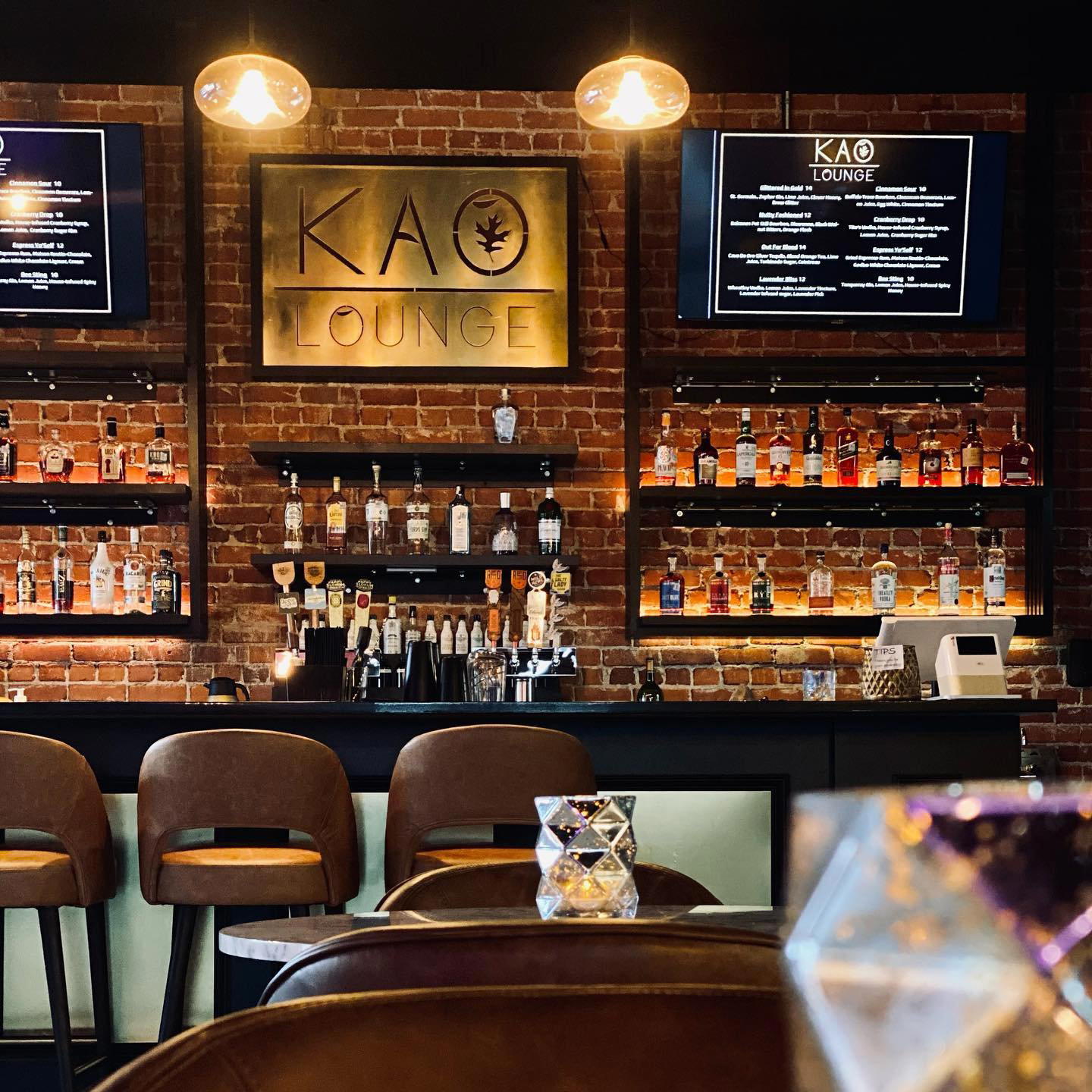


Restaurants in Abilene
Browse all →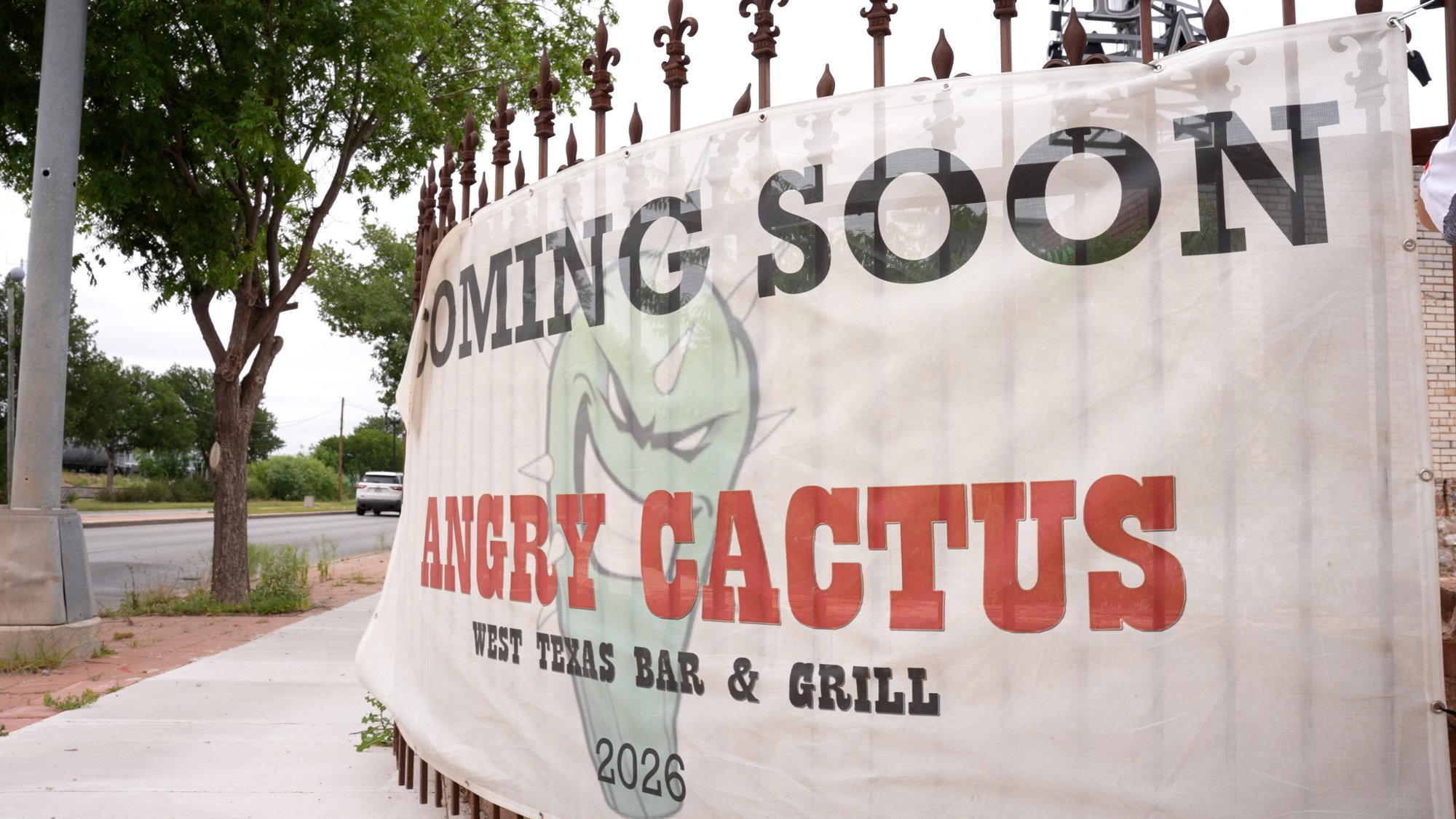
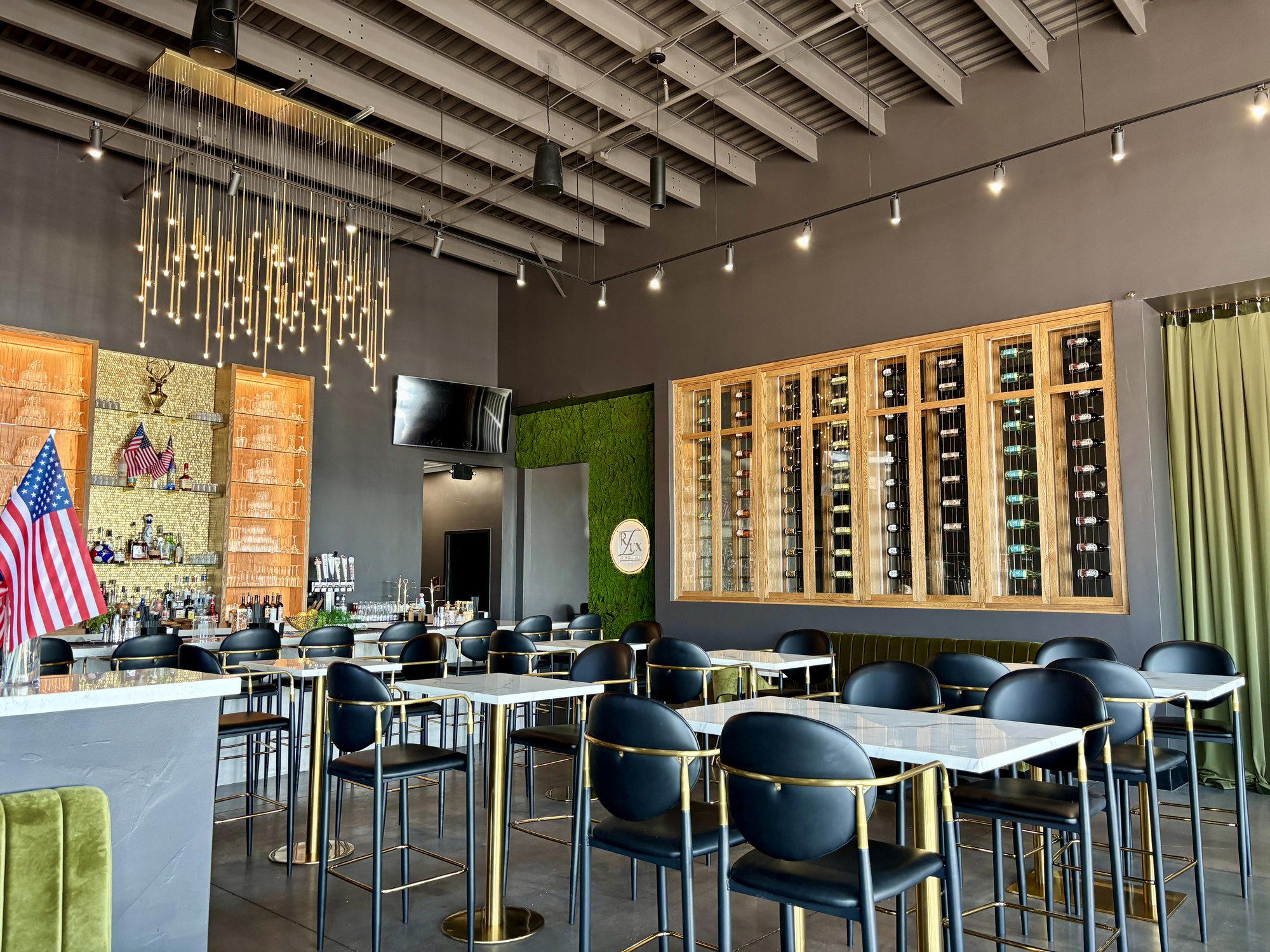
Hotels in Abilene
Browse all →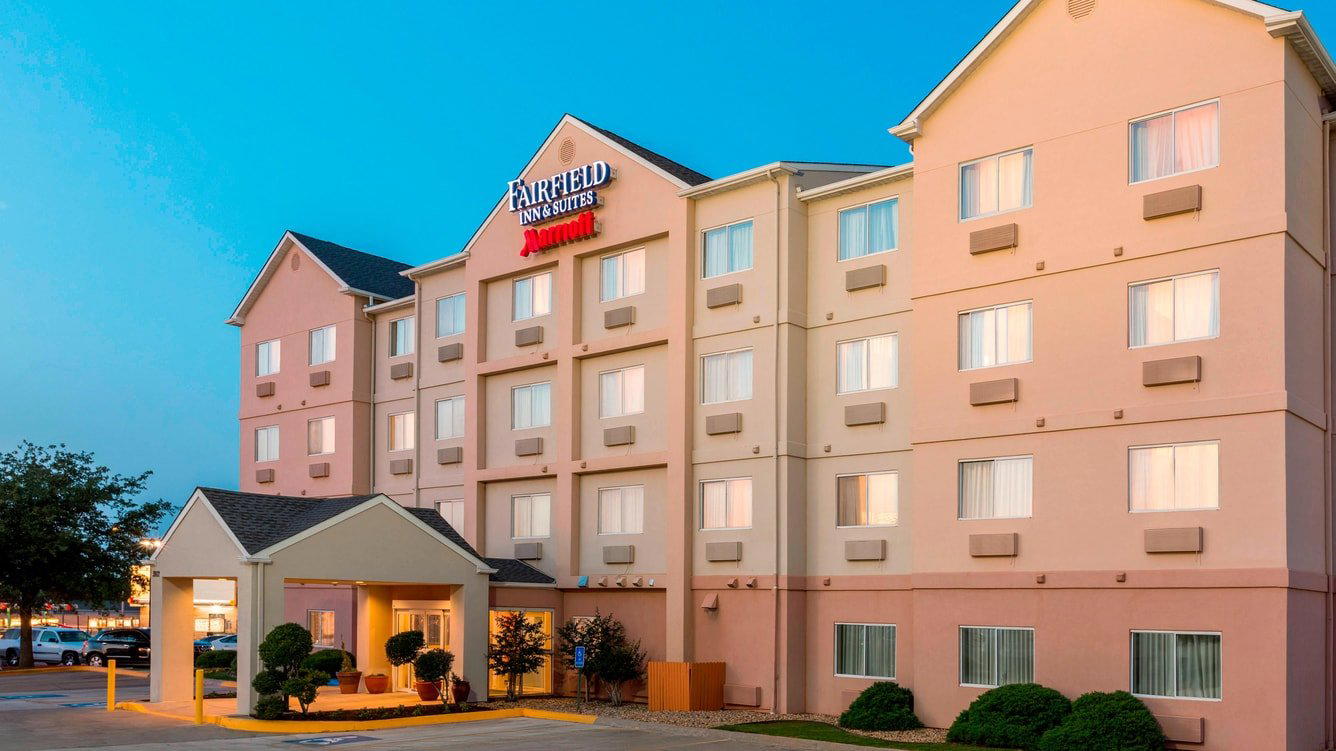
At a Glance
- Historic
- Cozy
- Trendy
- Date Night
- Casual Hangout
- Late Night
- Historic Building
- Live Music
- Lounge Seating
- Outdoor Terrace
- Whiskey
- Craft Cocktails
- Craft Beer
- Street Scene
Current opening hours
- Monday
- Closed
- Tuesday
- Closed
- Wednesday
- Closed
- Thursday
- 5–10 PM
- Friday
- 5 PM–1 AM
- Saturday
- 4 PM–1 AM
- Sunday
- Closed
Hours can change for holidays and private events. Last verified .
Sophisticated and elegant with cozy historic atmosphere.
Know Before You Go
- Getting there
- 382 Chestnut St, Abilene, TX 79602