Habita Hotel
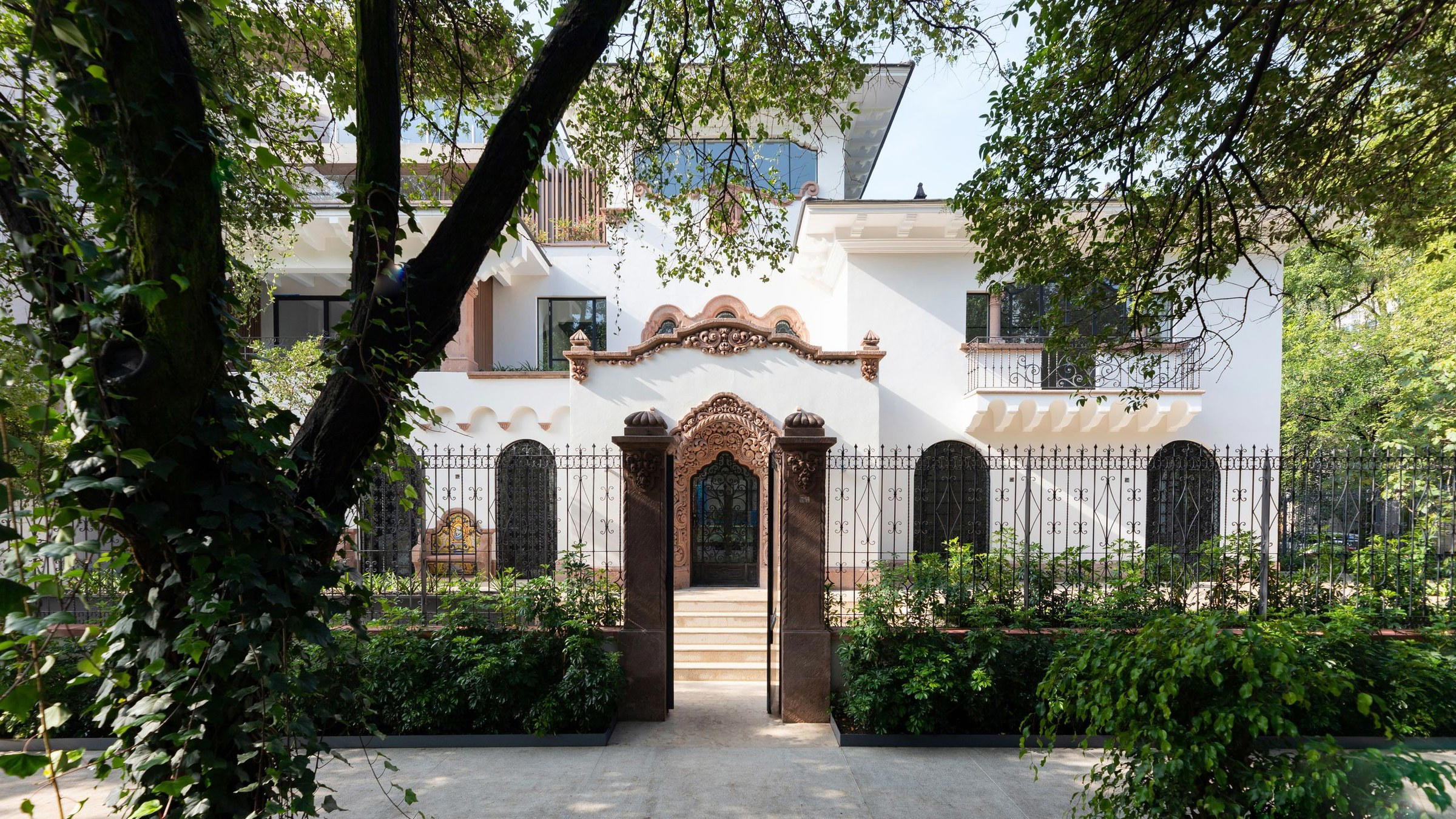
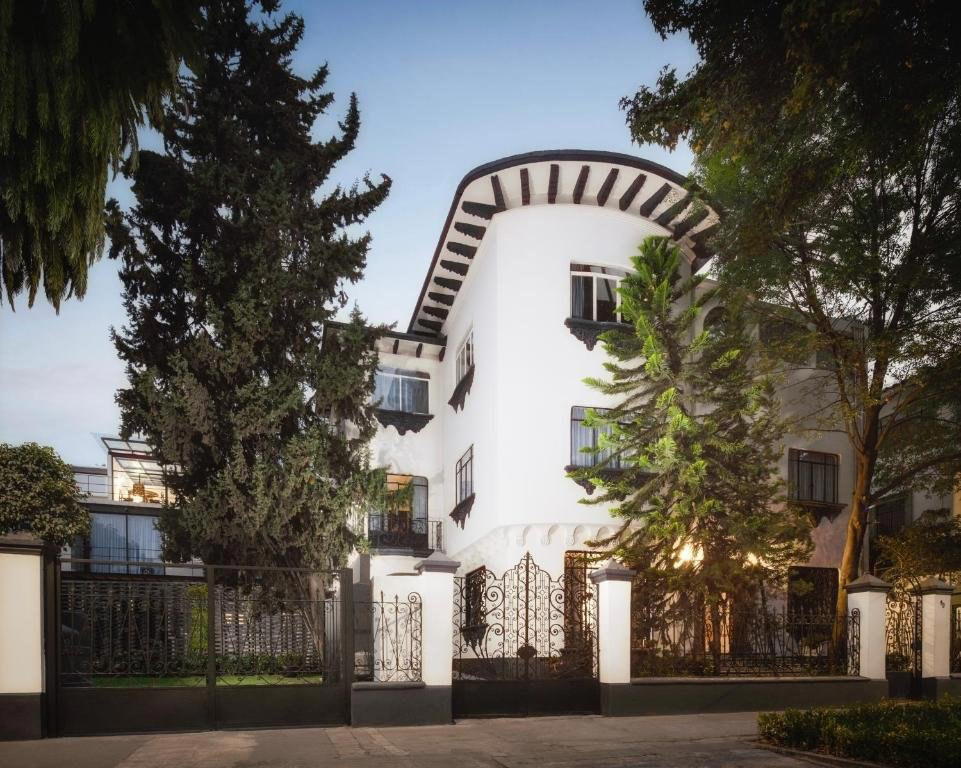
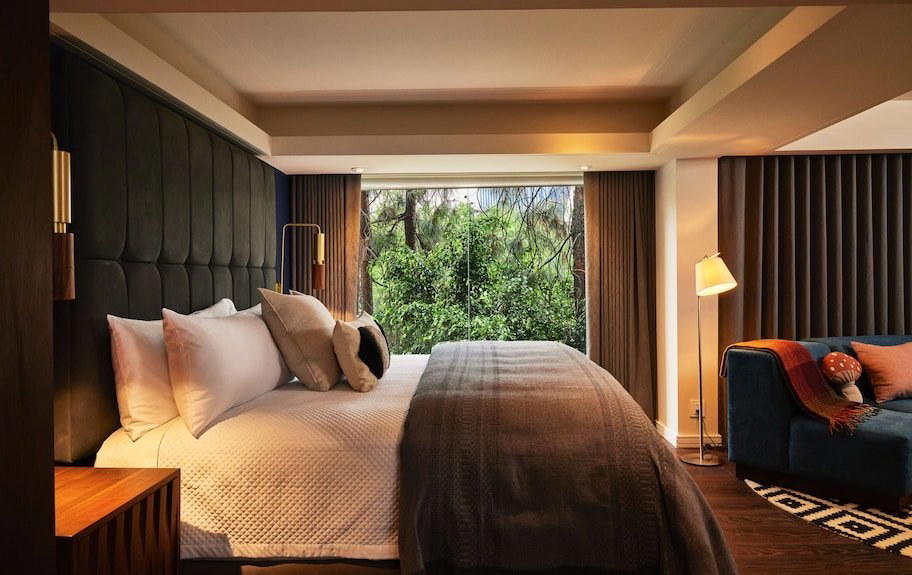
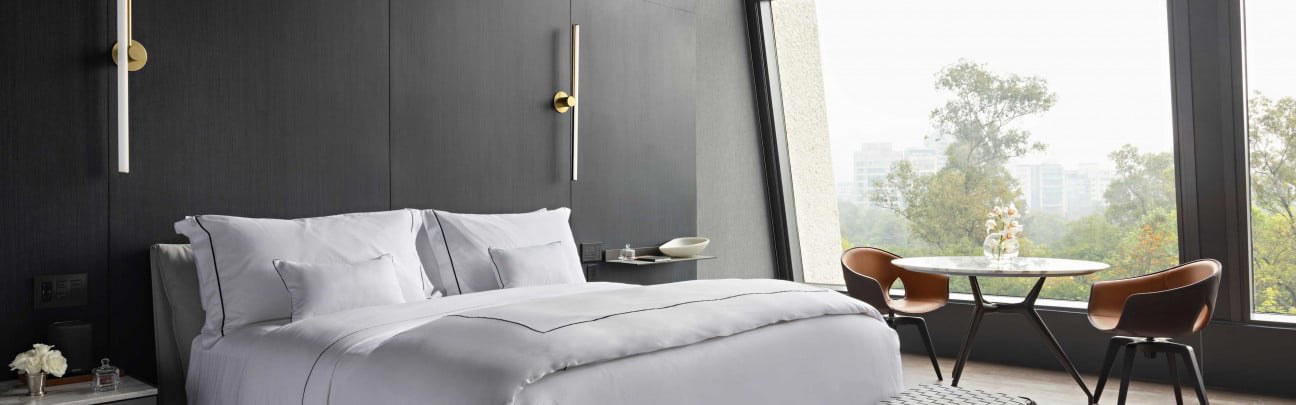
Habita Hotel occupies a converted modernist building on Presidente Masaryk, Polanco's most-watched boulevard, where the rooftop pool deck and ground-floor bar have drawn Mexico City's design-conscious crowd since the property opened. The hotel sits at a crossroads between boutique restraint and social programming, making its bar and food offer as much a neighbourhood fixture as a hotel amenity.
Pearl is the En Primeur Club membership app — saves, bookings, and concierge access live there. Same editors, same standards.
- Address
- Presidente Masaryk 201 Miguel Hidalgo, Av. Pdte. Masaryk 201, Polanco, Miguel Hidalgo, 11560 Ciudad de México, CDMX, Mexico
- Phone
- +52 55 5282 3100
- Website
- hotelhabita.com
- Directions
- Get directions
 Saves & bookings on Pearl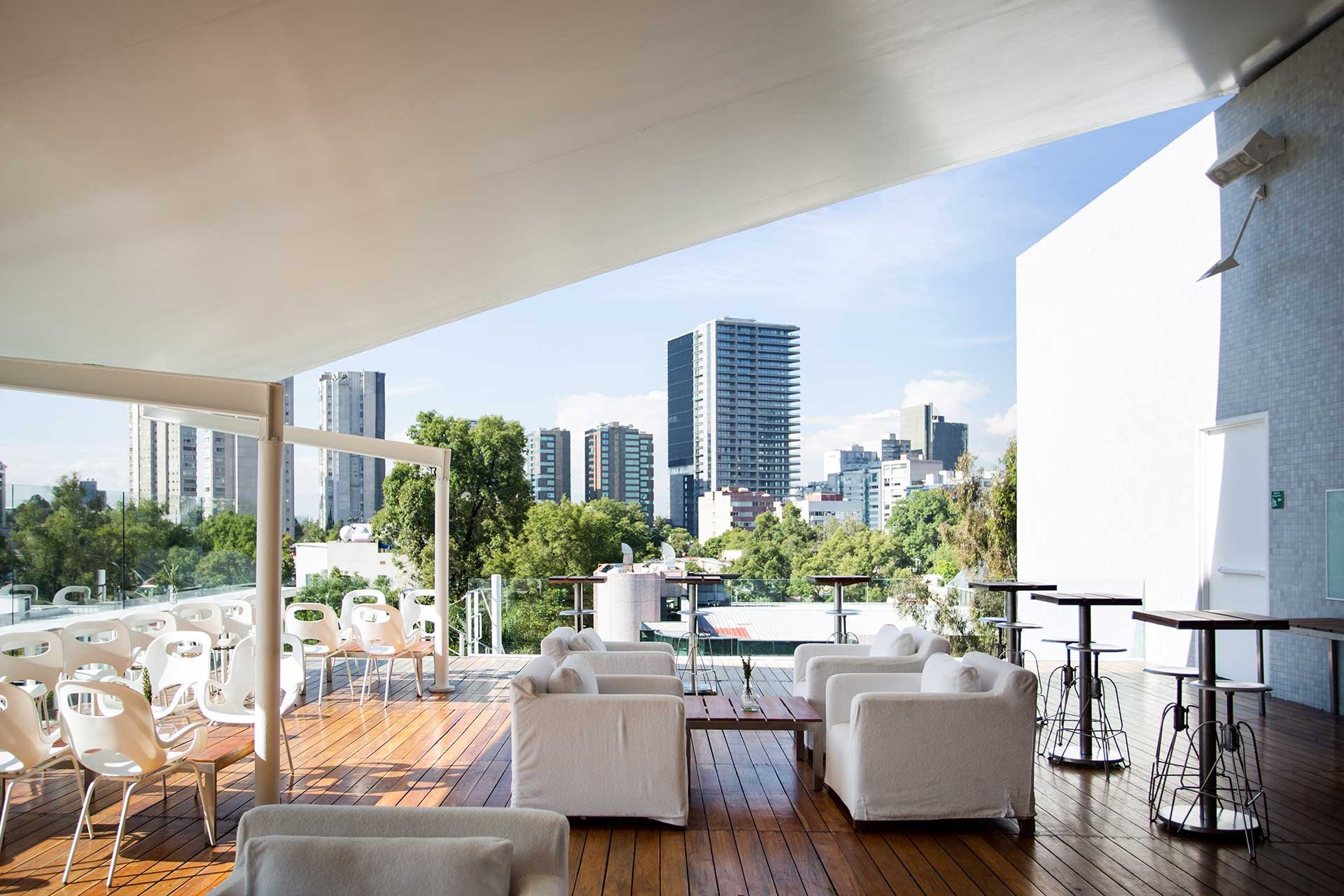
Polanco's Rooftop Logic
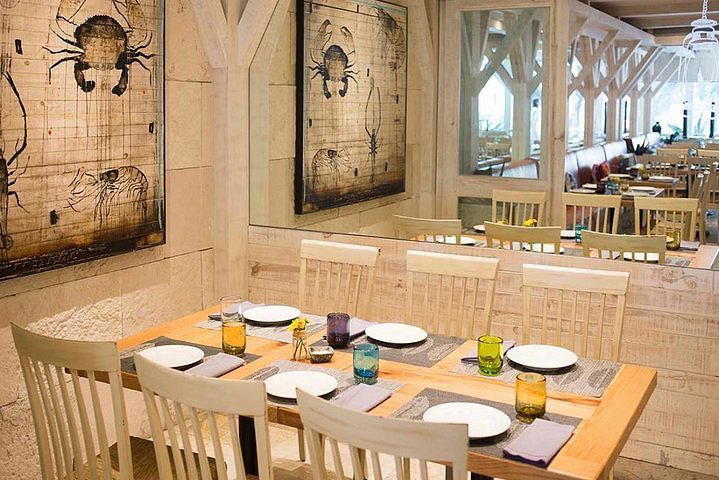
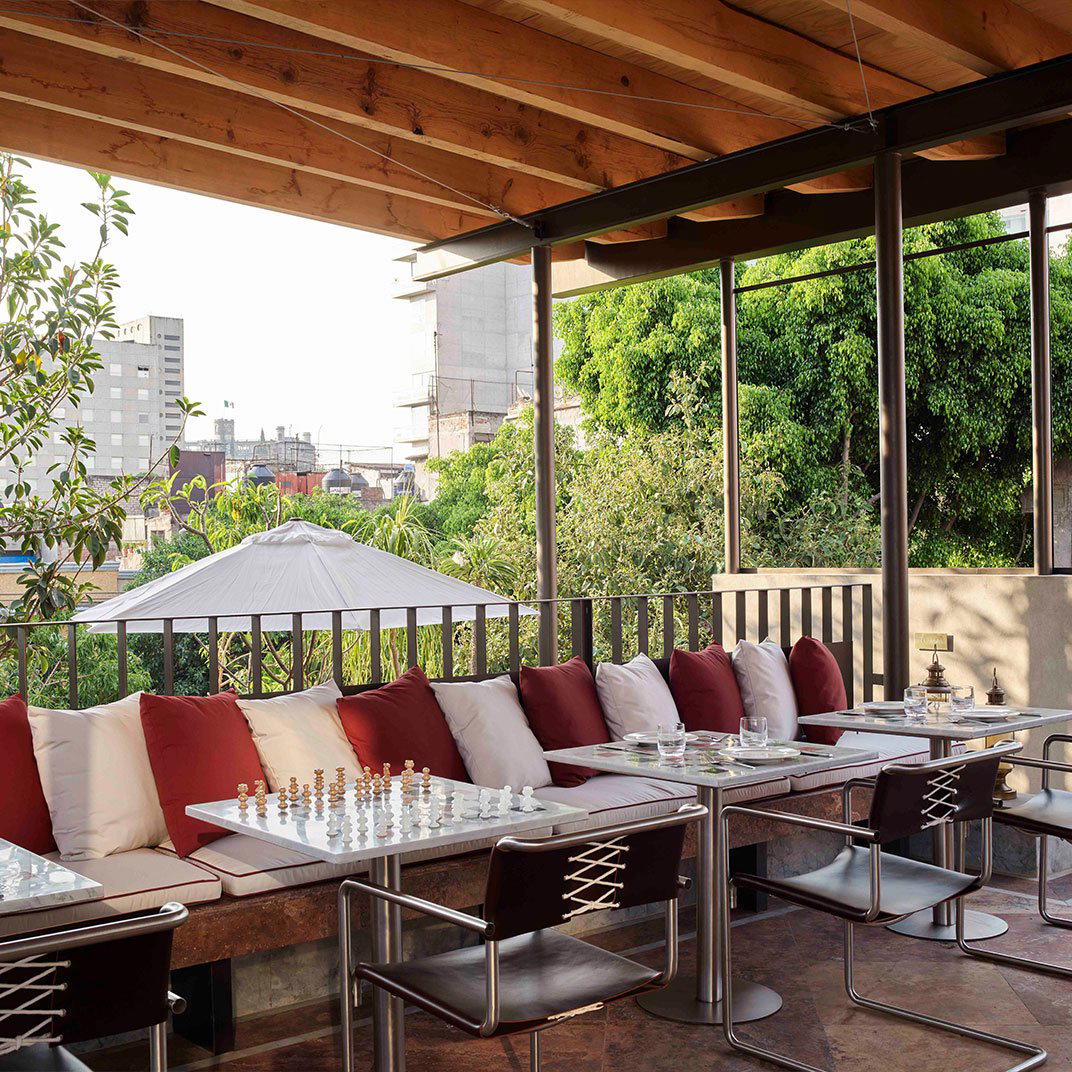
Presidente Masaryk runs through Polanco like a spine, and the hotels and restaurants that line it are read by Mexico City's well-travelled residents as a barometer of where the neighbourhood is heading. Habita Hotel, at number 201, arrived when the boutique-hotel format was still a relatively new proposition in the capital, and its rooftop pool deck quickly became the kind of place that local architects, creative directors, and visiting editors used as a default meeting point. That social function has shaped how the hotel's food and drink programme developed: it is less about feeding guests between activities and more about holding a room that has somewhere else to be.
Habita belongs to that upper tier, where the bar programme and accompanying food carry as much weight in the property's identity as the room count or amenity list.
The Bar as the Building's Engine
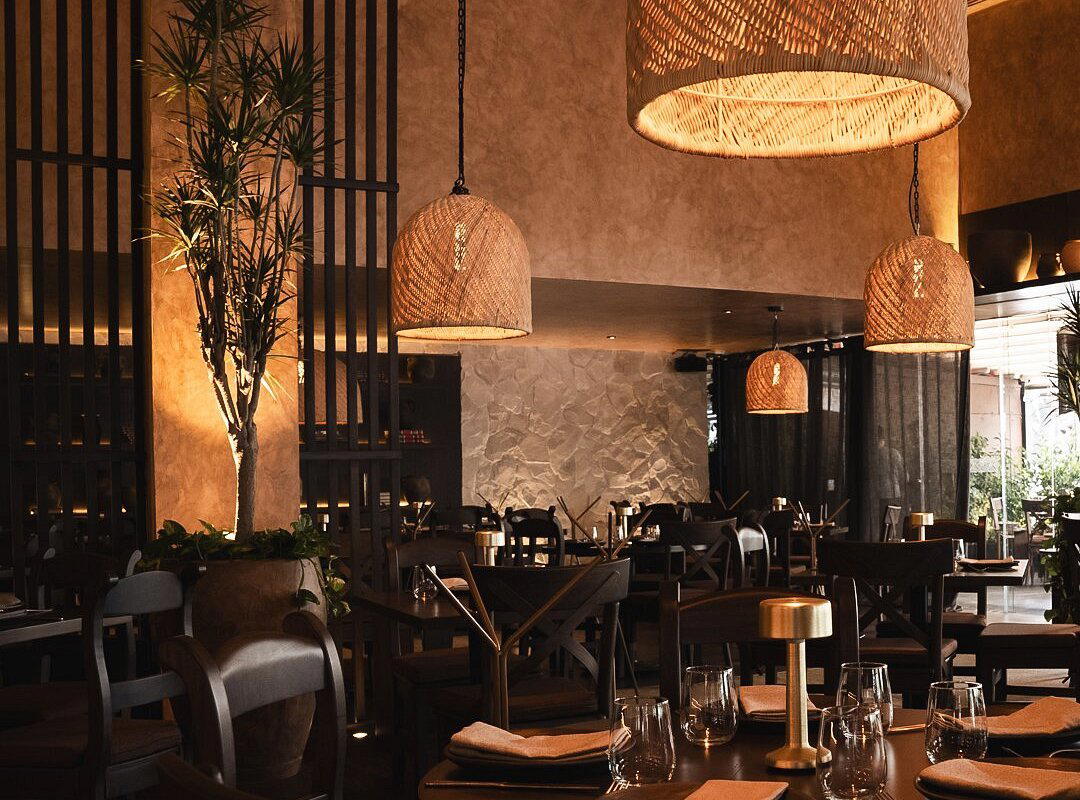
In hotels where the bar is merely a convenience, the food offer tends to reflect that ambivalence: small plates assembled for speed rather than thought, a wine list that defers to recognisable labels. Habita's rooftop bar operates from a different premise. The drinks list has historically leaned into the category of clarity-led, spirit-forward builds that have come to define Mexico City's more technically ambitious bar scene. Baltra Bar and Bar Mauro represent the city's standalone cocktail venues pulling in the same direction, while properties like Habita demonstrate that hotel bars are capable of operating at the same register when the programming is taken seriously.
What matters editorially about Habita's bar position is what it implies for the food. When a hotel invests in a drinks programme with real conviction, the kitchen either matches that ambition or creates a friction point that guests notice. The food at Habita has generally been positioned to complement rather than compete with the bar, meaning lighter, well-sourced plates that hold up over a long evening on the rooftop without demanding the kind of attention that would pull focus from conversation or from a well-made mezcal build.
Food and Drink in Dialogue
The pairing logic at rooftop hotel bars in warm-weather cities tends to follow a consistent grammar: the food should have enough acidity, salinity, or textural contrast to work alongside cocktails without fighting them for the palate's attention. Mexico City gives this logic additional stakes because the local ingredient tradition is deep enough that a kitchen can draw on it without resorting to the kind of vague pan-Latin shorthand that ends up meaning nothing. Tomatillos, chiles, masa in various forms, fresh herbs like epazote and hoja santa — these are not exotic additions here; they are the baseline. A bar food programme built on them pairs naturally with mezcal-forward cocktails or with the kind of highball-adjacent drinks that Mexican bartenders have been developing as the country's spirits gain international recognition.
The rooftop setting also compresses the food requirement in a useful way. Guests at altitude in the evening, with a view over Polanco's tree-lined streets, are typically ordering to sustain rather than to dine. Small plates, snacks with a degree of craft behind them, and perhaps one or two more substantial options that can be shared across the table: this is the format that works, and it is the format that allows the bar programme to remain the primary frame. Bijou Drinkery Room and Brujas operate standalone bar formats in the city where the food component answers similar questions about how to keep a drinks-focused room fed without pulling it off course.
Polanco in Context
Understanding Habita's position requires reading Polanco correctly. The neighbourhood carries the highest concentration of international luxury retail in Mexico City, and the dining and hotel properties that operate within it are priced and programmed accordingly. This is not where you find Mexico City's most experimental or lowest-cost bar culture — that gravity sits in Roma, Condesa, and increasingly in Doctores and Tepito. What Polanco offers instead is a certain quality of production: rooms that have been thought through, service that has been trained to an international standard, and bars where the spirits selection reflects both local provenance and global awareness.
For visitors cross-referencing Mexico's bar scene at a national level, the range is considerable. Arca in Tulum anchors the jungle-luxury end of the spectrum, La Capilla in Tequila represents the historic cantina tradition at its most distilled, and El Gallo Altanero in Guadalajara operates as one of the more serious agave-focused programmes outside the capital. Habita sits at a different coordinate entirely: urban, design-led, and pitched to a guest who is as likely to be a Mexico City resident as an international traveller. See our full Mexico City restaurants guide for a wider map of where the capital's food and drink energy is concentrated by neighbourhood.
Planning a Visit
The rooftop at Habita is the primary draw for non-guests, and access policies can vary by season and occupancy. The property sits at Presidente Masaryk 201 in Polanco, directly accessible from the Polanco metro station on Line 7, which puts it within reach of Roma Norte and Condesa without requiring a car. Evenings on the rooftop are most useful between Thursday and Saturday when the social energy is at its highest; weekday afternoons offer a quieter read of the space. Non-hotel guests are generally advised to arrive early or confirm access in advance, particularly on weekends when pool-deck capacity is a practical constraint. The Polanco hotel tier runs at price points that align with mid-range international boutique properties, so room rates and bar tabs both reflect that positioning rather than the lower price floors found elsewhere in the city. For those building a broader Mexico visit, Bekeb in San Miguel de Allende, Aruba Day Drink in Tijuana, and Coco Bongo in Cancun represent three very different registers of the country's wider hospitality range. Outside Mexico, Bar Leather Apron in Honolulu offers a point of comparison for how Pacific hotel bar programmes approach the same food-and-drink pairing question from a different ingredient tradition.
Continue exploring
More in Mexico City
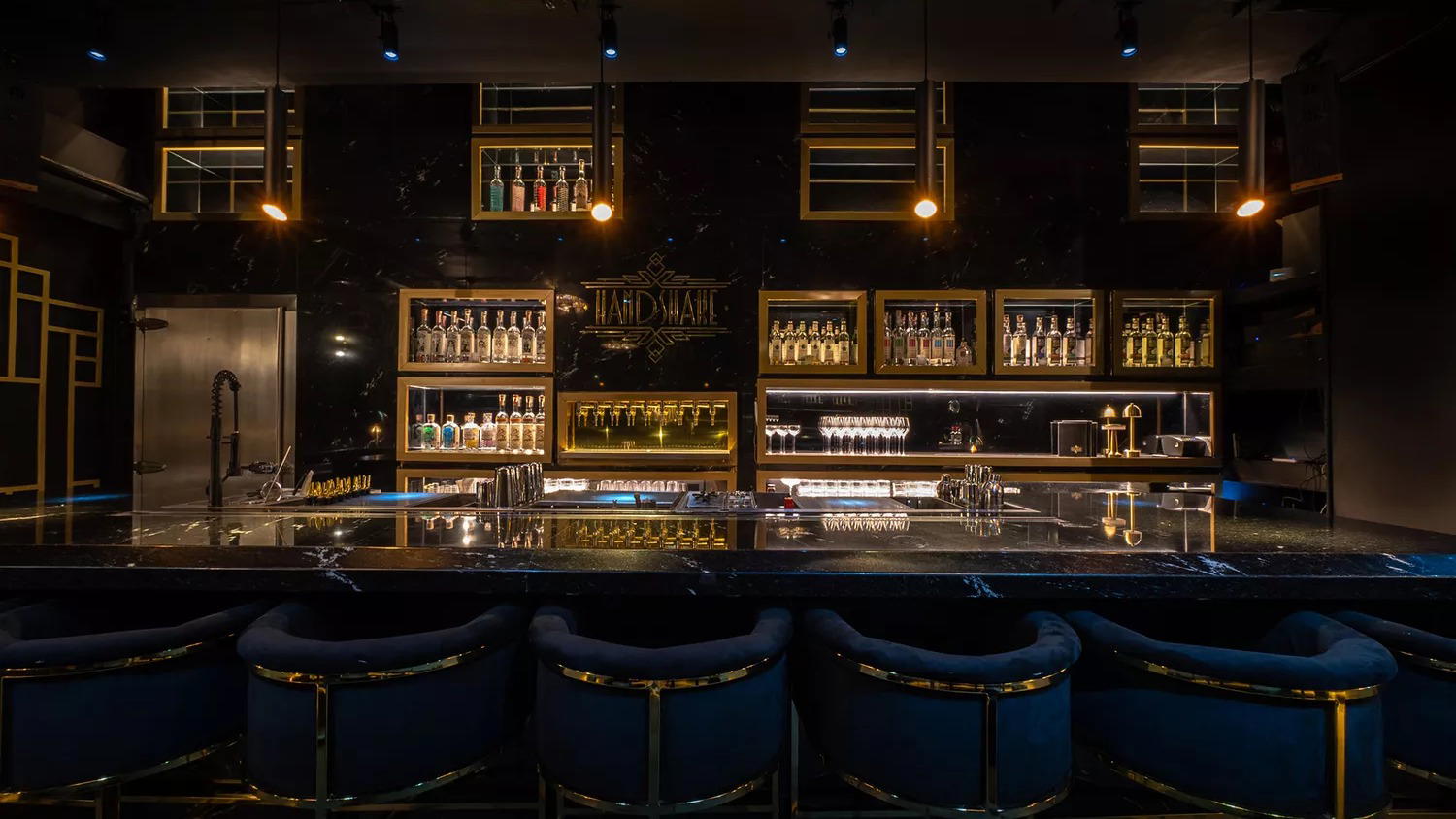
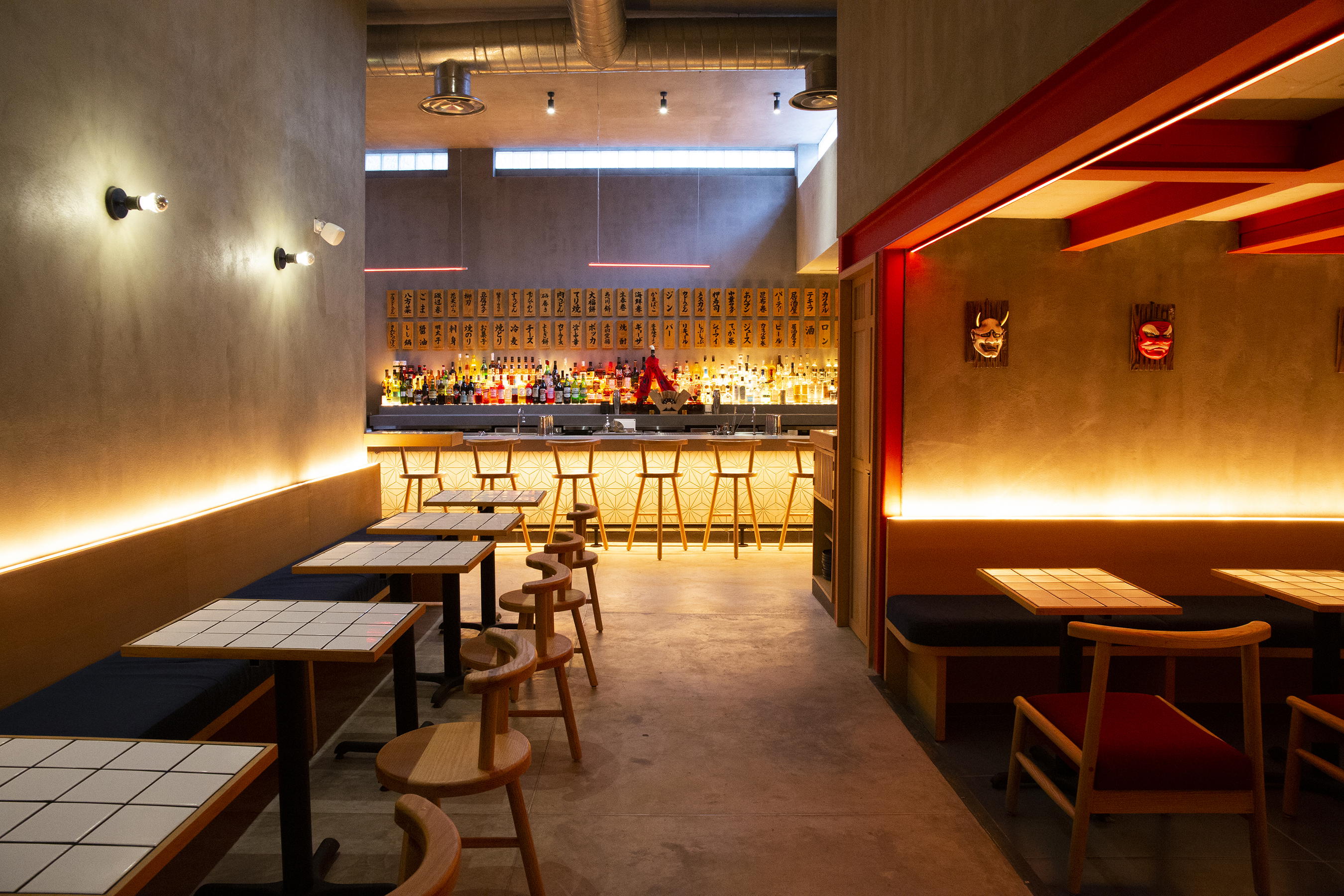
Bars in Mexico City
Browse all →
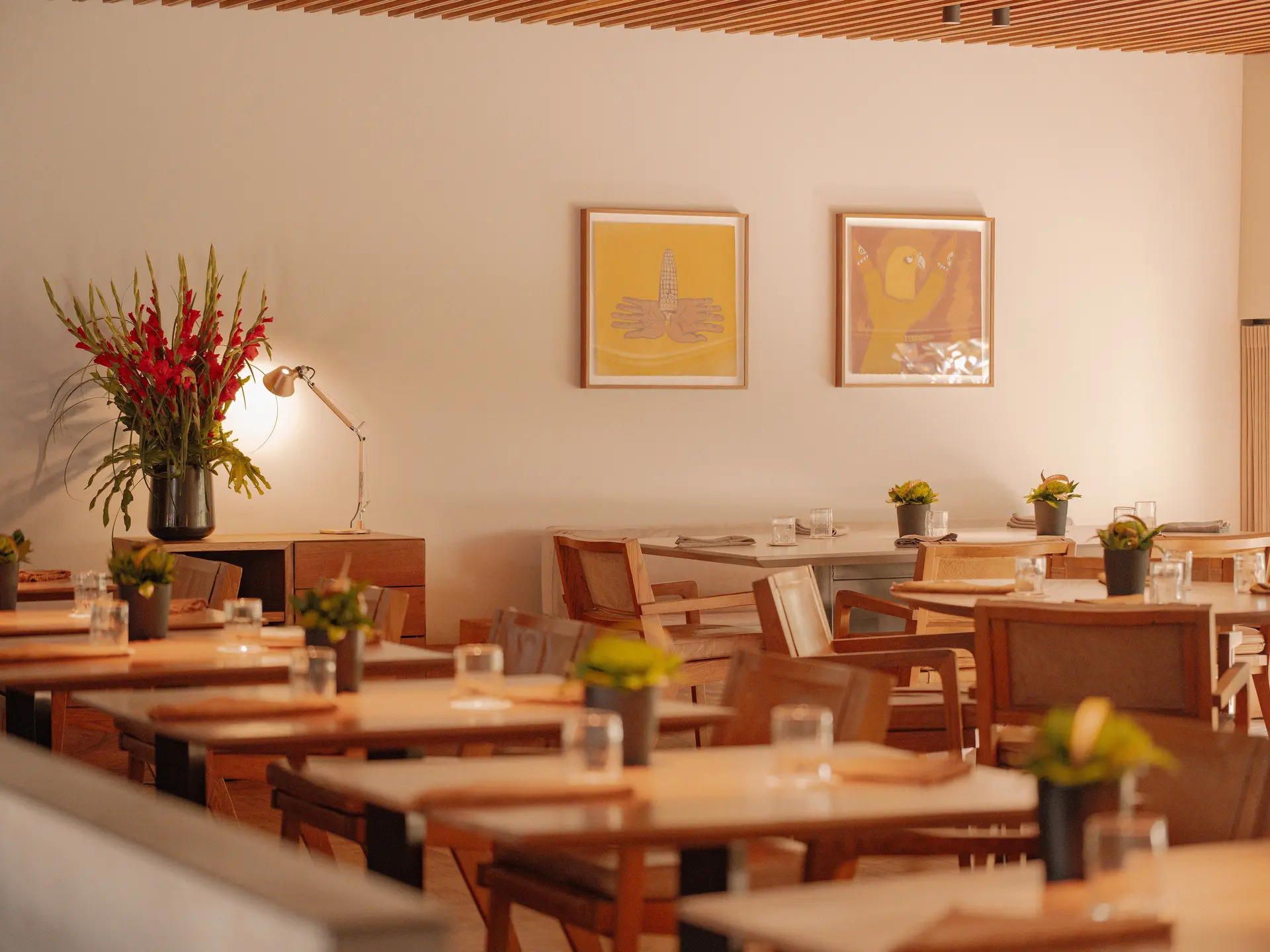
Restaurants in Mexico City
Browse all →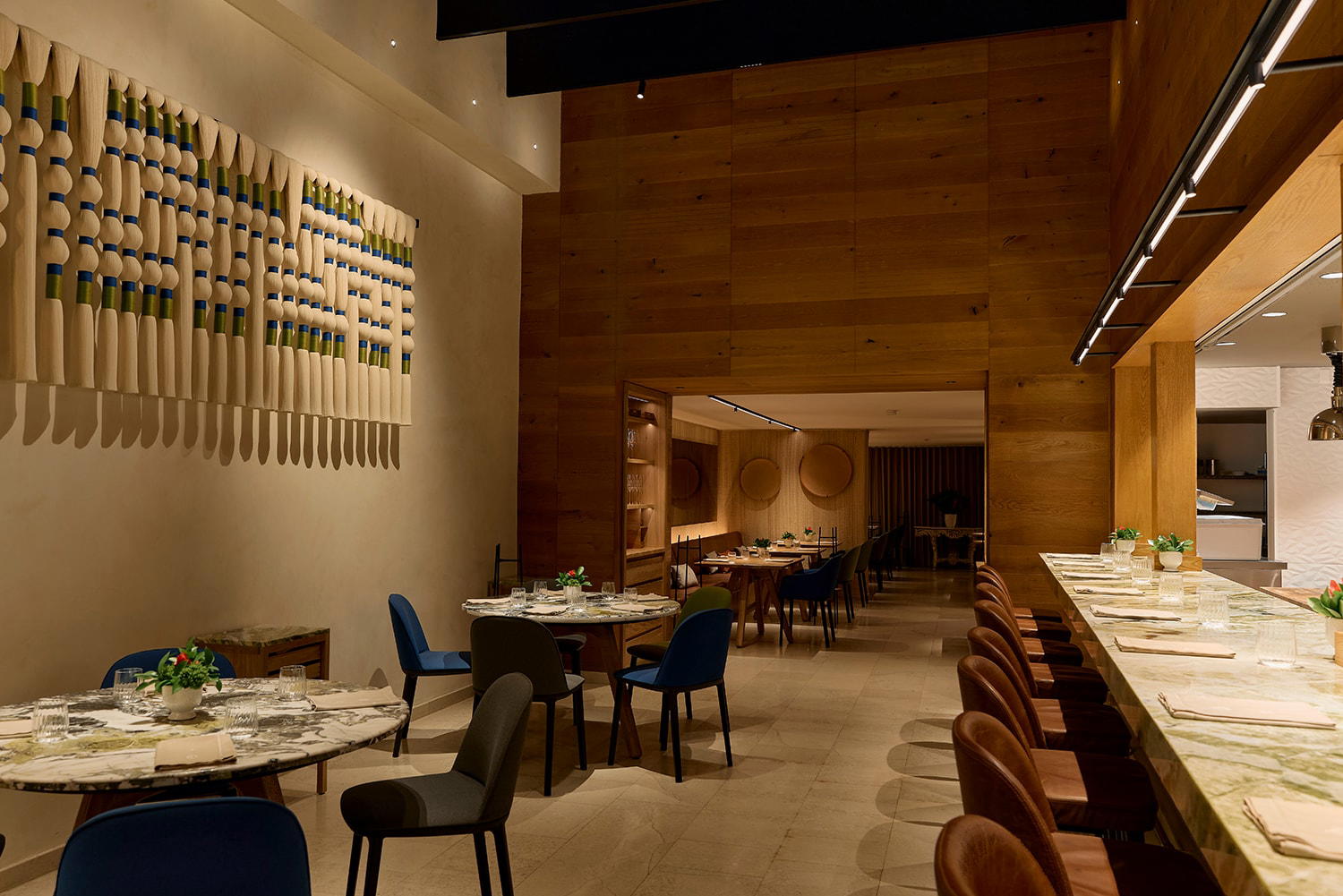
At a Glance
- Sophisticated
- Trendy
- Scenic
- Modern
- Energetic
- Date Night
- After Work
- Group Outing
- Special Occasion
- Private Event
- Rooftop
- Panoramic View
- Design Destination
- Hotel Bar
- Terrace
- Outdoor Terrace
- Lounge Seating
- Seated Bar
- Craft Cocktails
- Classic Cocktails
- Mezcal
- Tequila
- Skyline
Design-forward and sophisticated, with a casual-yet-elegant ground-floor restaurant and a rooftop/bar scene that feels theatrical, lively, and skyline-focused.
Know Before You Go
- Getting there
- Presidente Masaryk 201 Miguel Hidalgo, Av. Pdte. Masaryk 201, Polanco, Miguel Hidalgo, 11560 Ciudad de México, CDMX, Mexico