Google: 4.5 · 385 reviews
Gui Steakhouse – NYC Times Square
Gui Steakhouse occupies a deliberate position in the Times Square dining corridor, where mid-block addresses on 8th Avenue draw a mix of pre-theatre diners and destination-seeking locals. The steakhouse format here operates within a neighbourhood defined more by volume than craft, making any counter-current commitment to kitchen and floor collaboration worth examining on its own terms.
 Discover on Pearl
Pearl is the En Primeur Club membership app — saves, bookings, and concierge access live there. Same editors, same standards.
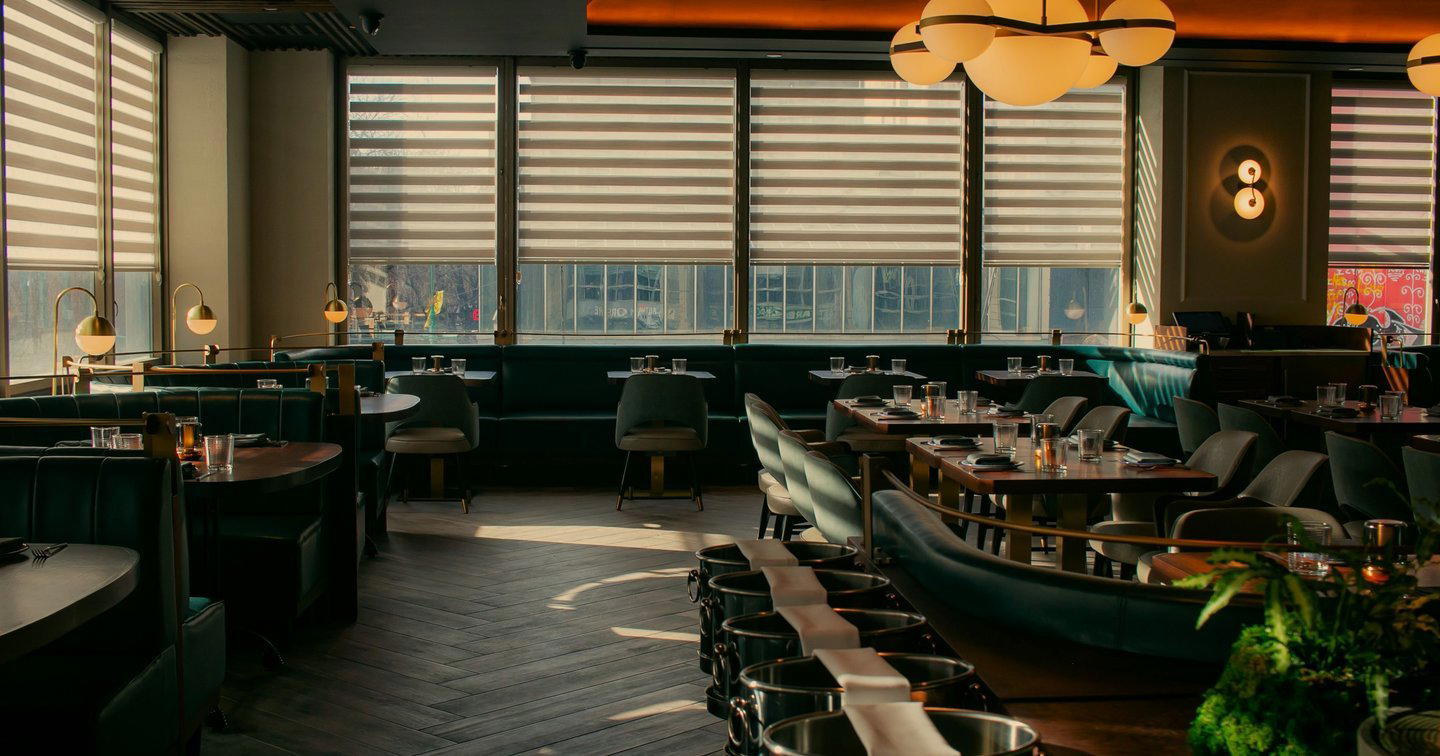
Steakhouse Culture in the Times Square Corridor
The midtown West side of Manhattan has long operated on a different dining logic than the rest of the city. On and around 8th Avenue, the pressure of pre-theatre traffic, tourist throughput, and hotel dining means that most rooms run on format and volume rather than specificity and restraint. Against that pattern, steakhouses have historically been one of the few categories to hold their ground, partly because the format travels well across different diner profiles, and partly because a well-executed cut of beef requires no translation. Gui Steakhouse, at 776 8th Ave, occupies that corridor and positions itself within a category that New York has refined over decades into something approaching a civic institution.
The American steakhouse tradition in New York is older and more codified than most diners register. The city's great chophouses of the late 19th century established a service grammar that persists: tableside interaction, shared sides, a wine program weighted toward Cabernet, and a floor team that functions as much as host as server. That grammar did not disappear in the post-2000 fine dining era; it evolved. The contemporary steakhouse now carries expectations around sourcing transparency, beef provenance, and dry-aging protocol that would have been unrecognisable to earlier generations. How any given room meets those expectations is largely a function of how its kitchen, wine, and floor teams coordinate.
The Case for Team Architecture in a Steakhouse Room
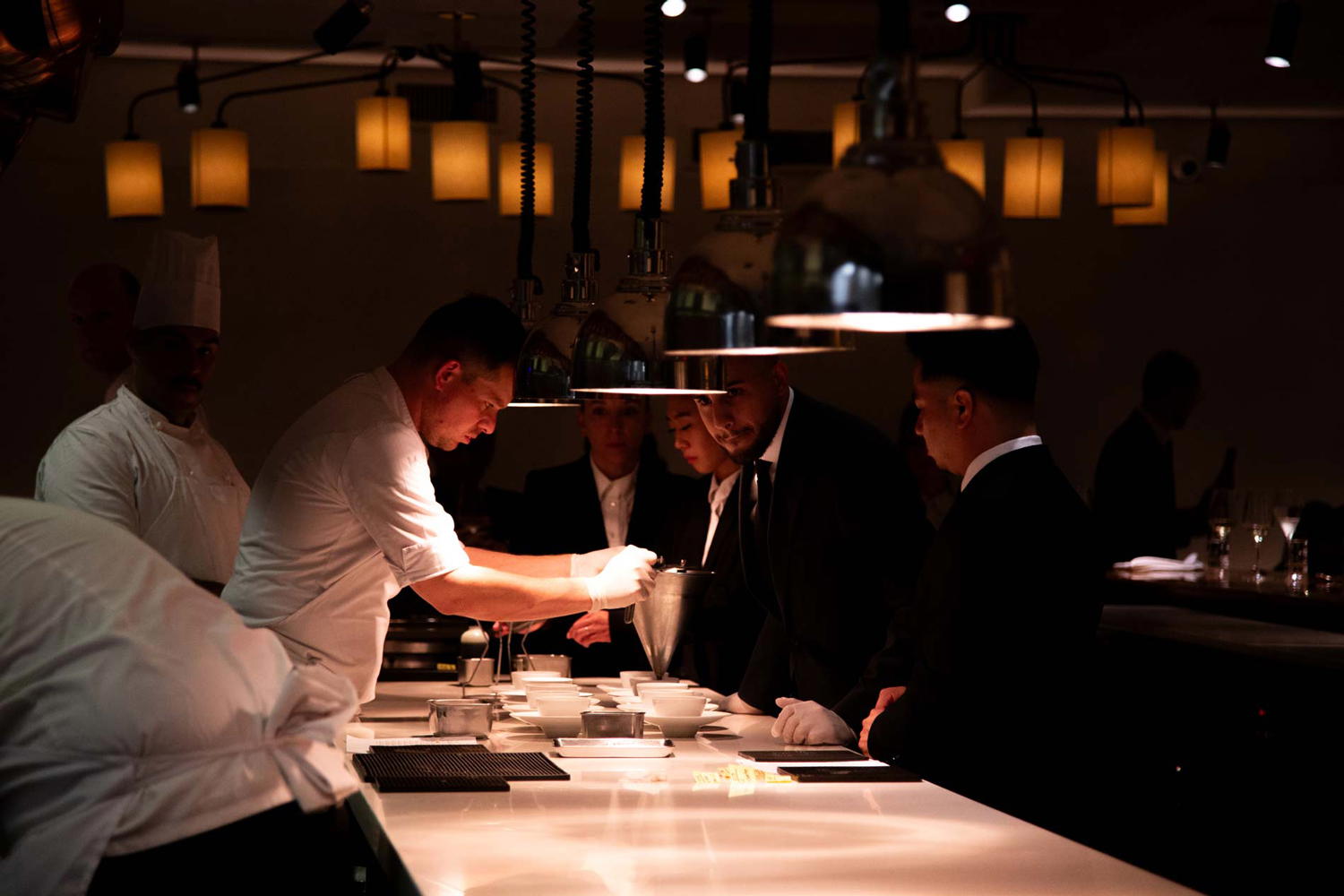
In steakhouse dining specifically, the collaboration between kitchen and floor carries more weight than in almost any other format. A tasting menu kitchen can absorb a disengaged front-of-house through sheer sequencing and presentation. A steakhouse cannot. The format is largely composed in the dining room: cuts are discussed and selected, cooking temperatures are negotiated, sides are sequenced, and wine pairings are built in real time between guest and sommelier. When that coordination works, the experience feels fluid and authoritative. When it fragments, even a technically correct piece of beef lands flat.
New York's most durable steakhouse rooms, from the Garment District to the Upper East Side, share a common thread: front-of-house staff who carry enough knowledge to bridge the gap between kitchen output and guest preference. The sommelier role in particular has expanded. Where once the job was to upsell a Napa Cabernet, the contemporary steakhouse sommelier is expected to move across regions, speak to finish and structure as they relate to different cuts, and field questions about by-the-glass programs that have grown considerably more complex. How these roles interact, and whether they present as a coherent team rather than separate departments, is one of the cleaner signals of a room's overall ambition.
What the Times Square Address Signals
Location in this part of midtown is as much a logistical statement as an aesthetic one. The blocks around 8th Avenue between 42nd and 57th Streets absorb some of the heaviest pedestrian density in the city, particularly in the evening hours before 8pm curtains at the surrounding theatres. For a steakhouse, that geography is both an opportunity and a constraint. The opportunity is sustained volume; the constraint is that a significant portion of that volume arrives with a fixed time horizon and a secondary agenda.
The leading rooms in this corridor have historically solved that problem through operational precision: tables that turn efficiently without feeling rushed, menus that are legible under time pressure, and floor teams trained to read the difference between a diner with two hours and a diner with forty-five minutes. For the latter, the sommelier's ability to make a fast, confident recommendation carries outsized importance. A hesitant or over-elaborate wine conversation in a pre-theatre window is a structural failure, not just a minor annoyance.
For broader context on where this room sits within the city's full dining picture, our New York City restaurants guide maps the range of formats and price tiers across all five boroughs.
Drinking in and Around the Steakhouse
The wine program at any steakhouse is the clearest expression of the sommelier team's editorial point of view. The category defaults toward weight and extract, but rooms that carry genuine range across structure styles and regional origin give the floor team more tools. Pairing a leaner Burgundy-method Pinot against a dry-aged strip requires a different conversation than steering a guest toward the expected Napa Cabernet, and the ability to have that conversation fluently separates a genuinely capable wine program from a list that exists primarily as a revenue mechanism.
Beyond the room itself, New York's cocktail program for the midtown West visitor is worth knowing. Superbueno and Amor y Amargo both represent the city's sharper technical end. Angel's Share remains a reference point for the city's quieter, precision-led Japanese-influenced bar tradition, while Attaboy NYC operates on a guest-driven format with no menu and considerable bartender authority. For travellers building a fuller picture of how serious cocktail programs operate in other American cities, Kumiko in Chicago, ABV in San Francisco, Julep in Houston, and Jewel of the South in New Orleans each illustrate how regional identity shapes bar programming. Further afield, Bar Leather Apron in Honolulu, Allegory in Washington, D.C., and The Parlour in Frankfurt on the Main extend the reference set internationally.
Planning Your Visit
Address: 776 8th Ave, New York, NY 10036. Reservations: Contact the venue directly; walk-ins are possible given the high-volume corridor, though evening seatings in the pre-theatre window fill quickly. Timing: Arriving before 6:30pm or after 9pm avoids the densest pre-theatre pressure and gives the floor team more room to pace the meal properly. Dress: Smart casual is the operative midtown standard for steakhouse dining; the category still carries an implicit formality that jeans-and-trainers combinations undercut. Budget: Pricing data is not confirmed in our database; expect midtown Manhattan steakhouse pricing, which typically runs $80-$180 per head before wine, depending on cut selection and table ordering patterns.
Fast Comparison
A quick context table based on similar venues in our dataset.
| Venue | Awards |
|---|---|
| Gui Steakhouse – NYC Times SquareThis venue — the venue you are viewing | |
| The Long Island Bar | World's 50 Best |
| Dirty French | |
| Superbueno | World's 50 Best |
| Amor y Amargo | World's 50 Best |
| Angel's Share | World's 50 Best |
Continue exploring
More in New York City
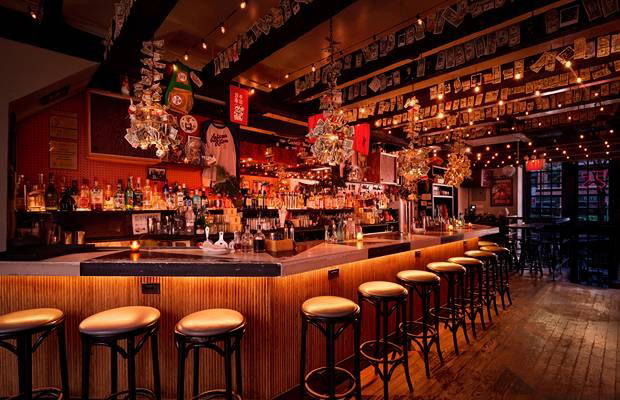
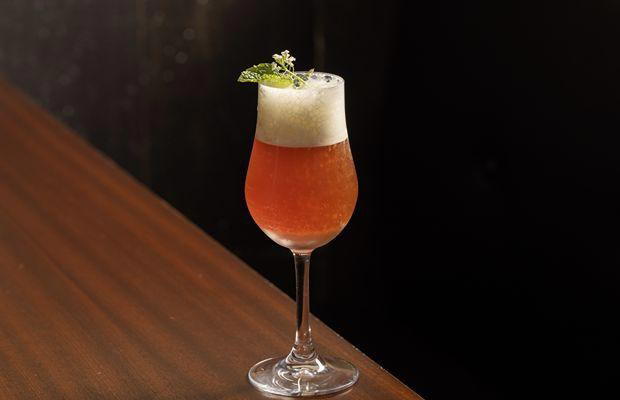
Bars in New York City
Browse all →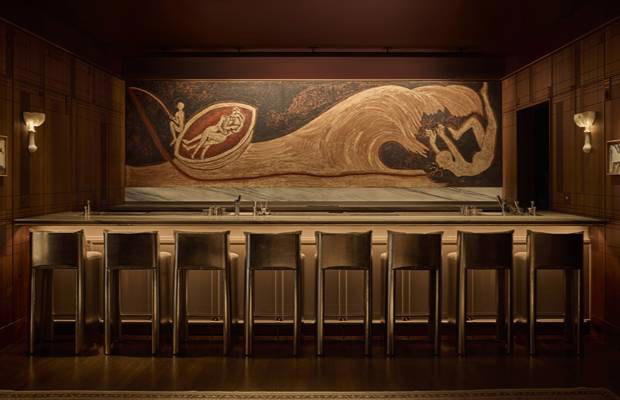
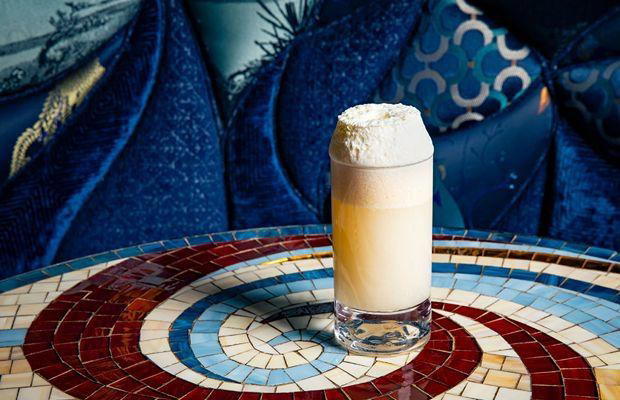
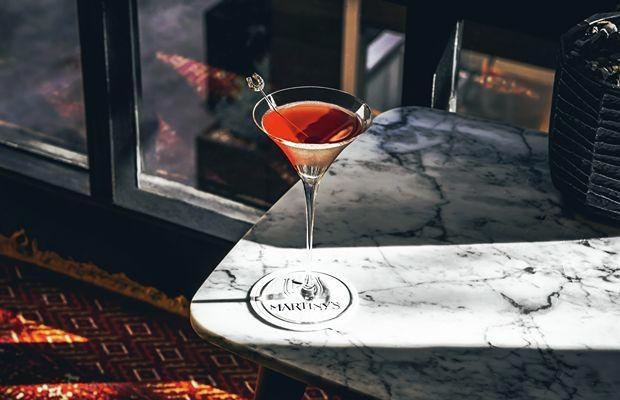
Restaurants in New York City
Browse all →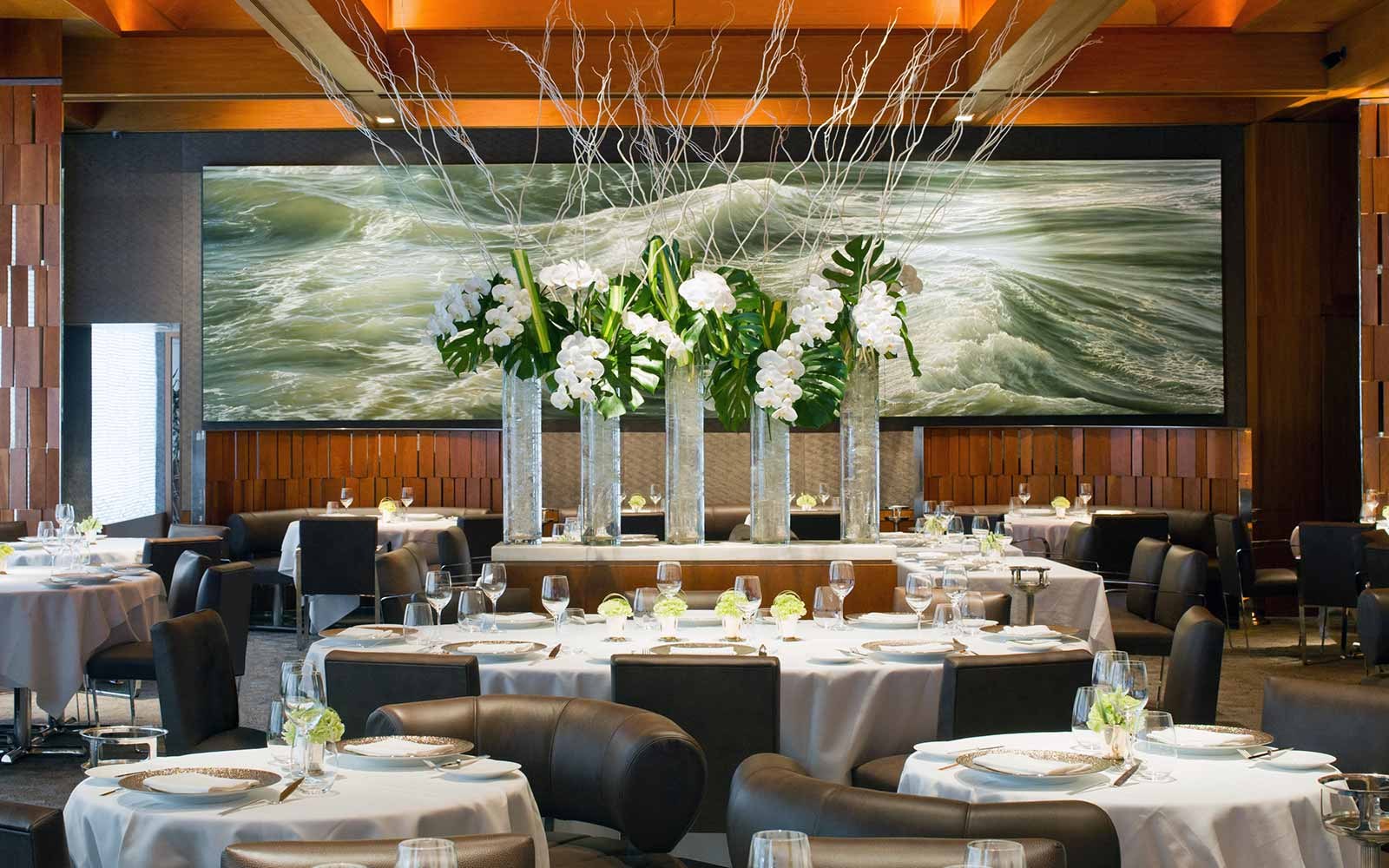
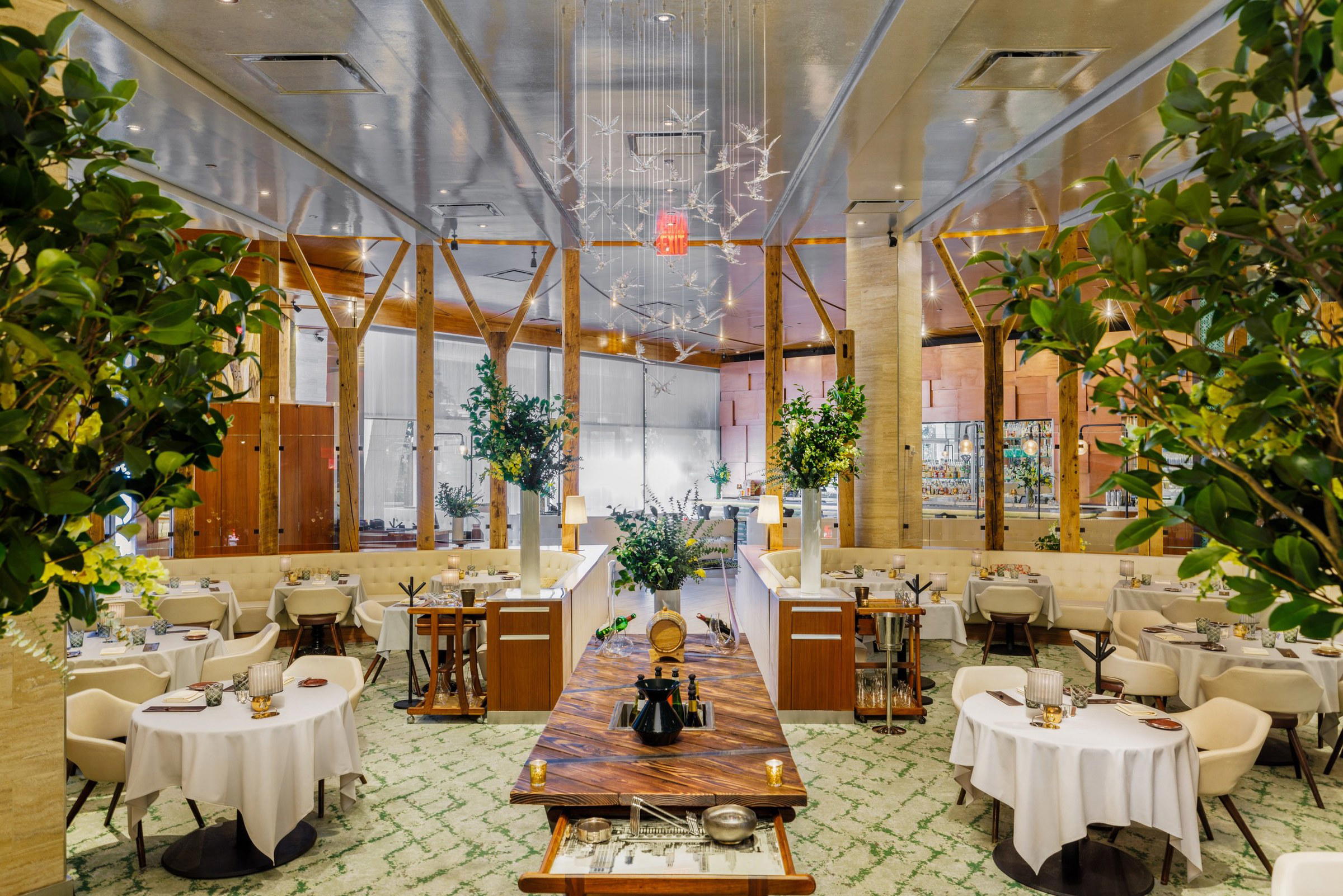
Hotels in New York City
Browse all →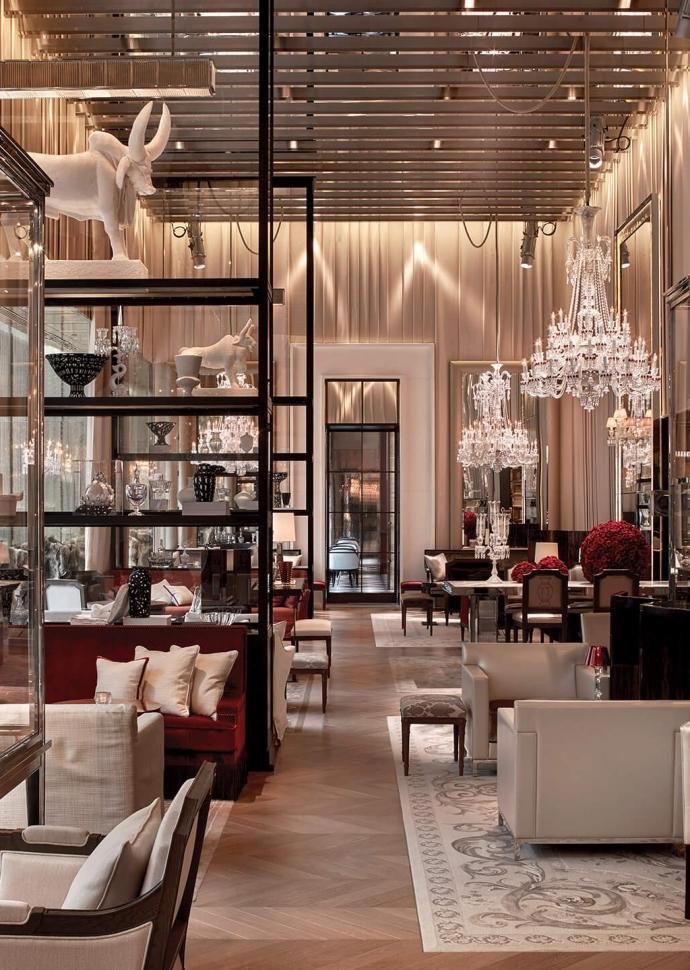


At a Glance
- Elegant
- Sophisticated
- Modern
- Lively
- Date Night
- Pre Theater
- Celebration
- Speakeasy
- Seated Bar
- Lounge Seating
- Craft Cocktails
- Classic Cocktails
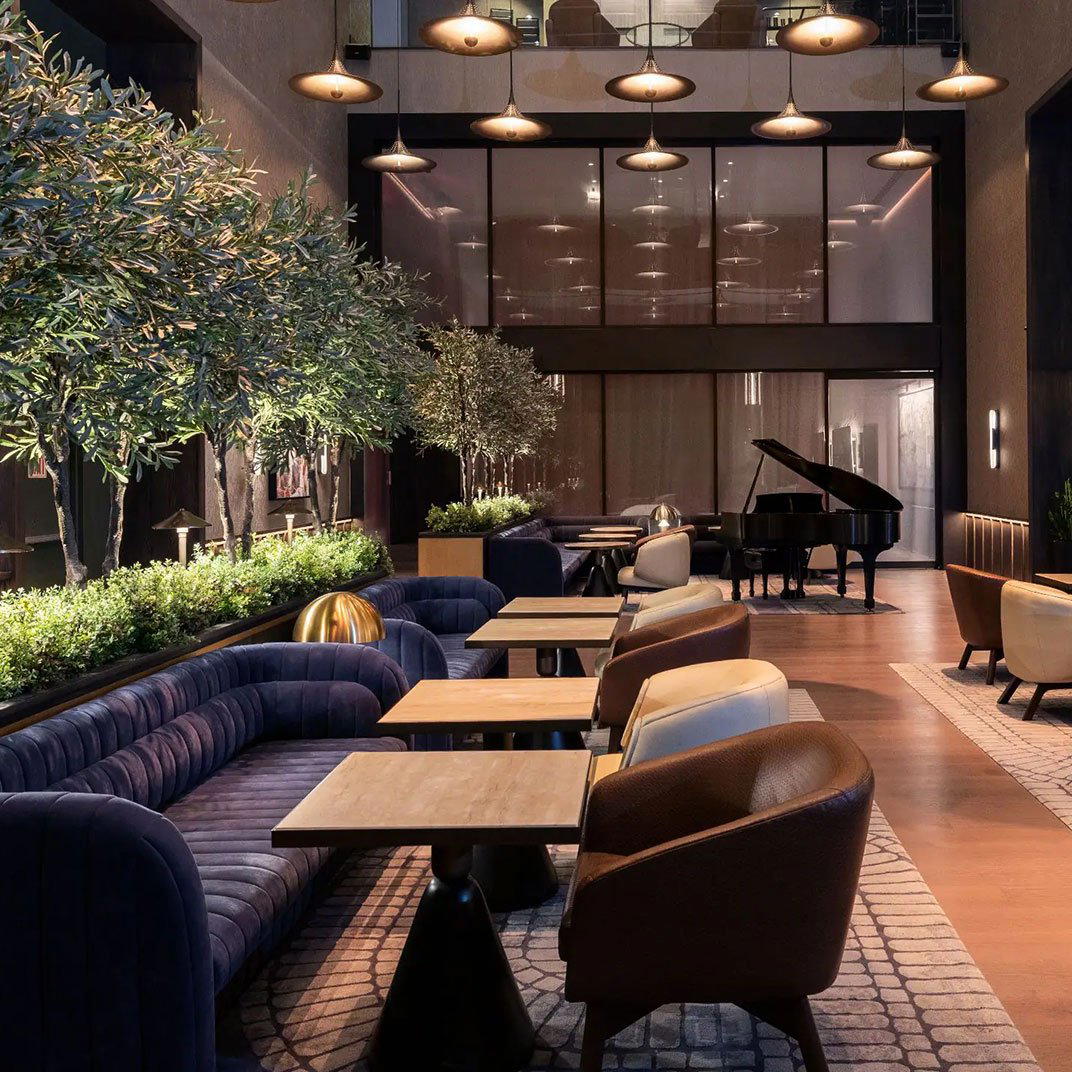
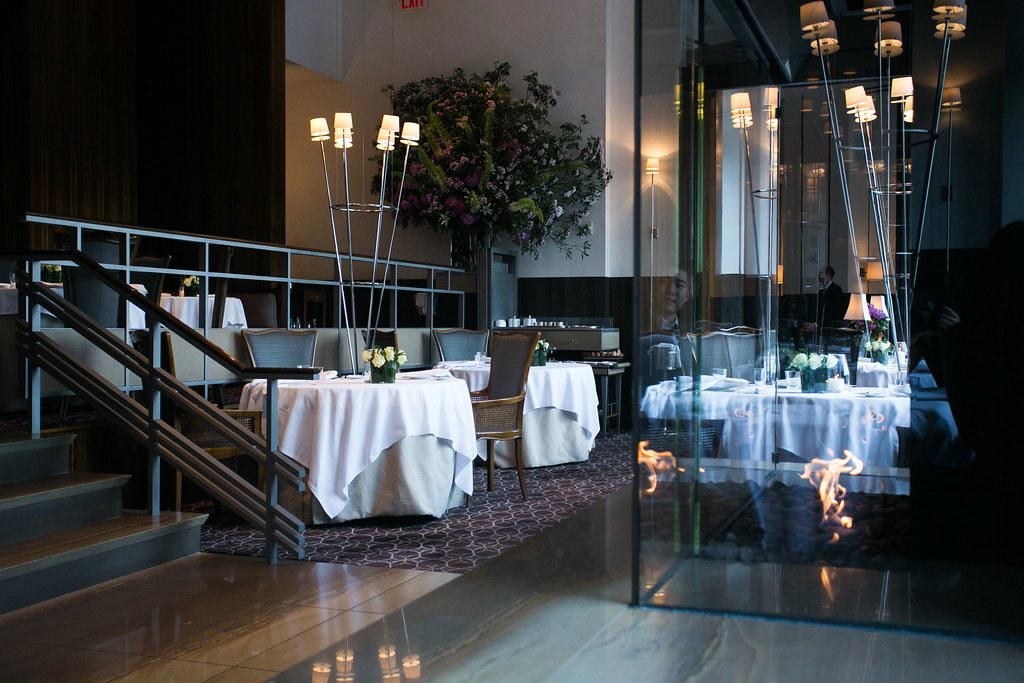
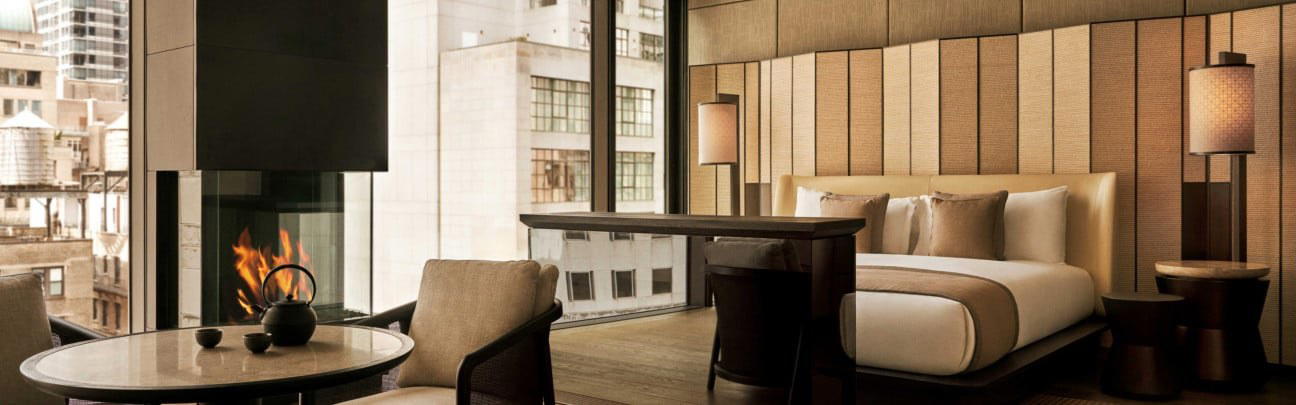
Dim, art deco-inspired lighting with a classy, lively atmosphere blending mid-century modern elegance.